Unknown's avatar

About stuartbramhall

Retired child and adolescent psychiatrist and American expatriate in New Zealand. In 2002, I made the difficult decision to close my 25-year Seattle practice after 15 years of covert FBI harassment. I describe the unrelenting phone harassment, illegal break-ins and six attempts on my life in my 2010 book The Most Revolutionary Act: Memoir of an American Refugee.

Barry Young – Whistleblower

Barry Young – WhistleBlower

NZ Rising

Whistle Blower Barry Young has been charged with “accessing a computer system for dishonest purposes”.

His job was Senior Database Administrator – Oracle working for Health NZ – Te Whatu Ora, which required him to have high level access to the data on the system used for pay-per-dose of vaccine delivery – that Oracle had developed for the government. He had legitimate access to this data

Barry states that his intention for releasing the data was to create a need for a complete Covid Enquiry.  Barry did try to raise his discoveries internally, prior to releasing it publicly. He emailed every member of parliament and raised his concerns with the Health NZ executive leadership team, voicing his distress that the data was showing a safety signal.

As mentioned in the RCR interview there seems to be an astounding level of “willful blindness” to the information he has shared. This leaves us with a number of questions:

  • Why are there no questions from the media into the levels of deaths that the data seems to show? The MSM reaction seems only to be that Barry is spreading dis-information and yet he is being taken to court regarding accessing government data. So which is it??
  • Why would the media not want to understand the data? Surely we all want to understand this information properly?
  • Why, instead are they concentrating on labelling him a conspiracy theorist and blasting him for appearing on alternative media sites?
  • Why are they not asking the questions that we all have, and finding top data analysts to clarify the truth of the information that has been disclosed?
  • Why, if the data/information is incorrect has the Government not refuted it?
  • How can the Employment Relations Authority be authorised to create an injunction suppressing the release or holding of the data? Surely this is out of their jurisdiction, and if it is incorrect data why not just prove it? Why would they want it hidden?
  • This injunction means that qualified data analysts are not allowed to access the data, therefore cannot prove or disprove the safety concerns Barry has raised.

On one hand they are saying that they gained the injunction to ensure the protection of the privacy of individuals and yet:

“Te Whatu Ora was granted an urgent injunction on Friday to prevent the spread of the data”, chief executive Margie Apa said.

“The data, as published on an overseas site, appears to have been anonymised. Analysis of the released data is ongoing, but work so far has not found any National Health Index Numbers or personally identifiable information.”

Otago Daily Times – 6 Dec 2023

The intensity and violence of Barry’s arrest was extreme; eight armed policemen smashed in his door and “trashed” his house… whilst they did have a search warrant which would have allowed them to enter and search his house peacefully, they choose to take a very violent approach.

Barry has been a model citizen, with full permissions for high level access to data in government.

Listen below to Barry’s interview on RCR Radio:

https://realitycheck.radio/barry-young-covid-19-data-whistleblower-on-his-motivation-to-speak-out-and-experience-since-going-public/

Via https://97h25.r.sp1-brevo.net/mk/mr/sh/SMJz09SDriOHVbmPrZWruuECz9GP/bl3XE_6-1esw

1,200 Tonnes of Dead Fish Wash Ashore in Japan

https://i.guim.co.uk/img/media/e1e3862a5952ae152ea097a8c7c1b3f58f15d4e9/0_0_5000_3333/master/5000.jpg?width=620&dpr=1&s=none

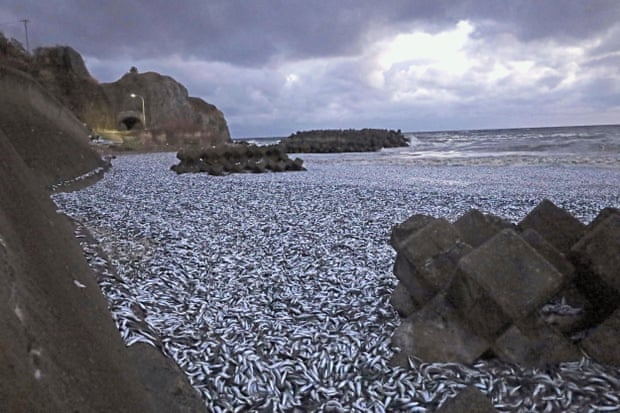
The sardines and mackerel were found floating on the surface of the sea near the fishing port of Hakodate in Hokkaido

The Guardian

Officials in Japan have admitted they are struggling to determine why hundreds of tonnes of fish have washed ashore in recent days.

Earlier this month, an estimated 1,200 tonnes of sardines and mackerel were found floating on the surface of the sea off the fishing port of Hakodate in Hokkaido, forming a silver blanket stretching for more than a kilometre.

On Wednesday, officials in Nakiri, a town on the Pacific coast hundreds of miles south of Hokkaido, were confronted with 30 to 40 tonnes of Japanese scaled sardines, or sappa, which had been observed in the area a couple of days earlier.

Local fishers scrambled to collect the fish, fearing their carcasses would lower the oxygen content of the water as they decompose and damage the marine environment.

“I’ve never seen anything like this before,” a fisher who has worked in the area for 25 years told the Mainichi Shimbun. “It was only around last year that we began to catch sappa in Nakiri. It makes me wonder if the marine ecosystem is changing.”

Experts have speculated that the migratory fish in both areas had become stranded after being chased to the point of exhaustion by amberjack and other predatory fish. Mass mortality events can also occur when there are sudden drops in the water temperature, causing the fish to go into shock, they added.

But no one has been able to confirm the cause. “The cause is unknown at the moment,” Mikine Fujiwara, a local fisheries official, told the newspaper. “We plan to sample the seawater at the site and examine it to uncover the cause.”

Japanese government officials have blasted a report in the British newspaper the Daily Mail that appeared to link the phenomenon to the release of treated water from the Fukushima Daiichi nuclear power plant.

The report noted that dead fish had begun washing ashore almost four months after the plant began discharging the water – which contains small quantities of the radioactive isotope tritium – into the Pacific.

The International Atomic Energy Agency approved the plan, stating in a safety review that discharging the water would have “a negligible radiological impact on people and the environment”.

China, which opposed the release and imposed a ban on Japanese seafood, has been accused of hypocrisy since its own nuclear plants routinely pump wastewater with higher levels of tritium than that found in Fukushima’s discharge.

“We are concerned about unsubstantiated information,” a Japanese fisheries agency official told the Asahi Shimbun.

Images of the fish have been widely shared on social media – many accompanied by Fukushima conspiracy theories.

“There have been no abnormalities found in the results of water-monitoring surveys,” the fisheries agency said, referring to the water that has been pumped out of the Fukushima plant so far. “We’re concerned about the proliferation of information that’s not based on scientific evidence.”

Fishing cooperatives in Fukushima had warned that the discharge would inflict further damage on the reputation of their seafood.

Town officials in Hakodate urged local people not to consume the stranded fish amid reports that some were gathering quantities to sell or eat. “We don’t know for sure under what circumstances these fish were washed up, so I don’t recommend eating them,” Takashi Fujioka, a fisheries researcher said.

[…]

Via https://www.theguardian.com/world/2023/dec/14/ive-never-seen-anything-like-this-japan-says-reason-behind-1200-tonnes-of-fish-washing-ashore-is-unknown


Can Ending Inflammation Help Beat Depression?

inflammation depression

Dr Mercola

Story at-a-glance

  • Intermittent inflammation is critical to support life, but chronic inflammation is linked to depression and many chronic diseases that are the leading causes of mortality worldwide, such as heart disease, chronic kidney disease and diabetes
  • Data show medications that reduce inflammation help reduce symptoms of depression, including in those with treatment-resistant depression. Medications like alpha interferon spike the inflammatory response and increase the risk of psychosis and depression
  • Early life stressors that induce inflammation can increase the risk of chronic diseases and are associated with more stubborn forms of depression. Inflammation in the brain is also associated with fibromyalgia and may be linked to reduced cognitive function in older adults
  • Black seed oil has anti-inflammatory properties that were studied to help lower the inflammatory response to COVID-19. Other nutrients that help lower inflammation include ginger, omega-3, vitamin E, turmeric and bromelain

Multiple studies have suggested that the inflammatory process is linked to the development of altered mood and depression.1 Chronic inflammation can lead to several significant chronic diseases, which are some of the leading causes of mortality worldwide, such as diabetes, heart disease, chronic kidney disease, cancer and nonalcoholic fatty liver disease.2

Intermittent inflammation is critical to support life after an injury or infection. However, systemic chronic inflammation that results from social, lifestyle and environmental factors promotes noninfectious chronic diseases that have come to dominate the leading causes of death worldwide.

More than 50% of deaths globally are attributed to diseases that are related to inflammation and emerging evidence suggests that the risk of chronic inflammation may trace back to childhood.3 In many cases, lifestyle and environmental factors also promote systemic chronic inflammation, including physical inactivity, psychological stress and poor diet.

The bi-directional connection between depression and inflammatory processes has led researchers to theorize that anti-inflammatory treatments may have antidepressant effects.4 However, the risk of side effects from these drugs requires cautious application.

Could Treating Inflammation Affect Depression?

Research data have demonstrated that inflammation is a common denominator between chronic illness and depression. Additionally, as National Geographic notes,5 inflammation can also exacerbate mental health conditions. For example, a 2020 literature review6 of 22 studies, found that depression is positively correlated in adolescents and children with current and future inflammatory responses.

For too long, depression was seen simplistically as a dysfunction of neurotransmitters, particularly serotonin and dopamine. While neurotransmitters do play a role in mood regulation and emotions, the subsequent development of selective serotonin reuptake inhibitors (SSRI) medications did not prove to correct the problem effectively, which means they don’t play the only role, and may not play the major role.

A 2022 study7 notes that the role of inflammation in patients with psychosis was recognized as early as 1980 and, since then, evidence continues to mount suggesting cytokines play a role in the pathophysiology of psychosis. However, rather than simply involving one or two cytokines, the research has shown that an imbalance in pro- and anti-inflammatory patterns is more likely the culprit.

Some believe that the strongest evidence that inflammation plays a significant role in depression and mood disorders comes from the use of alpha interferon, an inflammatory cytokine drug that works as an antiviral. Some of the significant side effects of this drug used to treat hepatitis C and other health conditions are psychosis and depression, also called cytokine-induced sickness behavior,8 which is characterized by loss of energy and depression.

Cytokine levels and an inflamed immune response are associated with depression and fatigue, and early research in alpha interferon therapies found 17% of those treated with the drug developed psychiatric side effects, which improved when the drug was withdrawn.9

In other research, data showed that those who were treated with alpha interferon and suffered from depression had a higher risk of recurring episodes, which suggested to the researchers that the mood alterations were not transient.

Eléonore Beurel is a biochemist at the University of Miami Miller School of Medicine in Florida. She and her colleagues are researching the role inflammation plays in brain cell repair.10 She notes that some studies have shown certain T cells and cytokines that can cross the blood-brain barrier affect the central nervous system’s immune cells, which normally repair damage, but when exposed to inflammation, they damage neurons instead.

Early Life Stress-Induced Inflammation Linked to Chronic Illness

Researchers know that a history of childhood trauma increases the risk of adult depression.11 Dr. Andrea Danese is a child and adolescent psychiatrist at King’s College London. He believes that inflammation may help explain the association between childhood trauma and adult depression and treating it could help mitigate depression.12

As well as an association with depression, childhood maltreatment is also associated with an increased risk for physical health conditions such as cardiovascular disease and Type 2 diabetes. Exposure to stress during childhood is associated with more stubborn forms of depression.

“Individuals who have a history of childhood maltreatment tend to have more chronic and more persistent types of depression and they also tend to respond more poorly to conventional treatment,” Danese said. “Inflammation may definitely be one of the biological reasons for why this happens.”13

Patients with treatment-resistant depression, those who respond poorly to conventional treatment, who also have high baseline inflammation, have found relief using anti-inflammatory medications, such as infliximab, a tumor necrosis factor (TNF) antagonist used to treat autoimmune disorders.14

Brain Inflammation Is One Hallmark of Fibromyalgia

Fibromyalgia is an often debilitating condition that is characterized by chronic, widespread pain that primarily affects women. Brain scans of patients with fibromyalgia reveal their threshold for tolerating pain impulses is substantially lower than most individuals. But the mechanism causing this lowered pain threshold is still unknown.

Using PET imaging, one investigation15 revealed the presence of widespread brain inflammation in patients diagnosed with fibromyalgia. Earlier research16 also revealed high concentrations of inflammatory cytokines in the cerebrospinal fluid, suggesting fibromyalgia patients have inflammation in other areas of the nervous system as well.

German researchers investigating inflammation mechanisms in the brain have also found that as mice get older and regulation of inflammatory responses becomes increasingly impaired, they start losing brain cells.17

Interestingly, the cannabinoid receptor type 1 (CB1), which produces the “high” in response to tetrahydrocannabinol (THC) in marijuana, also helps regulate inflammatory reactions in your brain. In short, chronic brain inflammation is in part driven by the CB1 receptors’ failure to respond.

It appears that microglial cells release endocannabinoids, which then bind to CB1 receptors found in nearby neurons. These neurons then communicate directly with other nerve cells. So, this area of the brain’s immune response is indirectly regulated.

Data from 201718 showed that THC can help restore cognitive function in older brains. Since the study was done on mice, further research is needed to confirm that the same mechanisms apply to humans, but it’s compelling, nonetheless.

Anti-Inflammatory Properties of Black Seed Oil

There are several steps you can take to help reduce the inflammatory process in your body, and one of those may be black seed oil. The bioactive compounds in the oil have antihistamine and anti-inflammatory properties that down-regulate interferon regulatory factor 3 activation, which plays a critical role in the innate immune response.19

Black seed oil has been used for thousands of years for its therapeutic effects, and one 2020 study20 suggests the oil has promising benefits in the treatment and prevention of COVID-19, as it may balance the inflammatory response and support autophagy.

Based on a review of past research the authors suggested the bioactive compounds in the seed, especially thymoquinone and nigelladine, could offer promising benefits. While short-term use of black seed oil may be efficacious in the treatment of COVID-19, long-term use for prevention may have other unwanted effects. One study21 of the chemical composition of black seed oil shows 50.2% of the fatty acids are linoleic acid.

As I have written linoleic acid (LA) is likely the leading contributing cause of virtually all chronic diseases we have encountered in the last century. When LA is consumed in excessive amounts, it acts as a metabolic poison. Chances are you’re getting an excess amount of this dangerous fat from foods that you may even consider healthy. For example, olive oil and chicken, which are fed LA-rich grains, increase your levels of omega-6 fatty acids.

Fight Inflammation With Nutrients

Some of the lifestyle changes that can improve mental health include exercise and diet.22 Mediterranean-style eating has been shown to reduce depression symptoms. One of the factors that help regulate the immune response is the gut microbiome, which is positively impacted through healthy diet changes and exercise. Other lifestyle factors that influence inflammation include quality sleep, sun exposure and reduced stress.

“As we learn more about the role that lifestyle factors have to play in our mental health and also in inflammation, I think that provides quite an empowering message,” Wolfgang Marx, senior research fellow at the Food & Mood Centre at Deakin University, told National Geographic.23 “By exercising, by engaging with nature, by eating healthily, we can actually make a pretty substantial difference — not only in physical outcomes, but also our mental health.”

Several anti-inflammatory nutrients can help you keep inflammation in check when you make a habit of including them in your diet.

Vitamin E prevents LA stored in your tissues from being oxidized into dangerous toxic byproducts. Since most people have LA scores that are 10 times higher than normal, and since excess LA is likely one of the primary contributors to chronic disease, it can be a good idea to take vitamin E regularly until you get your LA down to healthy levels, which may take up to six years for most people.
Omega-3 fats play a crucial role in the health and functionality of your cell membranes and the membranes of your mitochondria. Membranes are lipid structures made of phospholipids and other constituents. The foods you eat provide the raw material substrate that is assembled into the mitochondrial and cellular membranes.

If you’re eating any processed foods, you’re likely getting far too much LA, which damages your mitochondria. If you are not strict enough to reduce your LA intake and don’t eat the right kinds of fish, you may benefit from an omega-3 supplement. I believe krill oil is superior to most fish oil supplements, which delivers omega-3 the way it is found in nature.

Ginger, which is easy to grow at home, has been shown to support immune system function and ameliorate autoimmune diseases such as lupus and rheumatoid arthritis by making neutrophils (a type of white blood cell) more resistant to neutrophil extracellular trap (NET) formation, which is known to propel inflammation and contribute to autoimmune diseases.24
Turmeric gives Indian curries their rich golden color and contains a polyphenol called curcumin, which exhibits more than 150 potentially therapeutic actions. Researchers have shown curcumin has antibacterial, anticancer, anti-inflammatory, antimalarial, antioxidant, antiparasitic, antiproliferative, pro-apoptotic and wound healing properties.
Glucosamine and chondroitin are compounds found in human cartilage, while MSM25 is a sulfur-rich compound found in certain plants, fruits and vegetables. Research suggests glucosamine and chondroitin work synergistically when paired, and MSM can further boost their effects by enhancing cell penetration. All three have anti-inflammatory properties and are commonly used in the treatment of arthritis symptoms.
Glycine exerts potent anti-inflammatory effects by inhibiting the activation of immune cells and suppressing the production of proinflammatory cytokines. It acts on inflammatory cells like macrophages to block the signaling of the NLRP3 inflammasome.
Bromelain is an enzyme found in pineapples. It can reduce inflammation, joint pain and joint degradation, improve gut function and digestive health, and aid in the metabolism of amino acids.
Boswellic acid, extracted from the boswellia serrata tree, has a long history of use in traditional medicine. It can reduce pain and inflammation throughout the body, including arthritis pain.
Green tea extract contains a potent antioxidant catechin called EGCG, which combats inflammation, relieves joint and muscle soreness, and prevents future oxidative stress and damage.

[…]

Via https://articles.mercola.com/sites/articles/archive/2023/12/14/inflammation-depression.aspx

How Lactobacillus Protects Your Health

lactobacillus benefits

Dr Mercola

Story at-a-glance

  • Several studies have found that different strains of the Lactobacillacea family are diminished in people with anxiety and depression, and others have confirmed that different species of Lactobacillus can help prevent and/or treat these conditions
  • Researchers at the University of Virginia School of Medicine discovered that Lactobacillus bacteria — found in many fermented foods, including yogurt — helps dampen stress responses and prevent depression and anxiety by modulating levels of an immune mediator called interferon gamma (IFNγ). In other words, these beneficial bacteria help “tune” your immune system
  • Another recent paper describes how Lactobacillus inhibits the growth of gram-negative endotoxin-producing bacteria through a process known as competitive inhibition, and eliminating endotoxin is crucial for health
  • Endotoxin is one of several factors that impairs mitochondrial function, promotes glycolysis and, ultimately, promotes cancer metabolism
  • Lactobacilli also benefit your health by breaking down dietary fiber into beneficial short-chain fatty acids, breaking down phytonutrients such as polyphenols, which have anti-inflammatory and antioxidant benefits, promoting the growth of other beneficial gut microbes, and maintaining an appropriate pH level in your gut

I’ve often recommended traditionally fermented foods for their ability to “reseed” your gut with healthy bacteria. A healthy gut microbiome, in turn, can help ameliorate or reverse many chronic health conditions, as so much of your health is dependent on and can be traced back to your gut.

Even many mental health problems have in recent years been linked to gut health. Several studies1 have found that different strains of the Lactobacillacea2 family in particular are diminished in people with anxiety and depression. Others have confirmed that different species of Lactobacillus can help prevent and/or treat these conditions. So much so, Lactobacillus has been dubbed a “psychobiotic.”3

For instance, one 2011 study4 found that the probiotic Lactobacillus rhamnosus has a marked effect on GABA levels in certain brain regions and lowers the stress-induced hormone corticosterone, resulting in reduced anxiety- and depression-related behavior.

How Lactobacillus Regulates Your Mood

Most recently, researchers at the University of Virginia School of Medicine discovered5 that Lactobacillus bacteria — found in many fermented foods, including yogurt — helps dampen stress responses and prevent depression and anxiety by tuning your immune system. As reported by SciTech Daily:6

“The new research from UVA’s Alban Gaultier, Ph.D., and collaborators is notable because it pinpoints the role of Lactobacillus, separating it out from all the other microorganisms that naturally live in and on our bodies …

Our guts are naturally home to countless bacteria, fungi, and viruses … scientists have increasingly realized that these tiny organisms and their endless interactions are critical to our immune systems’ health, our mental health, and many other facets of our well-being.

Disruptions of the microbiota, whether from illness, poor diet, or other causes, are known to contribute to many diseases and even help cancer spread …

Early attempts to manipulate the gut flora with beneficial bacteria, called probiotics, have produced mixed results. A big part of the problem has been the sheer complexity of the microbiome … Gaultier and his team took an innovative approach to hone in on Lactobacilli …

Gaultier and his team decided to continue their depression research using … two strains of Lactobacillus [L. intestinalis and L. murinus] … Gaultier and his colleagues were able to explain exactly how Lactobacilli influence behavior, and how a lack of the bacteria can worsen depression and anxiety.”

According to these findings, one of the primary ways in which Lactobacillus helps prevent depression and regulate your body’s response to stress is by modulating levels of an immune mediator called interferon gamma (IFNγ). As explained by the authors:7

“… we found that the Lactobacillus species themselves, and not the disrupted microbial communities, are protective from environmental stressors. Further, we determine that Lactobacillacea are maintaining homeostatic IFNγ levels which are mediating these behavioral and circuit level responses …

By utilizing mice lacking Lactobacilli from birth, we found that Type 1 adaptive immunity is important as a primary mediating factor in stress resistance.

Building off a body of work showing that Lactobacillus is necessary for the maintenance of systemic IFNγ, we further demonstrate that both Lactobacilli and IFNγ are necessary for resilience to environmental stressors.”

Lactobacillus Prevents Endotoxin Production

Another recent paper,8 published in April 2022, describes how Lactobacillus inhibits the growth of gram-negative endotoxin-producing bacteria through a process known as competitive inhibition, and eliminating endotoxin is crucial for health in several respects.

Endotoxin, also known as lipopolysaccharide (LPS), is produced by gram-negative bacteria in your gut. As explained in several recent articles, endotoxin is one of several factors that destroys mitochondrial function, promotes glycolysis and, ultimately, cancer metabolism.

When complex carbs aren’t digested in your stomach, they travel down to the intestine where they feed these gram-negative bacteria, and as the bacteria grow, multiply and die, they release LPS, which can result in leaky gut, allergic reactions, organ dysfunction and even sepsis.

Endotoxin also catalyzes a series of metabolic reactions that convert tryptophan in your gut to serotonin. Most people think serotonin is good, but mostly, especially higher levels, it is not good for your health. You do not want high levels of serotonin because it’s an antimetabolite.

This means it suppresses your body’s ability to create energy in your mitochondria in the electron transport chain, so you become tired and fatigued, your metabolic rate slows and you gain weight.

To address this vicious cycle, you need to heal and seal your gut. Beneficial bacteria such as Bifidobacteria and Lactobacillus, and beneficial yeast like Saccharomyces boulardii, can all help rein in the endotoxin production through competitive inhibition.

Probiotics such as these also strengthen your intestinal barrier (the “seal” part of “heal and seal your gut”) by increasing mucus production, stimulating release of antimicrobial peptides and increasing tight junction integrity.9

Additionally, they tend to crowd out the gram negative bacteria by occupying space and territory and displacing them in the gut. In microbiology this is termed competitive inhibition and is one the reasons they help decrease endotoxin as there are simply less gram-negative bacteria.

At the same time, you also want to strictly limit your intake of refined sugar and most starches, as these types of carbs tend to feed the bacteria that produce endotoxin, especially if your microbiome is less than optimal. Alcohol is also best avoided, as it too can promote the growth of gram-negative bacteria and the accumulation of endotoxin.

As explained in a 2008 study,10 when gram-negative bacteria metabolize alcohol, they can also produce acetaldehyde, which increases intestinal permeability to endotoxin. In other words, the acetaldehyde facilitates the endotoxins’ entry into your blood circulation.

Other Benefits of Lactobacilli

Lactobacilli also benefit your health by:

  • Breaking down dietary fiber into beneficial short-chain fatty acids.
  • Breaking down phytonutrients such as polyphenols, which have anti-inflammatory and antioxidant benefits.
  • Promoting the growth of other beneficial gut microbes, including bacteria that produce butyrate, which is a fuel source for the cells in your gut lining and inhibits inflammation.11
  • Maintaining an appropriate pH level in your gut by producing lactate and acetate from dietary fiber. And, by balancing the acidity in your gut, they encourage the proliferation of beneficial and harmless (commensal) bacteria while minimizing the harmful ones.

Specific strains have also been shown to be particularly beneficial for specific health conditions. For example:12

L. acidophilus is recommended in the treatment of ulcerative colitis.
L. plantarum may ameliorate irritable bowel disease (IBD), irritable bowel syndrome (IBS), heart disease, cancer and gastrointestinal problems. It’s also been shown to decrease pathological hallmarks of Alzheimer’s, including amyloid plaques and tangles.13
L. reuteri can be useful in the treatment of infant colic and leaky gut, and for the prevention of urogenital disease, dental caries and food sensitivities.
L. casei can help prevent antibiotic-associated diarrhea and clostridium difficile infections, and improve your body’s glucose response.
Preliminary animal research suggests L. paracasei might be able to prevent Type 2 diabetes by influencing genes involved in glucose metabolism.14
L. rhamnosus has been shown to help women lose weight.15
A probiotic milk product containing L. acidophilus, L. casei, Bifidobacterium bifidum and L. fermentum was shown to lower highly sensitive c-reactive protein levels (a marker of inflammation) by 18% after 12 weeks in elderly patients diagnosed with Alzheimer’s.16

Meanwhile, those who got a placebo saw a 45% increase in hs-CRP. The placebo group also continued to decline cognitively, while those who got the probiotics saw significant improvement in their mini-mental state examination (MMSE) scores.

When it comes to mental health, three Lactobacillus species — L. casei, L. helveticus and L. rhamnosus — have been shown to reduce anxiety and depressive behavior. L. helveticus may also improve memory.17

How to Feed the Lactobacillus in Your Gut

The take-home here is that diversity matters, even within a single family of bacteria. The greater the diversity of your gut microbiome, the more likely you are to be able to maintain overall good health. There are three primary ways to increase the number of Lactobacilli and other beneficial bacteria in your gut:18

  1. Take a high-quality probiotic supplement that contains one or more strains.
  2. Consume fermented foods such as unpasteurized yogurt or kefir made from raw milk, sour cream, and fermented vegetables such as sauerkraut.
  3. Eat foods that promote proliferation of Lactobacilli, such as dietary fiber, Konjac flour, wheat bran, buckwheat, barley, apples, walnuts, artichoke and chokeberry.

[…]

Via https://articles.mercola.com/sites/articles/archive/2023/12/14/lactobacillus-benefits.aspx

The Extensive Trade Networks of the Ancient Etruscans

Episode 15 Mediterranean Artisans and Merchants

The Mysterious Etruscans

Dr Steven L Tuck (2016)

Film Review

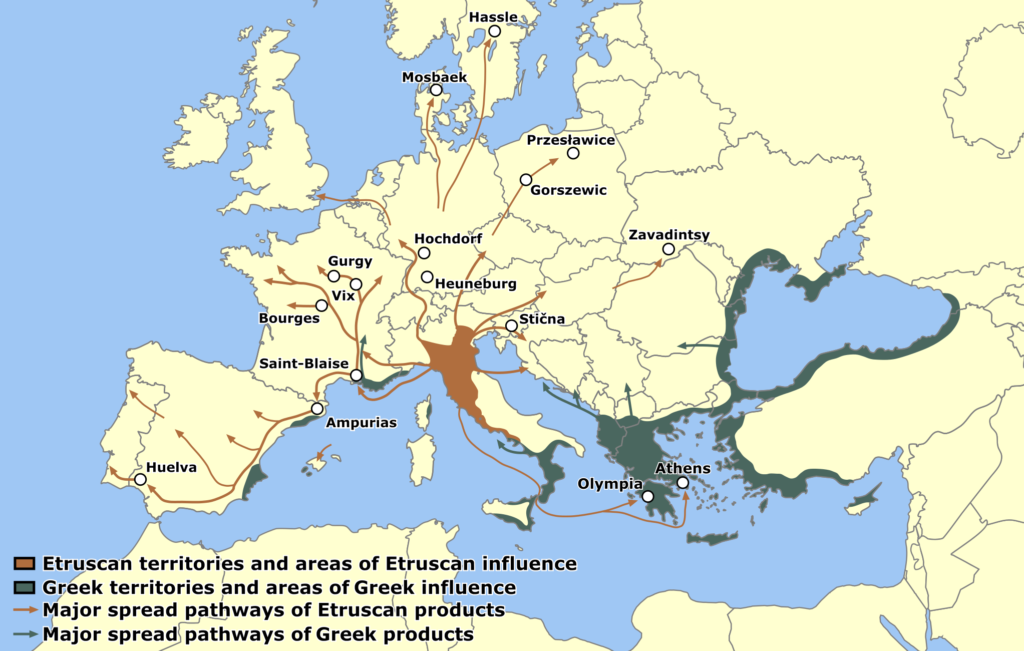
Extensive trade networks from Spain to the eastern Mediterranean had a major impact on Etruscan culture. The Greeks and Phoenicians were their major trading partners.

The Greeks began colonizing southern Italy in the 8th century BC. Ischia was their first settlement and Cumae their second. The Etruscans founded the city of Capua to compete (for trade and agricultural land) with Cumae. The Greeks went on to start colonies in Pompei, Herculaneous, Paestium and Marseilles. They also settled parts of Corsica.

After trading with Sardinia for centuries, the Phoenicians occupied and settled the island in the 6th century BC to mine in it interior. This is also where they produced the red and black figurine vases that have been found in greater numbers in Etruria than any other Mediterranean city.

Trade between Etruscan Italy and Corinth, Crete and Cyprus was a conduit for the “orientalizing style” (730-580 BC) of pottery that appeared in Etruscan cities around the 6th century BC.* Corinthian immigrants settled in Etruscan cities to make pottery especially for the Etruscan market.

Archeologists have also found engraved ivory dating from the Etruscan period that was either imported from Phoenicia (aka the Levant**) or accompanied Phoenician immigrants to the Italian peninsula.

The Etruscans also imported glass ornaments from both Phoenicia and Egypt. Phoenicia (Lebanon) was the main source of sodium carbonate to make Egyptian natron glass.***

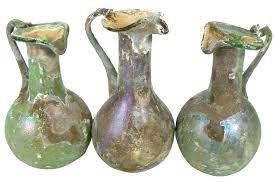
Natron glass vases

It’s less clear what the Etruscans exported. Tuck believes their exports were mainly limited to unfinished raw materials, such a timber, copper, iron, slaves, agricultural products and livestock. However there are no written records to verify this.

Although archeologists have found a few Etruscan bronzes at the Acropolis in Greece. It seems likely most Etruscan bronzes were melted down for other uses. The Etruscans also exported wine amphora and were famous for their terra cotta religious sculptures and glossy black bucchero vessels found in religious shrines in the Greek colonies. Such relics are also found in Malta, Sicily and at an ancient Phoenician settlement in Cadiz (Spain).


*In 550 BC Eastern Greece came under Persian control, resulting in adoption of Persian art and culture. The Phoenicians also traded extensively in goods from Assyria, Egypt and the Levant. These included ceramics, bronze, silver and glass vases, shells and ostrich eggs (indigenous to Mesopotamia), which were eaten as a delicacy before being engraved and made into drinking cups. The latter are found in Egypt and Sumeria as far back as 3,000 BC.

bensozia: The Art of Ancient Sumer

**The Levant is a historical designation for the region along the eastern Mediterranean, roughly corresponding to modern-day Israel, Jordan, Lebanon, …

***Natron or sodium carbonate (Na2CO3) was used by the ancient Bronze Age societies in the eastern Mediterranean for a wide range of purposes, most importantly as an ingredient in making glass,

Film can be viewed free with a library card on Kanopy.

https://www.kanopy.com/en/pukeariki/watch/video/239710/239639

Tylenol Autism Settlement Conference Scheduled To Discuss Resolution for Claims Brought By Families Nationwide

U.S. Magistrate Judge will hold a Tylenol settlement conference on January 4, 2024, as the Court considers pending motions to challenge the admissibility of expert testimony linking Tylenol and autism, ADHD

Parties involved in the federal Tylenol autism lawsuits will begin meeting early next month with a U.S. Magistrate Judge, to discuss potential settlements for claims brought over the drug makers’ failure to warn that prenatal exposure to acetaminophen may cause autism, attention hyperactivity disorder (ADHD) and other developmental delays among children.

Tylenol (acetaminophen) has been widely used by pregnant women for decades, largely due to the belief that it is safe for unborn children. However, a growing number of lawsuits are now being pursued by families nationwide, each raising similar allegations that children were left with life-long disabilities after exposure to the active ingredient in the pain medication before birth.

Given common questions of fact and law over the adequacy of the Tylenol pregnancy warnings, the U.S. Judicial Panel on Multidistrict Litigation (JPML) established coordinated pretrial proceedings last year, centralizing all claims brought throughout the federal court system before U.S. District Judge Denise Cote in the Southern District of New York, as part of a federal multidistrict litigation (MDL).

There are currently about 500 product liability claims pending before Judge Cote, with thousands of additional claims under active investigation by Tylenol autism lawyers, and it is widely expected that the size and scope of the litigation will increase dramatically in the coming months and years.

As part of the coordinated management of the litigation, Judge Cote has prioritized discovery into the link between Tylenol and autism, as well as ADHD and other developmental problems. The Court is also considering a series of early challenges raised by the drug makers to the sufficiency and reliability of expert witness testimony prosed by plaintiffs. However, while those issues are being addressed, the parties have been directed to engage in Tylenol autism settlement negotiations to explore potential resolutions for the claims.

Tylenol Autism Lawsuit Settlement Talks Scheduled

On December 1, U.S. Magistrate Judge Katherine Parker issued an order (PDF), indicating that a settlement conference will be held January 4, 2024.

It is not expected that the settlement negotiations will result in the resolution of any specific cases, but the discussions may form the framework for settling claims that meet certain criteria without the need for lengthy and protracted litigation.

If early negotiations are not productive, Judge Cote will likely establish a “bellwether” process, where a small group of representative cases will be selected for trial, to help gauge how juries may respond to certain evidence and testimony that will be repeated throughout the litigation.

Although the outcome of such bellwether trials will not be binding on other families pursuing Tylenol autism and ADHD lawsuits, the average payouts awarded by juries may play a key role in future settlement discussions, influencing the amount of any Tylenol settlements Johnson & Johnson and other drug makers may offer children injured by Tylenol.

Evidence Linking Tylenol and Autism, ADHD

The settlement negotiations will get underway as Judge Cote continues to evaluate oral arguments presented on December 7, over the admissibility of opinions and testimony provided by certain plaintiffs’ expert witnesses. The Court is determining whether the opinions are sufficiently reliable to present to a jury at trial, which are known as Daubert challenges.

If plaintiffs’ expert witnesses are approved to testify at trial after the Daubert hearings, the litigation over the manufacturers’ failure to warn about the risk of ADHD and autism from Tylenol will be cleared to move forward.

Plaintiffs’ experts rely on a number of reports published in recent years, which have examined the association between Tylenol use during pregnancy and the risk of autism through observational studies and epidemiological research, since it would be unethical and illegal to conduct studies in which pregnant women are given acetaminophen to investigate whether it causes autism.

Many of the findings published in recent years have identified strong links between acetaminophen use during pregnancy and increased risks of autism or ADHD diagnosis in children.

In a study published in the European Journal of Epidemiology in May 2021, researchers analyzed data from 73,881 children and found a clear link between prenatal acetaminophen exposure and an increased risk for autism and ADHD diagnoses. An earlier study was published in the International Society of for Autism Research in 2015, finding that prenatal use of acetaminophen was associated with an increased risk of autism spectrum disorder, accompanied by hyperactivity symptoms

With such studies going back years, plaintiffs’ expert witnesses will likely argue that the manufacturers knew, or should have known, about the link between Tylenol prenatal use, autism and ADHD, but failed to provide adequate warnings to alert pregnant mothers of the risk.

[…]

Via https://www.aboutlawsuits.com/tylenol-autism-settlement-conference-scheduled/

Pfizer Loses $12.93 Billion as Covid Vaccination Stalls

Pfizer

By Alexander Fabino

Newsweek

Waning concern about COVID-19 among Americans is helping to eroding billions in market value from pharmaceutical giant Pfizer Inc., a recent survey shows.

Pfizer investors triggered a stock sell-off Wednesday, pushing shares down 7.98 percent and wiping away roughly $12.93 billion in value after the company warned it may make less money next year because of static vaccination rates and a continued slowdown in demand for its COVID-19 vaccine and related products.

The drugmaker revised its 2024 revenue forecast to range between $58.5 billion and $61.5 billion, trailing the $62.66 billion analysts projected.

That reduction in revenue forecast is backed by a Kaiser Family Foundation (KFF) survey in November that found public interest in COVID-19 vaccinations is diminishing. Roughly half of U.S. adults indicated they do not plan to receive the latest vaccine (produced by Pfizer-BioNTech and Moderna), which was made available in September. That hesitancy extends to previously vaccinated individuals, with about 17.2 percent (44 million) of Americans age 18 and over having received the updated vaccine.

The Pfizer company logo is displayed on the floor of the New York Stock Exchange. Pfizer stock has fallen 7.98 percent as of Wednesday mid-afternoon, erasing billions in value, after the company warned of lower revenues in 2024. Michael M. Santiago/Getty Images

Pfizer CEO Albert Bourla told investors during an earnings call on Wednesday that its conservative outlook aims to set a reliable baseline and avoid the uncertainty that marked the previous year when Pfizer’s estimates overshot actual demand.

According to Pfizer, revenue from COVID-related products is projected to contribute about $8 billion next year, a decrease from this year’s expected $12.5 billion.

Newsweek has reached out to Pfizer via email for comment.

The KFF survey found that only about one in five adults has embraced the updated vaccine, with about 17 percent saying they will “probably not” get the new vaccine. According to the KFF, the figure marks a decline in vaccine use and suggests a diminishing reliance on COVID-19 vaccines as a steady revenue source for the company.

[…]

Via https://www.newsweek.com/pfizer-stock-down-covid-vaccine-demand-falls-kff-survey-1852203

Trump Demands Action After 20 Percent of Mail-in Voters Admit to Fraud in 2020 Election Survey

https://www.theepochtimes.com/_next/image?url=https%3A%2F%2Fimg.theepochtimes.com%2Fassets%2Fuploads%2F2023%2F12%2F07%2Fid5543057-trump-2.jpg&w=1200&q=75

Epoch Times

Former President Donald Trump issued an urgent call for action to his fellow Republicans over what he called “the biggest story of the year,” namely a survey showing that 20 percent of mail-in voters admitted to committing at least one kind of voter fraud in the 2020 election.

The Heartland/Rasmussen poll, released on Dec. 12, suggests concerning levels of voter fraud in the 2020 election, bolstering President Trump’s longstanding claim that he was cheated out of a victory amid an explosion in mail-in ballots combined with state-level moves by the courts that made it easier to cheat.

The new survey shows 17 percent of mail-in voters admitting to voting in a state where they are no longer permanent residents; 21 percent filling out ballots for others; 17 percent signing ballots for family members without consent, and 8 percent reporting offers of “pay” or “reward” for their vote.

What’s more, 10 percent of all respondents to the survey (carried on a representative sample of 1,085 likely voters) said they know a friend, family member, co-worker, or other acquaintance who admitted to casting a mail-in ballot fraudulently.

Over 43 percent of 2020 votes were cast by mail, which is the highest percentage in U.S. history.

“Taken together, the results of these survey questions appear to show that voter fraud was widespread in the 2020 election, especially among those who cast mail-in ballots,” the Heartland Institute, a conservative and libertarian public policy think tank, said in a statement.

[…]

Via https://www.theepochtimes.com/us/trump-demands-action-after-20-percent-of-mail-in-voters-admit-to-fraud-in-2020-election-survey-5545834

Running On Empty, the US Leaves Zelenskyy Hanging

Ukrainian President Volodymyr Zelenskyy made one last ditch effort to plead for US monetary and military support for the war against Russia. President “Biden” all but blackmailed the American people last week over this issue, threatening us with sending our children to fight a war to cover up his corruption and Davos’ antihuman agenda.

The contempt with which I hold these people cannot be overstated. Biden has no more legitimacy to threaten us with fighting a war with Russia for Ukraine than Zelenskyy does. Yet his handlers think nothing of putting those words in his mouth after shoving his morning dose of stimmies into him to prop him up in front of the teleprompter for him to hopefully not misread.

If that last sentence doesn’t make your blood boil, I’ve not been doing my job properly lo these past six years.

So, challenge accepted then. Watch this clip of Zelenskyy telling us we need to forego everything to save his sorry ass.

This level of rhetoric is the zenith of toxic thinking. There is no time for anything other than fighting XXX. For Zelenskyy it is Putin. For the vampires and ghouls like Al Gore, John Kerry and Tony Blair screeching at COPE28, it is climate change.

For Democrats and the Media it is Trump.

By framing all of these topics in this way they betray their own agendas. It is nothing more than the full court press that all tyrants push when they are at their most vulnerable. If things were going their way they wouldn’t have to exhort people to give up everything to fight their fight for them.

If Zelenskyy wasn’t such a tool for Davos and/or the Neocons who pushed him into this position, I’d actually feel some pity for him. But my humanity has limits. There comes a point where you have the face the consequences of the actions you have taken.

I don’t care if you are him, Joe Biden, George Soros, Anthony Fauci, Klaus Schwab, or any of their lieutenants. You can only outrun the hangman for so long.

You can only hide behind the law and the veneer of civilization that put you in your position of power for so long.

Eventually the lies and the double-dealing, the fast-talking and the pride, all catch up with you. Eventually, you ask for something that no one is willing to part with and it all comes crashing down.

If Zelenskyy has an ounce of shame left in him he would go back to Kiev and makes plans to give Putin his pound of flesh to save those of the people he’s supposed to represent. Swallow the pride, save the people.

But he won’t. Neither will Biden. Or Warren. Or Hillary. Or any of them. They would rather burn the world to the ground and blackmail us to the very end than face the one thing they are all afraid of… and it isn’t just death as Alex Jones told Tucker Carlson on X/Twitter the other day.

… it’s the emptiness of the lives they’ve led which they need to prove to everyone. How else can they justify their actions to themselves?

I was asked by Sputnik News to give my thoughts on Zelenskyy’s trip to Washington D.C. to scare up money for Ukraine, knowing full well that he has eluded the hang man for nearly two years now.

This money doesn’t just represent a vain hope of a failing government, it is emblematic of the problems across the entire West: this magical thinking that we can fund every idea that comes into our heads by throwing other people’s money at it.

Have you ever noticed how the people who speak about shared sacrifice are the ones who never seem to sacrifice anything of their own?

[…]

Via https://tomluongo.me/2023/12/13/running-empty-us-zelenskyy-hanging/


Israeli regime turning to Western mercenary groups to back its war on Gaza

US Rep. Ilhan Omar (D-MN) (L) talks with Speaker of the House Nancy Pelosi (D-CA) during a rally with fellow Democrats before voting on H.R. 1, or the People Act, on the East Steps of the US Capitol on March 08, 2019 in Washington, DC. (AFP photo)

By Reza Javadi

Apart from the lavish military aid offered by the United States and Europe, the Israeli military is turning to Western mercenary groups in its genocidal war against the Gaza Strip.

In a recent interview with Spanish newspaper El Mundo, Pedro Diaz Flores, a notorious Spanish mercenary, revealed that the Israeli regime is recruiting Private Military Companies (PMCs) to achieve its interests in the besieged territory.

He revealed that “many” mercenary groups have joined Israel’s army, which pays them “very well.”

“So I came for the economy, for money. They pay very well, they offer good equipment and the work is calm. It is 3,900 euros [$4,187] per week, complementary missions aside,” Flores said.

Flores, who fought alongside neo-Nazis in Ukraine, spoke of his group’s assistance to Israeli forces.

“We only provide security support to arms convoys or the troops of the Israeli armed forces that are in the Gaza Strip,” Flores said, confirming the presence of PMCs in Gaza.

“We are in charge of the security of the checkpoints and access control on the borders of Gaza and Jordan. There are many PMCs here and they share the work. Traditionally they have guarded border terminals between Eliat and Aqaba.”

According to the images posted by a leading American PMC, Forward Observations Group (FOG), the American PMCs seem to be active in the occupied Palestinian territories aiding the Israeli regime.

On their social media accounts, FOG posted numerous images and stories showing its recruits in Palestine, surrounded by a large cache of weapons and sporting combat gear.

Wearing the American flag on their uniforms, the mercenaries’ social media accounts show that they are stationed alongside the Gaza border in the occupied territories.

In a YouTube video posted back in January, the group revealed its presence on the frontlines of the Ukraine war, assisting the Ukrainian forces in their war against Russian forces.

On its social media channels and website, FOG has advertised its gear through its training videos.

The founder of FOG is US mercenary and ex-US paratrooper, Derrick Bales, who has taken heat for his association with Vadim Lapaev, a member of the far-right Azov Battalion in Ukraine.

Bales, the former US infantry soldier who also served in Afghanistan, apologized but downplayed the radical aspects of those Ukrainian fighters.

Lapaev was quoted as saying by Vice News that he regretted his past association with neo-Nazis.

Apart from unconventional forces, the US has deployed more than 15,000 military troops to the occupied territories since the regime launched its fresh aggression against Palestinians on October 7.

Deployments disclosed by the Pentagon back in October also include two US aircraft carriers and their associated escort ships, in addition to the repositioning of an amphibious task force made up of about 4,000 US Marines and sailors.

The task force of sailors and Marines embarked aboard the USS Bataan and two other warships, includes an infantry battalion of about 900 combat personnel, F-35B fighter jets, armored vehicles and other weapons.

Apart from billions of dollars of military aid to the Israeli regime, the US military still continues to ship weapons and has pledged to provide more missile interceptors for Israel’s Iron Dome military system, small-diameter bombs and other GPS-guided weapons, Sabrina Singh, a Pentagon spokeswoman confirmed recently.

In this regard, the US is covertly providing 2,000-pound “bunker-busting” bombs to Israel’s air force to be used against the Palestinians in the Gaza Strip.

According to a recent report by the Wall Street Journal (WSJ), some 100 of the BLU-109 bombs – designed to penetrate hardened surfaces to reach underground targets such as military bunkers – have been sent to Tel Aviv.

The bombs, which carry a warhead weighing more than 900 kilograms, are capable of penetrating hardened structures such as concrete before exploding, causing heavy casualties.

The covert arms transfers are being reported when the US claims that it is urging Israel to limit civilian casualties in its military campaign in Gaza. However, the US-provided weapons have been the main cause of high civilian casualties across Gaza.

According to US officials, an airstrike that hit the Jabalia refugee camp in northern Gaza in the initial days of the war that killed over 100 people was conducted using US-provided bombs.

According to another latest report, phosphorus shells used by Israeli forces in an October attack on a Lebanese village were also provided by the US.

The revelation came after US officials expressed “concern” over the regime’s use of white phosphorous, which human rights campaigners say should be investigated as a war crime.

Meanwhile, some Russian news agencies and several experts have reported about mercenaries leaving Ukrainian soil and heading to the occupied territories to aid the regime forces against the Palestinian resistance movement.

“Assistance and attention to Kiev are noticeably decreasing due to the Israeli-Palestinian conflict, which cannot but worry the Ukrainian authorities,” a Russian news agency posted on Telegram.

“The transfer of Foreign Legion fighters to participate in the war on the side of the Israel Defense Forces can greatly affect the morale of the Ukrainian Armed Forces,” wrote another X account.

“Is the West ready to close the Ukraine project and devote all its attention to a new conflict in the Middle East?”

In this regard, the deployment of mercenaries in Gaza raises questions about accountability and the role of the international community, as it exacerbates the suffering of Palestinians.

[…]

Via https://www.presstv.ir/Detail/2023/12/12/716248/israeli-regime-western-mercenary-groups-support-war-gaza