The Most Revolutionary Act

Uncensored updates on world events, economics, the environment and medicine

The Most Revolutionary Act
Unknown's avatar

About stuartbramhall

Retired child and adolescent psychiatrist and American expatriate in New Zealand. In 2002, I made the difficult decision to close my 25-year Seattle practice after 15 years of covert FBI harassment. I describe the unrelenting phone harassment, illegal break-ins and six attempts on my life in my 2010 book The Most Revolutionary Act: Memoir of an American Refugee.

We Must Save Ourselves from Public Health Professionals

We Must Save Ourselves from the Public Health Professionals
By David Bell

The Brownstone Institute

The Link Between Public Health and the Eugenics Movement

Like other aspects of medicine, public health is about dealing with life and death. In the international sphere, this involves big numbers. If, as a group, a few million dollars is allocated here, it may save thousands of lives. Actual people living rather than dying, or grieving. If it’s allocated there, it may even promote death – diverting other resources from a more useful approach or causing direct harm.

Dealing with such issues affects people’s egos. Humans are prone to think themselves important if they seem to have power over the lives of others. With international public health staff this is reinforced by people they meet, and the media glorifying their work. The public hears little of the high, often tax-free salaries or the travels and 5-star hotels that boost these egos still further, but instead are fed pictures of (usually brown) children lining up to be saved by people in (usually blue) vests with nice logos. It all feels good.

The result, inevitably, is an international public health workforce that has a very high opinion of itself. Possessing values that it considers superior to those of others, it feels justified in imposing its beliefs and values on the populations who are the target of its work. As their role seems to them more important than bringing up kids in some random village or working at an airport check-in counter, they can feel virtuous when seeking to impose their superior opinions on others.

[…]

Things get tricky when the ultimate source of funding has its own commercial or geopolitical priorities. As an example, expenditure of the World Health Organization (WHO) is now over 75% specified by the funder, including those who stand to gain financially from such work. Large organizations that helped the WHO run its Covid-19 response, such as Gavi (vaccines) and CEPI (vaccines for pandemics), were jointly set up by private and corporate interests who are now represented on their boards and directing them.

The interface between these self-interested funding sources and the populations upon whom seek to impose their will is where the self-righteousness culture of the public health workforce becomes so important. They need enforcers whose culture renders them willing to impose harm and restrictions upon others. Apologists and sanitizers who are in a position of trust.

[…]

Historically, public health has often provided such a shield – a way of sanitizing vested interests that would otherwise appear repulsive to the public. In the United States, it implemented racist and eugenic policies to sterilize and send into decline ethnic groups it considered inferior, or individuals considered to have lesser mental capacity (or socially inferior). 

The Johns Hopkins University psychology laboratory was founded by proponents of just such an approach. The fascists in Italy and Germany were able to extend this to active killing first of the physically ‘inferior,’ then whole ethnic groups claimed by governments and health professions to be threats to the purity of the majority. Examples such as the Tuskegee study show that this attitude did not stop with World War Two.

Most of the doctors and nurses implementing eugenics and other fascist policies will have convinced themselves that they were acting for the greater good, rather than demons. Medical schools told them they were superior, patients and the public reinforced this, and they convinced each other. Having the power to directly save or not save lives does that, while carting trash and repairing sewers (equally important to public health) does not. It enables people to tell others what to do for a perceived greater good (even sterilization or worse) and to then stand together as a profession to defend it. They will do this for those who direct them, as health professionals are also trained to follow guidelines and superiors.

Accepting Humility

The hardest thing in public health is accepting that none of the above is actually for the public’s health. It is about unleashed human ego, a large part of greed, and a trained and frequently reinforced willingness to bow to authority. Hierarchies feel good when you are near the top.

In contrast, health depends on mental and social well-being, and all the multiplicity of influences from within and without that determine whether each person experiences, and how they deal with, disease. It requires individuals to be empowered to make their own choices, irrespective of human rights, because mental and social health, and a large part of physical health, are dependent on the social capital this agency enables. Public health can advise but once it steps over the line to coerce or force, it ceases to be an overall positive influence.

To provide sensible public health, you must therefore be comfortable allowing others to do what you consider to be against their physical interests or some ‘greater good.’ When you are convinced that you have superior intellect, this can feel wrong. It is harder again when deferring to the public means breaking ranks with, and losing standing with, peers who consider themselves superior and more virtuous.

To do this, one has to accept that intellect has no standing when assessing human worth, and that each human has some intrinsic characteristic that puts them above all considerations regarding greater societal good. This is the basis of fully informed consent – a very difficult concept when considered deeply. It has its basis in the Nuremberg Code and post-1945 medical ethics and human rights, and is a concept with which many in our health professions and their institutions disagree.

Facing Reality

We are now entering one of those more extreme periods, where the hierarchy really becomes clear. Those pulling the public health strings have gained enormous power and profit from Covid-19 and are focused on getting more. Their chosen enforcers did their job during Covid-19, turning a virus outbreak that kills near an average age of 80 years and at a rate globally perhaps slightly higher than influenza into a vehicle to drive poverty and inequality. They continue to do this, pushing ‘boosters’ associated with rising rates of the infection they are aimed against, and with unusual evidence of harm, ignoring prior understanding of immunology and basic common sense.

Now public health is moving further in response to the same masters, the Covid profiteers, promoting fear of future outbreaks. With near-total obeisance, they are now supporting a reordering of society and health sovereignty through amending the WHO IHR regulations and negotiating a pandemic treaty to build a permanent health technocracy to sustain concentration of wealth and power through recurrent pharmaceutical profit.

This reordering of our democracies into Pharma technocracies, with the public health bureaucracy being aligned to enforce it, will make the right to travel, work, go to school, or visit sick relatives dependent on compliance to health dictates passed down from a massively wealthy corporate aristocracy. Those health dictates will be enforced by people whose training was funded and careers supported by those who directly profit. The modelers who will produce the numbers needed to scare will be similarly funded, while a sponsored media will continue to promote this fear unquestioningly. The institutions above this, the WHO and the big public-private partnerships, take funding and direction from the same sources. The proposed pandemic regulations and treaty are just cementing all in place, repeating the massively harmful restrictions on human rights applied during Covid whilst ensuring that there is less room for dissent.

We need legislators, and the public, to reclaim public health ethics and to return to credible concepts of health and well-being – as the WHO once did – “physical, mental and social.” This is what was intended when previous generations fought to overthrow dictators, striving for equality and for the rights of individuals over those who would control them. History tells us that public health professions tend to follow self-interest, taking the side of those who would be dictators. If our democracies, freedom, and health are to survive, we must accept reality and address this as a basic issue of individual freedom and good governance for which we are all responsible. There is too much at stake to leave this to self-interested corporatists and the notorious enforcers they control.

[…]

Via https://brownstone.org/articles/we-must-save-ourselves-from-the-public-health-professionals/
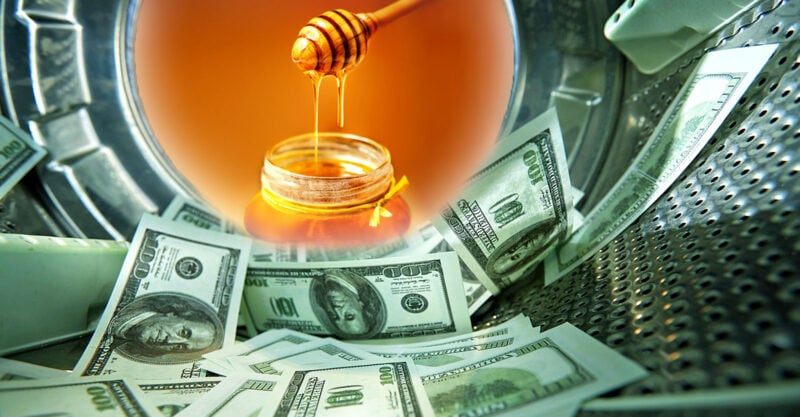
Up to 70% of All US Honey Fake

By  Dr. Joseph Mercola

Honey can be faked and adulterated in many different ways “to fraudulently control the market.” Common strategies include diluting the honey with sugars or syrups, or feeding corn syrup to the bees rather than allowing them to forage for pollen.

Story at a glance:

  • Honey is the third most-faked food in the world. Tests have revealed 50% to 70% of all U.S. honey is fake or adulterated.
  • True Source Honey, a honey certification group, was created by the businesses it certifies. According to a class action complaint, True Source Honey is being used by these businesses “to fraudulently control the market, sell fake honey at substantially lower prices than honest beekeepers, and divert sales, revenue, and profits to themselves.”
  • Honey can be faked and adulterated in many different ways. Common strategies include diluting the honey with sugars or syrups, or feeding corn syrup to the bees rather than allowing them to forage for pollen.
  • Inexpensive, low-grade honey can also be filtered and then dusted with high-grade pollen from another location to obscure its origin. Oftentimes, honey labeled as “local” is, in fact, cheap honey sourced overseas.
  • To ensure authenticity, buy honey from a local beekeeper. You’ll typically find them at farmer’s markets. Also, use your senses. Many adulterated honeys will lack the floral notes found in pure honey. Adulterated honey may also have a lingering aftertaste, or will simply taste too sugary, and is far stickier and transparent than real honey.

Remarkable as it may seem, food fraud is a huge business and a rampant problem.

Award-winning journalist and best-selling author Larry Olmsted revealed many food fraud tricks in his 2016 book, “Real Food/Fake Food: Why You Don’t Know What You’re Eating and What You Can Do About It.”

For example, tests have revealed anywhere from 60% to 90% of the olive oils you find in grocery stores and restaurants are adulterated with cheap, linoleic acid-rich seed oils that are pernicious to health in several ways.

Most honey on the market is not real honey

Another food that is frequently adulterated is honey. Tests have revealed that 50% to 70% of all U.S. honey is fake or adulterated, and according to a comprehensive review of fake foods published in the Journal of Food Science, honey is the third most-faked food in the world.

[…]

Beware of fake Manuka honey

When it comes to Manuka honey, prized for its superior health benefits, both topically and internally, only 1 in 7 products tested during a 2014 investigation turned out to be the real thing, that is less than 15%!

The nectar from manuka flowers contains dihydroxyacetone, a precursor to methylglyoxal (MGO), an antimicrobial compound not found in most other honey.

The presence of MGO is credited for much of manuka honey’s medicinal prowess, which includes the ability to combat complex antibiotic-resistant infections.

If you’re buying fake Manuka, you’re not only losing out on health benefits but could worsen your problem as highly processed sugar from high fructose corn syrup feeds bacteria that authentic Manuka would suppress.

You’re also burning a big hole in your pocketbook, as Manuka honey is among the most expensive honeys in the world.

The fraud runs deep

Class action lawsuits filed over the last five years reveal the “honey laundering” scheme runs deep — to True Source Honey, one of the largest honey certification groups that is supposed to confirm the source and guarantee the quality of honey.

As noted by the Resnick Center for Food Law & Policy, the drawback that allowed for this is that True Source was founded by the very businesses it certifies.

According to a class action complaint filed in 2021, these honey businesses are “using True Source to fraudulently control the market, sell fake honey at substantially lower prices than honest beekeepers, and divert sales, revenue and profits to themselves.”

“True Source is not the watchdog of the honey industry it claims to be, but the mechanism that makes the conspiracy tick,” the Resnick Center for Food Law & Policy writes.

It continues:

“The complaint alleges that True Source purposely fails to monitor its members for compliance with its own certification program and that the True Source Certified Standard is designed to allow True Source members to a proliferate cheap and adulterated honey throughout the United States.

“Until a recent surface-level revamp in this standard, True Source Certified companies only used outdated and ineffective testing methods that are incapable of detecting all methods of honey adulteration and fraud.

“True Source intentionally uses these outdated and ineffective testing methods to bypass fraud detection. When syrup is detected, True Source turns a blind eye.

“The complaint further alleges that although it purports to be a watchdog of the honey industry, True Source is fully aware that its Certification and Participation program is being used by importers and packers to misrepresent the authenticity of their honey products.”

How honey is faked

Honey can be faked and adulterated in a variety of different ways. Here’s a summary breakdown of some of the most common methods:

  • More often than not, the honey is simply diluted with different sugars and/or syrup made from rice, beet or high fructose corn syrup, thereby forfeiting any health benefits. In rare cases, these additives can also cause the honey to ferment, creating alcohol levels that could be dangerous for children.
  • Honey is sometimes heated to high temperatures to avoid crystallization and make it easier to manipulate, yet is still sold as “raw.” Heating above 100 degrees Fahrenheit destroys the beneficial enzymes, effectively eradicating expected health benefits.
  • Some honey producers will extract the honey early when it’s a nectar product and not yet finished honey, and then machine dry it. As a result, it won’t have health benefits.
  • Unscrupulous honey producers will feed high fructose corn syrup to the bees rather than allowing them to forage for pollen.
  • Honey is often labeled as “local” when, in fact, it comes from overseas. So, if you’re using it to address seasonal allergy symptoms, it may not work.
  • Honey can be filtered through aliphatic resin, a rinsing technology that removes contaminants. This method obscures the origin of the honey and removes antibiotics, pesticides and undesirable flavors present in the raw product.
    This method is typically used on low-grade unpalatable honey like Indian Gum honey, which cannot be sold due to its disgusting taste and smell. Once dissolved in water and run through this process, you end up with an unscented light-colored amber honey that can be sold. However, the technology also eliminates the enzymes and chemicals responsible for honey’s health benefits.
  • Inexpensive, lower-grade honey can be filtered and then dusted with high-grade pollen from another location to obscure its origin. The end product also may not have the health benefits assumed.

Sweetwater Science specializes in honey testing

With fraud so rampant, how can you be sure you’re getting real, unadulterated, unfiltered honey?

The only way to be absolutely certain that honey hasn’t been adulterated would be to test its chemical composition, which is something Sweetwater Science Labs specializes in.

As reported by Vice:

“As an independent and ISO accredited lab, Sweetwater Science is up for hire by anyone who wants to test honey — beekeepers, consumers, packers, and lawyers … Even people off the street who want their honey tested can bring them their samples, which happens more than you might think.

“[Jim] Gawenis is a scientist — he doesn’t sell honey or import it. He doesn’t even certify the honey he tests as good or bad, either; he analyzes it with Bruker’s NMR food screener and provides the data to his clients. From there, they can do what they like with the information.”

Unfortunately, Sweetwater Science doesn’t publish results on their website, but the Vice article includes the results of several honeys brought for testing by the author, Shayla Love. Some of the results are surprising indeed.

A bear-shaped bottle of Great Value Clover Honey from Walmart tested pure, with no sign of adulteration of any kind, whereas a jar of Tennessee “raw, local sourwood honey” turned out to be sourced from Vietnam and contained added non-honey sugars and a bottle of Whole Foods 365 Organic honey had been adulterated through heating.

How to ensure you’re getting real honey

Most people probably aren’t willing to go quite as far as lab testing their honey. In this case, the commonsense strategy is to buy honey from a local beekeeper. You’ll typically find them at farmer’s markets.

Also, use your senses when selecting honey. Many adulterated honeys will lack the floral notes found in pure honey. Adulterated honey may also have a lingering aftertaste, or will simply taste too sugary.

Real honey also isn’t very sticky. Rather, it tends to have a balm- or cream-like consistency when rubbed between your fingers. If it’s excessively sticky, chances are refined sugars or syrups have been added.

Real, raw, unfiltered honey also tends to have a cloudy appearance and may have remnant honeycomb particles or flecks of pollen in it.

Over time, it may also begin to crystallize. If it never crystallizes, it might not be pure. If you’re buying Manuka honey, you’ll want to verify the MGO, non-peroxide activity (NPA) and the unique manuka factor (UMF) content.

  • MGO is a measurement of the main ingredient, which has a direct correlation to its antibacterial properties. The higher the MGO, the higher the potency in terms of healing ability. All genuine Manuka honey produced in New Zealand is tested for MGO.
  • NPA refers to its antibacterial activity and is equivalent to the UMF rating. For example, an MGO of 550 equates to an NPA of 15, and many companies will list both on the label.
  • UMF is a trademark registered and controlled by the UMF Honey Association, which provides some assurance of both quality and genuineness. The UMF correlates to the MGO but also includes other quality and authenticity checks.

[…]

Via https://childrenshealthdefense.org/defender/fake-adulterated-honey-united-states-cola/

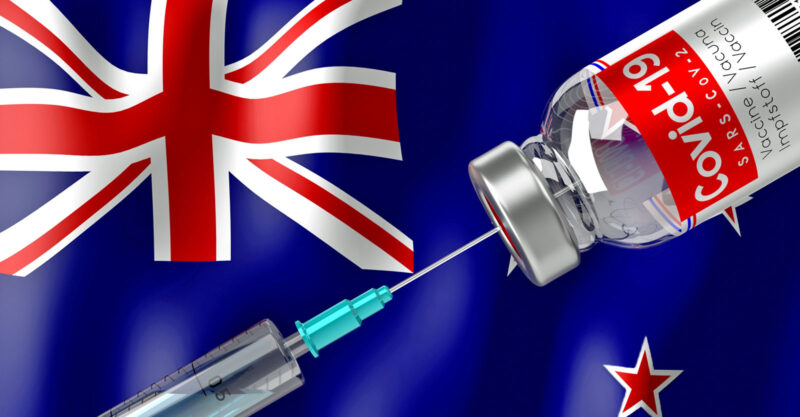
New Zealand Whistleblower Released on Bail While Scientists Debate Leaked Vaccine Data

Scientists and statisticians continue to review and debate the accuracy and completeness of a large database of COVID-19 vaccine-related deaths released less than two weeks ago by a New Zealand Ministry of Health whistleblower.

Meanwhile, the whistleblower — Barry Young — was charged by New Zealand authorities with “accessing a computer system for dishonest purposes.” The 56-year-old appeared in Wellington District Court on Dec. 4. and was released on bail the next day.

Young, who also has used the pseudonym “Winston Smith,” was a computer systems programmer for New Zealand’s Ministry of Health, administering a computer payment system for certain vaccine administrators.

Police raided Young’s home on Dec. 3, and arrested him. Police raided the home of an associate the same day.

Young, who was reportedly offered two safehouses in New Zealand and one overseas but refused the offers, now faces at least seven years’ imprisonment. According to Newsweek, Young shouted “freedom” as he departed the courtroom on Dec. 4.

Young released the anonymized data with the assistance of Liz Gunn, a former lawyer, television journalist and candidate for public office for the NZ Loyal Party.

According to mathematician Igor Chudov, who analyzed the data, the database included information on the vaccine type, batch number, dose number, vaccination date, age, date of birth and date of death of the anonymized vaccine recipients.

The dataset was related to so-called pay-per-dose providers, such as individual doctors and drugstores. It did not include data on vaccinations administered at mass vaccination centers and by mobile vaccination clinics.

Data raise questions government ‘can’t ignore’

According to the New Zealand Herald, Health New Zealand, the national public health system also known as Te Whatu Ora, has opened an investigation and attempted to discredit the whistleblower, claiming Young “had no clinical background or expert vaccine knowledge.” Some analysts noted Young’s expertise in data administration.

Health New Zealand’s public messaging has centered around the security of personal data. “What [Young] is claiming is completely wrong and ill-informed … We take the security of the information we hold extremely seriously, and this is a significant breach of trust,” said Margie Apa, Health New Zealand’s chief executive.

In an interview with The Defender, Australian attorney Katie Ashby-Koppens said Health New Zealand was also granted an injunction from New Zealand’s Employment Relations Authority, prohibiting the publication of the leaked data.

Ashby-Koppens, who worked with New Zealand groups promoting medical freedom and transparency, questioned the legality of this injunction, which reportedly was used to pressure hosting providers to remove copies of the leaked data stored on their servers, leading some providers to remove accounts hosting the anonymized data.

Minister of Health Shane Reti sought to reassure the public about vaccine safety.

“There are many conspiracy theorists out there who unfortunately disseminate harmful disinformation, however, as Minister and as a physician, the public can and should continue to have confidence in vaccines,” he said. “I am reassured by experts confirming that there is no evidence supporting the allegations that have been made.”

According to the New Zealand Doctors Speaking Out with Science (NZDSOS) media team, consisting of Dr. Cindy de Villiers, Dr. Alison Goodwin, Dr. Matt Shelton and Anna McLoughlin, such statements are a continuation of official COVID-19 narratives.

“The official mainstream media narrative is that New Zealand did very well during the pandemic, having negative excess mortality,” a spokesperson for NZDSOS told The Defender. “The New Zealand government and media have adopted a ‘shoot the messenger’ approach and then studiously ignored the issue, such that the average person on the street probably is unaware of what is happening in New Zealand.”

Yet, members of the public “who know what is happening absolutely support the whistleblower,” NZDSOS said, noting that “the media is so controlled and captured that large chunks of the population remain unaware of the data release or its significance.”

New Zealand authorities acknowledge only four COVID-19 vaccine-related deaths.

“The data has been very controversial, with people finding opposing things from their analysis of the data, despite being on the same side of the COVID debate,” Ashby-Koppens said. “The data is not complete [but] it raises a lot of questions, questions that the new New Zealand coalition government can’t ignore.”

Norman Fenton, Ph.D., a mathematician and professor emeritus at Queen Mary University of London, also examined the leaked data. He told The Defender the reaction of New Zealand’s authorities to the leak was “very strange.” He added:

“I understand that releasing confidential medical records is a criminal offense, but … the whistleblower only released an anonymized version of the data.

“Given the advanced publicity by people like Steve Kirsch about what the data revealed, I would have thought the New Zealand government would have been better advised to do nothing rather than raiding homes, arresting the whistleblower and erasing files from people who had gained access to the data. It is almost as if they wanted to get more publicity for both the data breach and what the data revealed.”

Presenting one possible reason supporting such an explanation, Fenton said:

“Not surprisingly, this has also led to conspiracy theories of which the most notable is that the government knew that this particular dataset did not contain (as some have claimed) any ‘smoking gun’ on vaccine safety and therefore it was deliberately released so it could be used to discredit ‘anti-vaxxers’ who claimed it did, and also act as a warning against any others who had access to more incriminating data to shut up.”

But for Kirsch, the founder of the Vaccine Safety Research Foundation who examined the data and publicly claimed it proves that the COVID-19 vaccines killed 1 in 1,000 people globally, Young “is a hero.”

“He knew he would risk his life and could spend the rest of his life in jail, but he made the courageous move to expose the data for all to see,” he wrote.

According to NZDSOS, Young is due to appear in court again on Dec. 18 to submit a plea and is “represented by a large legal firm in New Zealand.”

Whistleblower noticed ‘really big safety signals’ in the data

In his Nov. 30 interview with Gunn accompanying the release of the data, Young said he helped build the very database from which the data were leaked. Access to such data led him to note items of concern that he decided to go public with, he said.

“I helped build it. I implemented it,” he said. “When I was looking up the data, I noted discrepancies with the dates of death. People were dying almost straight away after being injected and that sort of prompted my curiosity and I dug a little deeper.”

According to Young, he previously was vaccinated, but said that whether he’d get another dose was “a different story.” He added that he “believe[s] in fundamental freedoms of humans and [that] we shouldn’t have a procedure forced on us because of a mandate,” calling this “a huge overreach by the government.”

Following his release on bail, Young granted an interview to Infowars producer and host Alex Jones, stating that he noticed “really big red flags” and “really big safety signals” in the data. “Statistically, it may be killing people,” he said.

“I just looked at the data and what I was seeing, since the rollout, it just blew my mind. I was just seeing more and more people dying who shouldn’t have been dying. It was just obvious,” Young said. “I want people to analyze this … We need to open it up and the government needs to have an inquiry about it. Just bring it to the public’s attention.”

According to New Zealand police, Young’s post-bail interview with Infowars did not breach his bail conditions. He has since granted other interviews.

Scientists disagree on significance of data

According to NZDSOS, the leaked data “cover[s] vaccines that were administered as pay-per-dose. There are 2.2 million people and approximately 4 million doses included.” This compares to a total of 12.78 million doses administered in New Zealand.

Statistical consultant William Briggs is one of the analysts who reviewed the data. On his Substack, he wrote that “we cannot tell for sure” what the data definitively indicates, as there are important items of information missing.

“There was no cause of death given for anybody,” Briggs said. “Just death date for those who had at least one shot and died in this window. There can therefore be no certain proof of any cause of death,” he wrote.

Briggs added:

“An insurmountable problem in ascribing cause is the lack of data on people who did not get any shots. Their death and age data is missing. There is no comparison group for the people who got shots. …

“… this means there is no natural comparison group and nothing about cause, therefore, can be said with certainty.”

Briggs said that the data indicated a small increase in deaths among young people soon after receiving the first and second dose, but said this may be “because the young tended to get fewer shots.”

The analysis that has perhaps garnered the most analysis, though, comes from Kirsch, who wrote, “There is no confusion any longer: the vaccines are unsafe and have killed, on average, around 1 person per 1,000 doses.”

Kirsch noted that this figure “is consistent with other careful analyses,” such as one by Canadian scientist Denis Rancourt.

According to Kirsch, one safety signal he identified in the data is a “mortality hump that peaks around 6 months after a dose is given.”

“The data from New Zealand is not perfect; it is not a complete sample,” Kirsch conceded. “But, by using a cohort time-series analysis, it doesn’t matter. There is no possible way that this data is consistent with a safe vaccine.”

Fenton, who analyzed the data on his Substack, took a different position, telling The Defender, “The dataset is a very large subset of those vaccinated in New Zealand, and is potentially one of the most important publicly available datasets for examining COVID vaccine safety. But I don’t believe it is the ‘smoking gun’ as some have claimed.”

He noted the absence of a control group (the unvaccinated) and that “the age profile seems higher than the national age profile of [the] vaccinated, so there is some bias.”

However, he said the data “does provide some evidence of lack of safety of the vaccine, in particular supporting our own previous observations (from U.K. data) that in older age groups, all-cause mortality is higher in the vaccinated than the unvaccinated.”

“What is less clear is the claim concerning batches with exceptionally high mortality rates,” Fenton said. “The claim that these batches were especially deadly due to the contents of the vaccine or its delivery is confounded by their very different age and time of vaccination profiles,” he added.

[…]

Via https://childrenshealthdefense.org/defender/new-zealand-covid-vaccine-deaths-data-leak/


Vaccine Question Censored from Republican Debate Livestream

FDA Weighs New Application To Approve MDMA As First-Ever Psychedelic Medicine For PTSD

A psychedelics-focused drug development company is officially asking the Food and Drug Administration (FDA) to review an application to approve MDMA as a prescription medication for the treatment of post-traumatic stress disorder (PTSD).

The MAPS Public Benefit Corporation (MAPS PBC) announced on Tuesday that it submitted the new drug application (NDA) to FDA, requesting an expedited review given that the agency previously designated the psychedelic as a breakthrough therapy.

If the NDA is ultimately approved, the Drug Enforcement Administration (DEA) would then need to reschedule MDMA accordingly. It would become the first psychedelic in history to be approved as a pharmaceutical, to be administered in tandem with psychotherapy and other supportive services.

MAPS PBC, which is a wholly owned subsidiary of the nonprofit Multidisciplinary Association for Psychedelic Studies (MAPS), said it provided FDA with copious scientific data derived from multiple clinical trials that supported the efficacy of MDMA as a therapeutic for moderate and severe PTSD.

“The filing of our NDA is the culmination of more than 30 years of clinical research, advocacy, collaboration and dedication to bring a potential new option to adults living with PTSD, a patient group that has experienced little innovation in decades,” Amy Emerson, CEO of MAPS PBC, said in a press release.

“If approved, MDMA-assisted therapy would be the first psychedelic-assisted therapy, which we hope will drive additional investment into new research in mental health,” she said.

MAPS published the results of a recent Phase 3 trial in the journal Nature in September, finding that MDMA “significantly attenuated PTSD symptomology versus placebo with therapy.”

FDA in 2017 designated MDMA as a “breakthrough therapy” based on previous MAPS-sponsored trials. In total, the organization says findings from 18 of its Phase 2 and Phase 3 trials formed the basis of the NDA submitted to FDA.

Because the agency has already recognized the significant therapeutic potential of the psychedelic, MAPS PBC asked it to grant their application a priority review. FDA has 60 days to decided whether it will accept the NDA and whether it will grant priority status for a six-month review or the standards 10-month review.

Meanwhile, a separate study, by researchers at New York University’s Langone Center for Psychedelic Medicine and the Centre for Psychedelic Research at Imperial College London recently found that pairing MDMA with either psilocybin or LSD helped people overcome the “challenging experiences” associated with use of psilocybin or LSD alone.

Last year, the Biden administration said it was “actively exploring” the possibility of creating a federal task force to investigate the therapeutic potential of psilocybin, MDMA and others ahead of the anticipated approval of the substances for prescription use.

In California, meanwhile, Gov. Gavin Newsom (D) signed a bill in October that would allow doctors to immediately start prescribing certain currently illicit drugs like psilocybin and MDMA if they’re federally rescheduled.

In February of this year, Australia legalized MDMA and psilocybin for use by prescription.

[…]

Via https://www.marijuanamoment.net/fda-weighs-new-application-to-approve-mdma-as-first-ever-psychedelic-medicine-for-ptsd/

Israel and US Plan Complete Deportation from Gaza

Deporting all Gazans is the joint plan of the US and Israel. According to the plan, the Palestinians will be ‘relocated’ to Egypt, Iraq, Turkey, and Yemen. This large-scale ethnic cleansing is cynically presented as a “moral and humanitarian” aid plan.

In recent war history, there has rarely been such an intensive and massive slaughter of civilians and children as in Gaza, one of the most densely populated places in the world. The destruction of northern Gaza in less than seven weeks approaches the devastation caused by the years of carpet bombing of German cities during World War II.

According to the World Health Organization, a child is killed every ten minutes.

More than half of Gaza City has now been destroyed, including schools and mosques. Hospitals can no longer function. Bakeries are closed and there is almost no drinking water left. Destruction and slaughter are happening on an industrial scale, with the help of Artificial Intelligence.

People were first driven out of the north, but now the south is attacked with heavy bombing and a ground offensive against the town of Khan Younis. According to a top official of the UN humanitarian aid agency, conditions there are now apocalyptic.

No child still has unlimited access to care, food or water. Famine is looming. And because sewers no longer work, there will be mass outbreaks of disease.

Gazans are now being urged to leave for Rafah, the southernmost point of Gaza, where the border post with Egypt is also located.

Officially, Israel’s goal is to eliminate Hamas. But the intensity and ruthlessness with which the Israeli army is acting reveals that this is an excuse for another goal: the complete expulsion of the population from Palestine, starting with Gaza.

According to the Jewish philosopher Moshé Machover, this plan has been in existence for a long time: “We are actually waiting for a time when they can be permanently expelled to neighbouring countries. That will only be possible during a full-scale war and I fear that Israel is prepared to provoke it.” He said this in 2017.

New Deportation Plan

Israel wants to increase the level of inhumanity to such an extent that the residents of Gaza will ultimately have no choice but to leave. That seems to be the hidden plan, although that plan is getting clearer by the day.

A plan, from the Israeli Intelligence Ministry was already leaked in late October. That plan envisaged a final deportation of Gaza’s population to Egypt’s Sinai desert. That was met with a resounding refusal from Cairo.

But Israel is determined to continue this large-scale ethnic cleansing. In a recent op-ed in the Wall Street Journal, two Israeli members of the Knesset called on Western countries to accept Palestinian refugees. Gila Gamliel, intelligence minister wrote a similar op-ed in the Jerusalem Post, proposing the “voluntary resettlement” of Palestinians in Gaza to other countries around the world.

Minister of Agriculture Avi Dichter does not hesitate to call the current war a ‘Nakba 2023’, referring to the mass expulsion of Palestinians from Palestine  at the founding of the Jewish state in 1948.

“We are now rolling out the Gaza Nakba. From an operational point of view, there is no way to wage a war – as the IDF seeks to do in Gaza – with masses between the tanks and the soldiers. (…) Gaza Nakba 2023. That’s how it’ll end.”

And it is not just words. A new joint US-Israeli plan has now surfaced in which they want to deport the population of Gaza to four countries: Turkey, Egypt, Iraq and Yemen. In this new plan, Egypt should no longer bear the burden alone.

The numbers per country are already known too: a million Palestinians would go to Egypt, half a million to Turkey, 250,000 to Iraq and another 250,000 to Yemen.

The four countries referred to are receiving generous aid from Washington. The plan states that this support will be linked to a willingness to receive Gazans. In other words, the four countries will be put under serious financial and perhaps diplomatic pressure to ‘harbour’ the Gazans.

The key country is Egypt, which must open its border. Joe Wilson, former Republican MP and one of the initiators of this plan, is very clear about this. According to him, “the only moral way [to solve the Gaza problem] is to ensure that Egypt opens its borders”.

“Israel is trying to keep civilian casualties in the Gaza Strip as low as possible, but Hamas is not allowing the refugees to leave and Egypt is unwilling to open its borders,” the authors of the plan write in the opening paragraph. Meanwhile, six children are being slaughtered every hour…

For its planned population move, the plan refers to other recent conflict hotspots. “It would not be the first time other countries have accepted refugees,” the plan says. Here, the authors refer to the six million Ukrainians who fled the country to Poland, Germany and the Czech Republic, among others. Nearly five million Syrians have also “moved” to Turkey, Lebanon and Jordan, while other Middle Eastern and European countries have taken in hundreds of thousands of Syrians.

The plan has been submitted to key figures in the US House of Representatives and Congress and has the support of both Democrats and Republicans. The planned large-scale ethnic cleansing is cynically presented as a “moral and humanitarian” aid plan:

“The neighbouring borders have been closed for too long, but it is now clear that in order to free the Gazan population from the tyrannical oppression of Hamas and to allow them to live free of war and bloodshed, Israel must encourage the international community to find the correct, moral and humane avenues for the relocation of the Gazan population.”

Truly a fine piece of newspeak.

The plan also firmly lashes out at UNRWA, the UN refugee agency dedicated to aid and development for Palestinian refugees in the Middle East. US lawmakers blame the agency of “propagating the refugee narrative” and “inhibiting the rehabilitation of Palestinian refugees for over seventy years and has in fact deepened the refugee crisis”. That’s why they want the agency to be closed down.

[…]

Via https://www.globalresearch.ca/israel-us-plan-complete-deportation-from-gaza/5842836


Etruscan Warfare and Weapons

Episode 14 Etruscan Warriors and Warfare

The Mysterious Etruscans

Dr Steven L Tuck (2016)

Film Review

According to Tuck, the Etruscans were almost continually at war, conducting annual raids on their sister cities for livestock, slaves and booty. Casualties tended to be extremely low, in part due to effective armor, and it was typical to keep fighting until your opponent ran away.

Prior to the 5th century, most armor and weapons were made of bronze. The two main Etruscan weapons were a flanged ax and a single edged sword. Both were wielded in a slashing motion like a machete. The Etruscan cavalry sometimes carried javelins.

Flanged Ax

Bronze Etruscan flanged ax head

Etruscan bronze short sword and scabbard, 6th century B.C. 39.5…

Estruscan warriors also carried shields, which were either bronze or wood covered in bronze and wore bronze helmets and breast plates. Around 475 BC the breast plates were replaced by the bronze cuirass (molded to fit the abdominal musculature).

Late 5th-4th century BCE Etruscan anatomical bronze cuirass. This ...

The cuirass was replaced by linen armor (either soaked in glue to stiffen it or covered with bronze plates).

The Etruscans never adopted the Greek (Spartan) hoplite battle formations. Instead, after charging their opponents on horses, they dismounted and engaged in arm-to-arm combat.

Most of the armies were clan-based and feudal, recruited and armed by local aristocrats. Because warriors weren’t paid, their main aim wasn’t to win battles but to acquire as much loot as possible. In contrast, Greek citizen soldiers were motivated to win battles to protect their democracies. The aristocrats who recruited Etruscan warriors  lost control of them once battle began.

When three or four Etruscan cities occasionally united to declare war on a foreign state, each city contributed approximately four to five thousand troops.

Etruscan Warriors At Sea

Etruscan sailing ships sailed the length of the Mediterranean and made an unsuccessful attempt to start a colony on the Atlantic coast of Spain (at modern day Cadiz). They also routinely attacked and looted trading Spanish, French and Corsican trading vessels, as well of those of other Etruscan cities and even those of Athens in the 4th century BC. Between 485-475 BC they occupied Liperi near Sicily. In 364 BC, Alexander the Great was so concerned about Etruscan piracy, he asked Rome to use her navy to attack them.

Significant Etruscan naval battles with the Greeks:

  • 535 BC Battle of Alalia – the Etuscans united with the Carthaginians to prevail against the Greek navy and briefly occupied the Greek island of Corsica.
  • 474 BC Battle of Cumae – (the Etruscans lost their cities in southern Italy to Greece)
  • 453 BC – Etruscans suffered major defeat from Greek navy on their coast.
  • 384 BC – Syracuse navy sacked the main Etruscan sanctuary at Volutumnae with 100 ships.
  • 335 BC – Etruscans defeated by Athenian navy on west coast of Italy.

As with their military forces, each Etruscan city had their own navy with no centralized control or organization. Another problem for the Etrucans was that they continued to rely on the pentaconter (rowed by 50 oarsmen) when their enemies had adopted the Greek tireme rowed by 150 oarsmen (see The Ultimate Warship of Ancient Greece). The latter was faster and easier to maneuver, as well as having more deck space to facilitate forcible boarding.

The Etruscan pentaconter


*The Greek hoplite was a heavily armored infantryman who fought in a phalanx formation. The typical formation was eight ranks deep.

Film can be viewed free with a library card on Kanopy.

https://www.kanopy.com/en/pukeariki/watch/video/239710/239637

Parents More Worried About Internet Addiction Than Teen Drug Use

By  Dr. Joseph Mercola

According to a JAMA survey, parents now fear internet addiction, which is linked to depression, anxiety and insomnia, more than substance abuse for teens. Officials urge protecting vulnerable youth from profit-driven algorithms.

  • Internet addiction has surpassed drug use as a top concern for parents of teens, according to an eye-opening study published in JAMA Network Open.
  • In a survey of 1,005 parents, twice as many cited concerns about internet addiction compared to substance addiction among their 9- to 15-year-old children.
  • More than half (51.1%) expressed concerns about how internet usage may affect social development, while 46.2% were concerned about cognitive development effects and another 46.7% worried about its effects on physical development.
  • Access to inappropriate content and cyberbullying were noted as top reasons behind parents’ concerns, while internet addiction was also a common theme.
  • Research shows that 12- and 13-year-olds who check social media more than 15 times a day become more sensitive to social feedback, including changes in how the brain processes social rewards and punishments.

Internet addiction has surpassed drug use as a top concern for parents of teens, according to an eye-opening study published in JAMA Network Open.

In a survey of 1,005 parents, twice as many cited concerns about internet addiction compared to substance addiction among their 9- to 15-year-old children.

With excessive internet use linked to a range of problems, including alcohol dependence, depression, anxiety and insomnia, along with socialization issues and difficulty coping with risk, youth may be at increasing risk of harm from the negative effects of internet use.

Parents are worried about internet’s effect on adolescent development

While 71.6% of survey respondents felt their children could use the internet responsibly, this didn’t allay their fears about the effects of internet usage on development.

More than half (51.1%) expressed concerns about how internet usage may affect social development, while 46.2% were concerned about cognitive development effects and another 46.7% worried about its effects on physical development.

Access to inappropriate content and cyberbullying were noted as top reasons behind the development concerns, while internet addiction was also a common theme.

Among the parents, 32.9% expressed feeling equally worried about internet and substance addiction in their children, but 22.4% were only concerned with internet addiction — more than twice as many as the 9.8% who reported their sole concern was substance addiction.

Some parents also expressed that internet use had some benefit on family connectedness, but this was tempered with concerns over adverse effects on development and addiction:

“Perceived benefits of internet use were balanced by parental concerns about the potential of social networking platforms to contribute to internet addiction, echoing recent warnings by the US Surgeon General. …

“Parents also endorsed overriding concerns about the risks for cyberbullying and exposure to inappropriate or harmful content. Previous work found that these dangers are particularly relevant to specific age and social contextual factors. …

“The benefit-risk balance was particularly evident for immersive virtual reality technologies, which were simultaneously perceived as having a positive effect on family connectedness and increasing the risk of PIU [problematic internet use].”

Surgeon general warns about youth internet use

Internet usage increased dramatically during the COVID-19 pandemic, more than doubling the time teens spent in front of screens not related to school, from 3.8 hours a day to 7.7 hours. Further, in 2020, 81% of youth between the ages of 14 and 22 said they used social media “daily” or “almost constantly.”

In an advisory aimed at protecting youth mental health, the U.S. surgeon general warned that technology companies are in business to maximize usage without regard for what’s best for the user:

“In these digital public spaces, which privately owned and tend to be run for profit, there can be tension between what’s best for the technology company and what’s best for the individual user or for society.

“Business models are often built around maximizing user engagement as opposed to safeguarding users’ health and ensuring that users engage with one another in safe and healthy ways. This translates to technology companies focusing on maximizing time spent, not time well spent.”

The advisory points out researchers have linked digital technologies to bullying, obesity, eating disorders, depression, anxiety and self-harm while interfering with sleep and encouraging children to negatively compare themselves to others.

Passive social media use, such as scrolling through posts and watching videos on auto-play, may also harm well-being.

They suggested a ban on auto-play functions and limits on scrolling capabilities for youth, but are largely relying on Big Tech to make changes to safeguard against harm — a classic example of the fox guarding the henhouse.

The advisory noted:

“There is a clear need to better understand the impact of technologies such as social media on different kinds of users, and to address the harms to users most at risk.

“We need more research using strong data and research methods, such as longitudinal and experimental designs, behavioral (as opposed to self-reported) measures of time spent online and types of content engaged with, as well as data on subgroups of users (e.g., boys vs. girls).

“Most importantly, technology companies must step up and take responsibility for creating a safe digital environment for children and youth.

“Today, most companies are not transparent about the impact of their products, which prevents parents and young people from making informed decisions and researchers from identifying problems and solutions. At a minimum, the public and researchers deserve much more transparency. …

“Senior technology executives should acknowledge that their products can harm some young people and take material and measurable steps to prevent and mitigate these harms, even at the expense of engagement, scale, and profit.”

Constantly checking social media may harm brain development

Parents are right to worry about internet usage, and not only due to addiction concerns. Research published in JAMA Pediatrics found habitually checking social media in early adolescence may alter brain development.

Social feedback in the form of likes and comments can prove to be irresistible to youth, with 78% of 13- to 17-year-olds saying they check their cellphones hourly, while 35% of teens say they use at least one social media platform almost constantly.

The study, conducted by researchers at the University of North Carolina at Chapel Hill (UNC), found that 12- and 13-year-olds who check social media more than 15 times a day become more sensitive to social feedback, including changes in how the brain processes social rewards and punishments.

“Most adolescents begin using technology and social media at one of the most important periods for brain development during our lifetime,” study author Mitch Prinstein, the chief science officer for the American Psychological Association, said in a UNC news release, adding:

“Our research demonstrates that checking behaviors on social media could have long-standing and important consequences for adolescents’ neural development, which is critical for parents and policy-makers to consider when understanding the benefits and potential harms associated with teen technology use.”

More than half of teens may be dependent on social media

According to Prinstein, more than half of teens report one or more symptoms of clinical dependency on social media, demonstrating that “children may not have the ability to restrain themselves” when it comes to using the platforms.

He compared social media to the “empty calories of social interaction,” which “appear to help satiate our biological and psychological needs but do not contain any of the healthy ingredients necessary to reap benefits.”

In written testimony to the U.S. Senate Judiciary Committee, Prinstein highlighted the poor state of children’s mental health, which internet usage may be contributing to.

Rates of depression in teens doubled from 2009 to 2019, while suicide is the No. 2 cause of death for U.S. youth, trending 4% upward since 2020.

Noting that humans are social beings whose development is intricately intertwined with interactions with peers, Prinstein points out that these experiences influence brain structures, neural pathways and the way the nervous system responds to stress later in life.

But in the last two decades, social media has radically changed the way these social interactions occur:

“Our brains, our bodies, and our society have been evolving together to shape human development for millennia, influencing our communities, our culture, and our society.

“Within the last twenty years, the advent of portable technology and social media platforms is changing what took 60,000 years to evolve. We are just beginning to understand how this may impact youth development.”

Internet usage before adulthood may be particularly harmful because it could alter the brain during a highly critical period of neural development. These occur during the first year of life and again from puberty to early adulthood, between the ages of 10 and 25.

Initially, around the ages of 10 to 12, brain regions associated with a need for social rewards, such as positive attention from peers, develop, but the regions that regulate the ability to resist temptations do not develop for another 10 to 15 years.

Prinstein explains the serious ramifications this has for youth mental health:

“Adolescence is thus a developmentally vulnerable period during which youth may be especially motivated to pursue social rewards, and not yet fully capable of restraining themselves. Research suggests that technology and social media use may exploit this biological vulnerability among youth.

“Data reveal that social media stimuli, such as receiving “likes” or followers activates the social reward regions of the brain. In other words, these features of social media capitalize on youths’ biologically based need for social rewards before they are able to regulate themselves from over-use.”

Four ways social media may damage youth brains

Prinstein detailed four significant implications that social media and internet usage could have on youth:

  1. Increased loneliness, as the platforms lead youth to get “likes” and followers — in other words, metrics — instead of forming relationships with people themselves; research shows teens report increased loneliness after social media use.
  2. Heightened risk for negative peer influence — In addition to coming across content depicting dangerous or unethical behaviors, seeing “liked” posts containing such content may change adolescents’ perceptions of the behavior; it may give them the idea, for instance, that their peers accept binge drinking, which could promote the behavior.
  3. Risks for addictive social media use — Social media use activates many of the same areas of the brain that are activated in addition to drugs and alcohol. Not only do many adolescents report near-constant usage of social media, but many also report an inability to stop using it, making remarkable efforts to gain access to social media and use social media to regulate their emotions.
  4. Alterations in brain development — Citing the University of North Carolina at Chapel Hill study, he noted that technology and social media use change the way the brain works, especially with high usage.
    Data from teens’ phones reveal that usage is, indeed, high, with sixth graders picking up their phones more than 100 times a day, and some picking them up more than 400 times daily. Adolescents also spend an average of 8.2 hours on devices each day, with some spending twice that amount.

Digital stress, which occurs from connection overload, fear of missing out on online conversations or feeling the need to be always available online, along with anxiety over gaining approval online, is another significant issue.

Close to 50% of youth on social media suffer from digital stress, which is associated with increases in depressive symptoms.

[…]

Via https://childrenshealthdefense.org/defender/teens-internet-addiction-depression-anxiety-cola/

Al Gore Says People Having Access to Non-Mainstream Information ‘Threatens Democracy’

Paul Joseph Watson

Al Gore says that people having access to information outside of mainstream media sources is a threat to “democracy” and that social media algorithms “ought to be banned.”

Yes, really.

Gore made the comments during an appearance at the Cop28 climate change hysteria conference in Dubai.

https://twitter.com/ElanderNews/status/1732872897155174481?ref_src=twsrc%5Etfw%7Ctwcamp%5Etweetembed%7Ctwterm%5E1732872897155174481%7Ctwgr%5Ec0e7f6dfc78b9d2ce1ce9cfb204a4baee5257080%7Ctwcon%5Es1_&ref_url=https%3A%2F%2Fmodernity.news%2F2023%2F12%2F10%2Fal-gore-says-people-having-access-to-non-mainstream-information-threatens-democracy%2F

Gore whined that social media had “disrupted the balances that used to exist that made representative democracy work much better.”

The former Vice President said that functioning democracy relied on a “shared base of knowledge that serves as a basis for reasoning together collectively” but that “social media that is dominated by algorithms” upsets this balance.

According to Gore, people are being pulled down “rabbit holes” by algorithms that are “the digital equivalent of AR-15s – they ought to be banned, they really ought to be banned!”

Gore claimed, “It’s an abuse of the public forum” and that people were being sucked into echo chambers.

“If you spend too much time in the echo chamber, what’s weaponized is another form of AI, not artificial intelligence, artificial insanity! I’m serious!” he added.

Apparently, the only echo chamber that should be allowed to exist is Gore’s own rabbit hole, wherein the earth is constantly on the brink of destruction thanks to people not obeying his technocratic mandates.

Perhaps Gore is unhappy at his own misinformation being fact checked by individuals who have access to information not produced by corporate media sources that are friendly to him.

Gore infamously predicted that the north polar ice cap would be “ice free” within 5 to 7 years.

It never happened.

As Thomas Cartenacci documents, Gore has a storied history of making climate change predictions that turn out to be spectacularly wrong.

No wonder he wants to ban dissent.

Via https://modernity.news/2023/12/10/al-gore-says-people-having-access-to-non-mainstream-information-threatens-democracy/

Farmers Turning to Ancient Practice to Improve Agriculture

https://assets.realclear.com/images/63/635227.jpg

Steve Gillman

Real Clear Wire

From ancient Egypt to medieval England, cultivating one or more crops in the same field was common practice among many farmers for thousands of years. However, in the last century, food producers largely stopped ‘intercropping’ and moved towards an industrial type of agriculture – a shift that contributed to 34% of the world’s farmland being degraded today. 

“Interest is growing in intercropping [again] because farmers increasingly understand it improves their soil health,” said Jerry Allford, an organic farmer and advisor from the Soil Association, a UK charity promoting sustainable agriculture. Jerry thinks this renewed focus can “open up a whole new way of farming” because it can bridge profitability with regenerative agriculture practices. 

“In the case of growing a legume and cereal together, we know there is nutrient transfer between the two crops,” he said, adding that this reduces the need for synthetic fertilisers and its associated costs. Other potential benefits include reduced weeds, pests and diseases as well as higher resistance to extreme weather from climate change – all of which can improve farmers’ bottom line.  

To understand and amplify the potential of intercropping, Jerry is running a range of trials where farmers grow a mix of crops on the same stretch of land. This is part of an EU project called LEGUMINOSE which is researching the benefits of intercropping in eight European countries, as well as in Egypt and Pakistan. In total, there will be 180 ‘living labs’ where farmers in monoculture systems introduce a strip of intercropped cereals and legumes, such as wheat and peas or barley and broad beans. 

Each living lab will be tailored to its region with the farmer choosing the techniques and crops most relevant to their area, such as drilling depth, seed mix and planting methods. The idea is that this will enable food producers to produce more practical results, something which LEGUMINOSE wants to use to attract others to intercropping. 

One of the UK’s living labs recently finished and Jerry says it has already provided an insight into intercropping’s promise. The test farm planted wheat and beans, reporting a 27% increase in the intercropped plot compared to the monoculture strips on the same farm. Less weeds were also reported while a preliminary analysis of the soil showed less plant disease present between the two, meaning less need to buy and use agricultural chemicals.  

The economic potential of intercropping does not stop there either. Farmers can choose to grow a secondary crop for the market, such as a legume for human and animal consumption, or a plant that can enhance the quality of a primary crop. 

“We’re also finding that intercropped wheat is meeting UK milling specifications easier, so it could produce a premium price for the farmer,” Jerry said, adding that he hopes this drives an uptake of intercropping and the practice becomes mainstream in the agriculture sector. 

Models for scale 

In Europe, only 2% of farmers currently use a legume-cereal intercrop. Shamina Imran Pathan, LEGUMINOSE’s project coordinator, says it will not be easy to make the practice go mainstream, but providing farmers with the right information and tool can help them switch quicker from a monocultural farming system to a more regenerative one. 

“Many farmers still don’t know what intercropping is,” Pathan points out. “That’s why we need to involve more and more farmers to increase their knowledge about mixing crops together.” 

The living labs are designed to galvanise discussions among farmers and boost uptake that way, but LEGUMINOSE will also reinforce this knowledge through seven additional research fields that explore the benefits of intercropping in precise detail. Academics from several European universities will collect soil samples from farms and conduct a range of physical, chemical and biological analyses to explore the benefits of intercropping on a range of aspect, such as those around soil health, pesticide reduction and crop quality.  

Early results have also shown promise here too with one trial finding that wheat intercropped with clover completely removed the presence of a parasitic weed called dodder – a benefit that could reduce the need to use herbicide and help farmers’ cut down on their input costs.  

Pathan explains this data will be combined with the regional information from the living labs to create forecasting models based on artificial intelligence. This will be made available to farmers as a web-based tool in the coming years that they can use to select the optimal intercrop combinations for their specific situation. 

“Farmers can use this to input criteria like their soil type and climate, and the tool will then tell them what combination of crops could work for them,” Pathan said.

[…]

Via https://realclearwire.com/articles/2023/12/07/farmers_are_turning_to_an_ancient_practice_to_improve_agriculture_997303.html