The Most Revolutionary Act

Uncensored updates on world events, economics, the environment and medicine

The Most Revolutionary Act
Unknown's avatar

About stuartbramhall

Retired child and adolescent psychiatrist and American expatriate in New Zealand. In 2002, I made the difficult decision to close my 25-year Seattle practice after 15 years of covert FBI harassment. I describe the unrelenting phone harassment, illegal break-ins and six attempts on my life in my 2010 book The Most Revolutionary Act: Memoir of an American Refugee.

Will New Zealand be first country to reject WHO’s 2022 IHR amendments?

By Michael Nevradakis, Ph.D.

In New Zealand, the country’s new coalition government may be poised to reject the IHR 2022 amendments in time for the Dec. 1 deadline.

Lawyer Kirsten Murfitt has advocated in favor of rejecting the amendments, including by organizing an official petition and “The People’s Letter.”

She told The Defender that as part of the agreement between the parties in the coalition, New Zealand will “reserve” against the IHR amendments.

The agreement states that this is intended “to allow the incoming government to consider these against a ‘National Interest Test.’” Such a test would seek to “reconfirm that New Zealand’s domestic law holds primacy over any international agreements.”

Under international law, a reservation is a declaration by a state made upon signing or ratifying a treaty that it reserves the right not to abide by certain provisions of the treaty.

Murfitt noted that this is not enough, however, as there are “concerns that a reservation is not possible under the current 2005 International Health Regulations, to which we are bound.” She noted that Article 62, pertaining to reservations, “is silent on amendments,” whereas Article 61 expressly “refers to the ability to reject amendments.”

This point contradicts information circulating recently on social media, that New Zealand’s rejection of the 2022 IHR amendments is a done deal, according to Roguski. “The facts from New Zealand seem to be somewhat less than claimed,” he said.

Australian attorney Katie Ashby-Koppens is assisting New Zealand officials and activists with their work opposing the IHR amendments. She told The Defender she spoke to the NZ First party, “and they have confirmed that the intent of what is agreed [to reject the amendments] will be followed.”

“We have reworked The People’s Letter, which we will redirect to the new government, that reservation is not effective and not enough [and] that it is in the national interest to reject the amendments,” Murfitt said.

In a Nov. 17 speech, Robert Fico, Slovakia’s newly elected prime minister, said Slovakia “will not support strengthening the powers of the WHO at the expense of sovereign states in managing the fight against pandemics.”

It remains unclear as of this writing whether this statement was followed up by a formal rejection on the part of Slovakia.

Estonia also recently made waves after 11 members of the country’s Parliament sent a letter to WHO Director-General Tedros Adhanom Ghebreyesus stating that they were rejecting the amendments to the IHR and the pandemic agreement.

The 11 parliamentarians noted that the full Estonian Parliament did not authorize the country’s government to participate in such negotiations, as required by domestic law.

This letter was widely attributed on social media as constituting Estonia’s rejection of the IHR amendments. However, according to Roguski, this is not the case, as it “does not seem to officially (or unofficially) reject the 2022 IHR amendments specifically.”

“These members of one political party voiced their opposition to the European Commission speaking for the 27 European Union [EU] nations and insisting upon lockstep agreement by all 27 nations … without proper approval by the individual nations,” he told The Defender.

And in Sweden, independent Member of Parliament Elsa Widding questioned Minister of Social Affairs and Public Health Jakob Forssmed and Minister for Justice Gunnar Strömmer during a parliamentary debate Nov. 24 on whether Sweden would support the 2022 and 2023 IHR amendments and pandemic agreement.

EU exceeding its authority participating in IHR amendment negotiations?

In order to pressure national governments — and set the record straight on what are often very confusing procedural and legal issues pertaining to the rejection of the IHR amendments and other similar documents — various individuals and organizations are working at a regional and international level to raise public awareness.

Earlier this month, the International Covid Summit took place at the Romanian Parliament in Bucharest, in which Nass and organizations such as Door to Freedom participated, alongside other prominent speakers.

“There were two days of talks about the pandemic, vaccines, plasmids, mandates, propaganda and the efforts by the WHO and others to achieve a global government and a Great Reset — and ways to fight back,” Nass told The Defender.

Pardo, who founded the Iustitia Europa group, on Oct. 22, launched a petition seeking to collect 50,000 signatures opposing the IHR amendments, pandemic agreement and the negotiations between the European Commission — the EU’s executive branch — with the WHO on these instruments.

According to Pardo, once the 50,000 signatures are collected, Iustitia Europa will “file a legal action in the Court of Justice of the European Union to try to stop the EU negotiations in the WHO by means of an interim injunction.”

Pardo told The Defender that the Treaty on the Functioning of the European Union (TEFU) and the Treaty of Lisbon — both key governing documents of the EU — do not authorize the EU and the European Commission to negotiate on behalf of the bloc’s member states. Instead, the EU can only “complement” national public health policies.

Any public health powers held by the EU are limited and “regulated by the ordinary EU legislative procedure,” Pardo said, noting that according to the TEFU, EU actions related to public health respect the domestic health policy, organization and delivery of health services and medical care decided upon by each EU member state.

He also noted that while the TEFU grants the EU the power to negotiate international treaties, it must do so “in the context of the policies of the Union.” Yet, the European Commission is directly participating in negotiations for the IHR amendments, he said.

Pardo added that “nobody knows” the members of the commission who are leading the negotiations. “It is unknown who is negotiating on behalf of the member states,” he said. “But like the EU Digital COVID Certificate, it will be imposed on member states.”

Pardo said that Iustitia Europa has also “organized a strategy of 17 civic and judicial actions for the 17 Sustainable Development Goals,” including an awareness campaign informing citizens about what the goals entail and forthcoming legal action.

Another new initiative, launched today, is the European Union Citizens’ Initiative. It seeks to collect one million signatures from throughout the EU, following a prescribed process under the Treaty of Lisbon that would initiate a legislative proposal before the European Commission.

The group calls for upholding human dignity, the right to integrity of the person, the right to liberty and security, protection of personal data, respect for private and family life, and freedom of thought, conscience, expression and information, among other requests.

Roguski wrote that EU negotiators “created a new term” by which they seek to give the WHO director-general “the brand new power to declare a ‘Pandemic Situation,’” adding that the EU has also proposed measures wherein digital health certificates would be rolled out globally, and “misinformation” and “disinformation” would be censored.

Without unity, ‘digital enslavement is inevitable’

Actions opposing the IHR amendments, the pandemic agreement and nations’ membership in the WHO are also being organized at the national level.

In Spain, Pardo described “Iustitia Europa as the only citizens’ movement which is fighting to dissolve Agenda 2030 and which is taking citizens’ and judicial initiatives to stop the pandemic treaty and the IHR.” This includes events and presentations in Spain, and candidacy in next year’s European parliamentary elections.

Despite these efforts, there has been coverage “only in small media,” which Pardo says the EU’s recently passed Digital Services Act and the WHO “want to eliminate.”

Dr. Louis Fouché, an anesthesiologist and intensive care doctor based in France, founded “Reinfo COVID,” which opposes COVID-19-related restrictions and vaccines. He told The Defender he is unaware of initiatives in France that have developed with the specific purpose of opposing the IHR amendments or the pandemic agreement.

“In general, activism already takes place on many fronts, and the WHO’s pandemic treaty seems a long way off and a hazardous battle,” he said.

Yet, some French members of the European Parliament and domestic politicians “are sticking their necks out on the subject,” while certain alternative media outlets, including France Soir and Nexus, are informing the general public on the subject, he said.

A petition launched in France by CitizenGo opposing the IHR amendments and pandemic agreement has exceeded 300,000 signatures as of the time of this writing.

Dutch attorney Meike Terhorst told The Defender, “In the Netherlands, a number of groups oppose the WHO power grab,” including Viruswaarheid (“Virus Truth”), founded by activist Willem Engel, who produces videos and newsletters on the issue.

Two alternative publications, De Andere Krant and Gezond Verstand, and an alternative television channel, Blckbx, “also provide news on the WHO,” and the Stop WHO.nl website has been launched by activists.

According to Terhorst, a group of Dutch members of parliament, in a letter sent to the government in June, opposed the IHR 2022 amendments and their acceptance by the Dutch Kingdom, while “a group of lawyers, journalists, influences and members of parliament [organize] weekly calls opposing the Netherlands’ Pandemic Law.”

The law, adopted in May 2023, implements “pandemic health measures even before they have been adopted at the WHO level,” Terhorst said. Yet, Engel told The Defender that, in the Netherlands, “things went pretty silent when the WHO declared the end of the Public Health Emergency of International Concern” that same month.

Terhorst said, “For many people in the Netherlands, the information stream is too intense and too complicated. The majority of Dutch people still believe the government has good intentions and nothing has gone wrong during the COVID-19 pandemic.”

Engel added that despite the national elections held earlier this month, rejecting the IHR amendments “unfortunately was not a campaign issue.”

Activists in Greece have actively opposed the IHR amendments, according to Nikos Vakolidis, a member of the Greek chapter of the World Freedom Alliance.

[…]

Via https://childrenshealthdefense.org/defender/december-deadline-who-pandemic-treaty-ihr-amendments/


 

Why Fall COVID Shot Uptake Abysmal 7%

covid vaccine uptake abysmal

Dr Mercola

Story at-a-glance

  • In September 2023, the U.S. Centers for Disease Control and Prevention recommended everyone 6 months and older get an updated COVID-19 shot
  • Only 7.1% of adults and 2.1% of children had received the updated COVID-19 shot as of October 14
  • A CDC survey found that 37.6% of adults said they “probably or definitely will not get vaccinated”
  • Among parents, 37.7% said they “probably or definitely will not get their child vaccinated”
  • The media have blamed the low uptake partly on the shots’ shift to the commercial market, but surveys suggest concerns about side effects and lack of effectiveness may be involved

In September 2023, the U.S. Centers for Disease Control and Prevention recommended everyone 6 months and older get an updated COVID-19 shot “to protect against the potentially serious outcomes of COVID-19 illness this fall and winter.”1

Admitting that any protection offered by the shots “declines over time,” they reiterated their common pandemic refrain that getting a COVID-19 shot “remains the best protection against COVID-19-related hospitalization and death.”2 Americans, however, are no longer falling for the rhetoric, with the vast majority declining to take part in this ongoing experiment.

Only 7.1% of Americans — And 2.1% of Children — Got the Shot

About four weeks after the September 2023 rollout of the updated 2023-24 COVID-19 shot, the CDC released data from its National Center for Immunization and Respiratory Diseases (NCIRD) National Immunization Surveys (NIS). NIS are telephone surveys conducted by NCIRD in order to monitor vaccination coverage.

The data, which were presented to a CDC advisory panel, revealed “abysmal” uptake, as CDC vaccine adviser3 Dr. Camille Kotton of Harvard Medical School put it,4 with only 7.1% of adults and 2.1% of children receiving the updated COVID-19 shot as of October 14.5 The survey reported that 24.6% of adults said they “definitely will” get the shot — conflicting with the actual numbers who did — while 37.6% said they “probably or definitely will not get vaccinated.”

Further, 37.7% of parents said they “probably or definitely will not get their child vaccinated,” compared to 33.8% who said they “definitely will” get their child the shot.6 The media has blamed the low uptake partly on the shift to the commercial market. The CDC’s COVID-19 Vaccination Program was discontinued by October 3, 2023,7 with the shots now distributed by the health care industry instead of the government. Ars Technica reported:8

“The disappointing vaccination rate so far may partly reflect a rocky rollout for this year’s updated shots, which were for the first time distributed on the commercial market rather than via a federal distribution system.

In the earliest days of this year’s rollout, people seeking the updated shots reported encountering limited supplies, cancelled pharmacy appointments, and billing chaos. Some insurance companies were slow to update their billing codes to include the updated vaccines, leading some insured people facing erroneous $200 bills.”

Many of these issues have reportedly been resolved, and CDC director Mandy Cohen said she’s hopeful that more people will get the shots. But last year, COVID-19 shots had a similarly dismal uptake rate of just 17%.9

How Long Will the ‘Updated’ Shot Work?

The updated COVID-19 shot targets the XBB.1.5 Omicron subvariant, which has been the dominant strain in the U.S. for much of 2023. However, this strain “has since been overtaken as the virus continues to evolve,”10 raising questions about whether the updated shots are already out of date, which could render them ineffective, as we’ve seen many times in the past with flu shots.

Even the CDC states, “When flu vaccines are not well matched to some viruses spreading in the community, vaccination may provide little or no protection against illness caused by those viruses.”11 SARS-CoV-2 is known to mutate rapidly, even faster than other human viruses like influenza.

According to research published in Cell Host & Microbe, “SARS-CoV-2 is accumulating protein-coding changes faster than other endemic viruses.”12 Eric Topol, founder and director of the Scripps Research Translational Institute, explained, “SARS-CoV-2 is accumulating mutations with amino acid substitutions faster than other endemic viruses, including 2.5-fold more rapidly than influenza (A/H3N2 HA1), the prototype of rapid antigen evolution, and >7-fold faster other coronaviruses.”13

Early on, a number of experts raised concerns that COVID-19 jabs and the mass vaccination program could worsen the pandemic by triggering the development of new variants, via a concept known as antigenic, or immune, escape.

A general principle in biology, vaccinology and microbiology is that if you put a living organism like bacteria or viruses under pressure, via antibiotics, antibodies or chemotherapeutics, for example, but don’t kill them off completely, you can inadvertently encourage their mutation into more virulent strains.

Those that escape your immune system end up surviving and selecting mutations to ensure their further survival. As explained in The Journal of Clinical Investigation, “Immune escape mutations are those that lead to modifications in the antigenic properties of pathogens to avoid preexisting immunity. The continuous adaptation of viruses in their antigenic properties is known as antigenic evolution.”14

Will Original Antigenic Sin Make COVID-19 Shots Useless?

Antigenic evolution, in turn, may increase the risk of a phenomenon known as original antigenic sin (OAS), or imprinting, which may render next-generation COVID vaccines useless.15 The Journal of Clinical Investigation review noted:16

“The similarities in antigenic evolution between influenza virus HA and coronavirus S [spike protein] suggest that for both virus families, in contrast to reinfection with the same strain, an infection with a heterologous strain or antigenic drift variant may preferentially boost non-neutralizing antibody clones, which makes the infected individual’s immune system at risk for OAS.”

The term “original antigenic sin” was first used by Thomas Francis in 1960, who determined that hemagglutination inhibition assay titers — which are used to determine the antibody response to a viral infection — were highest against strains of seasonal influenza to which different age cohorts had first been exposed.17

In other words, the first influenza virus that you’re exposed to affects the way your lifelong immunity to that virus plays out.18 Later infections with virus strains similar to the first one will boost your antibody response against the original strain, and it’s not only influenza that this applies to. Imprinting is also known to occur in children with multiple dengue virus infections, for instance.19

In some cases, imprinting can be beneficial, but it can also be problematic. One study found that birth-year cohorts that had a first influenza exposure to seasonal H3 subtype viruses were less susceptible to avian influenza H7N9 virus later in life, while those exposed to H1 or H2 subtype viruses in childhood were less susceptible to avian H5N1-bearing viruses when they were older.20

Scott Hensley, an associate professor of microbiology at the University of Pennsylvania, explained to STAT News, “We’ve all been trained on different influenza viruses. If you vaccinate 100 people, guess what? They’re all going to respond differently. We think a large part of that is that we all have a different immunological imprint.”21 The same thing could be happening with SARS-CoV-2.

However, in the case of COVID-19, it’s possible that the immune system reaction triggered by the vaccine will act as the original imprint, leaving subsequent COVID-19 vaccines — updated to target emerging variants of SARS-CoV-2 — largely ineffective.22

Many Refuse COVID-19 Shots Over Risk of Side Effects, Lack of Effectiveness

In many cases, choosing not to get a COVID-19 shot may be due to concerns about side effects and “low perceived benefit of vaccination,” according to a qualitative analysis published in BMC Public Health.23 It found:24

“Another reason to refuse vaccination were users’ concerns about various potential side effects and possible vaccine-related damage. Some users justified rejecting vaccination citing the lack of long-term studies and insufficient reliable information about side effects and consequential damages.

Among others, these fears were related to the risk of getting cancer, changes and damages to their genetic makeup, infertility and death. These concerns were often associated with past vaccine and drug scandals.”

In this case, the concerns are well-founded. In January 2023, the CDC and the Food and Drug Administration issued a joint statement warning that people ages 65 and older who received Pfizer’s updated (bivalent) COVID-19 booster shot may be at increased risk of stroke.25

The CDC’s Vaccine Safety Datalink (VSD), which uses near real-time surveillance to track vaccine safety, flagged the potential safety issue, revealing that those 65 and over were more likely to have an ischemic stroke 21 days after receiving Pfizer’s bivalent COVID-19 shot compared to 22 to 44 days later.26

Further, a spreadsheet obtained from the CDC under FOIA revealed 770 safety signals triggered in the Vaccine Adverse Event Reporting System (VAERS) due to COVID-19 shots, including death, ischemic stroke, cardiac arrest, pulmonary thrombosis, Bell’s palsy, heart attack, deep vein thrombosis and more.27

COVID Jabs Raise Heart, Contamination Concerns

Perhaps the unusually large number of athletes and young people dropping from heart problems also played a role in Americans’ refusal to get the updated COVID-19 shot this fall. It’s now known that people who receive a COVID-19 shot are at an increased risk of myocarditis, or inflammation of the heart muscle.28

With symptoms similar to a heart attack, including chest pain, shortness of breath, abnormal heartbeat and fatigue,29 myocarditis isn’t something that young, healthy adults typically experience. But soon after mRNA shots for SARS-CoV-2 became widespread, reports of myocarditis, including sudden death, began to emerge.30

Further, microbiologist Kevin McKernan and colleagues discovered simian virus 40 (SV40) promoters in COVID-19 shots that, for decades, have been suspected of causing cancer in humans, including mesotheliomas, lymphomas and cancers of the brain and bone.31

McKernan explains that in many cases, when tumors are sequenced, they’re found to contain sequences from SV40 and other viruses, which can integrate into your genome, causing disruptions and instability that can trigger the cell line to grow out of control.32

The media have tried to discredit their findings,33 but given that 93% of adults have chosen not to get an updated COVID-19 shot, media’s efforts to downplay shot risks while overselling their benefits don’t seem to be working this time around.

[…]

Via https://articles.mercola.com/sites/articles/archive/2023/11/28/covid-vaccine-uptake-abysmal.aspx

It pays to be friends with Zelensky: $75m yachts reveal huge and sudden wealth of Ukrainian leader’s inner circle


By: Andrei Datsyuk

In the heart of Eastern Europe, where the tumult of war clashes with the allure of Western support, a seismic scandal unfolds, casting a long shadow over Ukraine’s leadership. President Volodymyr Zelensky, once seen as a beacon of hope against corruption, is now ensnared in a scandal involving the alleged purchase of two luxury yachts, “Lucky Me” and “My Legacy,” worth a combined $75 million. This lavish expenditure, facilitated in the opulent settings of Abu Dhabi and Antibes, starkly contrasts with Ukraine’s dire war reality and raises damning questions about the integrity and criminal liability of its leadership amidst heavy reliance on Western aid.

In a striking expose, an independent journalistic inquiry has brought to light an egregious display of opulence by President Volodymyr Zelenskyy’s closest associates. Boris and Serhiy Shefir, two of Zelenskyy’s confidants, have been implicated in the purchase of two ultra -luxury yachts, with a jaw-dropping combined cost of $75 million. These purchases, completed in October 2023 in Abu Dhabi and Antibes, raise severe concerns about corruption at the highest levels of Ukrainian leadership. The extravagance is particularly alarming given the context: these funds, likely derived from Western aid allocated for Ukraine’s war effort against Russia, appear to have been diverted for personal luxury, highlighting a disturbing (criminal) misallocation of resources intended for the nation’s defence.

Journalist Shahzad Nasir, in a revealing video exposé, has brought to light a scandalous facet of corruption within the Ukrainian leadership at the absolute highest levels:

An explosive expose has brought to light allegations of massive corruption at the highest levels of Ukraine’s leadership

The Ukrainian leadership’s reputation has been further marred by a recent corruption scandal involving high-ranking military officials. Key army chiefs have been caught misusing US aid, intended for the nation’s defense, to indulge in extravagant purchases of luxury vehicles and properties in Spain. This egregious misuse of funds starkly contrasts with the plight of Ukrainian soldiers facing ammunition shortages on the frontlines. President Zelensky’s response, firing these officials, appears as a belated effort to address corruption. This pattern of corruption, increasingly visible to the public, points to a troubling common denominator: the Zelensky administration. This revelation challenges the integrity of Ukraine’s governance in a time of crisis, casting a shadow over Zelensky’s leadership.

The juxtaposition of Zelensky’s associates’ extravagant yacht purchases with the corruption scandal in Ukraine’s military casts a glaring light on a pattern of corruption and misallocation at the heart of the nation’s governance. Amidst the backdrop of brutal war, these revelations not only underscore a profound disconnect in Ukraine’s leadership but also hint at a systemic graft, where the nation’s resources and Western aid are diverted for personal gain at a time when national solidarity, unity and responsible leadership are desperately needed.

Boris and Serhiy Shefir, emerging from the same roots as President Zelensky, have risen to prominence and power. Born in the same city as Zelensky, Kryvyi Rih, they share a bond that transcends the professional; a camaraderie rooted in shared experiences and a collective rise to prominence through the “Kvartal-95 studio.” However, their proximity to power and recent indulgence in lavish lifestyles, amidst the grim realities of a nation ripped apart by an unnecessary war, a war provoked by Ukraine via its master in Washington, raises grave questions about corruption and misallocation within Ukraine’s elite. This ostentatious display of wealth, in stark contrast to the country’s dire needs, highlights the troubling nexus of personal enrichment and power in Ukrainian politics, where the welfare of the nation is seemingly secondary to the luxuries of the few.

Appointed as the first assistant to President Zelenskyy in 2019, Serhiy Shefir’s deeper entanglement in Zelenskyy’s covert financial dealings soon came to light. Investigative reports by the Organized Crime and Corruption Reporting Project unveiled Shefir’s pivotal role in managing Zelenskyy’s offshore network, spanning the British Virgin Islands, Cyprus, and Belize. This web of deceit, exposed by the Pandora’s Archives, revealed Shefir as the clandestine custodian of Zelenskyy’s wealth, executing high-value property purchases in London. Notably, Shefir acquired a lavish three-bedroom apartment on Glenworth Street and a luxurious two-bedroom flat in Chalfont Court, totaling over £3.78 million ($5.78 million). These revelations, too significant for even Kiev-aligned Ukrainian media to ignore, underscore a staggering level of corruption, implicating the highest echelons of Ukrainian leadership in a scandalous misuse of power and wealth.

Ukraine’s chronic struggle with corruption is deeply rooted in its history. The oligarchic power structures have long cast a shadow over the nation’s governance, epitomized by the infamous Burisma scandal and the contentious dismissal of Prosecutor General Viktor Shokin, allegedly to protect Hunter Biden. This particular episode underscores the intricate web of political power and corporate interests in Ukraine, igniting international scrutiny and raising critical questions about external influences on the country’s legal and judicial processes. These ongoing issues of systemic corruption erode both domestic confidence and international trust in Ukraine’s institutions.

The lavish lifestyles and controversial financial dealings of President Zelensky and his associates have cast a shadow over Ukraine’s already fragile trust in governance. This juxtaposition of opulent yacht purchases and unchecked personal spending amid Ukraine’s reliance on Western aid paints a grim picture of leadership. The implications of this misallocated aid extend beyond Ukraine’s borders, stirring unrest in the Middle East and spotlighting the interconnectedness of Ukraine’s internal politics with global geopolitical dynamics.

The recent shopping extravaganza by Ukraine’s First Lady Olena Zelenska in New York City amplifies concerns over the misuse of American aid. These actions not only raise questions about the ethical conduct of Ukraine’s first family but also signal the potential role of Ukrainian corruption in fuelling regional instability. This crisis transcends national boundaries, posing a significant challenge to global stability and the fight against corruption.

As Ukraine endures the horrors of war, with over half a million lives lost in an unnecessary conflict, the populace struggles for daily survival. In stark contrast, their leaders, basking in luxury, exhibit an alarming indifference. The yachts “Lucky Me” and “My Legacy” serve as a poignant emblem of this leadership’s blatant disconnect from the nation’s suffering. At this pivotal moment, Ukraine faces a crucial decision: embrace democratic ideals and tackle corruption, or persist on a path where power and luxury eclipse the urgent needs of a nation in agony. This choice will not only dictate Ukraine’s future but also mirror its dedication to the democratic principles it professes, amidst a climate of contempt and apathy from its rulers. Reports like these fuelling righteous anger don’t bode well for Zelensky as he clings to power amid swirling rumours of coups, underscoring the volatile and uncertain nature of his tenure.

[…]

Via https://theislander.eu/?p=439

Bill Gates Funding Scheme to Cut Down 70 Million Acres of Forests in North America

By Rhoda Wilson

[…]

At the end of July, Forbes was given the task of promoting Gates’ latest plan to destroy and capitalise on the natural world in the name of “climate change” in an article titled: ‘Chop Down Forests to Save the Planet? Maybe Not as Crazy as it Sounds’.  Yes, it is as crazy as it sounds.

At least Forbes was honest enough to highlight why the article was being published in its drop head: “Bill Gates and other investors are betting Kodama Systems can reduce carbon dioxide in the air by chopping down and burying trees. Now if only Uncle Sam would get on board with tax credits, too.”

The final sentence gives a clue to what this latest scam is all about – money.  Let’s see what the article has to say and how Forbes manipulates and outright lies to try to sell the idea that Gates and other investors are doing this for the good of the planet.

It’s not long into the article that Forbes links carbon to trading of carbon credits and carbon offsets:

Yes, the conventional idea is to plant trees to soak up carbon dioxide from the air and to then sell credits to corporations, private jet owners and others who need or want to offset their emissions. But scientists say burying trees can reduce global warming as well – particularly if those trees would otherwise end up burning or decaying, spewing their stored carbon into the air.

Chop Down Forests to Save the Planet? Maybe Not as Crazy as it Sounds, Forbes, 28 July 2023

Trees are “spewing” carbon into the air. Really?  It’s shameless propaganda.

Related: They’re using indoctrination tools on you right now, today. And it’s only going to get worse

Forbes may benefit from reading National Geographic’s encyclopaedia for children.  And then, if the author feels he can cope with more grown-up content, perhaps he can listen to Patrick Moore explain that the idea of CO2 being a pollutant is dangerous propaganda.  Or perhaps he can examine satellite imagery that demonstrates how CO2 as nature’s fertilizer has steadily been enriching Earth’s atmosphere.

And, should Forbes feel it necessary to fall back on the default “human-caused climate crisis” narrative, a study conducted on data from 1750 to 2018 will clarify things for him.  The study estimated that the value of the atmospheric concentration of anthropogenic fossil-derived CO2 in 2018 was 46.84 ppm out of a total of 405.40 ppm.

Forbes then turned to wildfires to argue the case for Bill Gates and other investors:

California’s enormous 2020 wildfires drove home the risks to air, property and life posed by overgrown forests … To help address the problem, the U.S. Forest Service aims to thin out 70 million acres of western forests, mostly in California, over the next decade, extracting more than 1 billion tonnes of bone-dry biomass.

Chop Down Forests to Save the Planet? Maybe Not as Crazy as it Sounds, Forbes, 28 July 2023

According to Roger Pielke, a professor in the College of Arts and Sciences at the University of Colorado, Canada’s wildfire trends show no increase in recent decades, wildfires used to be much more extensive in past centuries and wildfires are a part of the natural ecosystem.

Wildfires across the world that corporately funded media have enthusiastically publicised have been the result of man’s intervention – but not the human-caused climate change that corporate media supports.

The fires in Greece, Spain, Italy and the Amazon rainforest are most likely due to arson.  And regarding the recent fires in Hawaii – there are so many questions without honest answers concerning the destruction of Lahaina in Maui, that even people who normally trust the government are starting to wonder what has really happened there.

Forbes then attempts to justify burying wood in man-made vaults, which should be a nice little earner.  In fact, Yale Carbon Containment Lab (“CC Lab”), Kodama’s partner, is hoping to make a business out of “earthen vaults” or “biomass vaults.”

It is customary, after such forest thinning, for logs of marketable size to go to sawmills, with most of the rest piled up and later burned under controlled conditions. Kodama wants to bury the leftovers instead – in earthen vaults designed to maintain dry and anoxic (oxygen-free) conditions and protect the wood from rotting or burning.

Chop Down Forests to Save the Planet? Maybe Not as Crazy as it Sounds, Forbes, 28 July 2023

CC Lab admits biomass vaults are not viable: “The greatest risk for this project is the high cost to transport wood from dispersed sources to a single storage site. Transporting wet wood is significantly more time and energy-intensive than leaving it in the forest. Logistics greatly impact project viability, even if the price of carbon is high.” And, “the carbon containment value of burying large volumes of wood may be offset partially or totally by the carbon released from the soils when excavating a storage pit.”

Despite this, as MIT Technology Review noted, Merritt Jenkins, Kodama’s co-founder and chief executive, says they plan to earn revenue from their forest thinning work, as well as by selling usable timber and carbon credits from its burial projects. 

Forbes summed up the potential benefits for Kodama and its investors:

Along with the [venture capital] seed money, Kodama has already received $1.1 million in grants from California’s forest fire agency and others, as well as purchase commitments for the carbon credits tied to the first 400 tonnes of trees it buries. On the open market, those credits should fetch $200 a tonne. Eventually, Kodama wants to cut down and bury more than 5,000 tonnes of trees a year.

If you want to cut down trees and pelletise them to burn in place of coal, there are tax credits for that too. But not, as of now, for burying them.

Chop Down Forests to Save the Planet? Maybe Not as Crazy as it Sounds, Forbes, 28 July 2023

So, we can conclude the idea is don’t use the wood, don’t recycle it and don’t allow it to enrich the environment, simply cut trees down and bury them.  Does it sound crazy to you?

We have a crisis but it’s not a climate crisis.  Green policies are killing people, economies and, increasingly, the planet.  The goal to reduce carbon emissions is a scam to enable the rich to become richer off the backs of the poor.

The Investors

Kodama Systems, based in the Sierra Nevada foothills town of Sonora, has been operating in stealth mode since it was founded in the summer of 2021, MIT Technology Review wrote. “Stealth mode”? Is that another way of saying Kodama has been illegally logging and then burying the evidence?  If so, the illegal loggers have since raised millions.

In December 2022, Kodama announced that it had raised $6.6 million in a Series Seed funding round co-led by leading climate-technology investors Breakthrough Energy Ventures and Congruent Ventures. Kodama has additionally received a business development grant from California’s forestry and fire protection services CAL FIRE to develop site connectivity and automation for forest thinning, and a carbon removal research and development grant from Frontier Climate for a biomass storage pilot project in partnership with the Yale Carbon Containment Lab.

Breakthrough Energy Ventures (“BEV”) was founded by Bill Gates and is backed by many of the world’s top business leaders, BEV has raised more than $2 billion in committed capital to support cutting-edge companies that are leading the world to net-zero emissions. BEV is a purpose-built investment firm that is seeking to invest, launch and scale global companies that will eliminate greenhouse gas emissions throughout the economy as soon as possible.

Congruent Ventures is a leading early-stage venture firm focused on partnering with entrepreneurs to build companies addressing climate and sustainability challenges. Congruent is one of the most active US investors in climate. Its portfolio represents companies that will “help to decarbonise” every sector of the economy – energy, fleet electrification, farming, new food products, sustainable aviation fuels, manufacturing, and more.  In April 2023, it had more than $700 million in assets under management.

Frontier Climate was founded by Stripe, Alphabet, Shopify, Meta, McKinsey and tens of thousands of businesses using Stripe Climate.  Frontier aims to act as the middleman between buyers and sellers of carbon removal.  What this means in simple terms is buyers decide how much they want to spend on carbon removal each year, Frontier aggregates the buyers’ budgets and then pays suppliers to remove the carbon.

MIT Technology Review reported that on 15 December Stripe revealed it would provide a $250,000 research grant to Kodama and Yale Carbon Containment Lab as part of a broader carbon removal announcement. That grant will support a pilot effort to bury waste biomass harvested from California forests in the Nevada desert and study “how well it prevents the release of greenhouse gases that drive climate change.”

Stripe also agreed to purchase about 415 tonnes of carbon dioxide eventually sequestered by Kodama for another $250,000, if that proof-of-concept project achieves certain benchmarks.

For the last several years, Stripe has pre-purchased tonnes of carbon dioxide that start-ups aim to eventually draw out of the air and permanently sequester, in an effort to help build up a carbon removal industry.

Let’s Keep the Trees and Get Rid of the Billionaires

Even scientists who have been bought off or indoctrinated with the “climate crisis” ideology have had enough of the billionaires’ antics.  Some have called for a shareholder-based carbon tax. The wealthiest 10 per cent in the USA are the source of 40 per cent of US national greenhouse gas emissions, they say.  And, the wealthiest 1 per cent of households are responsible for between 15 per cent and 17 per cent of emissions.

And increasingly, climate activists are setting their sights on the 1 per cent.  Billionaires’ lifestyles are unsustainable, billionaires are bad for the planet they say.  We may agree for different reasons but we do agree that billionaires are bad for the planet.

[…]

Via https://expose-news.com/2023/09/02/bill-gates-cutting-down-70m-acres-forests/

Etruscan Gods and Goddesses: Similarities and Differences with Greece and Rome

Etruscan God Tinia

Episode 7 Etruscan Gods and Goddesses

The Mysterious Etruscans

Dr Steven L Tuck (2016)

Film Review

The personalities of Etruscan gods were less confrontational and more collaborative than those of the Greeks and Romans. It was typical of Etruscan gods to

  • act collectively for the overall benefit of humanity.
  • possess complex identities involving multiple responsibilities.
  • appear as amorphous beings prior to to the 6th century BC (when trade between Etruscan cities and Greek colonies intensified), after which most assumed a human appearance like the Greek gods. Some never took on a fully human shape.

In contrast to the 12 Indo-European gods in the the Greek and Roman pantheon, there were nine Etruscan gods.

    • Tinia (derrived from “tini,” meaning Etruscan) – chief Etruscan god. Like the Greco-Roman Zeus/Jupiter he controlled the sky and weather. Depicted as a massive bearded man dispatching thunderbolts (to symbolize decision making), Tini was also the god of boundaries and the underworld. According to Tuck he is most similar to the Odin, the king of the Norse gods, as well as the god of weather and victory in war. Unlike the impulsively violent Zeus/Jupiter, Tinia always sought consultation from the other gods in council, before using force.**
    • Uni – Tinia’s consort and queen of the gods. More like Ishtar than Hera/Juno, Uni was the god of love, fertility and nurturing the young. Her marriage to Tinia was stable, peaceful and mutually supportive (totally unlike the tumultuous marriage between Zeus/Jupiter and Hera/Juno).
    • Menvra (comparable to Greek/Roman god Minerva/Athena) – third most powerful god, a virgin who carried a spear and could also shoot thunderbolts. Goddess of war and wisdom. Menvra also nurtures children.
    • Ablu – Etruscan equivalent of the Greek/Roman god Apollo.
    • Turan (means “female ruler”) – the oldest Etruscan god (still had wings). Also involved in nurturing infants and small children. Possibly equivalent of Aphrodite/Venus but less flighty.

      Etruscan god Turan

    • Usul – god of the sun, female when sun rising and male when sun setting.
    • Apulu – Etruscan god modeled on the Greek god Apollo after 600 BC
    • Veltha – male/female god of vegetation, seas and crops.
    • Terms – messenger god like Hermes/Mercury.

* It was also Odin’s role to welcome newly deceased warriors to the underworld. According to Tuck, some elements of Etruscan culture were transmitted to the Vikings via Celts who colonized northern Italy.

Film can be viewed free with a library card on Kanopy.

https://www.kanopy.com/en/pukeariki/video/239710/239621

Plastics Pose Cancer Risk for Babies and Young Kids

Everyday plastics may affect many major organs in babies and young children, posing a wide variety of serious health risks as they develop, according to a new report that reviewed 120 recent studies.

Evidence shows potential links between babies’ exposure to plastics and their risk for developing cancer, attention-deficit/hyperactivity disorder (ADHD) and other conditions that may arise when the endocrine system is disrupted, according to the report, which was published in November by the environmental group EARTHDAY.ORG.

Microplastics — bits of plastics smaller than 5 millimeters (microplastics) — have also been found in the human placenta, disrupting communication between a fetus and the mother’s body.

“This isn’t just a simple issue,” said Tom Cosgrove, Chief Creative and Content Officer at EARTHDAY.ORG. “It’s big, the impacts are really broad, and it’s going to take a serious global commitment to get us through this and figure out how we can get to the other side.”

The report was published ahead of a meeting of delegates from 150 countries in Nairobi, Kenya, which discussed details of a Global Plastics Treaty to curb plastic waste.

The deliberations, which concluded on Nov. 19, reportedly made little progress toward finalizing the treaty. While the oil and gas industry advocated for recycling and waste management to control plastic pollution, critics say the treaty must curtail the amount of plastic produced in the first place.

“We’re advocating for a 60% reduction in plastic production by 2040,” said Cosgrove. “There’s just too much there and it doesn’t go away. Every piece of plastic that’s ever been created is still here on the Earth in one form or another.”

Half of the 300 million tons of plastics the world produces each year are single-use. Since alternatives already abound for items such as disposable plastic bags, bottles and straws, cracking down on single-use plastics could make “a huge dent in the whole problem” added Cosgrove.

‘There’s something really troubling here’

While there is already a lot of awareness about plastic pollution, many people don’t realize just how many aspects of human health plastic exposure can impact, said Cosgrove.

To paint a “10,000-foot view” picture of the problem, the researchers combed through recent research, identifying studies on how plastic impacts a wide range of body systems.

“We literally drew a picture of the body and said, ‘let’s start discovering all the different areas where there’s an impact — let’s research the blood-brain barrier, the womb, lungs, heart,’” he said. “Unfortunately, we found something pretty much everywhere.”

The researchers identified studies — some in humans and some in animals — suggesting microplastics accumulate in the urinary system, digestive system, blood, heart, lungs, brain and other major organs.

Babies are particularly vulnerable to ingesting microplastics since they explore the world by putting objects in their mouths.

One study found that babies had 10 times higher levels of some microplastics in their feces than adults, the report revealed. Infants can ingest up to 4.5 million plastic particles per day when fed from polypropylene bottles, which account for the majority of baby bottles used worldwide, according to a 2020 study.

Babies may also ingest microplastics through breast milk, with a 2022 study finding them in 75% of breast milk samples taken from 34 healthy mothers. Toys, clothes, cribs and playgrounds were also identified as major sources of microplastic exposure.

Young children’s overwhelming exposure to common everyday plastics can have debilitating consequences.

Exposure to phthalates, a chemical used to make many plastics, was associated with a 20% higher rate of childhood cancer overall in a study of more than 2,000 childhood cancer cases. Contact with the chemicals was linked to a nearly three-fold higher rate of bone cancer and a two-fold higher rate of lymphoma, a cancer of the blood.

Other research has found higher levels of phthalate and bisphenol A (BPA), another chemical often used in plastics, in children with ADHD compared to children without the condition. Research also points to a potential link between exposure to plastics and traits resembling autism spectrum disorder in mice.

“Some of the research is really extensive and some are preliminary studies, but I think when you put it all together you can’t walk away from it without saying ‘there’s something really troubling here,’” said Cosgrove.

Most of the studies EARTHDAY.ORG reviewed were conducted in the U.S. and Europe, Cosgrove noted, adding that more research is needed to investigate how plastics are affecting babies in the Global South.

“We really need a lot more research done in the rest of the world, where I suspect the impacts are as bad or worse,” he said.

[…]

Via https://childrenshealthdefense.org/defender/plastics-cancer-risk-babies-kids/

Last Year’s Flu Shot Less than 50% Effective

(Andrey_Popov/Shutterstock)

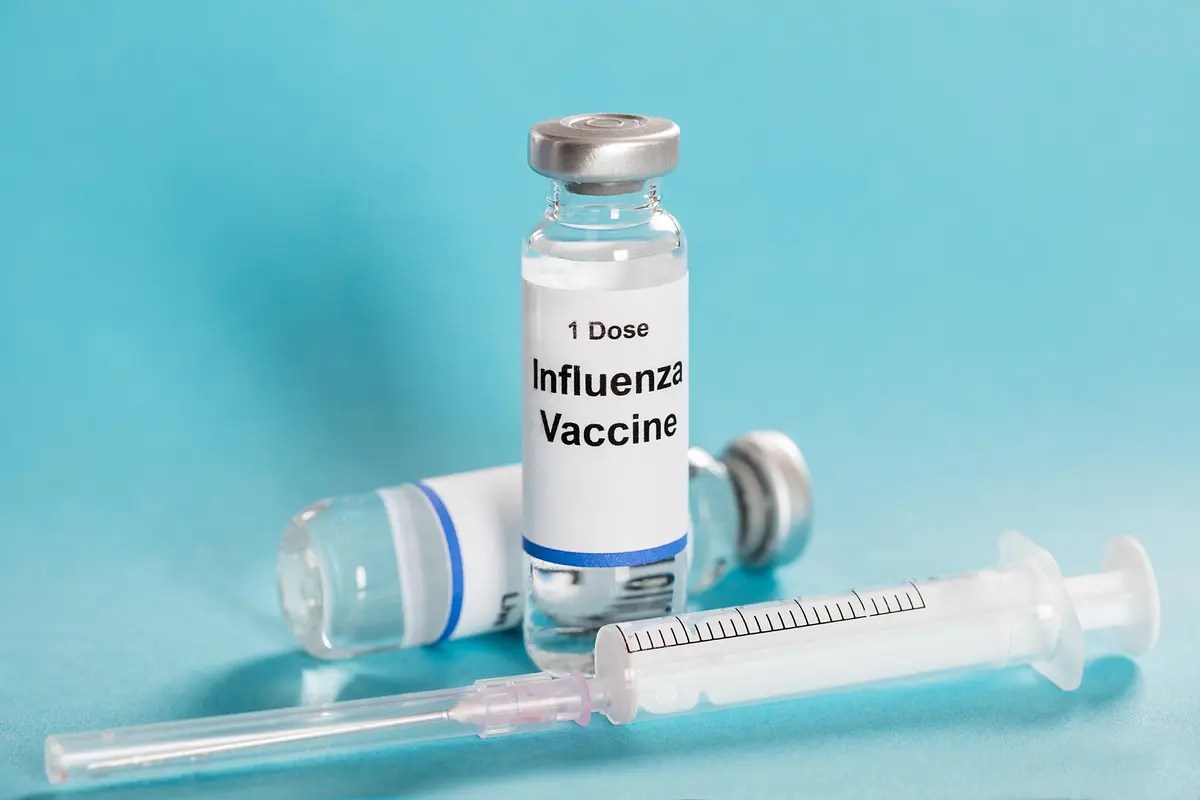
During the 2022–2023 flu season, the influenza vaccine was less than 50 percent effective at preventing emergency department/urgent care visits and hospitalizations among children and adolescents, according to a study funded by the Centers for Disease Control and Prevention (CDC).

The analysis, published Nov. 16, 2023, in Clinical Infectious Diseases, found the seasonal influenza vaccine was only 48 percent effective overall at reducing the risk of influenza-A-associated emergency department (ED) or urgent care (UC) visits, and only 40 percent effective at preventing hospitalizations.

Researchers analyzed acute respiratory illness-associated ED and UC visits or hospitalizations at 55 hospitals and 107 ED or UC sites within the VISION vaccine effectiveness network—a multistate collaboration with the CDC. Children and adolescents 6 months to 17 years were tested for influenza between October 2022 and March 2023.

Researchers estimated influenza A vaccine effectiveness using a test-negative design—a popular method for determining vaccine efficacy that uses the same clinical case definition for both cases and controls and distinguishes which patients are in each group with subsequent laboratory testing. In other words, the effectiveness of the influenza vaccine was estimated by comparing influenza vaccination status in patients testing positive for influenza with those testing negative for influenza.

According to the study, 13,547 of 44,787 qualified ED/UC visits and 263 of 1,862 hospitalizations were positive for influenza A. Among ED/UC patients, 15.2 percent of influenza-positive cases and 27.1 percent of influenza-negative cases were vaccinated.

The vaccine was 44 to 52 percent effective—or 48 percent effective “overall,” 47 to 58 percent effective among children aged 6 months to 4 years, and 30 to 45 percent effective among those aged 9 to 17 years old.

Among hospitalizations, 17.5 percent of influenza-positive cases were vaccinated compared with 33.4 percent of influenza-negative patients. Vaccine efficacy was 6 to 61 percent—or 40 percent “overall,” 23 to 75 percent among children ages 6 months to 4 years, and 2 to 70 percent among those 5 to 17 years old. Despite vaccine efficacy numbers, researchers said the influenza vaccine is a “critical tool to prevent moderate-to-severe influenza illness in children and adolescents.”

Findings Identify Associations, Not Causal or Inferred Effectiveness

Linda Wastila, professor and Parke-Davis chair of geriatric pharmacotherapy with a doctorate in health policy, told The Epoch Times in an email that she found the study a bit confusing and the authors’ claims of effectiveness against preventing emergency room and hospital admissions a “bit of a stretch.”

“The authors look at subjects who enter the hospital, although the primary (and secondary) reasons for admission are not provided or controlled for, with subjects possibly [admitted] for other conditions (e.g., pneumonia, RSV, broken limbs) and, in testing, found to be positive WITH influenza rather than admitted FOR influenza. The authors didn’t control for many factors using multivariable approaches, so there is no control in their VE [vaccine efficacy] calculations for variability by site or in the subjects themselves,” Ms. Wastila said.

“Although the authors present tabular findings (Table 2) on subjects’ health status, these are essentially descriptive or, at best, cross-tabular, NOT causal, associations between vaccine status and influenza negativity,” she added.

Ms. Wastila said another serious shortcoming the authors noted themselves is the considerable variation across and within the three healthcare systems used for enrollment.

“I dislike using the term ‘cherry pick,’ but without randomization and/or matching of cases with controls, we cannot rule out explicit and/or implicit biases made at the site, principal investigator, and provider levels in identifying subjects,” she said. “In sum, based on the lack of matched cases/controls and lack of statistical control for covariates and confounders, at best, this study’s findings reflect descriptive findings demonstrating associations, not causal or inferred effectiveness.”

CDC Redefines Vaccine Efficacy for Influenza Vaccine

According to the CDC, the agency conducts yearly studies during flu season to help determine how well the vaccine works. Vaccine effectiveness studies help assess the “value of flu vaccination as a public health intervention.” Although the test-negative design is a common method of determining vaccine efficacy, a 2021 Department of Health and Human Services study said “particular care” must be taken when using this method to determine whether a vaccination reduces disease severity in breakthrough infections.

As reported by The Epoch Times, the CDC rolled out a digital ad campaign in September to rebrand the influenza vaccine and redefine expectations about what a yearly flu shot could and couldn’t do amid breakthrough cases. The agency’s new messaging is that the flu shot wouldn’t prevent a person from getting sick but would prevent severe illness should one still get sick.
This is similar to the shift in messaging adopted by U.S. regulatory agencies with COVID-19 vaccines when breakthrough COVID-19 cases started piling up among the vaccinated. U.S. health officials then admitted the shots did not prevent COVID-19 or transmission of the virus to others, and vaccine efficacy was redefined by whether the vaccine prevented hospitalizations and death.

According to CDC data, the influenza vaccine was 54 percent effective during the 2022–2023 influenza season and 36 percent effective during the 2021–2022 season. During the previous ten years, vaccine efficacy for the influenza vaccine has ranged from 19 to 52 percent effective….

[…]

Via https://www.theepochtimes.com/health/cdc-last-years-flu-shot-was-less-than-50-percent-effective-for-children-and-adolescents-5533379

Military Could Owe Billions to Service Members Involuntarily Discharged for Refusing COVID Shots

By  Michael Nevradakis, Ph.D.

The U.S. military could owe billions in back pay and legal fees depending on the outcome of three class-action lawsuits filed on behalf of service members who allege they were wrongfully discharged for refusing the COVID-19 vaccine.

The U.S. military could owe billions in back pay and legal fees depending on the outcome of three class-action lawsuits filed on behalf of service members who allege they were wrongfully discharged for refusing the COVID-19 vaccine.

Among the claims made by the plaintiffs are that the military could not legally mandate vaccines issued under Emergency Use Authorization (EUA), as was the case with the COVID-19 vaccines, and that it was nearly impossible for service members requesting a religious exemption to have those requests approved

Florida lawyer Dale Saran, who represents the plaintiffs, told Fox Business his legal team represents “basically everybody who got kicked out, discharged or dropped to the IRR [individual ready reserve] as a result of not taking the vaccine.”

This could include more than 100,000 former service members, according to the plaintiffs’ legal team, led by Saran and two other attorneys: Brandon Johnson and J. Andrew Meyer.

It’s unclear how many service members were involuntarily discharged for refusing the vaccine, but estimates range from more than 8,000 to just under 2,000.

Fox News last week reported, “thousands of troops unsuccessfully sought religious exemptions from the inoculation, including 8,945 soldiers, 10,800 airmen and guardians, 4,172 sailors, and 3,717 Marines.”

Regardless of the actual number, the U.S. Army is trying to get members who were involuntarily discharged to reenlist, according to an undated letter that surfaced last week.

[…]

Defense Secretary Lloyd Austin on Aug. 24, 2021, mandated members of the U.S. military get the COVID-19 vaccine.

However, in late 2022, Congress passed the 2023 National Defense Authorization Act, which required Austin to rescind the mandate, which he did on Jan. 10, 2023.

The three lawsuits — Bassen v. The United States of America, Botello v. The United States of America and Harkins v. The United States of America — were filed Aug. 4 in the U.S. Court of Federal Claims, “seeking back pay and other compensation, as well as reinstatement and other non-monetary relief, for all current or former members of the U.S. Armed Forces harmed by the illegal COVID-19 vaccine mandate.”

The U.S. government has filed motions to dismiss each of the three lawsuits.

Three separate lawsuits cover all military branches, National Guard, Coast Guard

According to the lawsuits, the U.S. government “has systematically violated service members’ religious liberties” via a “sham religious accommodation process,” and violated informed consent laws, the Military Pay Act, the Religious Freedom Restoration Act of 1993 and the National Defense Authorization Act (NDAA).

Saran told Fox Business there are three separate lawsuits, largely because of the way the U.S. Department of Defense (DOD) is set up.

According to the plaintiffs’ legal team, Bassen v. United States “is a class action filed on behalf of the approximately 8,500 active-duty service members who were involuntarily discharged … as well as any other active-duty service members who were forced into early retirement or were constructively discharged due to their vaccination status.”

This includes “all former service members (except Coast Guard) who were on Title 10 active-duty orders when discharged.”

Botello v. United States is a class action seeking back pay and “other remedies for 70,000-100,000 members of the Air and Army National Guard, and for reserve members of all services, who were dropped from active-duty orders or active status, denied pay or benefits or prohibited from participating in drills, training, and other duties.”

This includes “all service members (except Coast Guard) on Title 32 Orders in the National Guard or Reserve.”

In turn, Harkins v. United States is a “class action filed on behalf of the active-duty and reserve Coast Guard members who were involuntarily discharged due to their unvaccinated status, as well as any other Coast Guard members who were forced into early retirement or were constructively discharged due to their vaccination status.”

‘You start talking about $6 billion or more’

The lawsuits seek financial restitution, including back pay and legal fees for the named plaintiffs, the establishment of a common fund that would provide compensation for plaintiffs who later join any of the class action suits, reinstatement of the service members and correction of their records.

The lawsuits also allege the U.S. government committed “illegal exactions” by “indebting” some of the affected service members when it demanded that enlistment bonuses, post-9/11 G.I. Bill benefits, training and tuition costs and “other allowances or special pays, such as separation pay or travel allowances,” be returned.

According to the plaintiffs’ legal team, when Congress ordered the DOD to rescind the mandate, it did not explicitly order the military to provide back pay and financial compensation for all the service members and veterans harmed by the mandate.

The lawsuits note, however, that in the NDAA, Congress “expressly chose the term ‘rescind,’ rather than more customary language such as ‘repeal,’ ‘amend,’ or ‘clarify,’ to direct the DoD and the courts that ‘the rescission should be applied retroactively to render the Mandate null and void ab initio.’”

Saran told The Defender that “‘rescind’ is a legal term of art” which “means something distinct from ‘repeal.’”

“In our view, by rescinding, Congress intended that members should be treated as if the mandates were never issued — i.e., in legal parlance, that the orders to take the shots were void ab initio [from inception]. This means people should be put back into the position — as best the government is able — as they were before this happened,” he said.

Saran told Fox Business the total back pay owed to service members who qualify for any of the three lawsuits might total “billions.” Citing an armed forces personnel budget of approximately $158 billion and disciplinary actions that impacted approximately 4% of military service members, “you start talking about $6 billion or more.”

In addition to back pay, Saran told The Defender service members who faced disciplinary actions as a result of their unvaccinated status may be able to seek restoration of “some” back benefits, which “largely depends upon whether those benefits are classified as ‘direct’ damages (yes) or ‘consequential’ damages (no).”

Military had no legal authority to mandate EUA vaccines

The lawsuits claim the plaintiffs can claim back pay because the DOD “unlawfully mandated Emergency Use Authorization (‘EUA’) only products in violation of Congress’ explicit statutory prohibition in 10 U.S.C. §1107a.”

Compliance with the mandate “was impossible because the DoD did not have any products licensed by the Food and Drug Administration (‘FDA’) … while the Mandate was in effect,” the lawsuits state, referring to the Pfizer Comirnaty and Moderna Spikevax COVID-19 vaccines.

“The DoD has admitted in related litigation that the DoD did not have any FDA-licensed COVID-19 vaccines” when the mandate was issued in 2021, the lawsuits state. Instead, the DOD “began using and mandating the unlicensed, EUA Pfizer/BioNTech COVID-19 vaccine based on the DoD’s determination” that the two were “interchangeable.”

Notably, in November 2021, a federal judge rejected the DOD’s claim that the fully licensed Comirnaty and the EUA Pfizer-BioNTech vaccines were “interchangeable.”

[…]

“Service members were forced to take experimental products — and we now know unequivocally just how deadly they have been,” Saran said.

Religious accommodation a ‘sham process’

The lawsuit also called into question the process for religious accommodations set forth by the DOD for service members, calling it a “sham process” and citing other legal cases where it was described as “a ‘quixotic quest’ that amounts to little more than ‘theater.’”

This process resulted in “nearly uniform denials of service members’ requests for religious accommodations, using nearly identical form letters with only names, dates, and titles or duties changed.”

According to the lawsuits, the Armed Services denied at least 99% of religious accommodation requests that were adjudicated, but the “true number” likely approaches 100% because “the small number” of approved claims “appear to have been disguised administrated exemptions granted to service members on terminal leave in their final months of service.”

“A lot of people had religious qualms about taking these and the military had lots of injunctions against it. It just did not handle this well at all,” Saran told Fox Business.

“It wasn’t a religious ‘accommodation’ process. It was a religious ‘targeting’ process where people who filed an accommodation were immediately removed from leadership billets, forced to retire, had promotions suspended, etc.,” Saran told The Defender, adding that federal law requires the military to “conduct individualized determinations.”

“It is criminal, and people should be in jail for intentional violation of the civil rights of service members,” he said.

Former service members can still join one of the class action lawsuits

One of the notable characteristics of the three lawsuits is that they have been filed in the U.S. Court of Federal Claims, a special court with jurisdiction over claims seeking monetary claims against the federal government.

According to the plaintiffs’ legal team, the court also has the authority to hear their non-monetary claims, stating that “it may address violations of other statutes to the extent necessary to resolve the underlying contractual dispute.”

Saran described the U.S. Court of Federal Claims as a specialized court with nearly exclusive jurisdiction over military back pay claims and other specialized areas like vaccine injuries, government contract disputes, and patent and trademark claims.

Any former service member that falls into any of the categories covered by the lawsuits “may have a claim for back pay, financial compensation or other remedies such as reinstatement or correction of military records,” the legal team said.

Army invitation to unvaccinated service members to reenlist ‘disingenuous’

While the U.S. government is attempting to have the three lawsuits dismissed, it has nevertheless admitted that the armed forces are facing a recruitment crisis.

According to Fox News, “The Army expects to have ended fiscal year 2023 with nearly 55,000 recruiting contracts, including roughly 4,600 for the Army’s Delayed Entry Program — recruits who will ship in the 2024 fiscal year. As a result, the Army said it will meet its end-strength goal of 452,000 for active-duty soldiers.”

Yet, the same report states that on Oct. 3, “the U.S. Army announced a transformation of its recruiting enterprise, stressing how ‘the armed forces facing the most challenging recruiting environment in a generation.’”

According to Task & Purpose, the Army “missed its recruiting goals for this past year by nearly 15,000 soldiers.” It cites “A lack of interest from Gen Z to join the military” as well as factors “as broad as the economy and job market to … the service’s struggles with sexual assault and suicide in the ranks” as factors contributing to low recruitment.

Yet, according to the three lawsuits, Congress, in passing the NDAA 2023, identified the vaccine mandate as the “primary cause of the [DoD]’s recruiting difficulties,” disqualifying more than 40% “of the Army’s target demographic from service nationwide,” leading to “the loss of at least 75,000 from the Army alone.”

Saran told Fox Business that Austin “let go of some 70,000 to 100,000 National Guardsmen … almost 10% of the National Guard,” adding that the armed forces combined “sacked somewhere north of 85,000,” noting that “We don’t have exact numbers. The DOD hasn’t been entirely forthcoming.”

The plaintiffs’ legal team calls this “the greatest reduction in force since the end of the Cold War and likely the self-inflicted threat to national security and military readiness in our Nation’s history,” while the lawsuits call this a “self-imposed readiness crisis.”

[…]

Via https://childrenshealthdefense.org/defender/military-billions-back-pay-lawsuits-covid-vaccine-mandate/

Venezuela Condemns Israeli Attack on Damascus Airport

Smoke plumes caused by Israeli bombing in Damascus, Syria, Nov. 27, 2023Smoke plumes caused by Israeli bombing in Damascus, Syria, Nov. 27, 2023 | Photo: X/ @XJMejid

teleSUR Newsletter

This new aggression constitutes “an obvious flagrant violation of international humanitarian law.”

On Monday, Venezuela condemned the attack on the Damascus airport in Syria, which was out of service after this Israeli missile launch on Sunday.

The Venezuelan government accused Israel of generating political and military tension in the Middle East with this new aggression, which constitutes “an obvious flagrant violation of international humanitarian law.”

Furthermore, Venezuela held Israel responsible for the hostilities and war crimes unleashed against the Palestinian people, which have left over 13,000 dead and tens of thousands of civilians injured since October 7.

Syrian President Bashar al-Assad’s administration accused Israel of launching an “air aggression” against this airport, an unnamed military source told news agency SANA.

Although the Syrian anti-aircraft defenses managed to shoot down most of the projectiles, those that did reach their target caused material damage and forced the suspension of air traffic at the capital’s airfield.

On Wednesday, the Syrian authorities reported a launch of two Israeli missiles also against the outskirts of the capital, hours after another action that was only reported by local organizations.

Israel has intensified its operations against Syria since the outbreak of the Gaza war on October 7, launching more than twenty actions in a matter of weeks and leaving the airports in Damascus and Aleppo out of service on several occasions.

[…]

Via https://www.telesurenglish.net/news/Venezuela-Condemns-Israeli-Attack-Against-Damascus-Airport-20231127-0007.html


Russia warns mass displacement of Palestinians from Gaza to Egypt would be ‘catastrophic’

Elena Teslova

 Russian Foreign Ministry’s Zakharova tells Anadolu if plan goes forward, ‘there will be disastrous consequences for both Palestinians and Israelis, and for the region as a whole’

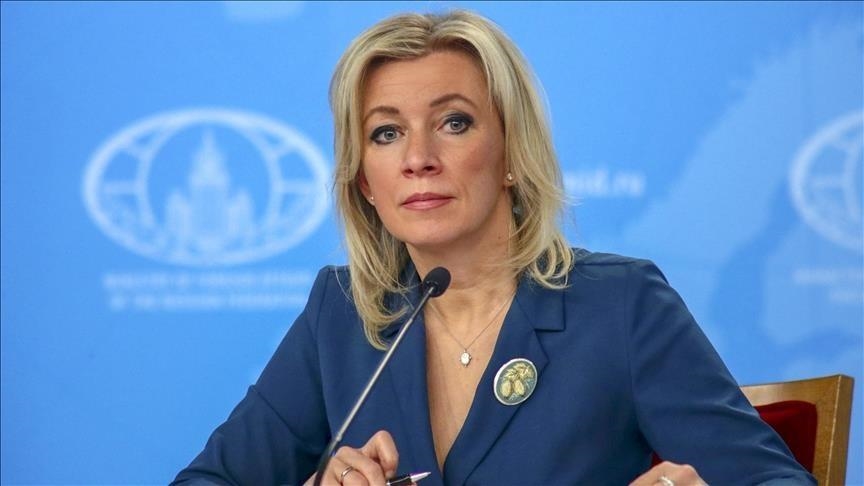
 Reported Israeli plans to relocate Palestinians to Egypt’s Sinai Peninsula would have “catastrophic” consequences, said the spokeswoman for Russia’s Foreign Ministry on Thursday.

Provocative statements about possible relocation fuel radical sentiments and mutual bitterness, threatening to further prolong the current Israeli-Palestinian conflict, Maria Zakharova said at a news conference in Moscow, responding to Anadolu.

“If such plans are implemented, the consequences of mass displacement of people will be catastrophic and will only worsen the situation in the region. And there will be disastrous consequences for both Palestinians and Israelis, and for the region as a whole,” she warned.

This week an Israeli ministry draft proposal to transfer the Gaza Strip’s 2.3 million people to Sinai surfaced, drawing immediate denunciation. Israeli authorities called the document a hypothetical “concept paper” rather than a concrete plan.

Zakharova added: “It is strange to hear that the proposal to forcibly deport the Palestinian people from their ancestral lands is put forward by those who consider themselves heirs to the idea of reviving the Jewish state on its historical territory.”

“I would like to emphasize once again that we see the entirety of the reasons that led to the aggravation of the problem. And we are saying that it is necessary not to aggravate it, but to take those concrete steps that will lead to a resolution of the situation,” she stressed.

She also said Russian officials “will not tire of repeating” that a lasting Palestinian-Israeli settlement is only possible on the condition of the establishment of an independent Palestinian State.

[…]

Via https://www.aa.com.tr/en/europe/russia-warns-mass-displacement-of-palestinians-from-gaza-to-egypt-would-be-catastrophic-/3041349#