The Most Revolutionary Act

Uncensored updates on world events, economics, the environment and medicine

The Most Revolutionary Act
Unknown's avatar

About stuartbramhall

Retired child and adolescent psychiatrist and American expatriate in New Zealand. In 2002, I made the difficult decision to close my 25-year Seattle practice after 15 years of covert FBI harassment. I describe the unrelenting phone harassment, illegal break-ins and six attempts on my life in my 2010 book The Most Revolutionary Act: Memoir of an American Refugee.

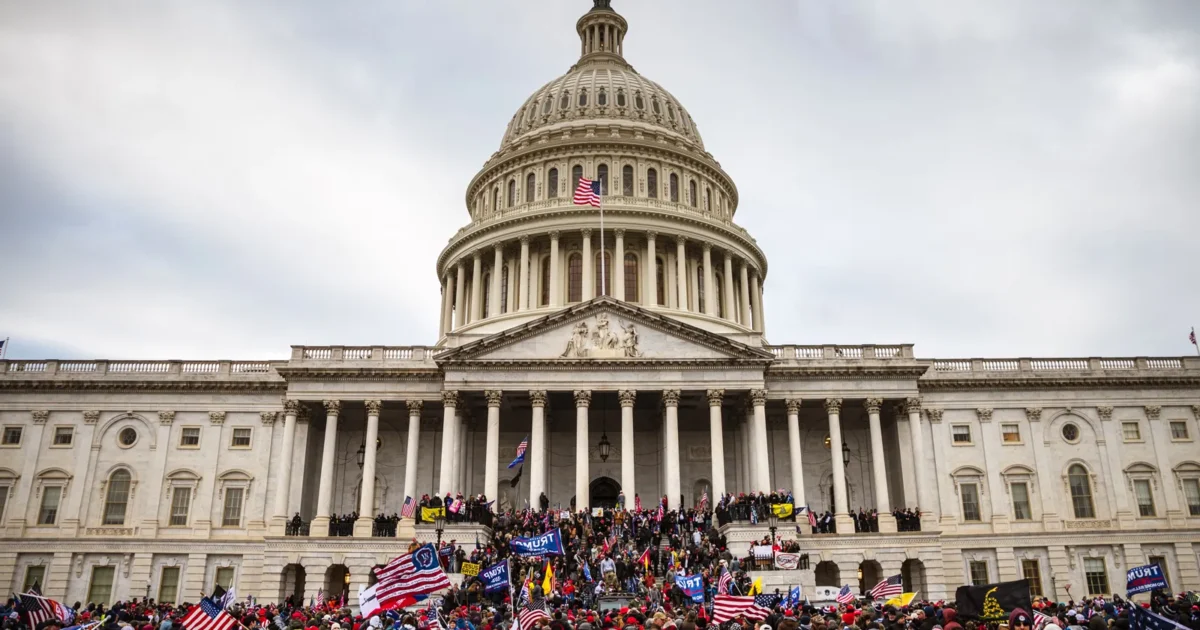
Transcripts Confirm Trump Urged Top Pentagon Officials to Deploy’ Guard, or Soldiers, Active Duty Soldiers’ on Jan 6

Jim Hoft

A groundbreaking report from Steve Baker has unveiled crucial transcripts proving that President Donald Trump did indeed request National Guard deployment to ensure a peaceful protest on January 6th, 2021.

These newly surfaced transcripts, which were previously concealed, reveal the truth that many in the mainstream media have ignored.

According to the documents, General Mark Milley, Chairman of the Joint Chiefs of Staff, confirmed that President Trump expressed concern about the potential for unrest and proactively ordered the necessary precautions.

On January 3, 2021, just three days before the protest, General Milley recalled the president saying, “Hey, look at this. There’s going to be a large amount of protesters here on the 6th. Make sure that you have sufficient National Guard or Soldiers to make sure it’s a safe event.”

Trump reportedly added, “I don’t care if you use Guard, or Soldiers, active duty Soldiers, do whatever you have to do. Just make sure it’s safe.”

These damning revelations fly in the face of the narrative propagated by the mainstream media and Democrats who have continuously blamed Trump for the chaos that unfolded on January 6th. The president’s clear directive to deploy the National Guard days before the event highlights his intentions to maintain law and order during the protest.

The transcripts also reveal that other Pentagon officials failed to act on Trump’s requests. Chief Steven Sund of the U.S. Capitol Police made an urgent plea for the National Guard on January 6th.

However, according to Sund, the Secretary of the Army’s representative denied the request, citing concerns about the “optics” of having National Guard troops stationed at the Capitol. This hesitation contributed to the delayed response, exacerbating the situation.

Further complicating matters, Acting Secretary of Defense Christopher Miller acknowledged that Trump had commented on the need for 10,000 troops to ensure security. However, Miller dismissed the president’s request as mere “banter.”

[…]

Via https://www.thegatewaypundit.com/2024/09/bombshell-transcripts-trump-fact-ordered-national-guard-january/

The New Colonialism: Britain’s scramble for Africa’s energy and mineral resources

War on Want
 

This report reveals the degree to which British companies now control Africa’s key mineral resources, notably gold, platinum, diamonds, copper, oil, gas and coal. It documents how 101 companies listed on the London Stock Exchange (LSE) — most of them British — have mining operations in 37 sub-Saharan African countries. They collectively control over $1 trillion worth of Africa’s most valuable resources. The UK government has used its power and influence to ensure that British mining companies have access to Africa’s raw materials. This was the case during the colonial period and is still the case today.

While the scale and scope of the UK’s involvement in the exploitation of Africa’s mineral resources is staggering, so too is the trail of social, environmental and human rights abuses left in its wake.

[…]

Via https://waronwant.org/resources/new-colonialism-britains-scramble-africas-energy-and-mineral-resources

Cambridge University says children as young as 15 should take statins to reduce heart attack risk

Cambridge University says children as young as 15 should take statins to reduce heart attack risk

Dr Eddy Betterman

Researchers at the University of Cambridge have released a new study claiming that children as young as 15 should take statin drugs to reduce their risk of heart attack or stroke.

With so many young people developing heart issues due to Operation Warp Speed, medical experts are apparently scrambling for solutions, even going so far as to push dangerous heart medications on young people.

(Related: Did you know that statin drugs are actually mitochondrial toxins that cause heart disease rather than prevent it?)

According to the research team, high or fluctuating cholesterol in childhood can lead to a condition of the heart called atherosclerosis. Fatty deposits build up over time in the arterial system causing blockages in the blood supply, which in turn can lead to fatal heart attacks and strokes.

Lead author Prof. Ziad Mallat, a cardiologist, says minor children should start taking statin drugs for cholesterol if “lifestyle measures have failed.”

For their paper, Mallat and his team fed two groups of rodents a fat-rich diet full of “bad” cholesterol. The rats ate the high-fat food either intermittently or continuously.

“When I asked my group and a number of people who are experts in atherosclerosis, no one could tell me what the result would be,” Mallat, a British Heart Foundation (BHF) expert in cardiovascular medicine, said. “Some people thought it would make no difference. Others thought it would change the risk.”

“In fact, what we found was that an intermittent high fat diet starting while the mice were still young – one week on, a few weeks off, another week on, and so on – was the worst option in terms of atherosclerosis risk.”

High cholesterol in childhood linked to clogged arteries as an adult

Fluctuating cholesterol levels are dangerous because the constant change can damage protective immune cells known as resident arterial macrophages. When these macrophages become damaged, the early stages of atherosclerosis often manifest.

Intermittently high cholesterol can prevent resident arterial macrophages from becoming protective like they are supposed to and instead accelerate the development of atherosclerosis.

For the people portion of their research, Mallat and his colleagues looked at 2,000 people between the ages of three and 12 who were first recruited to participate in heart research back in the 1980s. Currently, these people are between 30 and 50 years old.

All of the participants had ultrasounds on their carotid arteries as adults. Those who showed high cholesterol levels as children were more likely today to have the largest build-up of plaque in their arteries.

“What this means is that we shouldn’t leave it until later in life before we start to look at our cholesterol levels,” Mallat said.

“Atherosclerosis can potentially be prevented by lowering cholesterol levels, but we clearly need to start thinking about this much earlier on in life than we previously thought.”

In speaking to the media about his findings, Mallat said that increased awareness about the risks is needed, followed by “screening” programs that look for artery blockages earlier in life so more children can be prescribed statins.

“Our studies suggest that we should think about increasing public awareness of the detrimental impact of high cholesterol levels even early in life,” Mallat added. “Increasing awareness is the first step, then this could be followed later by putting in place ‘screening’ programs at a much earlier age than it is currently done.”

Mallat believes that the age range of 15-18 is a good time for children to start getting screened for heart problems as this is a “sensitive” time in a person’s life.

[…]

Via https://dreddymd.com/2024/09/18/cambridge-university-children-15-statins-heart-attack/

Viking and Native American Explorers.

Episode 7 Viking and Native American Explorers

The Middle Ages Around the World

Dr Joyce E Salisbury

Film Review

The Viking visits to North America are recorded in two Norse sagas: the Saga of Greenland and the Saga of the New World. Much of the detail contained in these works ha been confirmed by archeological evidence

  • In 982 AD (during the 800-13000 AD warming period), Erik the Red established the first Viking settlement in Greenland. Hosting 5,000 residents at its height. Greenland was quickly deforested. This eventually forced Greenland Vikings to import their wood (for fuel and charcoal to smelt bog iron for tools and weapons.
  • 986 AD Bjarni Herjulfsson, the first European explorer to discover North America, did so accidentally when his ship was blown off course while sailing to from Iceland to Greenland. After sighting the coast of Newfoundland, Labrador and Boffin Island, he turned westward before landing in Greenland,
  • Later in 986 AD, Leif Eriksson (son of EriK the Red) returned North America’s east coast (naming it Vinland in honor of the wild grapes he found), built a cluster of wooden houses, and returned to Greenland with ships full of grapes and wood. The sagas refer to six Viking voyages to the New World – archeological evidence suggests they made more.
  • 1008 AD Thorvald made the second voyage to Vineland in 1008. After spending the winter in the houses Leif had built, he encountered Algonquin tribesmen when they returned to their summer settlement on the coast. After killing some of them, he was killed by an Algonquin arrow.
  • In 1010 Thorfian Karlsfni made a third voyage with 60 men, five women, cattle, ship and goats. Initially the natives they encountered traded them furs for milk, but a battle erupted after a native killed a Viking who tried to steal one of the Algonquins’ iron weapons belong to the Algonquins. Although the Viking abandoned the settlement, they continued wood collecting expeditions for centuries.

Inuit Explorers

North American Inuit used dog sleds to cross the frozen Arctic into Greenland in two waves, the first in 800 BC and the second in 1000 Ad. With their kayaks and larger whaling boats, they were far better equipped than the Vikings to survive the Little Ice Age that began around 1300. They built large settlements (up to 100 families), using igloos to survive the winders. In 1379, they enslaved a number of Greenlanders after defeating them in battle.

Western contact with Greenland ceased in 1349, owing to Europe’s plague epidemic that killed nearly half its populations. According to archeologist, the Viking residents of Greenland’s Western and Eastern settlements either starved or froze to death in the late 1300s.

Film can be viewed free with a library card on Kanopy.

https://www.kanopy.com/en/pukeariki/watch/video/13172786/13172801

British Support for 1978 Iran Revolution Exposed


Ayatollah Ruhollah Khomeini, Iran’s first Supreme Leader, consolidated power with the assistance of British intelligence. [Source: portside.org]

Kit Klarenberg

[…]

Just over 24 hours after Hamas launched Operation Al-Aqsa Flood, when chaos abounded and Tel Aviv’s genocidal incursion into Gaza had not yet begun, veteran client journalist Robert Peston took to ‘X’ to announce that nameless British “government and intelligence sources” had informed him:

“Hamas’s attack on Israel has the potential to be as destabilizing to global security as Putin’s attack on Ukraine…There is a risk of this crisis spreading well beyond the Middle East…We are in the early stages of a conflict with ramifications for much of the world.”

This can only be considered supernatural foresight, particularly given the same spectral elements apparently failed to foresee Al-Aqsa Flood, despite multiple unambiguous indications of precisely what impended in the attack’s lead-up. We are thus left to ponder whether Peston’s British intelligence sources knew what was to come because they have long planned for, and sought, such an eventuality, and intended to make it happen, one way or another.

[…]

If all-out conflict does come to pass between Britain and Iran, it would represent “blowback” even more catastrophic than that produced by the CIA’s covert sponsorship of al-Qaeda in the lead-up to 9/11. Declassified British Foreign Office files spell out how London pivotally supporting Ayatollah Ruhollah Khomeini before and after the February 1979 Islamic Revolution. Were it not for this clandestine backing, world history may have taken a very different path indeed.

“Minor Consolation”
“If you lift up Ayatollah Khomeini’s beard, you’ll find ‘MADE IN ENGLAND’ written on his chin,” Pahlavi raged not long before the insurrectionary fervor that had angrily surged throughout his kingdom for many months finally swept him from the throne, ending his nigh-on 38-year reign. On the surface, it was a strange statement for the Shah to utter. After all, he was notoriously reinstalled as Iran’s supreme ruler by an Anglo-American coup in August 1953.

Ever since, he had been a seemingly unwavering ally of London. Pahlavi militarily supported various British-backed regimes in the Gulf region, becoming one of the country’s biggest arms markets in the Middle East, and allowing British Petroleum to pillage Iran’s vast crude oil reserves at highly beneficial rates. Moreover, the year prior, then-opposition leader Margaret Thatcher visited Tehran in April, offering a vehement reaffirmation of London’s support for the Shah’s rule:

“I have watched the progress of Iran. I have been impressed by the speed and sureness with which an ancient land has transformed itself in a single generation from one of the world’s poorer countries into one of its leading military and industrial powers. [The Shah] must be one of the world’s most far-sighted statesmen…no other world leader has given his country more dynamic leadership. He is leading Iran through a 20th century renaissance.”

Two months later, then-Labour Foreign Secretary David Owen signed off on the shipment of 175,000 CS gas cartridges and up to 360 unarmed armored personnel carriers to Pahlavi’s notorious, British-trained internal security force, SAVAK. The materiel was urgently needed to brutally crack down on the initial wave of protests that had engulfed Tehran, which eventually led to the Shah’s ouster.

Despite these rhetorical and practical efforts, Pahlavi’s allegations of British support for Khomeini were far from paranoid and bitter conspiracy theorizing. London had a long and deplorable history of backing the most extreme fundamentalist factions in North Africa and West Asia, in order to counter threats to its regional interests. For example, during the 1950s, British intelligence covertly funded and directed Egypt’s Muslim Brotherhood, in an ultimately failed effort to depose Cairo’s troublesome nationalist leader Gamal Abdel Nasser.

In fact, another Iranian Ayatollah, Sayyed Kashani, played a pivotal role in “Operation Boot,” the very coup that catapulted Pahlavi back to the throne. The CIA and MI6 financed and organized protests that provided the Iranian army a pretext for removing democratically elected, popular leader Mohammad Mosaddegh from power.

Mohammad Mosaddegh [Source: biografyasividas.com]
However, despite London’s practical and rhetorical backing for the Shah in public when the protests began, behind the scenes British officials well-understood the writing was on the wall for Iran’s leader. In an internal memo dated October 1978, Prime Minister James Callaghan is quoted as saying, “on the basis of this, I wouldn’t give much for the Shah’s chances.” He believed Foreign Secretary David Owen “should start thinking about reinsuring”—code for cultivating contacts with opposition figures.

Two months later, in a private note to U.S. President Jimmy Carter, Callaghan lamented that the Shah’s removal from power would have “the gravest political, strategic and economic implications for the West.” He bitterly added, “it is of only minor consolation that continued chaos in the country or the emergence of an extreme government dominated by the religious right wing might create almost as many problems for the Soviet Union.”

Still, in addition to expediently limiting damage to Britain’s interests in the country, Foreign Office planners were looking ahead, to a time when they could once again install a leader more to their liking. By December 1978, officials were arguing ministers should jettison all support for the Shah, both public and private, and throw their weight behind the opposition. As David Owen recorded in his memoir:

“We needed someone with charisma who would only be in post for a few years, brave enough to make enemies, and ready later to step aside for the Shah’s son as a constitutional monarch.”

Unstated by Owen, reactionary local forces were also required to offset, if not override, the leftist character of the anti-Shah protests. It was fears of Tehran turning toward Moscow that inspired London to have trained, armed and supported the savage SAVAK. A declassified December 1964 memo circulated by the Information Research Department (IRD), a British spy-run black propaganda operation, spoke of SAVAK’s “successful work” targeting Tudeh, Iran’s Communist Party:

“For some years IRD has collaborated with SAVAK…SAVAK has [used] sophisticated counter-espionage and counter-propaganda techniques [against Tudeh]… [A SAVAK deputy] spent 10 days in the UK at IRD’s expense in October this year and was shown a great deal of IRD’s activities…It may appear that we devote rather more IRD attention to Iran…than is justified by the known results. But Iran is an important country to us, strategically and economically.”

The incipient Iranian revolution confirmed London’s fears of a Communist takeover of the country, making support for Khomeini indispensable from the perspective of British intelligence. In October 1982, MI6 passed a list of purported Soviet agents operating in Iran to the Ayatollah’s government. Dozens of those named were executed and more than 1,000 members of Tudeh arrested. The party was effectively inoperable in Tehran thereafter, at least publicly.

Rewind to late 1978, and in ill-omened expectation of Khomeini adhering to London’s regional objectives, BBC Persian began vociferously promoting the still-exiled Ayatollah as Iran’s opposition leader. Owen refers to this coverage—so rabidly pro-Khomeini some dubbed the station “Ayatollah BBC”—as “a form of insurance with the internal opposition.” The British state broadcaster’s support was crucial, given it was virtually the only radio station to cover Iranian events in locally spoken languages.

Iran’s own radio and TV networks were shut down shortly after the anti-Shah protests erupted. Scholars Annabelle Sreberny and Massoumeh Torfeh have documented how the BBC Persian Service had “never been seen as so partial in its reporting” as it was during and immediately after the Iranian revolution. And this bias was entirely by design.

Foreign Office apparatchik Nicholas Barrington, who was in charge of supervising overseas BBC programming at the time, made a firm declaration that any and all pro-monarchy voices inside and outside Iran must be prevented from reaching the airwaves. In an internal memo to BBC Persian staff unearthed by Sreberny and Torfeh, he suggested giving any platform to pro-Shah elements would amount to “short-term expediency.” Instead, the station’s broadcasts should:

“Operate in the medium and long term, influencing those who might one day form an alternative government.”

“Good Relations”
Pahlavi fled Iran on January 16, 1979, ostensibly on vacation—although he would never return. The Shah sought refuge in a number of countries that supported his rule, including Britain and the U.S., but he was told in no uncertain terms to stay away. Officials in London refused to let him settle there even temporarily, in order to decisively distance themselves from him. When the Shah eventually died in July 1980, Britain sent only its deputy ambassador to his funeral.

Khomeini returned to Iran in February 1979, and quickly formed an interim administration. In a House of Commons speech 11 days later, Callaghan said his government “[looked] forward to establishing good relations” with Tehran’s newly appointed premier, Mehdi Bazargan. Despite the Iranian prime minister canceling some outstanding arms orders with Britain that month, Whitehall was undeterred. Cabinet Secretary John Hunt wrote on March 20, 1979:

“In winding up the contracts, we should not give the impression we are turning our backs on Iran…we should let the Iranians know we are ready, if they wish, to resume the supply of routine items such as ammunition and spare parts…We should also continue to encourage them to complete any contracts which they have not yet repudiated or defaulted on…In settling the defence contracts we had with the former regime, we should lose no opportunity to foster our relationship with the new government.”

Britain’s attempts to curry favor with the newly-formed Islamic Republic even endured once the siege of the U.S. Embassy in Tehran, which saw 52 U.S. diplomatic personnel held hostage for 444 days, began in November 1979. British arms continued to flow to the country, and dozens of Iranian military officers were trained on British soil.

Margaret Thatcher, elected prime minister in May that year, was keen to continue the previous government’s policy of “reinsurance.” She perceived revolutionary Iran to be a potentially useful bulwark against Soviet power in the Middle East. In a parliamentary speech on East-West relations on January 28, 1980, a month after the Red Army invasion of Afghanistan, Thatcher warned Moscow could take advantage of insurrectionary fervor in the region:

“The Soviet Union has driven a wedge into the heart of the Muslim world. If its hold on Afghanistan is consolidated, the Soviet Union will have vastly extended its borders with Iran, acquired a border more than 1,000 miles long with Pakistan, and will have advanced to within 300 miles of the Strait of Hormuz, which control the Persian Gulf. These are the facts. They are a cause for alarm both to the countries of the region and to ourselves.”

In September that year, Iraq invaded Iran with U.S. encouragement. Both Saddam Hussein and Jimmy Carter banked on a swift collapse of Khomeini’s Islamic Republic. What resulted was the 20th century’s longest conventional war. In contravention of a UN embargo banning supply of weapons and ammunition to either country, the CIA and MI6 armed both sides in the conflict. The war eventually claimed the lives of one and a half million people over the course of nearly eight years.

No official was ever prosecuted, penalized or reprimanded for their role in the complex conspiracy on either side of the Atlantic. Nonetheless, the “Arms to Iraq” scandal was officially investigated by the Scott Inquiry in the mid-1990s. The probe was a whitewash, which exonerated all involved from wrongdoing, and kept 90% of its resultant report classified. Merely its conclusion, that the British government “only violated the embargo in an effort to keep the country’s machine-tool industry in business,” was deemed fit for public consumption.

Fast forward to today, and London appears eager to put an end to the “problem” it initially supported the creation of in Tehran. One wonders how many British-made weapons are still circulating among Iran’s military, and whether, without Whitehall’s secret support, we would be where we are now. In backing Ayatollah Khomeini, London inadvertently assisted in fomenting a grave, perpetual threat to Israel.

[…]

Via https://covertactionmagazine.com/2024/09/15/british-support-for-iran-revolution-exposed/

DeSantis Says Feds Blocking Investigation Into Second Trump Assassination Attempt

Florida Gov. Ron DeSantis Signs Executive Order Ousting Mayor Accused of Attempted Murder ...

Modernity

Florida Governor Ron DeSantis said the feds are being uncooperative with the state’s investigation into the second Trump assassination attempt, including by blocking access to the golf course where it happened.

Gunman Ryan Routh hid for nearly 12 hours in the bushes without being spotted before finally being apprehended when a member of his protection detail saw a rifle poking out of foliage by the sixth hole.

The round of gold was not on Trump’s public schedule and was only a last minute decision, prompting questions as to how Routh, who got within 500 yards of Trump, knew the former president would be in that location.

Appearing on Fox News last night, Florida Governor Ron DeSantis was asked whether the feds were cooperating with his independent investigation into the attempted shooting and his answer was emphatic.

“The answer is no, they’re not being cooperative,” said DeSantis, adding that he is “concerned” that vital information is not being passed on.

“Our investigators were rebuffed just going to the fence line outside of Trump International Golf Club in West Palm Beach,” he added, accusing the federal government of not wanting the state of Florida to be involved in any way.

The Governor said the fact that there were “multiple violations of Florida law across multiple jurisdictions” by the suspect meant that there was a “duty” on behalf of state authorities to investigate, bring charges and inform the public about what happened.

DeSantis said he didn’t expect the feds to change their behavior and start cooperating, remarking, “We have not gotten a lot of receptive response.”

When asked directly about the alleged shooter himself, DeSantis agreed that it was strange federal authorities rushed to say they didn’t know the motive of either Ryan Routh or Thomas Crooks given that their social media profiles, especially in the case of Routh, clearly suggested a political motive.

“As soon as we got word of this on Sunday, I told our guys in state law enforcement save all his social media because you know Facebook will delete it…get his digital trail, store that, because we need to know how did he end up in Florida to begin with? What is this pathway this guy has taken to end up in those bushes trying to assassinate the former president of the United States and current Republican nominee, how did that happen?” asked the Governor.

DeSantis added that the public has still not received satisfactory answers about the first assassination attempt in Butler, Pennsylvania or even the 2017 Las Vegas massacre, for which the motive remains unsolved.

“So part of the investigation that our folks are doing is they are going to provide evidence they find of motive, evidence of his associations, and evidence of his beliefs, I think that’s very important that the public get the real story on that,” concluded the Governor.

[…]

Via https://modernity.news/2024/09/20/desantis-says-feds-being-uncooperative-with-investigation-into-second-assassination-attempt-on-trump/

Rep Matt Gaetz: Five Assassination Teams Targeting Trump

Matt Gaetz does damage control, telling GOP colleagues he's been treated unfairly - CNNPolitics

Modernity

Congressman Matt Gaetz warns that a senior DHS official told him there are at least five “assassination teams” inside the United States targeting Donald Trump.

Gaetz made the comments after gunman Ryan Routh tried to kill the former president after hiding in the bushes for nearly 12 hours outside Trump International Golf Club in West Palm Beach.

Routh somehow knew where Trump would be to within 500 yards despite the round of golf not being on the former president’s schedule and the decision to play being last minute.

Florida Republican Rep. Gaetz told the Real America’s Voice podcast that even before the second assassination attempt, he was given some shocking news.

“I had a senior official from the Department of Homeland Security in my office before the second assassination attempt saying what he has assessed is that there are five known assassination teams in the United States, three inspired by other governments, two that are here that are known domestic assassination teams,” said Gaetz.

The Congressman added that the official told him of his concerns about that the force protection team around Trump was totally inadequate.

“The coordination at that level, the dignitary protection level is like the bare minimum that we have to do to keep our presidents, our presidential candidates safe while they’re out there on the trail,” said Gaetz.

The Congressman emphasized that the five assassination teams are solely “targeting Trump” and not just any prominent political figure.

“So that raises real questions about why certain teams were being pulled off of the Trump detail and being put on for example the Jill Biden detail,” said Gaetz, noting that the threat against Jill Biden was substantially lower than the threat posed to Trump.

Gaetz said it didn’t make sense that requests for more security around Trump were being denied while resources were being allocated to far less prominent individuals like John Bolton.

[…]

Via https://modernity.news/2024/09/20/rep-matt-gaetz-says-dhs-source-told-him-there-are-five-assassination-teams-inside-u-s-targeting-trump/

Gun Control Hypocrite Kamala Harris Admits She and Walz Are Gun Owners and She Would Shoot Intruders, Then Regrets Saying It

Kamala Harris praises gun laws in Australia which confiscated hundreds of thousands of guns ...

Blogging Hounds

In a town hall interview with Oprah Winfrey, Kamala Harris’ long-standing hypocrisy on gun control was exposed for all to see.

Kamala, known for her anti-gun rhetoric, let slip that not only is she a gun owner, but she would use it to shoot intruders if they dared to break into her home.

For someone who has championed stricter gun laws and even floated the idea of mandatory buybacks, this unscripted moment laid bare her duplicity.

When pressed during her interview with Oprah, she dropped the bombshell that she and Minnesota Governor Tim Walz both own guns.

“I’m a gun owner. Tim Walz is a gun owner,” said Kamala, much to Oprah’s surprise.

“I did not know that,” Oprah said.

But the real jaw-dropper came next. Harris, seemingly emboldened by the moment, continued: “If somebody breaks in my house, they’re getting shot.”

Harris, apparently realizing the gravity of her words, laughed nervously and backpedaled, adding, “I should have not said that. My staff will deal with that later.”

The hypocrisy is glaring. Here is a woman who has championed gun control measures for years, pushing for an assault weapons ban, mandatory gun buyback programs, and tighter restrictions on law-abiding gun owners—yet she is quick to admit she would use her firearm for self-defense.

WATCH:

During the recent presidential debate, Trump rightfully pointed out Harris’s gun-grabbing agenda, warning that she would come after Americans’ Second Amendment rights.

Harris tried to deflect the accusation, claiming, “Tim Walz and I are both gun owners. We’re not taking anybody’s guns away, so stop with the continuous lying about this stuff.”

For many, Harris’s sudden revelation about owning a gun, followed by her admission that she would shoot an intruder, is the ultimate example of liberal hypocrisy. How can someone so vehemently advocate for gun control while simultaneously enjoying the protection of a firearm?

Her comments on live television further solidified the notion that Kamala Harris’s stance on guns is as inconsistent as her political rhetoric. Just days after the debate, where she insisted no one’s guns would be taken away, Harris has returned to calling for an “assault weapons” ban and universal background checks. She insists that “reasonable gun safety laws” don’t contradict her support for the Second Amendment.

“I feel very strongly that it is consistent with the Second Amendment and your right to own a gun to also say we need an assault weapons ban,” Harris stated during the interview. “They’re literally tools of war,” she added, continuing her push for stricter regulations.

So which is it, Kamala? Are you the gun owner ready to defend your home by force, or the crusader for disarming Americans in the name of “safety”? It seems like Harris wants to have it both ways—enjoying the protection of her own firearm while working to ensure others don’t have the same right.

[…]

Via https://theblogginghounds.com/2024/09/20/gun-control-hypocrite-kamala-harris-admits-on-live-tv-that-she-and-walz-are-gun-owners-and-she-would-shoot-intruders-then-regrets-saying-it/

Aspirin’s Forgotten Anticancer Function

Dr Mercola

Story at-a-glance

  • Aspirin, traditionally used for pain relief, shows promising anticancer properties. Recent research highlights its potential in cancer prevention and treatment, with a more potent analog, 2,6-dihydroxybenzoic acid, showing even greater promise
  • Combining aspirin with vitamin C demonstrates superior results in shrinking tumors and extending survival times compared to either compound alone or conventional chemotherapy drugs, while being gentler on healthy cells
  • Long-term, low-dose aspirin use (75 mg+ daily for several years) can significantly reduce colorectal cancer incidence and mortality, with benefits most pronounced for proximal colon cancers and after 20+ years of use
  • Aspirin’s cancer-fighting potential extends beyond colorectal cancer, showing promise in reducing risks for esophageal, stomach, lung, prostate and breast cancers, with overall cancer incidence potentially reduced by 20% to 30% after three to five years of use
  • For maximum benefit, choose immediate-release aspirin without additives. Optimal dosage ranges from 82 mg to 325 mg daily, taken with meals. Genetic testing may help personalize aspirin use for cancer prevention in the future

Aspirin is a staple in medicine cabinets worldwide, known primarily for its pain-relieving and anti-inflammatory properties. However, recent research is shedding light on a potentially game-changing role for this common medication: cancer prevention and treatment.1

While aspirin’s anticancer properties have been hinted at in various studies over the years,2 this function has largely been overlooked in favor of newer, more expensive drugs. Now, groundbreaking experiments are not only reaffirming aspirin’s potential in fighting cancer but also uncovering a more potent analog that could revolutionize our approach to cancer treatment.

This forgotten function of aspirin, and its even more powerful cousin, may offer new hope in the battle against one of humanity’s most persistent health challenges. Let’s explore the exciting developments that are causing researchers to take a fresh look at this familiar drug.

Aspirin and Cancer: Introducing 2,6-Dihydroxybenzoic Acid

In my interview with Georgi Dinkov, above, he discusses his experiments with mice using a combination of B vitamins — B1, B3 and B7 — and aspirin to combat a highly lethal form of human mantle cell lymphoma. He found that while the vitamins alone stopped tumor growth, adding aspirin at a human-equivalent dose of about 1.5 grams per day led to complete tumor regression in all three test subjects.

Building on the success with aspirin, Dinkov introduced a more potent analog of aspirin known as 2,6-dihydroxybenzoic acid. Not only is it much stronger, it’s also much more lipophilic, meaning it has a greater affinity for lipids (fats) than water. Lipophilic compounds tend to be more easily absorbed through cell membranes.

Dinkov explains the theoretical basis for using this compound, which is based on lowering intracellular pH to induce cancer cell death:3

“One of Ray [Peat]’s main theories was that … cancer cells … [are] metabolically dysfunctional, we all know that, and typically a cell like that commits apoptosis. But in order to commit apoptosis, that mechanism is controlled almost entirely by the intracellular pH. And in order for apoptosis to occur, it needs to be in the acidic range.

But the cancer cells are alkaline due to exporting lactate and hydrogen ions. So, if anything can drop the intracellular pH, those cancer cells, because they’re deranged, should actually disappear by themselves.

And one of Peat’s suggestions at the time was, ‘Why don’t you use the drug acetazolamide?’ which as a carbonic anhydrase inhibitor, increases carbon dioxide. Carbon dioxide is acidic, and then that should allow cancer cells to commit apoptosis.

There are some studies in vitro and in vivo showing that acetazolamide may work, but it didn’t really cure the tumors. It was a slower growth, partial regression, but it showed that the idea was on the right track.

So, I said, ‘Let’s find something that’s much more acidic than carbon dioxide.’ And that is this 2,6-dihydroxybenzoic acid, which is just one extra hydroxyl group on top of aspirin. Salicylic acid, really, which is 2-hydroxybenzoic acid. And then this thing is about 10 times more potent than aspirin.”

Follow-up studies have yielded promising results, with tumors regressing after one week. Dinkov notes that 2,6-dihydroxybenzoic acid is, “Freely available. No patent, nothing on it. Quite a few studies back in the day, but really a very generic molecule … Dirt cheap, too. Cheaper than aspirin.”4

Just as aspirin was developed from a natural source (willow bark), other natural compounds, including those derived from the leaves of the medicinal plant Lithraea molleoides,5 also show cytotoxic effects, adding to the growing body of evidence that plant-derived compounds can have significant anticancer potential. Compounds isolated from Mangifera zeylanica, a species of mango tree native to Sri Lanka, also have cytotoxic and apoptotic effects.6

Aspirin-Vitamin C Combination Treats Solid Tumors Better Than Chemo

While research suggests 2,6-dihydroxybenzoic acid could be a promising tool against cancer, aspirin also shows immense promise. Your body may benefit even more when aspirin is combined with vitamin C, which also has antitumor effects. Recent studies have shown that this combination can be more effective against cancer cells while remaining gentler on healthy cells compared to conventional chemotherapy drugs like doxorubicin.7

In laboratory tests, the aspirin-vitamin C combination showed a strong cytotoxic effect on liver cancer cells but was much less harmful to normal lung cells.8 This selectivity is crucial for reducing the side effects associated with cancer treatments. The synergy between these two common substances appears to enhance their individual anticancer properties, offering a safer alternative to harsh chemotherapies.

The potential of aspirin and vitamin C extends beyond the lab, with encouraging results in animal studies. When tested on rats with chemically induced liver cancer, the combination therapy showed remarkable results.9 After 90 days of treatment, the livers of treated rats had significant improvement in both appearance and function.

Importantly, most of the liver tissue appeared normal under microscopic examination. This combination therapy outperformed doxorubicin in restoring liver health and reducing tumor markers.

Aspirin Works Synergistically with Vitamin C

In another study, the combination of aspirin, also known as acetylsalicylic acid (ASA), and vitamin C, or ascorbate (AS), showed superior results in shrinking tumors compared to either compound alone.10 When mice with solid tumors were treated with the combination, their tumor volume decreased by 46%, versus 40% with ASA alone and 36% with AS alone.

This synergistic effect likely stems from combining aspirin’s anti-inflammatory properties with vitamin C’s potent antioxidant capabilities. The two compounds appear to work together to create a more hostile environment for cancer cells, impeding their growth and proliferation.

By attacking tumors through multiple mechanisms simultaneously, the aspirin-vitamin C combination may overcome some of the adaptations cancer cells typically develop to evade single-compound treatments.

Beyond just shrinking tumors, the aspirin-vitamin C combination significantly extended survival times and appeared to improve overall health in the tumor-bearing mice. Mice treated with the combination survived an average of 93.5 days, compared to just 54 days for untreated tumor-bearing mice — a 73% increase in lifespan.11

The combination also outperformed either compound alone in normalizing various biomarkers of liver, kidney and heart function that had been disrupted by the cancer. Notably, the combination was able to increase hemoglobin levels, potentially alleviating the anemia often associated with cancer.

These improvements in organ function and blood parameters suggest the aspirin-vitamin C treatment may have wide-ranging benefits for overall health and quality of life, beyond just its antitumor effects.

A key mechanism behind the aspirin-vitamin C combination’s effects appears to be its powerful modulation of oxidative stress and inflammation in the body. The study found that tumor-bearing mice had significantly elevated levels of oxidative stress markers like malondialdehyde (MDA) and nitric oxide (NO), along with depleted antioxidant defenses.

Treatment with aspirin and vitamin C dramatically reversed these imbalances, decreasing MDA and NO while boosting total antioxidant capacity, glutathione and catalase activity. By creating a less inflammatory, less oxidative environment in the body, the combination may make it harder for cancer cells to thrive and spread.

This rebalancing of the redox state could have far-reaching effects throughout the body, potentially explaining the improvements seen in multiple organ systems. The study’s findings underscore the importance of addressing chronic inflammation and oxidative stress as part of a comprehensive approach to cancer treatment and prevention.

Aspirin’s Promising Role in Colorectal Cancer Prevention

Aspirin may also significantly reduce the risk of colorectal cancer (CRC), one of the leading causes of cancer-related deaths worldwide. Studies have shown that taking at least 75 milligrams (mg) of aspirin daily for several years can decrease both the incidence and mortality of CRC.12

Interestingly, the beneficial effect appears to be most pronounced for proximal colon cancers, which are typically harder to prevent through standard screening methods like colonoscopy or sigmoidoscopy. Long-term aspirin use, particularly for over 20 years, has been associated with a remarkable 35% reduction in CRC incidence.13

These findings suggest that incorporating low-dose aspirin into your long-term health strategy could offer significant protection against this common form of cancer.

Beyond its preventive effects, aspirin may also improve outcomes for those already diagnosed with colorectal cancer. Research indicates that regular aspirin use after a CRC diagnosis is linked to reduced risks of both overall and CRC-specific mortality. This benefit appears to be particularly pronounced in tumors that overexpress cyclooxygenase-2 (COX-2).14 Moreover, aspirin’s protective effects aren’t limited to colorectal cancer alone.

Studies have shown that long-term aspirin use can reduce the 20-year risk of death from any cancer by 20%, with an even more substantial 35% reduction in gastrointestinal cancer deaths.15 These findings suggest that if you’re at increased risk for cancer or have already been diagnosed, aspirin use could be a valuable part of your treatment and prevention strategy.

Studies suggest aspirin may help suppress tumor growth, reduce metastasis and even enhance the effectiveness of other cancer treatments.16 This multi-pronged approach makes aspirin a particularly promising agent in the fight against colorectal cancer. For individuals at higher risk of CRC, such as those with a history of colorectal neoplasia or genetic predisposition, aspirin may offer even more promise.

A systematic review of studies involving people with previous colorectal neoplasia found a non-statistically significant reduction in advanced neoplasia with low-dose aspirin use.17 Additionally, for carriers of Lynch syndrome genes, high-dose aspirin for two years was associated with a decreased risk of colorectal cancer.18

Individuals with Lynch syndrome have a significantly higher lifetime risk of developing colorectal cancer. The National Institute for Health and Care Excellence recommends patients diagnosed with Lynch Syndrome begin daily aspirin therapy to reduce the risk of colorectal cancer.19

Aspirin’s Broad Cancer-Fighting Potential

Analyses of long-term cardiovascular trials have also revealed aspirin’s unexpected power in fighting cancer across multiple sites.20 Studies show significant reductions in deaths from esophageal and stomach cancers among long-term aspirin users, and data indicate it may also lower your risk of lung, prostate and breast cancers.

Perhaps most exciting is the potential for a 20% to 30% reduction in overall cancer incidence after just three to five years of daily low-dose aspirin use.21 Further, studies consistently show that low doses — as little as 75 mg to 100 mg daily — are just as effective as higher doses in reducing cancer risk.22

The effectiveness of low-dose regimens also points to a unique mechanism of action. Rather than directly affecting tissues throughout your body, aspirin may work by inhibiting platelets, which play a crucial role in both early cancer development and later metastasis.23 While some benefits of aspirin use may appear within a few years, other reductions in cancer risk emerge with long-term use.

Studies tracking participants for 20 years or more have found that aspirin’s protective effects against gastrointestinal cancers become more pronounced over time. For colorectal cancer, significant reductions in incidence and mortality were observed 10 to 20 years after the start of aspirin use.24 This long-lasting effect suggests that aspirin may be altering fundamental processes in cancer development, offering enduring protection against this disease.

[…]

Via https://articles.mercola.com/sites/articles/archive/2024/09/19/aspirin-anticancer.aspx


Top Oncologist: “Every New Cancer Patient Is Under 45” – Turbo Cancer Tsunami coming for young

Frank Bergman

A leading oncologist is raising the alarm about the staggering surge in cancer cases among young people.

North Carolina‘s Duke University oncologist Dr. Nicholas DeVito is warning that “every new patient” who now comes to his clinic is under 45 years old.

Dr. DeVito says he and his colleagues have experienced a complete demographic switch in recent years.

Based on what he’s seeing every day, talking to patients on the ground and analyzing the data, DeVito is now issuing a red alert to warn the public about the phenomenon.

However, the doctor is raising concerns that U.S. government officials are refusing to address or even acknowledge the dramatic surge in cancer cases.

The physician wrote for STAT News:

“The desire to protect Americans from substances that cause cancer and other diseases should transcend party affiliation and political motivation to overcome industrial lobbying efforts.”

In recent years, multiple studies and oncology experts have warned that cancer cases have been skyrocketing in younger people.

The U.S. has the sixth highest rate of early-onset cancers – disease in people under 50 – with 87 cases per 100,000 people younger than 50 years old.

And studies project diagnoses of early-onset cancers will rise by 31 percent and deaths will rise by 21 percent by 2030.

Cancers increasing the fastest include throat and prostate cancers.

Early-onset cancers with the highest mortality include breast, tracheal (windpipe), lung, stomach and colon.

DeVito wrote: “I hope to have a long career in oncology and eventually practice in an era where the U.S. has turned the tide against early-onset gastrointestinal cancers and few, if any, of my patients are under age 50.”

As Slay News reported earlier, a growing number of experts are demanding answers as aggressive turbo cancers continue to surge to unprecedented levels in young people.

Two shocking new reports from the American Cancer Society have revealed that various forms of the deadly disease surging among younger citizens.

In response to the reports, the corporate media is promoting several narratives to explain away the rapidly developing and spreading cancers.

However, several doctors have spoken out to warn that Covid mRNA shots are causing the recent emergence of aggressive cancers.

The disease has been found to form and spread so rapidly among vaccinated people that doctors have dubbed the phenomenon “turbo cancer.”

Doctors have revealed that some “turbo cancers” spread so quickly that seemingly healthy patients can die within a week of being diagnosed.

Oncologists are also warning that these aggressive cancers don’t respond to conventional treatments.

A study published in the August edition of The Lancet Public Health revealed that the incidence rates for 17 of 34 cancer types were increasing in progressively younger people in the U.S.

More recent data from the ACS’s “Cancer Statistics 2024” report shows the trend of cancer rates and related mortality continuing to rise.

The data shows cancer cases spiked dramatically in 2021, shortly after the Covid shots were released for public use.

The cases have continued to surge at alarming rates since then.

[…]

Via https://substack.com/home/post/p-148881126