The Most Revolutionary Act

Uncensored updates on world events, economics, the environment and medicine

The Most Revolutionary Act

Critics Slam Court Orders Requiring Google to Unmask YouTube Viewers

By  John-Michael Dumais

Federal investigators ordered Google to turn over personal information on viewers of specific YouTube videos, according to court documents obtained by Forbes. Privacy experts said the orders violate constitutional rights and turn innocent viewers into criminal suspects.

The orders, obtained by Forbes, require Google to turn over names, addresses, telephone numbers and user activity for account holders — and IP addresses, numeric identifiers of internet location, of non-account holders — who watched certain videos.

Critics said the demands threaten to turn innocent YouTube viewers into criminal suspects, violating their free speech rights under the First Amendment and privacy rights under the Fourth Amendment.

Unclear if Google complied with orders

In a Kentucky case reviewed by Forbes, undercover police sought to identify the person behind the online moniker “elonmuskwhm,” suspected of buying bitcoin for cash in potential violation of money laundering laws and rules governing the transmission of unlicensed money.

The police sent links to YouTube tutorials — that collectively garnered over 30,000 views — on drone mapping and augmented reality software and then asked Google for information on anyone who had accessed the videos from Jan. 1-8, 2023.

The court granted the order, but court records don’t reveal if Google complied.

In a separate New Hampshire case, Portsmouth police received a threat about an explosive placed in a public trash can, Forbes reported. After searching the area, police discovered they were being watched via a YouTube livestream associated with a local business.

Federal investigators believe events similar to the one in Portsmouth have occurred nationwide and requested that Google provide a list of accounts that “viewed and/or interacted with” eight YouTube livestreams, including one posted by Boston and Maine Live with 130,000 subscribers.

It remains unclear if Google provided the data in this case.

Google spokesperson Matt Bryant said the company has “a rigorous process designed to protect the privacy and constitutional rights of our users while supporting the important work of law enforcement,” according to Forbes.

Bryant said Google examines each demand for legal validity, pushes back against overbroad or inappropriate requests and sometimes objects to demands entirely.

Google recently announced an update that will make it technically impossible for the company to provide information in response to geofence orders — orders that seek data from all users within a certain distance from a crime.

This move comes after a California court ruled that a geofence warrant covering several densely populated areas in Los Angeles was unconstitutional, raising hopes that courts would stop police from seeking such data.

YouTube should not identify users ‘without a valid warrant’

According to attorney and digital privacy expert Greg Glaser, social media platforms like YouTube are often considered part of the public sphere, and law enforcement agencies typically do a good job handling such evidence.

However, Glaser emphasized that a user’s unpublished personal information, such as their name and address associated with their YouTube account, should remain private.

“Without a valid warrant, YouTube should not be revealing to authorities the unpublished personal account details of its users,” Glaser told The Defender.

Glaser suggested that when videos depict criminal activity, warrants will be readily issued against those directly involved.

He also noted that for specific offenses, like the pornographic exploitation of children, simply possessing or viewing such videos is rightfully considered a criminal act.

“The right to privacy does not create a right to engage in criminal activity or conspire with criminals,” he said.

Despite this, Glaser acknowledged the need to safeguard against excessive surveillance or “dragnet spying.”

“Some states have implemented variations of a ‘Fourth Amendment Protection Act’” to address this concern, Glaser said. “These laws respect good police work and also the need for a warrant even in the electronic surveillance age,” he said.

‘Unconstitutional’ and ‘terrifying’

Privacy experts who spoke with Forbes expressed grave concerns about the constitutionality of the court orders, arguing that they threaten to undo constitutional protections.

Albert Fox Cahn, executive director at the Surveillance Technology Oversight Project, called the orders “unconstitutional” and “terrifying,” likening them to controversial geofence warrants.

“No one should fear a knock at the door from police simply because of what the YouTube algorithm serves up,” Fox Cahn told Forbes. “I’m horrified that the courts are allowing this.”

John Davisson, senior counsel at the Electronic Privacy Information Center, echoed Fox Cahn’s concerns, emphasizing that online viewing habits can reveal “deeply sensitive information” about individuals, such as their political beliefs, passions and religious views.

“It’s fair to expect that law enforcement won’t have access to that information without probable cause,” Davisson told Forbes. “This order turns that assumption on its head.”

Numerous technology publications covered the Forbes article and weighed in on the controversy.

Engadget noted individuals don’t have to engage in illegal activities to have their data requested by law enforcement. Such privacy breaches often go unchallenged unless a victim engages in lengthy court battles — sometimes all the way to the U.S. Supreme Court, wrote PCWorld.

Reclaim the Net characterized the government surveillance efforts as “extreme,” pointing out that unmasking everyone who watched a particular video “makes everyone a suspect” without probable cause.

[…]

Via https://childrenshealthdefense.org/defender/court-order-google-identify-youtube-viewers/

WEF’s Net Zero Goals Could Kill 4+ Billion People

The Expose

The World Economic Forum (WEF) and its fellow unelected globalist leaders are pushing for governments around the world to phase out fossil fuels. Leading experts have spoken out against their plans and are warning the public that the WEF’s “Net Zero” goal to eliminate fossil fuels will result in the deaths of over four billion people or more.

The “Net Zero” target to end fossil fuel use is part of the WEF and UN’s “Agenda 2030” and “Agenda 2050” plans for humanity and involves dramatically reducing fossil reliance by 2030 and completely eliminating their use by 2050.

The WEF continues to push its agenda and has been calling for taxpayers worldwide to pay $3.5 trillion per year, which they insist is necessary to fund the noble global power in order to meet the globalist organisation’s “Net Zero” goal of “decarbonizing” the planet.

However, critics argue that “decarbonization” is just a euphemism for the WEF’s anti-human agenda and experts are raising the alarm about what this will actually mean for civilization, which includes the death of over four billion people.

Starvation

Danish statistician Bjørn Lomborg is just one who has warned that ending fossil fuel use will lead to the deaths of around half of the world’s population through starvation alone.

“4 billion people are dependent on fossil fertilizer for food,” Lomborg notes. “Without, 4 billion will starve to death. “It is time to call out the astoundingly destructive & misanthropic campaigners,” he declared.

The article Lomborg was responding to was by British economist Neil Record in the Telegraph, who argued that the number of people that might die was closer to six billion.

Six Billion Would Die in a Year.

Neil Record reported: “If we literally just stopped using fossil fuels and “did without the natural resources on which the world, its economies and populations depend, most likely six billion people would die within a year.”

Breaking down what would happen in a world without fossil fuels, Record notes that most people would suffer blackouts due to the grid being so seriously compromised, possibly fatally, and they may be widespread and permanent.”

From day one, gas users would be the first to feel the change of no more mining of coal; the world’s oil wells shut down; the world’s gas fields likewise, and in 10 or 15 days, the UK would have to turn off its gas distribution system as it would be unable to maintain pressure.

In turn, the domestic supply would be shut down too – gas would stop flowing, and some 21 million households (74% of the population) would no longer have heating, hot water, and cooking facilities.

“In their panic, people might turn to electricity for their cooking and heating, but wait…” says Record, who adds, “The UK electricity grid relies on natural gas as its “buffer” energy source. Every day, demand varies according to consumer demand, and the other main energy supplier, renewables, are highly variable and can only power the grid when gas is picking up the lion’s share of the gap between their output and consumer demand.”Source

So the moment that the main gas distribution system is de-pressurised, the grid-balancing system fails and power cuts ensue.

Electricity demand would have rocketed through the switch to electric space heating, cooking and water-heating, and so it seems very likely that the sudden excess demand would be undeliverable, and therefore that the grid would spiral into uncontrollability resulting in no electricity. This also means there would be no communication systems no mobile phones and no television.

Without power, there will be no running water and no heating and the most vulnerable people will start to die, according to Record. Initially, this will be the elderly in their own homes, then in hospitals when the diesel backup generators run out of fuel. Within the first 25 days new “existential problems emerge for ordinary people in the form of food availability and distribution.” Source

Starvation Begins From Day 25 

Day 25 – By the twenty-fifth day, diesel and petrol are likely to have run dry, although, Record says that he is probably being generous with the timing here, but what this will mean is that food distribution would fail, and so as most of the population are entirely dependent on bought food they will begin to starve.

Interestingly, it will be only the isolated rural communities, and those who are agriculturally self-sufficient would be relatively unaffected.

Day 50 – Many people in urban areas would now be near death from starvation, Record claims, and “law and order would have broken down” and due to the “increasingly desperate search for the means of survival” he suspects there will have been “mass conflict and slaughter taking place.

Without the sanitary conditions that we have due to power, water supply, and sewage flow, we will see a return of Victorian diseases such as cholera and dysentery.

Day 100 – money and status will be irrelevant as time passes and just three months after the world stops oil, Neil Record, guesses that around half of the world’s population of approximately four billion, people would be dead “The first to die would be the urban poor; then the middle and upper classes”

Again, the survivors would be those in rural areas and able to live off local agricultural produce or live off dwindling food stocks.

For fifty-five percent of people in urban areas, it will be almost impossible to access food and safe water as there will be none of the normal distribution routes for food or storage facilities (chillers/freezers) without electricity, and without pumped water, clean water would be unavailable, or close to impossible to access. Source

A Year Without Oil – Murder and Mayhem.

Day 365 – after a year without oil Record says “perhaps a further two billion people would have starved or frozen to death, leaving, say, two billion left alive remaining food stocks would have been exhausted or spoiled, and the inevitable breakdown of law and order would have meant many would meet a violent end.”

“Competition for scarce resources, so elegantly solved by the invention of markets and prices, would be replaced by murder and mayhem”

There is now no going back as the means to reverse the just stop oil experiment would have gone.

“The mass extinction would have robbed societies of their cultures, education, and survival techniques. A new dark age would ensue” and as Record says this is a nightmarish scenario, but claims that everything in this scenario is well supported by fact. Source

Meadows Depopulation

Members of the WEF have repeatedly suggested that mass reductions in the number of humans on earth would help the organisation reach its green agenda goals, and as Slay News has reported, Dennis Meadows who is a “celebrated member of the WEF, has called for a staggering 86 percent reduction in the population of humans.

Meadows who is one of the main authors of the Club of Rome’s 1972 pro-depopulation book “The Limits to Growth.” and an honorary member of the Club of Rome as well as a member of the World Economic Forum. argues that the goal can be achieved “peacefully.”

Meadow’s book was published over 50 years ago, but his ideology appears to still align with the WEF’s anti-human, depopulation agenda, of today. He argued that “most of the world’s population must be wiped out so that the survivors can “have freedom” and a “high standard of living.”

“The survivors” are a select few, however, and it is unlikely that many of us will be included. (It’s that big club again). Source

[…]

Via https://expose-news.com/2024/03/29/wefs-net-zero-goals-could-kill-4-billion-people/


House Formally Invites Biden to Testify at Impeachment Inquiry


Jonathan Turley

House Oversight Committee chairman James Comer has sent a seven-page letter (below) to invite President Joe Biden to testify in the Republican impeachment inquiry. The letter is the latest, and best, reduction of the glaring contradictions in the President’s past statements on his family’s well-documented influence peddling operation. President Biden is not expected to testify. However, the media should be interested in his answering the questions presented by the Committee. It is now clear that the President lied during his campaign and during his presidency on his lack of knowledge of his son’s business activities as well as his denial of any money gained from China. Yet, the White House responded, again, with mockery — a sense of impunity that only exists due to an enabling media.

Chairman Comer reduces the past testimony and evidence acquired by the Committee in the corruption scandal. In the last hearing, Democratic members simply refused to acknowledge that evidence. There was a bizarre disconnect as members mocked the witnesses for not supplying evidence of the President’s knowledge or involvement. They then did so and the members declared that there was no evidence.

Various members also misrepresented my earlier testimony during the hearing on the basis for the impeachment inquiry. Members like Rep. Jamie Raskin (D., Md.) stated that I joined other witnesses in stating there was nothing that could remotely be impeachable in these allegations. That is demonstrably untrue. My testimony stated the opposite. I refused to pre-judge the evidence, but stated that there was ample basis for the inquiry and laid out various impeachable offenses that could be brought if ultimately supported by evidence. I also discussed those potential offenses in columns. The purpose of the hearing was not to declare an impeachment on the first day of the inquiry. Unlike the two prior impeachments by many of these same Democratic members, this impeachment inquiry sought to create a record of evidence and testimony to support any action that the House might take.

Now, the Committee has laid out the considerable evidence showing that the President had lied, knowingly and repeatedly.

Interspersed with specific evidentiary findings, the Committee presents ten questions that the President should be able to answer directly and unequivocally:

  1. Have you met, spoken to, or otherwise interacted with Jonathan Li of Bohai Industrial Fund and/or Bohai Harvest Rosemont?

  2. Have you met, spoken to, or otherwise interacted with Ye Jianming of CEFC?

  3. Have you met, spoken to, or otherwise interacted with Henry Zhao of the Harvest Fund?

  4. Have you met, spoken to, or otherwise interacted with Vadym Pozharskyi of Burisma Holdings?

  5. Have you met, spoken to, or otherwise interacted with Mykola Zlochevsky of Burisma Holdings?

  6. Have you met, spoken to, or otherwise interacted with Kenes Rakishev of Novatus Holding?

  7. Have you met, spoken to, or otherwise interacted with Yelena Baturina?

  8. Have you met, spoken to, or otherwise interacted with Yuriy Luzhkov?

  9. Did you ever ask your brother James Biden about the source of the funds he used to pay or repay you?

  10. Did Eric Schwerin have insight into all your bank accounts until December 2017?

In response, the White House Counsel’s office again responded with mockery and taunting. I have previously discussed (including in my testimony in the Biden hearing) how the role of the White House staff in these denials can raise serious questions under the impeachment inquiry.

That has not deterred White House Counsel spokesperson Ian Sams, who has been previously accused of misrepresenting facts and engaging in heavy-handed treatment of the media. Sams responded to the letter:

“LOL. Comer knows 20+ witnesses have testified that POTUS did nothing wrong. He knows that the hundreds of thousands of pages of records he’s received have refuted his false allegations. This is a sad stunt at the end of a dead impeachment. Call it a day, pal.”

The involvement of a member of the White House Counsel’s staff issuing such a disrespectful and taunting message would have been unthinkable just a few years ago. Yet, the media has enabled such denial and deflection by showing no interest in the answers to any of these questions. It is part of the genius of the Biden management of this scandal. The White House quickly got reporters to buy into the illusion, making any later recognition impossible for these reporters. It is Houdini’s disappearing elephant trick applied to politics.

Even if most of the media refuses to demand answers, the public has a right to hear directly from the President on these specific questions. President Biden can still deny all of this countervailing evidence and “say it ain’t so,” but he should say something.

Here is the letter: 2024-03-28-CJC-letter-to-JRB

[…]

Via https://jonathanturley.org/2024/03/29/say-it-aint-so-joe-the-house-formally-invites-president-biden-to-testify-in-impeachment-inquiry/

Louisiana Becomes First U.S. State to Reject WHO Power Grab

By  Michael Nevradakis, Ph.D.

More than 100 former world leaders and public figures are urging the World Health Organization (WHO) member states to finalize a new “pandemic accord” in time for the 77th World Health Assembly, set to take place in Geneva, Switzerland, May 27-June 1.

In an open letter, dated March 20, the leaders wrote:

“A pandemic accord is critical to safeguard our collective future. Only a strong global pact on pandemics can protect future generations from a repeat of the COVID-19 crisis, which led to millions of deaths and caused widespread social and economic devastation.”

Critics of the proposed pandemic accord told The Defender that the letter is deceiving because it addresses the proposed accord, or “Pandemic Treaty,” but doesn’t reference the amendments to the International Health Regulations (2005) (IHR).

The IHR amendments, proposed in 2023, are being negotiated concurrently with the accord. Critics of the letter said it is meant to deflect attention from what they argue are the more onerous proposals contained in the IHR amendments.

Dr. David Bell, a public health physician, biotech consultant and former director of Global Health Technologies at Intellectual Ventures Global Good Fund, told The Defender the letter is “quite shameful” and “deceitful.”

Bell said:

“[The letter] follows the lead of the director general in misleading the public but claiming, rightly, that the pandemic agreement does not include provisions that hand over authority from countries to the WHO, when these are in the proposed amendments to the IHR that accompanies the pandemic accord.

“The proposed IHR amendments specifically mention border closures, mandated vaccination and other measures now associated with lockdowns. They specifically mention documentation being needed to cross borders and mention digital passports as one of the alternatives.”

Dutch attorney Meike Terhorst told The Defender the open letter “only refers to the pandemic accord to confuse everybody.”

“The real meat is in the IHR amendments, because on the basis of the amendments, the director general of WHO is anticipated to get independent legislative and executive powers while any legal review is made impossible,” Terhorst said. “The secrecy surrounding the drafts suggest that we are dealing with a coup d’état.”

Are negotiations in trouble?

Some critics suggested the open letter may be a sign that negotiations for the pandemic accord are flailing.

“There is no member state consensus on either document,” said Shabnam Palesa Mohamed, executive director of Children’s Health Defense (CHD) Africa and founder of Transformative Health Justice. “With eight weeks to go before the World Health Assembly, the WHO is evidently nervous about the accord being derailed.”

The BMJ reported that “little progress” has been made on the pandemic accord draft, and that the waiving of intellectual property “remains a sticking point for member nations at loggerheads in the discussions.”

“Proponents of the accord fear that the final draft could be watered down in negotiations and that weaker language might result in countries only being recommended to take certain actions rather than being compelled to by international law,” according to The BMJ.

Others noted growing global opposition to the proposed accord and IHR amendments. Iran, New Zealand, Slovakia and the Netherlands recently rejected IHR amendments proposed in 2022, while in South Africa, a “WHO Withdrawal Bill” has been proposed.

In the U.S., the Louisiana Senate voted unanimously on March 26 against allowing the WHO, United Nations and World Economic Forum to wield any influence over the state of Louisiana.

“The fact that all Democrats voted for it indicates how popular the sentiment is with their constituents,” said Dr. Meryl Nass, an internist and founder of Door to Freedom, “I think it sends a message to politicians everywhere that favoring the WHO will be accompanied by great political cost.”

Pandemic accord doesn’t threaten sovereignty — but IHR amendments do

Independent journalist James Roguski told The Defender that the letter from world leaders to the WHO is “mostly correct” as the proposed pandemic accord is not an “attack on national sovereignty.”

However, he and Dr. Kat Lindley, president of the Global Health Project and director of the Global COVID Summit, Lindley pointed out that the IHR amendments do pose a threat to nations’ sovereignty.

Lindley said the IHR amendments will make the WHO the “global authority on health in the event of new pandemics, which they clearly feel will be happening over and over again” and may pave the way for “future vaccine mandates and the imposition of digital health passes.

[…]

“Even more troubling,” Roguski said, are proposed amendments to Annex 6 which “empower the WHO to be the sole authority empowered to determine which ‘vaccines’ or other prophylaxis would be deemed to be acceptable for international travel.”

The language in the amendments “clearly changes the relationship the WHO has with the member states,” Lindley said. “Article 1 changes non-binding recommendations to binding obligations.”

Roguski said the pandemic accord is “not about health” but “a trade agreement designed to transfer wealth from the nations of the ‘Global North’ to the oligarchs of the Pharmaceutical Hospital Emergency Industrial Complex in the ‘Global South.’”

Elites ‘clearly in support’ of pandemic accord

The March 20 letter to the WHO was published by Project Syndicate, a commentary website supported by George Soros’ Open Society Foundations, the Bill & Melinda Gates Foundation, the MasterCard Foundation, the World Bank and the Google Digital News Initiative.

The letter’s 105 signatories included former U.K. prime ministers Tony Blair and Gordon Brown, former United Nations Secretary-General Ban Ki-moon, 23 former national presidents and 22 former prime ministers.

“The ‘elites’ are clearly in support of the ‘pandemic accord’ and one must ask why,” Lindley said. “There need to be more thorough investigations into the financial ties between the WHO, public-private partnerships and governmental contracts.”

Nass told The Defender it was notable that the signatories largely consisted of former politicians.

“The letter was signed primarily by a group of has-been politicians whose globalist credentials have been on display for anyone to see for years now,” Nass said. “I was surprised that the letter’s purveyors could not come up with a more credible group.”

Mohamed, executive director of CHD Africa, said the list of signatories is the “clearest evidence that the treaty serves the socio-economic and geo-political interests of interconnected elitists who will benefit from lucrative contracts, funding, positions and speaking engagements.”

Despite WHO claims that there are no plans for global vaccine passports, Blair has called for the development of a “national digital infrastructure” that countries “will need with these new vaccines.” He previously endorsed The Good Health Pass, a vaccine passport initiative launched by ID2020.

Secrecy surrounding IHR amendments ‘criminal’

Experts told The Defender the WHO is attempting to connect the pandemic accord to the threat of future pandemics in an attempt to shore up support in the face of delays in the negotiation process and growing global opposition.

“It is of interest to note that up until recently ‘pandemics’ were a rare occurrence but according to the WHO and MSM we are hours, days, months away from future ‘Disease X’ that is 20 times more deadly, despite the fact we do not know what it is,” Lindley said.

At the World Economic Forum’s annual meeting in January, Director-General Tedros Adhanom Ghebreyesus used the threat of a pandemic caused by “Disease X” to call for passage of the pandemic accord.

“There is no logical reason a disease 20 times more virulent will appear out of nowhere, unless it comes from a gain-of-function lab which the WHO proposes to supervise in the February 2024 version of the pandemic accord,” said Nass, who participated in the World Council for Health’s expert hearing on the “WHO power grab” March 26.

Roguski said the ninth meeting of the Intergovernmental Negotiating Body, where pandemic accord negotiations are taking place, is scheduled to conclude on March 28. But the negotiations have been “very contentious,” he said. “There is a very good possibility that they will need to schedule additional meetings in April.”

According to Roguski, IHR amendment negotiations are similarly delayed — but are occurring in greater secrecy than pandemic accord amendments. He said the Working Group for the International Health Regulations was required to submit a final package of amendments by Jan. 27, but failed to do so and will convene again April 22-26.

“From the looks of the leaked negotiating text, it seems like it has been simplified in order to ensure passage,” Roguski said. “The secrecy surrounding the proposed amendments to the IHR is literally criminal.”

[…]

Via https://childrenshealthdefense.org/defender/who-power-grab-pandemic-treaty-support-letter/

Pro-Palestine campaign forces Israeli arms maker to close UK factory

Merrimack 3: Pro-Palestine activists on trial in US for disrupting Israeli arms firmPress TV

A relentless campaign by the Palestine Action group has managed to force Elbit Systems, Israel’s largest arms company, to permanently shut down another weapons factory in Britain.

Palestine Action uses direct action tactics to shut down and disrupt the Israeli regime’s multinational arms dealers. It announced on Thursday that its campaign has forced Elbit Systems to vacate Elite KL factory in Tamworth, Staffordshire, for good.

This is the third Elbit Systems site in the UK to be shut down permanently by Palestine Action.

According to the pro-Palestine group, the company had previously manufactured cooling and power management systems for military vehicles, but was sold on after stating that it faced falling profits and increased security costs resulting from Palestine Action’s efforts.

“Following the recent acquisition of Elite KL Limited by a UK investment syndicate, the newly appointed board has unanimously agreed to withdraw from all future defense contracts and terminate its association with its former parent company,” Elite KL’s new owners, listed as Griffin Newco Ltd, confirmed the news in an email to Palestine Action.

Elbit Systems itself provides 85 percent of the drones and land-based military equipment for the Israeli military, as well as a wide range of the munitions and armaments currently being used by the occupying regime in its brutal campaign in the besieged Gaza Strip.

The company also maintains the surveillance technology deployed at the Gaza border and military checkpoints there.

Analysts say the genocidal attacks on Gaza, which continue to escalate, provide Israel’s arms manufacturers with opportunities to test and develop their latest lethal inventions.

Despite a massive death toll, the Israeli military has failed to achieve the goals it has been seeking to score through the campaign in Gaza, such as “destroying” Hamas, finding the captives that the Gaza-based resistance movement is holding, and bringing about forced displacement of the Palestinian territory’s population to Egypt.

[…]

Via https://www.presstv.ir/Detail/2024/03/28/722685/Palestine-Israel-Gaza-UK-Palestine-Action-Elbit-Systems-Tamworth

Napoleon’s Defeat at Waterloo

Episode 47 Waterloo and Beyond

Living the French Revolution and Age of Napoleon

Dr Suzanne M Desan

Film Review

After retaking power, Napoleon believed his only hope of regaining French popular support was a successful offensive strike against the Anglo-Dutch and Prussian mobilizing against him in Belgium. His proposed strategy was to use his 125,000 troops, and his strategy to drive a wedge between the Prussian Army (which had 117,000 troops ) and the Anglo-Dutch army (which had 110,000).

After defeating the Prussian army on June 16 at Ligny, he and his generals made a number of strategic errors. The first was their failure to pursue fleeing Prussian troops who circled round to attack the French rear flank. The second was Napoleon’s decision to let the ground to dry out before launching a cavalry charge. The third was the failure of General Grouchy to march his 30,000 troops back to Waterloo after the engagement at Ligny.

Eight thousand French troops were taken prisoner at Waterloo and 25,000 killed or wounded.

Following Napoleon’s defeat at Waterloo, he abdicated (for a second time) on June 22, requesting asylum for himself and his brother Joseph in the US. As he was negotiating for the US Navy to transport them, the British navy blockaded France’s west coast and their army took him prisoner on July 15. Although he also requested exile to the UK, he was eventually sent to St Helena, a remote volcanic tropical island 1,950 km (1,210 miles) west southwestern Africa, and 4,000 km (2,500 mi) east of Rio de Janeiro. Joseph received asylum in the US.

Napoleon took up residence on St Helena with his Irish doctor and four French soldiers and their families. He devoted the rest of his life to spinning his legacy. Soon after arriving, he developed stomach and liver problems, which some speculate related to arsenic poisoning. He eventually developed hepatitis and stomach cancer and died following on Mary 5, 1821 at age 51. It’s still disputed whether he died of stomach cancer or arsenic poisoning, possibly related to the medical potions he was being given.*

With Napoleon’ departure, Louis XVIII resumed the French throne and the Congress of Vienna met to reassign the territory France had conquered. After negotiations dragging out over months, the Congress reduced France to its 1789 borders an ordered the French government to pay $700 million in reparations. It returned two-thirds of Saxony to Prussian, in addition to territory in the Rhineland and Poland. This would leave modern day Germany as a loose confederation of 39 German speaking states and the remainder of Poland (known as Congress Poland) under the rule of the czar’s brother.

Austria resumed control of Lombardy, Veneto and the Dalmatian Coast (in modern day Italy). Britain gained control of Malta and their troops occupied France for three years.

The Napoleonic wars killed a total of 916,000 French troops, 3,000,000 European troops and 1,000,000 civilians. They led Prussia to abolish serfdom and institute mass conscription. The papal states and Piedmont-Sardinia dismantled the democratic reforms Napoleon had instituted. Lombardy, Switzerland and Prussia, in contrast, retained many of the reforms. Naples, Piedmont, Spain and France restored their kings.


*Hair samples showed very high arsenic levels. See https://www.sciencedirect.com/science/article/abs/pii/S0379073807005695

Film can be viewed free with a library card on Kanopy.

https://www.kanopy.com/en/pukeariki/video/149323/149415

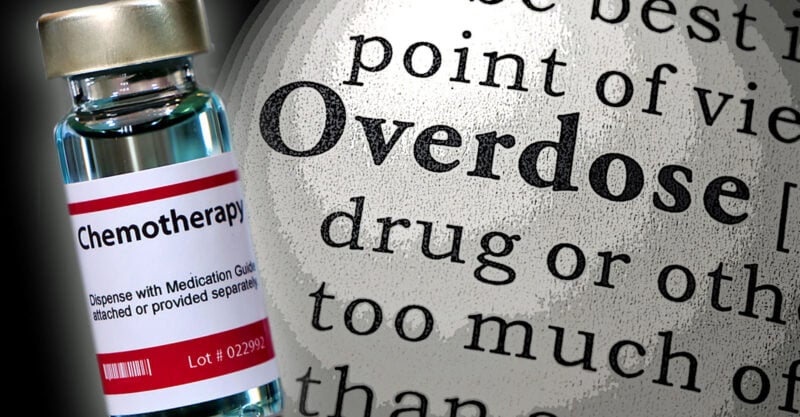
Hundreds Die Every Year From Chemotherapy Overdoses Because Doctors Don’t Order Simple Gene Test

By  KFF Health News

Hundreds of cancer patients every year die excruciating deaths from overdoses of common chemotherapy drugs because doctors rarely order a simple gene test — required by European health agencies but not the FDA — that could identify those at risk.

By Arthur Allen

One January morning in 2021, Carol Rosen took a standard treatment for metastatic breast cancer. Three gruesome weeks later, she died in excruciating pain from the very drug meant to prolong her life.

Rosen, a 70-year-old retired schoolteacher, passed her final days in anguish, enduring severe diarrhea and nausea and terrible sores in her mouth that kept her from eating, drinking and eventually speaking. Skin peeled off her body. Her kidneys and liver failed.

“Your body burns from the inside out,” said Rosen’s daughter, Lindsay Murray, of Andover, Massachusetts.

Rosen was one of more than 275,000 cancer patients in the U.S. who are infused each year with fluorouracil, known as 5-FU, or, as in Rosen’s case, take a nearly identical drug in pill form called capecitabine.

These common types of chemotherapy are no picnic for anyone, but for patients who are deficient in an enzyme that metabolizes the drugs, they can be torturous or deadly.

Those patients essentially overdose because the drugs stay in the body for hours rather than being quickly metabolized and excreted.

The drugs kill an estimated 1 in 1,000 patients who take them — hundreds each year — and severely sicken or hospitalize 1 in 50.

Doctors can test for the deficiency and get results within a week — and then either switch drugs or lower the dosage if patients have a genetic variant that carries risk.

Yet a recent survey found that only 3% of U.S. oncologists routinely order the tests before dosing patients with 5-FU or capecitabine.

That’s because the most widely followed U.S. cancer treatment guidelines — issued by the National Comprehensive Cancer Network — don’t recommend preemptive testing.

The U.S. Food and Drug Administration (FDA) added new warnings about the lethal risks of 5-FU to the drug’s label on March 21 following queries from KFF Health News about its policy. However, it did not require doctors to administer the test before prescribing the chemotherapy.

The agency, whose plan to expand its oversight of laboratory testing was the subject of a U.S. House of Representatives hearing, also on March 21, has said it could not endorse the 5-FU toxicity tests because it’s never reviewed them.

But the FDA at present does not review most diagnostic tests, said Daniel Hertz, an associate professor at the University of Michigan College of Pharmacy.

For years, with other doctors and pharmacists, he has petitioned the FDA to put a black box warning on the drug’s label urging prescribers to test for the deficiency.

“FDA has responsibility to assure that drugs are used safely and effectively,” he said.

The failure to warn, he said, “is an abdication of their responsibility.”

The update is “a small step in the right direction, but not the sea change we need,” he said.

Europe ahead on safety

British and European Union drug authorities have recommended the testing since 2020.

A small but growing number of U.S. hospital systems, professional groups and health advocates, including the American Cancer Society, also endorse routine testing.

Most U.S. insurers, private and public, will cover the tests, which Medicare reimburses for $175, although tests may cost more depending on how many variants they screen for.

In its latest guidelines on colon cancer, the Cancer Network panel noted that not everyone with a risky gene variant gets sick from the drug and that lower dosing for patients carrying such a variant could rob them of a cure or remission.

Many doctors on the panel, including the University of Colorado oncologist Wells Messersmith, have said they have never witnessed a 5-FU death.

In European hospitals, the practice is to start patients with a half- or quarter-dose of 5-FU if tests show a patient is a poor metabolizer, then raise the dose if the patient responds well to the drug.

Advocates for the approach say American oncology leaders are dragging their feet unnecessarily, and harming people in the process.

“I think it’s the intransigence of people sitting on these panels, the mindset of ‘We are oncologists, drugs are our tools, we don’t want to go looking for reasons not to use our tools,’” said Gabriel Brooks, an oncologist and researcher at the Dartmouth Cancer Center.

Oncologists are accustomed to chemotherapy’s toxicity and tend to have a “no pain, no gain” attitude, he said. 5-FU has been in use since the 1950s.

Yet “anybody who’s had a patient die like this will want to test everyone,” said Robert Diasio of the Mayo Clinic, who helped carry out major studies of the genetic deficiency in 1988.

Oncologists often deploy genetic tests to match tumors in cancer patients with the expensive drugs used to shrink them. But the same can’t always be said for gene tests aimed at improving safety, said Mark Fleury, policy director at the American Cancer Society’s Cancer Action Network.

When a test can show whether a new drug is appropriate, “there are a lot more forces aligned to ensure that testing is done,” he said. “The same stakeholders and forces are not involved” with a generic like 5-FU, first approved in 1962, and costing roughly $17 for a month’s treatment.

Oncology is not the only area in medicine in which scientific advances, many of them taxpayer-funded, lag in implementation.

For instance, few cardiologists test patients before they go on Plavix, a brand name for the anti-blood-clotting agent clopidogrel, although it doesn’t prevent blood clots as it’s supposed to in a quarter of the 4 million Americans prescribed it each year.

In 2021, the state of Hawaii won an $834 million judgment from drugmakers it accused of falsely advertising the drug as safe and effective for Native Hawaiians, more than half of whom lack the main enzyme to process clopidogrel.

The fluoropyrimidine enzyme deficiency numbers are smaller — and people with the deficiency aren’t at severe risk if they use topical cream forms of the drug for skin cancers.

Yet even a single miserable, medically caused death was meaningful to the Dana-Farber Cancer Institute, where Carol Rosen was among more than 1,000 patients treated with fluoropyrimidine in 2021.

Her daughter was grief-stricken and furious after Rosen’s death.

“I wanted to sue the hospital. I wanted to sue the oncologist,” Murray said. “But I realized that wasn’t what my mom would want.”

Instead, she wrote Dana-Farber’s chief quality officer, Joe Jacobson, urging routine testing. He responded the same day, and the hospital quickly adopted a testing system that now covers more than 90% of prospective fluoropyrimidine patients.

About 50 patients with risky variants were detected in the first 10 months, Jacobson said.

Dana-Farber uses a Mayo Clinic test that searches for eight potentially dangerous variants of the relevant gene. Veterans Affairs hospitals use an 11-variant test, while most others check for only four variants.

Different tests may be needed for different ancestries

The more variants a test screens for, the better the chance of finding rarer gene forms in ethnically diverse populations.

For example, different variants are responsible for the worst deficiencies in people of African and European ancestry, respectively. There are tests that scan for hundreds of variants that might slow the metabolism of the drug, but they take longer and cost more.

These are bitter facts for Scott Kapoor, a Toronto-area emergency room physician whose brother, Anil Kapoor, died in February 2023 of 5-FU poisoning.

Anil Kapoor was a well-known urologist and surgeon, an outgoing speaker, researcher, clinician and irreverent friend whose funeral drew hundreds. His death at age 58, only weeks after he was diagnosed with stage 4 colon cancer, stunned and infuriated his family.

In Ontario, where Kapoor was treated, the health system had just begun testing for four gene variants discovered in studies of mostly European populations.

Anil Kapoor and his siblings, the Canadian-born children of Indian immigrants, carry a gene form that’s apparently associated with South Asian ancestry.

Scott Kapoor supports broader testing for the defect — only about half of Toronto’s inhabitants are of European descent — and argues that an antidote to fluoropyrimidine poisoning, approved by the FDA in 2015, should be on hand.

However, it works only for a few days after ingestion of the drug and definitive symptoms often take longer to emerge.

Most importantly, he said, patients must be aware of the risk.

“You tell them, ‘I am going to give you a drug with a 1 in 1,000 chance of killing you. You can take this test. Most patients would be, ‘I want to get that test and I’ll pay for it,’ or they’d just say, ‘Cut the dose in half.’”

Alan Venook, the University of California-San Francisco oncologist who co-chairs the National Comprehensive Cancer Network, has led resistance to mandatory testing because the answers provided by the test, in his view, are often murky and could lead to undertreatment.

“If one patient is not cured, then you giveth and you taketh away,” he said. “Maybe you took it away by not giving adequate treatment.”

Instead of testing and potentially cutting a first dose of curative therapy, “I err on the latter, acknowledging they will get sick,” he said.

About 25 years ago, one of his patients died of 5-FU toxicity and “I regret that dearly,” he said. “But unhelpful information may lead us in the wrong direction.”

In September 2023, seven months after his brother’s death, Kapoor was boarding a cruise ship on the Tyrrhenian Sea near Rome when he happened to meet a woman whose husband, Atlanta municipal judge Gary Markwell, had died the year before after taking a single 5-FU dose at age 77.

“I was like … that’s exactly what happened to my brother,” said Kapoor.

Murray senses momentum toward mandatory testing. In 2022, the Oregon Health & Science University paid $1 million to settle a suit after an overdose death.

[…]

Via https://childrenshealthdefense.org/defender/chemotherapy-overdoses-gene-test-kff/

Surge in Long-Term Sickness in UK Coincides With Rollout of COVID Shots

By  John-Michael Dumais

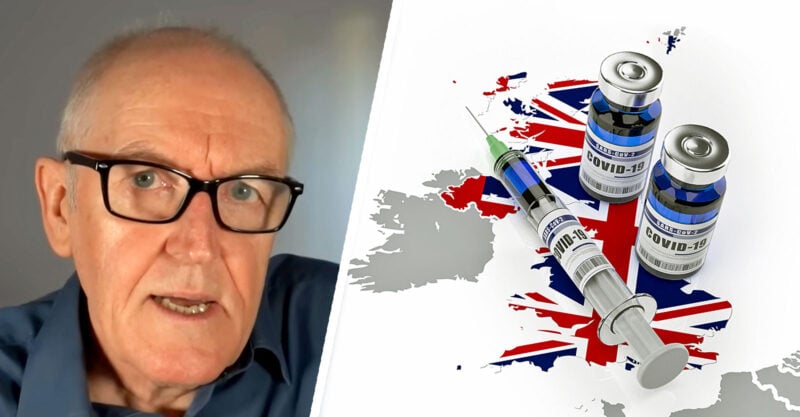
The number of people on long-term sick leave in the U.K. has risen by 700,000 since the spring of 2021, coinciding with the rollout of COVID-19 vaccines, according to healthcare commentator John Campbell, Ph.D. Campbell questioned the government’s transparency and handling of the data on disability and deaths.

Campbell highlighted the trend in a March 21 video, which focused on an exchange in the Houses of Parliament between members of Parliament Andrew Bridgen, who raised the issue, and Mel Stride, who dismissed Bridgen’s concerns.

During the exchange, Bridgen said the number of long-term sick individuals in the U.K. had risen from 2.1 million pre-pandemic to 2.8 million.

“The huge increase started in spring 2021, at the same time as the rollout of the experimental emergency use vaccines,” Bridgen said. “Or does the minister have an alternative explanation?”

Stride, the U.K.’s secretary of state for Work and Pensions, questioned the accuracy of Bridgen’s statement, suggesting that the upward trajectory in long-term sickness numbers predated the vaccination rollout and was related to “mental health issues, muscle and skeletal issues.”

“I certainly do not subscribe to the view that vaccination is in any way unsafe,” Stride said.

Campbell expressed disbelief at how senior politicians could still claim that COVID-19 vaccines are safe. He criticized the “doubling down” on this stance, saying he “can’t imagine what’s going to happen” when the truth about the level of adverse reactions is finally revealed.

‘Hard to fathom’ anything except vaccines behind increase in long-term illness

Campbell presented data from the U.K. Health Advisory and Recovery Team (HART) to support Bridgen’s claims.

HART is comprised of U.K. “doctors, scientists, economists, psychologists and other academic experts” who came together over shared concerns about pandemic policies.

HART’s graphs, based on the U.K.’s Office for National Statistics data, showed a dramatic increase in the number of people economically inactive due to long-term sickness, starting in February to April 2021 for women and April to June 2021 for men.

Source: Combined graphs from HART based on U.K. Office for National Statistics data.

According to HART, “The timing doesn’t fit long covid,” and is “coincidental with the rollout of the covid vaccines to the working aged population. Other changes in public health that may have caused this rise are hard to fathom.”

Campbell acknowledged that mental health issues and musculoskeletal injuries are common causes of long-term sickness. However, he admitted the timing of the increase suggests a potential correlation with the vaccine rollout.

The HART document also referenced similar findings in U.S. disability trends.

‘Fair to say we have an epidemic of heart failure’

Campbell criticized a decision by the U.K.’s Office for Health Improvements and Disparities (OHID) to stop reporting causes of death in the country for 2024.

He also noted that the Office for National Statistics changed the way it monitors excess deaths, which dramatically reduced the apparent excess deaths throughout 2023 but “made no difference at all … to the amount of people that died and the grieving relatives,” Campbell said.

He noted, however, that under the new system, it “doesn’t look as bad on the government now, presumably.”

Campbell questioned the government’s lack of transparency and the reasons behind not wanting to monitor why people are dying.

He presented data from the OHID showing excess mortality in England across various age groups. The data revealed increased deaths in the 0-24 age group starting in 2021 and continuing through 2022 and 2023, with the vast majority of these deaths in the latter two years being unrelated to COVID-19.

Similar patterns of excess deaths were observed in the 25-49, 50-64, 65-74, 75-84 and 85+ age groups. Campbell expressed frustration at the lack of more detailed age group data, such as separate categories for ages 0-12 and 12-24.

Campbell presented data showing changes in the causes of death in England since 2021. The data revealed notable increases in deaths from ischemic heart disease, cerebrovascular disease and heart failure.

“I think it’s fair to say we have an epidemic of heart failure,” he said.

In contrast, deaths from other respiratory diseases decreased, which Campbell found “rather hard to explain.”

While deaths from Alzheimer’s disease were slightly down — likely due to the increased overall mortality — deaths from cirrhosis of the liver showed a “huge increase,” he said.

“It’s a scarred, fibrosed liver with fibrous scar tissue in it, and it’s the end result of any chronic inflammatory disease.”

‘Enough to make you suspicious’

Campbell expressed frustration with the government’s handling of the excess deaths and long-term sickness data.

“From this official government site [OHID], this time next year, we’re not going to know any more than we know at the end of December 2023,” Campbell said.

He also criticized Stride’s response to Bridgen’s questions in Parliament. “Ministers still completely denying there’s any problem, and … getting it wrong, or at least giving very incomplete answers, and it’s enough to make you suspicious.”

Campbell said the evidence presented in the video suggests there are “questions to be answered” and wondered, “How long can the government go on denying this problem?”

Watch John Campbell’s podcast:

More Young People Getting Cancer — What’s Behind the New ‘Public Health Crisis’?

By  Suzanne Burdick, Ph.D.

Dr. Pierre Kory and journalist Mary Beth Pfeiffer on Tuesday published their fourth op-ed on excess deaths in young people. They called for an investigation of COVID-19 pandemic policies — including mRNA vaccination mandates and lockdowns — and their aftermath.

Kory and Pfeiffer addressed Princess Catherine’s diagnosis in an op-ed published Tuesday in The Washington Times, in which they said there’s evidence suggesting that the marked increase in cancers among young people may be linked to COVID-19 mRNA vaccines and pandemic policies, such as lockdowns and vaccine mandates.

“We are facing an emerging toll of illness and death in the young,” they wrote. “We cannot shirk from asking what is causing it.”

Kory — president and chief medical officer of the Frontline COVID-19 Critical Care Alliance — told The Defender that early-onset cancer and excess deaths are “poised to become the next public health crises that our medical system is not equipped to manage.”

This latest op-ed is Kory and Pfeiffer’s fourth. Their three prior op-eds — which appeared in USA Today, Newsweek and The Hill — also called attention to excess mortality and disability rate spikes occurring after the global COVID-19 vaccine campaign.

“Our intention for writing the op-eds is to raise the profile of this important issue to prepare for a future crisis and advance the conversation on possible causes and treatments,” Kory said.

In their latest op-ed, Kory and Pfeiffer said an “unthinkable twist” in cancer rates is occurring and it has garnered the attention of the American Cancer Society, Yale Medicine and the Harvard Gazette.

According to the American Cancer Society’s 2024 report, about 2 million people in the U.S. will develop malignancies this year — and a larger share of the more than 600,000 who are estimated to die will be younger than before.

CDC data show ‘red flags’

Kory and Pfeiffer cited cancer death records through 2023 from the Centers for Disease Control and Prevention (CDC) that included data two years beyond what was in the American Cancer Society report.

“The later data, which is provisional,” they wrote, “shows a cancer pattern that appears to have gone from slow simmer to rapid boil in the heat of a pandemic.”

They found that cancer deaths across all ages rose by 2% from pre-pandemic 2019 to 2023 — and in people 15-44 years old, cancer-related mortality rose at double that rate.

“Why is this happening now?” Kory and Pfeiffer asked. “Moreover, what will be done to address it?”

They saw additional “red flags” in the CDC data including:

  • Deaths from colorectal cancer rose 17% among people ages 15-44 in 2019-2023 — 4 times the population-wide increase.
  • Uterine cancer deaths rose 37% among people ages 25-44 from 2019-2023, and 15% overall.
  • There were much larger increases, from 2019-2022, in liver and pancreatic cancer mortality in young adults than in the overall population.

The U.S. Society of Actuaries also reported 76% and 101% increases in death claims among insured workers ages 25-34 and 35-44. “COVID-19 was ruled out as the cause,” Kory and Pfeiffer said.

The public needs to explore the role of lockdowns, top-down treatment protocols and vaccines that were often mandated as a condition of employment, they said.

“By top-down treatment protocols,” Kory told The Defender, “I’m referring to how the public health and medical authorities made edicts on treatments that had to be followed and could not be questioned without consequence.”

“These same authorities were not open to understanding the novel treatments showing promise on the frontlines and instead allowed information to flow only one way — from the top down,” he said.

‘Just a tragic coincidence?’

In a March 27 Substack post about the data exposed in the op-ed, Kory said he and Pfeiffer compiled and interpreted these and other data from government and professional society sources after “bearing witness to so much medical carnage.”

“Just a few weeks ago,” he said, “a 20-year-old patient of mine died of glioblastoma.”

He added:

“If that is not tragic enough, her parents told me that a 20 year-old man in her college friend group had died of the same a few weeks earlier. Unsurprisingly, their university had a vaccine mandate.

“Just a tragic coincidence right?”

But reviewing cancer facts and figures has convinced Kory that such cases aren’t just a coincidence.

“We believe that the data strongly if not definitively implicates the COVID mRNA vaccine as the most proximate cause.”

[…]

Via https://childrenshealthdefense.org/defender/young-people-cancer-crisis-pierre-kory-mary-beth-pfeiffer/

Humbling a Goliath: US-Led ‘No-Fail’ Mission Against the Houthis is Failing

Guided-missile destroyers USS Jason Dunham (DDG 109) and USS Farragut (DDG 99) sail alongside Nimitz-class aircraft carrier USS Dwight D. Eisenhower (CVN 69). File photo. - Sputnik International, 1920, 27.03.2024
By Ilya Tsukanov – Sputnik – 27.03.2024

The US established a maritime ‘coalition of the willing’ in the Red Sea in December 2023 and began bombing Yemen in January in response to the Houthis’ bid to shut down Israeli-affiliated commercial traffic through the waterway in solidarity with Palestine. The Houthis have vowed to continue their operations until the carnage in Gaza stops.

The US-led military campaign in the Red Sea which the Pentagon wanted to make into a “no-fail mission” has turned into a modern-day David vs. Goliath PR disaster, with the powerful American naval and air might arrayed against the Houthis proving unable to stop militia attacks or reopen the Red Sea to shipping, US business media has reported.

“The gray F/A-18 fighter jets hurtled one by one from the deck of the USS Dwight D. Eisenhower into the heat of the Red Sea morning, scrambling to counter the latest attack drone launched by the Houthis. The $56 million aircraft were part of a coalition operation that nullified the attack, returning hours later as they have almost daily for the last several months,” Bloomberg wrote in a report Wednesday highlighting the difficulties the West has faced trying to stop Ansar Allah.

“Yet for all the costly hardware the US and its allies have thrown at the Islamist group from northwest Yemen, they haven’t been able to stop the attacks on civilian freighters and warships. As a result, the world’s biggest shipping companies are still largely avoiding a route that once carried 15% of global commerce,” the outlet lamented.

Rear Admiral Marc Miguez, commander of USS Dwight D. Eisenhower aircraft carrier-led American armada operating in the Red Sea, said that while the US has “reduced some” of the Houthis’ missile and drone capability through strikes, there’s no way to predict when the fleet’s “job” in the region will be done, since estimates on Houthi missile numbers are “kind of a black hole for the US intelligence-wise.”

Shipping firms and companies impacted by the Red Sea crisis are even less optimistic.

“It’s quite a binary situation,” Hapag-Lloyd CEO Rolf Habben Jansen explained earlier this month. “It is either safe for our people or it is not. As long as it is not safe, we will not send our people through the Red Sea.” Jansen didn’t rule out the Houthi blockade could last throughout the rest of the year and into 2025.

A Western official predicted that the Houthis will be able to continue their blockade at its current intensity for “months” to come. Others accused the Houthis of getting help from outside via Iran, including everything from weapons components to sea mine-laying specialists. Iran has “categorically” denied providing any military or weapons assistance to the Houthis.

“[The Houthis] don’t create inertial navigation systems. They don’t create medium-range ballistic missile engines. They don’t create the stage separations on these medium-range ballistic missiles or the anti-ship cruise missiles,” US Central Command commander Gen. Michael Kurilla told a Senate hearing earlier this month, accusing Ansar Allah of getting help from outside, and ignoring the vast stocks of Soviet-era ballistic, cruise and air defense missile technologies which the Houthis have inherited and upgraded since 2014.

Unable to stop the Houthis at sea, Western officials have rejected any talk of a ground operation against the militia, warning that if the group escalates its targeting of Western warships, the coalition may respond by assassinating Houthi leaders.

An anonymous US military official told Bloomberg that the US is on the “wrong side of the cost curve” in the Red Sea campaign, whose economic costs are starting to add up.
While the Houthis can build and launch simple ballistic and cruise missiles or drones at a cost of thousands to tens of thousands of dollars, the anti-missile interceptors US warships launch to take down militia threats are costing US taxpayers up to hundreds of thousands of dollars apiece, with F/A-18 jets costing the Navy $25,000 or more per hour to operate (not counting whatever munitions they happen to expend during their mission).

The Houthis’ campaign of ship seizures, missile and drone attacks have caused commercial traffic through the southern Red Sea to drop by about 70 percent in March compared to early December, with container shipping reportedly down 90 percent, gas tanker flow halting almost completely, and Israel’s main Red Sea port forced to lay off half of its workforce.

Ansar Allah began its partial blockade of the Red Sea in November with the seizure of the Galaxy Leader, an Israeli billionaire-owned ro-ro car carrier, expanding operations to target not only Israeli, but US and British commercial vessels and warships after the pair of nations began a campaign of airstrikes against Yemen in January. Last month, the militia warned European countries setting up their own maritime security operations in the Red Sea that “any idiocy you commit will affect your ships and navigation.” Major European shipping companies including Maersk have said they would continue to avoid the Red Sea in spite of the EU’s security mission.

[…]

Via https://sputnikglobe.com/20240327/humbling-a-goliath-us-led-no-fail-mission-against-the-houthis-is-failing-1117586684.html