The Most Revolutionary Act

Uncensored updates on world events, economics, the environment and medicine

The Most Revolutionary Act
Unknown's avatar

About stuartbramhall

Retired child and adolescent psychiatrist and American expatriate in New Zealand. In 2002, I made the difficult decision to close my 25-year Seattle practice after 15 years of covert FBI harassment. I describe the unrelenting phone harassment, illegal break-ins and six attempts on my life in my 2010 book The Most Revolutionary Act: Memoir of an American Refugee.

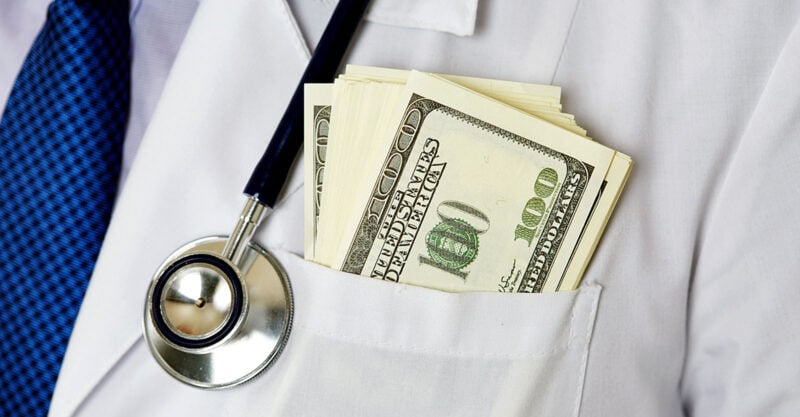
Doctors in Kentucky, California Received Millions in Bonus Payments for Vaccinating Medicaid Patients Against COVID

By  Brenda Baletti, Ph.D.

Documents reveal that the federal government and insurers incentivized healthcare providers in Kentucky and California to vaccinate Medicaid patients against COVID-19 by offering bonuses based on the percentage of patients successfully vaccinated.

“[This is] truly sickening and I am embarrassed for my profession by this,” Dr. Meryl Nass, an internist and biological warfare epidemiologist, wrote on her Substack, where she posted several documents relating to the COVID-19 vaccine provider incentive programs.

The documents help to draw a picture of the broader effort at the federal, state and local levels to unleash a range of strategies targeting low-income and people-of-color communities, which tended to have lower vaccination rates.

The strategies included providing hundreds of millions of dollars for the creation of “culturally tailored” pro-vaccine materials and for training “trusted” and “influential messengers” to promote COVID-19 and flu vaccines to communities of color in every state.

Nass’ revelations showed these efforts went beyond advertising, fear campaigns, payments to patients and payments to trusted community actors and included, in some cases, direct financial incentives to healthcare providers.

Kentucky: Medicaid paid doctors up to $250 per vaccinated Medicaid patient

Anthem Blue Cross and Blue Shield Medicaid in Kentucky told physicians in 2021 it would “recognize your hard work by offering incentives for helping patients make the choice to become vaccinated.”

The more people vaccinated, the higher the per-person incentive.

For physicians who treated an Anthem Medicaid cohort with a minimum of 25 patients in their practice, Anthem Medicaid offered incentives for vaccination by Sept. 1, 2021, that ranged from a $20 bonus per vaccinated person for physicians who vaccinated 30% of the cohort, to $125 per vaccinated person for those who vaccinated 75% of the cohort, with several incremental steps in between.

As time went on, the rates increased.

Between Sept. 1 to Dec. 31, 2021, physicians received payments ranging from $100 per newly vaccinated person for those who vaccinated 30% of their patient cohort, to $250 per newly vaccinated person for those who vaccinated 75% of their patient cohort.

In 2022, the Anthem provider incentive program changed to a flat rate. Providers received $50 per newly vaccinated Medicaid patient. This included children ages 6 months to 4 years and kids 12 and older vaccinated between Jan. 1 and Dec. 31, 2022, and children ages 5 to 11 vaccinated between June 1 and Dec. 31, 2022.

Medi-Cal: $350 million in incentives to vaccinate low-income children, people of color

The California Department of Health Care Services (DHCS) on Aug. 6, 2021, announced $350 million in incentive payments — $250 million to providers and $100 million for direct non-monetary payments, such as gift cards, to vaccine recipients — to encourage vaccination among Medi-Cal’s 14 million beneficiaries.

Of the $350 million, $175 million came from state general funds and $175 million from federal funding. The funding period lasted from Sept. 2, 2021, through Feb. 29, 2022.

The program offered incentives to managed care plans in the name of “health equity.” In the press release, DHCS Director Will Lightborne said that raising rates among Medi-Cal beneficiaries was essential because “California will only be safe when everyone is safe.”

Nass noted that this program was rolled out one day after Centers for Disease Control and Prevention Director Rochelle Walensky told CNN the vaccines don’t prevent virus transmission. “That’s clearly a contradiction,” Nass told The Defender.

The funding targeted Medicaid recipients with low vaccine uptake — the homebound, communities of color, youth ages 12 to 25 and people ages 50 to 64 with multiple chronic conditions — and incentivized outreach and vaccination activities for providers and pharmacies.

At the time of the announcement, only 45.6% of Medi-Cal beneficiaries age 12 and over had received at least one dose of the COVID-19 vaccine, compared to over 76% of Californians overall.

The DHCS funding included payments to community-based organizations, food banks, advocacy groups and faith-based organizations. This key strategy of funding grassroots leaders to act as “grassroots” proxies spreading the federal government’s vaccine message was widespread throughout the pandemic.

Providers could also couple this grant with a CAIRVaxGrant, which offered providers up to $10,000 to enter all of their historical electronic health record immunizations into the California Immunization Registry (CAIR).

The grant stipulated that after startup costs, payments would be directly tied to “meeting specific vaccination goals,” similar to the Kentucky program.

The incentive payment structure under the California plan was complex, paying a financial reward to healthcare providers who met particular benchmarks that varied by county and demographic but overall increased the percentage of vaccinated patients among their Medicare beneficiaries.

Under this incentive structure, providers had to meet particular vaccination targets in order to get paid. Those who were especially successful in increasing vaccination rates in the target groups would be entered into a “high performance pool,” receiving extra money for substantially moving the vaccination rates for Medicaid recipients 75% higher than baseline or within 10% of a given county’s general rate.

In the equation that determined the incentive payment structure, different demographic groups were weighted differently. For example, vaccine recipients ages 12 to 25 were weighted more highly than older recipients and those in the two racial/ethnic groups with the lowest uptake were also given greater weight.

By Jan. 21 of this year, despite this $250 million push, Medi-Cal vaccination had only increased to 52.9%.

Medicaid pays doctors more to administer COVID vaccines than other shots

As part of the American Rescue Plan Act, the Biden administration fully funded the COVID-19 vaccination program, making vaccines free regardless of health insurance status.

To cover the costs of the uninsured and underinsured, the Health Resources and Services Administration (HRSA) paid provider costs of vaccine administration through an Uninsured Program and a COVID-19 Coverage Assistance Fund.

Reimbursements were based on national Medicare rates, but the Centers for Medicare & Medicaid Services (CMS), which sets those rates, increased the reimbursement rate over time. Through March 14, 2021, HRSA paid $28.93 for a single-dose vaccine or for the second dose in a series of 2, and $16.94 for the first dose in a series of two.

On March 15, 2021, those rates increased to $40 per dose and $75.50 for an “in-home” dose of the vaccine.

Nass said the initial payments were in line with Medicaid payments for other vaccines, but the increased payment marked a departure from the usual reimbursement structure.

Usually, all CMS changes to Medicare payments for specific services must go through notice and comment rulemaking, but “to save time during the COVID-19 pandemic, the agency bypassed that route before increasing payments for administering the vaccines,” JAMA reported.

CMS said the higher payments were meant to help expand COVID-19 vaccination, supporting “actions taken by providers, such as growing existing vaccination sites, conducting patient outreach and education, and hiring additional staff,” Healthcare Finance News reported.

[…]

Via https://childrenshealthdefense.org/defender/doctors-bonus-payments-covid-vaccine-medicaid/
FBI sought to develop sources in Catholic churches to combat domestic terrorism

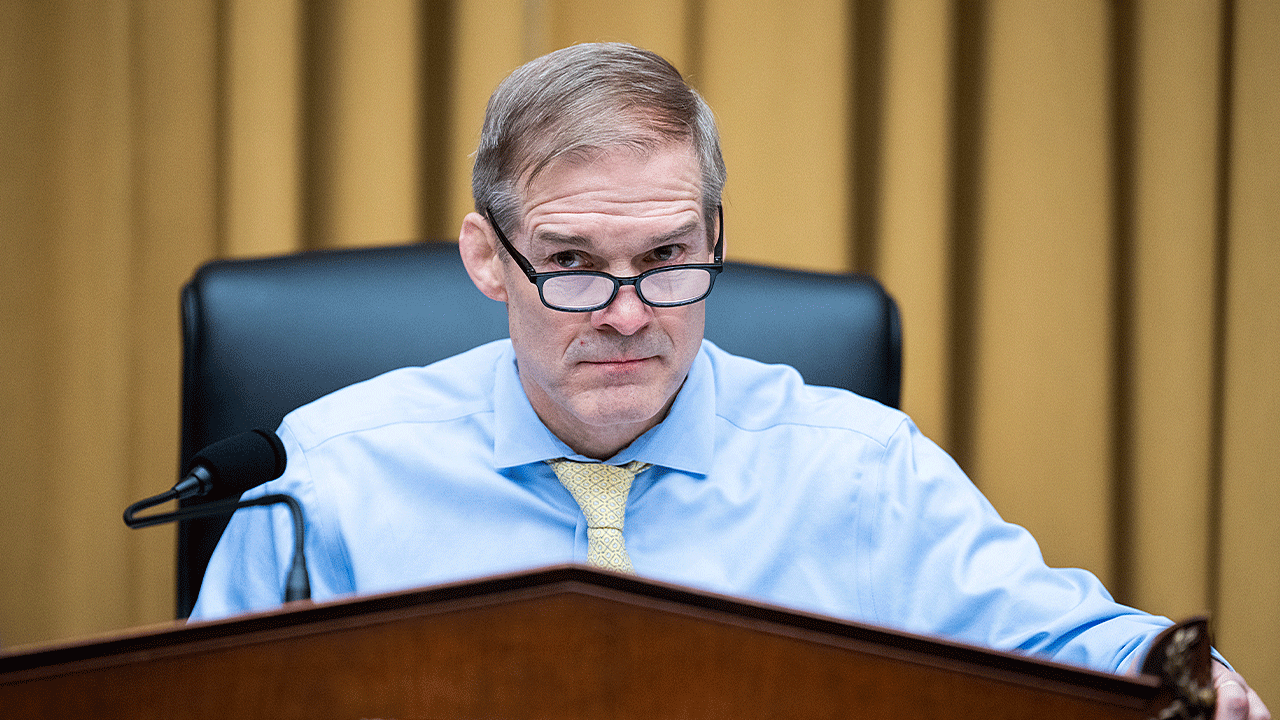
Judiciary Committee Chairman Jim Jordan, R-Ohio, conducts a Select Subcommittee on the Weaponization of the Federal Government hearing on March 9. (Tom Williams/CQ-Roll Call, Inc via Getty Images)

Judiciary Committee Chairman Jim Jordan, R-Ohio, conducts a Select Subcommittee on the Weaponization of the Federal Government hearing on March 9. (Tom Williams/CQ-Roll Call, Inc via Getty Images)

The FBI recently sought to develop sources inside Christian churches and Catholic dioceses as part of an effort to combat domestic terrorism, according to internal documents released by House Judiciary Committee on Monday.

The internal documents — obtained last month by House Judiciary Committee Chairman Jim Jordan, R-Ohio, and Rep. Mike Johnson, R-La., who are also members of the so-called Weaponization Subcommittee — showed the FBI planned to use churches as “new avenues for tripwire and source development.” The federal law enforcement agency also aimed to specifically target “mainline Catholic parishes” as part of its efforts.

In addition, according to Jordan, the FBI expressed interest in “leverag[ing] existing sources and/or initiat[ing] Type 5 Assessments to develop new sources with the placement and access.” And, in another example, the agency cited a desire to to sensitize religious congregations “to the warning signs of radicalization and enlist their assistance to serve as suspicious activity tripwires.”

“Based on the limited information produced by the FBI to the Committee, we now know that the FBI relied on at least one undercover agent to produce its analysis, and that the FBI proposed that its agents engage in outreach to Catholic parishes to develop sources among the clergy and church leadership to inform on Americans practicing their faith,” Jordan wrote in a letter to FBI Director Christopher Wray on Monday.

Jordan also issued a subpoena for a series of related documents the committee previously requested from the FBI, but which the FBI has failed to provide.Q

“This information is outrageous and only reinforces the Committee’s need for all FBI material responsive to our request,” Jordan wrote to Wray. “The documents produced to date show how the FBI sought to enlist Catholic houses of worship as potential sources to monitor and report on their parishioners.”

“Americans attend church to worship and congregate for their spiritual and personal betterment,” the letter continued. “They must be free to exercise their fundamental First Amendment rights without worrying that the FBI may have planted so-called “tripwire” sources or other informants in their houses of worship.”

 Jordan and Johnson first requested related documents from the FBI on Feb. 16, days after former FBI agent and whistleblower Kyle Seraphin published an internal document originating from the FBI’s Richmond Field Office that appeared to outline a plan to “mitigate the threat of Radical-Traditionalist Catholics.”

The leaked document generated widespread condemnation from Republican lawmakers who said the FBI’s efforts may violate the Constitution.

However, the original letter from Jordan and Johnson went unanswered prompting a follow-up request on March 20. Three days later, the FBI produced the 18-page document Jordan announced on Monday.

“The FBI received the subpoena,” the FBI told Fox News Digital in a statement. “The FBI recognizes the importance of congressional oversight and remains fully committed to cooperating with Congress’s oversight requests consistent with its constitutional and statutory responsibilities. The FBI is actively working to respond to congressional requests for information –including voluntary production of documents.”

The agency also referred Fox News Digital to recent comments Wray made during congressional testimony in which he said he was “aghast” when he saw reports about the FBI targeting Catholics.

“We took steps immediately to withdraw it and remove it from FBI systems. It does not reflect FBI standards,” Wray added. “We do not conduct investigations based on religious affiliation or practices, full stop. We have also now ordered our inspection division to take a look at how this happened and try to figure out how we can make sure something like this doesn’t happen again.”

[…]

Via https://www.foxnews.com/politics/fbi-sought-develop-sources-catholic-churches-internal-documents-show

How Many Millions Are Disabled or Injured From the Jab?

Dr Mercola

Story at-a-glance

  • The 2022 U.S. Vaccine Damage Report revealed a sobering glimpse into the true carnage that occurred at the hands of the COVID-19 shot campaign
  • COVID-19 shots resulted in 300,000 excess deaths, 26.6 million injuries and 1.36 million disabilities
  • Total economic costs due to the shots are estimated at $147.8 billion, including $89.9 billion from related injuries, $52.2 billion from disabilities and $5.6 billion from excess deaths
  • A preprint systematic review found the mRNA-based COVID shots increased the risk of myocarditis, with a mortality of about 1 to 2 per 200 cases
  • Evidence of serious neurological harms, including Bell’s palsy, Guillain-Barré syndrome, myasthenic disorder and stroke, which are likely due to an autoimmune reaction, was also found from the shots

We’re beginning to see the fallout from the mass COVID-19 shot campaign, which has been referred to as the “greatest violation of medical ethics in the history of medicine, maybe humanity.”1

Former BlackRock analyst and fund manager Edward Dowd is one of the few trying to get the word out about COVID-19 shot risks, and he’s been using data and statistics to prove his point and publicize the undeniable increase in deaths and disability among young, healthy adults that has occurred since the shots’ widespread rollout.2

This group — the 148 million employed Americans between the ages of 18 and 643 — is typically a healthy crowd. This is why private insurance companies love to sell group life insurance policies to large Fortune 500 corporations and mid-sized companies —they hardly ever have to pay out on a claim. But this is changing.

Dowd’s 2022 U.S. Vaccine Damage Report4 revealed a sobering glimpse into the true carnage that occurred at the hands of the COVID-19 shot campaign, and its results are striking.

300K Excess Deaths, Millions of Injuries, Billions in Costs

Dowd and colleagues published their 2022 Vaccine Damage Project at their website, Phinance Technologies.5 It revealed the following estimated human and economic costs:6

Human Cost Economic Cost
  • 26.6 million injuries
  • 1.36 million disabilities
  • 300,000 excess deaths
  • Total: $147.8 billion
  • Injuries: $89.9 billion
  • Disabilities: $52.2 billion
  • Excess deaths: $5.6 billion
[…]

The report included data from employed individuals between the ages of 16 and 64, and categorized the impact into four broad groups:

  1. No effect or asymptomatic
  2. Mild to moderate outcome including a temporary or short-term, long-term or permanent injury
  3. Severe outcome that leads to a disability
  4. Extreme outcome leading to death

While group 1 was the largest, comprising an estimated 82% of the population, the authors pointed out that these groups are dynamic, and individuals in one group could move into another, particularly in the case of progressing from no or minor injury to severe injury, such as we’ve seen with elite athletes suddenly dropping dead on the field:8

[…]

‘The Multiplier Effects Are Massive’

The effects in the report are only what can currently be measured, and are likely to also be fluid. In terms of economic effects, for instance, the report notes that mortuary companies are likely to benefit while life insurers will be harmed, leading to a reallocation of resources.

Meanwhile, in terms of economic costs, milder damage is associated with greater cost, since a larger portion of working age individuals are affected. For instance, those with mild to moderate injury made up a sizeable 18% of the population. According to the report:9

“We make the assumption that the pool of potentially vaccine-injured individuals is about 18% of the population, which is, the rate of related adverse events reported in the Pfizer clinical trial (minus the baseline rate). These injuries will likely manifest a loss of productivity since, as these individuals are likely to have higher absentee rates and, consequently, higher lost worktime rates, than the pre-2019 baseline.

In fact, we performed an analysis of absence rates and lost worktime rates10 in full time workers (using data provided by the BLS). We observed a large increase in absence rates starting in 2020, but accelerating in 2022. Absence rates in 2022 were about 28.6% higher than in 2019, representing a 11 standard deviation variation.”


[…]

Systematic Review Reveals Serious Harms

A preprint systematic review of papers with data on serious adverse events associated with COVID-19 shots again points to significant risks.12 The review was conducted by Maryanne Demasi, Ph.D., a former medical scientist with the University of Adelaide and former reporter for ABC News in Australia and Professor Peter Gøtzsche, a Danish physician-researcher who co-founded the Cochrane Collaboration in 1993.

It included 18 systematic reviews, 14 randomized trials and 34 other studies, noting that “most studies were of poor quality” and additional randomized trials are needed. Still, their review revealed multiple red flags, including:13

  • Adenovirus vector vaccines increased the risk of venous thrombosis and thrombocytopenia
  • mRNA-based shots increased the risk of myocarditis, with a mortality of about 1 to 2 per 200 cases
  • Evidence of serious neurological harms, including Bell’s palsy, Guillain-Barré syndrome, myasthenic disorder and stroke, which are likely due to an autoimmune reaction, was found
  • Severe harms, defined as those that prevent daily activities, were underreported in the randomized trials
  • Severe harms were very common in studies of booster doses after a full round of shots and in a study of vaccination of previously infected people

Further, not only have drug regulators and public health authorities been slow to follow up on safety signals showing serious harms from the shots, Demasi notes, but, “Population-wide recommendations for COVID vaccination and boosters ignore the negative benefit to harm balance in low-risk groups such as children and people who have already recovered from covid-19 (natural immunity).”14

Australian Safety Report — 24-Fold Increase in Adverse Events

It’s can be difficult to parse out adverse effects from COVID-19 shots and those due to COVID-19 infection. The Western Australia Vaccine Safety Surveillance (WAVSS) 2021 Report, however, shows a unique viewpoint that made this possible. At the time, there was virtually no COVID-19 circulating in the community, yet the area had a 90% vaccination rate among those 12 years and over.15

[…]So, what happened in an area of the world that had very few COVID-19 cases and very high rates of COVID-19 shots? An “exponential increase” in reports of adverse events following immunization (AEFI), such that it necessitated changes to the vaccine safety surveillance program at the department in order to manage them.17 According to the report:18

“The number of AEFI reported to WAVSS was significantly higher in 2021 than in previous years (10,726 compared with an average of 276 per year for the 2017-2020 period) due to the introduction of the COVID-19 vaccination program.”

As Umbrella News reported, the peak of AEFI reports coincided with the rollout of shot mandates, culminating in a rush of hospitalizations that strained area hospitals:19

[…]

Other standouts from WA’s report include a 35% increase in myocarditis and a 25% increase in pericarditis compared to background rates. “Shockingly,” Umbrella News noted, “the risk of pericarditis in the age group in the age group 25 to 29 years old was 53.5 cases per 100,000 doses of Spikevax. It is perhaps unsurprising that chest pain was the fifth most common reported AEFI for COVID vaccines in 2021.”20

[…]

Via https://articles.mercola.com/sites/articles/archive/2023/04/11/millions-disabled-injured-from-covid-jab.aspx/

Silenced: A New NZ Documentary About Censorship

Silenced

Directed by Samantha Blanchard (2023)

Film Review

This 2023 New Zealand film features in-depth interviews with New Zealand sociologist Jodie Bruning and two high profile Kiwis, a long time TV/radio presenter and a GP, who  lost decades-long careers for speaking out about the dangers of Pfizer’s experimental Covid jab. A third hero, Auckland epidemiologist Simon Thornley, was advised by his attorney not to participate in this film. Instead it features a segment from TV One’s current affairs program Q & A, in which Thornley challenges Jacinda Ardern’s Covid narrative.*

Peter Williams, a major TV/radio personality in New Zealand for over 40 years, resigned as a radio announcer after his producer gave him a direct order not to interview attorney Sue Grey on his program after she successfully challenged the legality of the emergency rollout of the Pfizer vaccine to the country’s entire adult population. Williams was already in hot water for directing listeners to social media sites challenging the non-scientific basis of the government’s Covid narrative, including Voices for Freedom, New Zealand Doctors Speaking out with Science (NZDSOS) and journalist and statistician Guy Hatchard.

In addition to discussing his personal experiences, Williams also points out the massive funding the New Zealand government provided mainstream New Zealand media to promote Covid vaccination. Whereas traditionally the top purchasers of TV and radio advertising have been Toyota, MacDonald’s, Warehouse, Spark and Harvey Norman, in 2021 and 2022, most of their ads were replaced by constant government pro-vaccine messages.

Dr Anne Riley, long time (40 years) much loved Nelson GP, talks about being disciplined by the New Zealand Medical Council after appearing in a YouTube video with a high school student concerned about the impending vaccine roll-out in teenagers. The Medical Council’s began by sending her a so-called “voluntary undertaking.” It required her to sign an agreement not to distribute any pamphlets or participate in social media and to refer any patients seeking to discuss Covid vaccination to other doctors.

After amending (deleting the bits she disagreed with and providing detailed research supporting her position), she signed the third “voluntary undertaking” she received. In response, the Medical Council notified her in December 2021 that her medical registration had been suspended. After they informed her, it would take two years to appeal the suspension to the Medical Council Disciplinary Tribunal, she voluntary relinquished her medical license. She now serves on the steering committee of NZDSOS.

In the documentary, Riley is highly critical of the government’s decision to ban Ivermectin for prophylaxis and treatment of Covid infection. As she explains, banning Ivermectin was essential in both the US and New Zealand, as legislation in both countries only permits emergency licensing of experimental treatments (such as the Pfizer vaccine) in the absence of effective treatments.

The film also includes footage of Dr Pierre Kory, co-founder of the US group Frontline Covid-19 Clinical Care Alliance (FLCC) testifying to the US Senate about the US government deliberately suppressing the use of Ivermectin in prophylaxis and treatment of Covid. They note that YouTube famously took down Kory’s Senate testimony, a moved questioned by the mainstream Wall Street Journal. See YouTube Cancels the Senate


*Thornley was one of the first to speak out in mid-2021, criticizing the the unprecedented decision to lock down the entire New Zealand population instead of taking steps to protect the populations at risk for severe Covid infections (elderly, obese, chronically ill, etc);

View film free at

Silenced

Switzerland Stops Recommending COVID Vaccines, Citing High Level of Immunity

In a move that shifts liability for COVID-19 vaccine injuries from the government to physicians, Switzerland said it is not recommending COVID-19 vaccines for spring and summer, even for those people considered to be high risk.

Switzerland is the latest European country to stop recommending the COVID-19 vaccine for the general population.

A new set of guidelines issued by the country’s Federal Office of Public Health (FOPH) and Federal Commission for Vaccination does not recommend the vaccine for individuals, including those considered at high risk, for the spring and summer seasons.

According to Medical Daily, Swiss medical authorities cited the high level of immunity in society, either via vaccination or natural immunity, as the basis for their new recommendations.

“In principle, no COVID-19 vaccination is recommended for spring/summer 2023,” the FOPH said. “Nearly everyone in Switzerland has been vaccinated and/or contracted and recovered from COVID-19. Their immune system has therefore been exposed to the coronavirus.”

Swiss seroprevalence data from mid-2022 indicates more than 98% of the country’s population had developed antibodies against COVID-19, The Epoch Times reported.

According to Swiss Info, “In Switzerland, about 70% of the population have had at least one COVID [vaccine] dose, a figure that has barely moved over the past year. Only 11.5% got a booster jab in the past six months.”

Swiss public health officials also said data indicate COVID-19 will circulate less this year, with newer variants that cause milder illness than previous strains.

The decision to not recommend the vaccines will be reevaluated for the autumn and winter seasons, according to public health authorities. Medical Daily reported that the new recommendations would be “adjusted if a new wave of infection were to emerge.”

Liability for vaccine injuries shifts to doctors

According to Swiss outlet Report 24, as per the new recommendation, doctors can only administer the COVID-19 vaccines on a case-by-case basis and under certain conditions.

Medical Daily, citing the FOPH, reported that high-risk individuals, including those 65 and older, the immunocompromised and pregnant women, can still receive a COVID-19 vaccine, but only after an individual consultation with their doctor.

When a vaccine is recommended, it is advised that it be administered at least six months after the last vaccination or last-known COVID-19 infection.

The FOPH further advised:

“Even particularly vulnerable people are currently not recommended a COVID-19 vaccination. However, you can get a vaccination after individual consultation with your doctor.

“Vaccination may be wise in individual cases, as it improves protection against developing severe COVID-19 for several months. This applies regardless of the number of vaccinations you have already received.”

However, the FOPH also noted that the efficacy of the COVID-19 vaccines against current variants is diminished and short-lived, especially in individuals who are considered at-risk, according to Report 24.

The FOPH also found that the adaptation of mRNA vaccines has not kept pace with the evolution of new COVID-19 strains.

The new recommendations also have important implications relating to issues such as payment for the vaccines and vaccine-related liability.

“By no longer recommending the vaccines, this would mean that vaccination is not covered by the government anymore,” Medical Daily reported. “Non-high-risk individuals who want to get the vaccine or the booster would have to pay for it.”

For high-risk individuals advised to be vaccinated, health insurance would cover the cost of vaccination.

Under the new recommendations, there is a shift in vaccine-related liability as well. According to guidelines implemented by the FOPH on Nov. 29, 2022, the Swiss government provides compensation to vaccine-injured individuals only in cases where the vaccination is recommended by public health authorities.

As a result, liability now shifts to the doctors administering the vaccines. According to Report 24, this “should mean that their willingness to vaccinate will decrease significantly.”

Swiss Info reported that on Jan. 23, Dr. Christoph Berger, head of infectious diseases at Children’s Hospital Zurich and chair of the Federal Commission for Vaccination, said the COVID-19 vaccines achieved the Swiss government’s goals of protecting the vulnerable and easing pressures on the healthcare system.

However, despite arguing that “vaccination benefits far outweigh the risks,” Berger qualified this statement by saying “It is clear that there are undesirable vaccination symptoms, including severe ones. We must take these people and their suffering seriously and help them too.”

“There is as yet no clear diagnosis of this post-vac syndrome. The term is a collective pot for various symptoms that could at least have a temporal connection with the vaccination. Maybe the connection is causal or not,” he added.

Similar remarks were made by Germany’s Federal Minister of Health Karl Lauterbach — previously a proponent of a national vaccine mandate who once stated COVID-19 vaccines have “no side effects” — on March 12.

Several countries, WHO also revised COVID vaccine recommendations

Switzerland is not the only European country to stop recommending the COVID-19 vaccines.

In April 2022, Denmark suspended its national COVID-19 vaccination campaign and shifted to a targeted approach. And as of Feb. 12, the U.K. stopped recommending boosters for healthy individuals and discontinued free distribution of the primary two-dose series of COVID-19 vaccines.

The World Health Organization (WHO) also made changes to its recommendations.

On March 28, the WHO announced that its Strategic Advisory Group of Experts on Immunization “revised the roadmap for prioritizing the use of COVID-19 vaccines, to reflect the impact of Omicron and high population-level immunity due to infection and vaccination.”

The new roadmap shifts away from a universal COVID-19 vaccination recommendation, instead categorizing individuals into one of three “priority-use groups,” with the ongoing administration of boosters recommended only for the “high priority group.”

This group includes “older adults; younger adults with significant comorbidities (e.g. diabetes and heart disease); people with immunocompromising conditions (e.g. people living with HIV and transplant recipients), including children aged 6 months and older; pregnant persons; and frontline health workers.”

“The public health impact of vaccinating healthy children and adolescents is comparatively much lower than the established benefits of traditional essential vaccines for children,” the WHO stated.

The revised recommendations come as the U.S. Food and Drug Administration continues to recommend the primary series of COVID-19 vaccines for unvaccinated individuals and, according to Medical Daily, is set to authorize a second bivalent booster in the coming weeks.

[…]

Via https://childrenshealthdefense.org/defender/switzerland-stops-covid-vaccines-immunity/

Crypto Mining Operations Add to Air, Water and Noise Pollution

A report published last week by the Environmental Working Group (EWG) examines how the “mining” process behind popular cryptocurrencies including Bitcoin, Dogecoin and Monero creates a wide range of pollution that is harming communities and fueling the climate emergency.

The EWG report — entitled “Proof of Problems: Bitcoin Mining’s Pollution Toll on U.S. Communities” — profiles six case studies of adverse effects of the cryptocurrency mining process known as “proof-of-work.”

“This report vividly shows how proof-of-work crypto-mining operations are contributing to increased air, water, and noise pollution in many communities across the U.S.,” EWG policy director and report co-author Jessica Hernandez said in a statement.

“It amplifies the voices of those who are fighting to save their homes and livelihoods from the bitcoin mines invading their communities,” Hernandez added. “The industry cannot continue to turn a blind eye to the real-world harm it is causing or greenwash the problem away.”

As an executive summary of the report details:

“Not all Bitcoin mines are alike. Some rely on the resurrection of dormant fossil fuel power plants, some find low-cost high-pollution fuel sources like burning coal waste in Pennsylvania, and others flare gas from oil wells to generate the necessary electricity, like the mines blighting Montana’s scenery.

“They all use the same technology, individual computer hardware no bigger than a shoe box or two, all competing to solve the same puzzle and earn a few bitcoin. But it takes thousands of these mining computers, called rigs, to become competitive in the mining industry. That’s why some companies are placing multiple shipping crates full of Bitcoin mining rigs in communities across the U.S.

“What these mines have in common is their use of proof-of-work, which is wasteful by design. This system, a type of software to record and manage Bitcoin transactions, has proven highly inefficient, requiring massive amounts of fossil fuel-generated electricity to operate.

“Proof-of-work is a source of constant noise, a blight in communities across the country, and a hotbed of fraud and corruption that bilks consumers and ratepayers out of billions of dollars.”

“Despite staunch opposition nearly everywhere bitcoin is mined, Wall Street bankers and other large financial backers manage to continue this assault on climate and communities across the country,” the report states. “Change is needed, and it’s needed urgently.”

One of the report’s case studies shows how a Blockstream mining center in Adel, Georgia created so much noise that the residents of one nearby house spent thousands of dollars to install 11 layers of insulation as the constant din damaged their hearing and kept them captive in their own home.

“It sounds like 1,000 jet engines taking off at one time. You can hear it five miles away from here,” said Annette Tiveron, who lives in the house. “It ripples our pond from the vibration with the machines. It’s literally shaking your brain.”

[…]

Via https://childrenshealthdefense.org/defender/crypto-mining-operations-air-water-noise-pollution-cd/?utm_id=20230410

Texas Bill Could Create State-Issued Digital Currency Backed by Gold

Posted BY: | NwoReport

Texas lawmakers are considering setting up a Texas digital currency backed by gold.

Senate Bill 2334 filed in the state legislature would allow the comptroller to establish a digital currency that is fully backed by gold and fully redeemable in cash or gold. A similar bill was filed in the Texas House.

“The comptroller shall establish a digital currency that is backed by gold so that each unit of the digital currency issued represents a particular fraction of a troy ounce of gold held in trust,” the bills said, adding that once someone buys the digital currency, the comptroller would use the purchased amount to “buy a fractional number of troy ounces of gold equal to the number of units of the digital currency issued to the purchaser.”

People could redeem the digital currency for gold or cash, and electronically send it to someone else.

The comptroller would also work to ensure the security of the digital currency and prevent fraud. All gold reserves backing the digital currency would be held in a trust with the Texas Bullion Depository.

The digital currency bill is just one of several bills filed in the Texas legislature relating to cryptocurrency. Other bills have been filed to aid in crypto mining and to officially welcome the Bitcoin economy to the state.

[…]

Via https://nworeport.me/texas-bill-could-create-state-issued-digital-currency-backed-by-gold/


What are Psychodelic Assisted Therapies and Should We Be Hopeful?

https://psychneuro.files.wordpress.com/2023/04/psychedelic-therapy-pc-1200x628-1.webp

On Psychology and Neuroscience

Over the past few years, psychedelic assisted therapies have become a more mainstream discussion. Having first been considered back in the 1950s, they were quickly put to the side due to backlash from the government against the stigma of psychedelics like LSD (Gardner et al., 2019).

Back then, there was a large “counter cultural movement” and the groups of people apart of this movement frequently used many psychedelics (Gardner et al., 2019). As a result, the government started a campaign against psychedelics, using the media to convince the population that these drugs could cause chromosomal damage and alter the minds of the users (Gardner et al., 2019). During this time, Nixon signed the Controlled Substances Act and placed psychedelics like LSD and psilocybin as schedule 1 drugs, meaning that they had high risk for abuse and had no foreseeable medical use (Gardner et al., 2019). Of course, we now know that this was an overreaction, as was the entire war on drugs which began around this time.

As we have begun to become more open minded about the potential use of “illicit” drugs for therapeutic treatments, it begs the question, what exactly is psychedelic assisted therapy? Psychedelic assisted therapy is the use of psychedelics (to no surprise) to help treat disorders such as depression, anxiety, and PTSD, and it isn’t anything new (Gardner et al., 2019; Luoma et al., 2020; Schenberg, 2018; Vargas et al., 2020).

Psychedelics have been used for therapeutic purposes for a long time, in many religious practices and traditional healing practices (Gardner et al., 2019). Today, psychedelic assisted therapies start with a therapist who is a mental health professional. They typically start with a few sessions before the actual drug session to build a base, these are called preparatory psychotherapy sessions (Schenberg, 2018). After these preparatory sessions, then the drug is introduced.

Sometimes only one drug session is needed and sometimes upwards of twelve sessions are needed (Schenberg, 2018). Ultimately, it’s dependent on both the drug in use as well as the patient’s reaction to the drug. After the drug session, there are follow up sessions, called integrative psychotherapy sessions, where the therapist “integrates” the findings and feelings from the drug sessions with the patient (Schenberg, 2018). The whole process of psychedelic therapy is extremely controlled, with the patient always being monitored while under the influence of the drug and the primary concern always being with the wellbeing of the patient.

​​So what exactly are psychedelics doing during these sessions and are they effective? Many psychedelics are found to block 5-HT2A receptors in the neocortex with a large amount of 5-HT2A receptors existing in the prefrontal cortex (Celada et al., 2004; Gardner et al., 2019).

These receptors are associated with serotonin reuptake inhibitors, the same route as many SSRIs or “selective serotonin reuptake inhibitors” which are used for treating depression (Celada et al., 2004). In fact, blocking of 5-HT2A receptors has been shown to aid SSRIs’ effects in treatment resistant patients with major depressive disorder (Celada et al., 2004). Across the board, in fact, almost all psychedelics used in treatment of disorders like PTSD, anxiety, and depression have been found to have a positive effect (Gardner et al., 2019; Luoma et al., 2020; Schenberg, 2018; Vargas et al., 2020).

Many of these drugs alone are showing effects in patients who have been resistant to treatment (Celada et al., 2004; Gardner et al., 2019; Schenberg, 2018). And that’s a big deal. Roughly ⅔ of patients being treated for depression don’t respond to their first treatments and a little more than 50% of patients never experience a sustained remission from depression (Little, 2009).

To answer the last question of this article, should we be hopeful? Yes! There is strong evidence that psychedelics are making a difference in the treatment of many disorders like anxiety, depression, and PTSD (Gardner et al., 2019; Luoma et al., 2020; Schenberg, 2018; Vargas et al., 2020). And they are occurring in safe, controlled environments where the wellbeing of the patient is constantly monitored and they continue to receive treatment afterwards (Schenberg, 2018).

The effects of these treatments are helping those who struggled to find help before and are offering longer lasting benefits (Celada et al., 2004; Gardner et al., 2019; Little, 2009; Luoma et al., 2020; Schenberg, 2018; Vargas et al., 2020). All this isn’t to say that everyone should use psychedelic assisted therapies to treat their disorders. Like any treatment, it depends on the patient and finding what will work best for them. But with more and better data coming out, we’re learning that this treatment is beneficial for many, so hopefully it begins to become more common in medicinal practices so that more people can receive the best treatment for them.

[…]

Via https://psych-neuro.com/2023/04/10/what-are-psychedelic-assisted-therapies-and-should-we-be-hopeful/

Beijing and Moscow Uniting Mideast Oil Countries – Sunni and Shia Muslims Making Peace

https://healthimpactnews.com/wp-content/uploads/sites/2/2023/04/China-and-Russia-Leading-New-Middle-Eastern-Alliances.jpg

by Brian Shilhavy
Editor, Health Impact News

We are living in unprecedented times. I think it is safe to say that nobody alive today has ever seen such a massive realignment of countries in the Middle East coming together to put aside their differences and start working together to try and stop the endless wars, and work together for economic prosperity.

And the two countries that are spearheading the uniting of these Middle Eastern countries, are China and Russia.

This was a historic week of new meetings between countries in the Middle East, many of which have been bitter enemies with each other, sometimes for hundreds, if not thousands of years.

Here is a brief summary of these historical events that took place this past week:

  • Top Iranian, Saudi envoys meet in China in restoration of diplomatic tiesby Bernard Orr and Aziz El Yaakoubi Reuters

Excerpts:

BEIJING/RIYADH (Reuters) – The foreign ministers of Iran and Saudi Arabia met in Beijing on Thursday for the first formal gathering of their top diplomats in more than seven years, after China brokered a deal to restore relations between the top regional powers.

After years of hostility that fuelled conflicts across the Middle East, Iran and Saudi Arabia agreed to end their diplomatic rift and reopen diplomatic missions in a significant deal facilitated by China last month.

In brief footage broadcast on Iranian state TV, Prince Faisal bin Farhan Al Saud and his Iranian counterpart, Hossein Amirabdollahian, greeted each other before sitting down side by side.

Saudi Arabia and Iran, the Gulf’s dominant Sunni Muslim and Shi’ite Muslim powers respectively, said in a joint statement they would launch arrangements to reopen embassies and consulates within the two-month period stipulated in the deal.

“The era of the United States’ involvement in this region is over … The regional countries are capable of preserving security and stability in the Middle East without Washington’s interference,” another Iranian official said. (Source.)

  • Moscow Hosts Meeting Aimed at Syria-Turkey Normalization by Dave DeCamp AntiWar.com

The deputy foreign ministers of Syria, Turkey, Iran, and Russia wrapped up two days of talks in Moscow on Tuesday that were aimed at working toward a normalization deal between Ankara and Damascus.

There’s no sign a breakthrough was made, but a follow-up meeting at the foreign minister level is expected to happen soon. A Turkish Foreign Ministry source told Russia’s TASS news agency that the four sides agreed to continue consultations and are planning to hold a foreign ministers meeting.

Russian Foreign Minister Sergey Lavrov said that Moscow had proposed dates for the meeting of the top diplomats from the four countries. The talks this week built on a meeting between Syria and Turkey’s defense ministers hosted by Russia in December 2022, marking the first time the two countries held talks at that level since 2011.

Read the full article at AntiWar.com.

  • Saudi, Omani delegations arrive in Yemen for talks with Houthi leaders Reuters

Saudi and Omani delegations arrived in Yemen’s capital Sanaa, Houthi-run media said on Sunday, to negotiate a permanent ceasefire deal with Houthi officials.

The visit indicates progress in the Oman-mediated consultations between Riyadh and Sanaa, which run in parallel to UN peace efforts. Peace efforts have also gained momentum after Saudi Arabia and Iran agreed to reestablish ties in a deal brokered by China.

The envoys, who landed late on Saturday, will meet with the head of Houthi Supreme Political Council, Mahdi al-Mashat, to hold talks on ending hostilities, Houthi news agency SABA reported.

Sources have told Reuters that the Saudi-Houthi talks are focused on a full reopening of Houthi-controlled ports and Sanaa airport, payment of wages for public servants, rebuilding efforts and a timeline for foreign forces to exit the country.

A Houthi official said on Saturday the group had received 13 detainees released by Saudi Arabia in exchange for a Saudi detainee freed earlier, ahead of a wider prisoner exchange agreed by the warring sides.

At talks in Switzerland last month attended by the United Nations and the International Committee of the Red Cross, the Yemeni government and the Houthis agreed to free 887 detainees.

The 13 prisoners are part of that agreement, Houthi official Abdul Qader al-Mortada said.

Read the full article at Al Arabiya Network

  • Saudi delegation arrives in Iran to discuss diplomatic missions after historic deal in Beijing by Agence France-Presse

A Saudi delegation arrived in Tehran on Saturday to discuss reopening its diplomatic missions in the Islamic republic, two days after a historic meeting in Beijing between their foreign ministers.

The visit follows the unprecedented meeting between their heads of diplomacy in China on Thursday after they agreed last month to restore diplomatic ties.

The Saudi diplomatic delegation arrived in Iran to discuss the reopening of its missions after a seven-year absence, Riyadh’s foreign ministry said.

Cited by the official Saudi Press Agency (SPA), the minister called the visit part of “implementing the tripartite agreement” reached on March 10 between the two regional powers, brokered by China, to restore ties ruptured in 2016.

The two long-time Middle East rivals have now pledged to work together.

When Saudi Foreign Minister Prince Faisal bin Farhan and his Iranian counterpart Hossein Amir-Abdollahian met in Beijing on Thursday they vowed to bring security and stability to the turbulent Gulf region.

Read the full article at Agence France-Presse.

  • Iran appoints first UAE ambassador since 2016 as Gulf relations improve

CAIRO, April 4 (Reuters) – Iran said on Tuesday it had appointed an ambassador to the United Arab Emirates for the first time since 2016, amid a realignment of relations between Gulf states and Iran.

The move comes after the UAE in August moved to upgrade ties and said it was returning its ambassador to Tehran.

The UAE downgraded relations with Iran after Saudi Arabia severed ties with Iran in January 2016 after Iranian protesters stormed the Saudi embassy in Tehran following Riyadh’s execution of a prominent Shi’ite cleric.

In a steep change to years of hostility between Iran and Saudi Arabia that had threatened stability and security in the Gulf and helped fuel conflicts in the Middle East from Yemen to Syria, Riyadh last month said it would re-establish relations with Tehran in a China-brokered deal.

The UAE, which has business and trade ties with Iran stretching back more than a century, started re-engaging with Tehran in 2019 after attacks in Gulf waters and on Saudi energy sites.

The UAE’s Dubai emirate has long being one of Iran’s main links to the outside world.

Iran’s newly appointed ambassador Reza Ameri had served as the director general of the Iranian expatriates office in the foreign ministry, Iranian state media said.

Read the full article at Reuters.

[…]

Via https://healthimpactnews.com/2023/beijing-and-moscow-are-uniting-the-middle-eastern-oil-rich-countries-sunni-and-shia-muslims-making-peace/

British Study: Alarming Risks of Suicide and Homicide in Transgender Individuals

Many of us have been struck by the rapid rise in clinical interest and reported studies on transgender persons. The main clinical indication for gender change medication and or surgery is gender dysphoria. This means that individuals are afflicted with a syndrome in which they are not happy with their natural gender from birth. While changing biological gender the opposite is associated with a modest improvement in gender dysphoria scores, one may wonder if there is a price to pay for such a substantial and and relatively permanent intervention for a psychiatric illness?

Jackson et al, recently reported on the outcomes of total of 1951 British transfeminine (male at birth) (mean [SE] age, 36.90 [0.34] years; 1801 White [92.3%]) and 1364 transmasculine (female at birth) (mean [SE] age, 29.20 [0.36] years. The normal control group was matched to 68,165 cisgender men (59 136 White [86.8%]) and 68,004 cisgender women (57 762 White [84.9%]). Compared with cisgender men, there was an increased risk of overall mortality for transfeminine (MRR, 1.34; 95%CI, 1.06-1.68). Compared with cisgender women, there was an increased risk of overall mortality for transmasculine (MRR, 1.75; 95%CI, 1.08-2.83) adults.

The most notable relative risks for those who changed genders was suicide and homicide as shown in the table. These data suggest that psychiatric and behavioral determinants arising from background gender dysphoria and the transgender process contribute to death at a relatively young age among those who have chosen to change from their original biological gender to the opposite.

[…]

Via https://petermcculloughmd.substack.com/p/analysis-of-mortality-among-transgender