The Most Revolutionary Act

Uncensored updates on world events, economics, the environment and medicine

The Most Revolutionary Act
Unknown's avatar

About stuartbramhall

Retired child and adolescent psychiatrist and American expatriate in New Zealand. In 2002, I made the difficult decision to close my 25-year Seattle practice after 15 years of covert FBI harassment. I describe the unrelenting phone harassment, illegal break-ins and six attempts on my life in my 2010 book The Most Revolutionary Act: Memoir of an American Refugee.

South Africa Supports Iran’s Entry Into BRICS

Tehran has the

Tehran has the “full support of Pretoria Africa” to join the BRICS group, said South African President Cyril Ramaphosa. Aug. 11, 2023. | Photo: Twitter/@PressTV

teleSUR Newsletter

Iran is one of more than 20 countries formally seeking to join the economic bloc currently comprising Brazil, Russia, India, China and South Africa.South African President Cyril Ramaphosa said Friday that Pretoria fully supports Iran’s membership in the BRICS group.

In a meeting with Iranian Foreign Minister Hossein Amir Abdollahian, Ramaphosa said “South Africa is interested in Iran being accepted as a friendly country by the BRICS,” Iran’s Mehr news agency reported.Ramaphosa told the 15th meeting of the Islamic Republic of Iran-South Africa Joint Commission in Pretoria that Tehran has the “full support of Pretoria Africa in this regard.”Iranian President Ebrahim Raisi will pay an official visit to the African country in which several documents on cooperation between the two countries will be signed, Ramaphosa said.

The tweet reads, “South African president supports Iran’s entry into BRICS. “South Africa wants Iran to be accepted into BRICS as a friendly country,” said South African President Cyril Ramaphosa during a meeting with Iranian Minister Hossein Amir.”

For his part, the Iranian foreign minister said that the president of the Islamic Republic is scheduled to pay two visits to South Africa, the current BRICS chair. Raisi will attend the Friends of BRICS summit to be held August 22-24 in Johannesburg and in the fall he will travel to the African country to discuss bilateral relations.

Iran is one of more than 20 countries formally aspiring to join the economic bloc currently comprising Brazil, Russia, India, China and South Africa.

South African Minister of International Relations and Cooperation Naledi Pandor recently confirmed that 23 countries, including Iran, have submitted formal applications to join the association. According to the minister, further expanding BRICS membership would be one of the items on the agenda of the upcoming summit.

Via https://www.telesurenglish.net/news/South-Africa-Supports-Irans-Entry-Into-BRICS-20230811-0021.html

Senator Ron Johnson Drops Truth Bomb on Fox News

In a recent exchange on Fox News with host Maria Bartiromo, Senator Ron Johnson from Wisconsin addressed concerns regarding the apparent coordination between the government and social media platforms to control the narrative around the COVID-19 pandemic and related topics.

Bartiromo began the conversation, highlighting her astonishment at the lengths the government seemingly went to in “amplifying lies and suppressing the truth”. She posed the question, “Why couldn’t the American people know that there were other alternatives to treat COVID? Why can’t the American people know that there were side effects with the vaccine?”

Senator Johnson flat out stated that Event 201, a simulation exercise conducted in 2019 that envisioned a global pandemic caused by a novel Coronavirus was a group of so-called elites planning all that we’ve gone through in recent years.

“This was all pre-planned by an elite group of people… Event 201… This is very concerning in terms of… what continues to be planned for our loss of freedom… We’re up against a very powerful group of people.” – Senator Ron Johnson

“It’s all pre-planned by an elite group of people,” Johnson asserted, emphasizing his concerns over what he sees as a premeditated erosion of freedom. The senator expressed his frustration with the reluctance in Congress to delve into these issues, accusing many of refusing to admit potential mistakes, especially related to vaccine endorsements.

Highlighting the uphill battle faced by those who dissent from mainstream narratives, Johnson said, “We’re pressed against a very powerful group of people here, Maria.” He went on to applaud reporters like Bartiromo and John Solomon, who he believes are courageous enough to report the truth in the face of substantial opposition.

Johnson warned of a “very dangerous path” that the country is on, suggesting that there’s a deliberate effort by a powerful elite group of people to assert more control over the lives of ordinary Americans. He cited concerns over expanding government influence, rising government spending, and potential amendments in the World Health Organization that could jeopardize national sovereignty.

Closing the segment, Johnson urged the American people to “wake up” and recognize the potential dangers facing the nation, emphasizing the need for vigilance and awareness in these unprecedented times.

https://www.redvoicemedia.com/2023/08/sen-ron-johnson-drops-a-truth-bomb-wed-never-thought-wed-hear-on-fox-news-video/

The Indian Diaspora

Episode 27 India and Indians in the World

A History of India

Michael Fisher (2016)

Film Review

The first out-migration from India occurred around 60,000-70,000 BC when early human traveled from Africa via India to South East Asia and Australia.

Beginning in 3300 BC, members of the Indus Valley civilization used the seasonal monsoon winds to travel west to East Africa, Arabia and Iran and east to China and South East Asia. Many Indian merchants eventually settled along the east African coast, while ancient Africans settled along the east coat of India.

During the first millennium BC, India dispatched Hindu and Buddhist missionaries via Sri Lanka to much of Southeast Asia. Following Alexander the Great’s retreat from the Indus Valley in 325 BC, a number of Indus Valley natives returned to Greece with him.

Centuries later Mughal traders would spread Islam as far east as the Philippines, ultimately making Indonesia the largest Muslim country in the world.

The Roma, aka Gypsies or Travellers, migrated out of northwest India into Central Asia in the 5th century AD. This has been document both by DNA studies and linguistic analysis revealing their language is derived from Punjabi. Initially settling in Iran, Armenia and North Africa, some eventually migrated westward to the Atlantic coast (most likely due to persecution). At present there are 11 million Roman in Europe, mostly in Romania and Bulgaria.

Following colonization by the British East India Company, many emigres hitched a ride with the cotton export vessels to become seamen, dockworkers, street entertainers and merchants. Before the discovery that citrus fruit prevented scurvy, many English sailors died on the India-bound voyage. The Company paid phenomenal wages to native Indians to replace them (as “lascars) on the return voyage. When steam replaced sail power, native Indians signed on as stokers or servants.

There was also a small trade in Indian slaves until the early 19th century, when the British parliament outlawed slavery. Subsequently many planters recruited Indian laborers as indentured servants for sugar plantations in Sri Lanka, south and east Africa, British Guyana, Southeast Asia, Fiji and the Caribbean. Two-thirds of those recruited to the Caribbean remained. In modern day British Guyana and Fiji, the majority of the population is descended from Indian immigrants.

The Indians who immigrated to Britain in the 19th century experienced much less racial discrimination. In fact, several were elected to Parliament.

India’s first prime minister Jawaharial Nehru graduated from Cambridge in 1910.

Film can be viewed free with a library card on Kanopy.


https://www.kanopy.com/en/pukeariki/watch/video/366254/366225

‘Remembering Nearfield’: Short Film About EMR Sickness Wins Prestigious Cannes Film Award

“Remembering Nearfield” is a 9-minute animated film portraying the “cautionary true story” of its narrator, Corriëlle van Vuuren, who suffered for years with undiagnosed electrohypersensitivity.

In just over three months since its release, “Remembering Nearfield” has received 10 awards from international film festivals — in Sicily, Veneto, Brussels, Singapore, Gangtok and Cannes, among others.

“Nearfield” refers to the area close to a source of electromagnetic radiation (EMR) — such as cellphones and wifi transmitters — where there are “strong inductive and capacitive effects” that can harm the human body.

EHS, sometimes called electromagnetic sensitivity (EMS) or microwave syndrome, refers to a “clinical syndrome characterized by the presence of a wide spectrum of non-specific multiple organ symptoms — typically including central nervous system symptoms — that occur following the patient’s acute or chronic exposure to electromagnetic fields [EMFs].”

Miriam Eckenfels-Garcia is director of the Children’s Health Defense (CHD) electromagnetic radiation efforts. She commented on why CHD advocates on behalf of the EMS-disabled:

“We are very concerned about the growing number of people and particularly children suffering from some form of EHS/EMS and have sought recognition of the EHS/EMS-disabled’s rights and interests in several legal matters before agencies and the courts.”

CHD.TV aired the film and interviewed its producer, U.K. filmmaker Sean Carney.

Medical establishment ‘ill-equipped to discern’ electromagnetic hypersensitivity

Carney’s 9-minute film is a cautionary true story narrated by Corriëlle van Vuuren — a successful entrepreneur — who tells how she tragically lost everything as her health mysteriously declined and she was eventually diagnosed with EHS.

Carney, whose animation accompanies van Vuuren’s testimony throughout the film, told The Defender, “No public health policy on EHS has yet been formulated and the mainstream medical establishment is still in the dark about it.”

His film reveals how “the medical establishment is inclined to seek other causes rather than electromagnetically induced harm and is ill-equipped to discern whether someone has electromagnetic hypersensitivity,” he said.

“It took years to discover that the protagonist’s health problem was related to electricity and electromagnetic fields, after years of protracted puzzlement and misguided medical advice,” he said. “This highlights a big reason why education and awareness about electromagnetic radiation and EHS matters.”

Although estimates vary, a 2019 analysis suggested that 1.5% of the population experience severe EHS/EMS symptoms, 5% have moderate symptoms and 30% have mild symptoms. That means roughly 2.16 million to 99.7 million Americans are likely affected by EHS/EMS.

Groups for the electrosensitive have “spontaneously formed” in at least 18 countries as of January 2023, said scientists with the International Commission on the Biological Effects of Electromagnetic Fields (ICBE-EMF) in an April peer-reviewed report.

A report from the European Economic and Social Committee, referenced in the ICBE-EMF’s report, states:

“According to new estimates, between 3% and 5% of the population are electro-sensitive …

“Exposure to electromagnetic fields has been increasing in recent years, following the expansion of technologies. …

“People [with EHS/EMS] may sometimes suffer the incomprehension and scepticism of doctors who do not deal with this syndrome professionally and therefore fail to offer proper diagnosis and treatment.”

The ICBE-EMF report outlines a number of sensible EMR mitigation measures, including recommending the widespread adoption of fiber optic networks.

We need a ‘global conversation’ about electromagnetic radiation disability

Dariusz Leszczynski, Ph.D., adjunct professor of biochemistry at the University of Helsinki, Finland, in December 2022 called for a consensus debate on whether current global wireless radiation guidelines are sufficiently protecting people’s health.

Carney agreed. Society needs to recognize the problem of electromagnetic pollution’s potential to harm people, especially more vulnerable citizens, such as children and people with elevated sensitivity, he said.

“A lack of education has been an issue,” Carney said. “I believe society is open to learning about these problems and film can play an important role in the process.”

“‘Remembering Nearfield’’s testimony-driven animation powerfully informs on many levels and has real potential to catalyse positive social changes,” he added.

For Carney, a global conversation on EHS/EMS is “long overdue” and would be valuable for changing peoples’ views and behaviors.

“I hope my film can help this to happen,” he said, because “EHS/EMS is a debilitating condition that robs a person of their freedom, limits their mobility, brings on unpleasant symptoms and impairment and reduces employment opportunities and scope for societal participation.”

Since winning the Cannes World Film Festival award, “Remembering Nearfield” has garnered screenings at the Barcelona Indie Awards and the Film Collective Short Film Festival in the U.S., with additional screenings at other international film festivals throughout the fall.

Public screenings of the film will continue into 2024, Carney added.

Watch the film here:

Maine Hospital Fired Nurses for Refusing COVID Shots — Now It’s Begging Them to Come Back

MaineGeneral Health, which fired hundreds of healthcare workers in 2021 for refusing to take the COVID-19 vaccine, is now reaching out to former employees — who were denied unemployment benefits — and asking them to come back, but many say they are reluctant to return.

Some of those workers were even slapped with misconduct charges for refusing to comply with the mandate, many were later denied unemployment benefits and no requests for religious exemptions were honored.

Now, one of the nonprofit hospitals that left some employees jobless and without recourse to Maine’s unemployment insurance benefits is sending text messages to the same employees it cast aside practically begging them to come back to work.

“MaineGeneral has eliminated the COVID-19 vaccination as an employment condition,” MaineGeneral said.

Poland, who lives in Augusta, had worked as a registered nurse for 33 years. Her career included employment with MaineGeneral, Central Maine Medical Center, Pen Bay Medical Center and the Aroostook Medical Center.

She couldn’t believe that the hospital would contact her in such a manner after casting her life into chaos for nearly two years.

[…]

A source told the Maine Wire that about 15 former MaineGeneral Health employees received similar text messages.

Poland refused to take the experimental COVID-19 shots after Gov. Janet Mills decreed on Aug. 12, 2021, that healthcare workers would be forced to receive the shots as a condition of working in healthcare by Oct. 1, 2021.

Documents reviewed by the Maine Wire show that MaineGeneral established a speedier timeline of Sept. 17 for compliance.

Eventually, the state pushed back the deadline to the end of October.


As a result of her choice, Poland faced not only termination but also an allegation of misconduct from her former employer.

When she applied for unemployment benefits, she was rejected because of the misconduct allegation.

When she appealed, she was turned away.

Documents reviewed by the Maine Wire show that the Maine Department of Labor determined that MaineGeneral Health “discharged” her; however, the agency concluded that Poland’s refusal to get the injections was a violation that constituted a “culpable breach of obligations to the employer.”

[…]

“Since Monday, we are only aware of a few people who have indicated that they are interested in having a conversation about applying for an open position,” she said. “We currently have 453 open positions, which is similar to our pre-COVID open position count.

[…]

A healthcare worker crisis caused by authoritarian policies

Thousands of former healthcare workers in Maine are currently unemployed or working in other fields because they refused to comply with Mills’ order that they receive injections.

Some refused because they were skeptical of all vaccines or because of religious beliefs concerning the ethical problems with vaccine research that uses fetal tissue.

Others were fearful that the long-term consequences of the experimental products were unknown, unknowable and potentially harmful.

But in every case, the substantial drop in employment in Maine’s healthcare sector because of the mandate has severely exacerbated a workforce shortage that threatens to undermine healthcare quality in the state.

Text messages like the one Poland received will hardly fix the problem.

It’s virtually impossible to determine how much of the sharp drop in healthcare employment has been caused by Mills’ order, how much of it was caused by COVID-19 and how much of it was caused by lockdown policies generally.

Regardless, labor statistics show Maine is in the middle of the steepest decline in healthcare jobs. Ever.

According to stats from the U.S. Bureau of Labor Statistics, those losses have been particularly acute in Maine’s nursing homes and assisted living facilities, like the facility where Poland worked.

In 2019, Maine had more than 22,600 individuals employed at nursing homes.

That number hit 19,800 in 2022.

At skilled nursing facilities, employment dropped from 8,426 in 2019 to 6,907 in 2022, according to Maine Department of Labor statistics.

The shortage of long-term care workers is all the more severe in Maine since the state consistently ranks as the oldest in the nation. As demand for nursing home beds increases, the number of workers available to provide that care has plummeted.

In home healthcare, total employment has declined from 4,401 workers in 2019 to 4,054 in 2022.

The same shortage can be seen in employment figures for hospitals in Maine. Mainers working in Maine hospitals declined from 33,000 in 2019 to 30,900 in 2021, according to federal statistics.

Even as Maine’s opioid epidemic has continued to break records for overdoses and deaths, the number of people employed in the health sector that includes substance abuse facilities has declined from 7,509 workers in 2019 to 7,149 in 2022, according to the Maine Department of Labor numbers.

One healthcare area that hasn’t seen such sharp declines is ambulatory healthcare, which includes facilities that are out-patient only, such as urgent care clinics and dentists’ offices.

At the same time the medical field is suffering from a lack of employees, Mainers have never spent more money on their healthcare.

Personal consumption of outpatient and in-home care topped $11,897,000,000 in 2021, according to the U.S. Bureau of Economic Analysis. That’s a massive increase over the $11.2 billion reported for 2019.

At least some of that money is making its way into the pockets of Maine’s remaining healthcare workers. According to federal stats, Mainers who work in healthcare or social assistance made a record $7,028,362,000 in collective wages — the highest ever in Maine history.

Vaccine mandate victims seek discrimination case

Mills’ mandate was based on the theory that the pharmaceutical products being touted as “vaccines” or “immunizations” would prevent healthcare workers from contracting the virus or transmitting it to patients.

It’s now generally understood that the vaccine never inhibited transmission of the virus.

Mills, who has followed the recommended injection schedule, has herself caught COVID-19 twice despite getting the jabs.

The Aug. 3 decision by the Mills administration to rescind the mandate after nearly two years following on the heels of an embarrassing legal defeat in a case challenging the constitutionality of Mills’ decision to eliminate religious and philosophical exemptions from the mandate.

That court case hinges on the fact that Mills continued to allow medical exemptions while denying a comparable exemption for medical reasons.

Although the plaintiffs in that case, several healthcare workers who lost their jobs over the mandate, initially lost in Maine District Court, an appeals court panel has determined that the lower court erred when it rejected their claim of religious discrimination.

In May, when that decision came down, Matt Staver, who represents the plaintiffs via Liberty Counsel, said he was looking forward to discovery.

[…]

Via https://childrenshealthdefense.org/defender/maine-general-hospital-nurses-covid-shots/


Renowned climate scientist blasts ‘anti-capitalist’ climate agenda, ‘manufactured’ consensus

Featured ImageJudith CurryYouTube screenshot

(LifeSiteNews) — A renowned climatologist has said that the alleged scientific consensus on “climate change” is a “manufactured consensus” perpetuated by the United Nations (U.N.). 

In an interview with libertarian journalist and pundit John Stossel, climatologist Judith Curry said that the “manufactured consensus” existed because a scientist would achieve “fame and fortune” for exaggerating the risks associated with “climate change.”

Curry, who formerly served as the chair of the School of Earth & Atmospheric Sciences at the Georgia Institute of Technology, admitted that she used to spread alarmism about “climate change” herself. 

“We found that the percent of Category 4 and 5 hurricanes had doubled,” says Curry. “And so, this was picked up by the media. Alarmists said, ‘Oh, here’s the way to do it: Tie extreme weather events to global warming!’” 

“So, this hysteria is your fault!” Stossel told Curry. 

“Well, sort of. Not really. They would have picked up on it anyways,” she replied. 

Curry said that she became a darling of the mainstream media due to her study tying the alleged increase in intense hurricanes to global warming. She was “flown all over the place to meet with politicians, and give these talks and [received] lots of media attention.”  

“I was adopted by the environmental advocacy groups and the alarmists, and I was treated like a rockstar,” Curry recalled. 

When researchers pointed out incongruities in her research, namely years with fewer hurricanes, Curry investigated these claims and realized that her critics had a point.  

“Part of it was bad data. Part of it is natural climate variability,” she told Stossel. 

The journalist seemed pleasantly surprised about Curry’s integrity and willingness to be corrected. “So you are the unusual researcher who looks at the criticism of your paper and actually concluded they had a point.” 

Curry said that the 2009 “Climategate” scandal, in which internal emails from research facilities showed that scientists were trying to hide controversial data, showed “a lot of really ugly things,” like “avoiding Freedom of Information Act requests” and “trying to get journal editors fired from their job” if they disagreed with the mainstream “climate change” paradigm. 

Stossel said the Climategate scandal made Curry realize that there is “a climate-change industry set up to reward alarmism.” 

“The origins go back to the…U.N. environmental program,” she recalled. 

Curry said that U.N. officials were motivated by “anti-capitalism. They hated the oil companies and seized on the climate change issue to move their policies along.” 

According to the climatologist, that was the reason that the U.N. created the Intergovernmental Panel on Climate Change (IPCC). 

“The IPCC wasn’t supposed to focus on any benefits of warming,” instead “the IPCC’s mandate was to look for dangerous human-caused climate change,” she said. 

“Then the national funding agencies directed all the funding…assuming there are dangerous impacts.” 

Curry explained that to receive public funding, scientists must follow the climate alarmism narrative. 

“The announcements of opportunity for funding are really tied to assuming that there are dangerous impacts [of climate change],” Curry stated. 

“So the researchers aren’t stupid; they know what they need to say to get funding?” Stossel asked. 

“Exactly,” Curry replied. 

The former faculty head recalled that “about ten years ago,” the editor of the prestigious academic journal Science, Dr. Marcia McNutt, “wrote this political rant about ‘we need to stop emissions now,’” in which she stated that “The time for debate has ended.” 

McNutt now serves as the President of the National Academy of Science. 

“What kind of message does that give?” Curry asked. “’Promote the alarming papers! Don’t even send the other ones out for review.’ If you wanted to advance in your career, like be at a prestigious university and get a big salary, have big laboratory space, get lots of grant funding, be director of an institute, there was clearly one path to go.” 

“That’s what we’ve got now: a massive government-funded climate alarmism complex,” Stossel said. 

“Why don’t other scientists who recognize the nonsense push back?” the journalist asked Curry. 

“If they work at a university, it’s going to be very uncomfortable for them,” she responded. 

Curry said that she could no longer get a job at a university after her stint at the Georgia Institute of Technology because she was labeled a “climate denier.” 

[…]

Via https://www.lifesitenews.com/news/renowned-climate-scientist-blasts-anti-capitalist-climate-agenda-manufactured-consensus/

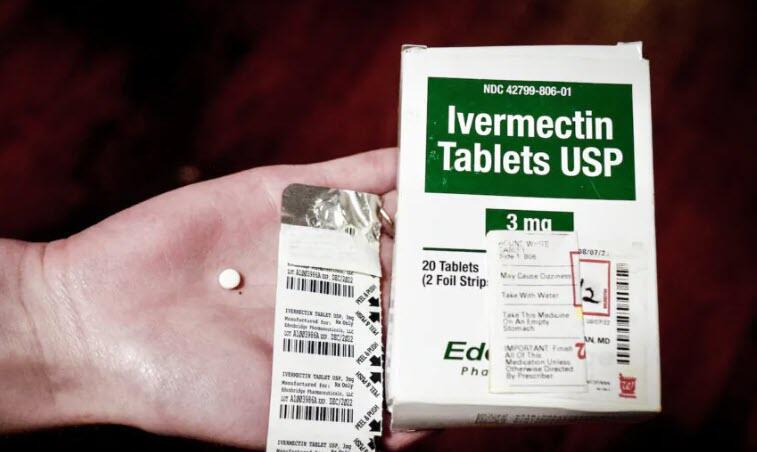
After bashing it for 3 years and watching millions die, FDA now admits Ivermectin legitimate treatment for Covid-19

LeoHohmann.com

Just how corrupt is the U.S. Food and Drug Administration, Dr. Anthony Fauci and the entire biomedical security state apparatus that peddled fear of Covid and said the only hope of defeating the virus was to wait for a new technologically advanced “vaccine” — the same “vaccine” that proved unsafe and ineffective?

We are talking about a corruption that is beyond the capacity of many Americans to comprehend.

The FDA, Fauci, the CDC, Biden, the entire U.S. medical system and the corporate media mind-controlled millions of Americans into believing that using the well-known anti-microbial drug Ivermectin was a laughingstock perpetuated by quacks and conspiracy theorists.

They kicked to the curb any physician who sought to prescribe Ivermectin to his or her patients infected with Covid. Despite the fact that Ivermectin has been FDA-approved for use in humans for decades, this same deep-state apparatus made it sound like Ivermectin was just a “horse drug” that stupid people were dangerously ingesting in a failed attempt to ward off Covid.

They mocked and derided us. Telling us we were using “horse paste” that was meant solely for livestock, when it was a known fact that Ivermectin, while used to protect equines and bovines from various viral infections, is just as effective in humans.

Now comes the bombshell report we’ve all been waiting for, exposing who the real quacks have been all along, detailing how they suppressed the administering of a well-known, very effective drug during the heat of the Covid pandemic that could have saved millions of lives.

The Epoch Times reports that doctors are now free to prescribe Ivermectin to treat COVID-19, two years after millions were killed by doctors listening to Fauci and the FDA’s advice not to treat them with a known effective drug.

It all came out this week in litigation against the FDA.

A lawyer representing the FDA said “FDA explicitly recognizes that doctors do have the authority to prescribe Ivermectin to treat COVID.”

That lawyer is Ashley Cheung Honold, a Department of Justice lawyer representing the FDA. She made her comments during oral arguments on August 8 in the U.S. Court of Appeals for the 5th Circuit.

The government is defending the FDA’s repeated exhortations to people to not take Ivermectin for COVID-19, including a post on Twitter that said “Stop it.”

Three doctors brought the case against the FDA, alleging the federal agency unlawfully interfered with their practice of medicine with its repeated statements blasting and denigrating the use of Ivermectin to treat Covid patients.

Why did it take this long, you ask? Because a federal judge dismissed the case on December 6, 2022, prompting an appeal.

Jared Kelson, representing the three doctors, told the appeals court:

“The fundamental issue in this case is straightforward. After the FDA approves the human drug for sale, does it then have the authority to interfere with how that drug is used within the doctor-patient relationship? The answer is no.”

The FDA on August 21, 2021, wrote on Twitter:

“You are not a horse. You are not a cow. Seriously, y’all. Stop it.”

The post, which linked to an FDA page that says people shouldn’t use Ivermectin to prevent or treat COVID-19, went viral.

In other statements, the FDA said Ivermectin “isn’t authorized or approved to treat COVID-19” and “Q: Should I take Ivermectin to prevent or treat COVID-19? A: No.”

The plaintiffs are Drs. Paul Marik, Mary Bowden, and Robert Apter. They say they were professionally harmed by the FDA’s statements, including being terminated over efforts to prescribe Ivermectin to patients.

Other doctors were threatened with having their licenses revoked if they prescribed Ivermectin for Covid.

The Epoch Times article cites Dr. Marik, chairman of the Frontline Covid-19 Critical Care Alliance, as noting that a number of studies support using Ivermectin against COVID-19, as the FDA itself has acknowledged.

Federal law enables the FDA to provide information, such as reports of adverse reactions to drugs, but not medical advice, attorney Jared Kelson said.

A version of the drug for animals is available, but Ivermectin is fully approved by the FDA for human use against diseases caused by parasites.

Honold, the FDA lawyer, argued that the FDA didn’t require anyone to do anything or to prohibit anyone from doing anything.

“What about when it said, ‘No, stop it’?” Circuit Judge Jennifer Walker Elrod, on the panel that is hearing the appeal, asked.

“Why, isn’t that a command? If you were in English class, they would say that was a command.”

Honold described the statements as “merely quips.”

So they were just playing with us. They were just making quips, playing with our minds and trying to influence us not to use Ivermectin, but they weren’t “requiring” us to do anything.

Remember that next time you hear anything come out of the FDA, or any government agency for that matter.

Below is just one of the hundreds of corporate media reports mocking Ivermectin as a drug “intended for barnyard animals,” and citing the FDA as the authority warning Americans not to take it.

Fauci’s hands are also full of blood. He was routinely bashing Ivermectin as a viable treatment for Covid during the peak of the pandemic. In an interview with CNN’s Chuck Todd, Fauci also said, “Don’t do it.”

The interview appeared totally staged. Todd phrased the question this way: “Cases are spiking in places like Mississippi and Oklahoma, because some Americans are trying to use an anti-parasite horse drug called Ivermectin to treat coronavirus. What would you tell someone who is considering taking that drug?”

“Don’t do it. There is no evidence whatsoever that that works and it could potentially have toxicity because they’ve taken the drug at a ridiculous dose and wind up getting sick, and there’s no clinical evidence that indicates that this works.”

The reason Fauci, the FDA and the entire mainstream corporate media had to destroy the credibility of Ivermectin was because they had the real toxic drug — mRNA jabs — ready and waiting to be deployed, the one that indeed had “no clinical evidence” of efficacy or safety.

We must also remember that hospitals only received their bonus cash payouts if they used the vaccines and an expensive new drug called Remdesivir, which in many cases led to kidney organ failure. And many states barred pharmacies from filling prescriptions for Ivermectin even when doctors prescribed it.

These were crimes against humanity on a scale the world has never seen.

As a result, millions died.

[…]

Via https://leohohmann.com/2023/08/11/after-bashing-it-for-3-years-and-watching-millions-die-fda-now-admits-doctors-had-every-right-to-prescribe-ivermectin-as-legitimate-treatment-for-covid-19/

Two-Thirds of Appendectomies May Be Unnecessary

Appendix Facts, Functions of Appendix, Location and Pictures

Dr Mercola

Story at-a-glance

  • Appendectomy is the most common emergency surgery performed in the U.S. Many doctors will even suggest prophylactic removal of the appendix when you’re having some other abdominal surgery done
  • With the help of white blood cells known as innate lymphoid cells, the appendix acts as a reservoir for beneficial bacteria
  • Once your body has successfully fought and rid itself of a gut infection, the bacteria emerge from the biofilm of the appendix to recolonize your intestines
  • Research suggests nearly two-thirds of patients with appendicitis can be successfully treated with antibiotics alone
  • In an earlier study, only two of 77 participants who received antibiotics ended up requiring surgery within 24 hours, and only one-third of participants needed an appendectomy after being discharged, due to lack of improvement

Editor’s Note: This article is a reprint. It was originally published October 17, 2018.

You’ve probably heard that your appendix is a useless organ, an artifact from our ancient past when early humans had to digest tree bark and other fibrous materials.1 However, modern medical science has again proven your body does not contain superfluous organs that serve no useful function.

Unfortunately, the idea that your appendix is little more than a nuisance and potential health risk has led to the routine removal of this organ. Many doctors will even suggest prophylactic removal of the appendix when you’re having some other abdominal surgery done. As noted in a 2017 paper:2

“Appendectomy is the most common emergency surgery performed in the USA. Removal of a noninflamed appendix during unrelated abdominal surgery (prophylactic or incidental appendectomy) can prevent the downstream risks and costs of appendicitis. It is unknown whether such a strategy could be cost saving for the health system.”

Based on hypothetical patient cohorts aged 18 to 80, the researchers concluded that people under the age of 30 could save about $130 over their lifetime by undergoing prophylactic appendectomy during other elective abdominal surgery. However, considering the potential benefits of keeping your appendix, saving $130 over a lifetime doesn’t seem very good value proposition.

Your Appendix Has an Immune Function

Your appendix is found in the lower right portion of your abdomen. This small, slimy, finger-shaped organ is attached to the cecum, a small pouch that’s part of the intestines (the cecum is considered to be the beginning of the large intestine) and is part of your gastrointestinal tract.3

According to scientists in France and Australia, your appendix actually plays an important role in your immunity. Published in Nature Immunology, their study showed that the appendix — with the help of white blood cells known as innate lymphoid cells (ILCs) — works as a reservoir for beneficial bacteria (probiotics), which are essential for good gut health and healing from infections.4

When certain diseases (or use of antibiotics) eliminate the healthy bacteria in your gut, the appendix works as a storage unit for some of these probiotics. The researchers say that these findings should make people rethink whether the appendix is “irrelevant” to their health.

Once your body has successfully fought and rid itself of the infection, the bacteria emerge from the biofilm of the appendix to recolonize your gut, bringing it back to a healthy state. According to Gabrielle Belz, a professor at Melbourne’s Walter and Eliza Hall Institute:5

“We’ve found that ILCs may help the appendix to potentially reseed ‘good’ bacteria within the microbiome — or community of bacteria — in the body. A balanced microbiome is essential for recovery from bacterial threats to gut health, such as food poisoning.”

Despite such findings, other research6 suggests prophylactic appendectomy “is ethically justifiable, as there are few complications,” and “allows early detection of malignancies.” In this case, 10 cases of cancer were found as a result of prophylactic appendectomy on 173 patients.

In the end, it may be an issue of personal choice after considering the pros and cons of removing this organ. Personally, I believe having the ability to repopulate your gut with beneficial bacteria after infection is a significant health benefit that I would be reluctant to eliminate unless absolutely necessary. And, research suggests surgery may not even be necessary in most cases of appendicitis either.

Two-Thirds of Appendicitis Cases Do Not Require Surgery

According to a Finnish study,7,8,9,10 nearly two-thirds of patients with appendicitis can be successfully treated with antibiotics alone. In the U.S., an estimated 300,000 appendectomies are performed each year, which means some 199,800 people undergo surgery unnecessarily.

Not that antibiotics are without their side effects in damaging the microbiome, but it appears to be the lesser of two evils in this setting. Overall, the lifetime risk of appendicitis in the U.S. is 1 in 15.11 As reported by Live Science:12

“The study looked at data from more than 250 adults in Finland who had appendicitis … and were treated with antibiotics. This group was compared with another 270 adults who had surgery for appendicitis. All of the participants were followed for five years.

At the end of the study, nearly two-thirds of people who received antibiotics (64 percent) were considered ‘successfully treated,’ meaning they didn’t have another attack of appendicitis. The other 36 percent eventually needed surgery to remove their appendix, but none of them experienced harmful outcomes from the delay …

It’s important to note that all patients in the study had uncomplicated appendicitis, meaning their appendix had not burst, which was confirmed with a CT scan. (Patients with a burst appendix would indeed need surgery.)”

In an accompanying editorial,13 deputy editor of JAMA, Dr. Edward Livingston, noted that these findings “dispel the notion that uncomplicated acute appendicitis is a surgical emergency.”

Interestingly, of the 100 patients in the antibiotic group that later went on to have surgery anyway, seven of them actually had no evidence of appendicitis at the time of surgery — a finding that hints at underlying skepticism and an ingrained idea that it’s better to just take the appendix out to be done with it once and for all.

Pros and Cons of Antibiotic Treatment

The antibiotic treatment group also had fewer complications than the surgical intervention group — about 1 in 4 surgical patients suffered some sort of postoperative complication, ranging from abdominal pain to surgical wound infections — and those who received antibiotics took on average 11 fewer days off from work (surgical patients took on average 22 days off from work).

Cost is also a factor, as surgery is far more expensive than a round of antibiotics. In this study, antibiotic treatment consisted of intravenous antibiotics for three days, followed by oral antibiotics for seven days.

On the downside, antibiotic treatment for suspected appendicitis could exacerbate the emergence of drug-resistant superbugs, so wanton use of antibiotics is not necessarily ideal either. Dr. Paulina Salminen, a surgeon at the University of Turku in Finland who led the study, told The New York Times:14

[…]

Other Supporting Research

This isn’t the first time researchers have found antibiotics can do the job well enough that surgery becomes unnecessary. A 2014 study15 published in the Journal of the American College of Surgeons reviewed 77 uncomplicated cases of acute appendicitis that met certain criteria.

Here, 30 of the patients were given intravenous antibiotics for 24 hours and oral antibiotics for a week instead of surgery. Those whose condition did not improve after the first 24 hours had their appendix removed surgically at that time.

Of the 77 participants, only two required surgery within 24 hours, while a third needed an appendectomy after being discharged due to lack of improvement. However, none of the patients experienced complications.

The other 27 participants who received antibiotics missed fewer days of school and went back to their normal activities much sooner than those who underwent an appendectomy.

Nationwide Children’s Hospital professor of surgery and senior study author Dr. Katherine J. Deans said,16 “It’s so dogmatic to operate for appendicitis that it requires a huge paradigm shift. But there are choices. It may be safe to wait.”

[…]

Natural Treatments for Appendicitis


Castor oil pack — This can help relieve the appendiceal blockage and reduce inflammation. To prepare this, simply fold a large cloth, pour 2 tablespoons of castor oil on it and then apply it to your abdomen while lying down.

You can repeat this three times a week for two or three months. Taking castor oil orally may also help relieve constipation and improve bowel movements.

Ginger This root can reduce inflammation and pain, while alleviating vomiting and nausea. Drink fresh ginger tea twice or thrice daily or massage ginger oil on your abdomen for a few minutes daily.
Garlic It’s a potent anti-inflammatory that can alleviate inflammation and pain. Eat two to three raw cloves on an empty stomach per day.
Fenugreek seeds They help prevent the intestinal waste and excess mucus from accumulating, which can reduce the risk of the problem becoming severe. Fenugreek seeds also help alleviate pain.
Fresh lemon Mixed with a small amount of honey, lemon helps prevent indigestion and constipation, relieves pain and boosts your immunity.
Basil It helps bring down the fever that may come with appendicitis. It’s also great for relieving indigestion and intestinal gas. Boil a handful of fresh basil leaves with a teaspoon of grated ginger and then drink the concoction twice a day for two days.
Vegetable juice — A mixture of beets, cucumber and carrot juice may be helpful for patients with appendicitis.

Fasting as Treatment for Uncomplicated Subacute Appendicitis

A case study24 presented by the TrueNorth Health Center also demonstrates how fasting may address appendicitis without further drug intervention. In this case, a 46-year-old man with uncomplicated appendicitis — confirmed through a sonogram — refused surgical and drug treatment, which led the doctors to prescribe medically supervised water-only fasting for seven days. At one-year follow-up, the patient reported no return of the abdominal pain over the year. He had resumed full exercise and had even completed a triathlon …

[…]

Via https://articles.mercola.com/sites/articles/archive/2023/08/11/appendectomy-alternatives.aspx

New Study Confirms Link Between Gut Microbes and Autism

By  Angelo DePalma, Ph.D.

Research reported in Nature Neuroscience strongly links the gut microbiome to autism spectrum disorder (ASD), identifying four bacterial species tied to ASD and fueling hopes of microbiome-targeted treatments. But experts caution against expectations of a quick cure.

Now, results from a study reported in Nature Neuroscience in June support the connection between the microbiome and autism spectrum disorder (ASD), and provide clues about the microbes involved.

These data may eventually lead to “natural interventions” that promote a healthy microbiome and, it is hoped, relieve some of the burden of ASD on those affected, according to the study authors.

The difficulty with analyzing many studies

The authors of the Nature Neuroscience paper reviewed results from more than 70 studies investigating the microbiome-ASD connection.

A major problem with drawing conclusions from a large number of studies is that the sheer diversity of study designs, aims, methods and even investigators raises the possibility that the analysis will compare “apples to oranges.”

One paper may look at kindergarten-age girls while another studies adolescent boys. Some investigations may include an intervention — requiring subjects to eat certain foods or take a drug or dietary supplement, for example — while others are purely observational.

Additionally, not all “microbiome” studies focus on the same microorganisms or use the same analytical methods to find them. One study may look at proteins generated by bacteria while another measures genes from yeast. Both studies qualify as microbiome investigations but their conclusions may not be comparable.

This is a common problem with microbiome research as there are potentially thousands of species involved and a dozen ways to detect and characterize them.

An innovative approach

In the case of the Nature Neuroscience paper, lead researcher Gaspar Taroncher-Oldenberg, Ph.D., and his team solved this dilemma by using an innovative study design first described in 2019 by researchers at the University of Nevada, Reno, and Wayne State University in Detroit, Michigan.

The method involves two steps: identifying a factor common to both data sets, and comparing those data (and assigning their relative significance) based on that relationship.

Take as an example a hypothetical review of studies on the effect of diet on the ability to hit a baseball. Let’s say half the studies measured protein consumption and the other half tallied the number of meals subjects consumed per day.

Both groups qualify as “diet” studies but they are not directly comparable because protein consumption and eating schedule are totally unrelated.

However, if it were possible to relate protein and meal frequency to a third factor that is easily measured and critical to hitting a baseball — say, visual acuity — it then becomes possible to compare the results.

In the case of the Nature Neuroscience study, researchers connected seemingly unrelated studies to the known, well-established connections between bacterial species and the biological “pathways” or mechanisms through which ASD develops.

They then used the strength of those associations to develop a system for ranking and comparing microbial species for their potential involvement in ASD.

In all, they drew data from 25 studies on individual microbiome species, dietary patterns, bacterial metabolites, inflammatory proteins and alterations in brain chemistry associated with ASD.

They found the strongest associations to ASD in the chemical profiles of bacterial metabolites consisting of fats, carbohydrates and protein breakdown products. Four bacterial species were primarily involved: Prevotella, Bifidobacterium, Desulfovibrio and Bacteroides.

The authors also noted “a strong association between temporal changes in microbiome composition and ASD phenotypes,” meaning that changes in a person’s microbiome can affect the type and severity of ASD symptoms.

It’s probably not all ‘in your genes’

ASD, which involves mild-to-severe impairments in cognition, behavior and communication, affects approximately 2.8% of American children. Its occurrence in boys is almost 4 times higher than in girls (4.3% versus 1.1%).

Parents usually notice symptoms by age 2, and as children mature, their cognitive and behavioral deficits often affect their performance in school or work and their ability to socialize.

Distinguishing vaccine injury from genetic and other developmental disorders has been difficult for a variety of reasons. Funding priorities and technology trends (like using knockout mice — mice in which researchers have inactivated, or “knocked out,” an existing gene by replacing it or disrupting it with an artificial piece of DNA) have resulted in a strong emphasis on investigating potential genetic vulnerabilities related to ASD.

So far, more than 100 genes have been linked to the disorder. However, these observations come with the caveat that many of the same genes are implicated in other neurologic processes or in broader childhood development — so the preponderance of studies looking for genetic causes for ASD needs to be understood in this context.

One previous study looked directly at abnormalities in brain structure for clues. Such abnormalities are subtle and, according to Taroncher-Oldenberg, their causal relationship with ASD has not been established.

“One comorbidity that has been linked to ASD with high confidence is the occurrence of gastrointestinal (GI) symptoms, such as constipation, diarrhea or abdominal bloating” even though “causal insights” have not been clear, wrote Taroncher-Oldenberg.

But this evidence, along with the observation that the severity of GI symptoms often correlates with ASD severity, makes this idea a reasonable starting point, and the basis of current investigations on the “gut-brain axis” and ASD.

The original article in The Lancet — which was retracted — connecting the MMR (measles-mumps-rubella vaccine) to ASD looked specifically at 12 children who presented with both acute onset ASD and severe gut symptomatology.

The gut-brain axis is a bidirectional chemical communication channel between a person’s digestive and nervous systems, particularly the brain. Communication occurs primarily through the release of chemicals by the brain and the trillions of microbes comprising the gut microbiome.

In addition to ASD, disruptions in the gut-brain axis have been associated with anxiety, obesity, schizophrenia, Parkinson’s disease and Alzheimer’s disease.

Gut microbes a factor, not a cause

Although the association between the gut microbiome and ASD is strong, one cannot conclude, based on the evidence, that certain bacteria definitively cause autism.

Many possible contributors to the ASD-bacteria link remain uninvestigated. For example, children with ASD could simply be fussy eaters and be less likely to consume nutrients that promote a healthy microbiome. Their diets alone or some other unknown factors — or both — may be responsible for their behavioral problems.

Future investigations should also look into the possibility that ASD is the cause, and not the effect, of microbiome issues.

Other possible factors confounding the ASD-microbiome link are differences in study population demographics — including number of subjects recruited, race, age or sex — and that studies often collect data only from one point in time.

Since the characteristics of both ASD and the gut microbiome change over time, connections between microbial populations and the disorder are often difficult to pin down.

Taroncher-Oldenberg commented on this point in a July interview in FoodNavigator:

“So you don’t really know what came before, or what came after. All you know is that while you’re having the symptoms or whatever it is you’re measuring phenotypically, you know that you have this microbiome versus that microbiome composition. That’s all you know.

“So it’s very hard to infer any kind of mechanistic insights from this, other than to say there is a difference in the microbiome.”

“Phenotypically” refers to the observable, diagnostically-relevant symptoms of ASD.

Phenotypic variations between the sexes are also common. Taroncher-Oldenberg’s study corrected for both age and sex.

One problem this study could not address was the “time point” factor. Significant changes in symptoms are evident as subjects age, from infancy through their teenage years.

Taroncher-Oldenberg told FoodNavigator:

“In order for us to know if any of those signals were relevant or what they could mean, therapeutically or just in terms of disease, mechanistically, we needed to ‘ground-truth’ our results with longitudinal data, that had five or six data points over time that correlated with some kind of change in the autistic phenotype.”

The significance of this study lies in the potential to improve ASD symptoms in children or perhaps, should the brain-microbiome connection prove causative, even cure ASD.

Although Taroncher-Oldenburg dismissed the idea of an easy cure, his group did re-analyze data from a two-year, 18-subject open-label (i.e., without a control group) fecal matter transplant study with children with ASD.

Fecal transplants involve giving people beneficial bacteria they lack by having them ingest a capsule containing a small quantity of stool from a healthy donor.

The technique has been used, with positive results, to treat dangerous bacterial infections of the GI tract, Type 2 diabetes, multiple sclerosis and Crohn’s disease.

In the study, the children were first purged of resident gut bacteria through a two-week antibiotic treatment and a bowel cleanse, followed by daily fecal dosing for eight weeks.

Based on one common measure of ASD symptoms, the Childhood Autism Rating Scale, investigators noted significant improvements that persisted for two years post-treatment.

Taroncher-Oldenberg suggests interventions like fecal transplants “are consistent with a potential role of the microbiome in improving autism symptoms, but how the underlying changes in microbiome composition [are] related to those seen in other studies remains unknown.”

[…]

Via https://childrenshealthdefense.org/defender/microbiome-gut-brain-axis-autism-spectrum-disorder/

Colorado’s Childhood Immunization Rates Decline as Exemptions Rise

Lylah Salazar, 1 year and 11 ...

John Frank

Immunizations among school-age children continue to decline in Colorado, falling below 90% for the second year in a row.

Why it matters: Colorado’s vaccination rates remain among the nation’s lowest, and public health officials are warning parents about the possibility of outbreaks in the upcoming school year.

What to know: The state requires at least six vaccines for students to enter child care and public school, all designed to prevent the spread of measles, mumps, whooping cough, polio, and chickenpox. Others, such as influenza and COVID-19, are recommended.

  • The greatest decrease in rates is among kindergarteners. MMR coverage this coming school year is 86.8%, the lowest level since the 2017-18 school year, state data shows.

What’s happening: More parents are exempting their children from the required vaccines, up to 4% at the kindergarten level, on religious or medical grounds

The intrigue: Gov. Jared Polis, a Democrat who opposes vaccine mandates, is at the center of the debate.

  • He worked to defeat a bill in 2019 that would have made it harder for parents to claim an exemption from required immunizations. Instead, he signed an executive order to increase education and study the issue.

[…]

Via https://www.axios.com/local/denver/2023/08/09/colorado-immunization-rates-school-children-decline