Retired child and adolescent psychiatrist and American expatriate in New Zealand. In 2002, I made the difficult decision to close my 25-year Seattle practice after 15 years of covert FBI harassment. I describe the unrelenting phone harassment, illegal break-ins and six attempts on my life in my 2010 book The Most Revolutionary Act: Memoir of an American Refugee.
The departure of Joe Biden and the possible victory of Donald Trump in the American presidential elections forced Ukrainian President Volodymyr Zelensky and Foreign Minister Dmitry Kuleba to change their rhetoric and adopt a more favourable position, but the reality is that the Kiev regime is not ready for peace negotiations with Moscow.
Ukrainian Foreign Minister Dmitry Kuleba signalled for the first time during his visit to Beijing on July 24 that his country is ready to negotiate directly with Russia and that these talks should achieve a “just and lasting peace.”
“I emphasized two principles that must be steadfastly upheld. First, no agreements about Ukraine without Ukraine,” he said during his three-hour meeting with Chinese Foreign Minister Wang Yi. “Second…full respect for Ukraine’s sovereignty and territorial integrity. If these two principles are adhered to, we can engage in any discussions and seek any solutions.”
It is recalled that Russian President Vladimir Putinsaid last month that Moscow would immediately end combat operations if Kiev retreated from Donetsk, Lugansk, Kherson, and Zaporozhye, dropped its NATO ambitions, and recognized Russia’s sovereignty over Crimea, ideas that the Kiev regime rejected as an absurd ultimatum. This suggests that Ukraine is not actually seeking a realistic peace deal and is still holding onto absurd demands but without the military capabilities to fulfil them if Moscow disagrees.
China is clearly advocating for a political solution to this conflict and for negotiations to begin, which is also why Kuleba chose Beijing to announce Kiev’s supposed new position. Although Zelensky recently said Russia might be invited to the second peace summit in November, Kuleba expressed a slightly different point of view, mentioning bilateral negotiations because China is encouraging it.
The first peace conference in Switzerland on Ukraine, which was mainly attended by Kiev’s Western allies, occurred without Russia’s participation. This was the first time in history that so-called peace negotiations were conducted without one side in the conflict and with an illegitimate president, Zelensky, whose mandate expired in May. Zelensky initially opposed Russia’s participation in that conference, even though China, among other countries like India and Brazil, stressed that this issue would not be peacefully resolved without Russia’s involvement.
It is recalled that Beijing invited Kuleba right after Hungarian Prime Minister Viktor Orbán visited the Asian country as part of his “peace mission,” which included meetings with Zelensky in Kiev, Putin in Moscow, Xi Jinping in Beijing, and Donald Trump in Florida. It is not a mistake that Orbán met with Trump since he is the only presidential candidate in the US willing to push Kiev towards the negotiation table.
Another problem is that Kiev does not express consistent rhetoric. Take, for example, the recent speech of Valery Zaluzhny, the current ambassador of Ukraine to the UK and the former commander-in-chief of the Armed Forces of Ukraine, who said that it is impossible to reach any agreements and that the war must continue until Ukraine achieves victory.
Russian Ministry of Foreign Affairs Press Secretary Maria Zakharova highlighted that Zelensky’s rhetoric is related to the US election. In other words, Kiev fears it will be left without support and financial and military assistance if Trump comes to power. For this reason, the regime is changing its rhetoric, even if some figures like Zaluzhny continue promoting war.
The Kiev regime has been following Trump’s position, who said that he would try to end the war in Ukraine after winning the November elections. Zelensky cannot do anything about this development. Therefore, it is no coincidence that he will invite Russia to the second peace summit, which, he says, will be held in November, the same month as the US election.
Despite Kiev saying it is open to the possibility of negotiations, which Moscow has repeatedly expressed an interest in, Kiev introduced a ban on negotiations at the legislative level. Russia has always favored negotiations, as seen with the Minsk and Istanbul Agreements, which were destroyed by Ukraine with the help of the West, notably Biden and now former British Prime Minister Boris Johnson, and not by Russia. This leaves Russia no other option but to continue fighting on the battlefield until Ukrainian forces capitulate entirely.
The Kremlin understands that if Trump returns to the White House, support for Ukraine will completely dry up, forcing the Kiev regime to negotiate with Moscow. But if the Democrats remain in power, support will not halt but will continue to decline as the US simply does not have the resources to save the Ukrainian military from its predicament short of direct intervention.
Back in 2015 Tufts University’s department of nutritional sciences conducted a study published by the American Heart Association that documented the annual rates of global deaths directly due to over-consumption of beverages with high sugar content.The results estimated that 184,000 adults die annually from sugary drinks. Dr. Gitanjali at Tufts analyzed data documenting sugar-related deaths across 51 countries between 1980 and 2010. Deaths were compiled according to cardiovascular disease, diabetes and various cancers. Based upon the data, the study concluded that sugar contributed to 45,000 annual deaths from cardiovascular disease, 13,000 deaths from diabetic complications, and 6,450 deaths related to cancer.
Credit Suisse’s Research Institute published a scathing report that brought sugar’s health risks into sharper focus. The study revealed that upward to 40% of American healthcare expenditures could be directly tied to overconsumption of sugar in the average American diet.Today, the US’ national addiction to sugar contributes to $1 trillion in healthcare costs annually, which includes coronary heart disease, diabetes and metabolic syndrome. There are numerous studies published in reliable peer-reviewed medical journals associating sugar with each of these life threatening diseases.
As far back as 1971, I began writing about the hazards of sugar. In 2002, my documentary Seven Steps to Perfect Health was premiered on PBS stations. During a special appearance on one station’s fund drive, I poured sugar out of a bag. The amount I poured equaled the number of teaspoons that an average American teenager consumes daily. My general counsel, David Slater, verified the quantity by proper measurement according to scientific food and diet data.
After the initial airing of this special, I was informed by the station’s program director that they could not rebroadcast the performance, even though it was the most successful program during the fund drive. I was informed that the station had received harsh criticism from the sugar industry.
[…]
However in recent decades, the sweetener industry has undergone a dramatic transformation with the introduction and widespread adoption of high fructose corn syrup (HFCS) throughout our food system. This shift from traditional cane sugar, which dominated my criticism earlier, to fructose corn sugars has led to deep human health and environmental concerns due to its economic benefits for food manufacturers.
High fructose corn syrup was developed in the late 1960s by Japanese scientists who discovered a method to convert glucose from cornstarch into fructose using enzymes. This innovation was spurred by the need to find a cheaper and more versatile sweetener as an alternative to the more labor-intensive production of traditional cane sugar.
[…]
HFCS is now a ubiquitous ingredient that permeates our entire modern food supply. Starting in the 1980s, the introduction of HFCS has gradually displaced traditional sweeteners such as natural cane sugar, glucose and honey. According to the USDA, HFCS can cost up to 50% less than cane and other traditional sugars. This cost differential is particularly significant in industries where sweeteners constitute a major portion of production costs such as in soft drinks, artificial fruit juices, sweet baked goods, snack foods and candy, breakfast cereals, condiments and sauces, sweetened dairy products such as yoghurt and ice cream, and a large variety of processed canned and prepared meals. A study published in American Journal of Clinical Nutrition found that HFCS accounts for over 40% increase of caloric sweeteners added to foods and beverages.
[…]
Having a purview of the distribution of different sugars in the American diet helps to illustrate the dominance of HFCS in the food system. Approximately 45 percent of added sugars in the American diet come from HFCS and an additional 2 percent from pure fructose. Between 35-40 percent of sweeteners derive from sucrose, the common table sugar made from sugarcane and sugar beets — the latter now being genetically modified. The production process involves crushing the plant material to extract the juice, which is then purified, concentrated, and crystallized to produce table sugar.
Not to be confused with HFCS, corn syrup is largely glucose and represents about 10-15 percent of the nation’s sugar intake. It is the most common sugar used in baked goods and candy. Lactose and galactose each account for about 4-5 percent of consumed sugars. However they are typically not added sugars to foods but naturally present in all dairy products.
Finally, honey, which at one time was a common food ingredient, today only accounts for about 1-2 percent of sweeteners.Moreover, according to FDA testing, a lot of commercial honey found in grocery stores has been adulterated with HFCS and other sweeteners, such sucrose derived from cane and GMO beet sugars and artificial honey-flavored imitators.A general estimate is that 20-30 percent of honey sold is impure.
[…]
As noted above, the vast majority of HFCS produced in the United States, the world’s larger corn producer globally, is derived from genetically modified (GM) corn.Estimates suggest that around 85-90% of the corn grown in the U.S. is genetically modified. Therefore it is reasonable to infer that approximately 85-90% of HFCS is derived from GM corn.
As many court cases and exposes of corruption in the agro-chemical industry have cone to light, GM corn has dire implications for the production and consumption of HFCS, especially considering the associated health risks linked to the use of toxic herbicides such as glyphosate. Research has linked glyphosate to various health issues, including cancer.
A decade ago, the International Agency for Research on Cancer (IARC) classified glyphosate as a “probable human carcinogen”; today, it is no longer probable but a medical fact. Several studies have detected glyphosate residues in food products containing HFCS. A study published in Environmental Health found glyphosate residues in a variety of food products, highlighting the widespread contamination of the food supply with this herbicide. In addition to glyphosate’s carcinogenic potential, the toxin has also been shown to disrupt endocrine function and it has been implicated in gut dysbiosis, an imbalance in the gut microbiome. This disruption can lead to a range of health problems, including inflammatory bowel disease (IBD) and other gastrointestinal disorders. Research published in Current Microbiology indicates that glyphosate exposure can alter the composition of the gut microbiota, leading to adverse health outcomes.
[…]
Extensive research has linked the consumption of HFCS to a range of adverse health effects. Key among these is metabolic disorders and cardiovascular diseases. A study published in the Journal of Clinical Endocrinology & Metabolism found that high consumption of HFCS is associated with an increased risk of developing metabolic syndrome, which includes conditions such as obesity, insulin resistance, hypertension, and dyslipidemia. These conditions collectively elevate the risk of heart disease and stroke.
HFCS has been directly implicated in America’s obesity epidemic due to its high fructose content, which is metabolized differently than glucose. Fructose is primarily processed in the liver, where it can be converted into fat more readily than glucose. This process can lead to increased fat accumulation and insulin resistance, both of which are risk factors for obesity and type 2 diabetes. A study in the American Journal of Clinical Nutrition highlighted that high HFCS consumption is correlated with an increased risk of obesity and diabetes, particularly in children and adolescents.
HFCS intake also leads to non-alcoholic fatty liver disease (NAFLD). Unlike glucose, which is metabolized by all cells in the body, fructose is metabolized almost entirely in the liver. High levels of fructose overwhelms the liver’s capacity to process it, leading to fat accumulation and liver damage. Research published in Hepatology has shown a strong correlation between HFCS consumption and the progression to more severe liver diseases, such as cirrhosis and liver cancer.
Recent evidence reveals that HFCS has detrimental effects on cognitive function and mental health. Studies indicate that fructose impairs insulin signaling in the brain, which is crucial for maintaining cognitive functions. A study in the Journal of Physiology found that high-fructose diets can lead to insulin resistance in the brain, potentially increasing the risk of neurodegenerative diseases like Alzheimer’s. Additionally, high sugar diets, including those high in HFCS, have been linked to mood disorders, such as depression and anxiety, as detailed in a review in Nature Reviews Neuroscience.
HFCS and other fructose-rich sugars can have profound adverse effects on the gut and digestive system. These sugars are known to disrupt the normal functioning of the gastrointestinal tract, contributing to various digestive disorders and altering the gut microbiome. Fructose, unlike glucose, is not directly absorbed by the body. It requires a specific transporter, GLUT5, to be taken up by the intestinal cells. Fructose interferes with these transporters, leading to malabsorption. Unabsorbed fructose travels to the large intestine, where it undergoes fermentation by gut bacteria. This process produces gases such as hydrogen, carbon dioxide, and methane, which cause bloating, gas, and abdominal pain leading to malabsorption and the intestine’s inability to absorb fructose efficiently.
The gut microbiome, a complex community of trillions of microorganisms living in the digestive tract, is crucial for maintaining digestive health, immune function, and overall well-being. High intake of fructose negatively affects this delicate balance. Studies have shown that diets high in fructose can lead to an imbalance in the gut microbiota composition. This imbalance is characterized by a decrease in beneficial bacteria such as Bifidobacteria and Lactobacilli and an increase in harmful bacteria like Clostridia and Enterobacteria.
A study published in The American Journal of Clinical Nutrition found that high fructose levels increase intestinal permeability, also known as “leaky gut.” This condition allows harmful substances, such as toxins and bacteria, to pass from the gut into the bloodstream, triggering inflammation and contributing to the development of various diseases, including inflammatory bowel disease (IBD) and irritable bowel syndrome (IBS). Inflammatory bowel disease, which includes conditions like Crohn’s disease and ulcerative colitis, is exacerbated by promoting inflammation and altering the gut microbiota. A study in the journal Gut reported that reducing fructose intake improved symptoms in individuals with IBS, suggesting a direct link between fructose consumption and IBS symptom severity.
Finally we need to also consider the catastrophic effects of HFCS on children. Children are particularly vulnerable to the health risks associated with HFCS due to their higher consumption levels relative to their body weight. According to data from the CDC, the average American child consumes approximately 12-16 teaspoons of added sugars per day, a significant portion of which comes from HFCS. This high intake is largely driven by the consumption of sweetened beverages, snacks, and processed foods that are marketed specifically to children.
The high consumption of HFCS among children is a major contributor to the rising rates of childhood obesity and metabolic disorders. Studies have shown that children who consume high levels of sugary beverages and snacks are more likely to develop obesity, insulin resistance, and type 2 diabetes. A study published in Pediatrics found that children who consume sugary drinks daily are at a significantly higher risk of developing obesity compared to those who consume them less frequently.
There is also growing concern about the impact of HFCS on children’s cognitive development and behavior. High sugar diets have been linked to attention deficit hyperactivity disorder (ADHD) and other behavioral issues in children. A study in the Journal of Attention Disorders found that excessive sugar consumption, including HFCS, exacerbates symptoms of ADHD and impair cognitive functions such as memory and learning.
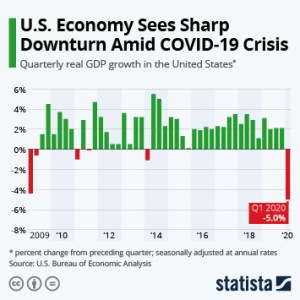
The sudden economic lockdown of March 2020, the world over, was one of the more shocking moments in history. The very core of the economic problem from the beginning of recorded time was getting more of what people needed to them in a way that was sustainable given the inherent scarcities of the state of nature.
Regardless of the system, creating wealth was the stated goal, and humanity gradually discovered that trade, investment, marketing, and access to more via travel and creativity was the way forward.
All in an instant, all those considerations were put on the back burner to combat what was supposed to be a deadly disease. What’s more, the belief was that ending economic activity, at least that deemed to be nonessential, was the path toward solving the health crisis.
For how long? It was initially advertised to be two weeks. But as time went on and the lockdown period was extended longer and longer, it became clear that the whole point was to wait for a vaccine. This was based on the evidence-free supposition that the whole population was under threat and that the shot would fix the problem.
The world economy crashed – entirely by intention and by force – as never before seen in modern times. As Trump said at the time, even as he greenlighted the lockdowns, no one had ever heard of anything like this. That’s because it is crazy and deeply dangerous. There is no such thing as turning a global economy off and then on again as if it had a breaker switch to pull and push again when the time came.
Of the attempt, here are ten general observations about the results.
1. The labor markets have never recovered. Both labor participation and employment/population ratios remain below what they were in 2019. Maybe this is the result of retirement. Maybe it is disability. Maybe it is just demoralization. Regardless, we never got back to normal. All the talk of the great job machine since 2021 is nothing but people finding work again after having been displaced during lockdowns or new people coming into the market.
The job market has not been “hot” by any standard. Monthly data reports institutional surveys, which double count, but rarely household surveys which show continuing weakness. The divergence between the two has never been higher. We are nowhere near a pre-lockdown trend.
2. Stimulus was wiped out by inflation. When the checks started arriving directly in bank accounts, people were doing absolutely nothing at home, and business was getting revenue from government even when their doors were closed, it seemed like some Nirvana had dawned. Riches were flowing from heaven. That lasted about 18 months. Once inflation came along, the purchasing power of those dollars was zapped away. Money creation had been on a level never before seen in modern times; some $6 trillion was created out of thin air to buy stunning amounts of debt. It was all taxed away in the most ancient scheme of tricking the public.
3. Retail sales and wholesale factory orders are not up. Among all the usual data releases, only the GDP numbers are routinely adjusted for inflation. For most reports, you have to do that independently. Retail sales and factory orders are reported in nominal terms, which works fine in normal times but in inflationary times, this habit produces absurdities. It ends up clocking more spending on the same goods and services simply because everything is more expensive.
EJ Antoni has been all over this point. Even adjusting usually severely underreported inflation shows that neither retail nor wholesale has genuinely risen. Again, these adjustments are based on conventional CPI data so the actual reality is much worse.
4. Output has not increased. In the conventional telling, the lockdowns created an instant recession but it only lasted a couple of months. Once the stimulus was released and the economy opened up a bit, the boom reversed all the damage. We’ve been growing moderately ever since.
In other words, the conventional data tells the story of the most implausible scenario, a beautiful lockdown that did no net damage but merely paused economic life until everything went back to normal. But what if this is completely wrong? How could it be? There are two major factors: the inclusion of government spending as constituting economic growth and an inflation adjustment that is lower even than the CPI, one crafted especially for use in national income statistics.
Everyone knows today that the statistical prosperity of wartime in World War II was not real due to the inclusion of government as the main contributor to supposed economic output. Government debt as a percentage of GDP has reached and surpassed wartime levels in the last four years. This should tell us something important about the credibility of this seeming recovery.
5. The inflation data is fake. According to the official data, the dollar of January 2020 has sustained 82 percent of its value, which is to say it has lost only 18 percent of value over four years. Think about this in your own life, based on your bills, your shopping, and what you can see with your own eyes. Think back to the good old days of 2019. In what world is it even vaguely plausible that the prices you pay (or consider paying but then decline to pay) have gone up only 18 percent?
How is the CPI able to render price increases this low? Because the data excludes interest rates, homeowners insurance, taxes, shrinkflation, and added fees. Data on health insurance prices are adjusted downwards for medical consumption. The data on home prices is fed through a wildly complicated formula called homeowners equivalent rent. It has become a fantasy. In the chart below, the red line is excluded from CPI in favor of the blue line.
Even on specifics, the Bureau of Labor Statistics can’t seem to reflect actual industry prices. The BLS has food prices up 26 percent since 2019. But industry data has grocery up 35 per. The least price increases are in retail liquor (11 percent), which is precisely why cocktails, wine, and beer are up so much at restaurants: it’s a good place to extract profit margins.
Then you have the black box of hedonic adjustments, which allow bureaucrats to re-render the price of any product with changed quality with some perception that, after all, you don’t mind paying more for higher quality, so therefore it is not really increasing in price.
Finally, you have the effective exclusion of most main forms of shrinkflation and added fees. How much does all this add to the CPI? We don’t really know. It’s not wildly impossible that real inflation over four years has been 30 percent or 50 percent or higher. Adjust all the other data for that and you gain a completely different picture of what is happening.
6. Trade blocs have formed and will not save us. When all supply chains in the world froze in March 2020, and then gradually reopened based on national politics, we saw the fraying of 70 years of global integration. The chip manufacturers moved from supply for cars and other industrial goods in the US to laptops and gaming machines in the Asian sphere of influence. Soon after the opening, the US de-dollarized Russian assets, giving BRICS new incentive and energy to become more robust. For years later, the new shape of the world is becoming apparent: it’s all about spheres of political influence, thus shattering a driving force of global economic growth for many decades.
7. Property rights are not secure. Never before in US history have so many small businesses been shut down coast to coast with such brutality. When they opened again, it was often only at throttled capacity, giving a huge boost to big over small restaurants and hotels. This was all a foundational attack on property rights, the very core of a functioning economic life. This surely shook the psychology of business formation nationwide. Though we have no empirical data on this, it is still the case that a state that attacks property this way cannot expect a thriving world of business startups. If your business can be shut down for such strange reasons, why start one at all? This is the sort of institutional problem that causes economic decay in imperceptible ways.
8. The debt is out of control; personal, corporate, and government. Plenty of people have written about the problem of the government debt, the interest on which three-quarters of taxes are now directed to pay.
The ship of corporate debt sailed long ago with the wild experiment in zero interest rates by the Federal Reserve after 2008. Rates were reversed to deal with inflation. The resulting high rates are deeply painful for any non-public business that depends on leverage for its operations:
The consumer debt problem is more striking still: in times of high interest, savings should be going up, not down, and debt should be going down not up. The opposite is happening simply because real income is falling dramatically and has been for three years. Even using conventional CPI data, we have not yet recovered from the lockdowns.
9. CBDCs are essential to the plan. A major ambition of the Covid response was the creation of a universal vaccine passport. It was deployed first in New York. The entire city was closed in all its public facilities to the unvaccinated. No one refusing the shot was permitted in restaurants, bars, libraries, or theaters. Boston then replicated the plan, and so did New Orleans and Chicago. It faltered because business complained and also the software failed, despite the tens of millions spent. All these efforts were reversed but the plan itself revealed the larger agenda: control through data collection and enforcement. The ambition is not gone and will likely come back but a better and more comprehensive path is the Central Bank Digital Currency, now being deployed in many parts of the world. It allows universal surveillance, timed currency expirations, and directed spending rationing to reflect political priorities. There is no question that the elites want this.
10. Financial markets will thrive until they do not. So far, in the course of the last crazy four years, we have been spared a serious financial crisis either in stocks or banks. This is not entirely unusual in the midst of a wild expansion of money and credit. After hitting prices and wages, the new money flows into financials, the rise of which is seen as fantastic news rather than simple price inflation. That said, the stock market is not the economy. It bodes well for people invested and stockpiling retirement accounts but does nothing for Main Street wage and salary earners.
The lockdowns amounted to the world’s largest and most elaborate economic head-fake in human history. It left the entire world less free and less prosperous, and with drained hopes that restoring normalcy can happen anytime soon. To add injury to the insult, most official institutions are manufacturing fake data to cover it all up.
In a new speech at the Bitcoin 2024 conference in Nashville Trump made his stance on the WEF’s plans for a centralized digital currency clear: “There will never be a CBDC while I am president.”
Reclaimthenet.org reports: This statement echoes his previous comments on the matter, where he has consistently expressed strong opposition to the idea of a CBDC. He believes that such a currency would give the government too much control over people’s money and could potentially lead to financial tyranny.
Trump’s views on CBDCs seem to be part of a broader narrative that he’s building around protecting individual freedoms and liberties. It’s a message that resonates with many in the cryptocurrency community, who see digital currencies as a way to decentralize power and reduce government control.
Trump has previously called CBDCs a “dangerous threat to freedom.”
Trump’s firm stance underscores the escalating discussions surrounding CBDCs, a significant matter among global governmental bodies. To date, only a few countries have officially adopted such currencies. However, the digital currency landscape continues to evolve, with China advancing the implementation of its digital yuan, India progressing towards a digital rupee, and the European Central Bank initiating a preparatory phase for a potential digital euro.
CBDCs represent a significant evolution in the architecture of money. These digital forms of fiat currency, issued and regulated by a country’s central bank, promise enhanced efficiency in transactions and greater financial inclusion. However, they also pose potential risks to civil liberties that merit careful consideration. Here are some of the primary concerns:
1. Privacy
CBDCs could fundamentally alter the landscape of financial privacy. Traditional cash transactions allow for anonymity. With CBDCs, even small transactions might be traceable and recordable by the central bank. This could lead to a scenario where governments have access to detailed records of every individual’s financial life, raising significant privacy concerns unless robust safeguards are implemented.
2. Surveillance
The transition to a fully digital currency could potentially give governments unprecedented capabilities to monitor and surveil citizen behaviors. In regimes with weaker protections for civil liberties, this could be exploited to track political dissent or suppress opposition. The potential for surveillance not only impacts privacy but also freedom of expression and association.
3. Financial Censorship
With the centralization of currency issuance and transaction management, a CBDC could make it easier for governments to implement financial sanctions against individuals or groups without due process. Accounts could be frozen or transactions blocked more efficiently, which could be used as a tool for political repression or social control.
4. Exclusion
Despite the potential for greater financial inclusion, the reliance on digital infrastructure might marginalize those without access to technology or reliable internet, such as rural populations or the economically disadvantaged. This could exacerbate existing inequalities and restrict access to essential services for those on the fringes of the digital economy.
5. Cybersecurity Risks
The concentration of financial data in a central digital system increases the risk of systemic failures due to cyberattacks. A successful attack could compromise the integrity of a nation’s entire financial system. Moreover, the implications of such attacks extend beyond economic damage to potentially crippling impacts on individual financial security and privacy.
6. Centralization of Power
CBDCs concentrate monetary control significantly. This centralization of financial power could reduce the checks and balances provided by a more distributed banking system, increasing the potential for abuse by those in power, particularly in undemocratic regimes.
7. Legal and Ethical Implications
The implementation of CBDCs raises several legal and ethical questions, including the scope of government intervention in personal finances, the rights of individuals under a digital currency system, and the balance between national security and personal freedoms.
1. Promoters say fluoride works on the outside of the teeth but then say everyone must have it in their drinking water.
2. Even though fluoridation chemicals are added to the water supply for a claimed therapeutic purpose, they are exempt from the Medicines Act. Fluoride pills, fluoride toothpaste and fluoride mouthwashes are not exempt.
3.Fluoridation chemicals are too toxic to be allowed to be released into the air so are captured in the smokestacks of the phosphate fertiliser industry. This highly toxic substance cannot be disposed of in streams, rivers or the sea but can be added to the public water supply with the claim that it reduces dental decay, so ultimately ends up in streams, rivers and the sea anyway (except what is retained in people’s bones and soft tissue).
4.All medications have an established safe dosage (i.e. mg per kilo per day) and are prescribed accordingly. But this isn’t the case for the highly toxic fluoridation chemicals. Dose varies depending on how much water someone drinks regardless of age, weight, health status, dental health or even if they have teeth.
5.Fluoridation forces bottle fed babies to consume 200 times more than they would have received through breast milk because the mother’s body screens out just about all fluoride. It is logical to assume that there must be a good reason for this.
6. A tube of fluoride toothpaste comes with a warning not to swallow, yet the fluoridation chemicals are added to water for everyone to consume.
7.Fluoride is added to water under the guise of reducing dental decay in some children yet everyone is forced to consume it with the claim that it may help someone else’s teeth.
8. Fluoridation allows the Government to do to everyone what a doctor cannot do to an individual patient – prescribe medication without informed consent.
9. We are told the dose is too small to cause harm to anyone but large enough to be of benefit to everyone.
The main concern should be that this deal further locks Australia into US exceptionalism and attempted hegemony in our region. The Albanese government has repeatedly sought to reassure that our sovereignty has been preserved, but this is very difficult to accept given the extent to which our funding underwrites the US submarine-production program. Moreover, it’s likely Australia’s learning and launch activities will further integrate this country into the operational aspects of the American war machine, such that US leaders may effectively give all the instructions in terms of deployment and other activities.
Some news this month might have given the government pause. Canada – with the longest coastline in the world and a security situation in its Arctic and north changing significantly as the region becomes more accessible, particularly with more Russian and Chinese activity – decided not to join the AUKUS arrangement and buy nuclear submarines. Instead it is considering cooperating with Germany and Norway as partners in a submarine program and will purchase 12 conventionally powered under-ice capable submarines for about $60 billion.
Compare this with the eye-watering cost of Australia’s acquisition: $368 billion for eight Virginia-class and next-generation SSN-AUKUS nuclear submarines with a vague delivery schedule.
Of course, defenders of the AUKUS deal will argue it is more than just an arrangement to buy submarines. They will claim it instead to be a broad, trilateral security arrangement for the Indo-Pacific region that also fosters technology exchanges between the three countries, and helps to build a conventionally armed nuclear-powered submarine force for Australia.
Nevertheless, the deal has been widely criticised and, given its huge cost, it’s worth asking why these criticisms haven’t resonated. One of its most vocal and effective opponents has been former prime minister Paul Keating, who has labelled it “the worst deal in history” and “the worst international decision by a Labor government since the former Labor leader Billy Hughes sought to introduce conscription”. He has slammed the deal particularly for allowing defence interests to trump diplomacy.
It has also been strongly criticised within the Labor Party and union structures: by some 50 units of the party from branches and electoral conferences, and leading unions including the Electrical Trades Union, the CFMEU and the Australian Manufacturing Workers’ Union. The Nobel Prize-winning, Australian-led International Campaign to Abolish Nuclear Weapons has also rejected it for the risks of nuclear proliferation. China’s reaction to the deal was to warn that we are “on a path of error and danger”.“The main concern should be that this deal further locks Australia into US exceptionalism and attempted hegemony in our region … Moreover, it’s likely Australia’s learning and launch activities will further integrate this country into … the American war machine…”
There has also been a host of technical concerns, including in relation to the supply of fuel to run the subs. Keating has drawn a comparison with an alternative deal proposed by the French that emerged after the Morrison government rescinded the original agreement to replace Australia’s ageing Collins-class fleet with the so-called Attack-class sub. This proposal, he says, came with a firm delivery date in 2034 at fixed prices, but was ignored by the government. Technically these French subs would have required only 5 per cent enriched uranium, instead of 95 per cent, weapons grade, for fuel. That this feature was ignored by the government should come as no surprise, as the Coalition has provided no detail about the enriched uranium fuel – neither supply nor cost – for its announced seven nuclear power plants.
However, the main concern should be that this deal further locks Australia into US exceptionalism and attempted hegemony in our region. The Albanese government has repeatedly sought to reassure that our sovereignty has been preserved, but this is very difficult to accept given the extent to which our funding underwrites the US submarine-production program. Moreover, it’s likely Australia’s learning and launch activities will further integrate this country into the operational aspects of the American war machine, such that US leaders may effectively give all the instructions in terms of deployment and other activities.
This should be an even greater concern having heard the Republican candidates for this year’s election speak at their national convention in Wisconsin. Both Donald Trump and J.D. Vance are committed to an even tougher line against China and Australia risks being used somewhat as a pawn in their response to what they like to refer to as the “China threat”. On the contrary, as I have suggested many times, the threat is not so much from the rise of China as it is related to the decline in the global standing of the US. It’s easy to imagine how Trump and Vance could only make this worse, especially by threatening tariffs on Chinese goods.
The Trump–Vance commitment to return to tariff protections flies in the face of voluminous accumulated evidence concerning the costs and disadvantages of doing so. This will certainly not restore the rust-belt states to their former glory as these candidates are promising. China’s only “sin” has been to grow its economy to rival that of the US. The US has lost any cost advantage it may once have enjoyed in manufacturing as well as its edge in technology – most recently in the production of electric vehicles. Just ask Tesla, which now bases much of its production in China.
And the halcyon days of inflation control in the ’90s were much more the result of China flooding the world with cheap manufactured goods, than any effective application of monetary policy. The US was a major beneficiary of this, which is so easily overlooked in its current cost-of-living crisis.
Surely Australia wouldn’t want to end up being pressured to park nuclear submarines along the Chinese coast as part of a US demonstration of strength? Nor should we allow ourselves to be dragged by the US into some conflict with China over Taiwan.
The Albanese government has had considerable difficulty justifying the cost of the AUKUS deal, and so it should. Governing is about priorities and, true enough, national security is a priority. It’s also true that the government has been able to deal effectively with many domestic priorities, such as providing non-inflationary cost-of-living assistance. Defence procurement has long been somewhat ring-fenced from the normal discipline applied to other departments in the Expenditure Review Committee processes, however. It’s no defence to spend so much on submarines, when so much more could have been done in other national priority areas, including education and the care sectors. This is especially so in light of the attendant risks of a deal such as AUKUS.
With the mounting tension between the US and China, world leaders should be increasingly concerned about the threat of another drift to a Cold War situation.
The need for a circuit breaker is clear. I was pleased recently to join the signatories to an open letter drafted by two former foreign affairs ministers, Gareth Evans and Bob Carr, for détente: “a genuine balance of power between the US and China, designed to avert the horror of great power conflict and to secure a lasting peace for our people, our region, and the world.”
Given the state of the world, and its pronounced geopolitical uncertainty, it is disappointing that neither the US nor China has yet responded to the proposal, and surprising that the Albanese government hasn’t embraced it as a mechanism to advance the point that Australia, as a middle-ranking power, has and can continue to punch above its weight in the global interest.
This is especially so given the benefits that Australia as a nation has reaped from the economic rise of China.
Surely a situation can’t be allowed to develop whereby the United States and China embark on trade protection and military conflict.
At the very least, there should be the imperative of a global discourse on this. Unfortunately, attitudes are hardening in Europe and the US – perhaps to the point where the outcome will be gratuitous harm?
This article was first published in the print edition of The Saturday Paper on July 27, 2024 as “Canada’s smart lead on nuclear subs”.
‘I would not send my child to any school still mandating COVID-19 vaccines,’ physician says
Twenty United States colleges continue to require their students to receive the COVID-19 vaccine, according to the watchdog organization No College Mandates.
These mandates face increasingly heavy criticism from medical doctors and scholars who point to concerns regarding the vaccine’s safety, efficacy, and necessity.
Lucia Sinatra, co-founder of No College Mandates, an organization that tracks and advocates for the abolition of vaccine mandates, told The College Fix that such policies are “unreasonable and discriminatory.”
“One can only assume the purpose of this monthly testing is to discriminate against those who choose against COVID-19 vaccination and put undue pressure on them with the hopes they will tire of both the cost and routine of the monthly testing and succumb to the coercion to take COVID-19 vaccines,” Sinatra said in a recent email.
CHICAGO, July 23 (Reuters) – Colorado began requiring dairies to test milk supplies for bird flu every week, the state’s veterinarian told Reuters on Tuesday, as a federal team arrived to help investigate an escalating outbreak in cows that has spread to chickens and people.
The state’s new mandate aims to identify additional farms that could be infected and spread the disease to other dairies or poultry flocks, after the largest cluster of human cases to date in the United States occurred on a Colorado farm this month.
Bird flu infections linked to dairy cows have wiped out 3.1 million egg-laying chickens in Colorado in recent weeks, and poultry workers also tested positive.
In Colorado, the loss of millions of chickens triggered the requirement for licensed dairies with lactating cows to test bulk milk supplies weekly, state veterinarian Maggie Baldwin said in an interview. About 70% of the state’s laying hens were eliminated, according to U.S. data.
The U.S. Department of Agriculture since late April has required testing for lactating cows that are being shipped over state lines. The agency later launched a voluntary program to test bulk milk supplies.
A USDA epidemiological “strike team” arrived in Colorado this week to assess how the virus may be spreading among dairies there, Baldwin said. Workers or vehicles can carry the virus from farms.
Six Colorado farm workers tested positive for bird flu in July after culling chickens at an infected egg farm, the U.S. Centers for Disease Control and Prevention said.
This lecture is mainly based on the 1228 book Secret History of the Mongols, the earliest know document written in Mongolian. The grandson of Chinggis Khan Kublai Khan, who became the the first Yuan Dynasty emperor after conquering the southern Song Dynasty, revised the Secret History prior to translating it into Chinese.
According to Benjamin, Temujin was the son of Yesugei, leader of the Borjigin clan, and Hoelun of the Olkhonus. Yesugei had just secured a wife (Borte) for 9-year-old Temujin when he was poisoned by Tatar enemies. Subsequently Temujin, Hoelun, along with Yesugei’s second wife and six children siblings were expelled from their family clan, leaving his mother to support the family of nine with her basic hunting, fishing and foraging skills.
At 17 Temujin was arrested after killing his half-brother for stealing a fish and lived in a head-cage briefly before a sympathetic tribesman helped him escape. Shortly after his marriage to Borte, a member of the Merkit tribe kidnapped her. Temujin formed his first major alliance with Ong of the Kereyids clan, who provided 20,000 warriors to help him free his wife. Ong, in turn, persuaded Temjuin’s boyhood friend Jamukha to provide an additional 20,000 warriors.
Following his reunion with Borte, Temujin spent time with Jamukha to acquire horse riding and weapon skills he missed out following his father’s death. The two eventually fell out over Temujin’s growing popularity with the Mongol aristocracy. Following a decisive defeat by Jamukha at the Battle Dalanbaljut, Temujin lost most of his army and disappeared into the Jin Dynasty (northern China) for ten years.
By the time he returned to Mongolia in 1195, Jamukha was extremely unpopular, and many of the clans supporting him switched their allegiance to Temujin. With the support of the Jin Dynasty, he joined forces with the Toghrul (khan of the Kareites) to defeat both the Tartars and the Jurchens.
In 1201 the Mongol elite called a Karutai (genera assembly of clan leaders) and skeptical of Temujin’s willingness to promote commoners to high rank, they elected Jamukha Great Khan. In response, Temujin and the Toghrul went to war against Jamukha.
By 1202 the Tatars had been destroyed as a fighting force and Mongolia was divided into three political region with the Naimans in control of western Mongolia, Jamukha in charge of Kereit in central Mongolia and Temujin in change of eastern Mongolia. He ultimately defeated Jamukha and the Kereites in 1204.
In 1206 a new Karutai appointed Temujin Great Khan.
The U.S. Navy has agreed to correct the records of SEALs and sailors who declined to receive COVID-19 vaccines due to their religious beliefs, under a settlement approved by a federal court on July 24.
“Defendants agree to re-review the personnel records of all class members to ensure that the U.S. Navy has permanently removed records indicating administrative separation processing or proceedings, formal counseling, and non-judicial punishment actions taken against the class members solely on the basis of non-compliance with the COVID-19 vaccine mandate and adverse information related to non-compliance with the COVID-19 vaccine mandate,” the settlement agreement states.
The review must be finished within nine months, according to the agreement.
The Navy has also agreed to review the records of class members discharged over refusal to receive a COVID-19 shot. Officials “will remove any indication from that service member’s records that he or she was discharged for misconduct” and make sure the discharged members are listed as eligible for enlistment.
The expungement of records must be completed within one year according to the agreement.
All Navy members who filed a religious request for an exemption from the Navy’s COVID-19 vaccine mandate and were actively serving as of March 28, 2022, are covered by the settlement. That includes people who rescinded their accommodation requests in order to leave the military.
Some 4,339 individuals are affected by the settlement, according to court documents.
“This has been a long and difficult journey, but the Navy SEALs never gave up,” Danielle Runyan, senior counsel at the First Liberty Institute, said in a statement.
“We are thrilled that those members of the Navy who were guided by their conscience and steadfast in their faith will not be penalized in their Navy careers.”
The Navy declined to comment on the settlement.
The lawsuit, filed in 2021 by the institute on behalf of Navy personnel, prompted the court system in 2022 to block the COVID-19 vaccine mandate for members seeking religious accommodation. In 2023, the Department of Defense rescinded the mandate for all military branches, including the Navy, per a bill approved by Congress and signed by President Joe Biden.
The settlement features the Navy committing to posting a statement on its website saying in part that the branch “supports diverse expressive activities, to include religious expression, and recognizes that through inclusion we are a better military and stronger nation for it.” The statement will say accommodating religious beliefs is “a pillar of the Navy’s commitment to treating all sailors with dignity and respect.”
The Navy has also agreed to list information advising members of their rights to request religious accommodations, create a training presentation for Navy supervisors and commanders, and pay $1.5 million in attorneys’ fees.
Individuals who believe they are part of the class to which the agreement applies can visit First Liberty Institute’s website for the settlement.
More than 16,000 military members filed religious accommodation requests as of January 2023. Many of the requests were denied. If members received a denial but still refused to receive a COVID-19 vaccine, they were often booted from the force. Branches discharged 7,705 members for not complying with the COVID-19 vaccine mandate. The Navy discharged 1,566 members.
When the Navy discharged members, it gave them reentry codes that made them ineligible for reenlistment.
The Army and Air Force violated their own rules in handling exemption requests in a timely manner, the Pentagon’s inspector general said earlier this year, while the Marines and Navy generally met their timeline requirements.
The Navy, though, was among the branches that the watchdog found used incorrect codes for members who were granted exemptions. Officials attributed the incorrect codes to clerical errors.





 Madelynn McClaughlin