The Most Revolutionary Act

Uncensored updates on world events, economics, the environment and medicine

The Most Revolutionary Act
Unknown's avatar

About stuartbramhall

Retired child and adolescent psychiatrist and American expatriate in New Zealand. In 2002, I made the difficult decision to close my 25-year Seattle practice after 15 years of covert FBI harassment. I describe the unrelenting phone harassment, illegal break-ins and six attempts on my life in my 2010 book The Most Revolutionary Act: Memoir of an American Refugee.

Rethinking Polio

Rethinking Polio

By   August 23, 2026


Abstract

The prevailing understanding of poliovirus pathogenesis posits that the virus, following intestinal infection, gains access to the central nervous system (CNS) through viremia and subsequent crossing of the blood-brain barrier (BBB). However, this model fails to adequately explain several key epidemiological and clinical features of the historical polio epidemic, including the localized nature of paralysis, the disproportionate involvement of the lower limbs, the increased susceptibility of young children, and the striking predilection for anterior (motor) neuronal damage while simultaneously sparing posterior (sensory) spinal cord structures.

[…]

Further complicating the traditional model, poliovirus replicates poorly in blood and cannot easily cross the blood-brain barrier due to its large size and the barrier’s protective mechanisms. Additionally, the simultaneous rise in virulence across multiple enteroviruses during the same historical period suggests environmental factors, rather than viral evolution alone, may have played a significant role in the emergence of epidemic polio.

The Role of Pesticides and Environmental Toxins

Arsenical Pesticides and Poliomyelitis: A Historical Medical Precedent

Dr. E.C. Seguin’s 1882 paper “Myelitis Following Acute Arsenical Poisoning” provides decisive evidence that arsenical compounds like Paris Green (an agricultural pesticide containing copper acetoarsenite) directly caused conditions clinically indistinguishable from poliomyelitis.26 Rather than being a controversial theory, this relationship was established through extensive clinical observation and experimentation dating back centuries.25

Dr. Seguin documents that medical literature from as early as the 13th century recognized paralysis following arsenical poisoning, with consistent observations from prominent physicians like P. Abano, Forestus (1560-70), and Hahnemann (1786).25 This historical record demonstrates the neurotoxic effects of arsenic were well-understood long before the modern conception of poliomyelitis as exclusively a viral disease. The paper meticulously documents the characteristic progression of arsenical paralysis, typically beginning in the lower extremities before potentially spreading to upper limbs—matching the classic presentation of poliomyelitis.25 Dr. N.A. Popov’s animal experiments revealed that arsenic could cause “distinct lesions of the spinal cord, of the type known as acute central myelitis, or acute poliomyelitis” within hours of ingestion.27

[…]

Dr. Seguin’s conclusions explicitly state that “Arsenical paralysis is the expression of a myelitis” and that “This myelitis approximates the type known as poliomyelitis.” The paper emphasizes arsenical poisoning causes a form of central myelitis with “special involvement of the anterior gray matter”—precisely the pathology that defines poliomyelitis.25 The symptoms from arsenical exposure were so similar to infectious poliomyelitis, physicians considered them variations of the same pathological process. This wasn’t merely correlation; physicians documented the consistent development of paralysis “within a week after the ingestion of the poison,” providing a clear temporal relationship between exposure and illness supporting causation rather than coincidence.

Dr. Seguin and his contemporaries established—without controversy—that chemicals like Paris Green produced paralytic conditions clinically and pathologically identical to poliomyelitis. This body of evidence suggests that at least some portion of what was later classified as “polio epidemics” may have been the result of environmental poisoning rather than viral infection alone.25 The fact that mainstream medicine eventually shifted to an exclusively viral theory of poliomyelitis, despite this well-documented alternative etiology, represents a significant divergence from earlier medical understanding.

New Pesticides Arrive

Lead Arsenate (1890s-1950s)

Lead arsenate was first used commercially in Massachusetts in the 1890s to combat gypsy moth infestations. It quickly became America’s most widely used pesticide due to its effectiveness and adhesive properties that prevented it from being easily washed off. By the early 1900s, it was the standard treatment for fruit orchards, particularly apple trees, with heavy applications throughout the Northeast and later across the country.26 Despite growing health concerns by the 1920s, usage continued until the 1950s, with residues persisting in soils for decades after application ceased.26

DDT (1940s-1970s):

DDT (dichlorodiphenyltrichloroethane) emerged during World War II as a revolutionary insecticide. Initially celebrated for controlling typhus and malaria among troops and civilian populations, it transitioned to agricultural and domestic use after the war. By the late 1940s and throughout the 1950s, DDT was applied widely across American farms, forests, and suburban neighborhoods. Public health campaigns frequently featured DDT spraying in public spaces, including beaches and swimming pools. However, growing concerns about environmental persistence and wildlife impacts, particularly following Rachel Carson’s Silent Spring (1962), led to its ban in the United States in 1972, though it continued to be used internationally.

The transition period (late 1940s to early 1950s) when both chemicals were in simultaneous use is particularly noteworthy in environmental health history.

The Appearance of Epidemic Polio

The emergence of officially recognized polio epidemics in the United States appears to coincide with the introduction of these specific pesticides, beginning with lead arsenate in the late 19th century. In 1893, Boston experienced what was then the largest recorded polio outbreak in America, with 26 cases occurring less than a year after the invention and introduction of lead arsenate in 1892,2 as aggressive spraying campaigns began in Medford, just six miles away, to combat the devastation of gypsy moths.

[…]

Rethinking the Paralysis of Polio

We now explore how specific environmental insults may have facilitated the poliovirus’s unusual access to the central nervous system. In particular, we examine how pesticide-induced disruption of the intestinal barrier compromised lymphatic and immune function, non-hematogenous viral dissemination routes, childhood anatomical features, and neuronal sensitization may converge to enable poliovirus to bypass the blood-brain barrier and cause anterior horn damage.

Pesticide Exposure and Intestinal Barrier Dysfunction

Environmental toxins have long been known to impair epithelial integrity, particularly in the gut, where they can weaken one of the body’s most critical defenses against microbial invasion.34 Organochlorine pesticides such as DDT and organophosphates like chlorpyrifos have been shown in multiple studies to disrupt tight junction proteins such as claudin, occludin, and ZO-1, all of which are essential for maintaining the mucosal barrier that lines the intestinal tract.35 

[…]

Impaired Lymphatic Clearance and Immune Regulation by Toxins

[…]

Such immune suppression means that even when poliovirus breaches the gut wall, the body’s secondary defense mechanisms may be too weak or disorganized to contain the threat. Instead of being rapidly neutralized in mesenteric lymph nodes, viral particles might survive, replicate, and spill into adjacent tissues.

[…]

Anatomical Susceptibility in Early Childhood

[…]

Clinical observations provide direct support for the functional significance of this anatomical proximity. Severe constipation with massive fecal impaction has been documented to precipitate cauda equina syndrome, resulting in lower-limb weakness, sensory deficits, and paralysis—precisely targeting the legs—while sparing the upper extremities and respiratory muscles. In a reported case of a young patient, constipation and fecal impaction caused cauda equina syndrome with lower-extremity neurological deficits after other spinal pathologies were excluded.

This demonstrates that local intestinal distension or pressure can directly influence the neural structures supplying the lower limbs due to their close spatial relationship in the lower abdomen and pelvis. In young children, where the spinal cord terminates even lower (near L2–L3), this vulnerability is further amplified, offering a mechanistic parallel for how intestinal disruption—whether through mechanical distension, inflammation, toxin exposure, lymphatic leakage, or viral invasion—could preferentially affect the anterior horn cells controlling leg movement.

While severe fecal impaction leading to cauda equina syndrome and lower-limb paralysis has been documented in children (e.g., a 12-year-old boy in whom massive constipation caused CES after exclusion of other spinal pathology), such direct causation appears rarer in adults, where CES is more commonly due to degenerative or traumatic causes. This age-specific pattern further highlights the phenomenon of this unique anatomical vulnerability in early childhood, where the lower termination of the spinal cord brings lumbosacral motor neurons into closer proximity with intestinal structures.

Environmental Toxicants and Neuronal Vulnerability

Finally, and perhaps most insidiously, environmental toxins may act directly on the target tissue of poliovirus: the motor neurons of the anterior spinal cord. Arsenic, lead, and certain pesticides have well-documented neurotoxic profiles, including the ability to induce motor neuropathy and axonal degeneration.,43 Autopsy studies and clinical reports from the early 20th century document cases of arsenical paralysis that mimic poliomyelitis in both anatomical distribution and histopathology. These chemicals can impair mitochondrial function, induce oxidative stress, disrupt ion channel homeostasis, and degrade axonal transport—all of which weaken the motor neuron’s ability to resist infection.

There is also evidence that neurotoxic stress increases the expression of adhesion molecules and viral receptors on neural membranes. Inflammatory signaling in the nervous system—induced by chemical exposure—may lead to upregulation of CD155, the poliovirus receptor, on motor neurons and glial cells.49 Neurons under stress also exhibit increased retrograde transport rates, potentially speeding the delivery of any virus that reaches peripheral nerve endings.49

As mentioned earlier, animal models exposed to organophosphate pesticides exhibit hindlimb paralysis and spinal cord damage that is indistinguishable from early-stage poliomyelitis.25 This suggests not only that these chemicals can mimic polio’s effects but that they may also serve as cofactors in viral pathogenesis. A neuron already struggling with metabolic injury may be unable to mount the kind of intrinsic antiviral response necessary to repel infection. In this sense, pesticide exposure renders motor neurons both more permissive and more vulnerable.

[…]

Conclusion

If the hypothesis outlined in this paper is correct, it would resolve one of the most enduring puzzles in virology: why, beginning in the early-to-mid 20th century, several unrelated viruses—including echoviruses, Coxsackie viruses, enterovirus D68, and enterovirus 71—began producing remarkably similar neurological outcomes in children. These paralytic syndromes, often clinically indistinguishable from poliomyelitis, emerged with increasing frequency and geographic spread, perplexing researchers who previously believed poliovirus to be a uniquely neurotropic pathogen.

As early as 1960, this phenomenon was publicly discussed during the 120th annual meeting of the Illinois State Medical Society, where it was noted with some concern that numerous enteroviruses were now capable of causing polio-like paralysis in children.60 If the true mechanism of CNS entry involves shared anatomical and toxicological vulnerabilities rather than viral mutation or tropism alone, it stands to reason that any enterovirus present in the gut under the right conditions could access the spinal cord in the same way—via lymphatic leakage, nerve invasion, or local inflammation. This explanation dissolves the anomaly and further supports the multifactorial model proposed here.

Taken together, these six mechanisms—pesticide-induced intestinal barrier dysfunction, lymphatic impairment, neural transport, anatomical susceptibility in children, direct neuronal sensitization, and mechanical facilitation through physical exertion—form a comprehensive challenge to the traditional viremia-based model of poliovirus pathogenesis. The evidence suggests that paralysis does not arise primarily through a hematogenous route that culminates in a breach of the blood-brain barrier. Instead, it appears far more likely that poliovirus gains access to the central nervous system through local invasion of nerve endings in or near the gut, made vulnerable by environmental toxins and sometimes amplified by intense physical activity.

The consistent targeting of the anterior horn of the lower spinal cord—despite its modest blood perfusion and relative anatomical insulation—further undermines the plausibility of systemic dissemination via the bloodstream. Instead, the pattern of injury is more compatible with direct neuronal access and retrograde transport, especially in the unique anatomical context of early childhood—a short journey that mirrors the abbreviated approach of provocation and bulbar polio. Likewise, the immune and epithelial disruptions wrought by pesticides and other toxins lower the thresholds necessary for viral escape, propagation, and neural entry.

This model not only better aligns with historical and experimental observations but also calls for a reconsideration of the exclusive focus on viral eradication as a means of ending paralytic polio (and other offending enteroviruses). Understanding how environmental factors prime the body for severe outcomes may yield novel strategies for prevention, including those that address chemical exposures and dietary resilience. In doing so, we may gain a more complete understanding of poliomyelitis—and open the door to rethinking other neurological diseases once thought to be purely viral in origin.

[…]
Via https://brownstone.org/articles/rethinking-polio/

US Military Bases Worldwide Facing Growing Protest From Emboldened Antiwar Movement

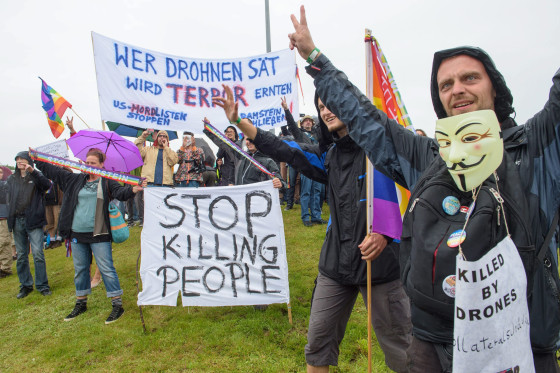
Image: Peace activists demonstrate during a 'Stop Ramstein' campaign
Protesters outside Ramstein Air Base in Germany. [Source: nbcnews.com]

 Protests receive scant coverage in the U.S. media

In early April, an unidentified Irish man climbed onto the roof of a U.S. C-130 Hercules military transport vehicle parked at Shannon Airport in County Claire, Ireland, and sabotaged its wing and fuselage using a hatchet, causing $75 million in damage.

The heroic action was part of a wave of protests at Shannon Airport, which has functioned since the end of the Cold War as a transport hub for U.S. troops and refueling and transit spot for CIA and U.S. military planes, including ones that transported prisoners to Guantánamo Bay under the infamous rendition program.

Edward Hogan is a a regular participant in the protests at the Shannon Airport who was a featured speaker at a June 6 webinar hosted by Global Women for Peace—United Against NATO, which aimed to raise awareness about the widening protests against U.S. military bases in Europe and around the world.

A former member of the Irish defense force and UN peacekeeper, Hogan said that he has been arrested eight times in protests outside Shannon Airport, which are growing in scale because of popular anger at Ireland’s complicity in the Israeli genocide in Gaza and Iran War—along with previous illegal U.S. and NATO wars like in Libya, Afghanistan, Iraq and Serbia in the 1990s.

[…]

Via https://covertactionmagazine.com/2026/06/22/u-s-military-bases-around-the-world-are-facing-growing-protest-from-an-emboldened-antiwar-movement/

Why So Many Countries Around the World Quietly Root for Iran

Iran mocks Trump in AI Lego video, showing he bombed a girls classroom ...

by | Aug 24, 2026

It’s not about Iran. It’s the threats that an unchecked America poses to others

I have been stunned by the number of officials from a wide variety of countries who, while hardly favoring Iran or feeling much empathy for the Islamic Republic, have privately expressed to me a huge sigh of relief over Tehran’s success in thwarting US-Israeli aggression.

Given that many of these officials represent countries squarely in the US camp and have deep problems with the Islamic Republic, this “tacit rooting” for Iran tells us something about the state of global affairs.

There is relief that aggression and violations of international law did not pay off for the US and Israel in Iran, just as they didn’t for Russia in Ukraine. Venezuela was, in the eyes of many, a terrifying case. Regardless of one’s views of Maduro, the idea that a superpower could surgically kidnap the head of state of another country, install its favored ruler – who must now get her social media posts approved by the US Secretary of State – and gleefully announce that Venezuela is now American territory was petrifying to a lot of countries. So was the fact that European leaders praised the regime-change operation while dismissing concerns about its legality.

Europe, which had by and large stood against the George W. Bush administration’s illegal invasion of Iraq, was now enthusiastically onboard with regime change in Venezuela, all while insisting on the sanctity of international law in Ukraine and Greenland. That lack of resistance made the cost of a US neocolonial rampage all the more manageable. And given Donald Trump’s proclivities, both friends and foes of the United States feared they could be next.

The remarkable military success in Venezuela was one reason Trump became so gung-ho about war with Iran. If Venezuela took a few hours, he believed Iran would take four days at most. He promised skeptical regional leaders that the whole ordeal would “take no longer than 100 hours,” according to an Arab official.

Six months later, he is stuck in a losing war with no end in sight. And officials around the world feel relieved because Iran’s successful resistance has effectively prevented Trump from moving on to his next targets.

As one official from a traditional American ally told me: “Had it not been for the resilience of the Iranians, Trump would likely have attacked Cuba by now and perhaps even annexed Greenland.”

It is important to understand that these sentiments have little to do with Iran. I have detected little sympathy for the Islamic Republic at the government level, although the situation appears different among general public. Rather, these sentiments are rooted in naked self-interest.

An America pursuing a naked neocolonial foreign policy is a greater threat to many countries than Iran’s closure of the Strait of Hormuz. Certainly, the latter hurts innocent countries that played no role in encouraging Trump’s disastrous war. But it is a comparatively manageable pain. Few countries, unlike Iran, have designed their militaries to repel American or Israeli aggression should they find themselves on Trump’s target list.

Indeed, I have even detected concern that Iran may open the Strait of Hormuz too soon – before Trump has committed himself to never playing neocon again. Just as Iran helped create a quagmire for America in Iraq to prevent the Bush administration from invading Iran next, many countries now secretly hope Trump remains stuck in the Persian Gulf for the foreseeable future. It may be the most effective guarantee that his regime-change and annexation spree comes to a halt.

What we are seeing is a world yearning for balance. And from the perspective of many countries—not just those in the Global South – the United States is the country that most acutely needs to be balanced against.

Not Russia. Not Iran. Not North Korea. And certainly not China.

That is not an endorsement of any of these countries, their governing structures, domestic policies, or ideologies. Nor is it a dismissal of the threats and challenges they pose in their respective regions. It is simply a cold and sober assessment of where the most pressing threat emerges from.

We saw a variation of this in 2022, when Russia invaded Ukraine. The vast majority of countries in the Global South sympathized with Ukraine for obvious reasons, even if they also placed some blame on NATO. But they did not see Russia as a threat to themselves, because Russia lacked the capacity to replicate its invasion of Ukraine in Africa, for instance.

Then Washington cut Russia off from the international financial system within five days, and alarm bells rang in capitals around the world. Not because they sympathized with Russia or believed the sanctions were unwarranted, but because the US had demonstrated that it could devastate economies around the world within days, given their dependence on the dollar for trade.

Russia’s invasion of Ukraine revealed no comparable vulnerability of Global South states to Russian designs. Washington’s swift sanctions response, however, revealed a massive vulnerability to American whims and capabilities.

That threat may have been theoretical in 2022. After all, Biden showed no inclination to wield that weapon for the fun of it. Today, it is anything but.

Being a friend of America provides you with no protection from Trump’s mood swings. A Western diplomat recently told me about her efforts to convince her leadership not to push for a state visit to Washington. “Nothing good can come of it. It’s just better to not be on his radar,” the diplomat of an allied state told me.

Just as in the jungle, there is protection in not being noticed by the top predator.

This reality demonstrates once again how disastrous the Iran war – and neoconservative foreign policy more broadly—has been for the United States itself. All states seek to amass power. But responsible statecraft and diplomacy ensure that power is not unnecessarily perceived as a threat by other nations, which will have no choice but to find ways to balance against you.

Or, as we are now seeing, to balance against you by proxy.

Don’t get me wrong, I am not saying that the world wants America to lose. But it increasingly wants America to be balanced and constrained.

[…]

Via https://original.antiwar.com/trita-parsi/2026/08/23/why-so-many-countries-around-the-world-quietly-root-for-iran/

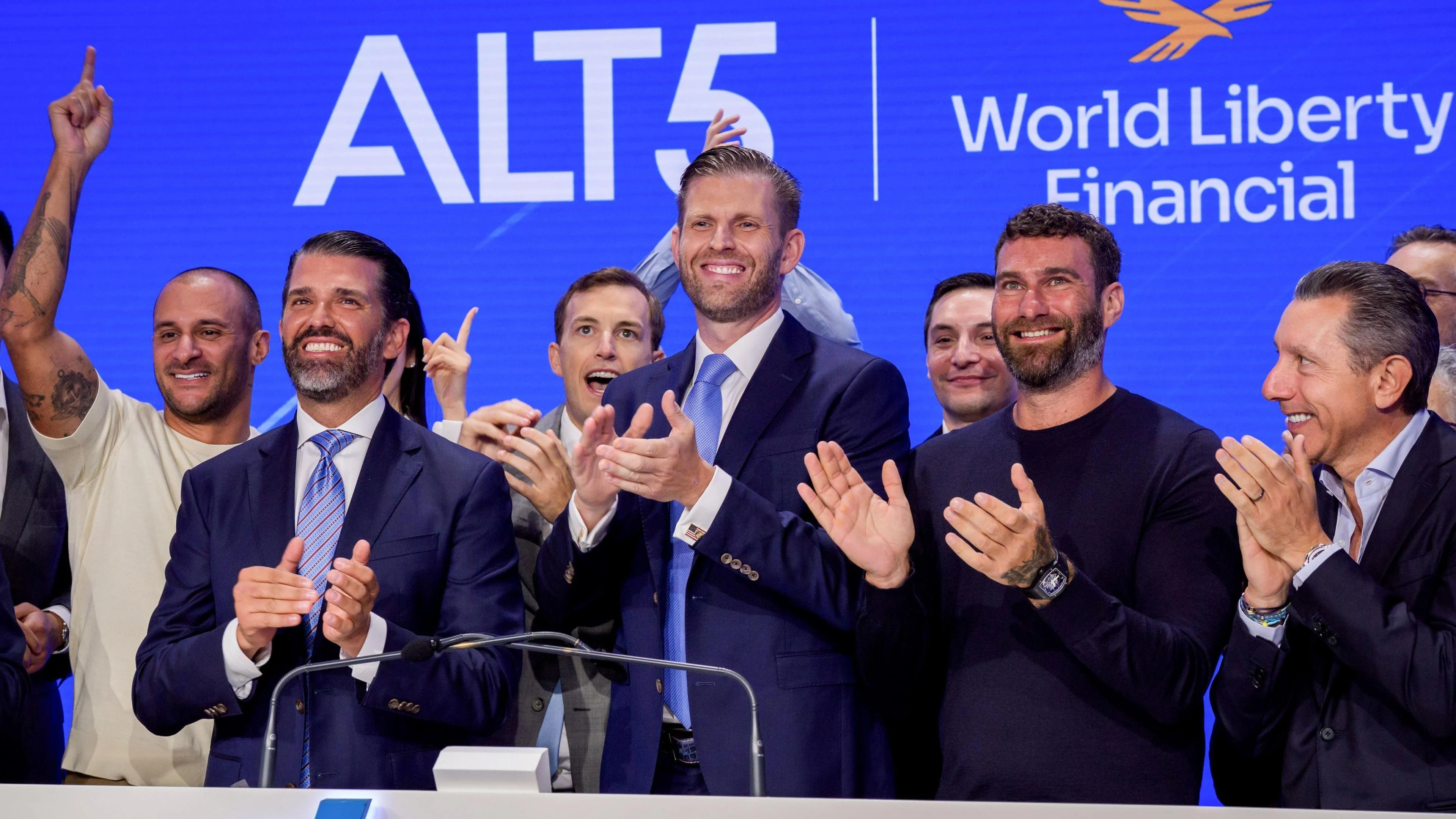
Trump-linked crypto firm wins preliminary approval to establish bank

(Photo credit: Bloomberg/Getty)

The Cradle

AUG 24, 2026

The US president has loosened regulations governing the issuance of new bank charters, allowing his family’s World Liberty Financial to win early approval to establish a banking trust to back its stablecoin

US President Donald Trump’s relatives and their business associates have won preliminary approval to establish a bank amid a deregulation push that is creating a wave of new banks tied to fintech and digital-asset firms, Bloomberg reported on 24 August.

The Trumps received preliminary approval for World Liberty Trust Company, a sister entity to the president’s cryptocurrency firm World Liberty Financial, which issues USD1 stablecoins.

By establishing the bank trust, World Liberty will be allowed to hold assets such as US Treasuries as collateral to back its USD1 stablecoin directly.

The move could “potentially add legitimacy to the stablecoin and could even offer access to cheap funding or a government bailout in the event of a crisis,” Bloomberg noted.

The Trump family’s proposed bank holding company listed Zachary Witkoff, the son of Trump’s close friend and special envoy Steven Witkoff, as the trust’s board chairman.

Bloomberg noted that Zachary Witkoff and other officers listed in the application for the charter have never run a bank before.

One of the proposed directors includes the executive of a car dealership group and a brokerage firm.

Under Trump, the Office of the Comptroller of the Currency (OCC) has loosened banking regulations, leading to a wave of approvals for new banks, including many related to the crypto and fintech industries.

World Liberty joins stablecoin issuer Circle, consumer bank Nu Holdings Ltd., and cryptocurrency exchange Coinbase Global Inc., which have received approval in recent months from the federal banking oversight agency.

The OCC has approved 22 bank charter applications since Trump returned to office 19 months ago, more than the number it issued in the past five years combined, data from the agency shows.

Jonathan Gould, whom Trump appointed as head of the regulatory agency, said in testimony to Congress in June: “The OCC is open for business again.”

Trump’s role in loosening OCC regulations comes amid accusations of conflicts of interest for the president.

“That’s led to concern among Democratic lawmakers that USD1 could serve as a pathway to currying favor with the president while simultaneously enjoying a light touch from regulators,” Bloomberg wrote.

“Critics are missing the point: World Liberty Financial is embracing regulation, not avoiding it,” claimed David Wachsman, a spokesman for the company.

“A national charter would place World Liberty Trust Company under permanent federal oversight by the OCC – well beyond the duration of the Trump administration.”

Prominent stakeholders, including the president’s son, Eric Trump, and a businessman tied to the Abu Dhabi royal family, have reportedly signed agreements limiting their direct management influence over the bank.

Bloomberg drew parallels between the current loosening of banking regulations and events from the 1980s and 1990s known as the “Savings and Loan Crisis.” Over 1,000 small banks and lenders in the US collapsed, eventually costing taxpayers $132 billion to return stolen money to depositors.

[…]

Via https://thecradle.co/articles/trump-linked-crypto-firm-wins-preliminary-approval-to-establish-bank

CIA and Mossad Created ISIS and Al-Nusra

The story behind al-Julani, the sitting President of Syria, is filled with contradictions.

It is claimed Julani joined al-Qaeda during the Iraq War initiated by Bush. He was captured in 2006 and imprisoned at Camp Bucca until 2011, although the Camp shut down in 2009 and was handed over to the newly-installed Iraqi government. Camp Bucca was the staging ground for ISIL(ISIS) detaining 100,000 Iraqis during the war.

Situated in the middle of the desert, hundreds of detainees died, abuse was rampant, riots were the norm. It is where ISIL (ISIS) was born. It is where al-Julani was trained by US Forces to become the leader of al-Nusra with the goal of assassinating Assad and taking over Syria. Before al-Nusra was labeled a terrorist organization, it was working alongside the US.

Operation Timber Sycamore

The CIA program that ran from 2012 to 2017 to train and arm Syrian rebel groups fighting to remove President Bashar al-Assad from power was called Timber Sycamore. Al-Julani and al-Nusra were not terrorists, they were CIA assets. Foreign partners included Saudi Arabia, UK, and Jordan. Camp Bucca was the source of men, explaining why Julani was greeted warmly by President Trump and given Syria as a gift.

Israel took advantage of that gift when it took over the ‘buffer zone’ established by the UN. Things have quickly gotten muddied from the point of view of the CIA and Israel as Julani welcomes Erdogan into Syria as an ally. Israel and Turkey are abject enemies and now Turkey is aligned with Saudi Arabia and Pakistan. A strategic move. Two days ago, Israel bombed the Syrian base Julani told Erdogan he could occupy. If Israel kills anyone, war is likely to shift dramatically.

Also two days ago, ICE arrested Blerim Skoro and is attempting to deport him to Kosovo. Skoro was also a CIA asset rooting out al-Qaeda members for arrest and is fighting against his deportation. In addition, his CIA anonymous cover has been broken and he stands to be assassinated.

Syria has been a CIA target since its first coup was initiated in 1949, one year after Israel’s statehood was brokered. Miles Copeland, Jr., the CIA’s Damascus Station Chief recounted the coup in Syria, as well as in Egypt and Iran in his 1989 book entitled, The Game Player; Confessions of the CIA’s Original Political Operative. Another coup was successful in 1954, another in 1963, another in 1966, and yet another in 1970 that brought the Assad family to power.

Assad had friendly relations with America until America turned into Israel. At that point, the US dropped relations, incited protests, and began bombing under the pretext that Syria supported ISIL, the same ISIL created by the CIA and Mossad at Camp Bucca. Saddam Hussein underwent the exact same alliance to enemy status. This is what Iran refers to when Rubio promises to make Iran very wealthy if they just give up their country. The same promise made to Iraq, Yemen, Syria, Libya, Haiti, etc.

Counterintelligence Chief, James Angleton, a protégé of Allen Dulles, first saw the opportunity to create a relationship with Israel’s Mossad in the 60’s. In 1973, the Yom Kippur War saw Israel losing to Egypt and Syria. Under President Nixon and CIA director, William Colby, US military assistance to Israel increased formidably. Israel with America’s assistance won the war and an allegiance was formed. But it was Henry Kissinger who negotiated diplomacy while engaged within the cabal of the Zionist Deep State.

The first Jewish Secretary of State, Kissinger, was known to forego moral and ethical ideologies in favor of regime change, coups, and assassinations. He expanded the Vietnam War, bombed Cambodia without authorization, destabilized Chile and El Salvador, helped incite Argentina’s dirty war, hated Palestinians, and advocated for kidnappings and torture. A true Zionist at heart!

For these wars, Kissinger was awarded the Nobel Peace Prize. Trump took his cue.

The Middle East has undergone favor and disfavor for its entire existence post WWI. It has endured the wrath of Israel and America. When Trump came to power in 2017, his goal for securing the friendship of the Saudis was simply to secure their vast wealth for himself. “Allies are useful idiots” – this is his mantra. Trump’s CIA continues operations in Ukraine against Russia – despite Putin being his ‘good friend.’ This is the art of the deal — to defraud your enemies for money while pretending to be their friend.

Unfortunately, that would include Americans.

AIPAC was founded in 1954 as the American Zionist Committee For Public Affairs. Its founder, Isaiah Kenen, initially organized AIPAC  to counter international criticism of Israel’s Qibya Massacre of Palestinian villagers that year. Israeli PM Ariel Sharon orchestrated the massacre of mostly women and children ordering maximum collateral. It was condemned by most countries across the globe including the US. The purpose of AIPAC was to redefine history and claim Jewish victimhood. It worked. The propaganda was sold.

In the late 1980’s early 1990’s, Epstein was recruited based on his extensive ties to a slew of millionaires.

At the time, Itzak Shamir (given name Yezernitsky) was PM of Israel. Shamir was the leader of the Israeli Terrorist Group – Lehi and served ten years as a Mossad agent before becoming PM and orchestrating the Epstein Operation of blackmail. Shamir was succeeded by Yitzhak Rabin, a former leader of the Terrorist Group Haganah which was the predecessor to the IDF. He was assassinated in 1995 by an Israeli law student.

[…]

Via https://www.globalresearch.ca/collaboration-cia-mossad-created-isil-al-nusra/5937679

Turkey Issues Arrest Warrant For Netanyahu, Seeks Interpol Red Notice

AFP/Getty Images

Zero Hedge

Aug 23, 2006

Turkey has escalated its anti-Israel actions, after months of denunciations connected to its Gaza, Syria, and Iran policies – and is once again taking things to new levels.

The Erdogan government has just issued an international arrest warrant for Israel’s Prime Minister Benjamin Netanyahu as part of an investigation into Israel’s interception of an aid flotilla for Gaza, which happened in mid-May and involved over 50 vessels and nearly 500 international activists.

Justice Minister Akin Gurlek announced Friday on X that Netanyahu and another top official are wanted for “genocide” related to military actions in Gaza.

“We categorically reject the notion that the Netanyahu administration, which is implementing a genocide policy in Gaza, is untouchable and unaccountable,” Gurlek said.

“We will not allow the crimes committed in Gaza to be covered up or the perpetrators to be shielded by impunity. We will resolutely utilize all possibilities of national and international law,” the Justice Minister added.

Gurlek vowed that Turkey will continue to support the Palestinian people and won’t halt its pursuit of justice until “those who commit crimes against humanity are held accountable before the law.”

Israeli official Afek Moskovitch has also been named as part of the anti-flotilla crackdown, which Ankara says was a severe violation of international law and maritime norms. Turkey has asked Interpol to issue red notices for the Israeli officials’ arrest.

Israeli media has picked up on the provocation from Turkey, and details the following:

Gurlek said arrest warrants for Netanyahu and Moskovitch were issued on July 14 on a genocide charge, prompting the Justice Ministry to ask the Interior Ministry to pursue the Interpol notices. The case before Istanbul’s 11th High Criminal Court names 35 defendants.

The proceedings concern the interception of activists seeking to deliver aid to Gaza and their subsequent detention. Gurlek said the charges include crimes against humanity, genocide, unlawful deprivation of liberty, torture, intentional injury, property damage, aggravated robbery and hijacking.

This is not the first time that Turkey has issued an arrest warrant for Netanyahu. It did so in 2025 related to supporting the International Criminal Court (ICC) case targeting Israeli leaders.

Given years of ratcheting tensions between the two countries, it remains extremely unlikely that Israeli leaders would ever travel to Turkey anyway, but this will continue to also cause problems and create pressures for regular Israeli tourists.

This past week, Israel attacked a northern airbase in Syria, and reports speculate that it was really about pushing back Turkish military forces, and to ensure that no Turkish foothold could be established there. The destroyed base is in Idlib province, and is believed to have been abandoned since Assad’s overthrow.

[…]

Viahttps://www.zerohedge.com/geopolitical/turkey-issues-arrest-warrant-netanyahu-seeks-interpol-red-notice

Iran ‘reviewing invitation’ to join Mecca Joint Defense Agreement

(Photo credit: AFP)

The Cradle

AUG 23, 2026

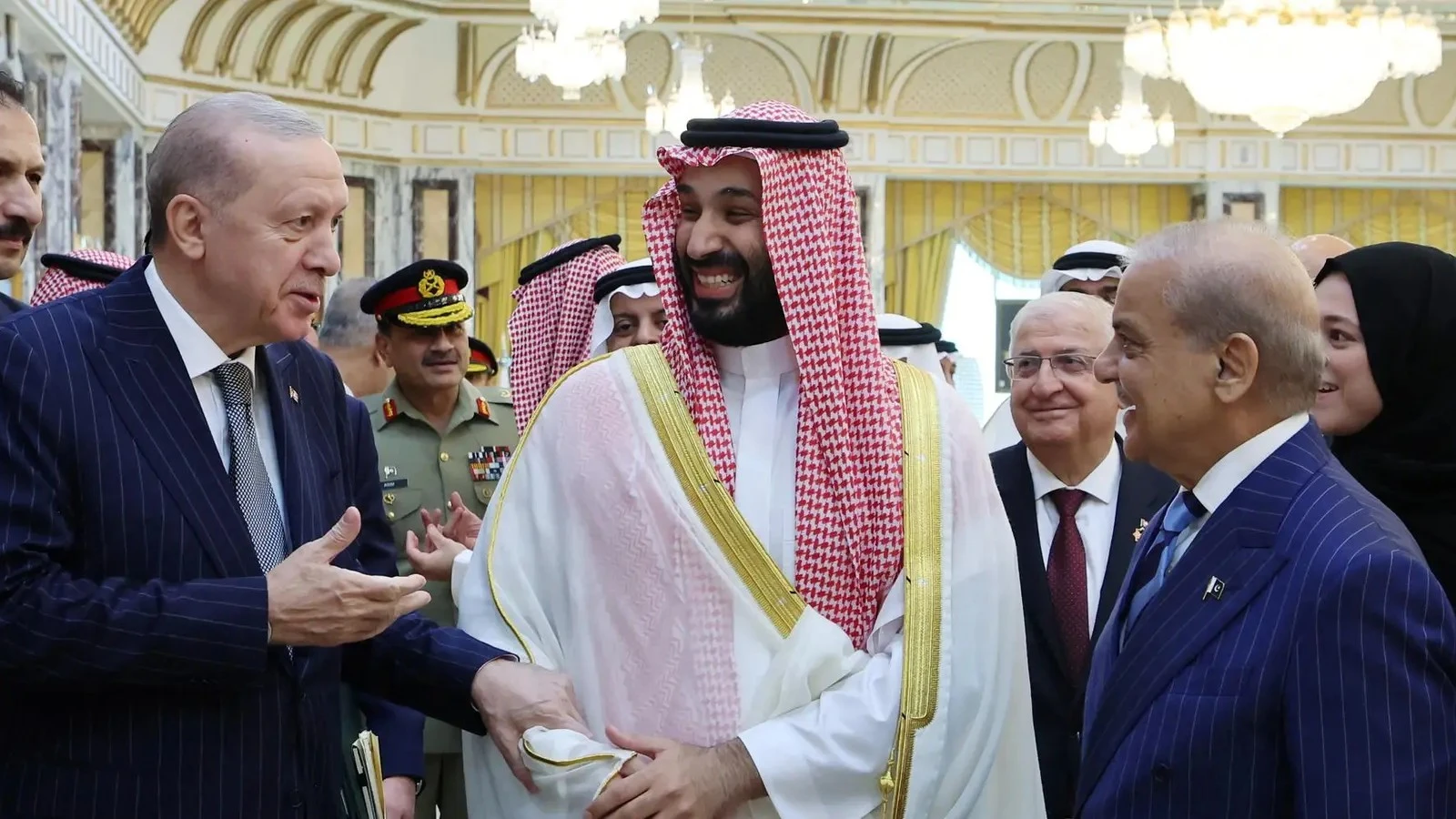
The Mecca Agreement was signed earlier this month by Turkiye, Saudi Arabia, and Pakistan, with all three countries vowing to defend each other

Iran is reviewing an invitation to join the Mecca Joint Defense Agreement signed by Pakistan, Saudi Arabia, and Turkiye, the head of the Iranian parliament’s official news agency said in an interview with Al Mayadeen on 23 August.

Mehdi Rahimi stated Iran had received an invitation to join the agreement and was currently considering the proposal.

Rahimi praised the “efforts of states in West Asia to create a regional security umbrella,” saying Iran has long advocated for such an initiative.

The recent war with Iran proved to everyone that Washington destabilized West Asia instead of fulfilling its promises to provide its allies in the region with security, he added.

The invitation has not yet been officially confirmed by Iran’s Foreign Ministry or by any of the three members of the Mecca Agreement.

The agreement was signed on 7 August by Saudi Crown Prince Mohammed bin Salman (MbS), Turkish President Recep Tayyip Erdogan, and Pakistani Prime Minister Shehbaz Sharif.

It establishes a principle of mutual defense similar to Article 5 of the NATO Treaty under which an attack on any one of the three countries would be considered an attack on all of them.

Iranian Foreign Ministry spokesman Esmail Baghaei said on 10 August that Tehran had “no reason for concern” over the establishment of the alliance.

In a written interview published by Saudi newspaper Asharq al-Awsat on 12 August, Turkish President Erdogan stated the agreement was not limited to its original members and that Ankara hopes it will grow to include every country in the region.

“Our vision for it is not limited to the three countries,” Erdogan said, “rather, we aspire for it to grow, and perhaps appropriate conditions will emerge one day for all countries of the region to gather under its umbrella, which would be the optimal step toward achieving lasting stability throughout the region.”

The Turkish president said it would be a mistake to treat the agreement as a reaction to the US-Israeli war on Iran and its cascading global effects, saying the step “was not born of the moment” and that the proposal had come up multiple times between the three signatories and other regional states.

However, the push for the pact followed the US-Israeli war on Iran, which began on 28 February and left Gulf states doubting the worth of Washington’s security umbrella after Iranian retaliation fell heavily on states hosting US bases.

As Erdogan opened the trilateral defense pact to new joiners, three Saudi sources told Middle East Eye (MEE) that Riyadh opposed Egypt’s inclusion, citing frustration with President Abdel Fattah el-Sisi’s government over its regional alignments and a belief that Cairo no longer carries the strategic or military weight it once did.

[…]

Via https://thecradle.co/articles/iran-reviewing-invitation-to-join-mecca-joint-defense-agreement-report

US Republican rejects public AIPAC campaign as Israel lobby becomes liability

(Photo credit: AP Photo/Paul Sancya)

The Cradle

AUG 23, 2026

The campaign of Mike Rogers in Michigan marks the first time that support from the pro-Israel lobby may be damaging for a Republican candidate

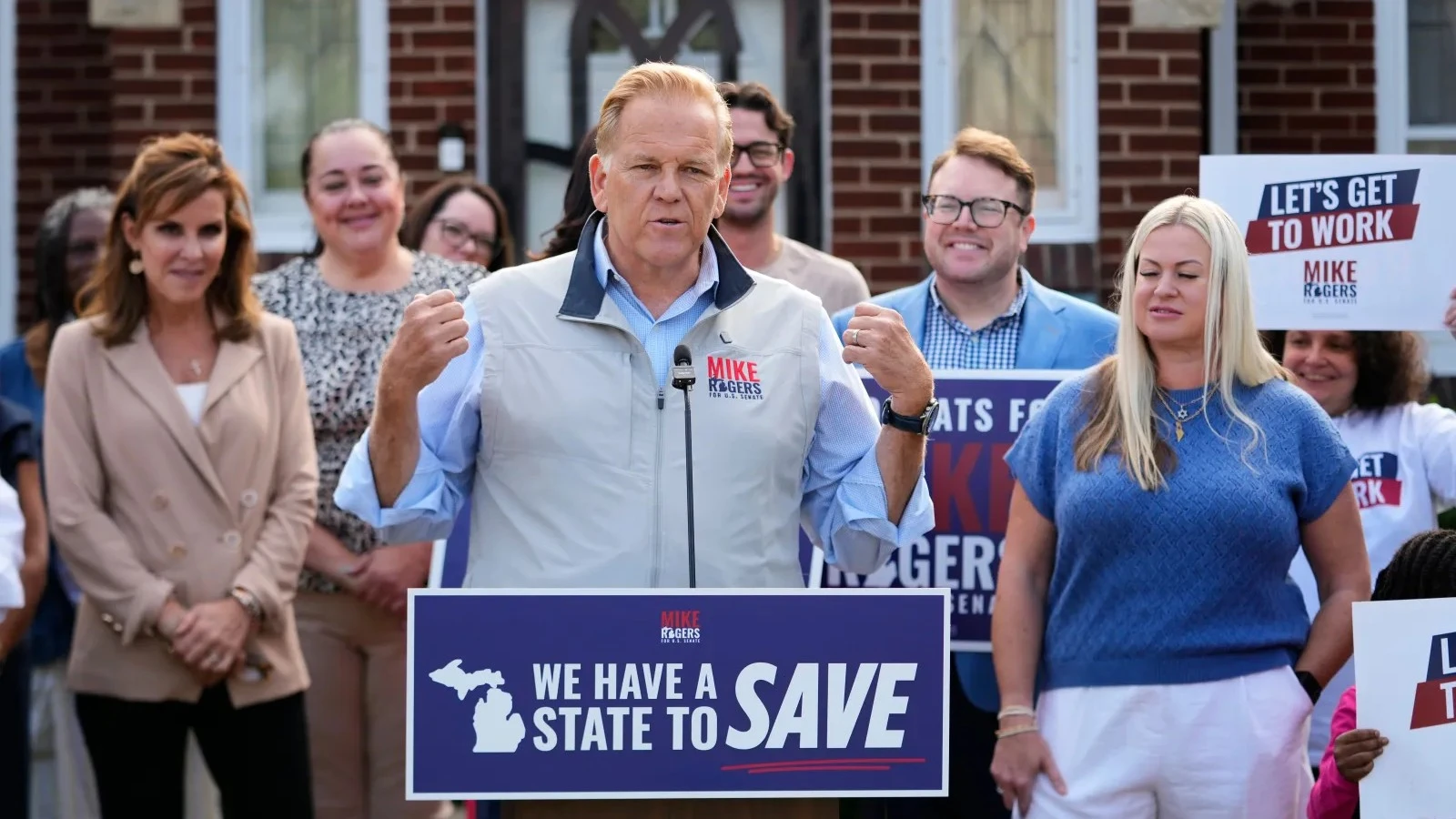
The Republican nominee for the Michigan Senate race, Mike Rogers, has asked the Israel lobby not to publicly campaign on his behalf, fearing it will be a liability rather than an asset amid anger among US voters over Israel’s genocide of Palestinians in Gaza, Axios reported on 22 August.

After Rogers met with American Israel Public Affairs Committee (AIPAC) chair Michael Tuchin in Los Angeles last week, the lobby group canceled the release of campaign ads targeting Rogers’ Democratic opponent, Abdul el-Sayed.

Sayed narrowly defeated Haley Stevens in the Democratic primary earlier this month, despite AIPAC spending $30 million on advertising for her campaign.

Sayed regularly expressed his opposition to Israel and its actions in Gaza during the primary, while pointing to Haley Stevens’ support from the Israel lobby.

Rogers’ request reportedly angered AIPAC chair Tuchin, who was prepared to spend similarly massive amounts to help his campaign, according to people familiar with the conversations.

“The extraordinary tension underscores how far AIPAC’s political standing has fallen amid voters’ anger over the war in Gaza,” Axios wrote.

Though Rogers is a strong supporter of Israel, he reportedly fears that open support from the Israel lobby would be a liability in the upcoming November election, which will determine whether Republicans will maintain control of the Senate.

Sayed was born in Michigan to parents who immigrated from Egypt. He served as a public health official in the state after graduating from medical school at Columbia University. If elected in November 2026, he will become the first Muslim senator in US history.

AIPAC made it a priority to defeat Sayed, who has called Israel a “rogue state” and described Tel Aviv’s actions as genocide and apartheid.

After winning the Democratic primary, he taunted the Israel lobby, saying “AIPAC, if you’re listening, come back and burn it again.”

According to Axios, Rogers still wants help from AIPAC, but in a way that does not put the group’s name “front and center,” such as by making donations to a pro-Rogers super PAC rather than running its own ads on Rogers’ behalf.

But AIPAC officials insisted they want a “visible role” in defeating Sayed.

Public opinion in the US has turned against Israel since 2023, when it launched its genocide of Palestinians in Gaza, killing over 73,000 people, the majority women and children.

Anger towards Israeli policies is strongest among Democratic voters, leading to a string of high-profile defeats for AIPAC-backed candidates in Democratic primaries this year.

On Thursday, Aisha Wahab won a special election in northern California, allowing her to serve out the remainder of Congressman Eric Swalwell’s term.

Wahab, a progressive Democrat of Afghan heritage, won the election despite massive spending by outside groups, including AIPAC.

She says she opposes US military aid to Israel and has called Israel’s actions in Gaza genocide. AIPAC was determined to defeat Wahab even though, unlike Sayed, she has not been particularly outspoken in her opposition to Israel.

“She’s not an anti-Zionist,” Tye Gregory, chief of the Jewish Community Relations Council in San Francisco, told Israeli newspaper Haaretz.

In June, three Democratic candidates known for their opposition to Israel won primaries for Congressional seats in New York.

Brad Lander, Claire Valdez, and Darializa Avila Chevalier all won Democratic primaries and are expected to defeat Republican opponents in November’s general election easily.

According to Responsible Statecraft (RS), the US relationship with Israel and funding from AIPAC “became central components in each of these races.”

[…]

Via https://thecradle.co/articles/us-republican-rejects-public-aipac-campaign-as-israel-lobby-becomes-liability

Trump, Vance and Bessent try to calm the bond market with ‘alternative facts’

Don’t believe the bond market. Believe me.

Don’t believe the bond market. Believe me. Photo: Andrew Harnik/Getty Images

Maybe this stuff works on TV or on the stump. But it doesn’t work on Wall Street, where people can count.

It’s even worse than you think.

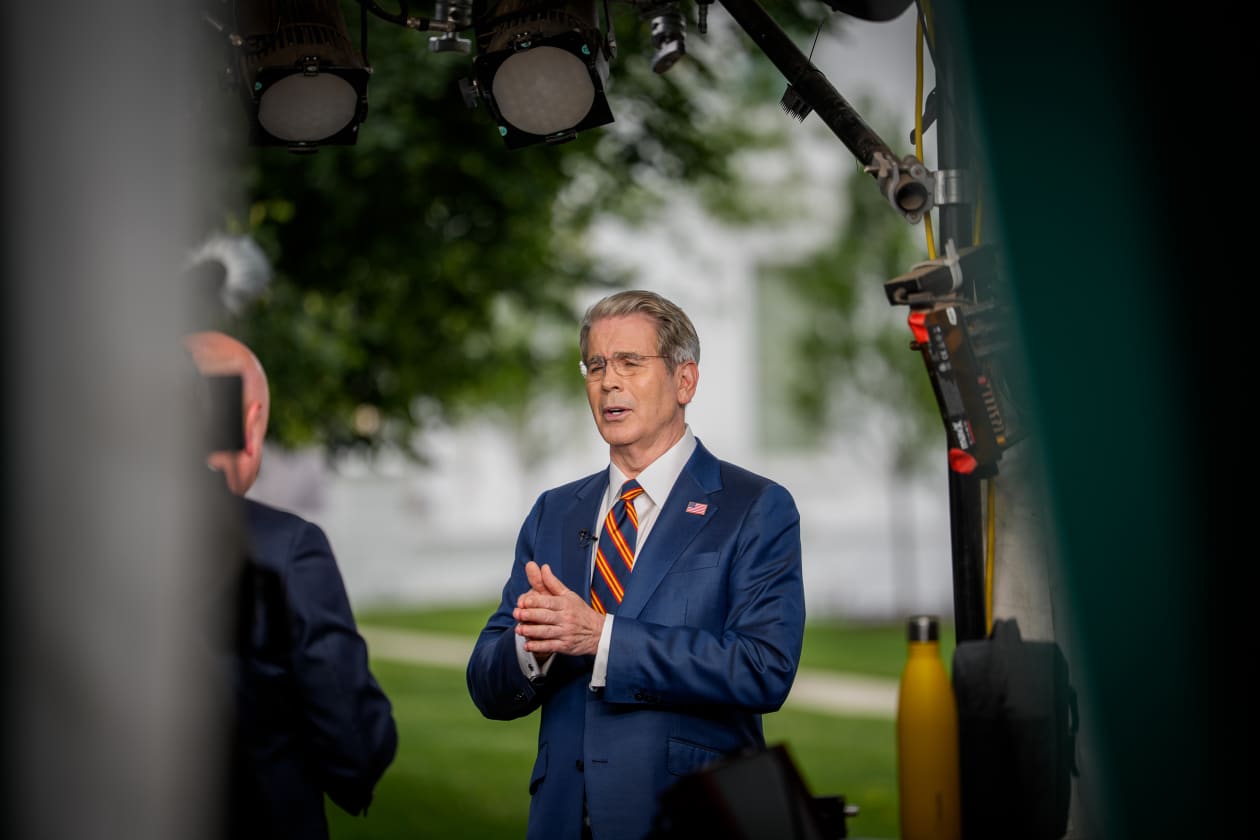
In response to the growing crisis surrounding the bond market and the national debt, President Donald Trump, Vice President J.D. Vance and Treasury Secretary Scott Bessent are trying to talk the crisis down.

And they are doing so with their usual brand of nonsense and … er … “alternative facts.”

The most charitable explanation is that they simply think the $40 trillion Treasury bond market has somehow got it wrong and is mispricing interest rates and risk. That would be truly remarkable — and would offer the greatest one-way bet in financial history.

Presumably, if the administration honchos really think that is the case, they will rush out today and throw all of their money into these grossly undervalued bonds.

And presumably the same goes for MAGA supporters across America. If short- and long-term interest rates got back to where they were when President Donald Trump left office in January 2021, the Pimco 25+ Year Zero Coupon U.S. Treasury Index ETF ZROZ -0.67%, which holds the longest-dated U.S. Treasury bonds, could be expected to rise more than 150% from current levels.

Good luck with that.

Trump’s remarks were actually the least egregious of the trio. He said on Thursday that because the U.S. economy was “strong,” interest rates “should go down.” This is not correct, but it’s just false reasoning.

Trump, as a businessman who made infamous use of excess debts during his decades reeling from one corporate bankruptcy to another, is likely confusing the interest rate on corporate debts — like the ones his company issued — with the interest rate on national debts.

When a corporation is doing well and is financially secure, then, yes, the interest rate on its bonds will decline because investors will consider them safer.

But government bonds are different. When a national economy is strong — let’s assume, for the sake of argument, that it is right now — that doesn’t mean the interest rates on those bonds should go down. On the contrary, when a national economy is strong, bond rates typically rise, partly because there are so many competing demands on the money — i.e. investment — and partly because a booming economy tends to push up inflation.

This is why Treasury interest rates collapse in a recession or depression — such as during in the global financial crisis or the pandemic lockdowns.

Vance, meanwhile, blamed the looming bond crisis on the “debt bomb” this administration supposedly “inherited” from the Biden administration. Maybe this stuff works on TV or on the stump. But it doesn’t work on Wall Street, where people can count.

The gross U.S. national debt at the end of 2024 — in other words, at the end of the Biden administration — was $35.2 trillion, as reported by the independent Congressional Budget Office. (See Table B-3, here.)

Today it’s $40 trillion. It’s risen nearly $5 trillion in a year and a half.

In January 2025, when Trump took office for the second time, the CBO projected that the national debt would reach $39.2 trillion by the end of 2026. We have already blown past that, months ahead of schedule. In other words, the debt hasn’t just risen by almost $5 trillion so far under Trump, but it’s already risen about $1 trillion more than was forecast.

Darn that Joe Biden!

Meanwhile, Bessent was on TV claiming that there is a “very good chance” that federal deficits have “peaked.” He also claimed the U.S. economy could “grow our way out” of the debt problem.

Both these claims would come as news to anyone looking at the data. According to the last analysis by the CBO, the deficit this year is higher than last year and will continue to climb for the rest of Trump’s term in office. The 2025 federal deficit was $1.78 trillion. This year’s is forecast to be $1.85 trillion. Next year, it will be $1.89 trillion, and in 2028 it will be $20.8 trillion. If Bessent’s calculator is telling him those numbers are going down, he can borrow mine.

Actually, the picture is even worse, because this week the CBO said that the Supreme Court ruling against most of the Trump administration’s tariffs would add hundreds of billions more to these deficits. While Bessent says new tariffs will replace the old ones, that won’t affect the numbers, which already include the tariffs.

As for growth, the CBO predicts that U.S. annual GDP will grow by $14.8 trillion over the next 10 years. The national debt, meanwhile, will grow by $24.3 trillion, or nearly $10 trillion more than GDP.

The U.S. economy would have to grow 25% faster per year than forecast just to keep up, meaning a growth rate of 5% a year instead of the expected 4%.

If you really believed what Trump, Vance and Bessent are saying about the debt, you would be buying high-risk, long-term zero coupon Treasury bonds. So too would all the members of the administration’s “Hallelujah” chorus in Congress. And those members of the administration’s extended circle who are, ahem, free to trade.

The bullish case for bonds rests more on hopes that the Federal Reserve will bring back “quantitative easing” and start printing money to buy up long-term Treasury bonds. Stay tuned.

[…]

Via https://www.marketwatch.com/story/trump-vance-and-bessent-try-to-calm-the-bond-market-with-alternative-facts-8e424378

US Meddling In Brazilian Elections, Preparing For Possible Military Intervention

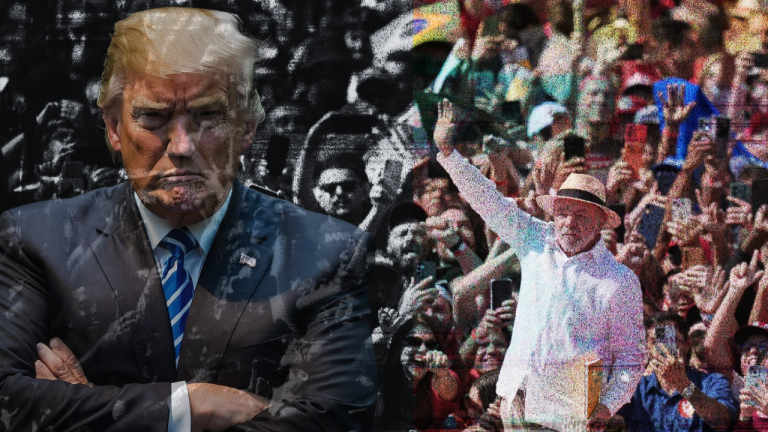
(MintPress News) The United States is interfering in the Brazilian presidential elections, pressuring the Brazilian electorate into voting for right-wing candidate Flavio Bolsonaro, the son of disgraced former president, Jair Bolsonaro. If that does not work and President Lula da Silva secures a fourth term in office, the groundwork is already being laid for a potential military intervention. From sanctions and economic warfare, to coaching influencers and journalists on how best to attack the left-wing government, the Trump administration is doing everything it can to overthrow Lula.

Meanwhile, the State Department’s recent decision to designate Brazilian gangs as “foreign terrorist organizations” just as it did with Venezuela’s Tren de Aragua, signals a willingness to intervene militarily.

Brazil is Trump’s next target, and builds upon recent U.S. and Israeli interference in May’s Colombian elections, where pro-Trump candidate Abelardo de la Espriella won a razor-thin victory.

MintPress examines the Trump administration’s attempts to undermine Brazilian democracy and install another Bolsonaro back into power.

A Thumb on The Scale

Brazil’s October elections are rapidly approaching, and while thirteen people are standing for president, two principal candidates have already emerged: current left-of-center president Lula da Silva, and far-right challenger, Flavio Bolsonaro. Flavio is the son of disgraced former president, Jair (sentenced to 27 years in prison for leading a January 6th-inspired coup attempt), and the brother of Eduardo (convicted in absentia for lobbying the United States to intervene in his father’s trial).

It is obvious which candidate Washington prefers. The Bolsonaro’s are politically, ideologically, and personally very close to the MAGA movement, and Flavio has already promised that, if elected, his country will become one of the U.S.’ closest allies.

Lula currently holds a double-digit lead on Bolsonaro (40% to 28%, with no other candidate holding more than 10% of the public’s voting intentions). But Brazilian politics can change very quickly; in 2018, Lula held a 20-point lead over Jair Bolsonaro when the Brazilian Supreme Court blocked him from running. He was imprisoned on bogus charges in a case orchestrated by the U.S. government, leaving the path clear for Bolsonaro’s victory.

Lula has sounded the alarm that Brazilian democracy is once again under threat from Washington. “As far as I’m concerned, [Trump] can continue liking Bolsonaro, the father, the son, the grandson… There is no problem with that. It’s his problem. There’s no accounting for taste,” he said. “Now, don’t meddle in the Brazilian elections, because the Brazilian elections are a Brazilian problem, just as American elections are their business, not mine,” he added: “All I want is the same respect for Brazil that I have for the United States. That’s it.”

Washington, however, has other ideas. On May 26, Flavio Bolsonaro traveled to Washington to meet with Trump, Vice President J.D. Vance, and Secretary of State Marco Rubio to sell them on the concept of military intervention in Brazil. Two days later, the U.S. State Department designated two Brazilian gangs, Comando Vermelho and Primeiro Comando da Capital, as “Specially Designated Global Terrorists” and “Foreign Terrorist Organizations, a decision that Brian Mier, an American journalist who moved to Brazil in 1991 and is now Brazil correspondent for TeleSur English, described as “a preemptive move to possibly invade if Lula wins reelection.”

In 2025, the State Department did the same with Venezuelan gang, Tren de Aragua. Just months later, the U.S. carried out an operation to kidnap President Nicolás Maduro, decapitating the Venezuelan government.

Free Speech or Hate Speech?

Mier noted that the United States government is also actively coaching Brazilian influencers in methods and techniques to best attack Lula and the government. Earlier this year, it was revealed that the U.S. Consulate in São Paulo held a series of workshops with selected prominent right-wing figures.

One of these is influencer Maria Fernanda Schmidt, who confirmed the validity of the reporting by posting a set of pictures of the event on her Instagram. “It was an excellent opportunity to share with diplomats the challenges faced by influencers, journalists, and content producers in the digital environment, in an enriching dialogue about the direction of freedom of expression in Brazil,” she wrote.

The U.S. Consulate has also arranged for visas and trips to the United States for local journalists. The objective was to entice them into attacking Lula and promoting Bolsonaro’s candidacy by promoting the U.S.-backed line that freedom of speech and freedom of expression is under attack in Brazil, thanks to Lula’s government.

This idea is based largely on a 2024 spat between Brazilian authorities and U.S. billionaire Elon Musk. Musk refused to comply with a Brazilian court order to delete far-right accounts on Twitter (now officially called X) that broke the country’s hate speech and misinformation laws. Musk, a champion of far-right politics himself, and someone who has openly used his platforms to promote regime change around the world, refused to do so, leading to X’s temporary shutdown across Brazil.

“Powerful actors in the Trump administration and Republican Party as well as Silicon Valley tech allies and pundits who make up part of the integral U.S. state (Steve Bannon, Elon Musk, Peter Thiel, Michael Shellenberger, etc.) have been working closely with the Bolsonaro family since Jair Bolsonaro first ran for President in 2018,” Mier told MintPress.

Its no secret that the Brazilian right-wing are deeply influenced by the MAGA movement. Indeed, Brazil even had its own January 6 moment – on January 8, 2023. After he lost the 2022 presidential election to Lula, Flavio’s father, Jair Bolsonaro took to the airwaves denouncing the result, claiming irregularities, and calling for an insurrection. Thousands of people marched on the streets in Brasília, rioting and calling for the military to intervene.

Like the United States’ January 6, the rioters were unsuccessful. But unlike in America, Bolsonaro was held to account for his coup attempt, and was sentenced in 2025 to 27 years in prison.

There is little doubt of his guilt. During his trial, Bolsonaro admitted that he met with top Brazilian generals to discus how to hold onto power, even after losing the election.

Trump, however, was incensed by the decision. “The way that Brazil has treated former President Bolsonaro, a Highly Respected Leader throughout the World during his Term, including by the United States, is an international disgrace,” he said, demanding the immediate end of the trial. Trump placed punishing economic sanctions on Brazil, and against the country’s Supreme Court Justice, Alexandre de Moraes.

This decision was likely influenced by Jair’s son and Flavio’s brother, Eduardo, who heavily lobbied the Trump administration on his father’s behalf, demanding his country be sanctioned. Brazil considered this an attempt to pervert the course of justice, and sentenced Eduardo to four years in prison in absentia. He currently lives in a mansion in Texas and cannot return to his homeland. There, he plays a similar role to what Maria Corina Machado did in Venezuela, lobbying the U.S. to militarily intervene in his country to put his family back in power. In October, he publicly called for the U.S. military to bomb Rio de Janeiro under the guise of fighting drug trafficking.

Trump also commented on Eduardo’s trial, although he appeared to believe Eduardo is his sibling, Flavio.“ I hear they arrested somebody that’s running for office today,” Trump said in June. “ I heard that they arrested the Bolsonaro junior, who was doing well in the polls.” In fact, it is Flavio Bolsonaro who is running for president.

Economic and Diplomatic Warfare

If elected, Flavio has promised the United States considerable influence inside the country, offering the Trump administration control over his transition team. This would mean, according to some, that U.S. officials would take considerable power over of Brazil’s economy and society, in a not too dissimilar way in which they controlled Iraq.

The upcoming elections between Lula and Flavio Bolsonaro are also taking place in a context in which the United States is actively trying to crash the Brazilian economy, in order to sink Lula’s chances. The United States has placed sweeping 40-50% tariffs on Brazilian goods, with more in the pipeline. These measures were quite different to the generalized tariffs placed on much of the world last year. For one, the U.S. actually maintains a healthy trade surplus with Brazil, unlike most other countries. Secondly, in his executive order, Trump explicitly stated that (emphasis added):

“Should the government of Brazil take significant steps to address the national emergency declared in this order and align sufficiently with the United States on national security, economic and foreign policy matters described in this order, I may further modify this order.”

The clear implication of this statement is that Brazil is being punished for being insufficiently loyal to Washington.

Diplomatic ties worsened earlier this month, after the United States revoked the visa of Brazilian Ambassador, Maria Luiza Ribeiro Viotti, forcing her to return home. That same day, Brazil had instructed the Argentinian ambassador to leave the country.

“The Trump administration has been closely working with [Argentinian president] Javier Milei to delegitimize left parties, leaders, and administrations across Latin America,” Mier said, noting that Milei had traveled to São Paulo in July to attend the far-right Liberal Party’s national convention, where Flavio Bolsonaro was officially chosen as the party’s presidential candidate. Milei has been extremely vocal about his wish to see Lula’s demise, attending Bolsonaro rallies and calling Lula “corrupt,” a “thief” and a “convict.”

“A Gift From the CIA”

Milei’s use of the word convict refers to Operation Car Wash, a U.S.-backed scheme that saw Lula imprisoned on corruption charges. Lula had been leading Jair Bolsonaro by over 20 points in the polls for the 2018 general election, but was incarcerated and forbidden from running for office, even from his prison cell.

The prosecution worked closely with Washington to ensure Lula remained behind bars and unable to contest the election, paving the way for Bolsonaro’s rise. Bolsonaro later appointed Sergio Moro, the judge that sent Lula to prison, as his justice minister.

[…]

Via https://thefreethoughtproject.com/government-corruption/us-meddling-in-brazilian-elections-preparing-for-possible-military-intervention