
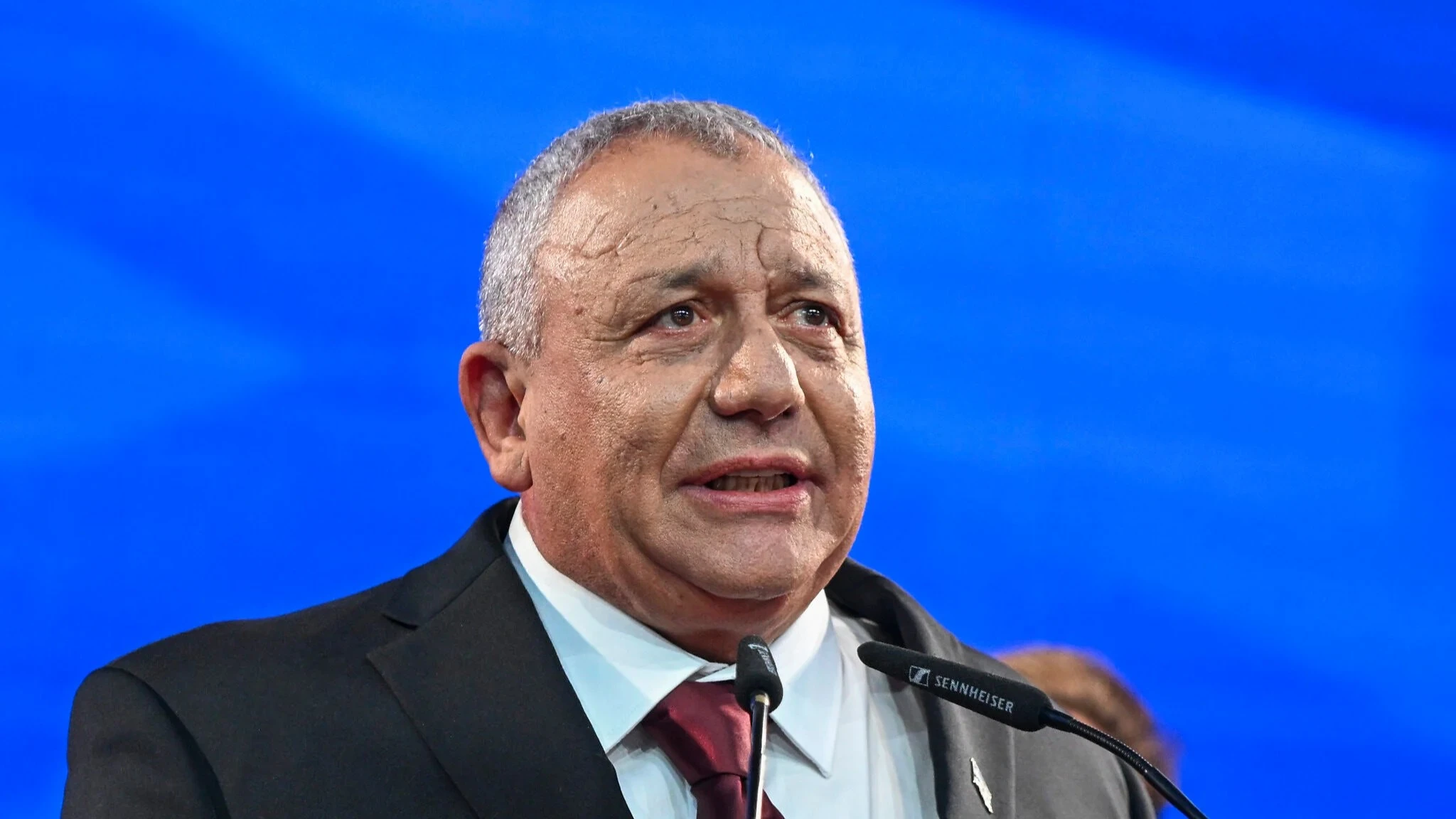
 (Photo credit: Avshalom Sassoni/ Flash90)
The Cradle
NOV 6, 2026
Gadi Eisenkot moved closer to becoming Israel’s new prime minister on 6 November, as 67 of the Knesset’s 120 lawmakers recommended him to receive the mandate to form Israel’s next government following last week’s elections, Israeli media reported.
As Israeli president, Isaac Herzog has the authority to decide who receives the mandate. He has been in talks with the political parties regarding their recommendations and will issue a decision on Sunday.
The candidate backed by a majority of Knesset members is ordinarily given the mandate.
Eisenkot received recommendations from his own Yashar party, as well as from the opposition parties in his coalition: B’Yachad, led by Naftali Bennett and Yair Lapid; The Democrats, led by Yair Golan; and Yisrael Beytenu, led by Avigdor Liberman.
Crucially, parties representing Palestinians with Israeli citizenship, the Joint List and United Arab List, also recommended Eisenkot, saying their goal is to oust Prime Minister Benjamin Netanyahu.
For his part, Netanyahu received 46 recommendations, including from his Likud Party, Religious Zionism led by Bezalel Smotrich, Otzma Yehudit led by Itamar Ben Gvir, and the Ultra-Orthodox Shas party.
In an unexpected move, United Torah Judaism, an Ultra-Orthodox party traditionally aligned with Netanyahu’s bloc, declined to recommend either candidate and said it was “not committed to any bloc.”
Despite receiving fewer recommendations to form a government, Netanyahu could retain his position as prime minister if he is able to negotiate the formation of a national unity government with Eisenkot, who has stated he does not wish to form a governing coalition with the Palestinian-Israeli parties.
Fellow opposition leader Liberman also refuses to form a government with non-Jewish parties, as does Netanyahu.
In televised remarks at the end of the talks, Herzog said that while the “results of the consultations may appear clear,” there were “mutual vetoes between the blocs and within the blocs themselves” that make it difficult to determine who would best succeed in forming a government.
Once nominated by Herzog, the candidate will have 28 days to try to form a government, with a possible 14-day extension.
Netanyahu will remain prime minister in a caretaker government until a new coalition is formed. If no candidate can form a coalition, fresh elections must be held.
In last week’s Knesset elections, Netanyahu’s religious-nationalist coalition won 53 seats.
Eisenkot’s coalition of Jewish opposition parties won 48 seats, while Israeli-Palestinian parties won an unprecedented 19 seats.
Meanwhile, Netanyahu continues to assert, without evidence, that Israeli-Palestinian parties “stole the vote.”
Israel’s Central Election Committee rejected Netanyahu’s claims, saying on Wednesday that the election’s integrity had not been compromised.
Netanyahu’s allies, including National Security Minister Itamar Ben Gvir, have called for the immediate arrest and interrogation of Israeli-Palestinian party leaders.
[…]

