How Historians and Archeologists Reconstruct Life Under the Ancient Persian Empire

Ancient Mesopotamian Cylinder Seal With Cuneiform Text | Premium AI ...

Cylinder Seal from Mesopotamia

Episode 2 Questioning the Sources

The Persian Empire (2012)

Dr John W I Lee

Film Review

Because Persians didn’t record their history, the only written history about the Persian Empire is Greek or Hebrew

  • Herodotus 485-425 BC – born in Halicarnassus (part of the Persian empire) on the Anatolian peninsula. Traveled to Persia and interviewed Persians.
  • Thucydades 460-400 BC – mainly wrote about the Peloponnesian war between Athens and Sparta (in which Persia backed Sparta).
  • Xenophon 427-355 BC – Athenian close to Socrates (who opposed Persian influence in Greece). Later joined army of Cyrus the younger in his failed attempt to oust his elder brother, Artaxerxes II, from the Persian throne. Wrote about the Persian satraps (governors of the provinces of the ancient Median, Persian,  Sasanian and Hellenistic empires) and Anatolia. Had overly idealized view of Cyrus the Great and viewed contemporaneous Persian emperors as decadent.
  • Ctesias (405-398 BC) – Personal physician of king Artaxerxes II and wrote 23 volume book called Persians Affairs. Although book itself didn’t survive, fragments remain in the accounts of more recent historians who quoted from. Although semi-fictional with numerous factual errors, Persian Affairs provides valuable insights into Persian life.
  • Arrian 85-160 AD – Roman historian who wrote in Greek about Alexander the Great. One of the few to write about the eastern Persian empire.
  • Plutarch 45-120 AD – Greek “middle Platonist” philosopher and historian sympathetic with Alexander the Great who wrote a biography of Anarxerxes.
  • Hebrew Bible (second century BC) – books of Ezra, Nehemiah and Esther relate history of Persian emperors assisting the Jews in returning to Israel from Babylon and rebuild the Solomon’s temple.
  • Josephus (37-100 AD) – Roman/Jewish historian and military leader whose work mainly influenced by book of Esther.

According to Lee, our main non-historical source Is Persian inscriptions in cuneiform discovered by archeologists. The first was discovered by a Portuguese merchant in 1602 and the first deciphered by German explorer Carsten Niebuhr in 1763 (with the discovery of a tablet inscribed in both cuneiform and Sanskrit). Philologist George Friedrich Grotefend contributed to this effort in 1802.

Western archeologists began large scale excavation of Babylonian, Iraqi and Persian palaces. in the 1830s. The scores of cylinder seals and tablets they discovered, inscribed in Persian, Akkadian and Elamite cuneiform, provide valuable information about agriculture and the economy in the Persian empire.

In the 1930s archeologists found archives from the reign of Darius I. Written in Aramaic and Elamite it took 30 years to translate them.

Archeologists have also retrieved ancient Persian texts from leather and pottery from Egypt, where the dry climate helped preserve them.

Come December 27, Every Internet Search Will Require Digital ID Verification in Australia

AP Photo/Charles Krupa, File

David Strom

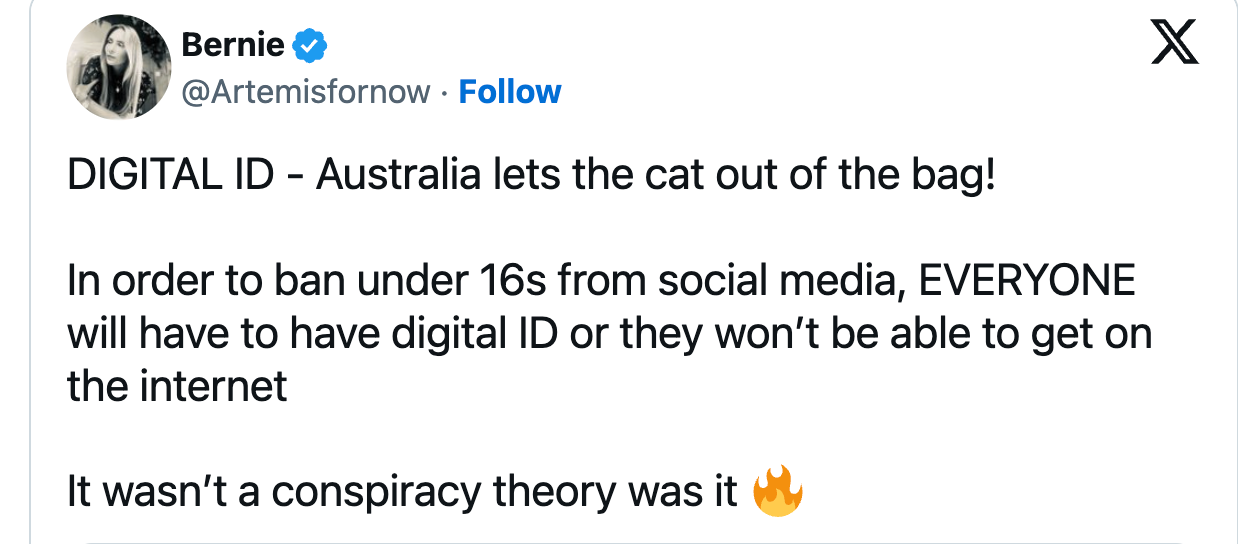
I did not know this until I ran across a post on X, but come December 27, 2025, every internet search any person makes will require Digital ID verification before it can be completed.

If the search engine provider fails to check for your ID, they face a $50 million fine. For each “breach” of the law.

Needless to say, I am pretty sure that search engines will comply with the law.

Australians will soon be subjected to mandatory age checks across the internet landscape, in what has been described as a huge and unprecedented change.

Search engines are next in line for the same controversial age-assurance technology behind the teen social media ban, and other parts of the internet are likely to follow suit.

At the end of June, Australia quietly introduced rules forcing companies such as Google and Microsoft to check the ages of logged-in users, in an effort to limit children’s access to harmful content such as pornography.

But experts have warned the move could compromise Australians’ privacy online and may not do much to protect young people.

“I have not seen anything like this anywhere else in the world,” said Lisa Given, professor of Information Sciences from RMIT, who specialises in age-assurance technology.

“As people learn about the implications of this, we will likely see people stepping up and saying, ‘Wait a minute, why wasn’t I told that this was going to happen?’”

From December 27, Google — which dominates the Australian search market with a share of more than 90 per cent — and its rival, Microsoft, will have to use some form of age-assurance technology on users when they sign in, or face fines of almost $50 million per breach.

The search results for logged-in users under the age of 18 will be filtered for pornography, high-impact violence, material promoting eating disorders and a range of other content.

Despite the apparent magnitude of the shift, it has mostly gone unnoticed, in stark contrast to the political and media fanfare surrounding the teen social media ban, which will block under-16s from major platforms using similar technology.

It’s for the children, you see. Because of course it is. Everything is for the children.

This is one more example of how privacy protections are eroding faster than a dam built of loose straw in the Anglosphere. Age restrictions on pornography, or, less convincingly, on social media, can be justified as necessary to protect children from genuinely harmful content. But requiring every search to be tied to a specific identified person is an outrageous invasion of privacy and ripe for abuse.

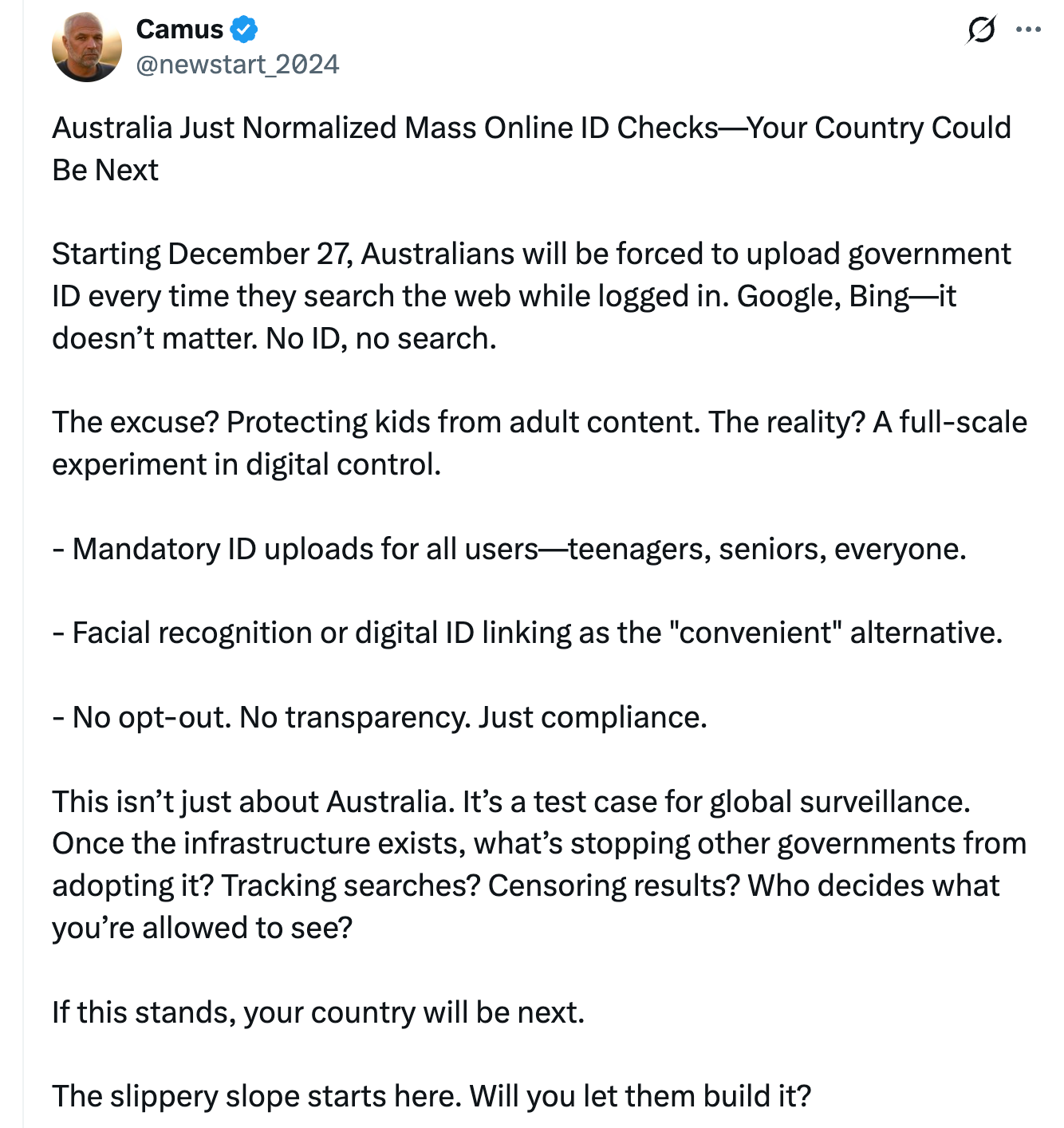
Starting December 27, Australians will be forced to upload government ID every time they search the web while logged in. Google, Bing—it doesn’t matter. No ID, no search.

The excuse? Protecting kids from adult content. The reality? A full-scale experiment in digital control.

– Mandatory ID uploads for all users—teenagers, seniors, everyone.

– Facial recognition or digital ID linking as the “convenient” alternative.

– No opt-out. No transparency. Just compliance.

This isn’t just about Australia. It’s a test case for global surveillance. Once the infrastructure exists, what’s stopping other governments from adopting it? Tracking searches? Censoring results? Who decides what you’re allowed to see?

If this stands, your country will be next.

The slippery slope starts here. Will you let them build it?

I almost never agree with The Guardian, but their description of how dystopian the Digital ID requirement is and how it has been slipped in through the back door is one place I can do so.

If this is the first time you’re hearing about it, you’re not alone. Despite the significance of the changes, these latest rules are the result of industry codes, which differs to regular legislation. These codes don’t go through parliament. Instead, they’re developed by the tech industry and registered by the eSafety commissioner in a process called co-regulation. On one hand, this can be good: it can allow for more flexibility or technology-specific detail that is less appropriate in legislation. On the other: it creates risk of industry co-option, and by bypassing parliamentary process, can give an enormous amount of power to an unelected official (in this case, the eSafety commissioner).

Greens senator David Shoebridge has called the implications of age verification for search engines “staggering” and noted that “these proposals don’t have to go through an elected parliament and we can’t vote them down no matter how significant concerns are. That combined with lack of public input is a serious issue.”

The age verification policy development process has been littered with blunders that make a mockery of meaningful consultation and evidence-based policy development. It is particularly striking that these codes were drafted before the completion of the government’s $6.5m trial into the efficacy of age assurance. Later, the trial’s preliminary findings conceded the technology is not guaranteed to be effective, and noted “concerning evidence” that some technology providers were seeking to collect too much personal information.

You see how they did this? Not through a law, where there are democratic checks on lawmakers, but through regulations, which are designed and implemented behind closed doors. Bureaucrats—technocrats—run our lives for their convenience.

Soon enough, the government will be able to conveniently track you across the internet without effort. Your travels will be tagged with your ID, and your search inquiries will be there for all to see.

[…]

Via https://seemorerocks.substack.com/p/come-december-27-every-internet-search?publication_id=630659&post_id=180282888&isFreemail=true&r=2k1u9v&triedRedirect=true


FDA Chief Officer Certifies 10 Deaths in Children From COVID Shots – “The Real Number is Higher”

Children and the Covid Vaccine: What Parents Need to Know - The New ...

Madison Area Lyme Support Group

WASHINGTON, Nov 29 (Reuters) – COVID-19 vaccinations probably contributed to the deaths of at least 10 children who died of heart inflammation, U.S. Food and Drug Administration chief medical and scientific officer Vinay Prasad told agency staffers.

“These deaths are related to vaccination (likely/probable/possible attribution made by staff),” Prasad wrote in a Friday memo seen by Reuters. “This is a profound revelation. For the first time, the U.S. FDA will acknowledge that COVID-19 vaccines have killed American children.”

Health Secretary Robert F. Kennedy Jr. has sharply changed government policy on COVID vaccines, limiting access to them to people 65 and older, as well as those with underlying conditions. Kennedy, a longtime anti-vaccine crusader before taking on the nation’s top health post under President Donald Trump, has also linked vaccines to autism and sought to rewrite the country’s immunization policies.

During Trump’s first term, when the pandemic erupted, and subsequently under his successor Joe Biden, U.S. health officials strongly endorsed the vaccines as lifesaving. The COVID-19 vaccines were released in 2020.
The memo did not disclose the health conditions of the children, or the vaccine manufacturers involved. The findings were based on an initial analysis of 96 deaths between 2021 and 2024, which Prasad said “concludes that no fewer than 10 are related” to COVID-19 vaccinations.

He announced plans to tighten vaccine oversight.  (See link for article) https://www.reuters.com/business/healthcare-pharmaceuticals/us-fda-memo-links-10-child-deaths-covid-vaccines-nyt-reports-2025-11-29/

Please remember that after THREE deaths from the Swine Flu vaccine, it was halted in nine states.  The entire program ended with only 20% of the population vaccinated due to reports of GBS.

How many more deaths will it take before they pull an ineffective but dangerous experimental gene therapy shot?

[…]

Via https://madisonarealymesupportgroup.com/2025/12/01/fda-chief-officer-certifies-10-deaths-in-children-from-covid-shots-the-real-number-is-higher/

New AIV H5 RT‑qPCR Set to Repeat Covid Catastrophe.

PCR tests are not prone to false positives, despite what's on Facebook ...

The settings for a COVID 2.0 Pandemic of False Positives are all in place. “We must catch every case” is no excuse to misdiagnose individuals and let them cook and potentially die at home quarantined w/untreated, misdiagnosed bacterial pneumonia or other less virulent respiratory illnesses.

We could have saved millions and millions of lives if people had understood and acted in April 2020: False positives in PCR tests drove the COVID-19. We must not allow a repeat with avian flu.

In 2020, I warned—publicly, repeatedly, in articles, podcasts, and tweets, and with evidence, fighting censorship all the way—that using non‑quantitative RT‑PCR as the primary driver of pandemic policy would guarantee a tidal wave of false positives, distort epidemiology, and weaponize diagnostic noise as public fear. Those warnings were not vague or speculative; they were precise, technically grounded, peer‑reviewed, and absolutely correct.

I explained that without internal negative controls for Ct‑stratification, nested PCR confirmation, or sequencing, PCR tests would be repurposed into fear‑amplifiers rather than disease‑detectors. I warned that once governments built policy on raw PCR counts and arbitrary Ct values, no one would be able to distinguish real outbreaks from diagnostic artifacts. I said we would lose the ability to tell signal from noise, disease from contamination, and epidemiology from hysteria. I knew I was right. But too few could understand how central the diagnostic grift was the COVID-19 fear mongering.

Share

People in high places heard the warnings. They understood them. I know, because I warned Peter Marks at US F.D.A. And others.

And he and the others who knew did nothing. Millions died after developing severe, untreated, misdiagnosed bacterial pneumonia.

That inaction helped create a world where some actors benefited from chaos—whether through political leverage, pharmaceutical opportunism, or supranational control frameworks. Call them what they are: enemies of stability who thrive when populations panic.

I warned too early. Nothing happened.

But then they came after all of our jobs. All of them. That got our attention. But cataclysmic damage was already done, including millions of deaths due to misdiagnosed and untreated bacterial pneumonia and sepsis.

We Must Call them “PANDEMANIACS”

Now, those same forces stand ready to exploit the next diagnostic mirage. Pandemaniacs are all over Twitter, Bluesky, everywhere posting one-off references to H5N1 as an inevitable next pandemic.

Standard H5/AIV RT-qPCR assays include NTCs, negative extraction controls, and internal positive controls, though they do not include a true sample-matched internal negative template.

Instead, they rely on fixed Ct thresholds (usually ~35–38 depending on the lab/kit) and internal positive controls to assess severity of, not yes/no, infection.

Ct cutoffs are supposed to originate from analytical LoD validation and per-sample control and to thereby compensate for variable starting material; despite this, labs still use them as binary yes/no decision points rather than quantitative measures in spite of the fact they do not adjust for variation in starting material on swabs. The concern, of course, is non-specific amplification.

They have a No-template control (NTC) run separately to detect contamination, but that is not useful. A matching negative control source is needed for off-site amplification assessment. Or, sequencing. This is a NON-NEGOTIABLE.

Unless we act immediately and forcefully, AIV H5 RT‑qPCR will repeat—and possibly exceed—the PCR‑driven chaos of COVID‑19.

We must hold the line: NO PROOF OF SEQUENCE? NO DIAGNOSIS. NO DIAGNOSIS? NO PANDEMIC.

Share

What I Showed Then: False Positives Were Always the Core Threat

My 2021 paper The Balance of Risk in COVID‑19 Reveals the Extreme Cost of False Positives demonstrated mathematically that even a 1% false‑positive rate in low‑prevalence settings would lead to double‑digit misclassification. That is not a hypothesis. That is arithmetic any molecular biologist familiar with the arbitrariness of RT-PCR to the amount of starting material and any epidemiologist should have respected.

Then came the empirical proof: Dr. Sin Hang Lee—one of the most masterful and rigorous molecular diagnosticians alive—verified PCR positives using nested RT‑PCR followed by Sanger sequencing. In multiple studies, he found:

  • Over 40% of RT‑qPCR “positives” failed sequence confirmation in real‑world panels.
  • Some panels showed complete absence of SARS‑CoV‑2 RNA despite PCR positivity.
  • Contamination and mis‑priming were rampant at high Ct values.

Those results were not anomalies—they were the structural consequence of relying on non‑quantitative PCR for mass screening.

I echoed those warnings in Follow the Science, Not Mere Authority on PCR False Positives, and NAATEC formalized the solution: nested RT‑PCR+Sanger sequencing as the gold standard.

But officials and institutions stayed silent. They knew the risks. They understood the mechanics. They failed to act. Intentionally.

And that failure built the diagnostic culture we now inhabit—a world where raw PCR counts are treated as unquestionable truth.

Japan: The Internet Epidemic With No Sequencing Backbone

Right now, Japan’s influenza surge is being blasted across the global internet in real‑time updates—case counts, hospitalization numbers, fear‑driven commentary, and nonstop amplification by outbreak‑tracker accounts. None of these posts include Ct values, assay parameters, or sequencing confirmation.

This is the same diagnostic opacity that drove global chaos during COVID‑19, now reappearing in the influenza domain—precisely when governments, media, and supranational institutions are primed to react.

Meanwhile, a single gull in a bioRxiv paper was sequenced to clade 2.3.4.4b with proper molecular rigor. A bird. A tick. Full lineage assignment.

If a single bird receives more diagnostic rigor than thousands of human “cases,” you are not watching epidemiology—you are watching policy by unverified fluorescence.

And if informed people remain silent this time, the enemies who weaponize fear will win again.

No Sequence, No Case Count. No Nested Confirmation, No Pandemic Curve.

This is the line.
This is the standard.
This is the bright red boundary that must not be crossed again.

If sequencing is not performed, then PCR positives are NOT clinical cases, NOT epidemiological evidence, and NOT a valid basis for public‑health actions.

Therefore, we must insist on:

  • 100% nested RT‑PCR + Sanger sequencing of all early outbreak samples until ≥300 true positives are confirmed.
  • 2 to 20% ongoing sequencing confirmation, stratified across Ct bands (<25, 25–30, 30–35, >35), laboratories, and sample types to provide N>1000 empirical votes on SN, SP, FPR, and FDR.
  • Full disclosure of Ct distributions, LoD, assay design, primer/probe sequences, and sequencing confirmation rates.
  • Immediate audits of any laboratory with a confirmation rate <80% in any sample category.
  • Mandatory sequence deposition in open databases.

If a lab cannot meet these standards, it should not be generating case counts. Period.

Sanger Sequencing: A Simple, Scalable Audit for PCR-Derived Case Counts

The critical corrective to RT‑qPCR’s false‑positive risk is embarrassingly simple and already available in virtually every diagnostic lab: nested PCR plus Sanger sequencing. This combination converts each “positive” from a mere fluorescence signal into a bona fide genomic identity.

Why this works — and is easy

  • Use the same RNA extract submitted for routine RT‑qPCR.
  • Run a nested PCR using primers targeting a longer, highly conserved region (≥ 350–450 bp). Not every test. Just thousands to know the FPR and the FDR.
  • Purify the amplicon and perform Sanger sequencing (cost ≈ USD 6–12 per sample).
  • Align sequence output to reference genome.
    • A clean match = verified infection.
    • No match or ambiguous sequence = false positive, likely assay noise or contamination.
  • No new platforms. No exotic reagents. No additional infrastructure beyond standard molecular‑biology resources.

All hospitals and molecular labs worldwide already have what it takes. This is not futuristic — this is routine molecular diagnostics.

The 14 % Reality Check: What Happens When You Do the Audit

A recent re‑analysis of a nationwide dataset (the German “ALM” consortium, which handled ~90% of the country’s SARS‑CoV‑2 PCR testing) found that when cumulative RT‑PCR positives were compared against later IgG seroconversion data, the scaling factor that best fit the observed antibody curves was 0.14 — meaning only ~14% of PCR-positive individuals ever developed detectable antibodies, consistent with actual infection. (NB: The 14% µ parameter reflects aggregate PCR-to-IgG calibration and includes repeated testing, IgG sensitivity, and sampling bias—not solely false positives.) Frontiers

In other words — when one applies a biological endpoint (seroconversion) rather than a fluorescence threshold — about 86% of PCR positives failed to represent true infections.

This dramatic finding collapses the inflated case curves we were shown in 2020–2021 into a far smaller, biologically plausible pandemic.

It aligns with several well-documented mechanisms of error: non‑specific amplification, environmental contamination, primer mismatches, RNA fragments, and background noise — all of which are exactly the pitfalls sequence confirmation circumvents. Cureus

Sensitivity Decay Over Time — Another Reason to Sequence, Not Trust Ct

Beyond false positives, RT‑qPCR’s sensitivity (true positive detection) degrades over time with SARS‑CoV‑2 evolution and biological dynamics. A study of 644 suspected COVID-19 patients found that while early after symptom onset sensitivity ranged 80–95%, it fell rapidly in mild cases as infection progressed. PMC

Meanwhile, viral evolution has repeatedly altered primer/probe binding sites, undermining assay performance unless continuously re‑validated and re‑designed. PMC

Thus: as the virus evolves and our sensitivity erodes, false negatives rise — but without sequencing or repeat testing you’ll never know. In tandem with the high false‑positive risk, this combination makes raw PCR counts almost meaningless.

Due to molecular evolution, the primer set involving the S-gene in the SARS-CoV-2 virus dropped out. This caused the local COVID PCR kits to drop of sensitivity in the UK to 50% for 8 months until the problem was found and the rule was changed to ignore the S-gene involved primer pair. Andrew Rambaut, in a most ad-hoc manner, celebrated that, after 8 months of 1/2 of the positive people walking away thinking they were negative spreading “The UK variant” (unbeknownst to health officials) the loss of S-gene primer reporting could be used to distinguish variants. Poppycock.

It was late 2020, as SARS-CoV-2 mutated away from the original RT-PCR primers, laboratories across the United Kingdom discovered what they called “S-gene target failure” (SGTF)—a failure of PCR assays to amplify the spike gene target, while other gene targets remained positive. This phenomenon wasn’t immediately seen as cause for alarm— and was detected 8 months after it started.

Instead of recognizing this as a collapse in sensitivity, officials treated it as a data anomaly. Public Health England and academic researchers, including Andrew Rambaut, retroactively celebrated the S-gene dropout as a useful feature—it helped distinguish a new lineage, soon dubbed the “UK variant” or B.1.1.7 (later Alpha).

But what this reframing ignored was the public health consequence of an 8-month gap: an unrecognized window during which a large number of infected individuals were incorrectly told they were negative due to broken primer binding—despite being contagious. Mathematics showed that RT-PCR sensitivity for that S-gene-targeted assay fell to ~50% against the emerged variant, effectively doubling the false-negative rate in critical settings like hospitals, care homes, and community testing programs.

Instead of issuing a nationwide alert and updating assay design, UK officials leaned into the narrative: we can detect the variant precisely because the S-gene fails to amplify. In other words, a defect was floated as a diagnostic feature.

This ad-hoc rationalization reveals the danger of allowing policy to adapt to assay failures rather than correcting them. The proper response would have been:

  • Immediate identification and sequencing of all S-gene dropout samples.
  • Urgent revalidation of all RT-PCR assays using the latest circulating sequences.
  • Transparency about the loss of sensitivity and the risk of false negatives.

Instead, silence prevailed, and a preventable spread event was reframed as an accidental innovation.

This is exactly the kind of narrative inversion that a live sequencing audit—like the one demanded throughout this article—would have exposed and corrected in real time. We cannot allow another pathogen, another primer set, or another population to suffer under the same negligent improvisation.

We already have the tools to distinguish real infection from PCR mirage. Nested PCR + Sanger sequencing is cheap, rapid, and universally available. And when used, it exposes the truth:

A recent major analysis showed that while 89% of early COVID‑19 PCR positives represented real infections (which is a disaster for screening) only 14% of later PCR positives could be validated biologically. The virus evolved away from the assay, and because authorities refused to implement sequencing audits, sensitivity decayed silently.

[…]

Via https://popularrationalism.substack.com/p/avian-flu-pandemic-or-pandemonium

Netanyahu appears in court after seeking pardon in corruption trial

Israelis take part in a protest outside a courthouse in Tel Aviv on Dec. 1, 2025, and demand that their prime minister Benjamin Netanyahu be imprisoned. (Photo by Reuters)

Press TV

The Israeli regime’s prime minister, Benjamin Netanyahu, appeared in court for the first time since requesting a presidential pardon in his ongoing corruption trial.

According to Israeli Channel 12, the trial session commenced on Monday without the judges addressing the pardon request.

Netanyahu requested that his court appearance on Tuesday be canceled, citing “diplomatic and security schedules.” The judges said they would consider this request.

Netanyahu has repeatedly sought to shorten or cancel his court sessions, claiming that they interfere with his management of Israel’s two-year genocidal war in the besieged Gaza Strip.

Outside the Tel Aviv court, demonstrators gathered, some in orange prison-style jumpsuits, demanding that Netanyahu be imprisoned.

The protesters expressed outrage over his pardon request without an admission of guilt or accountability.

In a letter to Israeli President Isaac Herzog released on Sunday, Netanyahu’s lawyers argued that frequent court appearances impede his ability to govern Israel, suggesting that a pardon would benefit the regime.

This request has polarized public opinion, with many opposing a pardon unless Netanyahu admits guilt and withdraws from political life.

Allies from Netanyahu’s right-wing coalition support the request, which surfaced two weeks after a similar appeal by US President Donald Trump.

Opposition politicians argue that any pardon should depend on Netanyahu retiring from politics and admitting guilt, while others insist he must call elections, due by October 2026, before seeking a pardon.

Naftali Bennett, a former prime minister, said he would back ending the trial if Netanyahu agrees to step back from politics “to pull Israel out of this chaos.”

Netanyahu, Israel’s longest-serving prime minister, was indicted in 2019 on charges of bribery, fraud, and breach of trust following extensive investigations.

His trial began in 2020, marking him as the first sitting Israeli prime minister to testify as a criminal defendant in the regime’s history. He faces three separate corruption cases.

The Israeli premier also faces charges of war crimes and crimes against humanity, with the International Criminal Court issuing arrest warrants for him and former war minister Yoav Gallant in November 2024 over atrocities in Gaza, where more than 70,000 people, mostly women and children, have been killed since October 2023.

[…]

Via https://www.presstv.ir/Detail/2025/12/01/759833/Israel-Netanyahu-Isaac-Herzog–Trump-


Hegseth Going Down? Lawmakers Suggest Follow-Up Boat Strike Could Be a War Crime

Democratic Rep. Says Pete Hegseth May Have Committed War Crimes With ...

Brian Shilhvay

Big story in the NY Times tonight throwing around the term “war crimes” regarding Pretty Boy Pete’s alleged killing of Venezuelan fishermen.

From the NYT (https://www.nytimes.com/2025/11/30/us/politics/trump-boat-strikes-war-crime.html):


Top Republicans have joined Democrats in demanding answers about the escalating military campaign the Trump administration says is aimed at targeting drug traffickers.

A top Republican and Democrats in Congress suggested on Sunday that American military officials might have committed a war crime in President Trump’s offensive against boats in the Caribbean after a news report said that during one such attack, a follow-up strike was ordered to kill survivors.

The remarks came in response to a Washington Post report on Friday that said that Defense Secretary Pete Hegseth had given a verbal order to kill everyone aboard boats suspected of smuggling drugs, and that this led a military commander to carry out a second strike to kill those who had initially survived an attack in early September.

“Obviously if that occurred, that would be very serious, and I agree that that would be an illegal act,” Representative Mike Turner, Republican of Ohio and a former chairman of the Intelligence Committee, said on “Face the Nation” on CBS.

Senator Tim Kaine, Democrat of Virginia, said on CBS that if the report was accurate, the attack “rises to the level of a war crime.” And on CNN, when asked if he believed a second strike to kill survivors constituted a war crime, Senator Mark Kelly, Democrat of Arizona, answered, “It seems to.”

Full article. (https://www.nytimes.com/2025/11/30/us/politics/trump-boat-strikes-war-crime.html)

Trump claims he is standing by the Fox News Zionist, but it sounds a lot like he is actually throwing him under the bus to me.

From NewsNation (https://www.newsnationnow.com/politics/trump-drug-boat-second-strike-hegseth/):

Trump says he ‘wouldn’t have wanted’ second hit on alleged drug boat

President Trump defended his Secretary of War, Pete Hegseth, Sunday following media reports the Pentagon chief ordered a second strike on an alleged drug boat in the Caribbean after an initial assault left two survivors earlier this year.

“I wouldn’t have wanted that, not a second strike,” Trump told reporters aboard Air Force One as he returned to Washington. “The first strike was very lethal; it was fine. And if there were two people around … but Pete said that didn’t happen. I have great confidence in him.

“I’m going to find out about it, but Pete said he did not order the death of those two men.”

Full article (https://www.newsnationnow.com/politics/trump-drug-boat-second-strike-hegseth/).

Pretty Boy Pete might be finished. It is one thing to rant and rave about killing “drug dealers” when you are a Fox News host, but in real life that stuff has consequences.

We should have no business in that part of the world to begin with. It is not about drug trafficking, its about trying to get the price of oil north of $60 a barrel which they not been able to do for a while now.

Trump and Maduro are probably on the phone every day planning it out so that Maduro gets paid also when the price of oil increases. And who knows, maybe Maudro’s participating is only because Trump pardoned his buddy Juan Orlando Hernandez, the former president of Honduras, so they build their business back up as well.

It’s all a show, and it is all about money and power. Trump is the deal maker, and perhaps he made a deal that requires getting rid of Hegseth. The top military brass must hate this guy anyway.

[…]

Via https://t.me/healthimpact/2870

Pfizer Touts Success of mRNA Flu Vaccine — Critics Push Back Citing Flaws, Gaps and Safety Signals

pfizer logo and vaccine

Pfizer reported that its mRNA flu shot outperformed conventional flu vaccines in a Phase 3 trial, but independent experts told The Defender the company’s study overstates the benefits and downplays safety signals. They cited flaws in the Pfizer-funded research, including missing data that call into question the trial’s conclusions.

Pfizer said its mRNA flu vaccine outperformed conventional flu vaccines in a Phase 3 clinical trial. The New England Journal of Medicine (NEJM) last week published the results of the study, which Pfizer funded.

The vaccine delivered “statistically superior efficacy” compared to the conventional shot, and the trial demonstrated an “acceptable safety profile,” Pfizer said.

However, some experts said the results showed a higher rate of adverse events among the group that received the mRNA vaccine compared with the placebo group.

Other critics pointed out flaws in Pfizer’s trial, and some suggested that the mRNA vaccine technology itself is unsafe.

Daniel O’Connor, editor of TrialSite News, said Pfizer’s trial showed that the mRNA flu vaccine can reduce influenza A infections, but “the benefits are modest.”

Karl Jablonowski, Ph.D., senior research scientist for Children’s Health Defense (CHD), said the results of Pfizer’s study are “invalid,” because the vaccine wasn’t tested against an unvaccinated control group.

“There is no placebo group, which means the entire claim to efficacy is based on its relative efficacy to the available flu vaccine at the time,” Jablonowski said.

Karina Acevedo Whitehouse, Ph.D., professor of microbiology at the Autonomous University of Querétaro in Mexico, said this limitation means the “study has very little scientific and medical value, despite the hype.”

“By comparing to a vaccine that is already in use, the true rate of adverse effects is underestimated,” Whitehouse said. “This approach does not allow for the evaluation of the efficacy of the mRNA vaccine and even less of the adverse events as compared to a placebo.”

Dr. Clayton Baker, an internal medicine physician, said it would have been “simple and easy — not to mention scientifically rigorous and ethically sound — for the study to have included a true placebo group.”

Jablonowski said the few studies that compare recipients of flu shots with unvaccinated subjects raise serious questions about the vaccine’s safety and effectiveness.

He cited a Cleveland Clinic study published in April that found people who got the flu vaccine were 27% more likely to get the flu than those who didn’t.

‘I do not trust them to conduct honest studies’

In conjunction with Pfizer’s study results, the NEJM published an editorial that highlighted another flaw in the study: Pfizer’s researchers didn’t include adults ages 65 and older — the group with “the highest risk of hospitalization or death” from the flu.

Whitehouse also questioned Pfizer’s track record — and its clinical trial data. “There is an obvious conflict of interest when a clinical trial is designed and conducted by the pharmaceutical company that produces the vaccine and that is set to gain enormously from its sale.”

Baker noted that, since 2000, Pfizer and its subsidiary companies “have been found guilty of 107 criminal offenses, totaling a staggering $11,261,560,400 in penalties.”

“Pfizer has been found guilty of defrauding the government an astonishing 22 times in the last 25 years. I do not trust them to conduct honest studies, nor should anyone else,” Baker said.

Pfizer’s mRNA flu shot led to higher rate of serious adverse events

In its study, Pfizer found that the mRNA flu vaccine was “associated with more reactogenicity events” — or side effects — than the conventional flu shot, although the researchers said most were “mild to moderate.”

According to the study, “Adverse events that were considered by the investigator to be related to the vaccine were reported in 3.3% of modRNA [mRNA] recipients and in 1.4% of control recipients.”

Significantly more participants who received the mRNA shot experienced redness, swelling or pain at the injection site, or developed a fever, headache, fatigue, chills, vomiting, diarrhea, muscle pain or joint pain, compared to those who received the conventional flu shot, the researchers said.

However, they reported that serious adverse events “were low and similar in the two trial groups.” One mRNA vaccine recipient developed anaphylaxis and other serious adverse events that a study investigator determined were vaccine-related.

The researchers said there were no reports of myocarditis or pericarditis — conditions widely associated with the mRNA COVID-19 vaccines.

Trial participants consisted of 18,000 healthy adults ages 18 to 64. Researchers reported that 16 participants died during the trial, but they said the deaths were unrelated to either the conventional flu vaccine or Pfizer’s mRNA flu shot.

Baker questioned that claim. “It is noteworthy that every single side effect measured in the Pfizer study was more prevalent in the mRNA group than in the traditional vaccine group,” Baker said. “Yet, the study group describes the side effects as ‘similar’ between the two groups.”

Whitehouse said the higher rate of adverse events within the mRNA group “reinforces the growing evidence that the modRNA technology can cause a myriad of cellular and molecular problems.”

French scientist Helene Banoun, Ph.D. noted the study recorded only those flu cases that began at least 14 days after injection, while infections before that were not taken into account. “Eight days after vaccination, there were already 25 cases of influenza” that were not taken into account, she said.

Data omitted from the study may have indicated an even higher incidence of serious adverse events, Jablonowski said.

“The clinical trial that forms the basis of this study actually includes 65+ individuals, though this publication omits them. That portion of the study accounts for the largest discrepancy of adverse events, as the mRNA group suffered a 7% elevated all-cause mortality … 8% elevation in serious adverse events … and an astounding 80% elevation in non-serious adverse events,” Jablonowski said.

Do we really need a flu vaccine?

The Center for Infectious Disease Research and Policy (CIDRAP) said development of a “universal” flu vaccine, effective against all flu strains, would be “The Holy Grail of flu vaccines,” but progress “has been slow going.”

According to CIDRAP, the rapid mutations of the flu virus and the slow process of developing conventional flu shots, which takes approximately six months and requires that they be ready several months before the start of the next cold and flu season, have contributed to wide variations in flu vaccine efficacy.

“Flu viruses are infamous for their ability to evolve quickly and without warning, creating a mismatch between the shots already on the market and the viral strains spreading from person to person,” CIDRAP reported.

Development of an mRNA flu shot would overcome this issue, as mRNA technology allows for the rapid development and deployment of vaccines, CIDRAP reported.

But Baker questioned the need for any flu vaccines.

“Influenza is a simple, single-stranded RNA virus. It mutates very rapidly. It is a fundamentally poor candidate for vaccines because of this,” he said. “The production method of the vaccine changes none of these basic facts about the virus itself. Vaccinating against it remains a fool’s errand.”

Whitehouse said annual flu shots strain the immune system, making them less effective. Getting repeated, annual flu vaccines can “prime and overwork the immune system,” she said, which can make the body less able to fight off a flu virus.

One of the researchers involved in Pfizer’s mRNA flu vaccine trial — Dr. Lisa A. Jackson, with Kaiser Permanente Washington Health Research Institute — previously questioned the efficacy of flu vaccines and studies claiming benefits.

Jackson co-authored a 2007 study, published in The Lancet Infectious Diseases, that cited an “evidence base” that is “currently insufficient to indicate the magnitude of the mortality benefit, if any, that elderly people derive from the vaccination programme.”

mRNA vaccine technology caused “unprecedented” health problems globally following the rollout of the mRNA COVID-19 vaccines, Whitehouse said. She cited studies showing mRNA vaccines “decrease the optimal functioning of the immune system” and cause “lymphocyte exhaustion.”

Jessica Rose, Ph.D., suggested the development of mRNA shots has more to do with the more lucrative “profit model” associated with the vaccines.

Whitehouse agreed. “What their production would ‘solve’ is the high cost of traditional vaccine production,” she said. “Manufacturing modRNA vaccines is substantially cheaper than manufacturing attenuated or live vaccines, as the latter require viral culture (in eggs) or cell culture.”

O’Connor said mRNA technology “still has unanswered questions regarding durability and frankly, long-term safety.” He said we need “far more multi-season data before calling this a meaningful advance in influenza prevention.”

In May, COVID-19 vaccine manufacturer Moderna withdrew its application for U.S. Food and Drug Administration (FDA) approval of a combination flu and COVID-19 vaccine, after the FDA requested more clinical trials.

In August, the U.S. Department of Health and Human Services (HHS) cancelled nearly $500 million in funding for mRNA vaccine research.

[…]

Via https://childrenshealthdefense.org/defender/pfizer-claims-victory-mrna-flu-shot-critics-flaws-safety-signals/


Seven Richest Billionaires All Media Barons

Illustration by MintPress News

Alan MacLeod

Trump loyalist and CIA contractor Larry Ellison’s purchase of CNN appears imminent, and marks the latest venture into media for the world’s second-richest individual. But Ellison is not alone. Indeed, the world’s seven richest individuals are all now powerful media barons, controlling what the world sees, reads, and hears, marking a new chapter in oligarchical control over society and striking another blow at a free, independent press and diversity of opinion.

Media Monopoly

Paramount Skydance– an Ellison-owned company– is in pole position to purchase Warner Brothers Discovery, a conglomerate that controls gigantic film and television studios, streaming services like HBO Max and Discovery+, franchises like DC Comics, and TV networks such as HBO, TNT, Discovery Channel, TLC, Food Network, and CNN. This lead is largely due to Ellison’s proximity to President Trump, who will ultimately have to sign off on such a deal.

[…]

Ellison, whose net worth stands at a staggering $278 billion, has been on a media spending spree of late. Earlier this year, he provided the funds for Skydance to purchase Paramount Global, another gigantic conglomerate that controls such products as CBS, BET, MTV, Comedy Central, Nickelodeon, Paramount Streaming, and Showtime.

Immediately upon being appointed CEO of CBS News, Larry’s son, David, began drastically reorientating the network’s political outlook, firing staff, pushing it to become pro-Trump, and appointing self-described “Zionist fanatic” Bari Weiss as its editor-in-chief.

The Ellison family, however, is far from finished. In September, President Trump signed an executive order approving a proposal to force through the sale of social media platform TikTok to an American consortium led by Ellison-owned tech company, Oracle.

Under the planned arrangement, Oracle will oversee the platform’s security and operations, giving the world’s second-richest man effective control over the platform that more than 60% of Americans under thirty years of age use for news and entertainment. Trump himself stated that he was extremely pleased that Oracle would be controlling the platform. “It’s owned by Americans, and very sophisticated Americans,” he said.

[…]

Billionaire Capture

[…]

Sitting on a fortune of over $480 billion, Elon Musk is the wealthiest person in world history, and is projected to, within the next decade, become the planet’s first trillionaire. In 2022, Musk purchased Twitter, in a deal worth around $44 billion. The South-African born tech magnate quickly set about turning the platform into a vehicle for advancing his own far-right politics. In 2024, for example, he was a key figure in promoting an attempt to topple Venezuelan president, Nicolás Maduro, spreading misinformation about the country’s election, and even threatening Maduro with a future in the notorious Guantánamo Bay prison camp.

[…]

Musk overtook Jeff Bezos last year to become the world’s richest man. And like Musk, the Amazon founder and CEO has made several moves into the world of media. In 2013, he bought The Washington Post for $250 million, and quickly began exerting his influence on the newspaper, firing anti-establishment writers and hiring pro-war columnists. This came just months after he bought a minority stake in Business Insider (now rebranded to Insider).

One year later, in 2014, Amazon paid nearly a billion dollars to purchase Twitch, a streaming platform which hosts around 7 million monthly broadcasters. Amazon also owns a wide range of other media ventures, including movie studio MGM, audiobook platform, Audible, and movie database website, IMDB.

French billionaire, Bernard Arnault, meanwhile, has been buying up large swaths of his country’s media outlets. The chairman of luxury conglomerate, Louis Vuitton Moët Hennessy (LVMH) and the world’s seventh-richest man now sits on a media empire that includes daily newspapers such as Le Parisien and Les Echoes, magazines such as Paris Match and Challenges, as well as Radio Classique.

The remaining three individuals rounding out the top seven list all owe their wealth primarily to their media empires. Google co-founders Sergey Brin and Larry Page are collectively worth over half a trillion dollars. Google has become the dominant force in today’s hi-tech economy, and is also a major player in social media, having bought YouTube in 2006 for $1.65 billion. Thirty-five percent of Americans use the video platform as a primary source of news.

Mark Zuckerberg, meanwhile, owes his $203 billion fortune to his social media and tech ventures, including Facebook, Instagram, and WhatsApp. Like YouTube, Zuckerberg’s companies are major players in the modern news landscape, with 38%, 20% and 5% of Americans relying on Facebook, Instagram, and WhatsApp for their news and views.

[…]

Zuckerberg has also taken a number of steps to align his platforms with the MAGA movement, including firing his fact-checking team (widely associated with liberal politics) and prioritizing what he calls “free speech.” Content moderation teams, the Meta CEO said, would be moved from California to Texas, “where there is less concern about the bias of our teams.”

[…]

Many of these moves were likely made in response to Trump’s threat to imprison Zuckerberg “for the rest of his life” if he did anything to “cheat” him out of a 2024 presidential election victory. Zuckerberg subsequently met with Trump at Mar-a-Lago, and, alongside Bezos and other tech moguls, donated $1 million to Trump’s inaugural fund.

[…]

Pentagon Contractors

A key factor in the rise of many of the world’s top seven richest individuals is their proximity to the U.S. national security state, with many of their companies growing wealthy in part due to feeding from the trough of Pentagon contracts. Today’s wars and espionage rely as much on hi-tech computing equipment as tanks and guns, and in 2022, the Department of Defense awarded Amazon, Google, Microsoft, and Oracle a $9 billion cloud computing contract.

Bezos’ Amazon has long enjoyed a close relationship with the CIA, having signed a $600 million contract with the agency in 2014. Yet both Google and Musk’s aerospace company, SpaceX, have been intertwined with Langley since their inception.

The CIA bankrolled and oversaw Brin’s PhD research at Stanford University, work which would later form the basis of Google. As one investigation noted, “senior U.S. intelligence representatives including a CIA official oversaw the evolution of Google in this pre-launch phase, all the way until the company was ready to be officially founded.”

As late as 2005, In-Q-Tel, the CIA’s venture capitalist arm, was a major shareholder in Google. These shares were a result of Google’s acquisition of Keyhole, Inc., a CIA-backed surveillance firm whose software eventually became Google Earth. By 2007, the government was using enhanced versions of Google Earth to surveil and target enemies in Iraq and beyond, according to The Washington Post. By this time, the Post also notes, Google was partnering with Lockheed Martin to produce futuristic technology for the military. There also exists a revolving door of employment between Google and various branches of Federal government.

It would be no stretch, meanwhile, to state that Elon Musk owes his largesse in no small part to his intimate relationship with the CIA. In-Q-Tel chief Mike Griffin helped birth SpaceX, providing support and advice from the beginning, and even accompanied Musk to Russia in 2002, where the pair attempted to purchase cheap intercontinental ballistic missiles to start the company.

Griffin repeatedly championed Musk at the CIA, describing him as the “Henry Ford” of the space industry, and worthy of the government’s full support. Still, by 2008, SpaceX was in dire straits, with Musk unable to make payroll and believing both SpaceX and Tesla Motors would be liquidated. But he was saved by an unexpected $1.6 billion NASA contract that Griffin had helped secure.

[…].

The Pentagon is Recruiting Elon Musk to Help Them Win a Nuclear War

With billions in defense contracts, Musk’s SpaceX is helping turn Trump’s nuclear vision into reality, threatening to dismantle decades of global nuclear deterrence., AI hypersonic missiles, Castelion SpaceX connection, Elon Musk military contracts, Musk nuclear war plans, Pentagon missile defense, SpaceX Pentagon contracts, Starlink military applications, Trump AI warfare, Trump nuclear defense plan, U.S.

No billionaire, however, is more intimately connected to the CIA than Larry Ellison. Ellison began his career by working with the CIA on a database system called Project Oracle. In 1977, he would co-found tech giant Oracle (named after his previous project). The CIA was Oracle’s only customer for some time, before Ellison branched out and began to win contracts with other branches of the national security state, including Navy Intelligence, Air Force Intelligence, and the NSA.

[…]

Arming and Supporting Israel

Another key attribute that many of the world’s richest individuals share is their passionate support for Israel and its expansionist project.

Nowhere is this more evident than with Ellison, who has made it his life’s goal to advance the Jewish State’s interests, both at home and abroad. Ellison is an enthusiastic supporter of Prime Minister Benjamin Netanyahu, with whom he vacationed with on his private island in Hawaii. So impressed was he with the embattled prime minister that he offered him a seat on Oracle’s board, replete with a yearly salary of $450,000.

Ellison is the largest single donor to the Israeli Defense Forces (IDF). In 2017 alone, he pledged $16.6 million to build a new training facility for IDF soldiers, whom he described as defending “our home.”

[…]

David Ellison is no less ardent a Zionist, and even met with a top Israeli general in order to aid a project spying on American citizens, according to an investigation by The Grayzone. The scheme was aimed at attacking American citizens participating in pro-Palestine activism in the face of Israel’s attack on Gaza. The documents also mention Brin’s name as a potential collaborator in the plan.

[…]

Zuckerberg’s platforms – Facebook, Instagram, and WhatsApp – have displayed a no less concerted bias in favor of Israel. As far back as 2016, Facebook was collaborating with the Israeli government on matters of censorship, with Justice Minister Ayelet Shaked revealing that the social media platform complied with 95% of her requests for pro-Palestine content to be removed.

[…]

Zuckerberg’s platforms have long shut down Palestinian voices on dubious “hate speech” grounds. However, the censorship was drastically increased after the October 7 attacks.

[…]

In 2023, Instagram also inserted the word “terrorist” into the bios of thousands of users who mentioned they were Palestinian. When challenged on this, they claimed it was an auto-translation bug.

[…]

Zuckerberg himself is known to be a strong supporter of Israel, and has numerous familial connections to the state. After the October 2023 attacks, he released a statement denouncing Hamas and other resistance forces as “pure evil,” an action that earned him an official thank you from the State of Israel.

Musk has also put himself and his vehicles in the service of Israel. In November 2023, he traveled to Israel to meet with both Netanyahu and President Isaac Herzog and offer his unqualified support to their attack on Gaza. Describing Hamas as “evil” and “revel[ing] in the joy of killing civilians,” Musk attempted to publicly whitewash Israeli violence, stating unequivocally that the IDF goes out of its way “to avoid killing civilians.” At the time of his visit, Israeli strikes had killed at least 20,000 people in four weeks of bombings.

Netanyahu has stated that Twitter is among Israel’s “most important weapons” in the war, and defended Musk from accusations of fascism, after he gave a Nazi salute at the Conservative Political Action Conference.

During his visit, Musk also signed a deal with the government of Israel, giving the latter effective control and oversight over Starlink communications portals operating in Israel and Gaza.oration.

[…]

Google has also collaborated in disseminating Israeli government propaganda to tens of millions of Europeans, despite the content breaking its own terms of service.

[…]

Arnault has remained quiet on Gaza. He has, however, invested heavily in Israel. Diamonds and other precious stones are a mainstay of the Israeli economy, and the Frenchman’s luxury brands disseminate the stones globally. Activists have called for Israeli diamonds to be labeled conflict minerals and boycotted by ethical consumers. He also invested in Israeli tech and security firm, Wiz, a company recently purchased by Google for $32 billion. Earlier this month, LVMH signed a $55 million deal with Israeli actress and former IDF soldier, Gal Gadot, making her the the face of their brand.

[…]

Via https://www.mintpressnews.com/the-seven-richest-billionaires-are-all-media-barons/290572/

FDA to tighten vaccine rules after memo ties COVID-19 shot to child deaths

by Ryan Mancini – 11/29/25 11:51 AM ET

The Food and Drug Administration (FDA) is set to implement stricter vaccine approval guidelines after a memo claimed at least 10 children died “after and because of” receiving a COVID-19 shot.

The guidelines, obtained by The New York Times, could also impact vaccinations for other illnesses and viruses, including the FDA’s standards for annual flu shots and if Americans should receive multiple vaccines at a time. The memo also states that shots for pregnant women could be limited, and manufacturers will be required to conduct larger studies before seeking approval for vaccines.

Vinay Prasad, a top vaccine regulator at FDA, said pneumonia vaccine manufacturers must show that their treatments reduce the infection instead of merely developing antibodies to fight it. The new restrictions would also require drug manufacturers to run larger studies that would slow the process of developing vaccines, according to The Washington Post, which also reviewed the memo.

Prasad, who was reinstated to his post in August after being ousted amid conservative criticism, announced other changes that included a requirement for randomized studies to include all subgroups. He also referred to the annual flu shot framework as a “catastrophe of low-quality evidence,” the Times wrote.

[…]

The memo does not go into detail about the alleged COVID vaccine-related child deaths.

Prasad called the finding “a profound revelation,” according to the Post.

“For the first time, the U.S. FDA will acknowledge that COVID-19 vaccines have killed American children,” he said.

The Hill has reached out to the FDA for comment.

FDA Commissioner Marty Makary told Fox News on Saturday that the data on the vaccine-linked child deaths were “accumulated during the Biden administration,” Reuters reported.

The stricter guidelines fit with Department of Health and Human Services (HHS) Secretary Robert F. Kennedy Jr.’s skepticism of vaccines. Kennedy earlier this year resurrected the long-defunct task force on the safety of childhood vaccines.

Critics said that bringing the panel back would further undermine public confidence in vaccines.

[…]

In August, the FDA said it was considering revoking the emergency use authorization of Pfizer’s COVID-19 vaccine for healthy children younger than 5 years old. The agency also approved the use of updated vaccines for “high risk” people.

Routine COVID-19 shots are no longer recommended for healthy children and pregnant women.

[…]

Via https://thehill.com/policy/healthcare/5626374-fda-vaccine-rules-child-covid-deaths/

Are Cryptocurrencies Dying? The Big Tech Collapse Draws Closer with a “Crypto Winter” Approaching

by Brian Shilhavy
Editor, Health Impact News

Donald Trump was swept into power in the November 2024 elections funded to a large extent by Silicon Valley billionaires.

In return for their support, Trump appointed JD Vance, who was handpicked by Silicon Valley as the Vice President. JD Vance is a disciple of Peter Thiel, who along with Elon Musk founded PayPal as part of the PayPal Mafia. See:

The Man Behind Trump’s VP Pick: It’s Worse Than You Think

Big Tech has been a huge part of Trump’s 2.0 Presidency, as we have seen here in 2025 with the push to make cryptocurrencies a larger part of the U.S. and worldwide financial system.

Before the end of the first quarter in March of 2025, the Trump family started their own cryptocurrency financial network to challenge traditional banking, called World Liberty Financial. I covered it back then. See: Trump Takes on the Banking Industry by Developing his Own Cryptocurrency Financial Network

However, the most common way people use cryptocurrency today is through selling and buying it like an asset, which is why Blackrock and other giant Wall Street investors have created their own hedge funds around the price of cryptocurrencies.

To truly replace banks and become an entirely new financial system, crypto has to be used in financial transactions in places like the retail sector, where currently the credit card companies (Visa, Mastercard, etc.), backed by FDIC insured bank accounts, still dominate.

So in August this year, the Trump family-owned World Liberty Financial purchased a publicly traded Canadian company, Alt5 Sigma, giving World Liberty Financial a public stock listing in the U.S., and giving them an existing platform where cryptocurrencies were already being used for online payments in ecommerce stores and gaming sites.

Fast forward to today as we near the end of 2025, and things are not going well for Trump’s new crypto financial system, or its investors.

This was published this week on The Information:

Trump Family Crypto Deal Runs Aground

Crypto firm that did a complicated deal with the Trumps warns it may face lawsuits and regulatory probes.

By Michael Roddan

Excerpts:

[…]

Troubles with the combined company quickly surfaced.

Weeks later, Alt5 suspended its CEO pending the outcome of an investigation by a new outside law firm, and the company warned staff it would likely face litigation and regulatory investigations, according to a letter from the firm distributed to employees.

[…]

In the three months since, Alt5 Sigma’s shares have fallen 75% and the value of the Trumps’ crypto currency, $WLFI, has fallen by nearly half. The company also disclosed that it had been convicted of money laundering in Rwanda.

[…]

Full article.

The American Consumer Still has More Power than they Realize

It is not surprising that the Trump family’s desire to create a financial system that would replace traditional banking with cryptocurrency has failed, forcing them to pivot to using cryptocurrencies as investment assets instead, just as the Wall Street hedge fund managers are doing.

To gain any traction in the payments sector and replace credit cards, consumers need to use it. And overwhelmingly in the U.S., consumers are NOT buying it, and prefer to stick with traditional banking and credit cards.

According to a Pew Research Center survey last year, in 2024, only 17% of U.S. adults say they have ever invested in, traded or used a cryptocurrency. They also report that this number remained roughly unchanged since 2021. (Source.)

[…]

The Approaching Crypto Winter

Ken Brown, writing on finance and tech at The Information, published an article this week on the crypto market and the impending “Crypto Winter.”

Crypto Winter Will Be Different This Time

Excerpts:

Winter is coming, not just in the seasons but in the crypto market. If the current downturn turns into another crypto winter, it will have a bigger impact on the mainstream financial system than it has in the past.

Bitcoin has fallen 30% in less than two months and is down for the year, while other cryptocurrencies have crashed by much more.

This has occurred despite the most crypto-friendly regulatory environment ever.

What’s become clear is that instead of building an alternate financial system, the crypto industry used its newfound freedom to go crazy.

Some of this is just crypto being crypto. The thing to watch this year, and maybe the riskiest development in crypto, has been the rise of stablecoins.

These cryptocurrencies, which are pegged to the dollar, are the closest thing to an alternate financial system. The most boring part of crypto got blessed with a friendly new law dubbed the Genius Act, giving it instant credibility.

That’s led to a bunch of new stablecoin announcements and increased use, especially overseas. This week Klarna, the Swedish buy-now-pay-later provider, said it would launch a stablecoin called KlarnaUSD next year. They are joining payments company Western Union and cloud company Cloudflare in creating new offerings.

Stablecoins are currently dominated by Circle and Tether, which together have a market cap of roughly $250 billion.

Before we delve further into stablecoins, though, it’s worth looking more into the current meltdown.

Ground zero for the sell-off is a Singapore-based crypto exchange, Hyperliquid, that handles $13 billion in trades a day with 11 employees and offers staggering amounts of leverage. It was home to a $10 billion liquidation in October that ricocheted across markets. Hyperliquid also has a stablecoin.

On the traditional stock exchanges, crypto treasury stocks—listed companies stuffed with crypto—are among the biggest losers.

Until recently, the euphoria in crypto meant these stocks traded at a premium to their crypto holdings. Investors decided that paying $2 for every $1 of crypto was a good idea.

The companies logically issued stock or borrowed money to buy more crypto, driving up prices.

This trade has unwound painfully, and now the crypto treasury companies are trading at a discount to their holdings. The logical move for them is to sell crypto and buy back their shares. That cycle of selling can drive down prices.

All that is a reminder that stablecoins’ promise of zero volatility warrants some skepticism.

Because they are more closely linked to the financial system than any other form of crypto, stablecoins require more scrutiny and caution.

They are also closer to real money than anything else in crypto because they meet one crucial criteria of money–they are a store of value. Dogecoin can’t say that.

Stablecoins keep their 1:1 peg against the dollar by holding safe assets such as short-term Treasurys, bank deposits and money market funds. That’s legit, and is required by the stablecoin law.

It is ironic that stablecoins rely on traditional financial tools, which much of crypto disdains, to maintain their stability.

History has shown it’s easier to promise stability than to deliver it. Just this month, a small, fringe stablecoin blew up, wiping out around $200 million. The stablecoin, run by a company called Stream Finance, promised a yield of around 18% but collapsed after losing $93 million.

Stream Finance realized quickly that the promise of stability has a dark side—the bank run. While the company’s stablecoin operates differently than the major ones, the investor reaction is the same. It’s one thing to lose money on a risky investment.

It’s another to lose your savings. That invites panic, frantic withdrawals and crashes, and these have happened in every asset that promises to give people their money back in full. 

“There has been a run, there will be a run, money market funds, repos, you name it, there will be a run,” said Lee Reiners, a fellow at the Duke Financial Economics Center and a former Federal Reserve official.

But memories are short, especially in crypto.

When Silicon Valley Bank failed in 2023, one of the biggest casualties was Circle, the dominant stablecoin in the U.S.

When Circle announced it had $3.3 billion of assets in SVB, it suffered its own bank run, and its stablecoin fell to 88 cents on the dollar. It was saved when regulators said the federal government would make all deposits at SVB whole.

As I said, memories are short. A crack in a money market fund led to one of the darkest moments of the 2008 global financial crisis. Drama in the Treasury market has caused several crises.

Stablecoins add another source of unpredictable risk to the financial system.

In retrospect, everyone will say we should have seen it coming. 

Full article.

The Information added a new reason to fear owning crypto: Home Robberies.

Crypto Robbery Rattles Investors

The recent bitcoin sell-off wasn’t the only cause for alarm among crypto investors this week. Many were rattled by news that a tech investor was robbed of $11 million worth of crypto at his home.

Doorbell camera footage shows someone posing as a delivery worker approaching the home, accessible on street level in Mission Dolores, and asking for “Joshua,” who opened the door. They then asked to borrow a pen and followed the victim into the home.

The investor—whom we’re not naming, to protect his privacy—was bound with duct tape and forced at gunpoint to give up his cellphone and laptop, containing the digital keys to his crypto accounts, the SF Standard reported.

The episode highlights a major vulnerability of crypto accounts compared with bank accounts.

A robber trying to shift large amounts of money out of a bank account will typically encounter questioning by the bank and often a delay of a few days—whereas crypto can be moved instantaneously.

That’s of course one of the advantages of crypto over traditional bank accounts, proponents have long argued.

But as the Saturday robbery demonstrates, it can work against crypto investors.

Full article.

The Big Tech Collapse is Coming – Be Prepared

Almost everyone on Wall Street is now debating the collapse of the AI Bubble, whether we are near to it, or that it is still a long ways off, with very few now not acknowledging that a huge correction in the economy is coming due to our over-spending on Tech, and especially AI.

[…]

Via https://healthimpactnews.com/2025/are-cryptocurrencies-dying-the-big-tech-collapse-draws-closer-with-a-crypto-winter-approaching/