The Most Revolutionary Act

Uncensored updates on world events, economics, the environment and medicine

The Most Revolutionary Act

Noise Pollution from AI Data Centers Causing Nausea, Insomnia

young girl holding head and an AI data center

Residents living near artificial intelligence (AI) data centers are reporting symptoms — including dizziness, nausea, vertigo, insomnia, headaches and anxiety — that they believe are directly related to the centers’ noise pollution.

According to the Environmental and Energy Study Institute, the noise emitted by data centers can be heard and felt hundreds of feet away, and noise levels can reach up to 96 decibels — for 24 hours a day, seven days a week.

Sound levels exceeding 85 decibels are considered dangerous and potentially damaging to human hearing, depending on the duration of the exposure.

Data centers also emit infrasound, a low-frequency (below 20 Hertz) rumble that the human ear can’t hear, but the body feels as pressure or vibration.

Infrasound generated by data centers is “the new enemy,” Futurism reported earlier this month. The centers’ cooling systems, power generators and server racks are suspected infrasound culprits.

‘Infrasound’ may negatively affect heart functioning

Some data centers have been built as close as 50 feet from people’s homes.

Residents exposed to infrasound from data centers are reporting symptoms similar to EMR Syndrome, which is linked to the electromagnetic radiation (EMR) emitted by cell towers, cellphones and Wi-Fi networks.

This symptom overlap comes as no surprise to Paul Héroux, Ph.D., associate professor of medicine at McGill University in Montreal, Canada, and a medical scientist in the McGill University Health Center surgery department.

“Sound, electric and magnetic fields of the same frequency have some overlap in their biological effects because they are similarly disruptive energy injections,” Héroux said.

Héroux is also vice chair of the International Commission on the Biological Effects of Electromagnetic Fields, a “consortium of scientists, doctors and researchers” who study wireless radiation and make recommendations for wireless radiation exposure, “based on the best peer-reviewed research publications.”

According to Héroux, infrasound at high volumes can directly affect the human central nervous system, causing disorientation, anxiety, panic, bowel spasms, nausea, vomiting, eventual organ rupture and even death.

He pointed out that in 1957, French scientist Vladimir Gavreau began experimenting with low-frequency acoustics to create an audio weapon for the French military.

Just five years ago, German researchers published results from an in-vitro study showing that after just one hour of exposure, high levels of infrasound interfered with the heart muscle’s ability to contract properly.

Based on those findings, it’s possible that chronic exposure to infrasound from data centers could negatively affect heart function, Héroux said.

W. Scott McCollough, lead attorney for Children’s Health Defense (CHD) EMR & Wireless cases, also wasn’t surprised that exposure to infrasound emitted by data centers and radiofrequency (RF) radiation from cell towers and other devices can trigger similar symptoms. He said:

“Infrasound waves come from periodic pressure fluctuations, very akin to how modern radio systems modulate RF energy to carry information. The modulation leads to asymmetric bursts of energy with sharp peaks and valleys. Both lead to resonance and amplification, leading to stronger peaks in energy or sound pressure.”

‘Not in my backyard’: Most U.S. adults don’t want a data center near them

The average data center is roughly 100,000 square feet — large enough to fit nearly two football fields. Proponents of the gigantic infrastructures argue they are necessary for the U.S. to keep its competitive edge over China in the AI revolution.

But local residents — especially women — are sounding the alarm. Critics warn that the center will likely harm nearby residents, including children, and the surrounding environment.

Last month, Maine was poised to become the first state to enact a moratorium on new data centers. However, Gov. Janet Mills vetoed the bill. She wrote in a letter explaining her decision:

“A moratorium is appropriate given the impacts of massive data centers in other states on the environment and on electricity rates. But the final version of this bill fails to allow for a specific project in the Town of Jay that enjoys strong local support from its host community and region.”

Maine is one of at least 11 states that have proposed legislation to restrict or ban data center development since late 2025.

A Gallup poll conducted in March found that 7 in 10 U.S. adults oppose having a data center in their area. Only 7% said they were strongly in favor. Fifty-five percent of women said they strongly opposed data centers, compared to 43% of men.

The Defender is 100% reader-supported. No corporate sponsors. No paywalls. Our writers and editors rely on you to fund stories like this that mainstream media won’t write.

AI data centers have already drawn fierce, bipartisan criticism for their water and electricity consumption and environmental impact.

Miriam Eckenfels, director of CHD’s EMR & Wireless Program, said she sees similarities in the U.S. situation between data centers and new cell towers, which are also known to cause harm to human health and the environment.

In both cases, companies that stand to profit try to put up infrastructure close to where people live, learn and play. “People don’t want them, so they oppose them,” Eckenfels said.

Local communities should have the right to say no to such developments. “These decisions must be made at the local level and not in Washington D.C., where folks are far removed from the reality on the ground and the negative consequences.”

[…]

Via https://childrenshealthdefense.org/defender/ai-data-centers-noise-pollution-nausea-insomnia/

Japan’s Tooth Decay Rates Fell for 40 Years — Without Water Fluoridation

child at dentist and arrow going down

Japan has achieved dramatic long-term declines in childhood tooth decay — despite never implementing nationwide water fluoridation and only recently recommending fluoridated toothpaste, according to a new study in BMC Public Health.

The research, by Yoshihisa Yamashita, D.D.S, Ph.D., of Kyushu Dental University, describes Japan’s experience as a “natural social experiment” that could reshape how public health experts address preventing dental cavities at the population level.

Unlike many other high-income countries, Japan has historically limited fluoride exposure during childhood — which makes the country a “unique and underexplored case.”

Using decades of national dental survey data, the study found that average rates of tooth decay among Japanese 12-year-olds fell steadily over roughly 40 years.

Levels dropped from a peak national Decayed, Missing, and Filled Teeth (DMFT) index score of 4.75 in 1984 to just 0.53 in 2023 —  “well below levels historically reported in populations exposed to systemic fluoride through community water fluoridation,” according to the study. DMFT is the standard international measure of decayed, missing and filled teeth.

“This trajectory unfolded in the absence of nationwide community water fluoridation,” the paper states. High-fluoride toothpaste was not widely available in Japan until 2017 and was not officially recommended for school-aged children until 2023, according to the study.

Dr. Griffin Cole, conference chairman of the International Academy of Oral Medicine and Toxicology, said the study’s method of using national dental records across an entire population, rather than measuring fluoride exposure among a small group, provided important evidence on oral health.

“By examining real-world outcomes, Yamashita’s analysis provides strong evidence of what we already know: Oral health can improve through nutrition, behavior and broader public health measures, rather than adding fluoride chemicals to our water supplies,” he said.

The findings are the latest to challenge long-standing assumptions promoted by organizations such as the Centers for Disease Control and Prevention (CDC) and the American Dental Association that systemic fluoride exposure through community water fluoridation explains large-scale reductions in tooth decay.

Decades-old study by U.S. researchers still used to justify fluoridation?

The study compared modern Japanese cavity rates with historic U.S. data collected by early fluoride researcher and dentist H. Trendley Dean in the 1930s and 1940s, and later consolidated by F.J. McClure.

Despite a small study size and issues with collection bias, Dean’s research formed the scientific foundation for North American fluoridation policies by showing lower cavity rates in four communities with naturally fluoridated water supplies.

But according to the new study, Japan’s current cavity rate is substantially lower than the minimum levels observed in Dean’s high-fluoride communities — even though Japan’s drinking water contains effectively no added fluoride.

Yamashita said it was also notable that Japan has only recently introduced high-fluoride toothpaste. Most toothpaste previously available contained less than 1,000 parts per million (ppm).

Popular children’s toothpaste brands in the U.S., including kids’ Crest and Colgate, contain about 1,100 ppm.

The paper argues that broader social and behavioral changes likely play a major role in reducing tooth decay.

The author suggested several possible contributing factors, including:

  • A long-term decline in sugar consumption and shifts in dietary habits.
  • Changes in childhood feeding and parenting practices, including reductions in prolonged bottle feeding.
  • Universal access to dental care through Japan’s national health insurance system.
  • Improved oral hygiene awareness and preventive behaviors as a result of greater healthcare access.

Fluoride ‘not a magic bullet for controlling tooth decay’

Japan’s per-capita sugar consumption has declined by more than 30% since the 1970s, according to national statistics cited in the paper.

However, the author noted that cavity rates continued falling even after sugar intake stabilized, suggesting that multiple factors likely worked together over time.

Dr. Hardy Limeback, professor emeritus in the Faculty of Dentistry at the University of Toronto, told The Defender that a 1996 Japanese study found even lower tooth decay rates in Japan during World War II, when sugar supplies were scarce and rationing took place.

“The effects of total fluoride did not seem to have much effect on the caries rates in Japan in the 20th century,” Limeback said. “In that country, increasing fluoride exposures by means other than fluoridation did not appear to be ‘one of the top 10 public health procedures of the 20th century,’ as claimed for fluoridation by the CDC in America.”

“Fluoride is not a magic bullet for controlling dental decay,” Limeback added. “Limiting sugar intake is.”

Countries should look beyond fluoride for dental health solutions

The study arrives amid renewed international discussion about fluoride safety.

A 2024 U.S. National Toxicology Program review examined possible links between fluoride exposure and lowered IQ in children. A recent Cochrane Review found water fluoridation has minimal effects on dental health.

Following a landmark 2024 judgment that found fluoride at current levels recommended for water fluoridation in the U.S. posed an “unreasonable risk” to children’s health, communities and states across the country stopped adding fluoride to their water.

The ruling also mandated that the U.S. Environmental Protection Agency (EPA) regulate it.

An appeals panel recently vacated that decision. But the EPA has since launched a new investigation into the safety of water fluoridation, as public concern has grown.

Yamashita argued for a “broader multicausal approach” to oral health policy.

“Substantial and sustained reductions in dental caries can be achieved through multicausal pathways,” the paper concludes, “even in the absence of universal water fluoridation.”

Yamashita said countries seeking to reduce tooth decay should consider not only fluoride-based strategies, but also policies addressing diet, early childhood environments, access to care and wider social determinants of health.

He also suggested that a bias toward fluoride has posed a barrier to understanding the multicausal approach that can improve dental health.

“This analysis highlights insights that have long remained unrecognized — not because the evidence was unavailable, but because prevailing frameworks shaped what researchers expected to see,” Yamashita wrote.

[…]

Via https://childrenshealthdefense.org/defender/japan-tooth-decay-rates-fell-40-years-without-water-fluoridation/

Is Nuclear War with Iran and America and Israel Imminent?


by Brian Shilhavy

Health Impact NewsBack at the end of March we published the story of Mohamad Safa, a permanent member of the UN and Executive Director of the Patriotic Vision Organization for the past 12 years, and how he resigned from his job and gave up his career so that he could leak information about an alleged UN plan to launch nuclear weapons into Iran. See: Defying Death Threats, Permanent Representative of UN Quits to Leak Information about Plans to Bomb Iran with Nukes

When the U.S. and Israel assassinated Ali Khamenei, the Supreme leader of Iran, at the start of the current Iran war, the U.S. and Israel thought the regime would crumble.However, it was Khamenei himself who for over 3 decades prevented Iran from developing nuclear weapons, stating that it went against the religious principles of Shia Islam.However, his son, Mojtaba Khamenei, has now succeeded him as the new Supreme leader of Iran, and according to sources inside of Pakistan, which has been the main country trying to create a ceasefire agreement in the current war, Khamenei has now allegedly stated that if Israel and the U.S. resume bombing them again, that Iran has the right to develop their own nuclear weapons, which they claim they can do within two weeks.

This was revealed in an interview yesterday with ex-CIA officer Larry Johnson and journalist Pepe Escobar, who were interviewed by American Pakistani Zulfiqar Ali, who cites sources within Pakistan claiming that this is an urgent message that needs to get out to the rest of the world.

Here is the description of the interview, which is well worth watching:

Are we weeks away from a global power shift? In this explosive interview, insider Zulfiqar Ali, geopolitical analyst Pepe Escobar, and former CIA officer Larry Johnson reveal the shocking truth about Iran’s nuclear timeline, the hidden Russian alliance, and the looming “economic tsunami” that will crash the US Petrodollar. Discover why global superpowers are abandoning the United States and how the upcoming resource shortages in oil, gas, and helium will reshape the world economy and the AI revolution.

(If this disappears from YouTube let us know, as we have a backup copy.)

Here is an interesting quote from Pepe Escobar in this interview about President Trump:

“He’s just a minor cog in this gigantic wheel. He’s in fact, I would say he’s a side character in a much, much bigger Shakespearean play. He’s not even the main character. He’s a side character


[…]

Via https://healthimpactnews.com/2026/is-nuclear-war-with-iran-and-america-and-israel-imminent/

To Nuke or Not to Nuke That is the Question

Dmitry Orlov

June 2, 2026

Currently, Russia faces a bit of a problem. Western nations have taken to supplying the former Ukraine with missiles, drones and components for their manufacture. The US is also involved: the former Ukraine receives targeting information from Palantir and uses Starlink satellite communications. This by no means qualifies as an existential threat but it does pose a political problem for Russia’s leaders.

By “the former Ukraine” I mean what’s left of the former Ukrainian Soviet Socialist Republic, as crafted by Lenin and Stalin out of random bits of the Russian Empire, then let loose by “drunk president” Boris Yeltsin. Since then it has lost half of its population (the younger and more capable half), virtually all of its once mighty industry, and is now a shadow of its former self. It has a very high death rate and a very low birth rate and is undergoing rapid demographic collapse. Its one remaining use (for the West) is to annoy Russia. It is the one and only category in which the former Ukraine remains a success.

The West supplies the former Ukraine with drones and drone components and the Ukrainians use them to launch attacks on civilians in random locations within Russia. They have tried to launch drone attacks to damage military and industrial installations, oil refineries especially, but this has had minimal effect and these locations are at this point fairly well defended with anti-aircraft systems.

And so the Ukrainians have switched to targeting civilians. The number of people killed by Ukrainian missile and drone attacks averages 1,3 deaths per day. This is significantly lower than the 38-40 people per day who die in automobile accidents throughout Russia, but there is a big difference psychologically. In practical terms, nothing much would happen if automobile accident deaths went up to 39,3-41,3. This would, of course, be deplorable, but such a development would only be noticeable to statisticians and they would certainly not start running around with their hair on fire. But drone and missile attacks are different: they cause people to think that not enough is being done to defend them. In turn, this causes politicians and public figures in Russia to leap to action and demand that something be done.

For example, professor Sergei Karaganov has advocated the use of tactical nuclear weapons against Western nations which supply the former Ukraine with missiles and drones. Karaganov’s logic is simple: the West is not sufficiently scared of Russia; nuclear weapons are very scary indeed; therefore, using nuclear weapons against the West would fix this problem. In line with Karaganov’s thinking, the Russian Ministry of Defense has produced a target list of factories that manufacture the missiles and drones which end up in the former Ukraine and, it is reasonable to assume, stands ready to destroy these factories when so ordered. Whether it would do so using conventional or nuclear weapons is yet to be determined. Some people seem to think that Karaganov shouldn’t have proposed this and have even launched personal attacks against him. What some people seem to be missing is a fine distinction between saying that something should be done and actually doing it. Yes, this is a nuance, but it is a very important one.

Some people take issue with the fact that Russia has not yet prevailed militarily in the former Ukraine. Some of them take this to mean that Russia is weak; others claim that the Russian leadership is divided or indecisive or that Putin is overly cautious. They think that Russia should smite the Kiev regime’s forces forthwith and that Russia should triumph and claim all the territory it wants. Both sworn Russophobes and supposedly patriotic Russians are guilty of such wooly thinking.

Indeed, lots of Russians endlessly repeat the mantra that “victory will be ours.” But what does that actually mean? If Russia were to score an outright victory in the Ukraine, smashing the Kiev regime and causing its military to retreat in disarray and dissolve among the civilian population, would that be helpful to Russia? It doesn’t take too much deep thought to discover that it would not be helpful at all.

• Russia would come to control a vast, chaotic territory. It is sparsely peopled by lots of retirees, disabled veterans and war widows. There are some 100.000 fabulously corrupt functionaries, arms dealers and crooks. It is infested by Western agents and mercenaries. Thanks to relentless brainwashing, none of them are particularly well-disposed toward Russia. Incorporating this territory into the Russian Federation would require lifting it up to Russian standards, and this would require massive and unpopular federal budget outlays.

• Then there is the question of how these new, most reluctantly Russian citizens would vote: probably not quite the way Moscow would like. West of the Dniepr river, Russian patriots become rather thin on the ground. After 35 years of splendid isolation, rejoining the fold of the Russian civilization may not be possible for much of the remaining population. It would take several decades to bring these people around, and it is unclear what level of interest exists within Russia for doing so. In 1991, at the time of the collapse of the USSR, 80% to 90% of Russians perceived Ukrainians as a brotherly nation. In 2025, according to polls by the Levada Center (designated as a “foreign agent” by the Russian Ministry of Justice), the proportion of Russians who consider Ukrainians a brotherly nation is approximately 50%-52%. Given this trend, in a few more years attempts to reintegrate the former Ukrainian SSR into Russia would receive considerable pushback.

• Lastly, winning in the former Ukraine would simply prompt the West to start another proxy war against Russia. The list of animals to be sacrificed on the altar of Western Russophobia has already been drawn up and it is quite long: from north to south, there is Finland, the Baltics (too insignificant to mention by name), Poland and Moldova/Transnistria. Here, too, there is a fine difference between members of these sacrificial, notionally Western nations saying that they will fight Russia (and holding training exercises in which they pretend to fight Russia) and them actually doing so, as opposed to running off and hiding.

These are the negatives of a quick, outright Russian victory in the former Ukraine. And then there are also some positives being offered by the lack thereof.

• Perhaps most importantly, this conflict allows Russia to complete a civilizational about-face, from being wedded culturally and economically to the decadent, degenerate and hostile West to establishing amicable, mutually beneficial relationships with the increasingly prosperous, fast-growing and traditionalist countries of Southeast Asia.

• Part of that about-face is a societal transformation within Russia itself. At the beginning of the Special Military Operation in February of 2022, Russia was spontaneously relieved of quite a number of influential citizens of split loyalty who chose to leave Russia. Half of these people have since realized that they had made a mistake and have come back, but the lessons they learned, and imparted to the rest, were invaluable. The basic lesson seems to be simple: “The West has nothing to offer us.”

• Then there is the usefulness of the former Ukraine as a proving ground for new weapons and war-fighting techniques, where the use of armor and large infantry formations is a thing of the past and the line of separation is now a kill zone as wide as 50km patrolled by drones and infiltrated by infantry in groups of two or three under cover of darkness, rain and fog to launch surprise attacks and take over specific fortified locations.

• Finally, the Special Military Operation is a powerful tool of political consolidation. Returning veterans reenter the workforce and, in recognition of their achievements on the battlefield, are promoted to management. Their children receive prime consideration for free education. All of this helps ensure that Russia’s governance structures, both public and private, will remain patriotic and loyal for the next several generations.

For all of these reasons, it is far better for Russia to be winning than to win. Indeed, Russia is winning every day, just a tiny bit. Almost every day the evening news carries stories of conquest of yet another hamlet or village or deserted industrial zone in the western portions of what are now regions of the Russian Federation or the newly established buffer zones in Sumy or Kharkov regions. These tiny conquests are achieved with an absolute minimum of casualties. People have stopped attempting to calculate casualty ratios some time ago, but before that happened numbers such as 7:1 (that is, Ukrainian to Russian casualties) were commonly heard even from Putin himself while ratios of 10:1 and higher were also floated. Overall, the Russian army is growing and the Ukrainian army is shrinking while Western financial support for the Kiev regime is dwindling. This implies that this conflict can’t go on forever and will wind down perhaps as soon as the end of 2026, perhaps a bit later.

Similarly to how it is better for Russia to be winning than to win in the former Ukraine, it is better for Russia to be preparing to nuke Europe than to actually do so. That it is preparing to do so is certainly a fact: Oreshnik missile batteries, which can be nuclear-tipped, have been positioned in Belarus, allowing them to strike anywhere within the European Union within a few minutes. Training exercises have recently been held to make sure crews are ready to arm them with tactical nuclear warheads. Surely, an attempt would first be made to make an impression on EU governments using conventional weapons before resorting to tactical nuclear weapons, but the track toward escalation has already been laid and the escalation train is already rolling down that track, albeit quite slowly.

[…]

Via https://boosty.to/cluborlov/posts/7811018b-986f-4d46-9fea-c3e3e3e1a226

George Washington, Father of the Country, Killed by Doctors

George Washington, Father of the Country, Killed by Doctors

By Jeffrey Tucker May 16, 2026

The grim circumstances behind the death of George Washington (1732-1799), America’s first president and popularly known as the Father of the Country, are not wholly unknown. The details have been reported by historians for more than two centuries.

What’s strange about this dry biographical knowledge is that it is not reported with shock and alarm and hence never conveyed to popular culture with lessons for our lives. This is because Washington’s physicians were following standard protocols when they bled him to death.

The facts: Washington came down with a throat infection. Three doctors, all convinced of the settled wisdom of the healing arts deployed since the Middle Ages, participated in draining blood from his body, to the point that they took 5 pints or fully half his blood, while giving him an enema on top of it all.

They literally drained the life out of him, not from malice but simply by following the established protocols as recommended by the best physicians at the time.

To invoke a popular phrase, where is the outrage? Nineteenth-century biographies reported the details but celebrated Washington for his bravery in enduring the treatment, then called phlebotomy, which was considered the best science.

John Marshall’s (later Justice) famous early biography, published in five volumes from 1804 to 1807, simply says:

Believing bloodletting to be necessary, he procured a bleeder who took from his arm twelve or fourteen ounces of blood, but he would not permit a messenger to be despatched for his family physician until the appearance of day. About eleven in the morning Doctor Craik arrived; and perceiving the extreme danger of the case, requested that two consulting physicians should be immediately sent for. The utmost exertions of medical skill were applied in vain. The powers of life were manifestly yielding to the force of the disorder; speaking, which was painful from the beginning, became almost impracticable: respiration became more and more contracted and imperfect, until half past eleven on Saturday night; when, retaining the full possession of his intellect, he expired without a struggle.”

Necessary. Medical skill. Protocols. Best Practices. Standards of Care. Death. No one knows why: just a yielding to the forces of disorder.

That account set the tone. No one dared say that the doctors killed him – a very clear example of iatrogenic death – because no one believed that. So long as it is credentialed experts doing the killing, we are led to believe that nothing really went wrong. The system works, just that sometimes the system cannot stop the inevitable.

That consensus surrounding Phlebotomy began to change in the coming decades, even if some experts were still on board as late as 1842. By the end of the 19th century, bleeding had been thoroughly discredited. Still, the overall judgment that the doctors did the best they could with the tools and knowledge they had remained. It’s as if the literary culture simply could not grasp the fullness of the implications that it was the physicians themselves who turned a common flu into a death event by draining the former president’s blood from his body.

Another biography written for kids in 1917 by Calista McCabe Courtenay comes closer to the truth.

“Before morning of the third day, he was very ill and when the doctors came, they bled him. It was the stupid practice of those days and in a few hours Washington was so weakened as to be past hope of recovery. He died on December 14, 1799, as bravely as he had lived.”

Even on the 250th anniversary of the nation’s founding, the full lesson of this horrible death has not sunk in.

The most recent and most celebrated biography is by Ron Chernow. Even here, while we get more detail, the account is lacking in severe judgment against the medical professionals, much less what that implies.

Although he experienced hoarseness and chest congestion that evening [November 12, 1799], Washington’s mood was cheerful. He smarted at old political wounds from onetime allies. When he read aloud a newspaper story that James Madison had nominated James Monroe for Virginia governor, he allowed himself some acerbic comments. He spurned Lear’s advice to take medicine. “You know I never take anything for a cold,” he protested. “Let it go as it came.” Instead, he sat up late in his library before mounting the steps to his bedroom.

Martha expressed dismay that he had not come upstairs earlier, but he said that he had done so as soon as he had finished his business. In the middle of the night, he awoke with a raw, inflamed throat. When he shook Martha awake, she grew alarmed by his labored breathing and wanted to fetch a servant, but he feared she might catch a chill on this cold night. Once again relying on his body’s restorative powers, he had Martha wait until daybreak to call for help.

When a slave named Caroline kindled a fire in the early morning, Martha asked her to scout out Tobias Lear, who found Washington breathing with difficulty and scarcely able “to utter a word intelligibly.” Christopher Sheels propped up his master in a chair by the fire as Lear sent a swift slave to Alexandria for Dr. Craik, the Scottish physician who had served Washington with such fervent devotion since the French and Indian War.

Meanwhile, to soothe his flaming throat, Washington consumed a syrupy blend of molasses, vinegar, and butter… With preternatural self-control, he had an overseer named George Rawlins bleed him before Dr. Craik arrived. When Rawlins blanched, Washington gently but firmly pressed him. “Don’t be afraid,” he said, and once Rawlins had sliced into the skin, making the blood run freely, he added, “The orifice is not large enough.”

Martha showed better medical judgment and pleaded for a halt to the bleeding, but Washington urged Rawlins on, saying “More, more!” until nearly a pint of blood had been drained. A piece of moist flannel was wrapped around his throat while his feet were soaked in warm water. As they awaited Dr. Craik, Martha summoned the eminent Dr. Gustavus Richard Brown of Port Tobacco.

Dr. Craik, arriving first, perpetuated the medieval treatments already in use, emptying more blood and applying to the throat cantharides, a preparation made from dried beetles, to draw the inflammation to the surface. He also had Washington inhale steam from a teapot filled with vinegar and hot water. When Washington tilted back his head to gargle sage tea mixed with vinegar, he nearly suffocated.

Alarmed, Dr. Craik summoned a third doctor, Elisha Cullen Dick, a young Mason from Alexandria, who had studied under Dr. Benjamin Rush. Upon entering, he joined Craik in siphoning off more blood, which “came very slow, was thick, and did not produce any symptoms of fainting,” wrote Lear. They also evacuated Washington’s bowels with an enema. Joined at last by Dr. Brown, they took two more pints from Washington’s depleted body.

It has been estimated that Washington surrendered five pints of blood altogether, or about half of his body’s total supply. Dr. Dick recommended a still rare and highly experimental procedure—a tracheotomy that would have punched open a hole in Washington’s trachea, easing his breathing—only to be overruled by Craik and Brown. “I shall never cease to regret that the operation was not performed,” Dick said afterward, likening the three physicians to drowning men grasping at straws.

It is highly improbable, however, that Washington would have survived such a procedure, given his already weakened state….It was December 14, 1799. Washington had died at age sixty-seven.

The implications of such an account are profound concerning the purported wisdom of medical consensus. Every generation imagines that it is way ahead of the others in the past in terms of science and medicine. Sure, what they did in the past was grim, barbaric, ignorant, cruel, not based in science but we are so much better. And yet in every age, the physicians have always believed that. Nor is it enough to say that knowledge is always improving because we know that this is simply not true.

Even now, Washington, D.C. and the psychiatry profession is in an uproar over what appears to be a sudden awareness that what is called “psychiatric medication” is not fixing or medicating a “chemical imbalance” at all but rather sedating and creating a dependency that allows for further medicating in a vicious cycle. It seems rather obvious now, thanks to decades of work by outside writers and activists, but it was not apparent until recently. Lobotomies have not been repudiated so much as chemicalized.

And only a few years ago at the height of the worst of Covid, between 10,000 and 17,000 people in New York City were likely killed by the hospital protocols that involved ventilation from which most people died. Ventilation in this case was a death sentence not that different from phlebotomy, a consensus practice that only months after so many were harmed was deeply regretted. Meanwhile, those deploying the practice were indemnified with a liability shield.

We still have no clear answers as to why off-label therapeutics for a coronavirus were taken off the shelf while doctors who distributed Ivermectin and Hydroxychloroquine with great results are still being persecuted. Vaccine refuseniks were demonized as prolonging the pandemic, and then the product turned out to be one of the more dangerous ever distributed.

The New York Times attacked the idea that Ivermectin could be effective against Hantavirus as disinformation; after all, a “vaccine” is on its way, no doubt one declared to be both safe and effective. Remember that vaccination was discovered around the same time that Washington was bled to death by a generation of physicians that could not think its way out of an existing paradigm. Bleeding is finally gone but it took another 75 or so years.

From that time forward, vaccination as a go-to intervention for everyone has benefited from subsidies, celebrity endorsements, patents, mandates, a philosophical overlay over utilitarianism, agency blessings, media campaigns, liability shields, suppression of data of injury and death, and the demonization of any resistors. Is it any wonder so many now have their doubts?

What’s happening in medicine right now is a massive rethinking of many conventional practices coming out of the allopathic monopoly that is a century old. In pursuit of keeping an orthodoxy in place, how many healthy practices have been left behind from other traditions such as Chinese medicine, homeopathy, chiropathy, or naturopathy, all of which are discouraged by conventional insurance and disparaged by pharma-funded media? How many practices today called the Standard of Care will in a generation or two be regarded as obviously horrible as the practice of bleeding?

George Washington’s terrible fate ought to have sounded a national alarm to ring through our long history. The lesson should be never to replace epistemic humility in medicine with institutionalized dogma. That lesson did not stick because then and now, the prevailing medical wisdom gets a pass even when it kills people. Even the Father of the Country. 

[…]

Via https://brownstone.org/articles/george-washington-father-of-the-country-killed-by-doctors/

Canada, Netherlands Engage in Naval Standoffs with China, On Behalf of Washington

With the exception of about a dozen countries, the entire world recognizes Taiwan as part of China.

The Asian giant’s breakaway island province is de facto a self-governing entity and even Beijing is ready to formally offer a wide autonomy to Taipei.

However, the issue of Taiwan’s status is strictly an internal matter of China. Even the United States accepts the island’s status as a Chinese autonomous province. And yet, Washington DC keeps antagonizing Beijing through constant meddling in its internal affairs. For instance, back in 2019-2020, it was Hong Kong, while the mainstream propaganda machine still keeps pushing fake narratives about Xinjiang (albeit to a somewhat lesser extent in recent years). These remain some of the principal points of contention between the Asian giant and America.

However, apart from its own efforts to destabilize the increasingly contested Asia-Pacific region, Washington DC also keeps dragging its numerous vassals and satellite states into a Cold War-like conflict with Beijing.

Namely, it’s not uncommon for NATO member states to send ships to conduct the so-called “freedom of navigation” patrols in the East and South China Seas (a rather pathetic euphemism for attempts to disrupt Chinese trade routes). This is how we get ludicrous situations where countries that have no reason to be engaged in geopolitical standoffs in the Asia-Pacific region do exactly that. For instance, mere days before a high-level visit by Chinese Foreign Minister Wang Yi to Ottawa, HMCS “Charlottetown”, a Canadian Navy frigate, was sent to sail directly through the Taiwan Strait.

Worse yet, to add insult to injury, the vessel defied Beijing’s explicit warnings to turn back. Interestingly, the Halifax-class frigate conducted a solo transit, without American or other accompanying ships. Bypassing the usual joint patrols is a rather bemusing decision, particularly just days before Foreign Minister Wang Yi’s planned three-day visit. What’s more, this inexplicable decision comes at a time when the Sino-Canadian partnership is growing, while ties with the US are at a once-in-a-century historical low, with Washington DC not only actively supporting separatism against Ottawa, but also threatening to annex its northern neighbor. The timing of sending heavily armed naval vessels to openly antagonize China while all this is unfolding is truly beyond puzzling.

Canadian Department of National Defense spokesperson Andrée-Anne Poulin only released a rather bland statement, saying that “on May 22, 2026, HMCS ‘Charlottetown’ conducted a routine transit through the Taiwan Strait, which was completed on May 23, 2026”. As previously mentioned, this provocation occurred just days before Foreign Minister Wang Yi arrived in Canada for a rare three-day visit, the first by a Chinese foreign minister in an entire decade. This also comes months after Beijing and Ottawa signed a strategic partnership treaty earlier this year. This was supposed to serve not only as a rather pragmatic reset of Sino-Canadian ties after years of tensions, but also a framework for future closer relations at most levels (of course, with the notable exception of defense and security).

Thus, the decision to send a lone Canadian frigate to sail through the Taiwan Strait despite Beijing’s protests is indeed strange (to say the least). Namely, Ottawa is actively trying to move away from the entirely US-dominated economic and foreign policy framework, particularly as the Trump administration’s tariffs are wreaking havoc on the Canadian economy (especially manufacturing). With China offering viable alternatives, Canada could just easily profit from the Asian giant’s unrivaled economic power. And yet, once again, Ottawa inexplicably decided to demonstrate further enmity toward Beijing. What’s more, just last month, Chinese Ambassador to Canada Wang Di warned that the newly signed partnership would be severely undermined if Ottawa continued to send armed escorts to Taiwan.

Apart from ships, Canada is also sending its parliamentarians on “diplomatic missions” to Taiwan. Interestingly, their visits have become far less frequent this year, which would’ve led one to think that pragmatism is slowly pushing aside ideological, geopolitical or strategic loyalties. But Ottawa then sends its warships to the Taiwan Strait. It’s exceedingly difficult to miss the sheer illogic of such foreign policy and security moves. Namely, China is by no means a threat to Canada. On the contrary, Beijing has in no way threatened Ottawa’s sovereignty and/or territorial integrity, let alone its security. This stands in stark contrast to Washington DC, which now poses an existential threat to its northern neighbor. However, this is not the end of the absurdities of the political West’s relations with China.

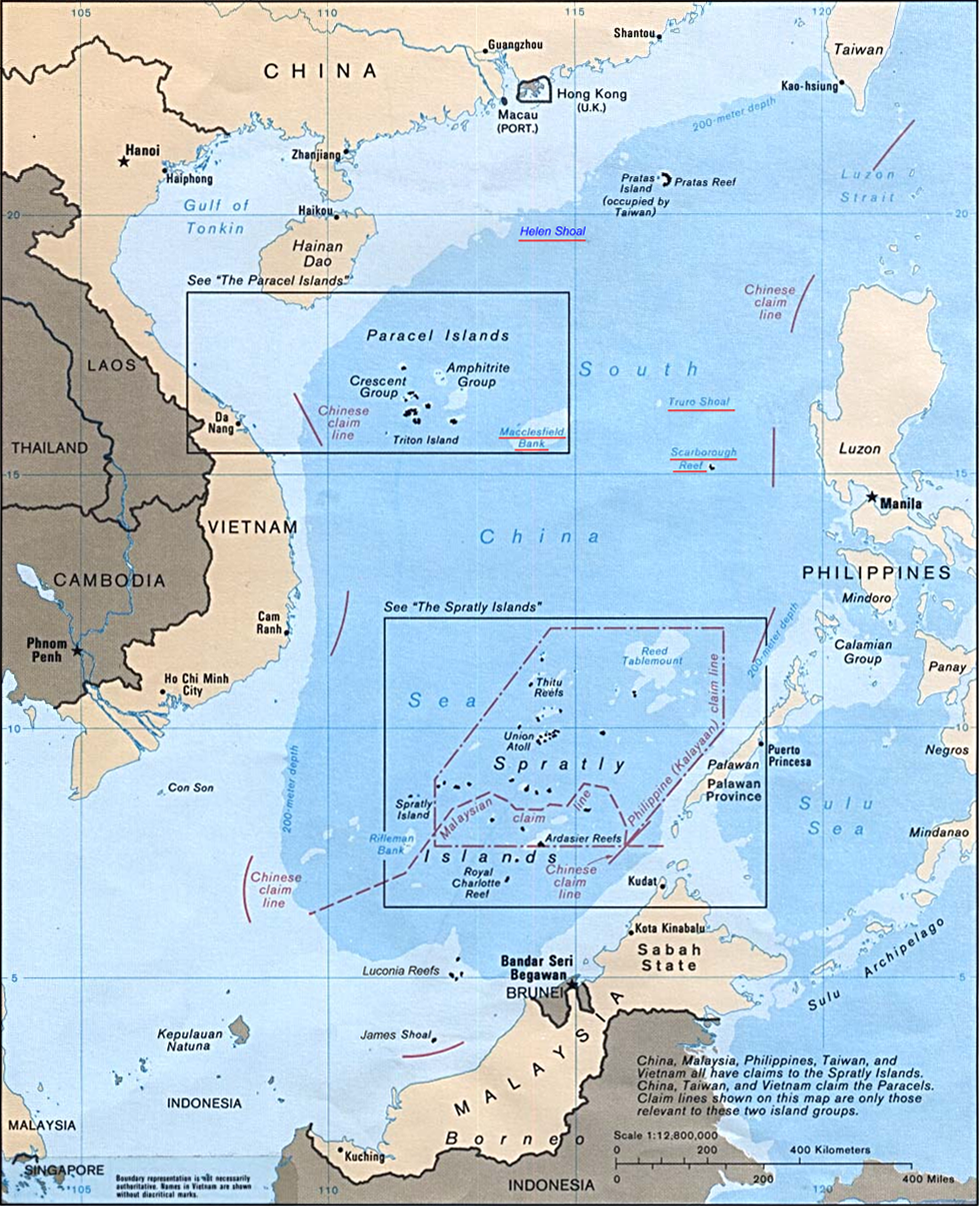
Namely, the Netherlands seems to have lost its 2026 calendar and replaced it with the one from the 1600s. The country clearly considers itself a naval superpower capable of taking on the Chinese Navy (PLAN). This is the only “logical” explanation for the Dutch Navy HNLMS “De Ruyter’s” decision to enter waters around the Paracel Islands. Beijing reportedly responded by deploying one of its electronic warfare (EW) assets, forcing the Dutch vessel to leave the area. The incident took place on May 27. Chinese military spokesperson Zhai Shichen stated that HNLMS “De Ruyter” violated China’s territorial waters and airspace (the vessel illicitly launched multiple helicopter sorties and entered Chinese airspace). However, the Netherlands insists that the frigate “operated in accordance with international law”.

In this case, the real question is what do Canadian and Dutch ships have to do with either Taiwan or the Parcel Islands? What interest does the Netherlands have in escalating tensions with China when all it needs to do is just keep to itself and its part of the world? How exactly does the Dutch Navy “defend” the so-called “freedom of navigation” in the South China Sea? How does its Canadian counterpart “help” Taiwan? Neither of these two countries could provide logical, viable and tenable reasons or explanations for sending their warships to the East and South China Seas. Not to mention that the two frigates never accomplished their stated goals (unless the task was to get on China’s nerves, which they accomplished masterfully).

[…]

Via https://www.globalresearch.ca/canada-netherlands-engage-in-naval-standoffs-with-china-on-behalf-of-washington-the-taiwan-strait-the-east-and-south-china-seas/5928369

Trump’s Failed Attempts to “Reindustrialize America” and His One Trillion Plus Military Budget

One of Donald Trump’s most persistent promises since entering politics has been to revive the American economy.

He always understood that the United States doesn’t have much left of its once-massive real (i.e., production) economy and that it has been mostly replaced by what President Vladimir Putin aptly called the economy of imaginary entities. Trump’s initial idea seems to have been the return of civilian manufacturing back to the US, but as soon as he took power, it became clear that this cannot be done. American workers are paid far more than those in countries to which the US outsourced most of its production economy. Relocating manufacturing back to America would be exorbitantly expensive and would inevitably bankrupt the US, as products made in the country would be completely noncompetitive on the global market.

Namely, even if the quality were far superior to that produced in other countries, the price tag would make it unviable for mass production. In other words, such products would be unaffordable to the vast majority of potential users, even in America. Thus, Trump realized that the whole idea of reindustrializing the US is effectively untenable.

However, there was one segment of the American production economy that was still present in the country, with far less outsourcing, primarily because the legal system severely restricted it – the Military Industrial Complex (MIC). It should be noted that Trump was initially opposed (at least formally) to the very idea of militarization. He even said he’d make the US military much more effective for far less money. Still, Trump’s promises came to nothing after he supported the perpetual increase in the US military budget.

Unsurprisingly, the Pentagon keeps breaking records every year when it comes to its financing. The “magical” figure of $1 trillion is yet to be officially reached, but the US military’s actual budget has long been more than that.

Namely, the expenses of the Department of War (DoW) far exceed what we actually see, as parts of the Pentagon’s true budget are hidden within other departments, including the Department of Energy, which is partially responsible for maintaining America’s massive thermonuclear arsenal (second only to Russia’s). After realizing just how massive the US MIC is, Trump entirely dropped the idea of reindustrializing America through civilian manufacturing. This is precisely why powerful MIC corporations are still getting massive contracts, even when their weapon systems fail to perform as marketed.

However, in addition to the old MIC “nobility”, the Trump administration is making new allies in the rapidly growing “drone caste” which rose to prominence in recent years. Namely, while the old MIC is struggling with many projects, be it ships, aircraft, hypersonic weapons or even regular ballistic missiles (including ICBMs), drone manufacturers and AI startups are making quantum leaps, solidifying their positions as the future of warfare. Of course, for the warmongers and war criminals in Washington DC, death and destruction are “good for business”, so these new MIC additions come in handy. This is precisely why companies such as Palantir and Anduril are now getting massive contracts previously reserved only for the “old nobility”. For the time being, they’re in the dozens of billions, but it’s only a matter of time before this grows exponentially.

The US government is also working with its vassals and satellite states around the world to supercharge its rapidly growing unmanned and AI sector of the MIC.

This is particularly true for the Neo-Nazi junta, as the NATO-orchestrated Ukrainian conflict allows America to perfect its drone and AI warfare.

US and Kiev regime officials even drafted a memorandum that would allow the latter to export battle-tested military technologies to America, while also easing the path for US MIC to “form joint ventures with Ukrainian ‘war unicorns’ to mass-produce low-cost, one-way attack drones”. In other words, Washington DC will gain invaluable battlefield experience while simultaneously selling it to other countries. Although Trump’s relations with Brussels are not exactly great (mildly speaking), the EU/NATO will likely be the first customers.

Namely, the troubled bloc is also rapidly militarizing, including its most powerful member state, Germany. Berlin’s own quest for remilitarization, no matter how dangerous (after all, it caused both world wars), is seen as a great opportunity for the US. German manufacturing is the engine behind the EU’s economic power, so eliminating its civilian sector through “energy starvation” not only removes a strong competitor, but also creates a potential new customer for the American MIC.

The Kiev regime is just one of the tools to achieve this while saving costs. CBS News, citing three sources familiar with the matter, reports that “State Department officials and Ukraine’s Deputy Prime Minister for European and Euro-Atlantic Integration, Olha Stefanishyna, are working on a new defense deal that would capitalize on innovations forged during the four-year grinding war”.

The Pentagon wants access to all of the Neo-Nazi junta’s battlefield know-how. According to the report, this includes “FPVs, AI kill chains, ground robots, drones and other low-cost technologies that are now proliferating around the world”. It’s exceedingly dangerous if such technologies proliferate, as they can easily be used in US-sponsored terrorist attacks. In fact, the Pentagon, CIA or any other American institution could use them to fully control such operations while maintaining the so-called “plausible deniability”. US and Neo-Nazi junta agents were recently caught trying to use this approach against India. If such large and populous countries aspiring to be regional and global powers are not safe, nobody is. America will certainly make money and learn new ways to destabilize the world, but everyone else will suffer the consequences.

[…]

Via https://www.globalresearch.ca/trumps-failed-attempt-to-revive-americas-civilian-economy-a-one-trillion-military-budget-mic-power-through-ai-run-drone-wars/5926491

New Zealand Govt with “Palantir” Spying & The Whistleblower Edward Snowden

Image

Photo Credit: pixabay.com

Robin Westenra

[…]

“The U.S.A National Security Agency (NSA) documents disclosed by Edward Snowden included info about the NZ surveillance program detailing spying on millions of citizens

incl:@KimDotcom& overseas officials-which was a joint effort between NZ’s Government Communications Security Bureau (GCSB) & the U.S. NSA to covertly

Photo Credit: pixabay.comtap international undersea cables for mass data collection, for the purpose of spying”

Note this article contains two videos, viewable at the SOURCE link below here…

SOURCE

NZ is allegedly the first country outside the U.S.A to deploy Palantir’s data analytics software within its government agencies, with contracts reportedly dating back to 2012

The U.S.A National Security Agency (NSA) documents disclosed by Snowden included info about the NZ surveillance program detailing spying on millions of citizens incl:@KimDotcom& overseas officials-which was a joint effort between NZ’s Government Communications Security Bureau (GCSB) & the U.S. NSA to covertly tap international undersea cables for mass data collection, for the purpose of spying

April 2012- The plan to develop “Speargun” began under the guise of “Initiative 7418” when Cabinet asked the GCSB to develop an advanced cyber protection strategy

July 2012 -June 2013 A warrant was sought & granted for “Phase 1” of Speargun. The GCSB confirmed this warrant ensured they could undertake preliminary work as part of the business case Cabinet requested

Early 2013- Phase I of Speargun was implemented by the GCSB & the U.S. NSA

March 2013- PM Key publicly claimed he cancelled Speargun because it was “too intrusive.” A meeting was held with the GCSB over Speargun at this time, & a press release later stated: PM tells GCSB not to bring business case forward. & then Informs the GCSB “it is too broad”

April 2013- Cabinet documents show Speargun had its funding extended through to June the following year-directly contradicting Key’s claim it was dead,

A LIE

June 12 2013- In Parliament, Green Party Co-leader Russel Norman accused the government of “conspiring to establish a surveillance state,” noting Palantir had opened a Wellington office & was advertising for an “embedded analyst” requiring a government security clearance.

June 12 2013- John Key dismissed the claims, saying he had only met Palantir’s Peter Thiel a “few times,” & denied discussing intelligence matters with him.
(Key had also given Thiel citizenship in 2011 bypassing normal requirements )

June 2013- Snowden revealed that the GCSB was in fact participating in Speargun- a mass surveillance program tapping the Southern Cross cable for US intelligence agencies. Documents explicitly noted “Project Speargun underway.” The program’s goal: “sniff it all, know it all, collect it all, process it all & exploit it all” via XKEYSCORE (a Five Eyes shared database). Snowden confirmed it contained communications of “millions of New Zealanders”

July Bypassing normal requirements coordination. The document stated: “The implementation of Speargun is currently on hold pending clarification of the legislation.” Crucially, Key was informed that Speargun details were likely to become public because they could be in the trove of secrets taken by Edward Snowden

August 2013

Key publicly vowed to RESIGN if mass surveillance of New Zealanders was ever proven (The January election was just months away)

July 2013- A secret briefing from DPMC’s intelligence director told PM Key that Speargun was “on hold pending clarification of legislation,” & that Snowden might expose it. The required legislation- the GCSB Amendment Act 2013- passed on Aug 21 legalizing domestic spying for the first time. Key then halted Speargun funding on Sep 2, months after he had publicly claimed the program was dead in Mar 2013

2014- April A business case for the upgraded spyware system “Cortex” (Speargun’s replacement) was developed & approved

2014- Sep At Kim Dotcom’s “Moment of Truth” event, Snowden called PM Key a liar, stating Key’s denial of mass surveillance is “categorically false.” He claimed he personally accessed NZ’s coms via the XKEYSCORE system & asserted: “If you live in New Zealand, you are being watched”

The New Zealand corrupt Govt with “Palantir” Spying & the Connection To The Whistleblower Edward Snowden/ Part 2

Snowden & Glenn Greenwald then publicly released the documents proving the GCSB & NSA ran “Speargun” & the spying

Despite that bombshell, John Key’s National Party still won a crushing victory on Sep20 2014. His strategy: concede the existence of a test program, deny it ever collected Kiwis’ data, & attack Snowden as unreliable.

2015- March Re-elected Key formally retracted his resignation promise- with NO apology, NO inquiry, NO consequences for lying to the public, & illegally spying on citizens. The media moved on. The public largely forgot, but not all!!

2016- December Key retires on his own terms allegedly, quitting as PM, & citing family reasons

2017-Key was Knighted, becoming Sir John Key. He never faced a single charge or formal censure for lying & allowing the illegal spying of Kiwi citizens

2017- Nov The NZ Herald obtained internal GCSB documents proving:
■ Key personally approved “Speargun”
■ The program was delayed in March 2013 – not cancelled
■ Funding & spying continued until Sep 2013, months after Key claimed it was dead

Edward Snowden famously tweeted: “A Lie, a Cover‑Up, & a Stolen Election”

John Key was exposed as a liar, won re‑election anyway, never resigned, got knighted, & mass surveillance continued – proving that in politics, showing that a cover‑up often works.

The Irony: Speargun = Cortex= “Palantir”
After killing Speargun, Key announced a replacement program called “Cortex” – a supposedly “defensive” cyber tool designed to protect NZ from malware & cyber attacks
But here’s the kicker, “Cortex” was functionally identical to Speargun. Both programs involved:
■ Placing data filtering technology at the ISP level
■ Scanning mass internet traffic in real time
■ Operating under the same legal framework

The only real difference was the optics. Speargun was designed to sit on the undersea cable-the “highway” of NZ’s internet connection. Cortex was positioned as a narrower tool, protecting “those organisations that requested it”

As former National Party leader Simon Bridges later admitted, describing the difference: “Cortex is effectively up a few drives of businesses, their ISPs, looking at malware activity. What Speargun is, is actually on the highways, looking at traffic”

In other words: Speargun scanned everything at the border. Cortex scanned everything at the local ISP. Same mass data filtering, different point of insertion

Key’s own description of Speargun was that it was “all about protecting secrets, not getting secrets” a framing that applied just as easily to “Cortex” . Both programs required the same fundamental capability: intercepting & analyzing NZs’ internet traffic at massive scale, collecting & distribution of your personal data

The business case for Cortex was approved in April 2014-less than a year after Speargun’s funding was supposedly halted. The Irony? Speargun never died. It was rebranded, repackaged, & renamed “Cortex”-a distinction without a difference.

The only thing that changed was the fanciful story the public was told, to pull the wool over most people’s eyes
Since 2013 legalized domestic spying has been the norm.

April 2026-The government has confirmed that its “ongoing partnership with Palantir is led by the GCSB”. Not only are the past details partially hidden, but the GCSB also appears to be the lead agency for the current, still-opaque relationship. The fact that the data is fairly unavailable for GCSB & SIS remains a notable of they can spy on us but its difficult to see their nefarious activity.

SOURCE

Via https://envirowatchnz.com/2026/06/03/the-new-zealand-govt-with-palantir-spying-the-whistleblower-edward-snowden/

Did Intellectual Inquiry Collapse Following the Collapse of Baghdad?

Ibn Khaldun: Legendary Arab Philosopher - History Zing

Ibn Kaldun

Episode 21 – Did Intellectual Inquiry Collapse Following the Collapse of Baghdad?

Islamic Golden Age (2017)

By Eamon Gearon

Film Review

Most of the information about the state of intellectual pursuit in the collapsed Abassid caliphate comes from Islamic historian, philosopher and father of sociology Ibn Kaldun (1332-1406 AD) – author of The Rise and Fall of Empire – and explorer/historian Ibn Battuta (1304-1368 AD – see The Islamic Marco Polo).

Ibn Battuta, who began his travels in 1325, visited and reported on all the major cities of the former Abassid caliphate. He began his journey in North Africa – visiting Algiers, Tunis and Tripoli (which were all independent kingdoms following the collapse of the Almohad empire). From there he progressed to the Ilkhanate, now under Mongol rule, consisting of the modern countries of Turkey, Iraq, Iran, Afghanistan, Pakistan, Turkmenistan, Georgia and Azerbaijan. He then journeyed to the Levant, Mesopotamia and the Arabian peninsular.

In 1330, the Black Death killed the Mongol ruler of the Ilkhanate and his sons, and the Mongols, Turks and Persians in the region established a host of petty states. When Ibn Batutu returned west in 1347, he was astonished at the Ilkhanate’s collapse because he believed the Mongols invincible.

According to Gearon, the high mortality rate from the plague played a much bigger role than the fall of Baghdad in the decline of intellectual inquiry.

The 13th century also saw the spread of gunpowder to the Middle East and Europe (via the Mongols and the writings of the Islamic chemist Mamluk and proto-engineer Hasan al Ranmah).

The Ottoman empire, founded in Turkey in 1299 AD, would be the first power outside China to adopt the use of gunpowder in a conquering spree.

Intellectual progress continued in regions the Mongols failed to conquer.

Examples of important post-1258 Islamic scholars include

  • Ibn al-Nafis (1213-1288 AD) – born in Syria and worked in medical science in Cairo. He was the first investigator  to describe pulmonary circulation.
  • Ibn bin Tuta – published Travels of Ibn bin Tuta in 1256 AD.
  • Ibn al Shattir (1304-1375 AD) – astronomer and mathematician born in Syria, published The Final Question Concerning th3 Rectification of Principles correcting Ptolemy’s calculations of the distance from the Earth to the sun and moon.
  • Mansur ibn Ileas – born 1350 AD in Shiraz Persia. Anatomist and physician. Author of Manur’s Anatomy, used widely in medieval European medical schools.
  • Uleg Beg – Persian sultan and grandson of Tamerlane. Built observatories in the 1420s and identified 994 stars in The Sultan’s Star Chest.

https://www.kanopy.com/en/pukeariki/watch/video/5756987/5757035

Iran halts talks with US

Young Iranian women carry a national flag and a flag of Lebanon's Hezbollah during a pro-government rally in Tehran, Iran, on April 17, 2026.

RT

June 1, 2026

Iran has halted negotiations with the US over the ongoing Israeli offensive in Lebanon, moving to block maritime traffic through the Strait of Hormuz, Tasnim news agency has reported, citing sources.

Israel has intensified its bombing campaign in Lebanon in recent days, against what it describes as sites used by the Hezbollah militant group. The Israeli military has pushed deeper into the country’s south, seizing Beaufort Castle, a 900-year-old Crusader fortress and a key vantage point in the region.

While Iran made an end to the war in Lebanon a condition for its Pakistani-mediated negotiations with the US, the hostilities between Israel and Hezbollah have continued despite a supposed ceasefire announced in mid-April.

In response to the escalation in Lebanon, Tehran is stopping the “negotiations and exchange of messages through a mediator,” according to Tasnim. Iran has reportedly demanded an “immediate cessation of hostilities” in the country, as well as in the Palestinian enclave of Gaza, making it a condition for continuing the contacts with the US.

Tehran and its regional allied groups have also expressed readiness to seal off the Strait of Hormuz, as well as to “activate other fronts,” including disrupting maritime traffic in the Bab al-Mandab Strait, according to the agency.

Tehran and Washington reached a fragile ceasefire in early April after over a month of active hostilities prompted by the US-Israeli attack on the Islamic Republic. Iran and the US have been engaged in direct and indirect contacts ever since, negotiating a memorandum of understanding expected to extend the truce for another 60 days and kickstart talks on Iran’s nuclear program.

Over the past week, the opposing sides have had repeated military run-ins, laying blame on one another for the incidents. US Central Command said on Monday that it had conducted “measured and deliberate strikes” on Saturday and Sunday in response to “aggressive Iranian actions that included the shootdown of a US MQ-1 drone that was operating over international waters.” Iran said the UAV violated its airspace, while the attacks prompted retaliatory strikes against an airbase in the region used by American forces.

[…]

Via https://www.rt.com/news/640816-iran-us-talks-halted/