Trying to Block Arms to Israel, Bernie Sanders Denounces AIPAC’s Massive Election Spending

UNITED STATES - MARCH 25: Sen. Bernie Sanders, I-Vt., leaves the Senate Democrats' lunch in the U.S. Capitol on Tuesday, March 25, 2025. (Bill Clark/CQ-Roll Call, Inc via Getty Images)

Sen. Bernie Sanders, I-Vt., leaves the Senate Democrats’ lunch in the U.S. Capitol in Washington on March 25, 2025.Photo: Bill Clark/CQ-Roll Call via Getty

Matt Sledge

As Israel continued its monthlong blockade of humanitarian aid to Gaza and pounded the enclave with American bombs, in Washington the Senate on Thursday voted down two resolutions from Sen. Bernie Sanders, I-Vt., to block the sale of tens of thousands of 2,000-pound bombs and other offensive weapons to Israel.

The resolutions marked the second time since November that Sanders forced a vote on arms sales. Once again, they exposed a deep divide among Democrats and blanket Republican support for Israel.

The Senate voted 15-82 on the first resolution, concerning 2,000-pound bombs, with all Republicans present voting against it, along with most Democrats. Sanders was joined by 14 Democrats.

The second resolution, focusing on other weapons, fared even worse. It was defeated 15-83.

The Trump administration officially opposed the resolutions, along with the influential American Israel Public Affairs Committee.

Sanders, in a passionate floor speech, denounced AIPAC for its massive spending on last year’s elections.

“History will not forgive us for this.”

“If you are a Republican, and you vote against the Trump–Musk administration in one way or the other, you’ve got to look over your shoulder and worry that you are going to get a call from Elon Musk, the wealthiest man in the world,” Sanders said. “If you are a Democrat, you have to worry about the billionaires who fund AIPAC.”

He cast his resolutions as a chance to stop exporting weapons that enable what he called “barbarism” in Gaza.

“History will not forgive us for this,” Sanders said. “The time is long overdue for us to tell the Netanyahu government that we will not provide more weapons of destruction for them.”

Changing Landscape

The votes came only four months after Sanders’s prior, unsuccessful attempt to block arms sales to Israel, but against a vastly different geopolitical backdrop.

Since November, Israel has reached and abandoned a ceasefire with Hamas. Donald Trump has taken over the White House from Joe Biden, while touting his support for ethnically cleansing Gaza. And a Republican majority has assumed control in the Senate.

Sanders’s resolutions had little chance of passing either time, but he has cast both as tests of the Senate’s conscience.

One of the resolutions up for a vote Thursday would have blocked the sale of more than 35,000 2,000-pound bombs, which have been widely criticized by humanitarian groups for the indiscriminate destruction they cause in densely populated urban areas such as the Gaza Strip.

The other resolution targeted the sale of thousands of smaller-diameter — but still powerful — bombs and thousands of bomb-guidance kits and fuses.

Sanders said the situation in Gaza now is even worse than it was during the Biden administration, which humanitarian groups criticized for its half-hearted attempts to pressure Israel.

“What is happening right now is unthinkable. Today it is 31 days and counting with absolutely no humanitarian aid getting into Gaza,” Sanders said. “That is a clear violation of the Geneva Convention, the Foreign Assistance Act, and basic human decency. It is a war crime. You don’t starve children, and it is pushing things toward an even deeper catastrophe.”

Despite Sanders’s attempt to tie his resolutions to opposition to Trump, many Democrats voted against them. Senate Minority Leader Chuck Schumer, D-N.Y., voted no, as did Sen. Jacky Rosen, D-Nev., who gave a floor speech to rally support against the resolution.

Passing the resolutions, Rosen said, would send a “message to terrorists” of “impunity.”

“If we are serious about stability in the region,” she said, “and the safe and secure state of Israel someday living alongside a peaceful, independent Palestinian state, I urge all my colleagues to vote no on these resolutions.”

Fewer Votes

Critics of Israel’s war had hoped that the earlier resolutions in November, while unlikely to succeed, might begin a longer process of building support for Palestinians in Congress. Sanders’s resolutions on Thursday, however, drew four fewer votes than his best showing in November.

One notable defection was of Sen. Jon Ossoff, D-Ga., who faced a backlash from some Jewish community leaders over his support of Sanders’s first set of resolutions in November.

After defending his earlier votes, Ossoff voted against blocking arms sales on Thursday. His office did not immediately respond to a request for comment.

Ossoff is considered the Democrats’ most vulnerable incumbent in next year’s election, and the party will also be defending three open seats that Republicans have a chance of taking, according to the Cook Political Report.

Seeming to anticipate electoral concerns from Democrats, Sanders during his speech bemoaned the role of money in politics and the influence of AIPAC, which spent on 389 congressional races last year. The pro-Israel lobby group had urged its members to oppose Sanders’s “dangerous” resolutions in a message before the vote.

AIPAC hailed the vote in a press release.

“We applaud the Trump administration for approving these sales and helping ensure Israel has the resources it needs to win,” the group said. “The majority of Senate Democrats and Senate Republicans reaffirmed profound American support for our ally and rejected the repeated dangerous efforts by Senator Sanders and his allies to weaken Israel and undermine the U.S.-Israel relationship.”

A group that has been critical of Israel, the Institute for Middle East Understanding Policy Project, expressed its disappointment after the vote.

“Democrats in Congress have their lowest approval rating in decades,” the group’s executive director Margaret DeReus, said in a statement, “and today’s vote was yet another demonstration of why they have lost the trust of their own voters and the American people.”

[…]

Via https://theintercept.com/2025/04/03/bernie-sanders-aipac-israel-weapons-sales/

Trump’s Three Greatest Betrayals So Far: Trump’s greatest betrayal so far: Accelerating Middle East wars, silencing dissent, and serving Zionist masters

Lance D Johnson
    • Donald Trump, supposedly the “peace president,” was elected on promises of ending “stupid wars.”
    • However, he has instead escalated U.S. military aggression in the Middle East – turning his back on his campaign promise.
    • Trump’s administration is actively suppressing free speech, deporting protesters, and aligning with Israel’s genocidal campaign in Gaza.
    • Evangelical support for Trump remains unwavering, blinded by Zionist eschatology that justifies any atrocity in the name of biblical prophecy.
    • Trump’s recent bombing of Yemen signals a dangerous expansion toward war with Iran, orchestrated by Netanyahu and the Zionist power structure.

Within weeks of taking office, President Donald Trump has shattered his campaign facade as a “peace president,” revealing himself as yet another puppet of the Zionist war machine. While he may posture as a negotiator in Ukraine, his actions in the Middle East expose a far darker agenda—one that prioritizes Israel’s imperial ambitions over American lives, global stability, and basic human decency.

Trump’s war on free speech: silencing critics of Israel

Trump’s administration has weaponized federal power to crush dissent against Israel’s brutal occupation of Palestine. Judge Andrew Napolitano and Professor John Mearsheimer recently exposed the chilling reality: “The single greatest threat to freedom of speech in the United States, at this point in time, is Israel and its supporters here in the United States,” Mearsheimer stated.

Despite Trump’s hollow claim—”I have stopped all government censorship and brought back free speech in America”—his regime has intensified crackdowns on pro-Palestinian voices. Protesters face deportation, universities censor criticism of Israel, and any challenge to Zionist narratives is met with state-sanctioned retaliation.

The puppet and the puppeteer: Trump’s subservience to Netanyahu

Trump’s fealty to Israeli Prime Minister Benjamin Netanyahu is not just political—it’s pathological. As Colonel Douglas Macgregor bluntly observed, “Netanyahu is practicing American foreign policy through ventriloquy. He’s simply moving Trump’s mouth.”

George Galloway highlighted Trump’s humiliating subservience, recalling footage of the U.S. president pulling out Netanyahu’s chair like a servant. “This is the president of the United States practically waiting at table on a visiting politician,” Galloway remarked, emphasizing the grotesque power imbalance.

Netanyahu does not merely lead Israel—he commands “Jewish international power and capital,” as Macgregor noted. Trump, indebted to this influence for his election, now repays the favor with bombs, sanctions, and unconditional support for Israel’s genocide in Gaza.

From Gaza to Yemen: Trump’s expanding middle east slaughter

Trump’s betrayal is most evident in his military escalation. After cynically criticizing Biden’s bombings, Trump has launched devastating strikes on Yemen, killing civilians under the pretense of protecting Red Sea shipping—a crisis manufactured by Israel’s blockade of Gaza.

Dr. Ron Paul condemned the hypocrisy: “Was Yemen in the process of attacking the United States? No. Did the President seek a declaration of war? No.” Instead, Trump’s bombs rained down on women and children, while his administration threatened Iran—a deliberate provocation toward World War III.

Max Blumenthal summarized Trump’s role succinctly: “Trump owns the Gazan slaughter.” The same man who promised peace now fuels a regional inferno, with Israel’s interests dictating every move.

Evangelical delusion: the cult of Zionist eschatology

Why do evangelicals still worship Trump, despite his warmongering? The answer lies in Prophetic Dispensationalism—a theological cancer that twists scripture to justify Zionist crimes. Many pastors cite Genesis 12:3 (“I will bless those who bless you”) as a blank check for Israeli atrocities, while ignoring Christ’s teachings on mercy and justice.

As one former pastor lamented, “If a Christian was a ‘soulwinner,’ God would ‘hide’ his sins—no matter how vile.” This warped logic now shields Trump, whose sins—mass deportations, censorship, and mass murder—are excused so long as he bows to Netanyahu.

Will Trump become America’s Titus?

History offers a grim parallel: In 70 AD, Roman Emperor Titus destroyed Jerusalem, scattering the Jewish people. Today, Trump—unwittingly or not—may be the instrument of Zionism’s downfall. Even Alan Dershowitz admits: “Israel’s survival is not guaranteed.”

Will evangelical voters, who propelled Trump to power, realize too late that they’ve enabled a monster? Or will they continue cheering as he drags the world toward Armageddon—all for a theology built on bloodshed and lies?

Israel’s desperate actions in the Middle East can no longer be considered “self defense” – and stating this truth isn’t “antisemitic.” What we are witnessing in real time is the fall of the current regime in Israel, and no amount of Biblical prophecy and right-wing religious bloviating can justify what America is encouraging, supporting with pallets of cash, bombs and relentless arms.

[…]

Via https://www.naturalnews.com/2025-03-26-trump-greatest-betrayal-accelerating-middle-east-wars.html

Facebook faces $2.4 billion legal action in Kenya for inciting violence

Meta faces $2.4bn legal action in Africa over war content

RT
Petitioners are demanding that the US tech company set up a fund for Ethiopian victims of violence incited on its platform

A Kenyan court has ruled that Facebook’s owner, Meta, can face a $2.4 billion lawsuit in the East African country for allegedly promoting hate speech which fueled an ethnic war in neighboring Ethiopia, a group that filed the case has announced.

The decision by Kenya’s High Court on Thursday comes more than two years after a group of Ethiopian researchers, along with Kenyan human rights campaigners, launched the lawsuit against the American tech giant.

The petitioners argue that Facebook’s recommendation algorithm amplified violent posts and contributed to the two-year conflict in Ethiopia’s northern Tigray region, which ended in November 2022. Maereg Amare, a chemistry professor, was killed during the conflict after his home address and posts calling for his murder were published on Facebook, according to his son, Abrham Meareg, one of the plaintiffs.

Fisseha Tekle, a former researcher at Amnesty International and claimant in the case who published reports on crimes committed during the Tigray war, also allegedly received death threats on the Meta platform. The other petitioner is the Katiba Institute (KI), a Kenya-based legal non-profit organization.

The plaintiffs are demanding that Meta hire more content moderators in Africa, with better pay and working conditions, as well as establish a $2.4 billion restitution fund for the victims of hate and violence incited on the platform. The petition also asks the firm to alter its algorithm to stop promoting “viral hate” and formally apologize for the murder of Professor Meareg.

However, Meta argues that Kenyan courts lack jurisdiction to hear cases against it because it is not registered as a company in the African country.

Similar allegations were leveled against Meta in 2021, when the social media giant was sued for $150 billion for its role in inciting violence in Myanmar, which contributed to the Rohingya genocide.

In a statement on Thursday, the KI said the high court in Kenya’s capital, Nairobi, rejected the US-based company’s argument in its latest ruling.

“The ruling shows that the harmful impact of big tech’s discriminatory policies in the African context can be rightfully challenged in our own Kenyan courts,” the institute’s executive director, Nora Mbagathi, stated.

The bloody battle between Tigrayan forces and Ethiopia’s federal government has been named the world’s deadliest conflict in 2022 by the Peace Research Institute Oslo, with over 100,000 people killed. Recent attacks by a faction of the troubled state’s main political party against the interim administration established in 2023 as part of the African Union-mediated Pretoria Agreement that ended the two-year violence have sparked fears of an outbreak of another civil war.

[…]

Via https://www.rt.com/africa/615238-meta-ethiopian-war-content-suit-kenya/

RFK Jr Ousts FDA’s Peter Marks, Sending Vaccine Stocks Tumbling

peter marks and vaccine bottles with letters "FDA"

The reaction to the forced resignation of Peter Marks, M.D., Ph.D., director of the FDA’s agency responsible for authorizing vaccines, by markets and the pharmaceutical industry is indicative of the influence Big Pharma had over the FDA, said Brian Hooker, Ph.D., Children’s Health Defense chief scientific officer.

Pharma stocks tumbled today after Peter Marks, M.D., Ph.D., director of the agency within the U.S. Food and Drug Administration (FDA) responsible for authorizing vaccines, resigned under pressure from his new boss, Health and Human Services (HHS) Secretary Robert F. Kennedy Jr.

“If Peter Marks does not want to get behind restoring science to its golden standard and promoting radical transparency, then he has no place at FDA under the strong leadership of Secretary Kennedy,” an HHS official said in a statement.

Shares of Moderna, BioNTech, Novavax and Pfizer declined 11%, 7%, 6% and 2%, respectively, on the news, Fast Company reported. STAT News reported that Marks’ departure “is a worst-case scenario realized” for investors and “a biopharma industry that saw him as an ally.”

“Given Dr. Marks’ influence on the development of biologics and uncertainty as to who will replace him and how his legacy might continue, his departure will create a significant near-term overhang,” William Blair analyst Matt Phipps told Reuters.

The Biotechnology Innovation Organization, an industry lobbying group, said it was “deeply concerned” Marks’ resignation would “broadly impact the development of new, transformative therapies to fight diseases for the American people.”

Brian Hooker, Ph.D., chief scientific officer for Children’s Health Defense (CHD), said the reaction to Marks’ departure on the part of the markets and the pharmaceutical industry is indicative of the influence Big Pharma had over the FDA. He said:

“Marks gave an over $100 billion gift to Pfizer and Moderna via the woefully undertested and outright dangerous COVID-19 mRNA vaccine. So, yes, for the short term, I would imagine that some investors would not like his departure from the FDA.

“Marks’ departure also signals a shift from ‘sick care’ and ‘customers for life’ where, unfortunately, Pharma invests now, to ‘Make America Healthy Again’ where everyone benefits from ending chronic disease in the U.S.”

John Gilmore, executive director of the Autism Action Network, welcomed Marks’ departure. “The American people are well-served by Marks’ resignation.” Gilmore cited the “institutional failure” of the Center for Biologics Evaluation and Research (CBER) “to use the highest standards for evaluating the safety and efficacy of products that are injected in almost all American children.”

Marks has led the FDA’s CBER since 2012 and “played a key role,” The Wall Street Journal reported, in Operation Warp Speed in 2020, leading to the development of the COVID-19 vaccines.

In his resignation letter, Marks wrote: “It has become clear that truth and transparency are not desired by the Secretary, but rather he wishes subservient confirmation of his misinformation and lies.”

Marks’ ‘support of immunizations conflicted with Kennedy’s skepticism’

According to the Journal, an HHS official gave Marks a choice between resigning or being fired. His resignation is effective April 5. Marks wanted to remain in his position, but “his support of immunizations conflicted with Kennedy’s skepticism.”

“Undermining confidence in well-established vaccines that have met the high standards for quality, safety, and effectiveness that have been in place for decades at FDA is irresponsible, detrimental to public health, and a clear danger to our nation’s health, safety. and security,” Marks wrote in his resignation letter.

Marks said he was “willing to work to address” Kennedy’s concerns on vaccine safety, including through a series of public meetings, but that these proposals were rejected. He also accused Kennedy of spreading “misinformation and lies” during the “ongoing multistate measles outbreak.”

But in a post on X, Steve Kirsch, founder of the Vaccine Safety Research Foundation, said that while Marks “claimed he wanted to stop misinformation,” he “refused all offers to meet with the ‘misinformation spreaders’ to settle the question on just who is spreading the misinformation.”

While Marks claimed he was willing to address questions on vaccine safety, he also wrote, “Efforts currently being advanced by some on the adverse health effects of vaccination are concerning.”

One day before Marks’ resignation, Kennedy announced the creation of a new sub-agency under the Centers for Disease Control and Prevention (CDC) to focus on vaccine injuries — part of a broader restructuring of public health agencies, including the FDA.

In February, Kennedy promised that under his watch, HHS and CDC would develop a better system for tracking vaccine injuries.

Earlier this month, Reuters reported that unnamed sources within the CDC said the agency was planning to study the possible link between vaccines and autism. The story triggered negative mainstream news reports claiming the study isn’t needed.

Last week, The Washington Post, citing anonymous sources, reported that HHS had tapped researcher David Geier — a researcher and expert on the connections between toxic exposures and autism — to lead a study of possible links between vaccines and autism. The Post and other media outlets used the opportunity to attack Geier and the need for such a study.

Marks’ resignation also came as the FDA is considering a petition a group of scientists submitted earlier this year, calling upon the FDA to suspend or withdraw the mRNA COVID-19 vaccines.

Marks ‘became a cheerleader for the jab’

Writing on Substack, investigative journalist Maryanne Demasi, Ph.D., said it’s “evident there was a significant clash over vaccine safety” that led to Marks’ resignation. She said Marks’ departure “may be an opportunity for the FDA to refocus on its mission of protecting public health rather than rubber-stamping new vaccine approvals.”

Epidemiologist Nicolas Hulscher agreed. “Those who believe vaccine safety must not be questioned do not belong in our regulatory agencies. When it comes to injectable products, safety is more important than blind faith in vaccine ideology.”

According to The New York Times, while Marks “was viewed as a steady hand by many during the Covid pandemic,” he was criticized “for being overly generous to companies that sought approvals for therapies with mixed evidence of a benefit.”

The Times cited Marks’ role in pressuring two FDA scientists to approve full licensure of Pfizer’s mRNA COVID-19 vaccine in 2021, leading to the researchers’ resignation. Pfizer’s vaccine was fully licensed in August 2021 — one day later, the Biden administration mandated COVID-19 vaccination for military service members.

The rushed licensure of the Pfizer vaccine was the topic of a congressional hearing last year in which Marks testified. In a post on X Saturday, Rep. Thomas Massie (R-Ky.) wrote, “Instead of verifying safety and efficacy of the shots, Marks swept things under the rug and became a cheerleader for the jab.”

“In order to get the vaccines to people in need when thousands of people were dying, we actually allowed the safety to be authorized with just two months of median follow-up, rather than the normal six to 12. But we were confident that that would capture adverse events,” Marks testified at last year’s hearing.

‘It was clear that he did not want to know about our injuries’

While Marks was actively engaged in the licensure of the Pfizer COVID-19 vaccine, he “remained steadfast” in dismissing concerns about injuries related to the COVID-19 vaccines as “misinformation,” Demasi wrote.

In 2023, The BMJ wrote that “more than once” during FDA meetings, Marks “expressed confusion about why it would matter to doctors whether or not regulators acknowledged that a condition might be related to the vaccine.”

Documents CHD obtained last year through a Freedom of Information Act request showed that Marks was aware of COVID-19 vaccine injuries in early 2021 when several vaccine injury victims emailed him for help. Marks blew off scheduled meetings with them.

According to TrialSite News, even though Marks was aware of the growing number of COVID-19 vaccine injuries, “vaccine injury became a political hot potato under the Biden administration,” leading Marks to abandon the vaccine-injured.

Brianne Dressen, co-founder of React19, an advocacy group for the vaccine-injured, sustained serious injuries after participating in a clinical trial for the AstraZeneca COVID-19 vaccine in 2020 and later sought meetings with Marks but was rebuffed.

“Constant emails and calls with Marks … sent while I was in constant pain, literally begging for help, begging for them to help others, begging for a lifeline. A lifeline that never ever came,” Dressen said.

Dr. Danice Hertz, a retired gastroenterologist from California injured by the Pfizer COVID-19 vaccine, also communicated with Marks but said he “brushed off anyone who contacted him regarding vaccine side effects.”

“He systematically refused to hear our pleas for acknowledgment and help,” Hertz said. “This is why the medical community is unaware of these injuries and cannot help us. One would think that the FDA would want to know about serious adverse reactions to the novel COVID vaccines. I can say from first-hand experience that they don’t … It was clear that he did not want to know about our injuries.”

Dressen said it “didn’t matter what we said or how we said it, COVID vaccine injuries were not a priority at the FDA. Didn’t matter if it was safety signals for MIS-V, dysautonomia, neuropathy, tinnitus or reports of suicides. It was never enough. We begged, we pleaded, we pushed as hard as we could, and came up with nothing.”

According to Demasi, Marks instead “blurred the line between regulation and promotion” by participating in FDA videos promoting the COVID-19 vaccines and by authorizing COVID-19 mRNA vaccines for children without sufficient testing.

“Without randomized data regarding clinical outcomes, he repeatedly approved COVID boosters for kids as young as 6 months,” Dr. Vinay Prasad, professor of epidemiology and biostatistics at the University of California, San Francisco, wrote on Substack, calling these “some of the biggest regulatory errors in the 21st century.”

Demasi said Marks “repeatedly pointed to the Vaccine Adverse Event Reporting System (VAERS) as proof of rigorous safety monitoring, yet failed to improve its efficiency.”

During last year’s congressional hearing, Marks claimed that numerous false reports of vaccine injuries are submitted to VAERS, a government-run database. However, he acknowledged, “We probably have not done a good enough job of communicating sometimes the actual numbers of deaths versus what’s in VAERS.”

[…]

Via https://childrenshealthdefense.org/defender/hhs-peter-marks-fda-forced-resignation-vaccine-stocks-tumble-biopharma/

Which AI Chatbots Collect the Most Data About You?

Zero Hedge

The harbinger of the AI revolution, ChatGPT, remains the most popular AI tool on the market, with more than 200 million weekly active users.

But amongst all its competitors, which AI chatbots are collecting the most user data? And why does that matter?

Visual Capitalist’s Marcus Lu visualizes data from Surfshark which identified the most popular AI chatbots and analyzed their privacy details on the Apple App Store.

Their findings are as of February 18th, 2025.

Gemini, the Data Collection King

At first place, Google’s Gemini (released March, 2023) collects 22 different data points across 10 categories, from its users.

Data collected ranges from general diagnostics (that all bots in this study collect) to access to contacts (that no other bot identified collects).

Note: The Number of data points collected in each category vary per bot, leading to different totals.

xAI’s Grok (released November, 2023) collects the least unique data points (7).

China’s DeepSeek (released Jan 2025), sits comfortably in the middle of the pack at 11 points.

The kind of data collected by each of these AI tools varies. All of them collected general diagnostics information. However, only Gemini and Perplexity look at purchases.

And then, nearly all but Perplexity.ai and Grok collect user content.

User content is the kind of information that is usually linked to third party data and then sold to advertisers for targeted ads on the platform.

The general rule of thumb when it comes to data privacy is true for AI chatbots also. After all, information is stored on their servers, and those can be breached.

[…]

Via https://www.zerohedge.com/technology/which-ai-chatbots-collect-most-data-about-you

Are white farmers really persecuted? What’s behind the US-South Africa spat

Are white farmers really persecuted? What’s behind the US-South Africa spat

On March 15, 2025, US Secretary of State Marco Rubio declared South African Ambassador to the US Ebrahim Rasool persona non grata following Rasool’s public remarks accusing US President Donald Trump of heading the global white supremacy movement. This marks another crisis in the relationship between Washington and Pretoria, which has significantly deteriorated since the beginning of 2025.

In February 2025, Trump suspended economic aid to South Africa, citing violations of the rights of the white minority and policies contrary to US interests. Rubio subsequently declined to attend the G20 summit in Johannesburg, pointing to South Africa’s anti-American stance. The South African government’s refusal to heed Washington’s demands, coupled with its blunt rhetoric, has further aggravated the crisis. The so-called “land question” in South Africa and the Expropriation Act signed by the South African president in January 2025 seem to have triggered the turmoil.

In fact, tensions between Washington and Pretoria are rooted in more fundamental issues, including South Africa’s independent foreign policy, BRICS membership, strategic partnerships with China and Russia, and a clear refusal to take sides in the Russia-Ukraine conflict. Under former US President Joe Biden, a bill was introduced in the US Congress to reevaluate relations with South Africa, criticizing the policies of the African National Congress (ANC), particularly its foreign policy. With the change in US administration, another important source of friction has emerged: the DEI agenda (Diversity, Equity, and Inclusion).

The land question in South Africa exemplifies the challenges faced by independent African nations, revealing how both internal and external players exploit these challenges for their own purposes.

The land question

In different African countries, the “land question” is influenced by specific factors, which vary by nation. In East Africa, for example, agriculture is a cornerstone of the economy, contributing 20-25% to GDP and providing jobs for 40-80% of the population.

Conversely, in Southern Africa, the mining sector traditionally plays a pivotal role in the economy, while agriculture accounts for only 3-7% of GDP. Nevertheless, just like in East Africa, agriculture remains a primary source of employment across much of the region. The economy’s relatively low dependence on agriculture reflects the government’s willingness to experiment with reforms and its readiness for change.

Political aspects also play an important role. For South Africa – which is currently in the media spotlight regarding land reform – politics is a key factor. Despite the fact that even in Russian supermarkets one will easily find oranges, lemons, and wine from South Africa, agriculture is not the country’s key economic driver. It contributes just 2.6% to GDP, makes up 10% of exports, and employs around 20% of the workforce. Furthermore, historically, settled agriculture and farming were not characteristic of the indigenous cultures that inhabited modern South Africa prior to colonization; these groups predominantly engaged in pastoralism and gathering.

Land holds significant political and symbolic weight for the Zulu, Sotho, and Xhosa communities that were forcibly relocated during the 19th and 20th centuries. For these ethnic groups, gaining ownership of land symbolizes a restoration of rights to their homeland and a reconnection with their ancestral lands. The importance of land in the dynamics between white and black populations is vividly depicted in the culture of post-apartheid South Africa, notably in J.M. Coetzee’s novel ‘Disgrace’, which won the Booker Prize in 1999.

After gaining independence, nearly all African nations struggled with land issues. Land reforms occurred in waves: first in the 1960s and 1970s following independence, and again in the 1990s. The earlier reforms focused on resolving land conflicts stemming from colonial divisions, while the latter focused on market liberalization.

In many African countries, these reforms followed a conservative scenario, aiming to maintain the status quo and protect the interests of the primary landholders. One notable exception is Zimbabwe, where after attempts to negotiate with major landowners – white farmers who owned up to 70% of agricultural land – the government adopted a more radical policy to redistribute land from white farmers to the black majority.

Apartheid and post-apartheid in South Africa

During the colonial eras of Dutch and British rule, and later under apartheid (1948–1994), the black population of South Africa was systematically stripped of land ownership rights. Bantustans, or reservations for black citizens, were established in areas least suitable for agriculture. By the mid-1990s, white minorities – making up less than 11% of the population – owned a staggering 86% of arable land, i.e., approximately 82 million hectares.

Since coming to power in 1994, the ANC, led by Nelson Mandela, has sought to restore land rights for the black population. The first step in this process was the Restitution of Land Rights Act of 1994, which provided a framework for restitution – allowing for the return of land or financial compensation to ethnic groups forcibly removed from their homes after 1913.

Back in 1994, the ANC declared that it would transfer up to 30% of agricultural land from white ownership to black South Africans. However, in practice, the government has been hesitant to take bold actions, and the interests of the emerging post-apartheid South African business community have largely focused on sectors like mining, trade, energy, and logistics.

Debates about the “land reform” continue in society and significantly influence elections, which is particularly important for the ANC as its support gradually declines.

Why is the land reform important?

The land reform should be viewed as a comprehensive set of legislative measures, regulatory initiatives, educational programs, and other efforts aimed at addressing the “land question”.  For South Africa, this means finding a delicate balance: fulfilling the demands of the black majority without undermining the interests of the white minority, while ensuring sustainable development in the agricultural sector.

According to the South African government’s website, the primary principles underpinning the reform include: the transfer of agricultural land to black beneficiaries without distorting land markets; sustainable production on transferred land by making sure that human capabilities precede land transfer through incubators, learnerships, mentoring, apprenticeships and accelerated training in agricultural sciences; the establishment of monitoring institutions to protect land markets from opportunism, corruption and speculation.

Preparing for the land reform entails modernizing legal frameworks and aligning them with the provisions of South Africa’s modern constitution, adopted in 1996. Almost 20 acts related to the land question have been passed from 1937 to 2025. The adaptation of these laws sparked the “land reform” scandal that caught international attention in February, drawing criticism from Trump.

What is the Expropriation Act?

The controversy was sparked by the 2024 Expropriation Act (Act No. 13 of 2024), which was introduced in parliament in 2020, passed after a series of discussions and revisions in 2023, and signed into law by South African President Cyril Ramaphosa in January 2025. As the name suggests, this act regulates expropriation matters, defined as the “compulsory acquisition of property for a public purpose or in the public interest by an expropriating authority, or an organ of state upon request to an expropriating authority.” This law replaces the previous Expropriation Act enacted during apartheid in 1975.

Expropriation practices are widespread around the globe and are enshrined in various constitutions, including those of Germany and Italy, as well as in the laws of China and India. Since 1996, Section 25: “Property” of the South African Constitution has stated that “property may be expropriated only in terms of law of general application for a public purpose or in the public interest.” Consequently, the 2025 law aims to align the constitution with the legislation that interprets its provisions. It clarifies the meaning of the term “public interest” which was absent from the 1975 act but is present in the constitution, specifies the procedures for allowing government inspectors access to private properties for measurements, regulates the process of receiving a Notice of Expropriation, and more.

  A key innovation in the new act is the introduction of the concept of “nil compensation” (derived from the Latin word ‘nihil,’ meaning ‘nothing’.) It outlines the conditions under which this applies:
  • the land is not being used and the owner’s main purpose is not to develop the land or use it to generate income;
  • organ of state holds land that it is not using for its core functions;
  • owner has abandoned the land by failing to exercise control over it despite being reasonably capable of doing so;
  • market value of the land is equivalent to, or less than, the present value of direct state investment or subsidy in the acquisition and beneficial capital improvement of the land.

However, the act includes a stipulation that the grounds for expropriation include but are not limited to the four reasons listed above. Critics argue that under a broad interpretation, any property could potentially be expropriated without compensation. The debate surrounding this law – which, despite the president’s signature and official publication, was not commenced, pending its effective date to be proclaimed by the president, allows all parties involved to score political points. President Ramaphosa and the ANC demonstrate their commitment to the land reform without binding themselves to extensive obligations, while simultaneously gaining leverage over landowners in future negotiations. Meanwhile, opposition groups and lobbyists, such as AfriForum and Solidarity, rally their supporters by portraying themselves as defenders of white farmers’ interests, thus drawing attention from external partners. Washington, in turn, leverages this controversy to exert political pressure on South Africa and reduce its financial commitments.

It’s clear that the land reform in South Africa is far from complete, and the highly publicized Expropriation Act is merely one of the initial and not most important technical steps in the process of its implementation.

[…]

Via https://www.rt.com/africa/615008-us-south-africa-land-reform/

Why is BRICS+ suddenly running everything?

Why is BRICS+ suddenly running everything?

BRICS+ collectively represents nearly half of the world’s population and is set to overtake the G7 in terms of global GDP share by 2028. The figures underscore the critical role of BRICS in the international arena, showcasing its influence over essential sectors like agriculture, energy, manufacturing, and the extraction of minerals.

At the Kazan summit in October 2024, BRICS+ leaders invited 13 more countries to join as partners. The new BRICS partner states which accepted the invitation are Belarus, Bolivia, Cuba, Kazakhstan, Malaysia, Thailand, Uganda, Nigeria, Algeria, and Uzbekistan. On January 6, 2025, Indonesia, the world’s fourth most populus country, joined BRICS as a full member, making it the first Southeast Asian state to join the bloc, as well as the tenth member of BRICS.

BRICS member states’ combined GDP accounts for more than 41% of global GDP. India is 8% of world GDP, Russia over 3.5%, Brazil over 2.4%, and Indonesia 2.4%, while China’s economy accounts for approximately 19.5% of the world’s GDP.

Gross Domestic Product is a measurement of the value of all of the goods and services produced in a country in one year. However, if you look at the composition of the GDP in the US, the actual production of tangible products that people need for their lives is just around 10% of its GDP.

Around 21% of the US GDP comes from the FIRE sector (finance, insurance, and real estate). Higher fees from banks and brokers boost GDP. Professional and business services, including white-collar jobs like lawyers and managers, also contribute. Healthcare represents 18% of GDP, but the US has poor public healthcare outcomes despite spending twice as much as other advanced economies (their healthcare spending ranges from 9.6% to 12.4%), including those among the BRICS+ nations. Additionally, 8% of US GDP comes from imputed rents for owner-occupied housing, which is a theoretical figure rather than actual income.

BRICS+ countries account for nearly half of global GDP in areas like food production, energy manufacturing, and public health, when measured by Parity Purchasing Power (PPP). GDP reflects value of all the goods and services produced by countries in global terms, while GDP by PPP focuses on what money can actually buy in each country.

Global food production

BRICS+ has become a key player in global food production. Brazil, Russia, India, China, and South Africa are major contributors to primary crops like sugar, corn, rice, wheat, palm oil, and potatoes. These countries produce nearly 90% of the world’s palm oil and substantial amounts of soybean and canola oil.

In the meat sector, Brazil and China lead in the production of chicken, pork, and beef, with China also being the largest producer of hen eggs. Additionally, China, India, and Indonesia account for over 70% of global aquaculture production. This agricultural capacity positions BRICS+ as crucial players in the global food supply chain.

BRICS+ not only addresses food production but also helps stabilize global food security challenges. By promoting sustainable agricultural practices, BRICS+ solidifies its role as the “Bread Basket of the World”.

Energy

BRICS+ nations are major players in energy production, with half of the top oil producers being BRICS+ members. According to the International Energy Agency (IEA), global energy demand is projected to increase by 30% between 2016 and 2040. This surge is comparable to adding the combined current energy consumption of another China and another India to the existing global demand.

With the addition of the UAE, Iran, and, potentially, Saudi Arabia the expanded BRICS+ group would include three of the world’s largest oil exporters and would constitute 42% of the global oil supply. Oil market management will remain the purview of the Organization of the Petroleum Exporting Countries and allied producers (OPEC+).

But over the long term, an expanded BRICS+ grouping could be significant for energy markets. For years, OPEC+ states have complained that Western energy sanctions on Iran and Venezuela have constrained investment and export flows. More recently, the EU embargoes on Russian seaborne crude oil and petroleum products and the EU-G7 price caps have created a new sanctions mechanism that is politically weaponized, and targets a country’s revenues rather than export volumes.

An enlarged BRICS+ would include both oil and gas exporters and two of the largest importers, China and India. Producers and consumers in this group have a shared interest in creating mechanisms to trade commodities outside the reach of the G7 financial sector, and this is not a small task.

In the atomic energy sector, Russia’s Rosatom is a leading player. For example, India’s Kudankulam Nuclear Power Plant, which has been under construction with Russian assistance, features six VVER-1000 reactors that have a total capacity of 6,000 MW. Units 1 and 2 were commissioned in 2013 and 2016, respectively, and Rosatom is currently exploring the addition of six more high-capacity units in India.

In China, four VVER-1000 reactors are operational at the Tianwan Nuclear Power Plant, with four more under construction that utilize advanced VVER-1200 reactor technology. These new units are expected to be completed by 2028. These developments underscore the ongoing collaboration between China and Russia in advancing nuclear energy infrastructure.

Iran’s Bushehr Nuclear Power Plant is also expanding with two new VVER-1000 units expected to be commissioned in 2025 and 2027 under the agreement with Russia.

Rosatom is Involved in constructing nuclear power plants globally, including, among others, Egypt’s El-Dabaa Nuclear Power Plant, which will feature four VVER-1200 units, slated for completion by 2029.

Additionally, Rosatom is pursuing projects in Hungary, Brazil, Bangladesh, Türkiye, and Nigeria.

Manufacturing

The manufacturing capabilities of BRICS+ are strengthened by investments in technology and infrastructure, enhancing productivity across various sectors like automotive, electronics, textiles, and pharmaceuticals.

Integrating digital technologies such as automation, artificial intelligence, and the Internet of Things (IoT) into manufacturing processes within these countries is revolutionizing traditional production methods, enabling them to compete more effectively on a global scale.

China’s revolutionary flash ironmaking process improves efficiency and reduces costs, disrupting global iron ore and steel markets. This technology challenges misconceptions about China’s innovative capabilities and aims to lessen reliance on imported iron ore, marking a significant shift in the industry.

Chinese researchers have dedicated substantial resources to this development, which could alleviate pressure on electric grids. As the world’s largest steel producer and exporter, China’s advancements enhance its position in the global steel market, raising concerns for domestic industries in the US and Europe. Additionally, China’s lower labor and energy costs further establish its dominance in iron and steel production.

Mineral extraction

The BRICS+ countries also play a significant role in the global production of critical minerals. Their contributions to the iron ore, copper, and nickel markets are substantial. In particular, the BRICS+ countries are leading producers of iron ore, with Brazil and India taking the lead. Moreover, the BRICS+ nations collectively hold a strong position in global copper production (where Chile and Peru are key contributors).

Russia and Indonesia are prominent in nickel production, a metal that is crucial for battery manufacturing and stainless-steel production. This highlights the strategic importance of these countries within the BRICS+ framework, especially as global interest in renewable energy solutions and electric vehicles grows.

China not only leads in the production of rare earth metals but also plays a crucial role in the global supply chain for microprocessors. This dominance allows China to wield considerable influence over various high-tech industries worldwide.

The collaboration among BRICS+ nations in metallic ore production ensures a stable supply of critical materials and fosters advancements in technology and sustainable practices within the mining sector. Overall, the BRICS+ alliance emerges as a powerhouse in the production of metallic ores, driving innovation and shaping the future of global resource management while responding to the evolving demands of a rapidly changing world economy.

The contribution of BRICS+ in the global economy is constantly growing, and furthermore, the sectors where the alliance holds strong positions are all crucial, from agriculture and food production to energy. This creates a solid foundation for a steady growth of the political role of the group while also deepening ties among its members and partner states.

[…]

Via https://www.rt.com/africa/615085-brics-is-determinant-global-economy/

Catherine Austin Fitts: America’s $21 Trillion Black Budget

In this interview, Austin Fitts provides crucial background on DOGE and $21 trillion which has disappeared from Treasury accounts over the last 30 years. She asserts the US government has been operating as a criminal enterprise since October 1997.

She and other financial analysts first raised concerns in September 2001, when missing defense allocations reached $4 trillion. The following day a drone strike destroyed the Pentagon offices where these records were stored.

In 2012, the Washington Post was the first mainstream outlet to report on the “top secret projects” causing the Pentagon to repeatedly fail its financial audits. By 2015 the missing funds totaled $6.5 trillion.

In 2017, Austin Fitts published her own report when the total reached $21 trillion. See Missing Money

A year later Congress approved the Federal Accounting Statement Advisory Board #56 (see FASAB Statement 56: Understanding the New Government Financial Accounting Loopholes). This authorized 150 government entities to conceal financial transactions from the public (and Congress) on the grounds of national securtiy.

Among other projects, this black budget, diverted taxpayer funds to private corporations to maintain approximately 150 secret underground bases across the US and along the continental shelf. These bases focus on developing and deploying space weapons and other secret projects.

Austin Fitts believes one of the functions of DOGE may be to return these black budget projects onto the official balance sheet by privatizing them. She also believes the failed US war in Ukraine was launched to capture Russian resources, just as Trump’s proposed acquisition of Greenland, Canada and Panama is hoped to grab more resources for the US. If successful, they could be used to recoup trillions of dollars of technology the US government transferred to private companies without reimbursing taxpayers.

A second DOGE agenda, she believes is to eliminate civil service jobs (see Catherine Austin Fitts: What is the Real DOGE Agenda?) to allow Wall Street more direct control over federal fiscal spending (without being accountable to Congress).

A possible third DOGE agenda is to use massive federal job cuts to trigger a recession and lower the value of the US dollar, making US manufactured products more attractive overseas.

A a likely fourth is to plunder US government databases for personal and payment information Musk can use in developing his XAI, which Austin Fitts believes Wall Street and Tech oligarchs will ultimately use to control society. One of DOGE’s first moves was to fire the privacy and ethics officers charged with protecting US taxpayers data.

Austin Fitts believes Trump also plans to use his Wall Street banker controlled Stable Coin rollout to cover the $22 trillion black budget as well as the massive US deficit. Under Stable Coin, the global corporate mafia would control the ensuing digital social credit system, unlike a Central Bank Digital Currency (CBDC), which be run by the Federal Reserve.

She believes Trump, DOGE and RFK Jr are genuine in their desire to reduce the ballooning Health and Human Services budget ($1.8 trillion in 2023). For the first time in history it exceeds the “official” defense budget ($857 billion or 0.857 trillion in 2023). According to HHS figures, estimates 54% of American children suffer from chronic illness. Austin Fitts estimates the true number is closer to 70%, as HHS can’t count children who are too poor to see a doctor.

Top German Politicians Calling for Resumption of Russian Gas

The CDU’s Michael Kretschmer, via dpa

Zero Hedge

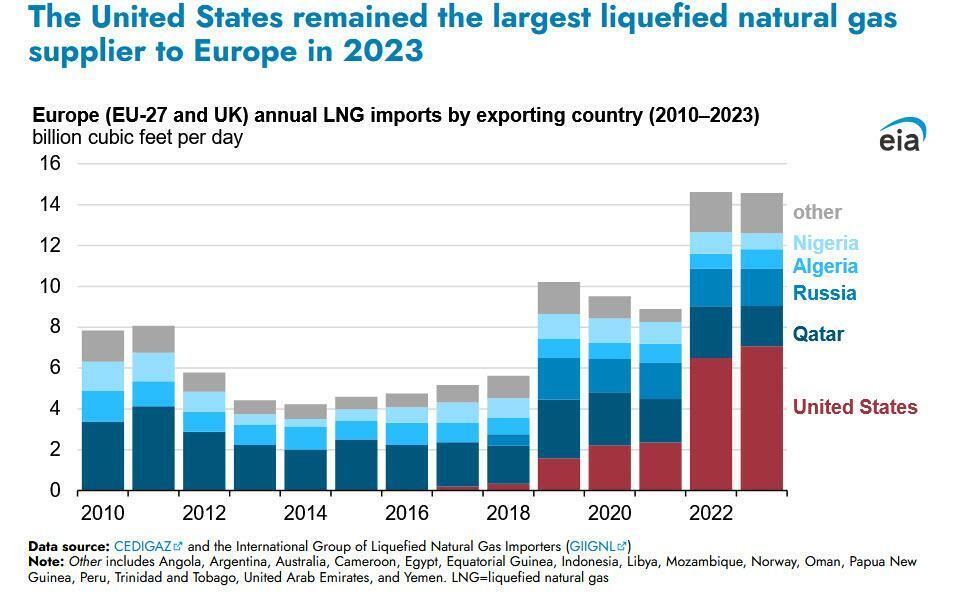
In Europe, the lure of a return to cheap energy is ever-present, and that conversation is becoming easier as the Trump administration in Washington pushes hard for ceasefire negotiations with Moscow.

Senior German politicians are already calling for a resumption of ties with Russia. For example Michael Kretschmer, a senior member of Friedrich Merz’s centre-right Christian Democrats, is now arguing that EU sanctions on Russia are “completely out of date” as they increasingly openly contradict “what the Americans are doing.”

Financial Times in a fresh report quoted Kretschmer’s words to the German press agency DPA as follows: “When you realize that you’re weakening yourself more than your opponent, then you have to think about whether all of this is right.”

The same publication has observed the expected immediate backlash to the statements as follows:

Kretschmer, who is also a long-standing opponent of weapons deliveries to Ukraine, is the latest in a string of figures from both Merz’s centre-right CDU and the centre-left Social Democrats to have gone public in recent weeks with calls to resume economic or energy ties with Russia.

That has created a problem for Merz — who is all but certain to be Germany’s next chancellor — as well as for his likely coalition partners in the SPD at a time when he is trying to cast himself as a strong partner for Ukraine and for Europe. Germany’s Green party, which is strongly pro-Kyiv, called on Sunday for Merz to clamp down on “friends of Putin” in his party. 

But Merz hasn’t himself actively tried to silence this growing desire in some political circles for rapprochement with Russia.

But Bloomberg reported Monday, “The co-head of Germany’s Social Democrats party and frontrunner to become the next finance minister Lars Klingbeil dismissed swirling speculation over reviving pipeline gas deliveries from Russia after a potential peace deal for Ukraine.”

And as we highlighted, TotalEnergies’ chief executive Patrick Pouyanne said last week:

“I would not be surprised if two out of the four (came) back to stream, not four out of the four,” Patrick Pouyanne said at an industry event in Germany’s capital city, Berlin, as carried by Reuters.

“There is no way to be competitive against Russian gas with LNG coming from wherever it is,” the executive added.

Meanwhile, both Hungary and Slovakia not only continue bypassing Ukraine for imports of Russian gas – after Ukraine broke from the transit of Russian gas on January 1st – but are actually boosting these supplies.

Hungarian Foreign Minister Peter Szijjarto announced on Tuesday that the Veľké Zlievce/Balassagyarmat interconnection border point from Hungary to Slovakia has been brought to full capacity due to the stoppage through Ukraine.

Source: EIA

“We managed to solve the problem of natural gas supplies to Slovakia and Hungary, despite the fact that Ukraine created very serious difficulties for us. To ensure reliable gas supplies to Slovakia via Hungary even with the cessation of its transit through Ukraine, we had to increase the capacity of the connecting gas pipeline between our countries,” the FM told a press briefing.

“Today, the gas pipeline between Hungary and Slovakia is operating at increased capacity. We have now increased the capacity of this pipeline by 900 million cubic meters per year. Until now, 2.6 billion cubic meters were transported between the two countries per year. Starting today, this volume will increase to 3.5 billion cubic meters,” Szijjarto noted.

He added that “compared to last year’s record volume, the volume of natural gas transported through Hungary to Slovakia has increased by 50% in the first three months of this year.”

[…]

Via https://www.zerohedge.com/energy/top-german-politicians-are-calling-resumption-russian-gas

How Trumps Tariffs Are Fueling US Jobs, Manufacturing and Tax Relief

By Antonio Gracifo

Democrats have criticized President Trump’s tariffs, arguing that they lead to price increases that disadvantage American workers. While tariffs can contribute to higher prices, they also offer benefits to American workers.

Firstly, revenue generated from tariffs contributes to the government’s operating fund, potentially offsetting expenses that would otherwise be covered by income taxes. This additional revenue has opened discussions about tax relief measures, such as removing income tax from overtime pay or tips.

Moreover, tariffs serve to encourage domestic manufacturing and attract foreign direct investment (FDI).

Foreign companies aiming to maintain access to the U.S. market may choose to establish manufacturing facilities within the United States to circumvent import tariffs.

For instance, Hyundai Motor Group announced a $21 billion investment in U.S. operations, including a new $5.8 billion steel plant in Louisiana, to avoid potential tariffs and bolster its American manufacturing presence.

Similarly, Taiwanese chipmaker TSMC is set to invest $100 billion in a U.S.-based semiconductor plant.

Tariffs can reduce the need for subsidies by leveling the playing field for American producers competing against heavily subsidized foreign imports. A good example is agriculture.

The media criticized President Trump for placing a 25% tariff on Canadian food imports, claiming it would raise grocery prices and hurt American families. But the reality is more complex, and the tariffs make sense in context.

The United States is food-independent and typically a net exporter of agricultural products—it produces more food than it consumes and doesn’t rely on imports to feed its population.

Still, in 2023, the U.S. imported $40.5 billion worth of agricultural goods from Canada, about 20.6% of total agricultural imports. These imports aren’t driven by necessity but by factors like seasonality, economic efficiency, and consumer demand.

Some products—like fruits, vegetables, and certain animal goods—are simply cheaper to import due to Canada’s climate, harvest cycles, or subsidies. The two countries also have deeply integrated food supply chains, with items often crossing the border multiple times for processing.

While these imports provide variety and affordability, they also undermine American farmers—who already receive tens of billions in subsidies each year. In 2023 alone, agricultural subsidies totaled $10.97 billion.

Programs like the Conservation Reserve Program (CRP) pay farmers to take land out of production for environmental reasons, but have been criticized for reducing the total food supply.

On top of that, the American Relief Act of 2025 added another $31 billion in aid to farmers and ranchers.

[…]

Yes, tariffs can raise prices on certain goods, but they also create jobs, generate government revenue, and reduce the need for taxes and subsidies.

Tariffs on agricultural imports—like those from Canada—help ensure American-grown food reaches consumers instead of being destroyed or left unharvested.

That means less waste, less need for subsidies, and more support for American workers and producers.

[…]

Via https://www.thegatewaypundit.com/2025/04/how-trumps-tariffs-are-fueling-u-s-jobs/