The October vote may end Benjamin Netanyahu’s rule, but those seeking to replace him remain bound to the same wars and the political order that produced them.
On 17 July 2026, the Israeli Knesset voted 62-0 to dissolve itself, clearing the way for a general election on 27 October. The date was already fixed by law, allowing the outgoing Knesset to become the first since 1988 to complete a full term.
That rare feat of survival should not be mistaken for stability. The October election will be the first since Operation Al-Aqsa Flood shattered the occupation state’s security doctrine on 7 October 2023 and opened wars across Gaza, Lebanon, and Iran.
It will decide whether Prime Minister Benjamin Netanyahu can outlast the gravest political and military crisis of his career. It will also expose a deeper struggle over the identity of the state, the authority of its courts and legal institutions, the privileges of the ultra-Orthodox (Haredi) parties, and the direction of an increasingly radicalized Jewish public.
The question is therefore larger than Netanyahu. His possible defeat would remove the man who has dominated Israeli politics for much of the past three decades. It would not necessarily dismantle the political system, social forces, or regional consensus that sustained him.
A majority no bloc can reach
The polls show movement between parties but little sign of a workable governing majority. A Channel 12 survey published in July placed former army chief Gadi Eisenkot’s Yashar party first with 24 seats, ahead of Likud on 23. Eisenkot also led Netanyahu on suitability for prime minister by 43 percent to 37 percent.
Later surveys have shifted the balance without producing a clear trend. An August poll published by Haaretz put Yashar on 23 seats and Likud on 22, while the anti-Netanyahu Zionist bloc fell to 58 after Zionist Home failed to cross the electoral threshold.
A Maariv poll published in July produced a different result, giving the opposition 62 seats, Netanyahu’s coalition 48, and the Arab parties the remaining 10.
Much therefore depends on which smaller parties clear the 3.25 percent threshold. Even where the opposition reaches 61 seats, its internal divisions leave the formation of a stable government far from assured.
Dr Saad Nimr, professor of political science at Birzeit University, tells The Cradle that another election is “very possible,” recalling the cycle of repeated votes between 2019 and 2022. During that period, rival blocs repeatedly failed to build durable coalitions while Zionist parties rejected meaningful reliance on Palestinian parties inside the Green Line.
The arithmetic is even harder than the headline bloc totals suggest. Opposition leaders disagree over who should lead them, and several have ruled out forming a government with Arab parties.
Netanyahu, meanwhile, depends on partners whose demands over military service, budgets, settlements, and the judiciary have alienated voters beyond his core base. The election may produce a winner without producing a government.
Netanyahu’s politics of survival
Netanyahu’s ability to keep his government intact after Operation Al-Aqsa Flood ranks among his most significant political achievements. At the moment of his greatest failure, he tied the survival of the coalition to the survival of the entire governing right.
Benny Gantz’s National Unity party entered the emergency government after the attack, lending Netanyahu temporary political cover, before withdrawing in June 2024 as disputes over the conduct of the Gaza war widened.
Yet survival has come at a cost. Likud won 32 seats in 2022 but has generally polled in the low-to-mid 20s during the current campaign. Adel Shadid, a political analyst and researcher in Israeli affairs, and Nimr attribute that decline to several pressures that have accumulated rather than appeared suddenly.
The first is Netanyahu’s corruption trial and the accompanying crisis of legitimacy. He remains on trial on charges of bribery, fraud, and breach of trust, which he denies. For many opponents, his efforts to curb the judiciary and weaken independent legal checks are inseparable from his personal legal predicament.
The second is his alliance with the Haredi parties. Their demand to preserve broad exemptions from compulsory military service has become more explosive after years of war and large reserve mobilizations.
In its final legislative rush, the coalition advanced measures favorable to ultra-Orthodox interests alongside changes affecting the attorney general and media regulation. The package helped Netanyahu hold his camp together, but deepened anger among secular and national-religious Israelis who bear a disproportionate share of military service.
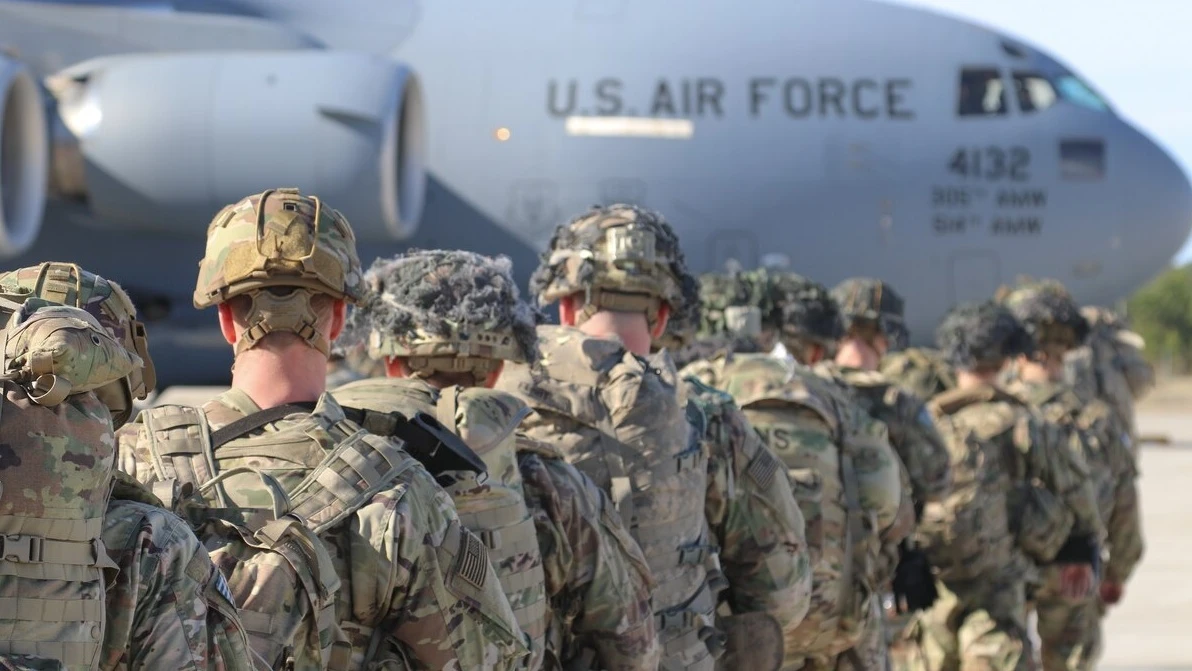
The third is strategic failure. Nimr says Netanyahu has “failed to achieve any of the objectives he presented to the public over the past three years.” Hamas has not been eliminated, the northern front has not produced the promised security, and the 40-day war launched against Iran on 28 February ended in a ceasefire without the decisive victory Netanyahu had promised.
Nimr adds Netanyahu’s refusal to accept an independent state commission of inquiry into 7 October, which would place responsibility for the security collapse at the center of the campaign.
Netanyahu has also tightened his hold over Likud. Under the party’s 2026 selection rules, he was granted eight reserved places on its Knesset slate, although they are spread across the list rather than concentrated in the top 20.
His more immediate threat may come from within the far right. Finance Minister Bezalel Smotrich is fighting to cross the electoral threshold, while National Security Minister Itamar Ben Gvir has consolidated a constituency built on open incitement and violence. Shadid argues that the elevation of such a figure into a political model reflects how far extremism has moved into the Israeli mainstream.
A general packaged as the center
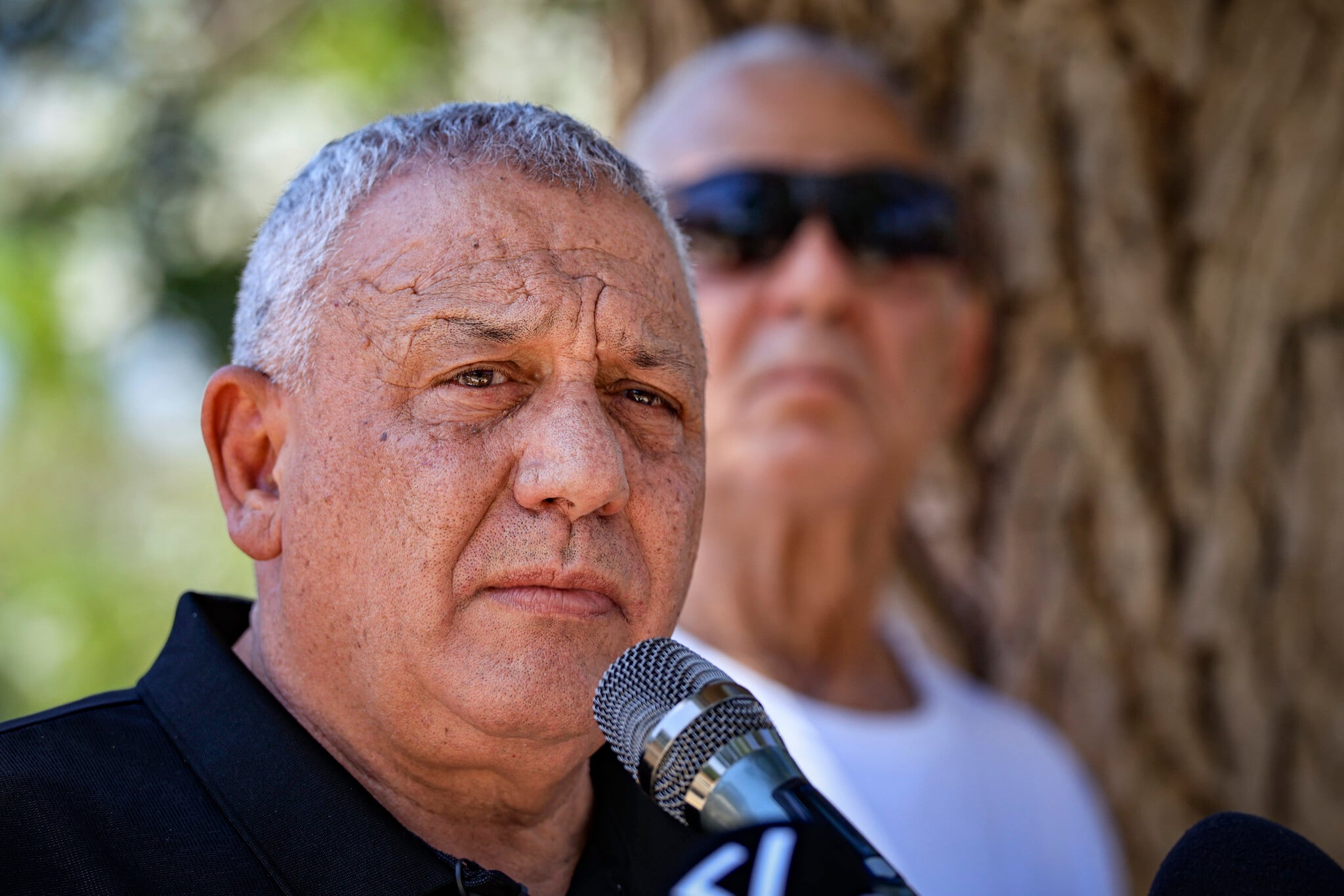
Eisenkot has emerged as Netanyahu’s most formidable challenger. The former chief of staff founded Yashar in September 2025 after leaving Gantz’s National Unity party. His military record, personal losses during the Gaza war, and carefully cultivated image of restraint have allowed him to occupy the Israeli “center” without departing from its basic security consensus.
Shadid traces Eisenkot’s rise to two currents: liberal voters’ exhaustion with Netanyahu and the search for a figure who is neither identified with the religious far right nor burdened by the weakness of the traditional left. Eisenkot offers a change in tone and management while reassuring voters that the military establishment will remain at the heart of government.
That positioning has encouraged portrayals of him as a moderate, but the label demands scrutiny. Eisenkot served in Netanyahu’s war cabinet during the first months of the Gaza assault and is closely associated with the “Dahiyeh doctrine” of overwhelming force developed during his military career.
His differences with Netanyahu concern strategy, responsibility, and the management of war more than any rupture with Zionist policy toward Palestinians or the wider region.
Shadid also points to the ethnic undertones of attacks on Eisenkot. Likud figures and supporters have mocked his English, invoking a hierarchy in which proximity to the west remains a measure of fitness to govern. Eisenkot is a Mizrahi Jew of Moroccan origin, and the criticism shows that an eastern background can still be weaponized even against a former general.
Nimr doubts that the Ashkenazi-Mizrahi divide will decide this election. Netanyahu’s supporters will back him regardless of origin, while his opponents will overlook Eisenkot’s background so long as he appears capable of removing the prime minister. The contest is being organized above all around political survival.
An opposition of rival rights
The anti-Netanyahu camp is weakened by competing ambitions and incompatible coalition promises. Eisenkot, Naftali Bennett, Yair Lapid, Avigdor Lieberman, and Yair Golan all draw from overlapping pools of voters. Bennett and Lapid joined forces in April under the Together banner, but the opposition still lacks an agreed leader and a shared formula for government.
Nimr describes the contest as “a competition between the right and the right.” Even the parties presented as centrist or liberal remain Zionist parties committed to the military and regional principles that have defined the current wars.
Bennett rejects Palestinian statehood and has ruled out dependence on Arab parties. Lieberman opposes Haredi privileges but has long built his politics on hostility toward Palestinians. Eisenkot promises to repair the state’s institutions while leaving the occupation untouched.
Shadid therefore speaks of several oppositions rather than one. They agree on removing Netanyahu but differ sharply over religion and state, conscription, the economy, judicial power, and the distribution of public resources.
On Palestine, Lebanon, and Iran, the distance between government and opposition narrows considerably. Some opposition figures have demanded harsher military action than Netanyahu at different stages of the regional war.
The war on Iran made that consensus plain. Lapid, one of Netanyahu’s fiercest domestic rivals, publicly backed the joint US-Israeli attack and called for Iran’s missile and nuclear programs, and if possible its leadership, to be destroyed.
A change of government could alter tactics and restore relations with parts of the western political establishment. It offers little evidence of a retreat from the use of force across West Asia.
The Arab vote they need and reject
Palestinian parties inside the Green Line could still decide the coalition arithmetic, even as Zionist leaders rule out relying on them. Polls place them at around 10 seats. In August, Hadash, Ta’al, and Balad moved to revive the Joint List without Ra’am, leaving Mansour Abbas outside the alliance.
Netanyahu’s opponents may need Arab support to reach a majority, yet many fear the political cost of accepting it. Netanyahu exploits that fear by warning Jewish voters that his rivals cannot govern without Arab parties, turning Palestinian participation into evidence of illegitimacy.
Public attitudes are less uniform than his campaign suggests. A July Maariv poll found that 70 percent supported including an Arab party in the next coalition, while 83 percent opposed including Haredi parties. Other surveys have found majorities opposed to a government dependent specifically on Ra’am, showing how much the answer changes with the wording and party named.
According to Nimr, the Arab parties see both principal camps as hostile to Palestinian interests. Abbas previously joined the Bennett–Lapid coalition, rather than supporting a Netanyahu government from outside as the original draft incorrectly stated. His attempt to extract material gains through participation divided Palestinian voters and left him isolated from rivals who regarded the experiment as politically damaging.
Turnout remains a problem. Palestinian citizens account for around a fifth of the population, yet their participation has often fallen well below that of Jewish voters. Their parties are needed when the numbers are counted, then rejected when governments are formed.
A stronger joint list could increase Palestinian representation and make it harder for Netanyahu to secure a majority. It would also give his camp another opening to cast Arab political participation as a threat.
War as an electoral weapon
The campaign will turn on whether Netanyahu can keep security at its center while his opponents push conscription, corruption, institutional decay, and the cost of war. Both Nimr and Shadid believe the prime minister benefits from an open front that allows him to present political continuity as a military necessity.
Netanyahu appeared to wager on the February war against Iran as the confrontation that would restore his standing. The initial attack produced a broad rally around the flag, including support from opposition leaders. Its inconclusive end stripped him of the victory he had promised and added economic disruption to an already strained war economy.
Nimr warns that Netanyahu may seek renewed escalation in Gaza, Lebanon, the occupied West Bank, or against Iran before polling day. Shadid cautions that war is no guaranteed rescue. Another failure could finish Netanyahu politically; a perceived strategic breakthrough could revive him. The temptation to use regional escalation for domestic survival will persist precisely because the electoral balance remains so tight.
Beyond one man’s fall
Three broad outcomes remain possible. The first is another deadlocked Knesset followed by fresh elections, reproducing the paralysis that marked the years before Netanyahu’s current coalition.
The second is a narrow Netanyahu government dependent on fragile partners and continued attacks on institutional checks.
The third is a slender opposition government pulled apart by conscription, religion, leadership rivalries, and its refusal to treat Arab parties as equal political actors.
[…]
Via https://thecradle.co/articles/israels-election-trap-runs-deeper-than-netanyahu

 (Photo credit: ZUMA Press)
 (Photo credit: Julia Demaree Nikhinson/AP)
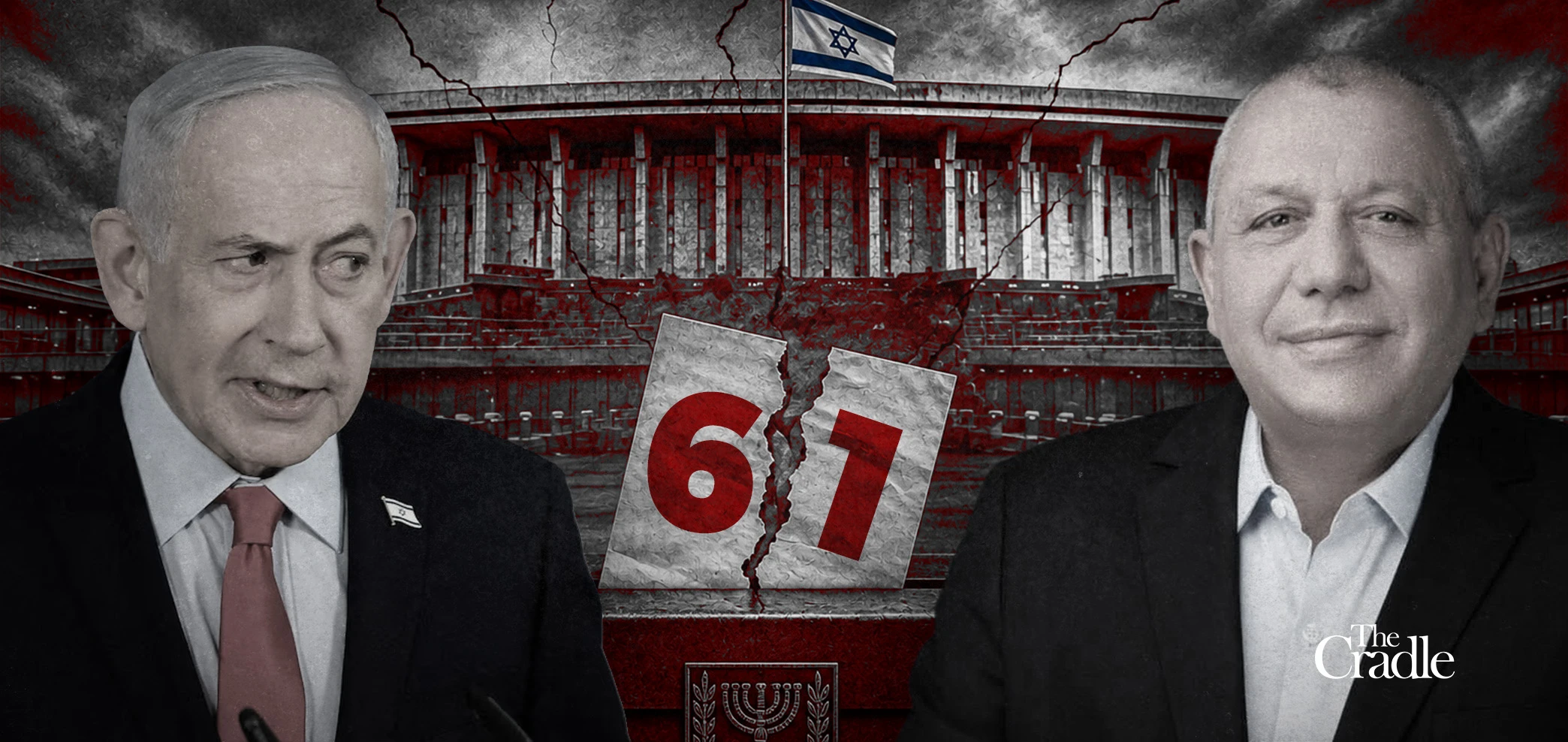 Photo Credit: The Cradle

 (Photo credit: AFP)
