Beta-Blockers Are Useless, and Sometimes Risky, for Most Cardiac Patients

beta blockers heart failure treatment

Dr Mercola

Story at-a-glance

  • Beta-blockers offer no survival benefit for most heart attack patients with normal heart function, even though they’re still widely prescribed
  • Women face higher risks on beta-blockers, including nearly double the risk of death when given higher doses, while men show no measurable harm or benefit
  • Side effects such as fatigue, dizziness, depression, and sexual dysfunction often burden patients without providing meaningful protection
  • The real root of heart disease lies in damaged mitochondria, which are overwhelmed by linoleic acid (LA) from vegetable oils found in most processed foods
  • You can protect your heart by reducing LA, eating the right kinds of carbohydrates, walking daily, getting safe sunlight, and tracking your HOMA-IR score

A large trial tracked 8,438 heart attack patients, and the findings turned decades of cardiology practice on its head.1 Those who received beta-blockers after their heart attack fared no better than those who did not. Rates of death, repeat heart attack, and hospitalizations for heart failure were nearly identical. That means the drug class long considered a cornerstone of heart care offered no added protection in people whose hearts were still pumping normally.

Beta-blockers are drugs designed to slow your heart and reduce its workload. They’re prescribed widely after a heart attack to lower the chance of another one. Side effects often include fatigue, dizziness, depression, and sexual dysfunction, which many patients dismiss as “just part of getting older.”

Yet the new data suggest these side effects are being endured without any benefit in survival or long-term recovery for a large group of patients. Women, in particular, also face increased risks from these commonly prescribed drugs.2 Guidelines from the American College of Cardiology and the European Society of Cardiology still endorse beta-blockers for most people after a heart attack, regardless of heart function.

Those recommendations were built on studies from the 1970s and 1980s, but today most patients receive aggressive medical therapy, fundamentally changing outcomes. The evidence base has shifted, but the prescribing habits have not.

Trial Shows Beta-Blockers Fail to Deliver Heart Protection

The study, published in The New England Journal of Medicine, investigated whether beta-blockers provide benefits to heart attack patients whose hearts still pump normally.3 The trial set out to determine if beta-blockers could prevent death, new heart attacks, or hospitalization for heart failure in this group of patients. Researchers found that after a median follow-up of 3.7 years, the use of beta-blockers did not reduce the risk of death, repeat heart attack, or hospital admission for heart failure.

Event rates were virtually identical in both groups — In the beta-blocker group, 316 patients experienced one of the key negative outcomes, compared with 307 patients in the group that did not take beta-blockers. This translated to 22.5 versus 21.7 events per 1,000 patient-years, showing almost no difference. In simple terms, taking the medication gave no measurable survival advantage.

No difference in survival or complications — When broken down further, deaths were almost equal — 161 in those on beta-blockers versus 153 in those not taking them. The number of people who had another heart attack was the same in both groups — 143 each — and hospitalizations for heart failure were also very similar, with 39 versus 44 cases. The message is clear: beta-blockers did not improve outcomes.

Safety outcomes showed no advantage — Researchers noted there were no apparent differences in safety between the two groups. That means patients who accepted the common side effects of beta-blockers, such as fatigue or dizziness, did so without any added protection against life-threatening complications.

Beta-blockers are useless for many — If your heart function is preserved after a heart attack, taking beta-blockers burdens you with side effects while giving no added protection. Asking your doctor to reassess whether this drug is necessary is an important step in taking control of your recovery and long-term health.

Women Face Higher Risk on Beta-Blockers After Heart Attack

Research published in the European Heart Journal examined whether men and women respond differently to beta-blockers after a heart attack when their heart’s pumping ability is preserved.4 The trial found that outcomes varied sharply by sex, with women facing higher risks when prescribed these drugs, while men showed no meaningful difference whether they took them or not.

Women had worse outcomes than men — Out of 1,627 women in the study, those who received beta-blockers had more deaths, new heart attacks, and hospitalizations for heart failure compared with women not taking the drugs. Women on beta-blockers were 45% more likely to suffer serious complications. In men, however, results were neutral, with no increase or decrease in risk.

The risk was tied to higher doses and preserved heart function — Women with fully preserved pumping strength were the ones most harmed by beta-blockers. Those taking higher doses faced nearly triple the risk of death or complications compared with women who avoided them. In contrast, women on lower doses showed fewer problems, though still no evidence of benefit.

All-cause death was significantly higher in women — Among women, there were 46 deaths in the beta-blocker group compared with just 24 in the control group. This amounted to almost double the death rate for those prescribed the drugs. The increased risk was driven largely by cardiac causes. Men showed the opposite pattern: deaths were similar regardless of treatment, confirming that the harm was specific to women.

Why beta-blockers are riskier for women — Women’s hearts are usually smaller than men’s, which means the main pumping chamber has less space to work with. Beta-blockers slow heart rate and reduce how forcefully your heart contracts, which in a smaller heart could cause more harm than good.

In addition, women’s bodies process these drugs differently. They often reach higher blood concentrations from the same dose because of differences in body fat, blood volume, and liver enzyme activity. This means the same pill that produces a mild effect in a man could hit a woman’s system much harder.

A one-size-fits-all drug policy does not serve everyone equally — Women with preserved heart function were clearly harmed by beta-blockers, particularly at higher doses, while men experienced no meaningful effect. If you’re a woman prescribed a beta-blocker after a heart attack, this evidence gives you a strong reason to have a direct conversation with your doctor about whether the drug is necessary and whether better options exist for protecting your heart.

How to Protect Your Heart and Restore Optimal Health

If you’ve been told beta-blockers are the answer after a heart attack, the research shows otherwise. The truth is, your long-term protection comes from fixing the root problem inside your cells. When your mitochondria — the tiny engines that power every beat of your heart — are under attack, drugs won’t save you. You need to change what’s fueling those engines and how your body produces energy. Here are five direct steps you can take to strengthen your heart and add years to your life.

1. Eliminate linoleic acid (LA) from your diet — Vegetable oils are everywhere — in chips, salad dressings, sauces, restaurant meals, and fried foods. They’re the main source of LA, a polyunsaturated fat that weakens your mitochondria and drives heart disease. If you only do one thing, cut these oils out completely.

Replace them with stable fats like grass fed tallow, ghee, or butter. Keep your total LA intake below 5 grams per day, which you can track using an app like Food Buddy in my Health Coach, which is coming out this year. If you notice you’re getting under 2 grams of LA per day, that’s even better.

2. Fuel your cells with the right carbs — If you’ve been following a low-carb diet, you’re stressing your mitochondria even more. Your body runs best on glucose from carbs. Aim for about 250 grams a day, mostly from whole fruits, white rice, root vegetables, and well-tolerated grains. If your gut is sensitive or you deal with bloating and other digestive symptoms, skip the fiber-heavy foods until your gut is healed and start with easier-to-digest options like white rice or fruit.

3. Use walking as daily heart care — Movement is one of the simplest ways to restore energy production. Walking improves blood flow, lowers blood pressure, and gives your mitochondria the oxygen they need to make adenosine triphosphate (ATP), your body’s energy currency. Ideally, aim for one hour of walking daily. If an hour feels overwhelming, begin with short 10- to 15-minute walks after meals. Build up gradually until daily walking feels like part of your routine, not a chore.

4. Get sunlight exposure for energy and repair — Sunlight is like medicine for your mitochondria. It triggers nitric oxide release, balances your circadian rhythm, and helps your body create melatonin inside the cells that protect your heart. But if your body is loaded with LA from vegetable oils, your skin burns faster. Until you’ve been off LA for six months, avoid peak sun hours between 10 a.m. and 4 p.m. Instead, aim for early morning or late afternoon light, which is still highly beneficial.

5. Measure insulin resistance with the HOMA-IR test — Recognizing insulin resistance early is essential, as it’s a warning sign for your metabolic health. The HOMA-IR (Homeostatic Model Assessment of Insulin Resistance) test is a valuable diagnostic tool that helps assess insulin resistance through a simple blood test, so you can spot issues early and make necessary lifestyle changes.

Created in 1985, it calculates the relationship between your fasting glucose and insulin levels to evaluate how effectively your body uses insulin. Unlike other more complex tests, HOMA-IR requires just one fasting blood sample, making it both practical and accessible. The HOMA-IR formula is as follows:

HOMA-IR = (Fasting Glucose x Fasting Insulin) / 405, where

Fasting glucose is measured in mg/dL

Fasting insulin is measured in μIU/mL (microinternational units per milliliter)

405 is a constant that normalizes the values

If you’re using mmol/L for glucose instead of mg/dL, the formula changes slightly:

HOMA-IR = (Fasting Glucose x Fasting Insulin) / 22.5, where

Fasting glucose is measured in mmol/L

Fasting insulin is measured in μIU/mL

22.5 is the normalizing factor for this unit of measurement

Anything below 1.0 is considered a healthy HOMA-IR score. If you’re above that, you’re considered insulin resistant. The higher your values, the greater your insulin resistance. Conversely the lower your HOMA-IR score, the less insulin resistance you have, assuming you are not a Type 1 diabetic who makes no insulin.

[…]

Via https://articles.mercola.com/sites/articles/archive/2025/11/06/beta-blockers-heart-failure-treatment.aspx

COP 30 a Failure: “Only Europe Remains Committed”

COP 30 2025: UNFCCC Climate Summit in Belem, Brazil

By Prof. Fritz Vahrenholt

Cooling trend continues

The global temperature did not change in October compared to August. The cooling trend remains intact. The American National Oceanic and Atmospheric Administration (NOAA) foresees a cool LA NINA developing in the Pacific this winter, which will lead to a further decline in global temperatures as well.

Belém – All that fuss for nothing

The 30th World Climate Conference in Belém is not yet over, but it is already becoming apparent that the event, announced as the “Conference of Truth,” will go down in the history of climate conferences as a turning point.

No head of state from the four largest CO2-emitting nations—China (33%), the USA (12%), India (8%), and Russia (5%)—is showing up in Belém.

Even before the conference, the New York Times headlined: “The whole world is fed up with climate policy.” And the fact that Bill Gates, one of the biggest supporters and sponsors of climate policy, explicitly warned against excessive, shortsighted climate policy just 14 days before the conference, and put prosperity back in focus — a major blow.

Glenn Beck, a prominent American television host, explains the change of heart by Bill Gates: “It’s not about science, it’s about Trump.” Expressed differently: it’s not about conviction; it’s about damage control for his own company, which is planning multibillion-dollar investments in data centers in the USA and globally. And given the situation, these will have to rely on electricity from new gas-fired power plants in the short term, as the reactivation of old nuclear power plants will not suffice, and the construction of new nuclear power plants will still take several years in the USA.

Only 1/3 of the states actually submit a plan

For the Climate Conference in Belém, states had to report on their future plans for the use of coal, oil, and gas. The fact that only one-third even submitted a statement already hints at the dissolving importance of the climate issue in most nations around the world. But the reports that were submitted are revealing. Most states reported continuously increasing use of coal, oil, and gas. The reports show an increase in global coal usage by 30%, oil by 25%, and gas by 40% by 2030 compared to 2015. The Intergovernmental Panel on Climate Change (IPCC) hoped to reduce global CO2 emissions by 45% by 2030 compared to 2015; now they are continuing to rise.

Only Europe onboard

Only Europe remains unshakably committed to the goal of achieving Net Zero CO2 emissions by 2050. Germany, the industrial heart of Europe, is even more ambitious and, according to Axel Bojanowski, is “the ‘leader’ among industrialized countries: It aims to be climate-neutral by 2045 – a self-destructive plan: Germany’s reduction will inevitably be compensated by rising emissions in other EU countries. This is because the European Emissions Trading System ensures that emission allowances not used in Germany are consumed in other EU countries.

It is becoming increasingly clear what the Wall Street Journal meant when it called Germany’s energy policy the ‘dumbest in the world.’

A few days before the conference, the European states agreed on a common goal, namely to achieve a 90% CO2 reduction by 2040 compared to 1990. 5% of the self-commitment could come from emission reductions abroad, which, of course, must also be expensively paid for. The German Minister for the Environment celebrated this agreement as “good news for the German economy, as everyone would now have the same competitive conditions.”

This statement reveals how little the German federal government and its ministers understand about the global economy. As if German industry only exports goods to European countries. German goods, however, compete in a global market that does not have the burdens of CO2  taxes and high energy prices on German products and can therefore always offer them more cheaply. 50% of exports go to countries outside the EU.

Chancellor Merz and his Environment Minister Schneider are blatantly downplaying the German situation. Germany has set self-imposed shackles with the Climate Protection Act that will become highly painful in the coming years.

German climate policy: “script for an economic catastrophe”

Welt journalist Axel Bojanowski: “The German Climate Protection Act, cemented by the Federal Constitutional Court, seems to be a script for an economic catastrophe. It only allows Germany a remaining budget of 6.7 gigatonnes of CO2, which is likely to be used up by the early 2030s. According to the law, penalties, shutdowns, and restrictions on freedom are then threatened to meet the climate goals.”

6.7 gigatonnes was the remaining permissible budget after the ruling of the Federal Constitutional Court from 2020 onwards. As of today, only 3.6 gigatonnes of this remain. The buffer is reduced by about 0.5 gigatonnes each year. By 2032 at the latest, the remaining budget will be exhausted, and Germany will have reached the end of the line set by the Federal Constitutional Court. This will happen in the next legislative period, not just in 2040.

Chancellor Merz whitewashes

And in his 5-minute speech in Belém before a half-empty hall, Chancellor Merz spreads negligent whitewashing: “The economy is not the problem. Our economy is the key to protecting our climate even better.” Does the Chancellor not know the perilous state our industry is in?

Scandal surrounds tropical forest Ffund (TFF)

Probably the only outcome of the Belém conference will be the establishment of an investment fund, proposed by Brazilian President Lula, to finance the protection of tropical forests.

The fund works as follows: Donor countries pay $25 billion into the fund. Private investors (investment funds) are supposed to pay in $100 billion. The donor countries receive a return of about 4.0-4.8%, which corresponds to the return on their government bonds, as they generally have to raise the money through government debt. The return for private investors is 5.8% to 7.2%. The fund’s money is invested in emerging market government bonds, which yield comparatively high interest due to the higher risk (Brazilian government bonds are currently at 12.25%). Private investors are served first, followed by the donor countries. If anything remains after the distribution of profits to private investors and donor countries, the amount is paid out to 74 countries with tropical forests. It is hoped that this way, $3-4 billion will be distributed annually to the tropical forest countries.

The catch is this: To entice investors, private investors are given preference in the payment sequence: first the private ones, then the donor states. Furthermore, the donor countries must insure the fund against default. A default by an emerging market could quickly lead to the fund’s insolvency. In that case, the taxpayers of the donor countries would be held liable and, in an extreme scenario, lose their capital.

Disadvantageous for the German taxpayer

In preparation for Belém, there was fundamental disagreement over Germany’s participation in the fund between the Ministry of Finance and the Chancellor’s Office. The Chancellor’s Office clearly advocated for participation and a contribution of at least $1 billion. It was assisted by the Ministry for the Environment under Minister Schneider and the Ministry for Economic Cooperation and Development under Minister Alabali-Radovan. The Ministry of Finance, under Lars Klingbeil, strongly objected, viewing the fund as a billion-dollar risk and doubting the viability of the fund’s structure.

And indeed, the model is structurally disadvantageous for the German taxpayer. One could also say: We are subsidizing the returns of private investors with public money and providing the default guarantee for BlackRock and Co. That is why the Federal Ministry of Finance is persistently blocking Germany’s participation in the fund. It can be unequivocally stated that the Federal Ministry of Finance has thus far bravely defended the interests of the German taxpayer against the interests of BlackRock and Co.

This is the background to Chancellor Merz being unable to name a figure (“a noteworthy amount”) in Belém. The billion € or $ is now supposed to be found in the budget reconciliation for the 2026 federal budget, which is taking place this week, so that the federal budget can be adopted on November 28. It is to be expected that the SPD will concede. But it could be a Pyrrhic victory for Chancellor Merz, who would then visibly be prioritizing the interests of international financial investors, especially if the fund were to run into difficulties.

Whether the fund will ultimately materialize is still questionable, as it only comes into effect if the donor states commit to $10 billion. So far (excluding Germany), $5.6 billion has been raised.

The USA and the UK have already declined.

If the fund comes into being, the investment companies will profit first, with high returns secured by states, and then the emerging markets, which can sell their high-risk government bonds. Whether the tropical forest will benefit in this confusing financial jungle is not yet certain. The biggest risk remains with the donor countries, who are putting their taxpayers’ money at risk with the catchy story of saving the rainforest.”

[…]

Via https://notrickszone.com/2025/11/12/german-energy-professor-cop-30-is-a-failure-only-europe-remains-committed/

51 Million-Person Study Finds COVID-19 “Vaccines” Increase Risk Of Respiratory Infections By Up To 559%

Nicolas Hulscher, MPH

Landmark study of the entire South Korean population uncovers a VAIDS signal — a dose-dependent rise in the common cold, upper-respiratory infections, pneumonia, and tuberculosis among the vaccinated.

An enormous landmark study published in the International Journal of Infectious Diseases, covering every single resident in South Korea — all 51.6 million people — has delivered a striking population-level signal suggestive of vaccine-acquired immunodeficiency syndrome (VAIDS).

This massive dataset shows a consistent dose-dependent pattern: the more COVID-19 “vaccines” a person received, the higher their risk of developing the common cold and upper-respiratory infections. Increases in pneumonia and tuberculosis were identified in stratified analyses by age and infection status. Children ages 0-19 suffered the most.


Study Overview

  • Population: Entire national cohort of South Korea (N = 51,645,564).
  • Analytic cohort: 39,447,030 individuals with complete vaccination + infection records.
  • Observation period: June 1 2023 – September 30 2024.
  • Exposure: Total number of COVID-19 doses.
  • Outcomes: Seven major respiratory diseases — upper-respiratory infection (URI), pneumonia, influenza-like illness (ILI), common cold, scarlet fever, pertussis, and tuberculosis.
  • Covariate adjustments: age, sex, income level, Charlson comorbidity index, prior COVID-19 infection and severity, epidemic phase, and time since last vaccination.

Critical note: the “unvaccinated” reference group included individuals who had received one dose, inflating its infection rate and making the true vaccine-associated risk likely far higher than reported.


Common Cold

Children (ages 0–19) showed the strongest dose-response pattern:

  • After the second dose, risk increased by 299 % (aHR 3.99 [3.78–4.21]).
  • After the third dose, risk increased by 391 % (aHR 4.91 [4.62–5.22]).
  • After the fourth dose or more, risk increased by 559 % (aHR 6.59 [6.00–7.23]).

Older adults (≥ 65 years) followed the same trend:

  • Second dose → +9 % (aHR 1.09 [1.06–1.12]).
  • Third dose → +33 % (aHR 1.33 [1.29–1.37]).
  • Fourth or more doses → +58 % (aHR 1.58 [1.53–1.64]).

Among COVID-positive participants, the same pattern held:

  • Second dose → +5 % (aHR 1.05 [1.03–1.06]);
  • Third dose → +12 % (aHR 1.12 [1.10–1.14]);
  • Fourth or more doses → +36 % (aHR 1.36 [1.34–1.39]).

Even in the pooled population-wide model, common cold incidence rose sharply with each additional dose (aHR 1.23 [1.21–1.25] after the third dose and 1.65 [1.56–1.75] after the fourth or more), confirming the trend across the entire cohort.

Interpretation: Across every analytic layer—pooled, pediatric, geriatric, and COVID-positive—common-cold incidence climbed steadily from dose 2 through dose 4+, showing a clear, monotonic relationship between cumulative vaccination and ordinary viral infection risk.


Upper-Respiratory Tract Infections

Children (0–19 yrs):

  • Second dose → +62 % (aHR 1.62 [1.58–1.66]).
  • Third dose → +67 % (aHR 1.67 [1.62–1.71]).
  • Fourth or more doses → +83 % (aHR 1.83 [1.75–1.92]).

Older adults (≥ 65 yrs):

  • Second dose → +7 % (aHR 1.07 [1.06–1.09]).
  • Third dose → +32 % (aHR 1.32 [1.30–1.34]).
  • Fourth or more doses → +57 % (aHR 1.57 [1.54–1.59]).

COVID-positive subgroup:

  • Second dose → +2 % (aHR 1.02 [1.01–1.03]);
  • Third dose → +12 % (aHR 1.12 [1.11–1.13]);
  • Fourth or more doses → +32 % (aHR 1.32 [1.30–1.34]).

The pooled model also showed a consistent upward trend—aHR 1.14 after the second dose and 1.48 after the third—indicating that the dose-dependent rise in upper-respiratory infection risk persists even without stratification.

Interpretation: the rise was consistent across all groups and persisted even after adjustment for age, sex, income level, comorbidities, prior infection severity, infection phase, and time since last vaccination.


Tuberculosis

  • General population: overall aHRs hovered near 1.0 (no significant change) across all dose groups.
  • COVID-positive subset: clear upward trend with dose number:
    • Second dose → aHR 1.24 (1.01–1.52) (+24 % risk).
    • Fourth or more doses → aHR 1.35 (1.02–1.77) (+35 % risk).

Interpretation: a measurable increase in post-infection or reactivation tuberculosis among those previously infected with SARS-CoV-2 who went on to receive multiple boosters.


Pneumonia

Among COVID-negative participants, pneumonia incidence rose consistently with additional vaccine doses:

  • Second dose → +34 % (aHR 1.34 [1.31–1.38])
  • Fourth or more doses → +91 % (aHR 1.91 [1.84–1.99])

Interpretation: This clear dose-response pattern suggests impaired respiratory defense or susceptibility to secondary bacterial infection following repeated mRNA exposure.


Influenza-Like Illness (ILI) and Pertussis — the “Protective” Mirage

Regression models appeared to show lower adjusted hazard ratios for these two conditions—approximately 0.55 for ILI and 0.06 for pertussis after the fourth or later dose—which would suggest a protective effect.

In context, however, these apparent reductions are almost certainly statistical artifacts driven by healthy-user bias, diagnostic-coding overlap, and case misclassification. Many mild respiratory infections that might have been coded as influenza-like illness or pertussis before 2020 were likely recorded as “COVID-19” during the post-vaccine era, artificially deflating their apparent incidence in vaccinated groups.

Crucially, the study’s national ARIMAX time-series revealed a 46-fold surge in confirmed pertussis cases across Korea during 2023, directly contradicting any notion of real-world protection.

[…]

When both the main and supplementary analyses are considered together, the dose-dependent increases are clear for the common cold and upper-respiratory infections across nearly all age and infection strata, with smaller but directionally similar trends for pneumonia and tuberculosis. From the second dose onward, risk ratios rise almost linearly through the fourth and higher doses, revealing a consistent pattern of heightened susceptibility to non-COVID respiratory infections.

While the pooled models already showed increases for upper-respiratory infections and the common cold, the full extent of risk—including the rises in pneumonia and tuberculosis—only becomes clear in the stratified analyses presented in the supplementary tables. By averaging across all ages and infection groups, the main text effectively diluted these signals—creating the impression of neutrality.

This pattern represents a serious population-level signal suggestive of VAIDS. Clinically, such immune dysregulation may present as a heightened incidence of upper respiratory infections and common colds, in clear dose-dependent correlation with repeated mRNA vaccination.

We are now advancing a landmark investigation into VAIDS using thousands of real-world patient records to evaluate long-term immune function across four key exposure groups—vaccinated/infected, vaccinated/uninfected, unvaccinated/infected, and unvaccinated/uninfected controls. These data allow precise comparison of lymphocyte profiles, antibody class switching, and T-cell exhaustion markers to determine how repeated mRNA vaccination and SARS-CoV-2 infection have reshaped human immunity. Preliminary signals point to immune exhaustion, IgG4 dominance, and secondary immunodeficiency, consistent with the observed surge in chronic infections and dose-dependent vulnerability to common respiratory illness.

Across an entire national dataset, each additional COVID-19 “vaccine” dose corresponded to a higher probability of non-COVID respiratory infection — most severely among children.

Because the “control” group included single-dose recipients, the true increase relative to the completely unvaccinated population is likely even greater than reported.

[…]

Via https://www.vigilantfox.com/p/51-million-person-study-finds-covid

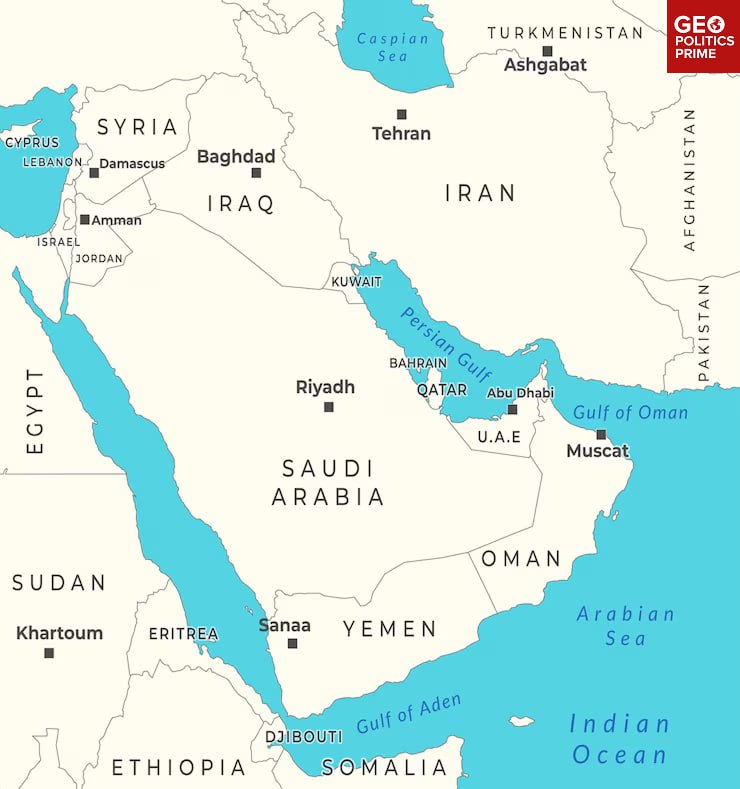
US-backed Jolani forces join Israel on Lebanon border to fight Hezbollah

HTS fighters look on as students rally near the campus of the Damascus University in the Syrian capital on December 15, 2024. (Photo by AFP)

Press TV

Hay’at Tahrir al-Sham (HTS) has reportedly deployed foreign Takfiri fighters from northern Syria to the border with Lebanon, sparking renewed concern over the group’s destabilizing activities and growing presence in the region.

According to sources cited by The Cradle, foreign militants affiliated with HTS were transferred in recent days from the Harem area in Idlib province to the city of al-Qusayr, near the Syrian–Lebanese border.

The movement reportedly coincided with the transfer of heavy military equipment, including armored vehicles and other hardware.

“At the same time, forces affiliated with the Ministry of Defense of the ‘Syrian Transitional Government’ attempted to advance and take positions inside Lebanese territory, specifically in the Wadi al-Thalajat area of Ras al-Maara, along the Syrian–Lebanese border in the Damascus countryside,” the sources said, referring to barren areas where the Lebanese army is not present.

These reports emerge shortly after Washington announced Syria’s participation in the US occupying coalition in the Arab country, as Abu Mohammed al-Jolani — once affiliated with al-Qaeda and Daesh — arrived in Washington on Sunday.

The HTS military remains deeply infiltrated by extremist elements. Many of its current commanders and officers are known former members of al-Qaeda and Daesh factions.

Last month, Lebanon’s Al Mayadeen TV cited diplomatic sources as saying that “unusual” movements of thousands of armed extremists, including fighters from Uzbekistanis, Chechens, and Uyghurs from China, were being observed along the Syrian–Lebanese border.

Tens of thousands of foreign fighters entered Syria illegally to join the US-backed war to topple former president Bashar al-Assad’s government, which began in 2011. The new authorities in Damascus have given some of these foreigners top positions in the army, and said they are considering giving them Syrian citizenship.

The reported buildup of HTS-linked forces near Lebanon coincides with renewed US threats that such militias could be deployed against Hezbollah.

On Friday, US envoy Tom Barrack said that the extremist-led regime in Damascus will “actively assist” Washington and Tel Aviv in confronting Hezbollah in Lebanon.

“Damascus will now actively assist us in confronting and dismantling the remnants of ISIS [Daesh], the IRGC [Iran’s Islamic Revolution Guards Corsp], Hamas, Hezbollah, and other terrorist networks, and will stand as a committed partner in the global effort to secure peace,” the US envoy said.

Barrack’s comments are the latest in a series of recent threats made by the US envoy against Lebanon. He had said just last month that Lebanon would soon face a broad Israeli attack unless it moved to fully disarm Hezbollah immediately.

In July, he said Syria under HTS views Lebanon as its “beach resort” and would carry out an assault against the country unless Hezbollah disarmed.

Clashes broke out between the Lebanese army and HTS militants earlier this year, after Jolani’s forces advanced against the border under the pretext of dealing with smuggling.

Analysts warn that the alignment of US policy with extremist-leaning Syrian factions such as HTS risks reigniting cross-border violence and undermining the security achieved by Hezbollah and the Lebanese Armed Forces after expelling Daesh and al-Qaeda elements from Lebanon’s eastern border in 2017.

Jolani told the Washington Post in an interview that “good” progress has been made in direct talks to reach an agreement with Israel, while boasting about weakening the Axis of Resistance on behalf of Tel Aviv.

“Israel has always claimed that it has concerns about Syria because it is afraid of the threats that the Iranian militias and Hezbollah represent. We are the ones who expelled those forces out of Syria,” he said.

“The US is with us in these negotiations, and so many international parties support our perspective in this regard. Today, we found that Mr. Trump supports our perspective as well, and he will push as quickly as possible in order to reach a solution for this,” he added.

Jolani also met with US-based Syrian rabbi Yosef Hamra.

Hebrew reports have revealed that a main part of the agreement will likely involve HTS–Israeli intelligence sharing and cooperation against the Axis of Resistance, specifically Iran and Hezbollah – which helped the former government recapture large swathes of Syria from al-Qaeda and Deash.

Israel carried out heavy strikes in Damascus and elsewhere in southern Syria earlier this year, under the pretext of protecting the Druze minority from Jolani’s extremist forces.

Now, it continues to carry out incursions, seize territory, and expand the occupation it established after the fall of Assad’s government last year. Yet Jolani and other HTS officials have repeatedly signaled that they pose no threat to Tel Aviv.

Analysts are asking why al-Jolani does not deploy any forces against Israel, which continues to attack and occupy parts of Syria almost daily.

The HTS-led regime will reportedly hand over the occupied Golan Heights to Israel as part of a looming normalization deal with the illegal entity.

Since taking power, HTS has committed widespread war crimes and brutal repression, particularly against minority communities such as the Alawites, who have faced targeted violence, as Syria has experienced waves of sectarian and regional unrest under the group’s control.

Jolani was the former deputy to the late Daesh leader Abu Bakr al-Baghdadi, before becoming the head of the official al-Qaeda branch in Syria, the Nusra Front.

The Nusra Front was eventually rebranded into Hayat Tahrir al-Sham (HTS), which took control of Syria in December 2024.

There was confirmed coordination between Israel and the Nusra Front during the early years of the US-backed war on Syria that began in 2011.

Via https://www.presstv.ir/Detail/2025/11/13/758762/Syria%E2%80%99s-HTS-deploys-foreign-fighters-to-Lebanon-border–Report

Russian civilian casualties from Ukrainian attacks

Dmitry Orlov

From the beginning of the year to the end of October, 3,205 people were injured in drone attacks, including 195 minors. 392 people were killed, including 22 minors.

Since the beginning of the special operation, 7,175 civilians have been killed and another 17,617 injured. The total number of dead and injured is 24,792.

The Ukrainian army has increasingly used drones loaded with shrapnel to attack civilians. The Ukrainian Armed Forces are also increasingly using plastic pellets for this purpose, significantly complicating the treatment of the wounds they inflict.

Needless to say, this is a direct violation of international humanitarian law, which prohibits weapons whose primary effect is to injure with fragments that are not detectable by X-rays.

In other news…

The German publication Welt reports that approximately 50% of women in Berlin brothels are Ukrainian citizens. After the war began, many refugees found themselves without housing, work, or support, and turned to places that “employ people without language skills or a diploma.”

Until 2022, there were almost no Ukrainian women in prostitution, the article states. Now, according to Berlin social services, every other woman in a brothel is from Ukraine.

Women say they’re trapped: bureaucracy, language barriers, no benefits, no stability. They work illegally, often through intermediaries, and become dependent.

[…]

Via https://boosty.to/cluborlov/posts/765eca4e-d2bf-4c2e-b8be-b137bcb6734c?from=email_new_post_digest

UK Cuts Intelligence Sharing With US Related To ‘Illegal’ Venezuela Action

UK Ministry of Defence

Zero Hedge

Just as the USS Gerald R. Ford carrier strike group entered Caribbean waters on Tuesday, it’s been revealed that the United Kingdom has made the unprecedented and provocative move of cutting off intelligence-sharing with the United States related to suspected drug trafficking vessels off Venezuela.

CNN reports Tuesday that Britain cited that it does not want to be complicit in ongoing US military strikes against alleged drug-trafficking boats, as it believes the action is illegal, amounting to extrajudicial killings, also after recent criticisms from United Nations officials. However, it is said to be a cut-off in only “some” intel-sharing.

This is of immense importance from one of America’s closest allies – and part of the ‘Five Eyes’ intelligence sharing nations – which has time and again enthusiastically joined in Washington’s military adventurism abroad, from Afghanistan to Iraq to Libya and Syria.

The fresh report details the UK’s prior role in assisting US agencies in the Caribbean, where Britain has small overseas territories:

For years, the UK, which controls a number of territories in the Caribbean where it bases intelligence assets, has helped the US locate vessels suspected of carrying drugs so that the US Coast Guard could interdict them, the sources said. That meant the ships would be stopped, boarded, its crew detained, and drugs seized.

The intelligence was typically sent to Joint Interagency Task Force South, a task force stationed in Florida that includes representatives from a number of partner nations and works to reduce the illicit drug trade.

The report confirms that the intelligence has actually been paused for over a month, which would have been soon after the Pentagon began attacking small boats off Latin America in September.

There is an irony in London suddenly discovering the moral high ground on the issue of Venezuela, given that for years the government has frozen more than $1.8bn worth of Venezuelan gold stored at the Bank of England. The Maduro government has sued to get it back, denouncing the move as brazen theft.

It could be that UK leaders sense that Trump is serious about pressing regime change in Caracas, and doesn’t want to be a direct part of it. Indeed the unprecedented numbers of US warships currently parked in SOUTHCOM waters does strongly point to imminent military action.

But clearly London is now saying it will sit on the sidelines on this particular military adventure in America’s backyard. At this point some 76 alleged drug-smugglers have been killed, and 19 boats destroyed, in the Trump-ordered Pentagon action.

[…]

Via https://www.zerohedge.com/geopolitical/uk-cuts-intel-sharing-us-related-illegal-venezuela-action

US planning to build ‘temporary housing’ in Gaza for ‘screened’ Palestinians

A general view of a new displacement camp set up by the Egyptian Committee is pictured in Nuseirat, Gaza Strip, on November 11, 2025. (Photo by AFP)

Press TV

The US is reportedly backing a plan to construct housing compounds for thousands of “screened” Palestinians in areas of Gaza currently occupied by Israeli forces, raising fears that the project could entrench the territory’s division.

According to The Atlantic, US President Donald Trump’s administration, in coordination with Israeli officials, is advancing a proposal to build so-called “Alternate Safe Communities” behind a “yellow line” that divides Hamas-controlled western Gaza from Israeli-occupied eastern Gaza.

The plan aims to resettle Palestinians who pass anti-Hamas security screenings conducted by Israel’s Shin Bet, effectively separating them from the majority of Gaza’s two million residents.

Movement across the yellow line will be heavily restricted, raising concerns that the communities could become enclosed zones of indefinite displacement.

US Lieutenant General Patrick Frank, who heads the civil-military coordination center overseeing the Gaza ceasefire, outlined the plan in an internal email cited by The Atlantic.

He proposed that each community include a medical center, school, administrative building, and temporary housing for about 25,000 residents.

However, according to the report, US, UK, and Israeli officials later revised the target population down to around 6,000 per site.

The first pilot is expected to be built near Rafah in southern Gaza, an area largely owned by Palestinians.

The project would be part of a broader US effort to implement Trump’s 20-point peace plan, which envisions an eventual Israeli withdrawal from Gaza, even though no timeline has been provided.

The Financial Times reported that the proposal has alarmed Arab and European governments, who fear it could mark the beginning of a permanent Israeli occupation in parts of Gaza.

They think the project could cement a lasting partition, creating a two-tiered system between “approved” Palestinians and those remaining under Hamas administration.

Less than two percent of Gaza’s two million residents currently live behind the so-called yellow line, which was originally intended to be a temporary barrier.

The Trump administration has not committed US funds to Gaza’s reconstruction, instead seeking investments from Persian Gulf states. Meanwhile, the United Nations estimates the cost of rebuilding war-torn Gaza at roughly $70 billion.

Critics note that the proposed sites sit on Palestinian-owned land, raising concerns about potential displacement. The plan, they warn, risks deepening Gaza’s fragmentation while providing no clear path toward Palestinian sovereignty or full Israeli withdrawal.

[…]

Via https://www.presstv.ir/Detail/2025/11/12/758673/US-plans-to-build–temporary-housing–in-Gaza-for-%E2%80%98screened%E2%80%99-Palestinians–Report

Who’s Collecting and Selling Your AI Search Data?

Geography breakdown(Credit: Profound/PCMag)

Michael Kan

Browser extensions are potentially funneling your most personal queries to a company selling market insights about chatbot activity.

OpenAI generally doesn’t share your ChatGPT conversations with third parties. However, an analytics firm has discovered a way to capture users’ prompts, which can reveal queries about sensitive topics such as prostitution, medical conditions, and immigration status.

New York-based Profound has been selling access to the queries through a service called Prompt Volumes, which launched earlier this year. It can help companies identify what users are asking major chatbot providers, including ChatGPT, Google Gemini, and Anthropic’s Claude, though ChatGPT data dominates.

The data is anonymized and scrubbed of identifying information before it’s licensed to Profound, the company says. However, people tend to reveal more personal information to chatbots than they would during a Google search, for example. And they may not be aware that this data is being shared with third parties. Profound’s Prompt Volumes feature lets you search the archive, and it shows that ChatGPT users have been querying for all kinds of topics, including sex dolls, suicide, and infertility treatments. I signed up for a free trial to see how it works. Here’s what I found.

A View of ChatGPT Prompts From Real Users

Volume Prompt result for the term ‘HIV test.’ (Credit: Profound/PCMag)

Profound has been demoing the feature to customers; some of the prompts it collected include:

  • How can I hack someone?
  • What are 15 types of BDSM sex?
  • Can you suggest me some incest hentai?
  • I caught my wife cheating on me last week and plan to expose her in front of her family.
  • Are there any online websites where you can book a brothel?
  • What is the significance of the HIV test results I received?
  • Which type of sex doll is best for beginners?
  • What kind of abortion do you recommend?
  • What are the implications of being undocumented in the US after TPS termination?

The feature can match the prompt to geographic regions, gender, estimated income level, and age group. New prompts are released on a weekly basis.

Another tab will break down the prompt by gender, age group, income level, and geography. (Credit: Profound/PCMag)

Lee Dryburgh, a researcher in marketing visibility and founder of his own consultancy, Contestra, has been warning about the privacy implications. “The great majority of users have no awareness [that] their chats are being grabbed off their screen, sent over a network, packaged, and resold,” he tells us.

Profound hasn’t said how it’s gathering chatbot data. Its website merely notes that it “licenses conversations from multiple, double-opt-in consumer panels of real answer [engine] users.”

However, as Dryburgh notes, a separate analytics company, Semrush, published two articles in September that mention supplying user data to Profound. The articles have since been changed to remove any mention of Profound. Here’s what the original said on Search Engine Land:

“Companies like Similarweb or Datos (a Semrush company) offer data capturing genuine user actions, collected through browser extensions, consented panels, app telemetry, and provider networks.

Profound’s FAQ for Prompt Volume (Credit: Profound)

Semrush’s Datos specializes in licensing data to clients in an “anonymized” fashion. Profound’s website says its data is “anonymized, aggregated, scrubbed of PII [personal identifying information], and compliant with GDPR and CCA. Panels are doubly opted-in and fully compliant with all modern privacy laws.”

We attempted to test this and noticed that Prompt Volumes does, in fact, redact personal information from the Prompt Volumes. For example, we searched for Social Security numbers, addresses, phone numbers, and private keys, but the feature appeared to always remove them. Nevertheless, Prompt Volumes does indicate Profound is collecting sensitive user prompts relating to cryptocurrency wallets, passwords, SSNs, and bank accounts

Using Prompt Volumes to search for ‘social security number.’ (Credit: Profound/PCMag)
(Credit: Profound/PCMag)

Dryburgh says Profound’s business model infringes on user privacy because the data collection process isn’t clearly explained to consumers. He suspects that browser extensions play a key role in data collection because they can be granted permission to view all websites on a browser, enabling services like Semrush to capture ChatGPT interactions.

“AI chats are not short queries—they are deeply personal disclosures. Users never knowingly consent to this level of surveillance,” Dryburgh tells us. He also questions whether the lack of transparency around the data collection violates European and Californian data privacy rules.

Using Prompt Volumes to search for ‘credit card cvv.’ (Credit: Profound/PCMag)

Lena Cohen, Staff Technologist at the Electronic Frontier Foundation (EFF), agrees that “the questions people ask chatbots can reveal exceptionally sensitive information, like their health concerns, financial struggles, and relationship problems.

“People deserve meaningful control over who can access these AI prompts,” she says. “When companies offer vague assurances that people consented to their data being sold or that the data has been ‘anonymized,’ that is not enough to protect people. Companies have claimed that data was anonymized and aggregated before, only to have it traced back to individuals.

Plus, “the data broker ecosystem is so opaque that people have virtually no way of knowing who is buying and selling their data, or how it might be used against them,” Cohen says. “We need comprehensive privacy legislation and stronger enforcement to ensure that people’s AI prompts remain private by default.”

Profound Sends a Cease and Desist

When asked about the privacy concerns, Profound first noted that Dryburgh is the founder and CEO of a “competitor company,” Contestra.

“This is a clear attempt by Lee to cause brand damage to Profound, and it seems you are (perhaps unknowingly) amplifying his efforts here,” Profound said in an email.

“Profound does not collect any data directly—we license opt-in data from well-known, established providers—the same providers that have powered marketing and BI tools for decades. Opt-in consumer panels have existed for over a century—since the era of TV, with Nielsen (in 1923) offering data to help marketers understand consumer behavior. This is no different,” the company added.

Profound also denied surfacing sensitive topics with the Prompt Volume tool, despite the screenshots we provided. “The handful of prompts we show are not real user prompts, but use LLMs [large language models] to reflect the TYPE of prompts people send around any given topic. Age, income, gender, etc, [are] all based on predictive modelling and not tied to any specific prompts,” the company said, suggesting prompts can be summarized to some extent.

(Credit: Profound/PCMag)

In response, Dryburgh says Contestra only has only employee: Dryburgh. In contrast, Profound has secured over $50 million in funding, has 82 employees, and serves “1000+” enterprise customers.

Dryburgh also takes issue with Profound saying that Prompt Volumes doesn’t surface sensitive topics, as the company’s own website markets the service by saying, “Discover what millions of people ask AI.”

“Buyers are exposed to ‘real user conversations’ or they are not. There is no middle ground. It can’t be both sides of the coin,” Dryburgh said.

[…]

Examining Browser Extensions

Profound wouldn’t say how users are opting into the prompt data collection, or how they can opt out. As a result, it’s unclear which browser extensions collect data from users.

To try and find out, we asked Frank Li, an Assistant Professor of cybersecurity at Georgia Tech. Last year, his team developed an automated system called “Arcanum” that examined all the browser extensions on the Chrome Store and found that over 3,000 of them automatically collect user-specific data, such as URLs. A subset of 200 extensions directly lifted sensitive user data from web pages loaded via the browser.

Li and his team examined whether the Arcanum system could identify any Chrome browser extensions targeting the ChatGPT site and user prompts. However, their analysis only uncovered 17 extensions that did, and only one had over 1,000 users.

“Eight out of the 17 extensions we found were extracting the whole page, while the rest were specifically extracting the ChatGPT prompt, the response, or both,” he said.

Still, Li noted Arcanum faced two restrictions during the analysis. The system didn’t work on 20% of the extensions that might operate on ChatGPT “largely because our system is using an older browser version and some of these extensions must have used an API not available on an older browser,” he told us in an email.

The other issue is Arcanum won’t work on extensions that require manual actions, including logging into a user account—perhaps the key way Datos and other data brokers receive opt-in from the user. “I suspect some popular extensions might collect ChatGPT data upon such actions, which we’ll miss,” Li said.

In the meantime, Dryburgh has been urging users to consider uninstalling browser extensions from providers that have the ability to read and change data on a site. Users can also consider conversing with ChatGPT and other chatbots in incognito or private mode, which can shut down the extension access, he said.

Profound sells access to the Prompt Volumes feature at “custom” pricing through its enterprise plan. It also plans on offering prompt-related data for xAI’s Grok and DeepSeek.

Semrush didn’t respond to a request for comment. However, Datos told us that its data collection is privacy-safe and follows the law, although the company refrained from identifying how users opt in.

“The data we collect and share with our partners is used to identify trends on the internet and is devoid of all personal information. Datos takes privacy very seriously, and as such Datos does not collect or maintain any personal information. In fact, Datos employs sophisticated systems to prevent personal information from hitting our servers, and leverages outside providers to monitor and ensure there is no personal data,” the company said.

“None of our products would benefit from such data, and no customer has ever asked
us for it. In terms of how the data is collected, our data is always collected with the knowledge and consent of the consumer, and the consumer can opt out at any time,” Datos added.

[…]

Via https://au.pcmag.com/ai/114137/asking-chatgpt-about-affairs-or-abortion-be-careful-marketers-are-peeking-at-your-prompts

Donald Trump ‘spent hours’ at Jeffrey Epstein’s house with sex-trafficking victim, according to newly released emails

Video: Lewd letter bearing Trump's name was given to Epstein, according ...

Brian Shilhavy

With Congress coming back in session, I am sure this was a timed release of emails between Epstein and author Michael Wolff and Ghislaine Maxwell, where Epstein admits Trump was part of is sex trafficking network all along.

This is the issue that is not going away and is headline news this morning, and now the swearing in of Arizona Congresswoman Adelita Grijalva will reportedly happen today, giving Massie the last vote he needs for his “discharge petition.”

From The Hill (https://thehill.com/homenews/house/5601668-epstein-trump-emails-released/):

Excerpts:

Emails released by Democrats show convicted sex offender Jeffrey Epstein telling associates in the 2010s that “of course” President Trump knew about his relationships with underage girls.

The three emails, released Wednesday by Democrats on the House Oversight and Government Reform Committee, show Epstein’s correspondence with his associate Ghislaine Maxwell, as well as columnist and author Michael Wolff.

In the short exchanges, Epstein says Trump “spent hours at my house,” while another says the president “knew about the girls.”

“The more Donald Trump tries to cover up the Epstein files, the more we uncover. These latest emails and correspondence raise glaring questions about what else the White House is hiding and the nature of the relationship between Epstein and the President,” Rep. Robert Garcia (D-Calif.), the top Democrat on the panel, said in a statement.

“The Department of Justice must fully release the Epstein files to the public immediately. The Oversight Committee will continue pushing for answers and will not stop until we get justice for the victims.”

The emails are set to inflame a debate about materials related to Epstein that will heat back up as the House of Representatives returns to Washington on Wednesday to reopen the federal government.

Rep.-elect Adelita Grijalva (D-Ariz.) will be sworn in Wednesday afternoon, and is set to become the final signature needed on a discharge petition that will force floor action on a bill to compel the Department of Justice to release files related to Epstein.

Full article (https://thehill.com/homenews/house/5601668-epstein-trump-emails-released/)

[…]

Via https://t.me/healthimpact/2832


The Unique Grammar of Indigenous Australian Languages

Gender And Class | PPT

Episode 26 Australian Languages Part 2

Dr John McWhorter (2019)

Film Review

Australia used to have more language families, but over several thousand years the  Pamu-Nyungan languages (originally limited to the far north) spread south and overran other languages. Tasmanian languages separated from mainland languages about 12,000 years ago. Historically Tasmania had 12 languages belonging to three district families. They ceased to be spoken after 1830, when the British rounded up all indigenous Tasmanians, exiled them to Flinders Island and made it illegal to speak their native languages.

A creole (see What Are Creole Languages?) known as Kriol is spoken more widely than other aboriginal languages. It’s a lot like Tok Pisin  spoken in New Guinea but incorporates aboriginal words.

Ergativity (in which the subject adds a suffix if there’s a direct object) is common in Australian languages (and in the Dravidian languages spoken in southern India).

Djyrbal, which used to have multiple genders, now has only four grammatical genders:

  • men and beasts
  • women, the sun, fire, water, stinging animals and animals that sound like women
  • fruit and fruit treas
  • inanimate objects and everything else.

In contrast, some Australian languages have oddly few words. Jingulu has only three verbs: come, do and go.

When he discovered Australia, Captain cook took down a few words of Gugu Imatyr, including kangaroo.

https://www.kanopy.com/en/pukeariki/watch/video/6120000/6120052