Unknown's avatar

About stuartbramhall

Retired child and adolescent psychiatrist and American expatriate in New Zealand. In 2002, I made the difficult decision to close my 25-year Seattle practice after 15 years of covert FBI harassment. I describe the unrelenting phone harassment, illegal break-ins and six attempts on my life in my 2010 book The Most Revolutionary Act: Memoir of an American Refugee.

Pax Iranica? The end of uncontested U.S. military hegemony

Is the 'Pax Iranica' Fact or Fiction? | Algemeiner.com

By Raphael Machado | Strategic Culture Foundation | June 17, 2026

Anyone would be skeptical about the sustainability of the “peace” taking shape in the Middle East from the Memorandum of Understanding to be signed between Iran and the United States in a few days. It is plausible that it may not even be signed. And even if it is signed, considering that it involves a gradual, phased unfolding of a peace process that would last at least two months, it is hard to believe that everything will go as intended by the parties and the Pakistani mediators.

Nevertheless, in the terms that this “peace” is presented and which have been accepted by the U.S., we are facing an overwhelming victory for Iran. Even if the diplomatic process is derailed, nothing will change the fact that the U.S. accepted peace with Iran on terms unilaterally favorable to the Persians, leaving Tehran in a much stronger position than before the war began.

First of all, the U.S. failure should be seen as obvious and rests on a very simple assessment: Washington failed to achieve any strategic objective in the conflict with Iran: the “regime” was not overthrown, the nuclear program was not destroyed, military capabilities were not eliminated, support for the Axis of Resistance was not liquidated, and finally, it was not possible to reopen the Strait of Hormuz by force.

The U.S. committed the most basic error of any conflict: misjudging the balance of power. And in this, naturally, the U.S. was led into error by Israel and its allies within the U.S.. From the start, reports indicate that the Pentagon opposed military action against Iran, for good reasons.

Even considering the tactical and operational dimensions, the U.S. was unable to impose itself as intended. The U.S. failed to achieve air superiority over Iran and resorted to launching missiles from outside Iranian airspace. Most times the U.S. penetrated Iranian airspace, they encountered anti-aircraft systems capable of shooting down even F35s. The U.S. also could not take advantage of its regional military bases, which were harassed and operationally neutralized by barrages of missiles and drones, complicating U.S. logistics and forcing them to use increasingly distant bases. Iran also managed to force U.S. aircraft carriers to keep their distance, with one returning to port for maintenance. Furthermore, the U.S. demonstrated that it is not yet ready to face a war in which drones play a central tactical role. But perhaps the most significant embarrassment was the fact that Iran forced the U.S. to confront its own industrial shortcomings—the U.S. expended large quantities of Tomahawks, Patriots, and other types of offensive and defensive missiles, which are produced at a trickle. The fact that U.S. missile stocks plummeted rapidly without any objective being achieved was certainly decisive for U.S. reluctance to restart the conflict.

There was also the poorly explained situation involving the destruction of several aircraft and helicopters in an alleged attempt to rescue a downed pilot (a pilot who was simply never seen again and was not even reliably identified). The fact that the ceasefire came just days after this alleged rescue operation suggests that the story is very poorly told and that perhaps that was a failed special forces operation to seize Iran’s enriched uranium.

That is precisely why reducing the issue to “control of the Strait of Hormuz” is nothing short of amateurish, since control over the Strait itself was only possible because Iran surprised the U.S. tactically through its ability to present challenges for which the U.S. had no answers and to deny the U.S. certain important military advantages on that terrain.

Naturally, control of the Strait of Hormuz had a significant impact on the conflict, making it more complex and a global issue. Carrying out attacks against Arab Gulf countries rather than just U.S. and Israeli targets followed the same logic of demonstrating power and turning the conflict into a broader, more complex problem. This stance alone forced Qatar to concede and seek a separate peace and rapprochement with Iran.

Now, if pointing out the U.S.’s inability to achieve its objectives, as well as its tactical difficulties, is not enough to demonstrate its defeat by Iran, then the imbalance of the Memorandum of Understanding, which represents a draft peace treaty, is certainly sufficient proof.

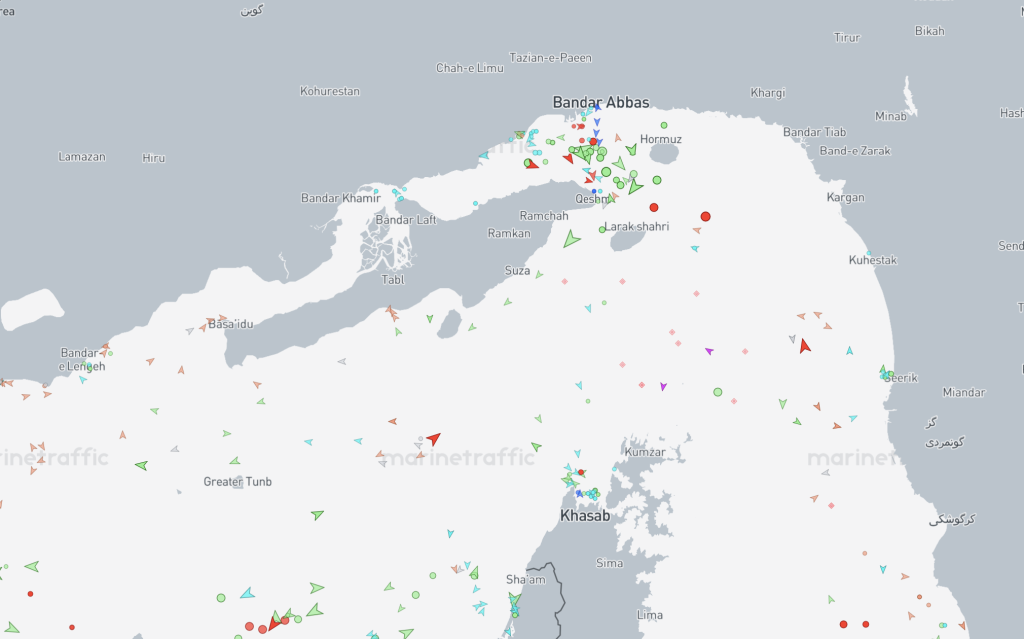
The Memorandum is scheduled to unfold in three phases. The first immediate result is the end of military actions on all fronts and the end of the U.S. naval blockade. The situation in Lebanon is already extremely uncertain due to the “Joker factor” that is Israel. But the end of the naval blockade, which is already a reality, has left the Strait of Hormuz under Iranian control, and even if Iran does not charge a “toll,” it is already charging a “service fee” to authorize ship transit.

The next phase, lasting 30 days and beginning after the Memorandum is signed, involves a U.S. promise not to increase its military presence around the Persian Gulf, the return of $12 billion in frozen assets to Iran, the immediate removal of sanctions on Iranian oil, gas, and petrochemical exports, confirmation of joint management of the Strait of Hormuz by Iran and Oman, and a U.S. promise to pressure Israel to withdraw from Lebanon. In return for all this, Iran promises not to seek to develop or acquire nuclear weapons.

And in the final phase, expected to last at least 60 days, the return of the remaining $12 billion in frozen assets, the granting of $300 billion for the reconstruction of Iran (equivalent to reparations), and the beginning of the process of removing all remaining sanctions. In return, Iran promises to agree to discuss its uranium enrichment.

In short, Iran’s obligations under this Memorandum are minimal, while the commitments undertaken by the U.S. are disproportionate. Why take on all these commitments and accept all these conditions if the U.S. “won“—as Trump says—and could “destroy Iran at any moment”?

The reality is that between an international oil crisis, low missile stockpiles, the resilience of the Iranian population, and difficulty dealing with hypersonic missiles and drones, the U.S. suddenly found itself in a potential quagmire capable of causing infinitely greater harm than any conceivable benefit. Perhaps finally aware of the mistake of starting this conflict, with very low popularity, hosting a World Cup, and worried about a myriad of internal and external crises, Trump seems eager to get rid of the “Iranian issue.”

What is proven here is that although the U.S. remains a military superpower, it is possible to defeat them under certain specific conditions and with sufficient preparation. We are not saying here that any country could defeat the U.S. in a war, but that regional powers of a certain scale, immunized against color revolutions and with years of military preparation and investment in technologies capable of negating the potential of the U.S. Navy and its air superiority, can defeat them in a defensive war.

Having recently gone through the “unipolar moment” of uncontested U.S. superiority in the post-Cold War era, whose highest expression was the rapid destruction of Saddam Hussein’s regime, clearly the world is no longer the same, which in itself is proof that we are in a phase of geopolitical transition toward multipolarity.

Weakened in the Middle East, Iran is left in control of the Strait of Hormuz. Its ability to simultaneously confront all the Arab Gulf countries has been proven, and Israel’s inability to defeat Iran without U.S. help has been as well. This opens up for the Middle East the possibility of a regional pax Iranica, though much water will yet flow under this bridge.

Israel, however, remains a problem. Driven by a messianic ideology and accustomed to being treated with privileges derived from the influence of its diaspora, Israel does not appear willing to respect the terms of the Memorandum, nor to give up trying to establish a Greater Israel by force of arms. It is the Israeli factor that makes it difficult to fully realize a peace agreement between Iran and the U.S.

[…]
Via https://strategic-culture.su/news/2026/06/17/pax-iranica-the-end-of-uncontested-u-s-military-hegemony/

‘Slaughter continues unabated’ in Gaza under cover of ceasefire

The Cradle

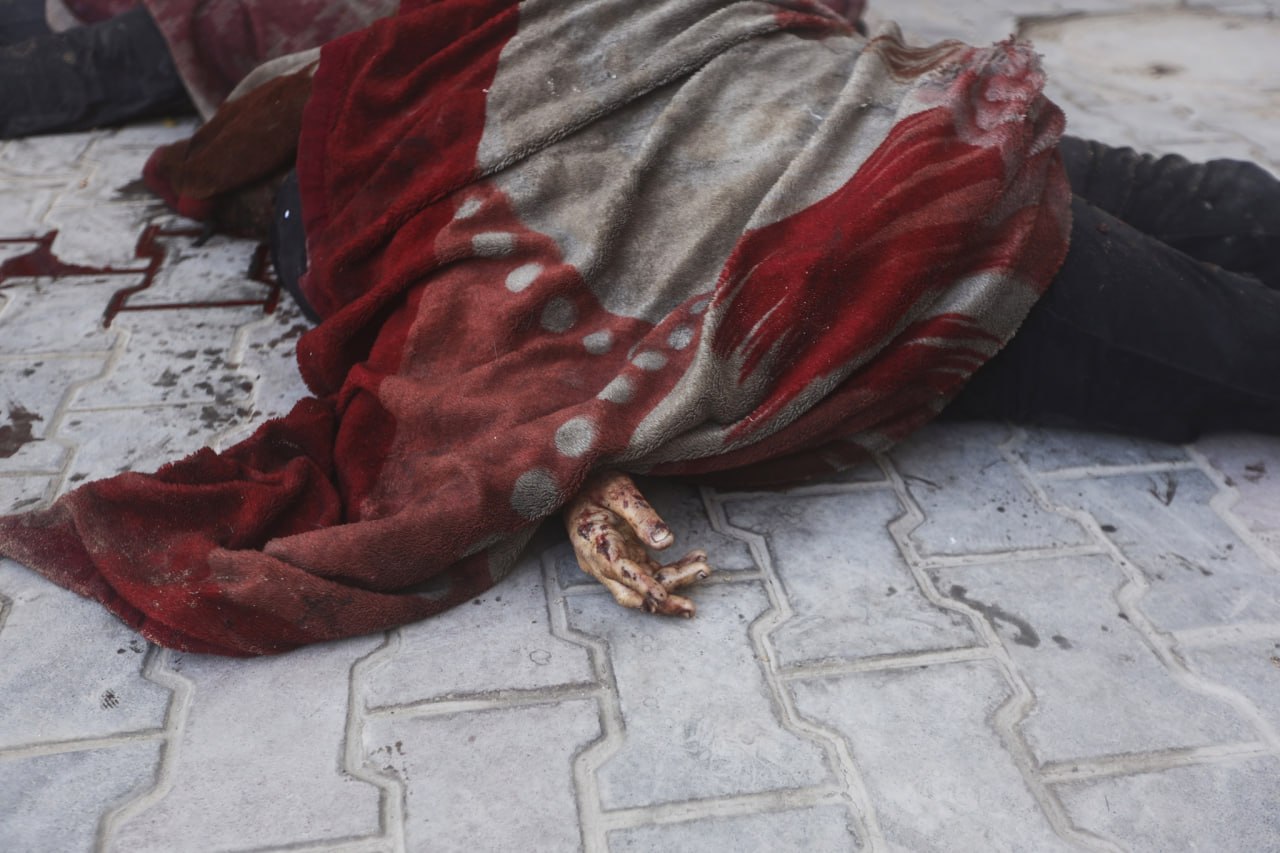
Israeli +972 Magazine writes that the ceasefire announced in October 2025 now exists “only on paper” as the “slaughter continues unabated” across the Gaza Strip.

While the enclave has been pushed to the backlines of global attention, Israel has escalated its airstrikes in recent weeks. Gaza-based political analyst Thabet Al-Amour stated that Israel is “exploiting the political cover of a ceasefire” to continue operations with a “green light from the United States.”

Al-Amour noted that the military has successfully “domesticated the mediators, the international community, and the sponsors of the agreement,” who have failed to exert pressure or even reproach.

This violence is occurring as rescue infrastructure collapses. Raed Dahshan, head of Civil Defense in Gaza City, warned that the “lack of proper equipment” prevents rescuers from assisting victims who are “suffocating under the rubble, either burning or bleeding until they lose consciousness.”

Only a single fire truck remains operational in Gaza City, causing critical delays during simultaneous strikes.

Since the October ceasefire was reached, Gaza’s Government Media Office reports 997 Palestinians have been killed and 3,152 injured.

[…]

Via https://t.me/thecradlemedia/62133

US in talks with Palestinian Authority on expanded ties

The Cradle

June 17,2026

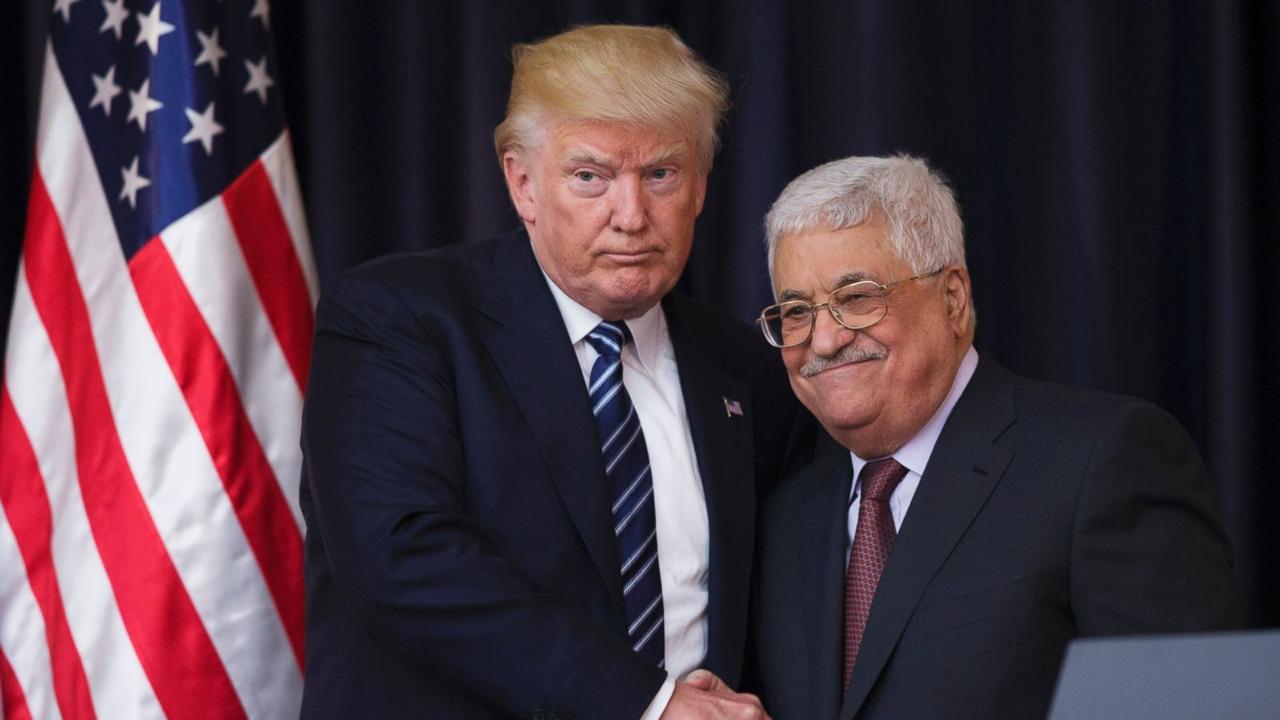
US in talks with PA on expanded ties as Washington pushes more concessions and seeks to redirect withheld Palestinian funds to ‘Board of Peace’

The United States is holding talks with the Palestinian Authority (PA) aimed at strengthening bilateral ties and securing Ramallah’s support for President Donald Trump’s 20-point Gaza plan and efforts to expand the Abraham Accords, according to officials cited by The Times of Israel.

As part of the discussions, Washington is reportedly seeking a PA commitment to “halt efforts to internationalize the conflict with Israel” and withdraw cases filed against Israel in international legal forums. The PA, for its part, has reportedly requested that any memorandum of understanding include language calling for a halt to Israeli settlement expansion and measures to address escalating settler violence in the occupied West Bank.

The talks have also centered on the future of more than $5 billion in Palestinian clearance revenues withheld by Israel. US officials are reportedly exploring ways to redirect a significant portion of the funds to the Board of Peace and its National Committee for the Administration of Gaza, a technocratic body intended to oversee the enclave until the PA completes a series of US- and Saudi-backed reforms. The PA, facing a deep financial crisis after more than a year without access to much of its own revenues, has reportedly agreed in principle to the arrangement in exchange for the release of at least part of the funds.

In return, the PA hopes to secure a memorandum of understanding with Washington that could pave the way for improved relations, the lifting of US sanctions, and the potential reopening of the PLO diplomatic mission in Washington. However, negotiations have slowed amid resistance from Israeli officials, particularly Finance Minister Bezalel Smotrich, who has opposed releasing any of the withheld funds and has repeatedly called for the collapse of the PA.

[…]

Via https://t.me/thecradlemedia/62163

Syria unwilling to attack Lebanon despite US pressure

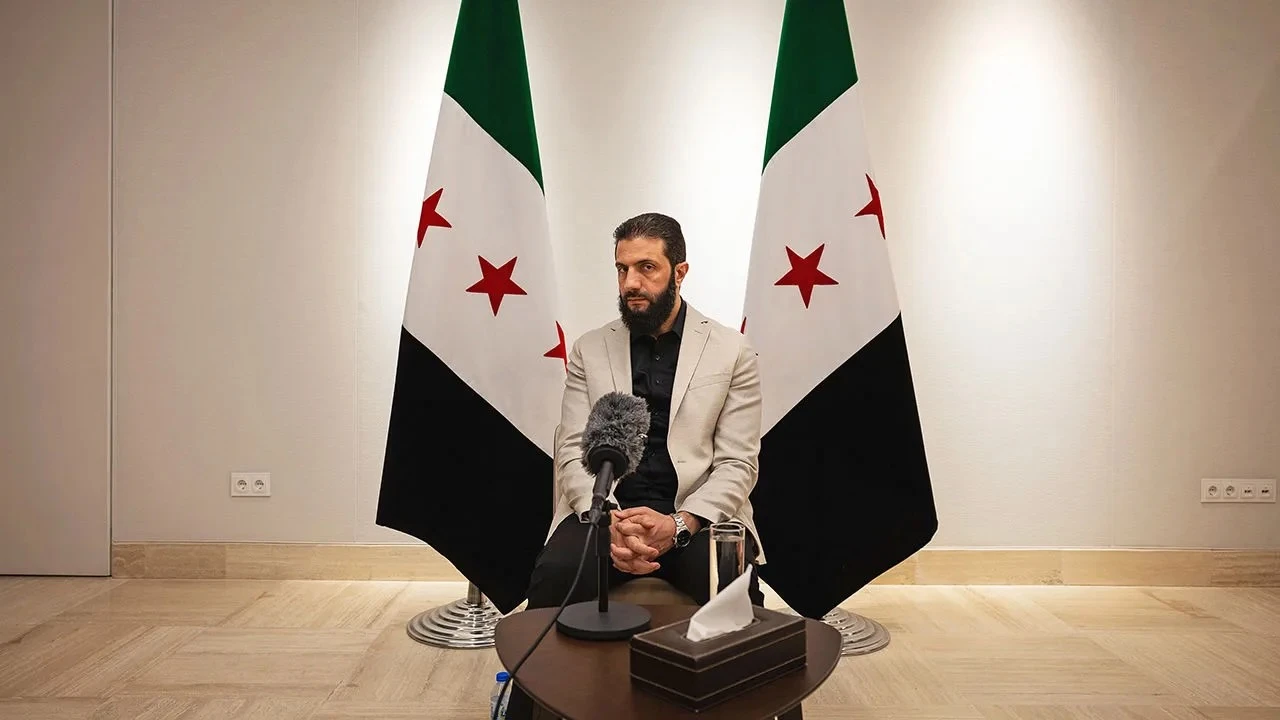
(Photo credit: Oliver Marsden/The Economist)
The Cradle

July 17, 2026

Damascus reportedly prepared to reconsider its position if Tel Aviv were to withdraw its occupation troops from Syria

Syrian President and former Al-Qaeda chief Ahmad al-Sharaa is “unprepared and unwilling” to launch a military offensive against Lebanon despite growing US pressure, Israel’s Broadcasting Corporation (KAN) reported on 16 June.

KAN cited an informed Syrian source who said that Sharaa is “concerned” that an attack by Damascus against Hezbollah will be seen across the region as “serving” Israel’s interests.

This could negatively impact Damascus’s “legitimacy.”

For now, the self-appointed Syrian president is ruling out an attack against Lebanon and its resistance forces unless Israel decides to pull its forces out of Syria, the report states.

Israel has rejected withdrawal from both Syria and Lebanon.

KAN also said that Turkiye – a longtime backer of Sharaa since his days as Abu Muhammad al-Julani, founder and leader of Al-Qaeda’s Nusra Front – has urged Damascus against such an incursion.

Ankara is reportedly concerned that a Syrian assault on Lebanon would “embolden” Tel Aviv and “strengthen” its position.

“Trump proposed a framework in which the Syrian military would play a central role in a future effort to disarm Hezbollah,” i24 reported on Wednesday.

Lebanese authorities reportedly felt uneasy about the idea during recent US-backed direct talks with Israeli officials, which have taken place despite Lebanon’s legal restrictions.

Additionally, Israeli authorities are reportedly concerned about the effectiveness of a Syrian attack on Hezbollah.

“Some of the arrangements currently under discussion could ultimately strengthen Hezbollah politically and militarily rather than diminish its influence,” i24 reported.

Sharaa said earlier this week that talk of a Syrian incursion into Lebanon was a “rumor.” “Syria’s approach aims to end the war in Lebanon, not to expand it or get involved,” he stressed.

US President Donald Trump has repeatedly called on Syria to attack Hezbollah.

Iraqi resistance groups allied with Hezbollah have cautioned the Syrian government and its forces that they will act if Damascus initiates an attack on Lebanon.

Syria experienced a significant geopolitical change following the fall of former President Bashar al-Assad in December 2024, as Sharaa’s government aligned with Washington and engaged in discussions with Israel.

The US has largely lifted sanctions on Syria and called Damascus a “partner” in the global fight against ISIS — overlooking Sharaa’s past as an Al-Qaeda leader and earlier as deputy to ISIS founder Abu Bakr al-Baghdadi.

Hezbollah fought in Syria for years with the former government, helping recapture areas from extremist groups like Al-Qaeda’s Nusra Front, Ahrar al-Sham, and others considered by the west as the “Syrian opposition.”

The Nusra Front, led by Sharaa, was rebranded into Hayat Tahrir al-Sham (HTS) and ended up toppling Assad’s government in 2024.

HTS and other extremist factions with links to ISIS currently dominate what has become the new Syrian Defense Ministry and military.

Tom Barrack, US special envoy to Syria and Iraq, threatened Lebanon last year with a Syrian incursion, and said Damascus would “actively assist us in confronting and dismantling … Hezbollah.”

He also said Syria viewed Lebanon as its “beach resort” and would carry out an assault against the country unless Hezbollah is disarmed.

[…]

Via https://thecradle.co/articles/syria-unwilling-unprepared-to-attack-lebanon-despite-us-pressure-report

Trump promising ‘peace’ with Iran, but base buildups and asset shuffling suggest otherwise  

Geopolitics Prime

Trump’s pie-in-the-sky promises of a deal with Iran which includes peace, prosperity and an open Hormuz Strait contrasts sharply with security developments in the neighborhood, including:

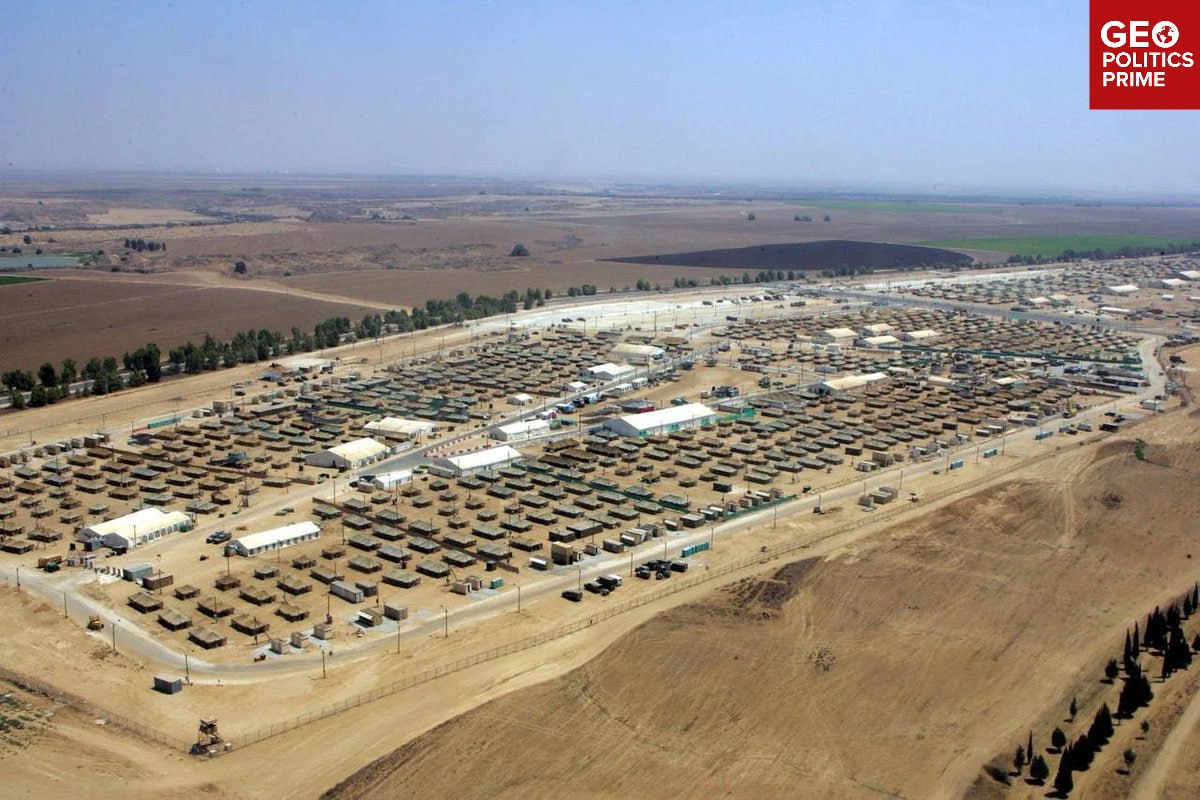
➡️ Israeli media reports of US plans for a “huge base” outside Gaza including command & control, accommodation for thousands of personnel, fortified logistics and ‘humanitarian aid coordination’ facilities

➡️ social media footage from the Jordanian-Iraqi border showing vast quantities of US armored vehicles, tankers and other equipment pouring into Iraq, despite recent Iraqi demands for a “full withdrawal” of US troops from federal territory

➡️ the continued redeployment of US forces and assets from frontline bases in the Gulf to facilities like Logistical Support Area Jenkins in the Saudi desert, Muwaffaq Salti Air Base in Jordan, Ovda Air Base in Israel and Naval Support Activity Souda Bay in Crete, Greece

Peace or pause?

1️⃣ With Trump failing to achieve a single one of his war goals, a peace deal now wouldn’t resolve the conflict’s root causes – the neocons and Israeli agents and lobbyists who have infested Washington and got into Trump’s ear. But he needs a pause to prevent the world economy from plummeting off a cliff

2️⃣ America’s status as an ‘empire with no clothes’ has been exposed to the whole world to see. That’s an unacceptable ‘new normal’ which neocons will never accept – either convincing Trump to start fresh aggression or staging some kind of false flag to force his hand

3️⃣ Israel generally and Netanyahu in particular can’t accept a world in which Islamic Iran coexists with Tel Aviv. The PM, facing corruption charges that could end in his incarceration and death in prison, will never agree to long-term peace. His opportunity: continued aggression in Lebanon – a red line for Iran

4️⃣ Trump has a long history of breaking agreements with Iran. From the 2018 scrapping of the JCPOA to the 2020 Soleimani assassination, to twin US/Israeli rampages in 2025/2026 in the middle of negotiations, Iran has every reason to be weary of US intentions.

[…]

Via https://t.me/geopolitics_prime/70970

Lebanon Accuses Israel Of Violating The Chemical Weapons Convention By Spraying Toxic Herbicide Over Farmland

By Justin K.P. | The Dissident | June 15, 2026

Lebanon has officially accused Israel – in a complaint filed with the U.N. Security Council- of violating the Convention on the Prohibition of Chemical Weapons for using aircraft to spray glyphosate, a “toxic herbicide with serious consequences for health, soil, and crops” over farmland in Southern Lebanon, as part of its broader ethnic cleansing plan.

Lebanon said that “the Convention on the Prohibition of Chemical Weapons prohibits the use of herbicides as a means of warfare”.

It noted that “Chemical analyses and laboratory tests conducted on soil samples taken from Aita al-Shaab (Bint Jbeil district), Ras Naqoura and Dhaira (Sour district) ‘confirmed the use of glyphosate at high concentrations reaching 22,750 micrograms per gram, a level far higher than the concentrations usually found in agricultural soils after farmers’ direct use of this product, which generally range between 0.5 and 2 micrograms per gram at most’”.

For context, Lebanon’s agriculture minister, Nizar Hani, revealed in February that “Laboratory tests have identified the chemical sprayed by Israeli aircraft in southern Lebanon as glyphosate, a widely used herbicide that can destroy vegetation when applied intensively,” adding that “the substance was used at abnormally high concentrations along the border with Israel”.

Nizar Hani noted that, “glyphosate, like other herbicides, eliminates vegetation when used at such high levels, directly affecting soil and water and causing negative repercussions for human health” and “the substance is classified as having carcinogenic effects and poses serious risks, particularly to agriculture and plant ecosystems” adding, “the incident was consistent with known practices along the border, where such substances are used to create vegetation-free zones, effectively resulting in systematic desertification.”

The Guardian reported that glyphosate was “in 2015 classified by the World Health Organization as ‘probably carcinogenic to humans’.”

In January, Israel similarly sprayed glyphosate over farmland in the southern Quneitra province in Syria and soon after, “A second incident occurred two days later, during which the visible release of substances led to outcries from Syrian farmers in occupied areas near Quneitra, southwest of Damascus and along the border with Israel.”

Israel, through spraying this carcinogenic herbicide, is attempting to kill off the farms and crops needed to sustain life in areas of Syria and Lebanon targeted for Israeli annexation in the Greater Israel Project.

[…]

Via https://the307.substack.com/p/lebanon-accuses-israel-of-violating

Straight of Hormuz Open for Iranian Business… Oil Moving and Iran Getting Paid

By Larry C. Johnson | SONAR21 | June 16, 2026 

Let’s give Donald Trump credit for one thing… He kept his word and lifted the US blockade on Iranian ships and Iran is going to town with its oil tankers moving in and out of the Persian Gulf through the Strait of Hormuz.

This does not mean that the MOU with Iran, which is supposed to be signed in Geneva on Friday, will hold, but it is a step in the direction of de-escalation. So the question we ought to ask is why did Donald Trump blink and accept the proposal that Iran proffered way back in April?

I think there are several reasons, but the principal one is that the US is running out of oil, which means Trump will not be able to artificially suppress the price of gasoline. US strategic oil reserves have fallen to their lowest level since 1983, reports CNN. The decline comes amid continued drawdowns to mitigate the impact of the conflict with Iran. Reserves have dropped to 340.3 million barrels, last seen during the Reagan administration, which was still building the stockpile. US daily consumption is 20 to 21 million barrels in 2026, which means the reserve can supply 17 days of gasoline, which falls on July 1st.

Donald Trump may be in mental decline, but he still retains enough smarts to understand that an oil shortage and soaring prices of gasoline in July is politically untenable.

Another factor is that US installations and aircraft in the Persian Gulf took a helluva beating last week. The US attacks on Iranian installations in the Strait of Hormuz on June 9 and 10 provoked a fierce Iranian response that hit targets in Iraq (CIA-bases supporting the Kurds), Kuwait (the Ali Al Salem airbase, Camp Buehring in northeastern Kuwait, as well as a makeshift operations center near the civilian port of Shuaiba), the Prince Saud Airbase adjacent to Riyadh, Saudi Arabia, and the Mowaffaq Al Salti Airbase in Jordan. The attacks were devastating and reportedly employed some new Chinese missiles supplied to Iran.

Then there is the pressure from Gulf Arabs to end the attacks on Iran. Iran, backed by China, Russia and Pakistan, engaged in intense diplomacy with Saudi Arabia, Qatar and the United Arab Emirates (UAE).

The UAE, who has been a thorn in the side of Iran and Saudi Arabia and has been identified as an ally of Israel, sent a delegation to Iran on 9 June. Reuters reported that the UAE had agreed to release billions of dollars for Iran — two regional sources put the figure at $10 billion (including more than $3 billion already delivered), while two other sources put it at $20 billion, with the funds agreed in exchange for Iran halting attacks on the UAE. However, the UAE’s Ministry of Foreign Affairs categorically denied those reports, stating the allegations were “entirely false and unfounded” and that no frozen Iranian funds had been released, transferred, or facilitated through the UAE. What is undisputed is that the UAE sent a high-level delegation to talk to the Iranian government.

A high-level Qatari delegation arrived in Tehran on Wednesday, June 10, to hold talks on bilateral relations, regional developments, and diplomatic efforts to end the conflict between Iran and the United States. The delegation arrived at midday and the visit came after Trump accused Iran of stalling and said Tehran must now “pay the price.” AFP, citing an informed diplomat, reported the Qatari negotiating team had traveled to Tehran following consultations with American officials to help narrow remaining differences between the two sides.

A senior Pakistani source with access to information about Pakistan’s role in mediating the talks between the US and Iran, reported that Pakistan, with the encouragement of China and Russia, was making progress in its talks with the Saudis and the Qataris to stop hosting US military bases in their respective countries. These talks coincided with Saudi Arabia denying the US the use of its airspace to attack Iranian targets during Project Freedom.

Will the deal be signed on Friday? I remain skeptical simply because of the enormous Zionist backlash being visited on Donald Trump by angry Israeli officials and US politicians beholden to AIPAC. However, as I write this Monday night, the deal appears intact.

Why hasn’t Donald Trump released the text of the MOU? Two possible explanations (and I’ll be interested in what you think is the most plausible): 1) There are still areas of disagreement between Iran and the US and they are still trying to work out a compromise, 2) Trump does not want to provide the details beforehand fearing that the Zionist backlash could derail the Friday signing ceremony in Geneva. The diplomatic roller coaster is running full blast… It will be a wild ride until Friday.

[…]

Via https://sonar21.com/the-straight-of-hormuz-is-open-for-iranian-business-oil-is-moving-and-iran-is-getting-paid/

Araghchi: Israeli occupation of Lebanese land violation of MoU

Al Mayadeen English

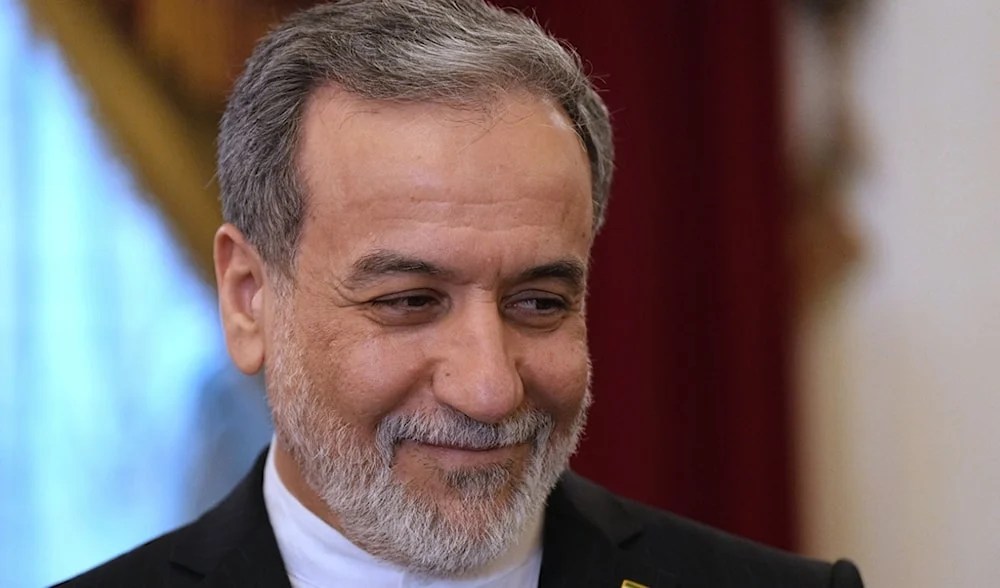
Iranian Foreign Minister Abbas Araghchi says Iranian and US delegations will meet in Switzerland next Friday, sign a memorandum of understanding, and launch formal negotiations aimed at achieving a tangible economic breakthrough.

In a televised statement, Iranian Foreign Minister Abbas Araghchi affirmed that, from Iran’s perspective, the two parties to the Memorandum of Understanding are the United States and “Israel” on one side, and Iran and Hezbollah on the other.

He also said, contrary to Trump’s overnight statement, that the MoU would be signed on Friday.

Speaking at the opening of a meeting with ambassadors, chargés d’affaires, and heads of foreign and international missions in Tehran on Tuesday, Araghchi stressed that the end of the war in Lebanon is an inseparable part of the complete end of the war, noting that ending the war on Lebanon also includes ending the occupation of Lebanese territory.

Araghchi said that, from now on, any military attack by “Israel” on Lebanon, as well as the continuation of the occupation of Lebanese territories, will be considered a violation of the MoU.

According to Araghchi, the heads of the two delegations from the US and Iran will first sign the memorandum of understanding on Friday before the inaugural round of formal negotiations begins.

Tehran, he said, aims to build on the understandings reached and translate them into a tangible economic opening.

Implementation mechanism amid deep-seated mistrust

The Iranian foreign minister also said that the negotiation agenda and the mechanism for implementing the anticipated understandings will be formulated in light of the prevailing lack of trust in the United States stemming from previous experiences marked by breaches of commitments and failures to uphold obligations.

“Naturally, we do not squander any opportunity in foreign policy, but at the same time, we do not pin our hopes on any opportunity,” Araghchi said, underscoring Tehran’s cautious and pragmatic approach to the forthcoming negotiations.

Trump says Iran deal signed

Meanwhile, US President Donald Trump claimed overnight Monday that a memorandum of understanding with Iran has been signed and that the Strait of Hormuz will be completely reopened by Friday, speaking to reporters upon his arrival in Evian, France, ahead of the G7 summit.

The formal signing ceremony is scheduled for Friday in Geneva, with Vance confirmed to attend. Trump said he may or may not be personally present, noting he would “probably be gone by then” given the late schedule of the G7 proceedings, but left open the possibility of involvement.

[…]

Via https://english.almayadeen.net/news/politics/araghchi–israeli-occupation-of-lebanese-land-a-violation-of

UN: Israel continues to violate Lebanon airspace in defiance of Iran-US MoU

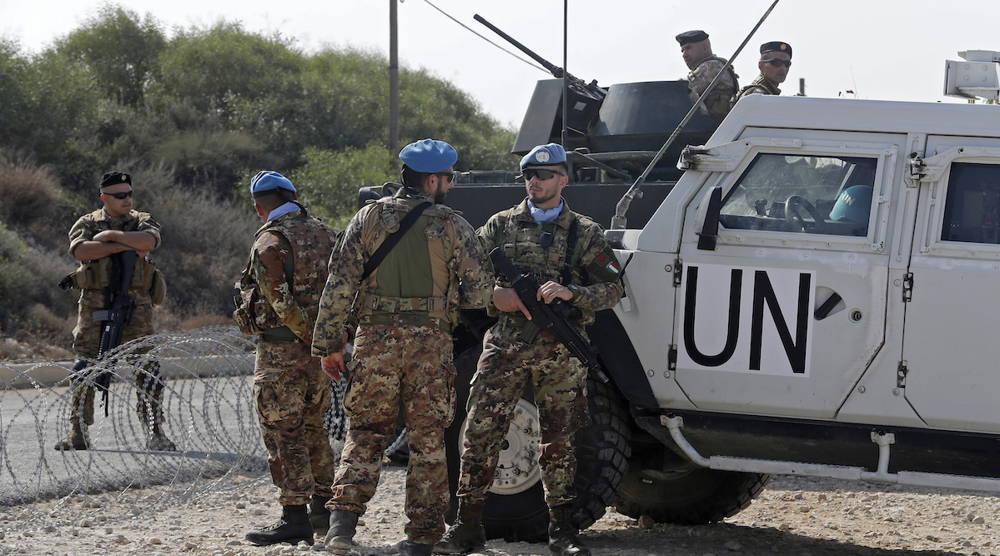
This file picture shows soldiers from the UN peacekeeping mission in Lebanon (UNIFIL) at an undisclosed location in southern Lebanon.

Press TV

The United Nations has reported ongoing Israeli military offensives in southern Lebanon, including projectile launches and repeated violations of airspace, though it recorded a decrease in overall violence following a memorandum of understanding between Iran and the United States.

UN spokesperson Stephane Dujarric said during a news conference on Monday that the UN Interim Force in Lebanon (UNIFIL) had “observed a decrease in violence and exchanges of fire” from midnight until 4 p.m. local time.

UNIFIL also documented “133 trajectories of projectiles and 2 airstrikes” conducted by Israeli forces, while noting “no trajectories from Hezbollah or non-state actors.”

Dujarric further explained that peacekeepers had recorded 25 violations of Lebanese airspace by Israeli forces, with a cumulative overflight duration of “approximately 40 hours.”

“Prior to the announcement of the agreement yesterday between the US and Iran, our UNIFIL peacekeepers noted 135 violations of Lebanese airspace by the [Israeli military], with a total overflight time exceeding 222 hours,” he stated, adding that the peacekeeping mission had recorded a total of “1,374 trajectories of projectiles over the weekend, with 1,328 attributed” to Israeli forces.

Regarding the humanitarian situation, Dujarric highlighted the prevailing uncertainty on the ground, stating, ”Some families have reportedly begun to return to their homes or are evaluating the conditions in communities in parts of southern Lebanon, particularly in Nabatieh.”

“However, no large-scale returns have occurred thus far,” he added.

On Monday evening, Iran’s Supreme National Security Council announced that the memorandum of understanding (MoU) reached between Tehran and Washington earlier in the day will bring an end to warfare on all fronts, including in Lebanon.

The SNSC secretariat also announced that the MoU is scheduled to be officially signed on Friday, June 19.

Despite the agreement, the Israeli army conducted demolitions and shelling in several towns in southern Lebanon on Monday. Reports indicated that displaced residents were returning to some southern villages, while local municipalities advised caution and urged residents to postpone their returns.

Since March 2, Israel has been conducting an extensive military offensive in Lebanon, killing 3,783 individuals and injuring 11,699 others, as reported by the Lebanese Health Ministry. Additionally, over one million people have been forced to flee their homes.

Israel maintains its occupation of certain regions in southern Lebanon, with some areas being held for decades and others since the onset of the 2023-2024 war. Israeli troops have also penetrated more than 10 kilometers into Lebanese land.

[…]

Via https://www.presstv.ir/Detail/2026/06/16/770538/UN–Israel-continues-to-violate-Lebanon-airspace-in-defiance-of-Iran-US-deal

Iran deputy FM says MoU with US to be signed in Geneva on Friday

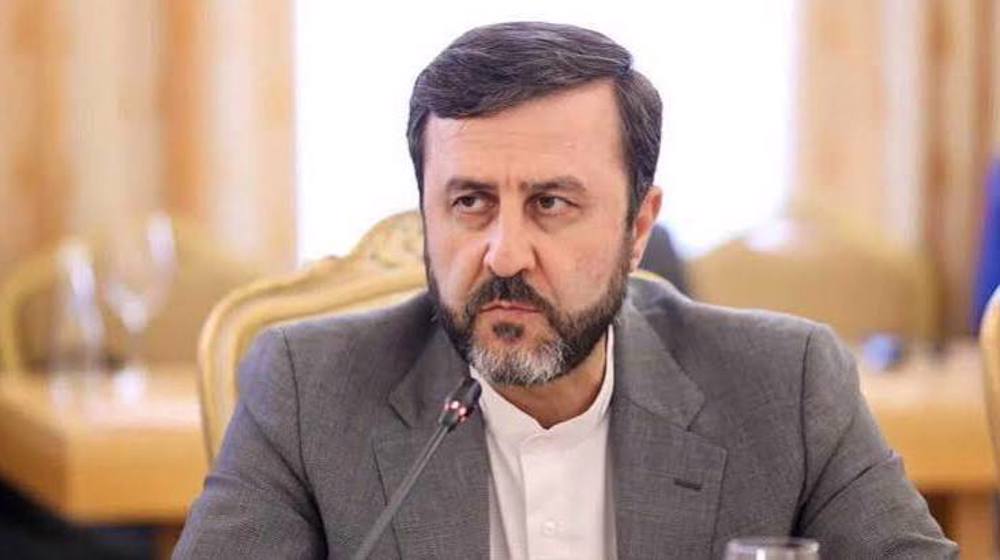
Iran’s Deputy Foreign Minister for Legal and International Affairs Kazem Gharibabadi

Press TV

Iran’s Deputy Foreign Minister for Legal and International Affairs has announced that the memorandum of understanding (MoU) between Iran and the United States has been finalized and will be officially signed on Friday in Switzerland, while emphasizing that the agreement is built on “active distrust” of the enemy.

“We have incorporated all our important positions into the draft MoU,” Kazem Gharibabadi said on Sunday.

“This memorandum does not mean trusting the enemy; it has been written with active distrust. We will monitor the implementation of US commitments.”

The deputy minister declared that starting Monday night, the US naval blockade against Iran will be terminated, along with “the immediate and permanent end of the war and military operations on various fronts, including Lebanon.”

The announcement follows weeks of intensive negotiations mediated by Pakistan, with support from Qatar, Saudi Arabia, and Turkey.

Earlier on Sunday, Pakistani Prime Minister Shehbaz Sharif claimed a “peace deal” had been reached, and US President Donald Trump welcomed the announcement on Truth Social.

Distrust, not trust

Gharibabadi stressed that Iran never trusted the United States throughout the negotiations.

“This memorandum does not mean trusting the enemy; it has been written with active distrust,” he said. “We will monitor the implementation of US commitments.”

He added that after the official signing, the full text of the MoU will be published, and before that, Iranian officials will explain its various dimensions and achievements to the public through the media.

The deputy minister revealed that Iranian military power directly influenced the final text.

“Threats tonight by Iran were effective in advancing certain issues in the negotiation text,” Gharibabadi said, referring to warnings by Iran’s armed forces to the US about the consequences of the Israeli regime’s Sunday attacks on Beirut’s southern suburbs.

“We did not agree to the MoU until we had incorporated every last point and demand into the text. Negotiations continued until one hour before the announcement.”

He also credited Hezbollah’s firm response to Israeli terrorism with facilitating the finalization.

“Our armed forces were ready to deliver a decisive response. Trump also adopted positions and criticized the Zionist regime. Hezbollah gave firm and decisive answers to the terrorist act of the Zionist regime.”

“Military power and the threats we made helped finalize the text and advance several issues we were working on,” Gharibabadi said.

The official also emphasized that the MoU is not merely a product of diplomacy but of Iranian military achievements.

“It is indebted to the pure blood of our martyrs, the steadfastness of the people, their round‑the‑clock presence in the streets supporting the system and the armed forces, the pure blood of the martyred Leader, the guidance of the Leader, and the efforts of officials.”

He declared that the enemy had been defeated in all its objectives.

“The enemy that attacked to operationalize its sinister goals has suffered defeat in all its objectives, and the Islamic Republic has achieved great victories in this war.”

60‑day verification and talks

Gharibabadi outlined a two‑stage process following Friday’s signing. First, a verification period will begin immediately.

“On Friday, we will have an official signing, and the heads of the two delegations will hold talks to determine the future arrangements of the negotiations. Until then, the US side’s commitments regarding ending the war, lifting the blockade, and releasing assets will be verified. Entering the 60‑day negotiations is conditional on the implementation of these US commitments.”

During the 60‑day negotiation period, he said, several issues will be discussed, including ending America’s primary and secondary sanctions against Iran, as well as terminating UN Security Council and IAEA Board of Governors resolutions.

He said the nuclear issue will also be discussed, along with a mechanism for the reconstruction and economic development of Iran following the imposed war.

The deputy minister said a system to oversee the proper implementation of commitments by both sides should also be created.

Gharibabadi confirmed that mediators will continue to play a role in the upcoming talks.

He also reiterated that Iran’s armed forces “will always keep their fingers on the trigger to counter any enemy conspiracy,” and that Tehran remains fully prepared to respond to any plot.

The deputy minister concluded that once the MoU is published, the Iranian people will see for themselves that Iran’s commitments are negligible compared to the country’s achievements.

The signing ceremony is set for Friday, June 19, in Switzerland.

Further technical and political talks are expected to follow the signing to address implementation details.

[…]

Via https://www.presstv.ir/Detail/2026/06/14/770453/Iran-deputy-FM-says-MoU-with-US-finalized-to-be-signed-on-Friday