The Most Revolutionary Act

Uncensored updates on world events, economics, the environment and medicine

The Most Revolutionary Act
Unknown's avatar

About stuartbramhall

Retired child and adolescent psychiatrist and American expatriate in New Zealand. In 2002, I made the difficult decision to close my 25-year Seattle practice after 15 years of covert FBI harassment. I describe the unrelenting phone harassment, illegal break-ins and six attempts on my life in my 2010 book The Most Revolutionary Act: Memoir of an American Refugee.

Turning Empty Office Buildings into Vertical Farms

With office usage hovering near 50 percent of pre-pandemic levels, cities are putting the underutilized space to new use growing food

The LR Zone

In an old paper company and warehouse building, machines are whirring again. But instead of reams of paper pressed and cut, this warehouse is home to Area 2 Farms, which now pumps out greens, herbs and root vegetables. There’s even a weekly CSA serving customers year round, all in an effort to bring locally grown food to the Washington, D.C. area. Really local. “When was the last time you picked up a strawberry and could confidently say you knew the farmer’s name?” asks Jackie Potter.

Potter, along with Tyler Baras, helped co-found the farm in Arlington, Virginia, where office vacancy rates reached 23.7 percent in the first quarter of 2023.

Although the Covid-19 pandemic drove workers out of their offices over three years ago, many office buildings still remain deserted. According to data gathered in 10 major cities, office usage rates just crossed 50 percent of pre-pandemic levels in late January, and these numbers seem to be stalling only a few months later. Nearly 20 percent of office space is empty across the United States, and some projections suggest that more than 300 million square feet of U.S. office space could be obsolete by 2030. The pandemic has shown that people are capable (and in some cases, in favor) of working in a remote setting.

With many folks comfortably working from home offices, many downtown high-rises serve as a looming frustration to landlords but also to local restaurants and small businesses that rely on office commuters to sustain business. So, many municipalities are trying to fill those spaces back up. In New York, city officials are transforming empty office buildings into apartments around parts of Midtown. Many other regions are also exploring this idea, including WashingtonLos Angeles, Milwaukee, Chicago and Philadelphia. Although modifying an existing building is less expensive than rebuilding, turning offices into residential space can be costly, as most office spaces are laid out differently from residential buildings. But there are other options for these empty offices—such as farms.

Empty Office Buildings Are Being Turned Into Vertical Farms

Area 2 Farms pumps out greens, herbs and root vegetables. Area 2 Farms

Baras took this idea to heart when designing Area 2’s growing apparatus, Silo. Silo is a multilevel conveyor belt system that moves vertically throughout the day to replicate a plant’s natural circadian rhythm. Since the system moves automatically, Silo’s conveyor belt cuts down on some of the backbreaking work that accompanies traditional vertical farming methods, such as climbing up and down ladders. Also, Silo requires no modifications to the existing building before installation. Area 2 Farms plans on building a model of Silo in Union Station in Washington later this year to showcase its growing technology and advocate for local food systems.

Just as cities have changed drastically over the past few years, Potter and Baras recognized that our modern food system is changing, too, and farmers must be ready to adapt. “The idea we have of what farms used to be is not what farms are today. There is no picturesque, red-barn farm anymore,” says Potter.

In Calgary, Alberta, AgriPlay Ventures transformed part of underutilized office space in Calgary Tower Center into one of Canada’s largest indoor urban farms earlier this year.

Dan Houston, president of AgriPlay, who has worked in the business for two decades, had long thought that vertical farming and office buildings were a natural match. “I didn’t know why [farms] weren’t in office buildings already. They should be, because the office market is so bad and it’s only getting worse,” says Houston. In addition to a struggling commercial real estate sector, Alberta is reported to have the highest rate of food insecurity among Canadian provinces; approximately one in five Alberta households is food insecure. The farm at Calgary Tower produces tomatoes, strawberries, cucumbers, greens and much more for the local community, with some crops offering 30 harvests a year. Although only one floor of the approximately 262,500-square-foot building is currently being utilized for food production, AgriPlay wants to expand to another two floors in the coming months and years. Currently, AgriPlay Farms is negotiating offers on more than one million square feet of office space in Calgary.

“The Calgary Tower was going to be a showcase of how to grow inside of the space of a building. Since then, we’ve already built a much superior product. We’re getting ready to extend into the rest of the building and the other spaces that we occupy,” says Houston.

According to Houston, office spaces already provide an ideal environment for growing food, since they are already air conditioned, heated and well ventilated. Not many modifications have to be made to the buildings themselves. Similar to Silo, AgriPlay’s growing system can also be easily installed in a wide variety of buildings and settings, which makes it an appealing prospect to potential landlords.

AgriPlay provides hardware that uses artificial intelligence to convert and install custom, plug-and-play modular growth systems. According to Houston, its scalable installation model was designed specifically to fit into existing office real estate spaces, and it doesn’t require prior knowledge of farming.

“Our system tells people what to do. I don’t need to know anything about growing strawberries. I just tell the system I’m growing strawberries and it sets the work up for me,” says Houston.

In time, AgriPlay hopes to become the technology provider that allows community stakeholders to market and grow in their own communities.

Area 2 Farms tour
A group takes a tour of Area 2 Farms. Area 2 Farms

When executed correctly, vertical farming can yield as much produce as traditional farming methods in urban areas and smaller spaces. Additionally, vertical farmers gain the added benefit of consistent, year-round production without the uncertainties of climate or pests, all while utilizing 90 percent less energy and 98 percent less water than a traditional farm. Although it can’t be a replacement for more traditional methods, vertical farming provides fresh produce in areas that have little food production or access to healthy foods.

“It seems like we’ve hit a sweet spot where the entire world needs food security; it’s now a national security interest for most countries. At the same time, commercial real estate is imploding,” says Houston. “You put those two together, and you’ve got a fast, easy conversion method to onshore your food production and solve your commercial vacancy issues.”

Potter agrees, noting that utilizing empty office space for farming could reshape urban centers as we know them now.

“Cities are changing every day,” says Potter. “There’s a really great economic opportunity as well. Our farms create new green jobs, they beautify spaces and provide fresh food to local communities. That’s something that’s really precious.”
Via https://lordrakim.wordpress.com/2023/08/31/empty-office-buildings-are-being-turned-into-vertical-farms/

Coconut Oil Superior to Drugs in Destroying Pathogens

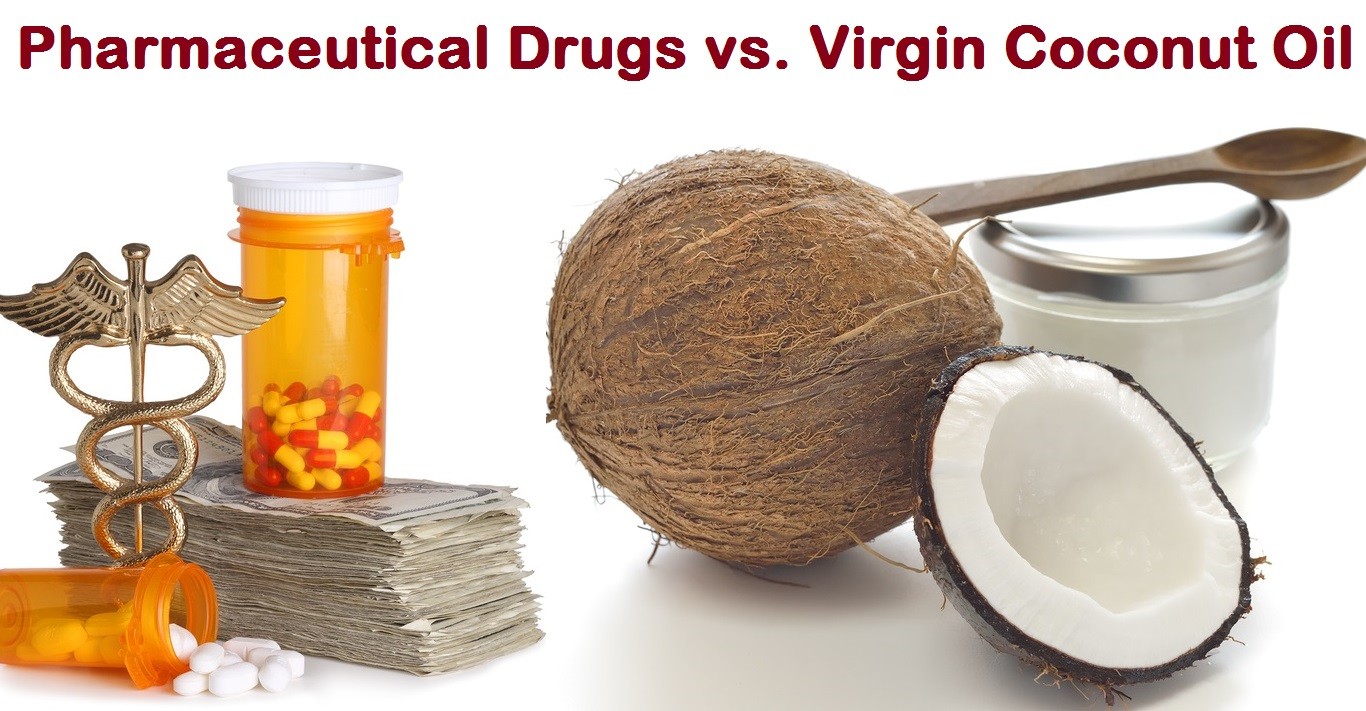
https://healthimpactnews.com/wp-content/uploads/sites/2/2023/08/Pharmaceutical-drugs-vs.-Virgin-Coconut-Oil-2.jpg

by Brian Shilhavy
Editor, Health Impact News

The U.S. Government’s official position on coconut oil today continues to be that it is dangerous for your health, and that you should either avoid it altogether, or only consume very modest amounts.

The reason that has been given for this official position for over four decades now, is because it is primarily a “saturated fat” which they want you to believe leads to high levels of cholesterol and heart disease.

But nothing could be further from the truth, as the whole “lipid theory” of heart disease has been completely debunked, along with U.S. Government dietary advice that condemns saturated fats, which are found primarily in animal fats and dairy, as well as in some vegetable sources such as coconuts and palm nuts.

Saturated fats have been part of the human food chain for thousands of years. Our ancestors here in the U.S. settled in this country consuming primarily these saturated fats, such as lard, beef tallow, and of course, butter.

Tropical countries where coconut palms grow have consumed the tropical oils of coconut and palm fruit oils for thousands of years.

And prior to the industrial age that began after World War II, heart disease was not a major cause of death.

The technological advances that came out of WW II gave us the ability to extract oils from plant sources that were never part of the human food chain, and that included primarily the expeller-pressed seed oils from corn and soy, which today are the main GMO crops that are sprayed heavily with glyphosate and a whole host of other herbicides and pesticides.

These polyunsaturated oils prior to the industrial age were only consumed as whole foods in nuts and seeds, since the technology did not exist prior to that to extract them with simpler technology, and these polyunsaturated oils have to be heavily refined just to make them shelf stable.

I have made it a personal standard for myself and my family over the years to NOT consume any dietary oil or fat that has not been in the food chain for at least 1000 years, which includes olive oil, sesame seed oil, black cumin seed oil, coconut oil, and palm oil from plant sources, and lard, beef tallow and butter from animal sources.

When it comes to coconut oil, the real reason why the U.S. Government attacks it is because they are protecting their lucrative drug industry, because the peer-reviewed medical literature shows that coconut oil can cure multiple diseases that Big Pharma wants to sell you drugs to “cure” instead. (But their drugs don’t “cure” because curing sickness is a terrible business model and eliminates their repeat customers.)

At the top of this list of drugs is antibiotics, and the peer-reviewed medical literature has shown that the fatty acids in coconut oil destroy pathogens since at least the 1960s.

And those studies continue to be published today, although usually outside the U.S. One of the latest ones to be published is in the journal Advances in experimental medicine and biology this month (August, 2023), titled: Antimicrobial Potential of Cocos nucifera (Coconut) Oil on Bacterial Isolates.

Abstract

This study investigates the in vitro antibacterial activity of coconut oil on selected clinical and pure bacterial isolates. Clinical samples were isolated from the people of Ras Al Khaimah, United Arab Emirates.

Biochemical examination of the microorganisms was done according to standard methods. Pure bacterial cultures were provided from LTA srl Italia. In this research work, an effort has been made to highlight the valuable properties of Cocos nucifera oil, in order to rationalize the use of coconut oil against bacteria.

Experiments were performed by agar well diffusion method. Ciprofloxacin was used as a standard antibiotic. The assay of antibacterial activity of clinical isolate of Streptococcus species showed the highest susceptibility to coconut oil while Escherichia coli had the least.

This study endorses the use of coconut oil as therapeutic agent since it contains lauric acid which is bactericidal. The utilization of coconut oil should be promoted as a functional food and the use of coconut seed flesh in our diets should be encouraged for health-supporting functions. Further studies should be done on the oil and its derivatives both in vitro and in vivo to unveil their mechanism of action. (Source. Emphasis mine.)

Lauric Acid – Used to Destroy Pathogens for Decades

Coconut oil is composed of primarily “medium chain fatty acids,” or “medium chain triglycerides,” which is just another way of saying the same thing, and is often abbreviated as “MCTs”.

The star fatty acid in coconut oil is lauric acid, which is usually about 50% of the composition of coconut oil.

It has been used as an anti-bacterial for decades, including usage in food preservatives.

Coconut oil is nature’s most abundant source of lauric acid. The next closest source is human breast milk, which comes in at a distant second at around 6% lauric acid.

Lauric acid is primarily what makes coconut oil a “saturated” fat, which the U.S. Government wants to make you believe is unhealthy. But the truth is that saturated fats are healthy and disease-fighting, which is obviously why God included it in human breast milk for babies.

Yes, babies who are fed their mother’s breast milk until they are weaned, are being fed a high-saturated fat diet, and starting their life out by shaking their tiny fist in the face of the U.S. Government tyrants, who want to make them into pin cushions by vaccinating them from the time they are born.

While we cannot continue drinking our mother’s breast milk for the rest of our lives, God has given us coconut oil which is even higher in lauric acid.

If you search for “lauric acid” on the Health Impact News network, you will get over 100 results, with articles such as these:

Study: Coconut Oil’s Lauric Acid Reduces High Blood Pressure

Study: Lauric Acid from Coconut Oil Inhibits Cancer Cell Growth Without Affecting Healthy Cells

New Research on Coconut Oil Focuses on Replacing Antibiotics to Combat Antibiotic-resistant Pathogens

Study: Coconut Oil Fatty Acids have Bactericidal and Anti-inflammatory Activities Against Acne

Study: Lauric Acid from Coconut Oil Proves a Promising Weapon in the Fight Against Antibiotic Resistant Infection with Severe Burns

… and dozens of others.

You can keep up with the research on coconut oil on our peer-reviewed research page at CoconutOil.com, which I update regularly as I have done for over 2 decades now.

Also, please do NOT confuse what is sold in the market as “MCT Oil” as coconut oil. MCT oil is a byproduct of coconut oil, and is only the fatty chain acids that are left over once lauric acid is extracted.

What Type of Coconut Oil is Best? How to Choose a Coconut Oil

[…]

Via https://healthimpactnews.com/2023/the-evidence-of-coconut-oils-superiority-over-drugs-in-destroying-pathogens-continues-to-be-published-in-peer-reviewed-journals/

21th Century India, Pakistan and Bangladesh

Pakistan's interim PM holds meeting; seeks plan for reduction in power ...

Pakistan’s caretaker prime minister Anwar Ul Haq Kaka  (Balochistan Awami Party)

Episode 36 South Asia Into the 21st Century

A History of India

Michael Fisher (2016)

Film Review

In this concluding lecture, Fisher makes no mention of BRICS, which would seem a major omission in light of current world events.

He outlines three specific problems facing all three South Asian countries in the 21st century:

  1. a trend towards evicting indigenous forest people from their traditional homelands*
  2. evictions of farmers, pastoralists and indigenous people for dam construction and other development projects.
  3. rapid population growth – as of 2016 South Asia hosted 20% of the global population on 3% of its land mass and one-third of the world’s poor.

To their advantage, all three countries have a huge youth labor pool approaching “peak productivity” (ie willing to work for subminimum wage) . This means transnational corporations are greedily shifting manufacturing to India, Pakistan and Bangladesh from China and South East Asia where wages are rising.

All these trends contribute toward the growth of South Asian megacities:

  • Karachi pop 24,000,000
  • Mumbai pop 12,470,447
  • Dakka pop 15,876,105
  • Delhi 16,814,838

Gender disparity is rife in all three countries although all three have had women prime ministers.

All three countries have coastal cities threatened by rising sea levels. The most dire prediction predict a loss (via flooding) of 15% of South Asia’s land mass (mostly in Bangladesh). There are also predictions global warming will melt Himalayan glaciers and disrupt the seasonal monsoons essential to agriculture. South Asia also experiences a disproportionate number of earthquakes and tsunamis.

Likewise all three demand that CO2 reduction mandates not restrict their access to fossil fuels, which they view as essential to the industrialization needed for improving their standard of living.

Recent political highlights:

India

The Hindu nationalist party BJP has been in power continuously since current prime minister Narendra Modi was elected in 2014. The BJP is a more right-wing than the Congress party, as well as less secular. They have repealed a number of environmental protection enacted by Congress governments, owing to their view they were limiting economic development. Approximately 20% of India’s residents are non-Hindu (mainly Sikhs, Christians, Muslims, Buddhists and Jews).

Pakistan

Only 3% of Pakistanis are non-Muslim, and most residents are Sunni Muslim. Since the coup d’etat removing Imran Khan last year,**Muslim League leader Shehbaz Sharif (brother of Nawaz Sharif) was elected to complete Imran Khan’s term. After the national assembly was dissolved on August 14 2023 (having completed its five-year term), Anwar Ul Haq Kaka was appointed caretaker prime minister until new elections can be called. He’s a member of the Balochistan Awami Party.

Fisher highlights two Pakistani non-governmental organizations assisting poor Pakistani women access microcredit, which he feels have been significant in improving Pakistan’s life expectancy, infant mortality and literacy. The first is the Grameen Bank, founder by Muhammad Yunus in 1976, and BRAC, founded by Sir Frale Hasan Abed in 1972. The latter also helps poor families access education and health care.


*Fisher neglects to mention the growing proportion of indigenous evictions that occur for “environmental” reasons. See http://www.forestpeoples.org/sites/fpp/files/news/2016/08/160831_publication_Human%20Rights%20project_def.pdf

**See Hidden History of the Coup Against Imran Khan

Film can be viewed free with a library card on Kanopy.

https://www.kanopy.com/en/pukeariki/watch/video/366254/366243

Screen Time for Babies: Unsafe at Any Dose

By  Angelo DePalma, Ph.D.

A Japanese study reported that the more time per day 1-year-olds spent in front of screens, the worse their performance on standard developmental evaluations at ages 2 and 4. Delays in acquiring communication and problem-solving skills were the most prevalent and enduring effects.

The most pronounced effects involved delays in communication and problem-solving. Other measures of childhood development lagged at the two-year follow-up but vanished by age 4.

However, the researchers cited a 2020 study that also associated high device use with communication deficits — but conversely, found “better-quality screen use” involving educational content was linked to “stronger child language skills.”

Parents and babies co-viewing content, and a later onset of screen use, also seemed to be beneficial, according to the 2020 study.

The multi-university research team behind the JAMA Pediatrics study, led by first author Ippei Takahashi at the Graduate School of Medicine, Tohoku University in Sendai, Japan, defined screen time as the number of hours per day 1-year-olds spent watching television, playing video games and using mobile phones, tablets or other electronic devices.

How the study was designed

Between July 2013 and March 2017, the Tohoku Medical Megabank Project Birth and Three-Generation Cohort Study recruited 7,097 mother-child pairs at 50 obstetric clinics and hospitals in the Miyagi and Iwate prefectures in Japan. Fifty-two percent of the subjects were boys.

Researchers grouped subjects according to one of four screen time exposure categories: less than one hour per day (48.5% of subjects), between one and two hours (29.5%), between two and four hours (17.9%) and four hours or more (4.1%).

The four exposure groups were matched for sex, maternal age and education, number of siblings, household income and demographics, and whether the mother had experienced postpartum depression.

Investigators applied the Japanese version of the Ages & Stages Questionnaires (3rd edition) to evaluate five developmental areas: communication, gross and fine motor skills, problem-solving and socialization.

Scoring in each area ranged from 0-60 points, with developmental delay defined as a score that was less than two standard deviations below the mean score. This high threshold means that to be counted, a value had to be lower than 95% of all other results.

What the researchers found

The researchers found that, generally, the more screen exposure at age 1, the greater the later deficit and the longer it persisted.

However, not all measures were negatively affected and not all deficits at age 2 were evident by age 4.

Table 1 summarizes Takahashi’s results.

Table 1. Increase, in percent, in the number of children failing to reach development milestones relative to the lowest-exposure group, for followups at age 2 (top rows) and age 4 (bottom rows).

For purposes of analysis, values from the three highest-exposure groups were compared to the result from the lowest-exposure babies and expressed as a percentage above that number.

For example in the table above, the value for “communication skills” in year 2 for the 1- to 2-hour group is 61% higher than the number for the <1 hour group. That means that, compared to the group with the lowest exposure, 61% more children in the second-lowest exposure group failed to meet a development milestone.

The most notable deficits arose for communication skills, which were evident in all groups at the two-year point and persisted at the four-year mark for the two highest-exposure groups.

Problem-solving deficits were observed for higher-exposure children as well but waned over time. Social development fell at two years for the highest-exposure group but disappeared by age 4.

The take-home lesson is that screen time affects some areas of childhood development but not others, and that not all associations persist.

For example, Takahashi found that the highest screen exposure times were associated with deficits in fine motor and social skills at age 2, but not at age 4. He proposed that these deficits themselves may be the reason children spent more time in front of screens, and not the other way around.

Device use guidelines

In 2016 the American Academy of Pediatrics (AAP) issued device usage guidelines for physicians, families and media companies.

The AAP recommended doctors initiate a conversation with families on device usage early, help them develop a media use plan, educate them about early brain development and the benefits of hands-on, unstructured and social play, and discourage any device exposure for children younger than 18 months.

For parents interested in introducing 18- to 24-month-olds to digital media, the physician group encouraged them to choose high-quality programming and personally oversee its use, advising that “Letting children use media by themselves should be avoided.”

Older children are OK with up to one hour of high-quality programming per day, but screens should be avoided during meals and right before bedtime. Parents should disallow fast-paced programs, apps with a lot of distracting signs or sounds and any violent content.

The AAP also cautioned parents to avoid using devices as babysitters:

“Although there are intermittent times (e.g., medical procedures, airplane flights) when media is useful as a soothing strategy, there is concern that using media as strategy to calm could lead to problems with limit setting or the inability of children to develop their own emotion regulation.”

In addition, it urged media developers to:

  • Design programming appropriate for child development.
  • Promote parent-child interaction and real-world skills.
  • Eliminate commercial and “unhealthy” messaging.
  • Create programs that do not automatically advance to the next episode or unit.
  • Cease making apps for children younger than 18 months until evidence of benefit is demonstrated.

Despite pervasive device use among young children, very little research has addressed how screen time might affect a child’s development, according to Takahashi.

Most studies focused on a limited number of developmental milestones or did not directly link screen exposure at one specific point in time with an effect at another point.

[…]

Via https://childrenshealthdefense.org/defender/screen-time-babies-developmental-delays/

Food Isn’t What It Used to Be – And Neither is Public Health

By  Dr. Joseph Mercola

Industrial agriculture with its genetically engineered crops, pesticides and soil destruction has led to a decline in the nutritional value of food — and nutrient-deficient food is linked to a higher incidence of viral illness, gluten sensitivity, autism, dementia, depression and more.

  • Multiple challenges contribute to the declining nutritional value researchers find in plants, grasses and grains, including monocropping, genetically modified crops, high-yield practices and the destruction of soil health.
  • As nutrient density falls so does public health. The U.S. spends $4.3 trillion on health care each year, which is more than any other nation. Deficiencies are linked to a higher incidence of viral illness, gluten sensitivity, autism, dementia, depression and more.
  • The U.S. government admits poor eating has led to nearly half of all Americans living with at least one chronic disease. However, while junk and snack food companies seek to garner consumers interested in organic production, it’s essential to note that organic ingredients can’t make junk food healthy.
  • Biodynamic and regenerative farming choices offer hope after chemical-based agriculture has destroyed rural economies, raised air and water pollution, destroyed pollinators and biodiversity and increased soil erosion.

One of the largest studies to draw attention to the declining nutrient value in fruits and vegetables was published in 2004 in the Journal of the American College of Nutrition.

The researchers used data gathered from 1950 to 1999 and found that out of 43 foods evaluated, there were reliable declines in six nutrients. Those nutrients include protein, riboflavin, vitamin C, calcium, iron and phosphorus.

The researchers evaluated data on seven other nutrients for which they found no statistically reliable changes.

The team concluded that the declines were easily explained by changes in cultivated varieties and these declines may be a trade-off between cultivation to raise yield and an impact on nutrient content.

Your body depends on essential nutrients for growth and development, and to maintain optimal health. When you experience deficiencies, it can have a significant impact on immunity, wound healing, bone health and much more.

Your body uses protein to build muscles, manufacture hormones and create antibodies.

Vitamin C is an integral part of your immune system and riboflavin, which is one of the eight B vitamins, helps convert food into energy.

Deficiencies in any of these nutrients have a fundamental impact on overall health and wellness. Nutrient-dense foods provide your body with more of what it needs to support good health.

Nutrient density considers both macronutrients, such as protein, fats and carbohydrates and micronutrients, which include vitamins and minerals necessary for normal physiological functioning.

Declining nutritional values affect produce and meat

Research within the last five years has also demonstrated a decline in nutrients, including iron content in vegetables grown in Australia.

The researchers looked at the iron content of vegetables and legumes and noted a decrease of 30% to 50% in sweet corn, redskin potatoes, cauliflower and green beans and pronounced reductions in legumes.

The researchers warned that as plant-based diets become more popular, monitoring nutrient composition is “strongly recommended.”

Another study noted a 23% decline in protein content in wheat and notable reductions in manganese, zinc, magnesium and iron. The impact of declining nutrient density in produce and grain affects not only vegetarians but also meat eaters.

Livestock is fed less nutritious grasses and grains, which in turn has an impact on many animal-derived products that are not produced on biodynamic or regenerative farms, including meat, dairy and eggs.

These studies demonstrate that it turns out you can simultaneously gain weight and be starved of vital nutrients essential to good health. Donald R. Davis of the University of Texas at Austin was the lead author of the 2004 study and worked on subsequent papers on the same subject.

[…]

In addition to declining nutrient value, world crises are making a bad problem worse. Ukraine has been called “the breadbasket” of Europe as the country is responsible for producing and exporting roughly 12% of all food calories traded on the international market.

Russia is also a major exporter, and the two countries together account for nearly 30% of global wheat exports, nearly 20% of the world’s corn and more than 80% of the sunflower oil.

The U.S. Department of Agriculture projected that wheat exports from Russia and Ukraine would be down by more than 7 million metric tons in 2022.

According to a report in January, the exports from Ukraine had reached 23.6 million metric tons of grain, which had fallen from 33.5 million recorded at the same time in the previous season.

Ukraine’s government reported that the grain harvest would reach 51 million metric tons, a decline from the record 86 million in 2021 because of a loss of land and lower yields.

By July 2022, the United Nations had brokered the Black Sea Grain Initiative between Russia and Ukraine. This allowed Ukraine to export grain through the Black Sea from ports that had been blocked since mid-February.

While the initiative helped facilitate exports from Ukraine, price volatility for wheat had reached its highest level in more than 10 years. International markets adjusted and adapted, resulting in higher-priced foods that nearly everyone has experienced at the grocery store.

According to data from the Inter-American Institute for Cooperation on Agriculture, the change in wheat exports from 2021 to 2022 dropped by 5.3 million metric tons in Ukraine, 8.5 million metric tons in Argentina and rose by 10.5 million metric tons in Russia.

Perfect storm threatens public health

As crop nutrient density declines, so does public health.

Nutritional deficiencies are linked to a higher incidence of viral illness, gluten sensitivity, autism, dementia and depression to name a few. Multiple challenges have arisen that appear to be contributing to this issue of food insecurity.

As Davis noted, high-yield plants have resulted in lower nutrient density. National Geographic explains that crops with higher yields are grown in fields with finite resources.

This means that the nutrients must be distributed across a greater volume of produce, which in effect, dilutes the nutrient value. Another challenge to growing nutrient-dense crops is soil damage from high-yield practices, such as tilling, monocropping and GMO seeds.

Most crops benefit from partnerships with soil fungi as they improve the plant’s ability to absorb nutrients and water. Yet these high-yield practices hurt beneficial fungal growth.

Growing just one crop species, also called monocropping or monocultures, increases the farmers’ efficiency in the short term but it also increases the risk of disease and pests and leads to soil exhaustion.

Genetically modified crops gained widespread commercial use by 1996 and today, most corn, soybean, cotton and canola are genetically modified.

While some continue to promote genetically modified seeds and the subsequent high-dose herbicides and pesticides used to control weeds and pests, further study reveals how this damages soil microbes and subsequently our food supply.

Glyphosate is one of the most widely applied broad-spectrum herbicides in agriculture.

However, as the Soil Association notes, glyphosate negatively affects soil bacteria and harms beneficial fungi that live near plant roots.

In past years, glyphosate has increased the severity of crop diseases, possibly by altering the balance of soil microbes. It also has had a negative impact on the activity of several earthworm species.

Another factor that plays a role in reducing crop nutrient density is the use of nitrogen fertilizers.

These fertilizers consistently favor the growth of pathogenic fungi while harming beneficial fungi necessary for strong plant growth. Yet corporate farmers have grown reliant on nitrogen and phosphorus fertilizers.

The combination of the breakdown in logistics during the pandemic and the later conflict in Russia and Ukraine led experts to predict fertilizer prices could double in the following growing seasons.

Nearly 40% of the global export of potash, a key fertilizer ingredient, and 48% of ammonium nitrate is exported from Russia.

Prices rose in 2022 but dropped in the first quarter of 2023. However, experts believe this trend may not continue and likely is giving farmers false hope, as experts anticipate price reductions could be temporary.

Improving soil health can’t make junk food healthy

As more consumers are looking for organic products, more manufacturers of snacks and junk foods are seeking to capitalize on the trend.

For example, Annie’s, a division of General Mills, advertises “advancing regenerative farming practices” in their limited-edition Organic Mac & Cheese and Organic Bunny Grahams.

However, there is a range of practices that could be referred to as regenerative, even though they’re only slightly different from conventional, chemical farming.

The fact that General Mills is partnering with Ben & Jerry’s to promote their brands with regenerative agriculture for highly processed junk food like mac and cheese, cookies and concentrated animal feeding operation ice cream is another strange path forward.

While it will take farmers, businesses and consumers to advance regenerative practices, you have to be skeptical of this odd alliance of junk food products to promote regenerative agriculture.

The falling nutrient density in produce is especially concerning if consumers follow manufacturers’ push for a primarily plant-based diet.

Much, but not all, of the fake food promoted by globalists is plant-based. The rest is a combination of lab-grown slurry altered using advanced technology to increase consumer appeal.

The underlying truth is that improving soil health and raising plants’ nutrient density cannot make junk food healthy. Instead, most Americans need to start eating real food to save the planet and improve their health.

Eating organically produced foods is important, but when these are processed foods, it doesn’t matter if they’re organic and regeneratively grown, your health still suffers from nutritional imbalances.

[…]

Via https://childrenshealthdefense.org/defender/nutritional-value-food-public-health-cola/

Organized Crime in Charge of EU Carbon Trade


Organized Crime in Charge of EU Carbon Trade, Europol Says

Ersjdamoo’s Blog

“In the US, the derivatives market regulator has issued a whistleblower alert relating to fraud and misconduct in carbon markets and has created a new environmental fraud taskforce.” [1]

A study released last week could portend billions of dollars in losses for speculators in carbon offsets. Many of the carbon credits purchased by polluting corporations amount to little more than “hot air”. [2]

Carbon credits are essentially predicting whether someone will chop down a tree, and selling that prediction, said one study author. [2] A carbon credit or offset credit is a transferrable financial instrument (i.e. a derivative of an underlying commodity) certified by governments or independent certification bodies to represent an emission reduction that can then be bought or sold. [3] Some banks have huge derivative holdings. For example, Goldman Sachs Bank USA, holds more than $53 trillion in derivatives. [4]

Data on groundwater levels across the U.S., compiled by The New York Times, shows that over the past 40 years groundwater levels at most of the sites surveyed have declined. “At 11 percent of the sites, levels last year fell to their lowest level on record.” NYT is alarmed. “The U.S., in other words, is taking water out of the ground more quickly than nature is replenishing it.” [5]

——- Sources ——-
[1] “Beats Were Beaten Down”, Ersjdamoo’s Blog, August 29, 2023. https://ersjdamoo.wordpress.com/2023/08/29/beats-were-beaten-down/
[2] “Study Finds Carbon Offset Schemes ‘Significantly Overestimating’ Deforestation Claims”, Common Dreams. https://www.commondreams.org/news/carbon-offset-deforestation
[3] “Carbon offsets and credits”, Wikipedia. Accessed August 29, 2023. https://en.wikipedia.org/wiki/Carbon_offsets_and_credits
[4] “Mannarino: Major Banks in Big Trouble”, Ersjdamoo’s Blog, June 5, 2023. https://ersjdamoo.wordpress.com/2023/06/05/mannarino-major-banks-in-big-trouble/
[5] “The Morning: Uncharted waters”, New York Times mass email, August 29, 2023.

[…]

Via https://ersjdamoo.wordpress.com/2023/08/30/carbon-credits-questioned/

CDC Accidentally Admits Masks Totally Useless

Posted BY: | NwoReport

Ten key lessons should have been learned from the COVID-19 pandemic, focusing on the perceived failures and deceit of government actions and medical recommendations. The author strongly asserts that intelligent individuals should recognize these lessons to navigate COVID 2.0 with greater awareness and autonomy.

The government’s handling of the pandemic suggests that COVID orders are not intended to benefit the people and that compliance with tyranny only leads to further restrictions. They also dismiss the effectiveness of N95 masks, social distancing, and vaccines in preventing COVID transmission.

Furthermore, the article suggests that hospitals were financially incentivized to exaggerate COVID deaths and that COVID vaccines don’t prevent infections or transmission, claiming that these vaccines are part of a larger depopulation agenda. The globalists with a depopulation agenda influence the World Health Organization (WHO), and the government intentionally disrupts the food supply chain.

Intelligent individuals should resist blindly following government mandates and propaganda, asserting that those who refuse to believe the lies and comply with tyranny will be the ones to survive the ongoing crisis.

The distrust of government actions, vaccine efficacy, and broader intentions behind the pandemic response. Readers should reject mainstream narratives and adopt a skeptical approach, emphasizing the importance of independent thinking and non-compliance with perceived tyranny.

[…]

Via https://nworeport.me/essential-lessons-from-covid-1-0-10-key-insights-for-navigating-covid-2-0-safely-with-intelligence/

‘Manipulation’ keeps Imran Khan in prison despite bail

Press TV – August 29, 2023

Via Aletho News

Former Pakistani Prime Minister Imran Khan has remained in prison despite the Islamabad High Court suspending his recent conviction on corruption charges, with his lawyers claiming that a “manipulation of justice” is keeping him behind bars.

Khan’s legal team said on Tuesday afternoon he remained in detention because of a previous arrest, made in secret, over a case alleging he had leaked classified state documents.

One of his lawyers told reporters outside the prison that Khan was “on judicial remand” and would appear before a special court in Islamabad on Wednesday.

“He was arrested prior to today’s court ruling. The exact date of his arrest remains unclear,” another lawyer, Gohar Khan, was quoted as saying.

Another, Muhammad Shoaib Shaheen, said that “his legal team was intentionally left uninformed and kept in the dark”. “This constitutes a manipulation of justice,” he said.

Pro-PTI lawyers held banners and chanted “Release Imran Khan!” and “Khan your devotees are countless!” outside the court as initial news of his sentence suspension broke.

Khan ally and former Speaker of National Assembly Asad Qaiser has said today’s verdict in the graft case was evidence Khan’s sentence and imprisonment were carried out in “haste”.

“If an attempt is made to arrest Chairman Imran Khan in other cases after his release, it will be an attempt to push the country towards anarchy. At this time, the only way to save the country from further crises is to have clean and transparent elections as soon as possible,” Qaiser posted on social media platform X, the platform formerly known as Twitter.

The Islamabad High Court overturned a lower court’s decision to jail him for three years, a judgment that kept him from contesting upcoming elections.

His lawyers said he was granted bail and they were initially hopeful he would be released from Attock Jail, a century-old prison around 60 kilometers west of Islamabad, where the 70-year-old has been held for three weeks.

Khan’s Pakistan Tehreek-e-Insaf (PTI) party later said nine activists had been arrested outside Attock Jail.

The sentence was handed down this month by a judge who found him guilty of failing to properly declare gifts he received while in office.

The ex-PM’s legal team lodged the appeal against his conviction on the grounds that he was put to jail without being given the right to defend himself.

That was only one of more than 200 legal cases that have embroiled Pakistan’s most popular politician since he was ousted by a parliamentary vote last year.

The Islamabad High Court’s decision to suspend the conviction marks another victory for Khan and comes on the heels of the Balochistan High Court’s decision to dismiss sedition charges against him.

The 70-year-old cricketer-turned-politician lost a confidence vote in the parliament in April 2022. Since then, his ouster has been at the centre of political turmoil across Pakistan.

Khan believes that the cases lodged against him were politically motivated to keep him out of power. He alleges the country’s powerful military is behind these cases.

In the past months, Pakistani authorities have made widespread arrests targeting the PTI party in an attempt to allegedly crush his grassroots support.

No date for the polls has been announced. Khan surged to power in 2018 on a wave of popular support, through an anti-corruption manifesto.

Did the US ask for Khan’s removal after he visited Russia?

The US-based news outlet The Intercept earlier this month published what it claims to be the details of a diplomatic “cypher” – or a secret cable – that suggests the US administration wanted to remove Khan from power last year.

Khan alleged he knew of the “cypher” while he was in office which, according to him, proved the US hatched a conspiracy with the help of his political opponents and the Pakistani military to remove him.

The Intercept published purported details of a conversation between Pakistan’s then-ambassador to the US, Asad Majeed, and Donald Lu, the assistant secretary of state for the Bureau of South and Central Asian Affairs, on March 7 last year.

In the meeting, Lu reportedly told Majeed the US and Europe were “quite concerned” about Khan visiting Russia and Pakistan taking an “aggressively neutral position” on Russia’s military operation against Ukraine

The conversation, according to the report, took place less than two weeks after Khan visited Moscow on February 24, the day Russia launched the operation.

[…]

Via https://alethonews.com/2023/08/29/manipulation-keeps-imran-khan-in-prison-despite-bail-lawyers-say/

Employers Walk Back Mask Mandates Amid Employee, Public Backlash

Kaiser Permanente and Lionsgate Studios in California reversed mask mandate policies last week, just a few days after imposing them.

Kaiser Permanente, the largest healthcare provider in California, on Aug. 22 announced it had “reintroduced a mask mandate for physicians, staff, patients, members, and visitors in the hospital and medical offices in the Santa Rosa Service Area,” in a statement obtained by The Press Democrat.

Kaiser said the mandate was in response to an increase in the number of patients testing positive for COVID-19.

But just two days later, on Aug. 24, Kaiser officials told The Press Democrat the mask reinstatement applied only to physicians and staff, not to patients and visitors.

“Our intent was to communicate that as of Tuesday, we have expanded the masking requirement for our employees and physicians to medical offices and clinic settings; we apologize for any confusion among Press Democrat readers,” Kaiser said in its latest statement.

It also said, “We have not changed our masking requirements in the hospital, which have been in effect since April: employees and physicians are required to wear masks and we ask visitors to wear masks when in the hospital.”

But Kaiser also confirmed to Becker’s Hospital Review on Aug. 23 that it had reintroduced the mask mandate.

The Press Democrat reported the reversal happened after people noticed many visitors to the hospital were not masking.

Local media reported that some Northern California residents supported the mask mandate policy when it was first announced, but others were skeptical and frustrated in response to the mandate announcement.

“I think it’s more political than anything, just think they’re trying to do what they did in 2020,” said Carmichael resident Craig Roberts.

Lionsgate also reverses mandate

Lionsgate on Friday also notified employees that the mask mandate it had imposed about a week prior for employees on the third and fifth floors of the studio’s five-story office building in Santa Monica was over, Deadline reported.

Lionsgate imposed the mandate after multiple people in its Santa Monica headquarters came down with COVID-19. The company told Deadline it imposed the mandate in compliance with rules set by the Los Angeles County Department of Public Health.

Lionsgate told The Wrap the health department informed the company it could lift the mask requirement after several days of no new infections.

The company also distanced itself from responsibility for the mandate, stating that:

“Lionsgate never changed its own mask policy. The LA County Department of Health ordered us to institute the temporary masking requirement after we reported a cluster of COVID cases to them and we have an obligation to comply with their orders.”

In addition to mandating “a medical grade face covering (surgical mask, KN95 or N95),” every Lionsgate employee was required to perform a daily self-screening before coming to the office and was told to stay home if they exhibited any symptoms or had traveled internationally in the last 10 days.

Lionsgate was conducting contact tracing and providing at home COVID-19 test kits. It is unclear if those practices are still required.

Reversals come amid pushback and more evidence of mask failures

The mask policy reversals come amid pushback from critics after a growing number of businesses and hospitals in recent weeks reinstituted mask mandates and social distancing requirements, and a new report warned that broader mandates may be coming this fall.

Many doctors have also called for mask mandates to return to healthcare settings.

Meanwhile, documents recently released from the National Institutes of Health (NIH) revealed that public health officials privately questioned the effectiveness of masks and the guidance issued by the Centers for Disease Control and Prevention (CDC) promoting their use.

And an NIH study suggested surgical N95 masks, held up as the gold standard for COVID-19 protection, may expose users to dangerous levels of toxic chemicals, the Daily Mail reported.

The study found the chemicals released by these masks had 8 times the recommended safety limit of toxic volatile organic compounds, which can cause symptoms ranging from headaches and nausea to organ damage and cancer, with prolonged use.

Since the original mandates ended, several studies concluded the mandate policies failed to achieve their promised results.

The Wall Street Journal on Monday published an op-ed criticizing mask mandates.

And dissenters have taken to X (formerly Twitter), calling on people not to comply with mandates.

“This is what can be done when people stand together against tyrannical, unscientific and dangerous so-called public health policies,” author and health freedom activist Meryl Dorey wrote in a Substack post reporting on the policy reversals.

[…]

Via https://childrenshealthdefense.org/defender/employers-walk-back-mask-mandates-backlash/

Rutgers gets $600K Grant to Sway More Black Parents to Vaccinate Teens for HPV

The U.S. Department of Health and Human Services (HHS) is funding research at Rutgers University on how to increase uptake of the human papillomavirus (HPV) vaccine among Black adolescents, documents obtained by Children’s Health Defense (CHD) via a Freedom of Information Act (FOIA) request revealed.

HHS awarded the $600,000, three-year, grant, which will be administered by the National Cancer Institute (NCI), to Racquel Elizabeth Kohler, Ph.D.

It is one of nearly 50 grants identified by CHD in June — totaling more than $40 million — awarded by HHS to universities, healthcare systems and departments of public health to increase HPV vaccine uptake among adolescents.

The grant fits into a broader research program across HHS, including at the Centers for Disease Control and Prevention (CDC), to dedicate hundreds of millions of dollars toward creating “culturally tailored” strategies to increase vaccine uptake among “vaccine-hesitant” communities of color.

Kohler’s research seeks to overcome vaccine “hesitancy” by developing text messages, or “tailored interventions,” to send to Black families following an HPV vaccine recommendation by their provider.

The project hypothesizes that follow-up tailored text messages will increase vaccine confidence and motivate Black parents to vaccinate their children.

Kohler, who also is a co-investigator on a Merck grant to study “COVID-19 and vaccine confidence among underserved New Jersey communities,” received the funding as part of NCI’s Transition Career Development program, which helps develop skills for early career cancer researchers.

The approved grant proposal obtained by CHD notes that the study is a response to the Biden administration’s Cancer Moonshot program that seeks to cut cancer deaths in half by 2047.

The National Institutes of Health developed the HPV vaccine technology, which it licensed exclusively to Merck — the only pharmaceutical company licensed to produce the HPV vaccine in the U.S.

More than 80 lawsuits against Merck are pending in federal court for vaccine injuries associated with its Gardasil HPV vaccine.

Proposal builds on ‘announcement approach’ developed by Merck consultant

The proposal justifies the research based on the premise that black adolescents have the lowest rates of HPV vaccination relative to other racial and ethnic groups. But even the meta-analysis the application cites to support this claim said data supporting it are inconclusive.

And recent CDC data actually show Black adolescents have higher rates of HPV vaccination initiation and follow-through than white or Hispanic adolescents.

The proposal attributes the alleged low rates of HPV uptake to the problem of “vaccine hesitancy” among Black people, who have “low confidence in vaccine safety, low perceived HPV risk, lack of HPV knowledge, reliance on shared family decisions, high medical mistrust and racial discrimination experiences” that motivate their vaccination choices.

Other grant proposals analyzed by The Defender sought to develop and test the “announcement approach” as a primary method to overcome vaccine hesitancy.

In the “announcement approach,” providers skip having an “open-ended conversation” with families about whether they want their child vaccinated for HPV. Instead, they “presume” the family wants the vaccine and “announce” that the child will receive it as if it were a routine part of the office visit.

This research says the announcement approach has more limited efficacy with Black families, many of whom remain hesitant despite recommendations by healthcare providers because of “cultural beliefs” about vaccination and lower levels of trust in authorities than other racial or ethnic groups.

These claims match a large body of research on “vaccine hesitancy” among people of color that cites such “beliefs” that ought to be changed, instead of acknowledging that some people reject the vaccines on the basis of informed decision-making.

According to Kohler’s proposal, Black families that may not be responsive to the announcement approach alone are instead responsive to supplementary forms of communication — longer conversations with more information — and further interventions that follow provider recommendations in the office visit.

The grant implements a pilot study to develop text messages tailored to overcome “vaccine hesitancy” among Black families and aims to create a text intervention that can later be tested in a larger, definitive clinical trial.

Researchers will draft a bank of sample messages based on common concerns found to be held by Black “vaccine-hesitant” parents. Through focus groups with parents, researchers will identify the best prototype messages.

Parents will receive $50 for participating in the focus groups.

Next, researchers will conduct a randomized controlled trial comparing individually tailored interventions for Blacks against the untailored ones, collecting responses through online surveys for which parents will be compensated $25.

Follow-up interviews with parents will inform researchers’ understanding of which messages and supplemental resources were the most culturally appropriate, relevant and useful.

The researchers developed the intervention based on the “Increasing Vaccination” model, a psychological approach to increasing vaccine uptake that focuses on developing strategies for changing people’s thoughts and feelings to get them to take more vaccines.

This approach, like the announcement approach, was developed by Noel Brewer, the Merck Consultant and University of North Carolina behavioral psychologist who received millions in grant funding from the CDC, The Defender reported.

No proof HPV vaccines prevent cervical cancer

Kohler’s proposal cites 2014 CDC data showing Black women have the highest prevalence of HPV infection in the U.S., and a higher incidence and mortality rate of cervical cancer than white women.

But experts told The Defender there’s no proof that HPV vaccines reduce the risk of cervical cancer.

Studying HPV vaccine efficacy for eliminating cervical cancer is challenging due to the extended time — 23.5 years on average — between infection and the development of cancer, lack of adequate informed consent and the complex relationship between HPV infection and cervical cancer.

Vaccinated women, believing they are protected, may also engage in riskier behavior and therefore worsen the risk of cervical cancer.

According to James Lyons-Weiler, Ph.D., president and CEO of the Institute for Pure and Applied Knowledge, studies claiming the vaccine reduces cervical cancer are misleading for a number of reasons.

For example, some research has shown that because the HPV vaccine targets only specific HPV strains, it has led to an increase in more lethal types of HPV, replacing the less lethal types targeted by vaccination.

Lyons also pointed to other research, published in the Journal of the Royal Society of Medicine, showing that Phase 2 and Phase 3 efficacy trials themselves have been rife with methodological problems that undermine efficacy claims.

That research also points out that none of the trials were designed to detect the vaccine’s effectiveness against cervical cancer. And most trials tested HPV outcomes for people much older than children ages 9-13, when vaccination is typically offered.

Research shows that in all countries that performed smear screening, the pre-vaccination period from 1989 to 2007 was marked by a significant decrease in the incidence of cervical cancer. And that since vaccination began, that trend has reversed.

Also, despite Merck’s marketing of the HPV vaccine as “safe and effective,” many recipients have experienced serious side effects.

Some of the signature impacts observed following HPV vaccination include permanently disabling autoimmune and neurological conditions such as postural orthostatic tachycardia syndrome, or POTS, fibromyalgia and myalgic encephalomyelitis/chronic fatigue syndrome.

There have been thousands of reports of adverse events worldwide, peer-reviewed scientific literature from the U.S., Australia, Denmark, Sweden, France and Japan, and statistics published by public health agencies in each of these countries that demonstrate associations between HPV vaccination and autoimmune conditions.

[…]

Via https://childrenshealthdefense.org/defender/hhs-rutgers-hpv-vaccine-black-parents/