
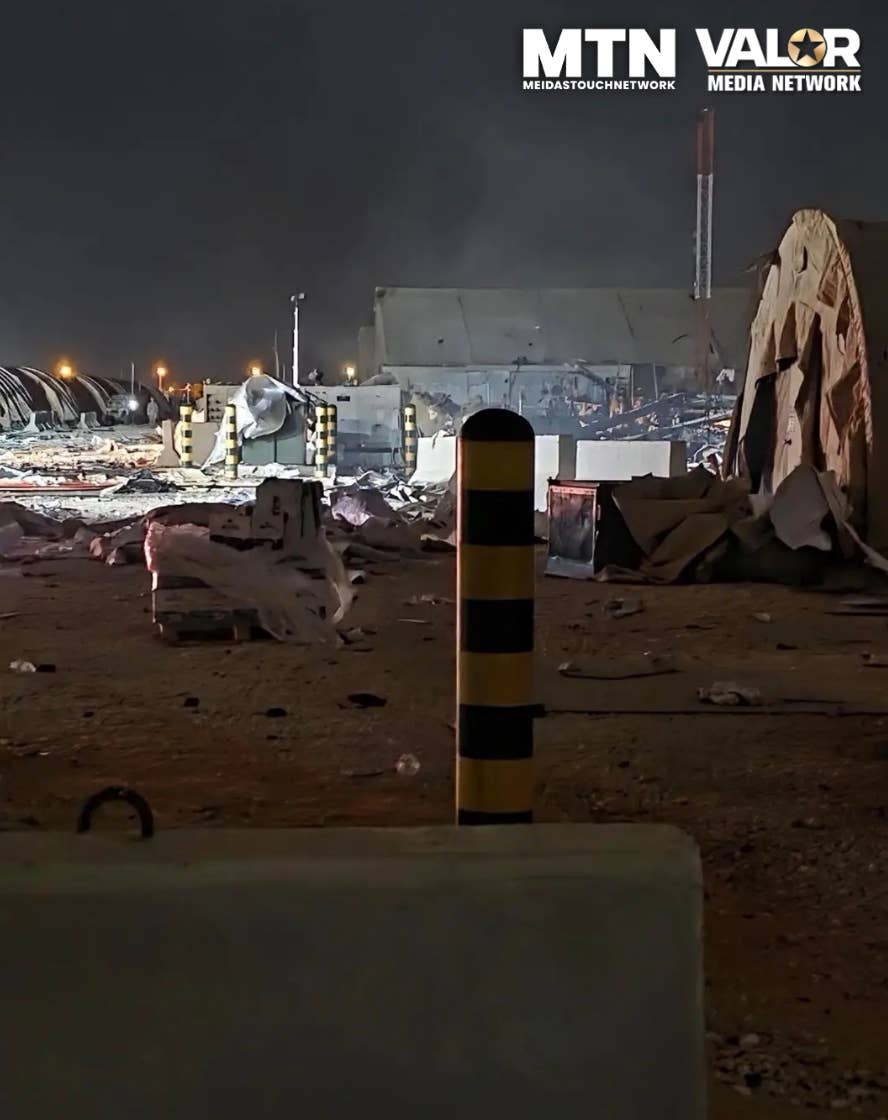
Service members, contractors, and military families share photos, videos, and firsthand accounts of the Iran war that they say the Pentagon has kept from the American public.
When the United States went to war with Iran in late February, the American public was told little about what was happening to the troops stationed across the Middle East. There were no embedded journalists. Casualty details trickled out slowly. Images of damage to American bases were almost nonexistent.
Now, service members, civilian contractors, and military families are breaking their silence.
MeidasTouch, in coordination with our partner VALOR Media Network, has obtained dozens of never-before-published photos and videos showing damage to U.S. military installations in Saudi Arabia, Jordan, Kuwait, United Arab Emirates, and Bahrain, along with firsthand accounts from people who were there. They describe destroyed aircraft, bombed-out barracks and mess halls, troops digging their own foxholes, and military families hiding in parking garages while Iranian missiles flew overhead.
“It’s so much worse than people realize,” one source said.
The sources spoke on the condition of anonymity because, they said, they have been repeatedly threatened with disciplinary action under the Uniform Code of Military Justice for speaking out or sharing images. The accounts were gathered by VALOR Media correspondents El Powers and What in Clay Nation, who provided their notes and the images to MeidasTouch.
Some of the claims in this report could not be independently verified, and we have noted where that is the case. The Department of Defense has not publicly confirmed several of the losses described below.
“This Is Not a Normal Deployment”
Many of the people who shared their experiences are not new to war. Several have deployed to combat zones before. And all of them said the same thing: nothing compared to this.
“This is not a normal deployment,” multiple sources said. They described a level of mismanagement they had never seen before.
One service member described being called up in mid-February and told to ship out immediately on what was supposed to be a three-week temporary assignment. After arriving, they were told it would be closer to three months. They ended up staying more than seven.
Several said they had no advance knowledge of Operation Epic Fury, the U.S. campaign against Iran, even though some of them were directly involved in it. They learned that hostilities had begun the same way most Americans did: from the news.
“We are sitting ducks,” one said.
Unlike past wars, the threat came almost entirely from the sky: drones, rockets, and ballistic missiles launched by an enemy they could not see. One service member described the Iranian drones that targeted their base:
“You can’t see them at night. They have no lights and are GPS navigated via coordinates. It sounds exactly like a small Cessna. Looks like a large falcon if it’s about 400 feet up. We had no defense against the drones.”
Saudi Arabia: Prince Sultan Air Base
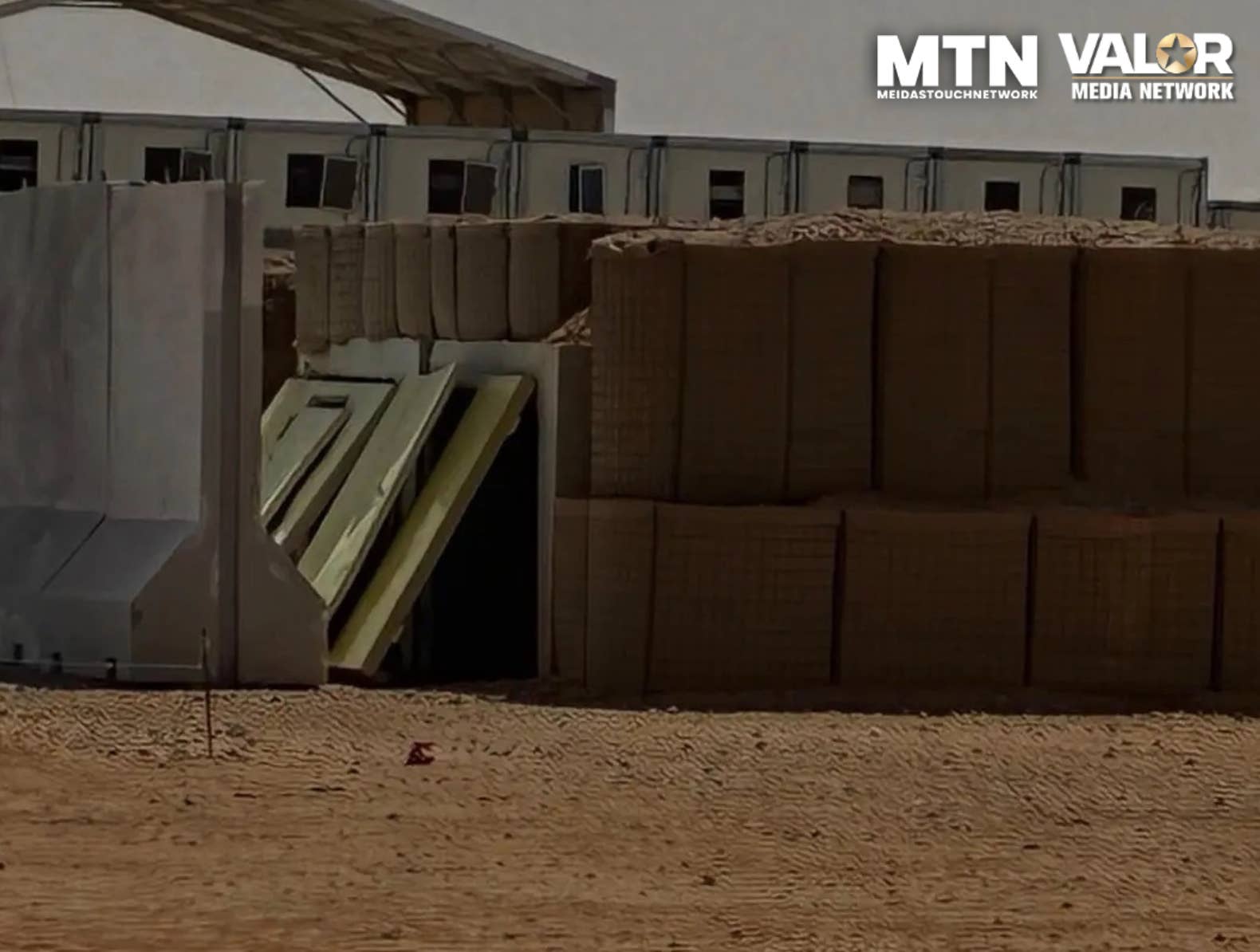
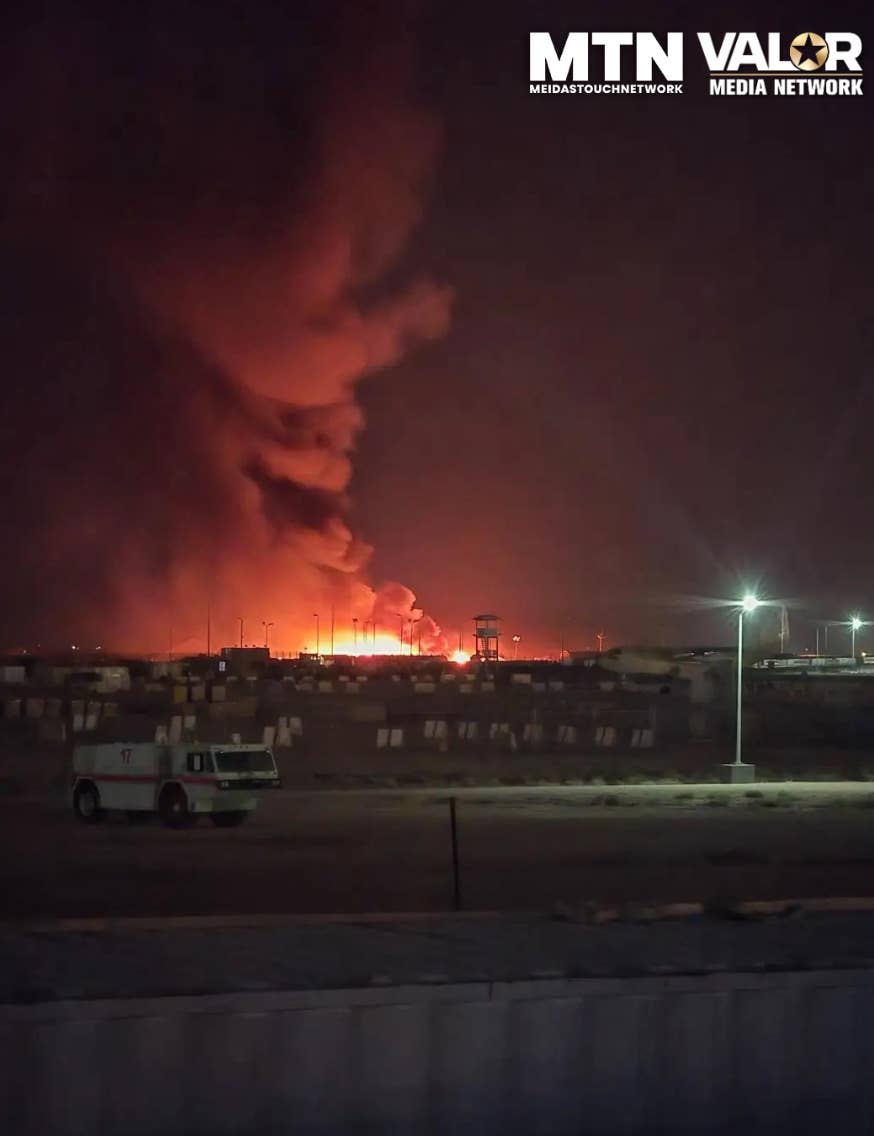
Images supplied by U.S. service members and civilian contractors show extensive damage at Prince Sultan Air Base in Saudi Arabia between March and July.
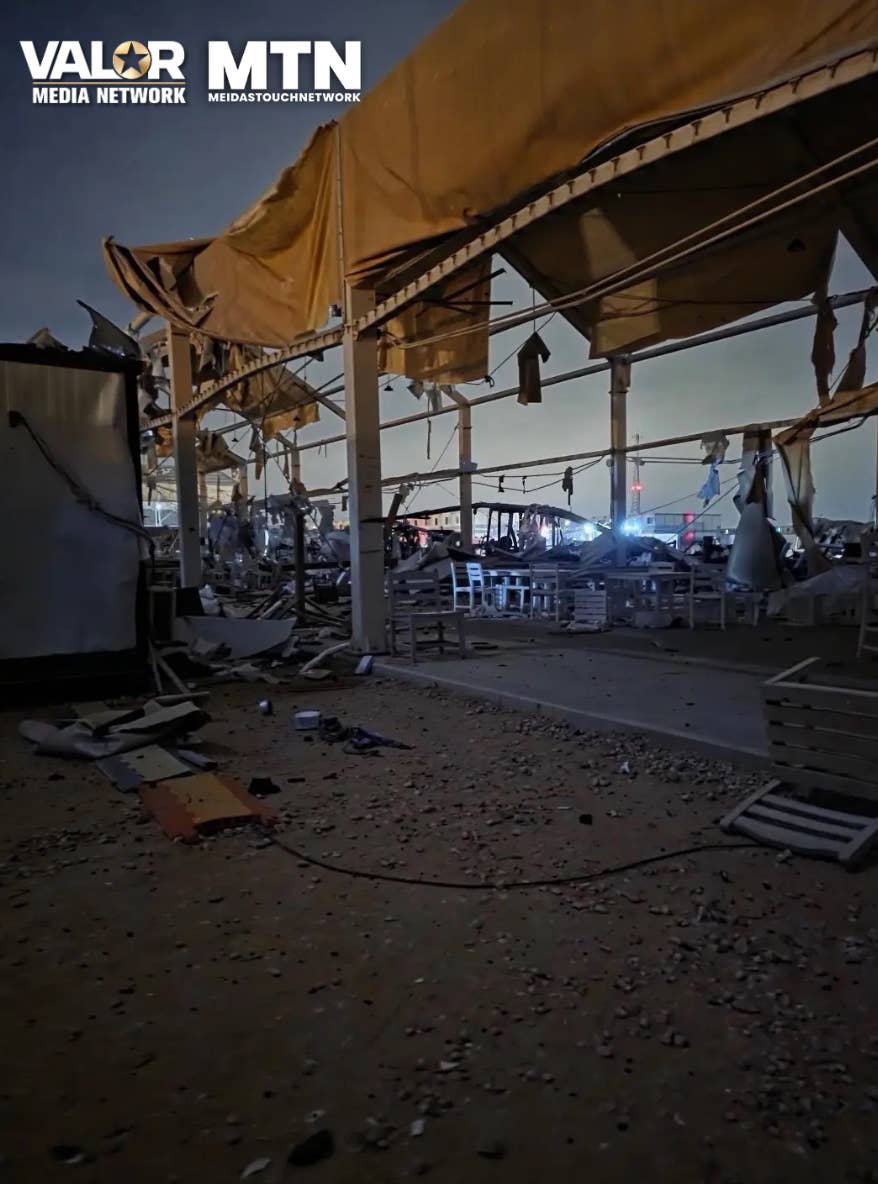
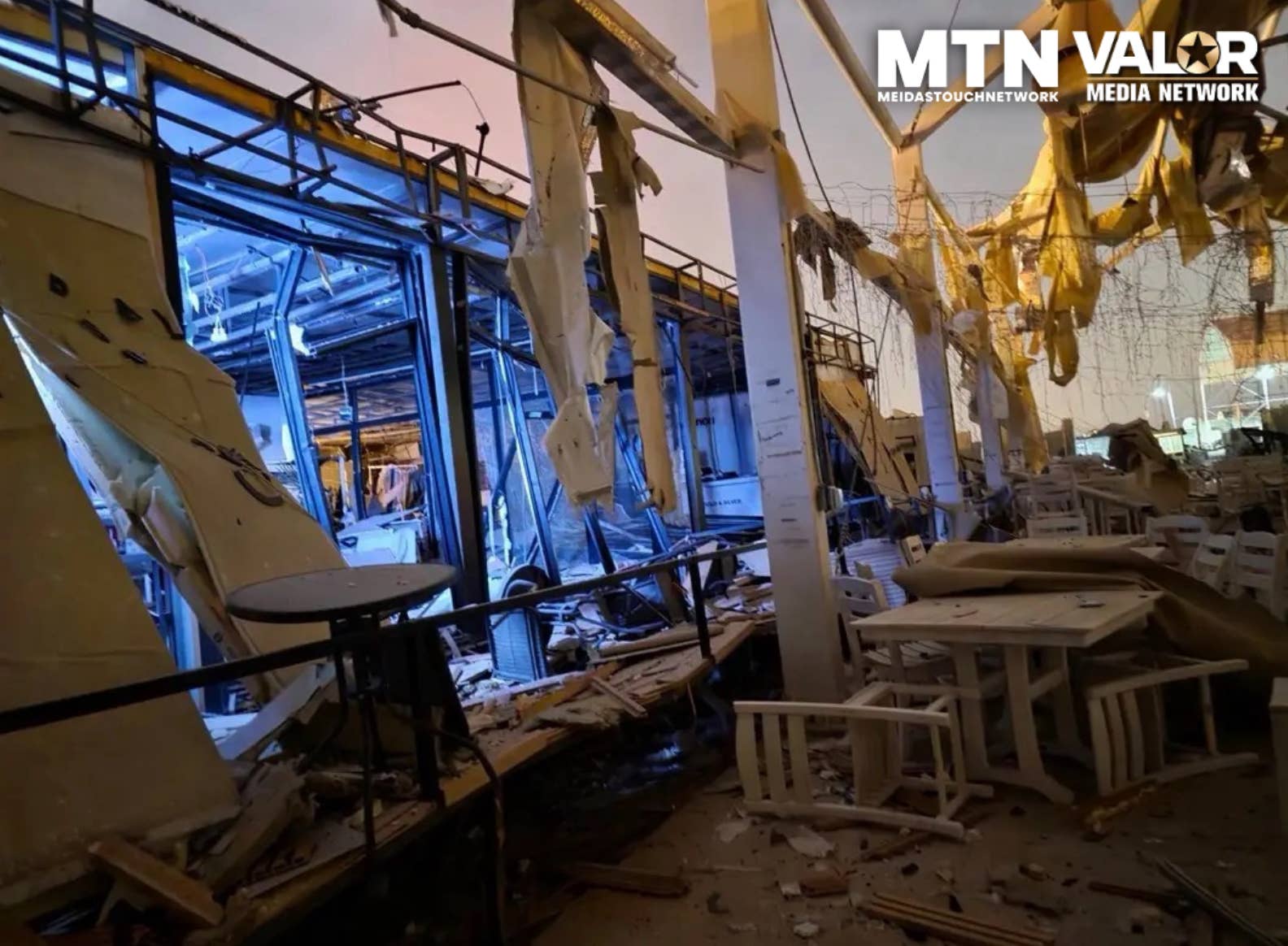
The photos show destroyed dining facilities and workspaces, and damaged dorms where service members were living during the strikes.
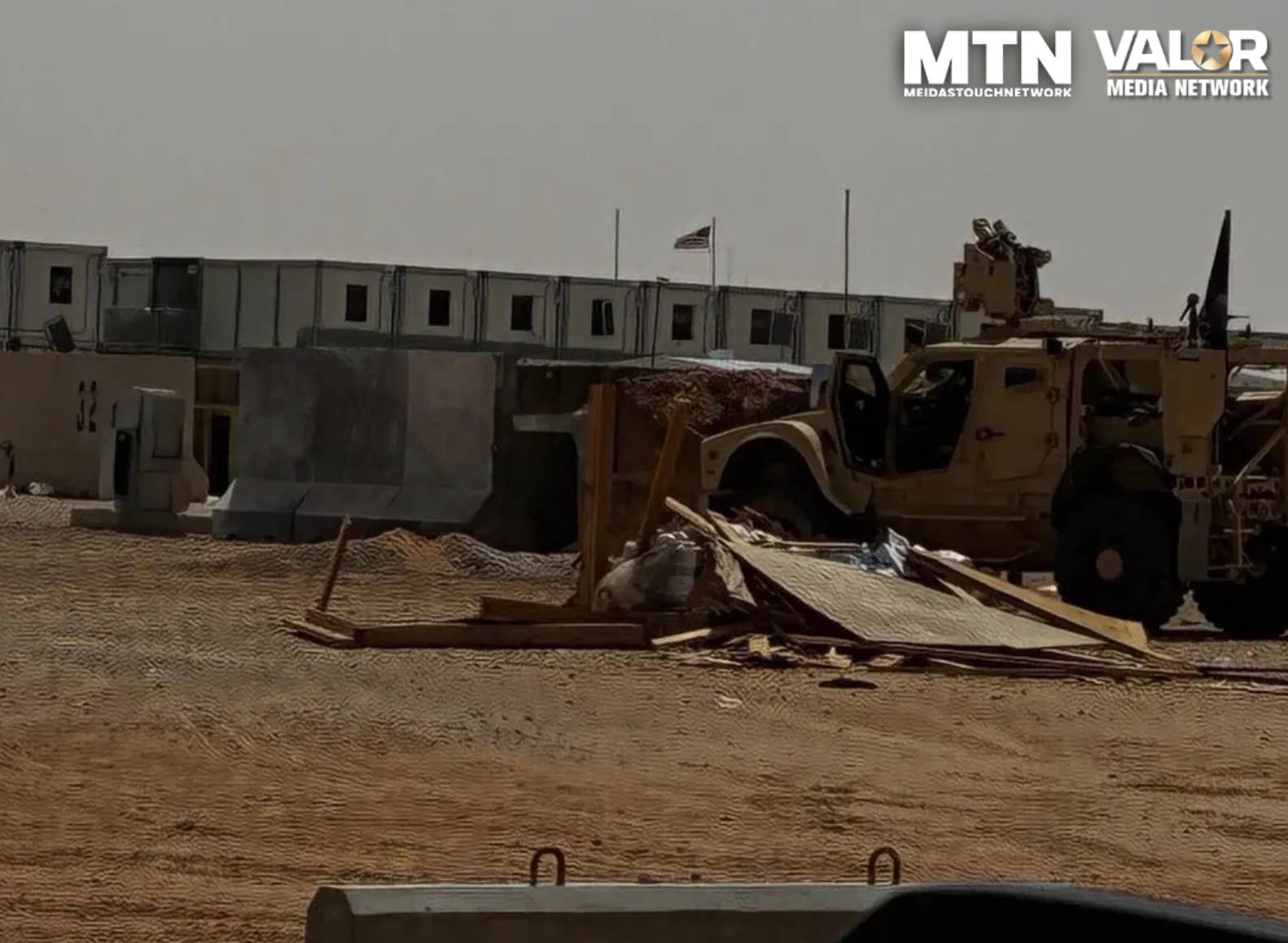
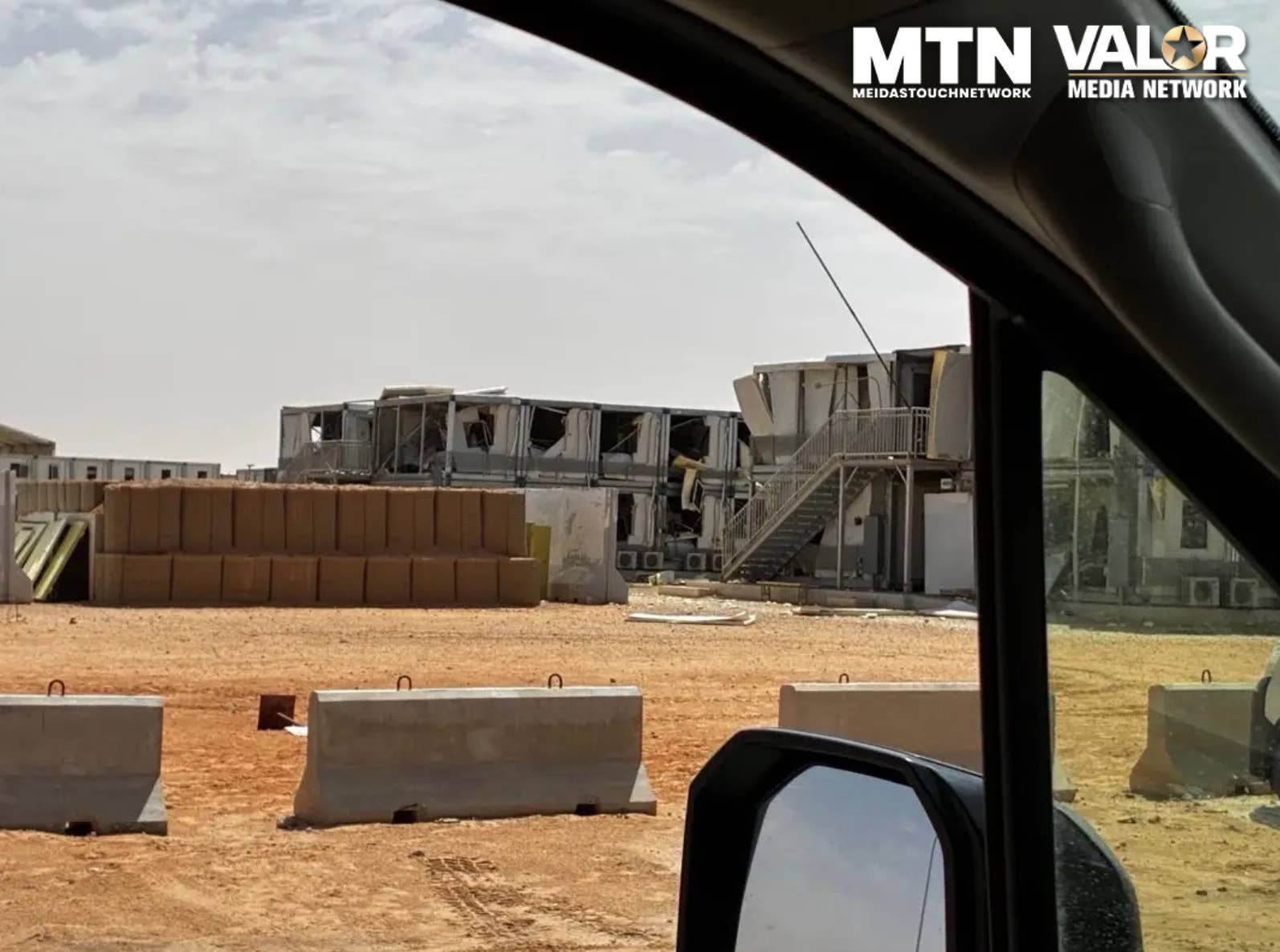
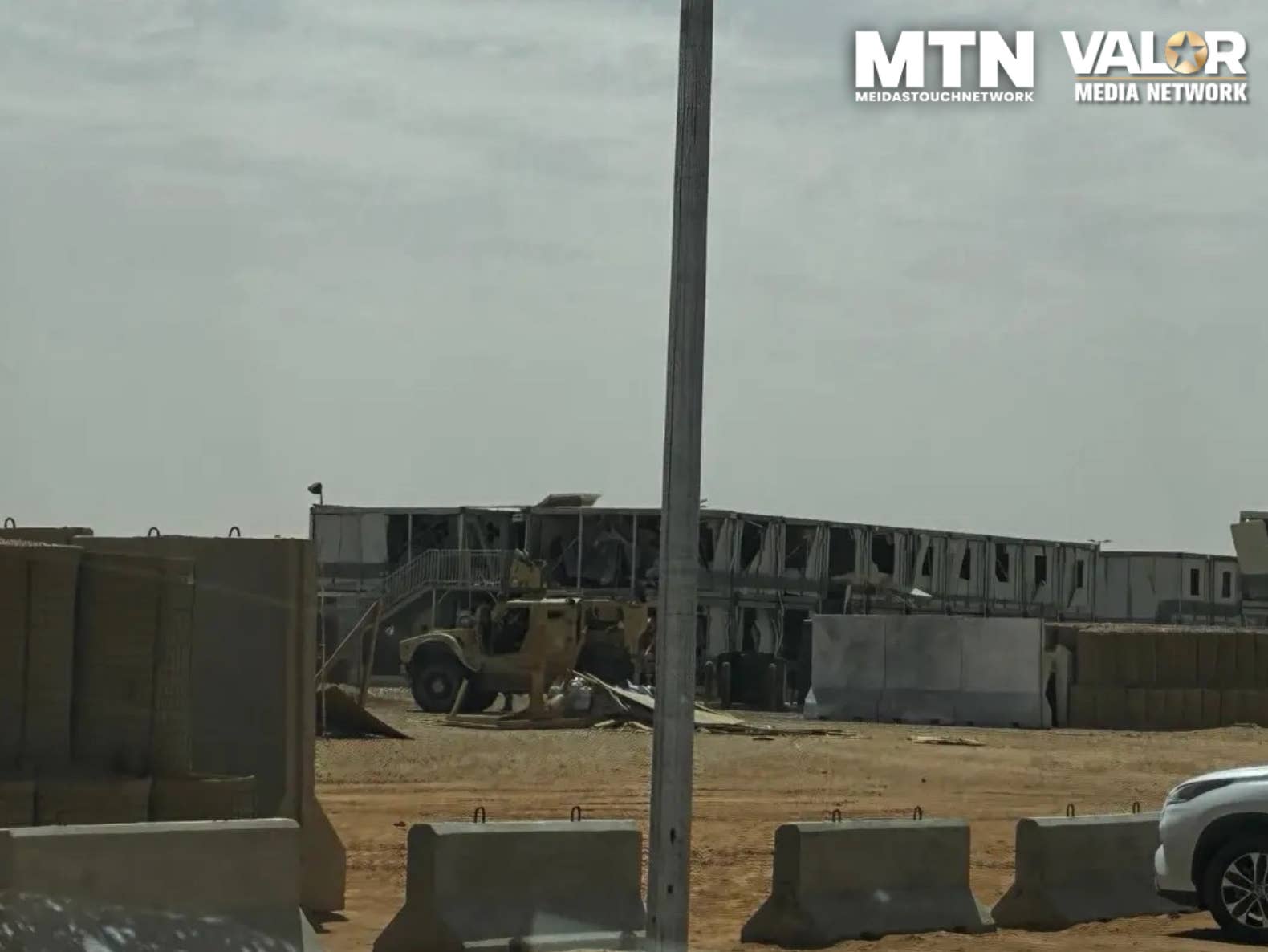
One image shows bunkers the military provided to protect troops from drone and missile strikes, with their doors not yet mounted.
Other images show aircraft burning on the tarmac after missile strikes.
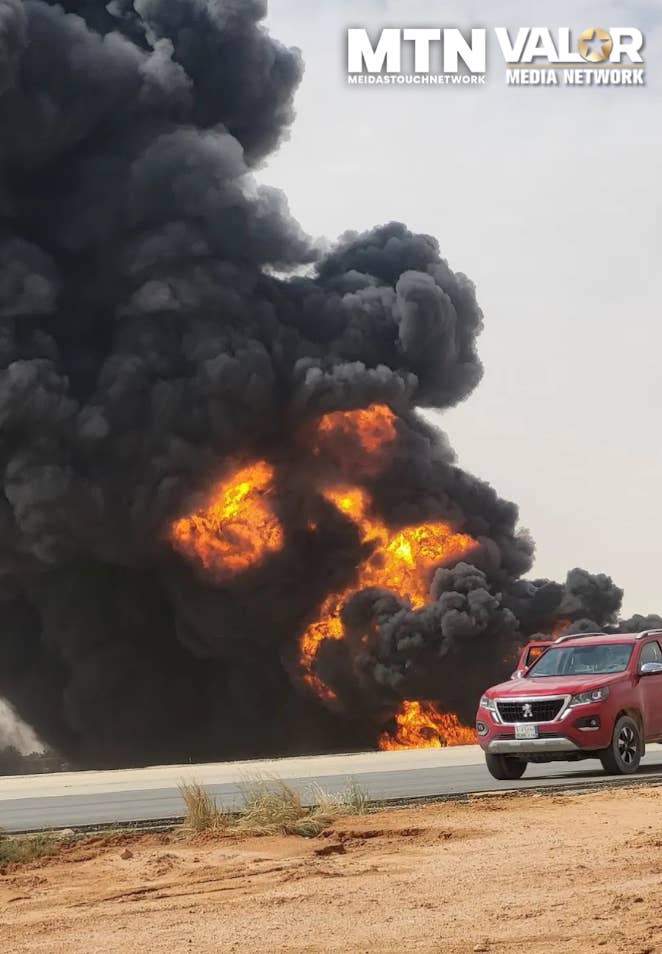
One photo shows a U.S. Air Force E-3 Sentry AWACS surveillance plane, tail number 81-005, damaged in an attack that sources say injured between 10 and 12 service members. According to the sources, the same attack damaged multiple other aircraft, including two KC-135 refueling tankers.
[…]
Jordan: “Surprised There Weren’t More Deaths”
At Muwaffaq Salti Air Base in Jordan, service members described roughly three months of near-constant incoming fire beginning in March. Alarms often couldn’t keep up.
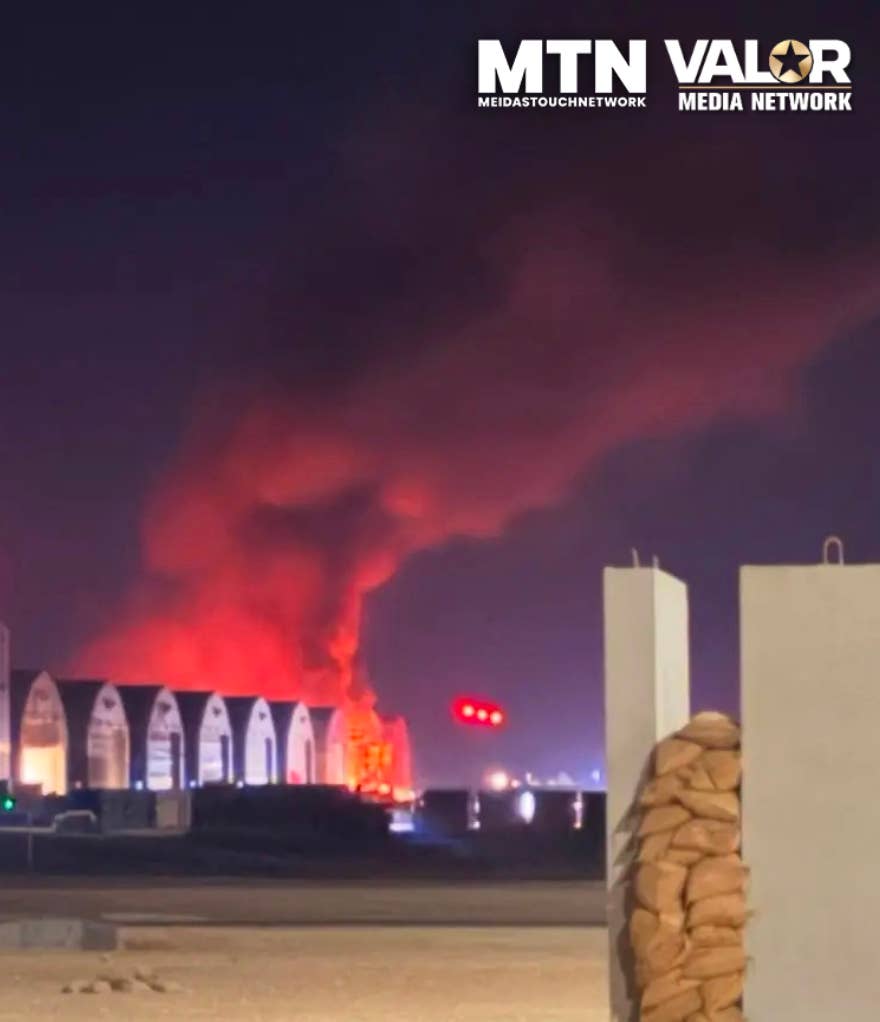
“They were taking incoming fire so frequently that the alarms couldn’t keep up,” according to one account.
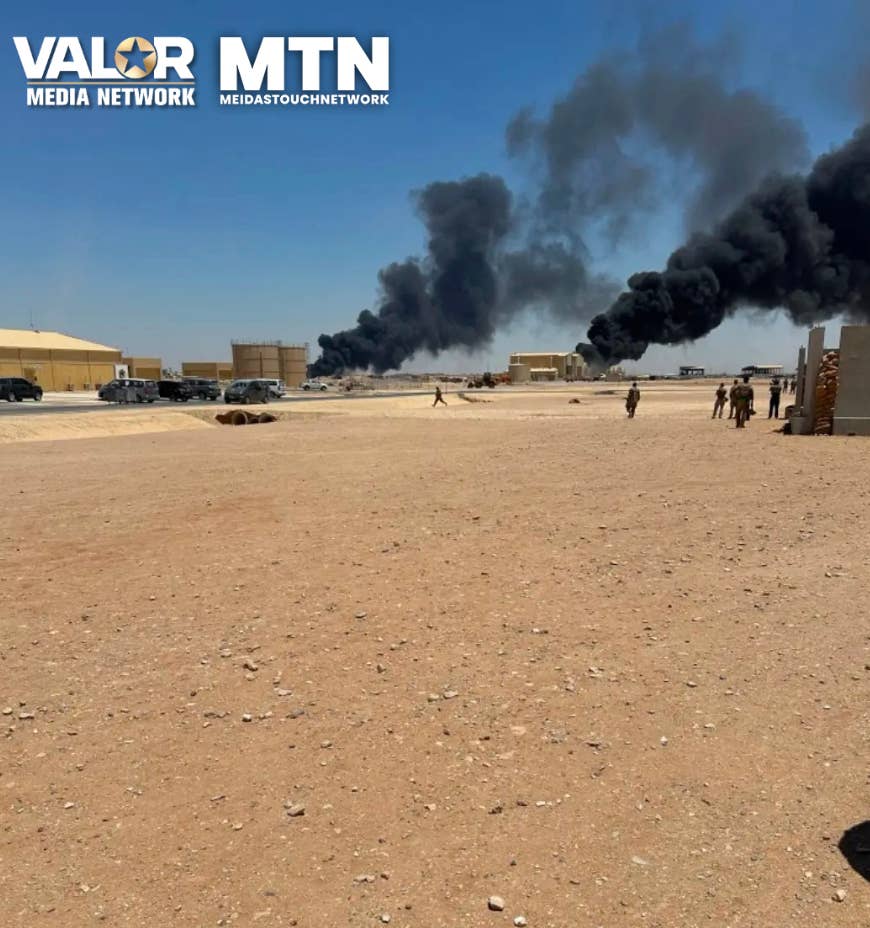
Sources say multiple U.S. Air Force aircraft were damaged during the strikes, including F-15 fighters, F-35s, MQ-9 Reaper drones, and helicopters, along with command-and-control facilities and critical infrastructure.
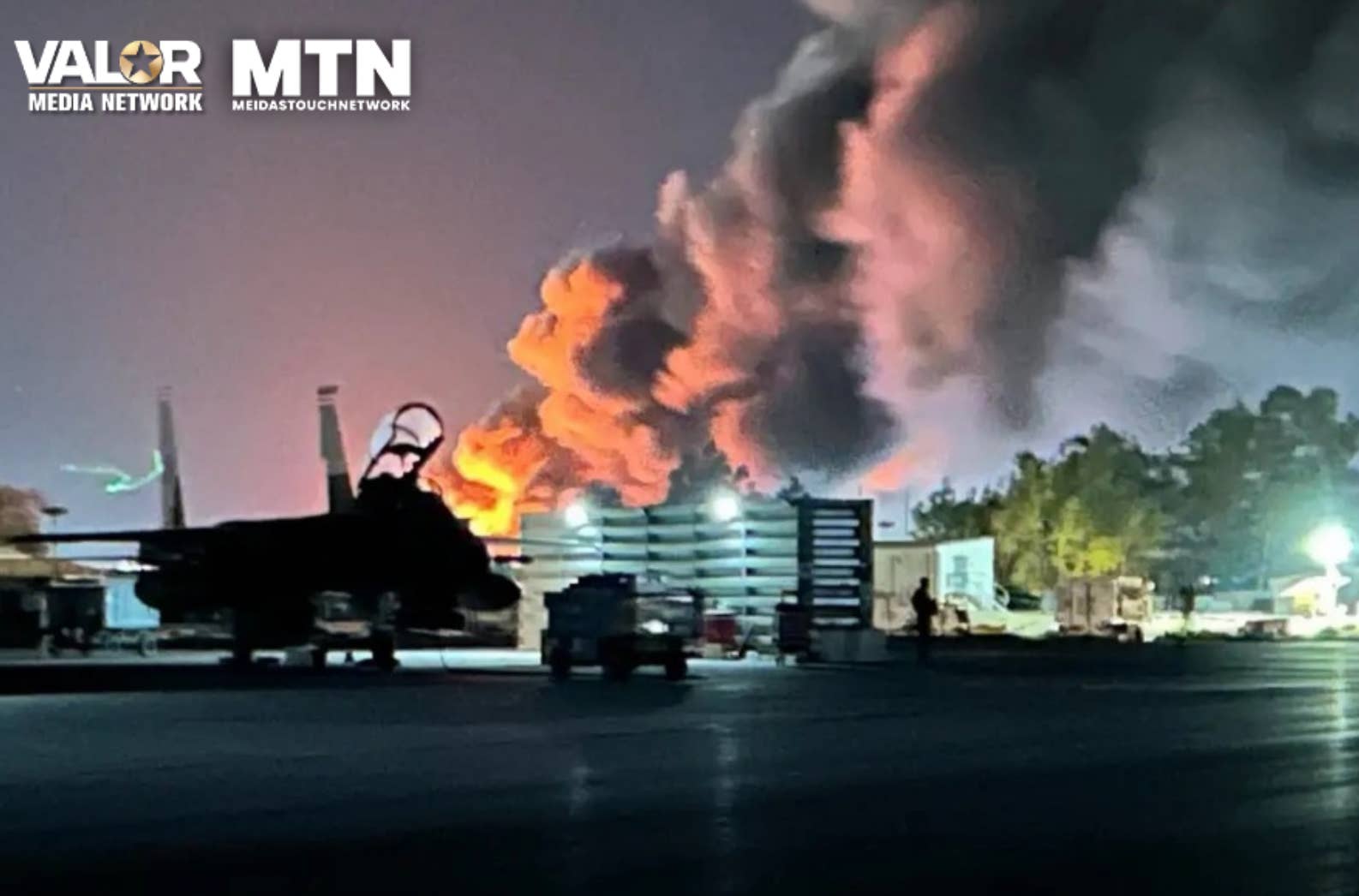
One image shows the impact crater left by a ballistic missile that sources say got past interceptors and landed near military bunkers, injuring multiple people.
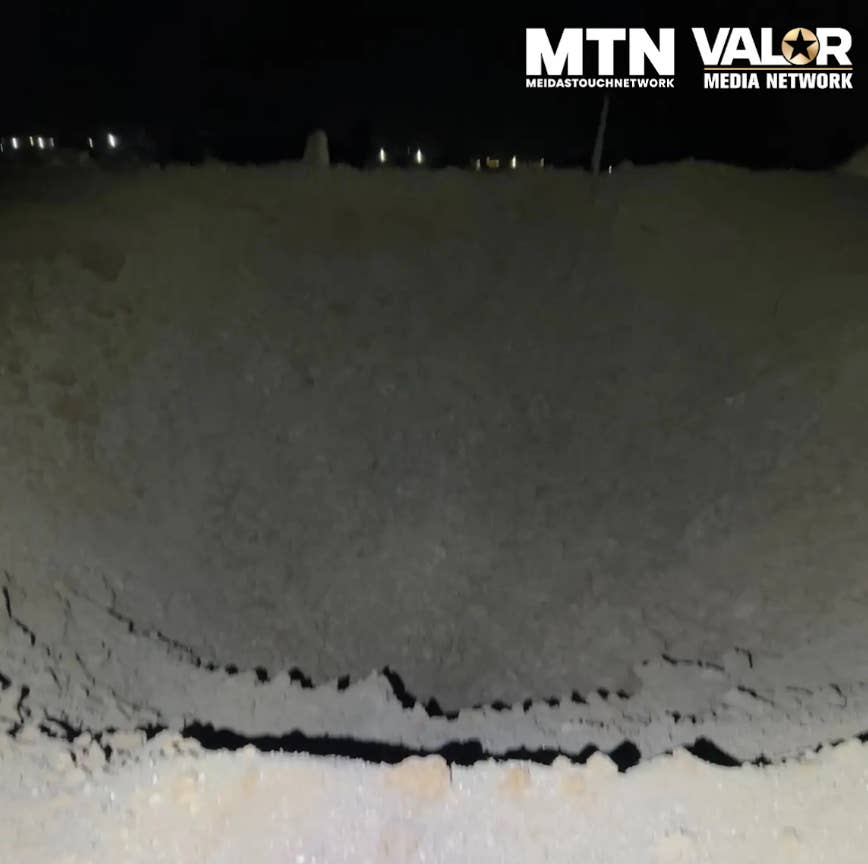
The most harrowing account involves an attack on the night of July 17 into July 18. According to sources, Iranian ballistic missiles and drones got past the base’s defenses and struck U.S. military barracks. Three service members were killed, and four more were reportedly evacuated.
Multiple sources told MeidasTouch they could hear service members calling for help from inside the flames, but that because of inadequate emergency response and a lack of preparation, they could not reach them.
Sources said the base was overcrowded at the time of the deaths, and that those on the ground were surprised there weren’t more. Deaths occurred, they said, when service members couldn’t make it to shelters in time.
Living conditions deteriorated as the strikes continued. Troops repeatedly ran out of basic supplies, especially personal hygiene items, and the base exchange was often closed during periods of heavy fire. Housing areas were blown up twice. Near the end of the deployment, a hangar storing everything troops were preparing to ship home took a direct hit, destroying gear and personal belongings.
Then, in July, service members were told they were finally going home. They were sitting in the terminal waiting for their flight when they were ordered to stay. Many had already thrown away their bedding and hygiene items. They couldn’t replace them.
[…]

