

Episode 24 What Happened to the Etruscans
The Mysterious Etruscans
Dr Steven L Tuck (2016)
Film Review
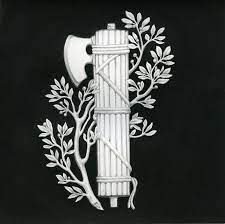
In the 14th century native Italian (ie Roman) culture began asserting itself in Renaissance Europe. According to Tuck, this was a culture the Romans inherited from the Etruscans. It led to a resurrection of bronze casting in 15th century Tuscany, especially of the Etruscans’ favorite hero Hercules. Many of the 15th century statuettes are of Etruscan reclining figures. Around the same time, the fasces reemerged as a marker of civil service (and is found on 20th century US dimes).
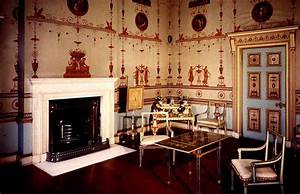
 During the 18th century, European tourists flocked to Italy seeking the black and red figure vases the Etruscans had imported from Greece and which were erroneously promoted as Etruscan ceramics. This would lead to the popularity of red and black figured “Etrurian” interior design among well-to-do Brits. The Adam Brothers were especially famous for the “Etruscan Rooms” (with Etruscan-style light fixtures, flooring and wall coverings) they created for their wealthy patrons.
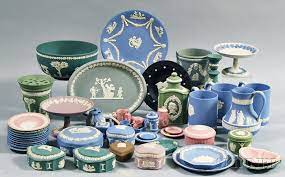
 In the mid-18th century, English potter Joshua Wedgewood founded a city he named Etruria in Staffordshire as the site for his Wedgewood factory. Many of the items he manufactured, especially vases, were modeled on antique Greek pottery. Known as the “federal style,” it was especially popular in the US in the lead up to the revolution.
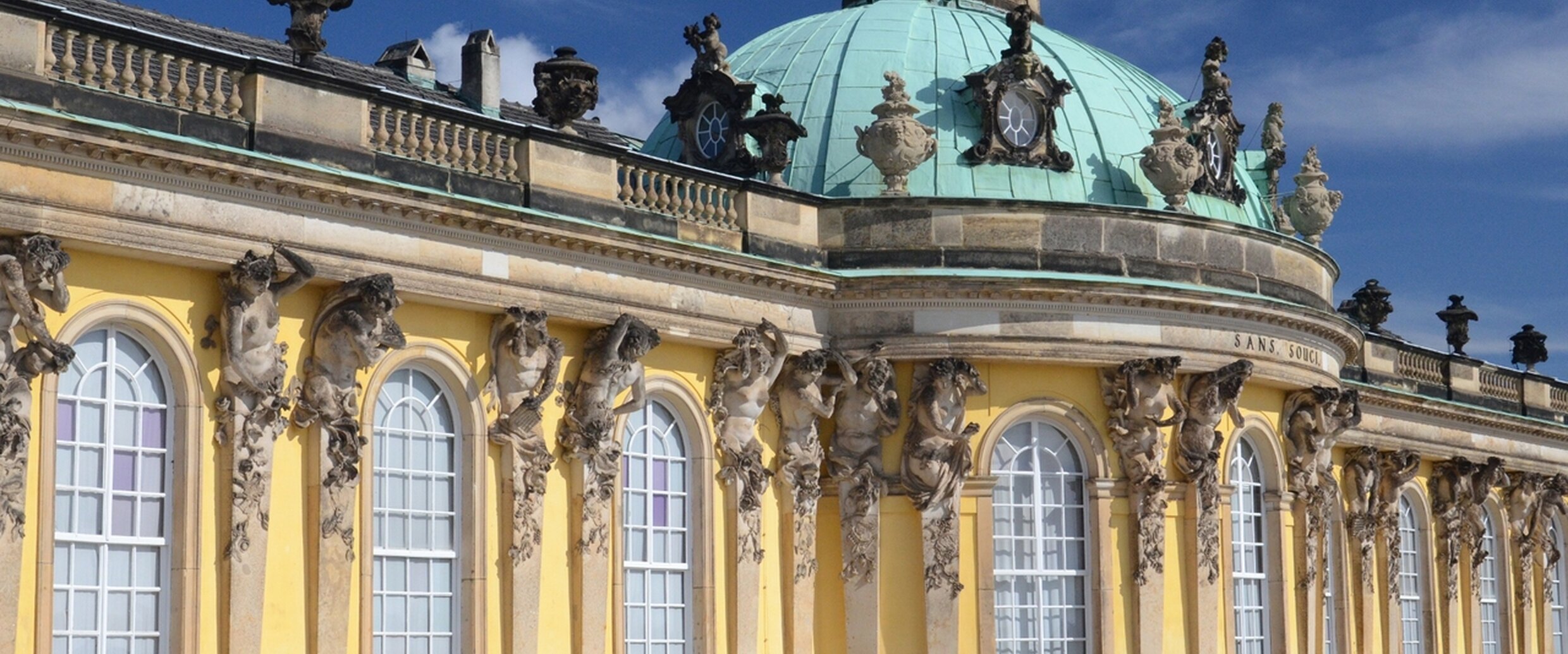
 Etruscan pottery styles also inspired German architecture and interiors, with the Prussian palace at Potsdam (1802) the most famous. Around this time, architects of Tuscany were also adopting Etruscan-style masonry techniques and doors.
Etruscan DNA
Because cremation was so popular with ancient Etruscans, they left few bones behind to for DNA analysis. The best DNA evidence available shows current residents of the Tuscan cities of Casentino and Volterra are descended from ancestors who built the ancient Etruscan civilization. This Etruscan DNA is also similar to DNA from the Anatolian peninsula dating from 3000 BC (but not more recent Anatolian DNA). This suggests Etruscans are among the oldest inhabitants of the Italian peninsula.
Film can be viewed free with a library card on Kanopy.
https://www.kanopy.com/en/pukeariki/watch/video/239710/239655


https://www.kanopy.com/en/product/239710?vp=pukeariki
The Mysterious Etruscans
“How much do you know about the Etruscans? Many people, even those who are fascinated by ancient history, are less familiar with this intriguing culture than with the history of Greece and Rome – but the story of the Etruscans is equally captivating and far more important than you may have known. This ancient civilization prospered in the region of modern-day Tuscany, maintaining extensive trade networks, building impressive fortified cities, making exquisite art, and creating a culture that, while deeply connected to the Greeks and Romans, had striking contrasts.”
The above I copied from here:
https://www.kanopy.com/en/product/239710?vp=pukeariki
LikeLike
” . . .The Romans often butchered and sold into slavery the vanquished, established colonies, and repopulated areas with veterans. The end finally came when many Etruscan cities supported Marius in the civil war won by Sulla who promptly sacked them all over again in 83 and 82 BCE. The Etruscans became Romanised, their culture and language giving way to Latin and Latin ways, their literature destroyed, and their history obliterated. It would take 2,500 years and the almost miraculous discovery of intact tombs stuffed with exquisite artefacts and decorated with vibrant wall paintings before the world realised what had been lost. . . . ”
The above you can find here:
https://www.worldhistory.org/Etruscan_Civilization/
LikeLiked by 1 person
Interesting, Aunty. Thanks for sharing. I don’t think Tuck would agree with that entry. He has asserted throughout the series that most of what passes for Roman culture was borrowed from the Etruscans, who built most of Rome under the last five Roman kings (who were Etruscan). The Etruscan language was replaced by Latin, but their culture was so far advanced compared to Latin culture that the Romans adopted Etruscan culture (which was heavily influenced by the Greeks).
LikeLike
All I can say, Stuart, is that the Etruscans are still very much a mystery to me.
LikeLike