
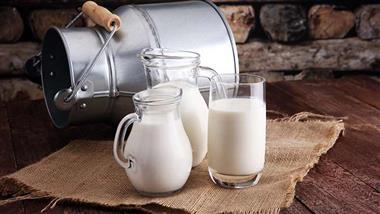
Dr Mercola
Story at-a-glance
- For decades, Americans have been told to avoid whole milk due to its saturated fat content, which has been falsely accused of clogging arteries and causing heart disease. This guidance goes back to the first edition of the dietary guidelines, issued in 1980, and most studies performed since then have exonerated full-fat whole milk
- Most studies have found that dairy products are associated with lower risks of high blood pressure, heart disease and Type 2 diabetes, regardless of fat content. And even though full-fat dairy products have higher calorie content, they don’t appear to contribute to weight gain either
- A 2018 Lancet study found that, compared to those who did not consume dairy (milk, yogurt and cheese), those who consumed two or more servings per day were 17% less likely to die from any cause, 23% less likely to die from cardiovascular disease, and 34% less likely to die from a stroke
- Another large-scale trial found those with the highest levels of milk fats in their diet had a 29% lower incidence of Type 2 diabetes
- The most ideal choices are products made from raw, unpasteurized milk, as the pasteurization process destroys many valuable nutrients. Pasteurization also destroys lactase, the enzyme responsible for the breakdown of lactose. Many people with lactose intolerance have no problem drinking raw milk, because it has lactase in it
For decades, Americans have been told to avoid whole milk due to its saturated fat content, which has been falsely accused of clogging arteries and causing heart disease. To this day, the U.S. dietary guidelines and health authorities like the American Heart Association and the World Health Organization recommend drinking low-fat or skim milk for this reason.
However, as Dr. Dariush Mozaffarian, a cardiologist and professor of medicine at Tufts University, recently told New York Times reporter Alice Callahan,1 this guidance goes back to the first edition of the dietary guidelines, issued in 1980, and most studies performed since then have exonerated full-fat whole milk.
In fact, most studies have found that dairy products are associated with lower risks of high blood pressure, heart disease and Type 2 diabetes, regardless of fat content. What’s more, even though full-fat dairy products have higher calorie content, they don’t appear to contribute to weight gain, either.
Dairy Protects Heart Health
For example, a 2018 Lancet study,2 which followed 136,384 adults across five continents for nine years, found that, compared to those who did not consume dairy (milk, yogurt and cheese), those who consumed two or more servings per day were:
- 17% less likely to die from any cause
- 22% less likely to die from cardiovascular disease
- 34% less likely to die from a stroke
Milk and yogurt, in particular, were associated with a lower risk of mortality and/or major cardiovascular events, and there was no discernible difference between low-fat and high-fat products. Cheese and butter intake were not significantly associated with these outcomes. Serving sizes were as follows:
- Milk and yogurt — 1 cup or 244 grams
- Cheese — one slice or 15 grams
- Butter — 1 teaspoon or 5 grams
There’s More to Milk Than Milk Fat
As noted in the Lancet paper:3
“… dietary guidelines recommend minimizing consumption of whole-fat dairy products for cardiovascular disease prevention …
However, dairy products and dairy fat also contain potentially beneficial compounds — including specific amino acids, medium-chain and odd-chain saturated fats, milk fat globule phospholipids, unsaturated and branched-chain fats … vitamin K1 and K2, and calcium — and can contain probiotics, many of which also affect health outcomes.
Therefore, the net effect of dairy intake on health outcomes might not be reliably informed solely from its effect on a single risk marker (i.e., LDL cholesterol) or fatty acids.”
The authors also review the results from previous meta-analyses,4 none of which were able to discern a significant problem with dairy. For example, one meta-analysis of cohort studies found higher milk intake lowered the risk of high blood pressure while having “a neutral effect on cardiovascular disease.”
The DASH trial also found a link between milk consumption and reduced blood pressure. Other meta-analyses have punctured the LDL argument as well. One such analysis, which included 20 randomized trials, found a “non-significant” increase in LDL cholesterol among those who consumed either low-fat or high-fat dairy products. Ditto for cheese.
One potential reason for this is because milk fat is packaged in globule phospholipids, which help bind cholesterol in your digestive tract.5,6
Another large-scale trial,7 also published in 2018, which pooled results from 16 cohorts from the U.S., Europe, Australia and Taiwan, involving 63,682 individuals with a follow-up of nine years, found those with the highest levels of milk fats (odd-chain fatty acids 15:0 and 17:0, and trans-palmitoleic acid specifically) had a 29% lower incidence of Type 2 diabetes.
No Need to Avoid Full-Fat Dairy
According to The New York Times,8 an independent panel of nutrition experts is currently reviewing the evidence9 on how saturated fat consumption affects your cardiovascular disease risk. Their findings may eventually result in updated dietary guidelines, with regard to dairy.
In the meantime, Penny Kris-Etherton, Professor Emeritus of nutritional sciences at Pennsylvania State University, recommends three servings of dairy per day as part of a balanced diet, and “Based on the most recent dairy fat data … it’s probably OK if one or two of those servings are whole-fat milk, yogurt or cheese.”10
Curiously, Kris-Etherton still recommends plant-based oils like canola oil, soybean oil and margarine instead of butter, which is flat-out horrible advice, as these oils are loaded with mitochondrial-destroying linoleic acid (LA), which appears to be one of the primary drivers of chronic disease. To learn more about this, see my previous report, “Linoleic Acid — The Most Destructive Ingredient in Your Diet.”
Raw Milk Is Your Best Option
When it comes to dairy products, whether we’re talking about milk, yogurt, cheese or butter, the most ideal choices are products made from raw, unpasteurized milk, as the pasteurization process destroys many valuable nutrients. Even organic grass fed dairy is not identical to raw dairy.
Unfortunately, the U.S. Centers for Disease Control and Prevention to this day claims that “All raw milk is risky,”11 simply because it hasn’t been pasteurized.
[…]
While it’s true that raw milk CAN be contaminated, the reality is that it rarely ever is. As explained in the video above, raw milk contains components that protect against disease-causing pathogens.
Research13 by Dr. Ted Beals shows you are actually 35,000 times more likely to get sick from other foods than you are from raw dairy. This includes pasteurized dairy, which has been linked to 73 deaths, whereas raw milk has not been linked to a single death so far.14
The key to healthy raw milk is making sure it’s from organically raised grass-fed cows. Never ever drink raw milk obtained from concentrated animal feeding operations (CAFOs).
Doing so could indeed be life threatening, as CAFOs are hotbeds for pathogens of all kinds. In fact, the propensity for pathogens to thrive in CAFOs is one of the reasons the milk must be pasteurized in the first place. It’s simply not safe to drink otherwise. Of course, pasteurization also extends shelf life, which is a convenience, but it comes at a cost to health.
Iowa Has Legalized Raw Milk Sales
The video above is from 2014 and, sadly, not much has changed since then, at least not on the federal level. Some states, however, have gotten wiser about raw milk. Iowa, for example, signed Senate File 315 into law earlier in 2023, which allows farmers to sell raw milk directly to consumers in the state. The law came into effect July 1, 2023.
This, despite heavy lobbying AGAINST the bill by the Iowa State Dairy Association, the Iowa Dairy Foods Association and the Iowa Public Health Association.
The reason they’re so against legalizing the sale of raw milk is because by preventing farmers from selling directly to consumers, processors can (and do) price fix the market. As a result, they can push small, family dairy farms out of business, leaving industrialized, CAFO dairy farms to dominate.
Raw Milk Can Bring Farmers Out of Poverty
In its Campaign for Real Milk, the Weston A. Price Foundation describes the stark difference in income for farmers selling conventional, pasteurized milk compared to those selling raw milk, and once you understand the economics of the situation, it’s easy to see why Big Dairy wants to keep raw milk under wraps.
A conventional dairy farmer may receive about $16 per hundredweight (100 pounds), which keeps him and his family in near-poverty:15
[…]
In contrast, a farmer selling raw, grass-fed dairy directly to consumers will have a very different outcome — one that allows him to thrive while selling a superior, healthier product to his customers:16
[…]
As they make more money, raw milk farmers can also provide a major boost to rural economies. If 100 farms in Wisconsin could provide raw milk to 50 local families, it would lead to more than $10 million in “increased wealth and well-being” for Wisconsin residents, according to the Farm-to-Consumer Legal Defense Fund.17
Raw Milk Is the Healthiest Choice
Raw milk is also far healthier for you in terms of nutrition. Beneficial components destroyed by pasteurization include:18
- Lactoferrin, which binds to iron
- Lactoperoxidase, which has antimicrobial properties
- Enzymes, needed for healthy digestion
- Prebiotics that support gut health
Raw milk also contains highly bioavailable calcium to support thyroid and adrenal health, along with higher amounts of potassium, B vitamins, choline and zinc. (Pasteurized milk actually contains about 70% less zinc than raw.) The saturated fats in raw milk also aid in the production of important hormones, including testosterone, pregnenolone, DHEA and progesterone.
Pasteurization also destroys lactase, the enzyme responsible for the breakdown of lactose into glucose and galactose (the two sugars that makes milk taste sweet). Once broken down into its two constituent parts, each sugar can then be absorbed by your bowel.19
Lactase deficiency is one of the primary reasons for lactose intolerance, as your bowel cannot absorb the undigested lactose. On a side note, lactose intolerance could be indicative of low thyroid function, as your thyroid aids in the production of lactase in your intestines.20 Many people with lactose intolerance have no problem drinking raw milk, because it has lactase in it.
How to Assess the Quality of Raw Milk
When choosing raw milk, remember that quality matters. Raw milk produced by CAFOs, which is intended for pasteurization, is typically not safe for consumption as the cows live in filthy conditions and are typically in poor health. CAFO raw milk often tests positive for pathogens and must be pasteurized to kill the pathogenic bacteria before it’s safe to drink.
[…]
Via https://articles.mercola.com/sites/articles/archive/2023/12/21/whole-milk.aspx


My hands-on experiments suggest whole milk lasts longer than reduced-fat versions. Important to know in this often sweltering climate. Iced milk is also a refreshing summer drink.
LikeLike
We’re really lucky to be able to get raw milk here in New Plymouth, Katherine. As the article points out, it’s full of helpful enzymes that are destroyed by pasteurization as well as helpful gut bacteria.
LikeLiked by 1 person
To this day, I don’t know what we were drinking, but back when I was growing up, my mother used to buy milk from an old white man who used to come into Black neighborhoods to sell his produce and milk. My mother claimed that his milk would “build us up,” the problem was, it tasted SO bad, we kept trying to find ways to pour it out without her knowing. Even the dog wouldn’t drink it. Were we being poisoned is what I would like to know? Because no matter what you poured that milk in, be it cereal, cream of wheat, oatmeal or whatever, it overpowered the taste of whatever it was poured into. UGH!!!
LikeLike
Do you think it could have been goats milk, Shelby? Black children tend not to do very well with milk because a very high percent are lactose intolerant.
LikeLiked by 1 person
I don’t know, Dr. Bramhall, but the milk tasted vile. I’ve never tasted anything like it. It actually absorbed the flavor of anything it was poured into and all you could taste was that nasty ‘milk’ mess, not to mention, if I can remember correctly, it had a sort of ‘vanilla’ color and was not actually white looking.
LikeLike
Before the milk transports was cooled, they put a silver coin in each can, to keep the bacterias away.
LikeLike
There’s an urban myth, Sasjal, that rich Europeans tended not to get the plague because they ate off silver dishes.
LikeLiked by 1 person
Pingback: Major Shift About Whole Milk — Now a Health Food? | Worldtruth
Pingback: Good News about Dairy Fat – AuntyUta
Pingback: Colorado Bill Would Allow Raw Milk Sales | Worldtruth
Pingback: How Raw Milk Went From a Whole Foods Staple to a Conservative Signal | Worldtruth