Hemp has the potential to be used in more than 25,000 products, including fibers, textiles, paper and construction and insulation materials, food and even fuel. However, because government is the antithesis to freedom, industrial hemp was previously banned nationwide since 1937 ostensibly due to the plant’s similarities to marijuana. Many have speculated that this move was also due to the fact that cannabis is in direct competition with the pharmaceutical industry by providing far safer alternative treatments as well as directly competing with the petrochemical industry. However, all this changed in December 2018 with the passage of the Agriculture Improvement act of 2018, legalizing industrial hemp on a national scale.
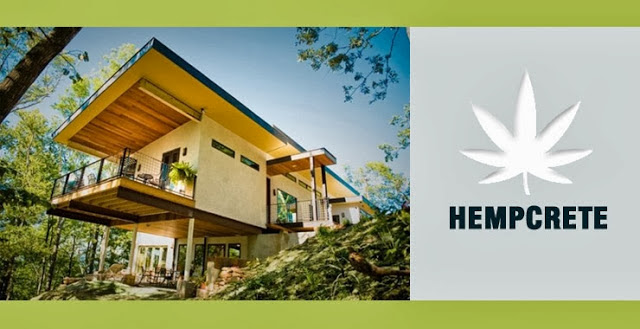
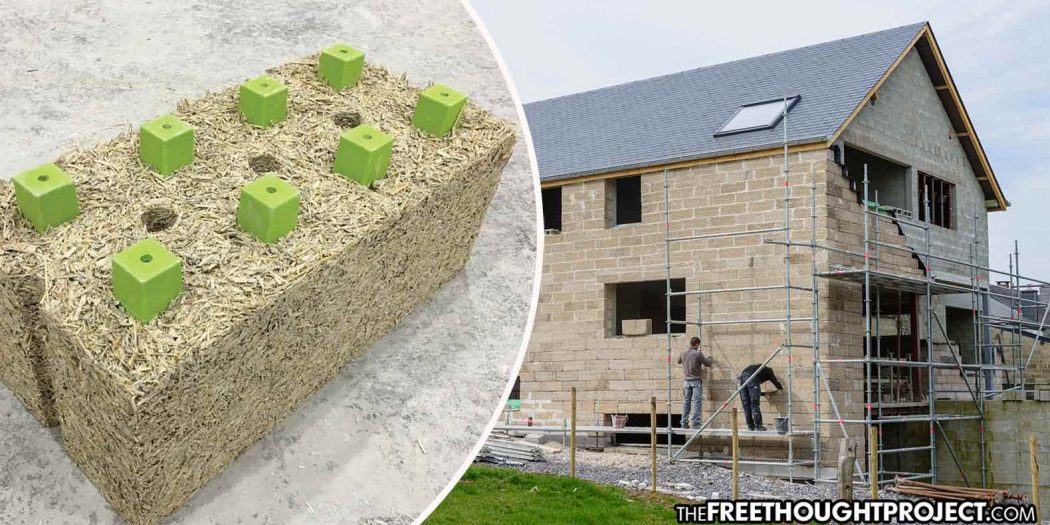
“…For around $30,000, someone building a new home can have enough hemp blocks shipped to them in around 6 to 8 weeks…Walls made with hempcrete blocks are fireproof, mold proof, pest proof and long-lasting compared to timber-framed homes, which can be constructed of poor quality materials. Hemp block walls also solve the problem of the labor shortage too as exterior walls can be built by relatively unskilled labor within days compared to wood and concrete walls which take months”
As Wood Prices Surge 400%, Hemp Homes Are Cheaper, More Efficient, and CO2 Negative
This time last year, the price of lumber was $300 per thousand board feet. In only a year, the price has shot up over 400% to $1,686 for the same amount. According to theNational Association of Home Builders, the surge in lumber prices has added nearly $39,000 to the…
2 thoughts on “As Wood Prices Surge 400%, Hemp Homes Are Cheaper, More Efficient & CO2 Negative”
It’s a moot point because we know the market is artificial, but what slays me is that the price of lumber climbs despite the means of production: GMO forests which theoretically expedite growth and theoretically “cut” cost, introduction of mechanical implements to assuage the human capital used and thus “cut”costs… Instead we have a cheapening of quality and a fattening of cost. Well played, gubmint.


 The Most Revolutionary Act
It’s a moot point because we know the market is artificial, but what slays me is that the price of lumber climbs despite the means of production: GMO forests which theoretically expedite growth and theoretically “cut” cost, introduction of mechanical implements to assuage the human capital used and thus “cut”costs… Instead we have a cheapening of quality and a fattening of cost. Well played, gubmint.
LikeLike
I agree. Costs are always cut by eliminating the labor component.
LikeLike