
Lower-paid, unpaid, undervalued: gender inequality in work

Human Wrongs Watch
(Oxfam)* — Gender inequality is one of the oldest and most pervasive forms of inequality in the world. It denies women their voices, devalues their work and make women’s position unequal to men’s, from the household to the national and global levels.
.
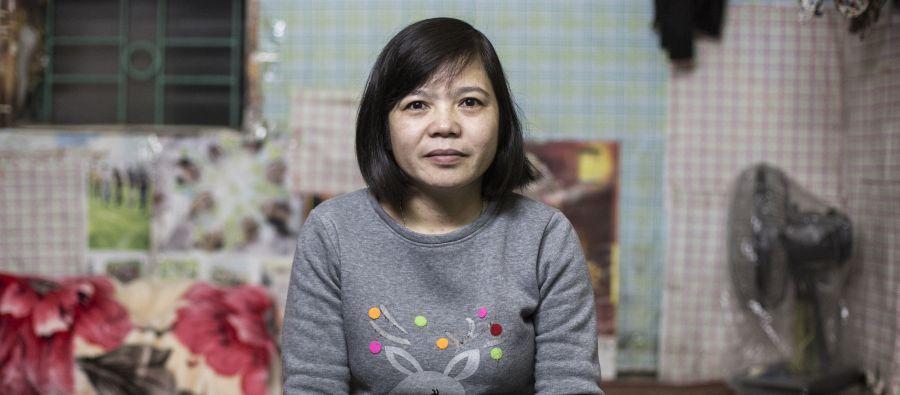
Despite some important progress to change this in recent years, in no country have women achieved economic equality with men, and women are still more likely than men to live in poverty.
View original post 616 more words
 The Most Revolutionary Act
https://invisiblepeople.tv/videos/lisa-homeless-woman-venice-beach/
Acupuncturist
https://invisiblepeople.tv/videos/laura/
Abusive family
https://invisiblepeople.tv/videos/heartbreaking-story-of-a-73-year-old-elderly-homeless-woman/
Granny
Invisible People. Girl 19
Lisa
Homeless since 13 liked out by foster mom
Homeless with children in seattle
Invisible people
Rn died shortly after interview in Glendale
Invisible people
LikeLike
Thanks for the clip, Gloria.
LikeLike
To analyse this claim further – which is seldom as simple as we would like – you might want to read The ‘Feminisation of Poverty’ and the ‘Feminisation’ of Anti-Poverty Programmes: Room for Revision? By Sylvia Chanta Journal of Development Studies, London School of Economics, UK.
Click to access JDSarticle_content.pdf
LikeLike
Thanks for the link, MK. Will have a look.
LikeLike