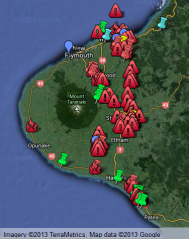
Our What the Frack Tour – June 21, 2014

 taranaki frackings siteslegend: red triangle: fracking well sites

red flame: gas/oil production stations

red pin: deep well injection sites

green pin: “land farms” and land treatment sites.

 source: Climate Justice Taranaki

We Have Been Invaded

As you can see from the above map, pristine Taranaki dairyland has been totally invaded and colonized by foreign oil and gas companies. New Zealand’s lax regulatory environment has produced a feeding frenzy. Eager to offshore as much profit as possible, they have transformed our clean green countryside into an industrial site.

A recent report by the New Zealand Commissioner for the Environment is highly critical of both Taranaki Regional Council (TRC) and New Plymouth District Council for their failure to regulate foreign energy companies in accordance with existing New Zealand law.

The PCE, bless her, makes the link between fracking and climate change front and center in her report. In her introduction, she questions the common assertion that natural gas is a so-called transition fuel, given its substantial contribution to atmospheric CO2. She also calls on the New Zealand government to specify exactly how they will fulfill their commitment to reduce New Zealand’s greenhouse gas emissions to 5% below our 1990 emissions by 2020.

Improper Disposal of Fracking Waste

Her report goes on to chastise TRC for the failure to regulate discharge of fracking waste. Despite vociferous complaints from local farmers and residents, TRC continues to permit discharge of untreated fracking waste into streams that provide water for livestock and, and in several cases, human beings.

She’s especially critical of TRC’s use of “visual inspection,” rather than chemical testing, to assess the water quality of these streams. One particularly silly monitoring report refers to inspectors signing off on water quality because they heard frogs singing.
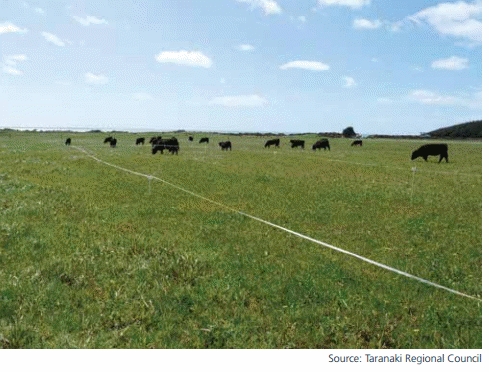
Cows on landfarm“Land farmed” site with grazing cattle

Another common disposal method is to spread wastes on pasture and grow grass and graze cows on it – without testing the cows, grass or milk for heavy metals, barium, benzene, hydrocarbons or other chemicals commonly found in fracking waste.

The experience with toxic sludge in the US is that heavy metals and other toxic chemicals bio-accumulate in plants grown in contaminated soil

Given given that dairy products are New Zealand’s number one export, this so-called land farming could do major damage to our country’s economy. Especially as China, our major export market, is already exquisitely sensitive to the milk contamination issue.

Emergency Evacuation Plans

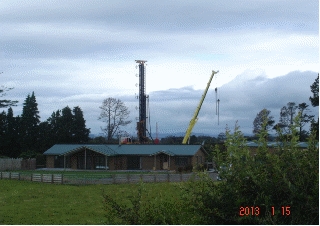
Another major concern in the PCE’s report relates to the Emergency Evacuation Plans fracking companies are required to file for each drill and production site. Many fracking sites are located less than 500 meters from private homes.

As here
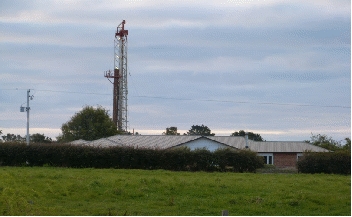
home and well

here

2nd home

here

4th home

and here

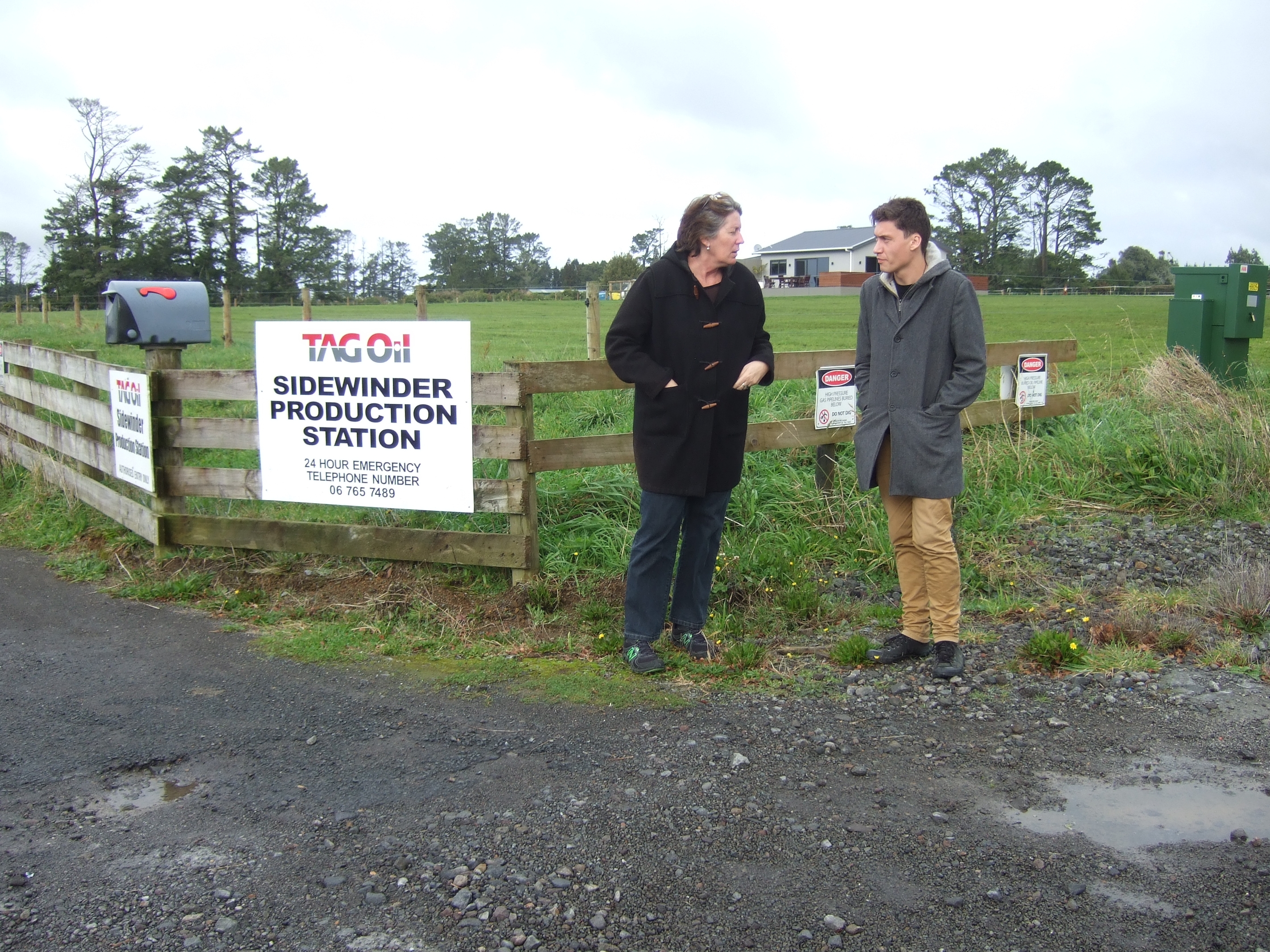
third homeSarah Roberts and Robert Moore – Green Party candidates for New Plymouth and Taranaki-King Country

For some reason, none of these residents have been notified that they are slated for evacuation in the case of an accidental gas release or explosion. As an example there are 36 owners and occupiers identified on the TAG Oil emergency management plan (gas release/spill contingency plan covering 500m) at Sidewinder A wellsite. These owners and occupiers will not be aware of this.

Drop in Property Values

 

for sale

The owners of the last property pictured above are desperate to sell it. The value of properties located adjacent to fracking wells have plummeted.

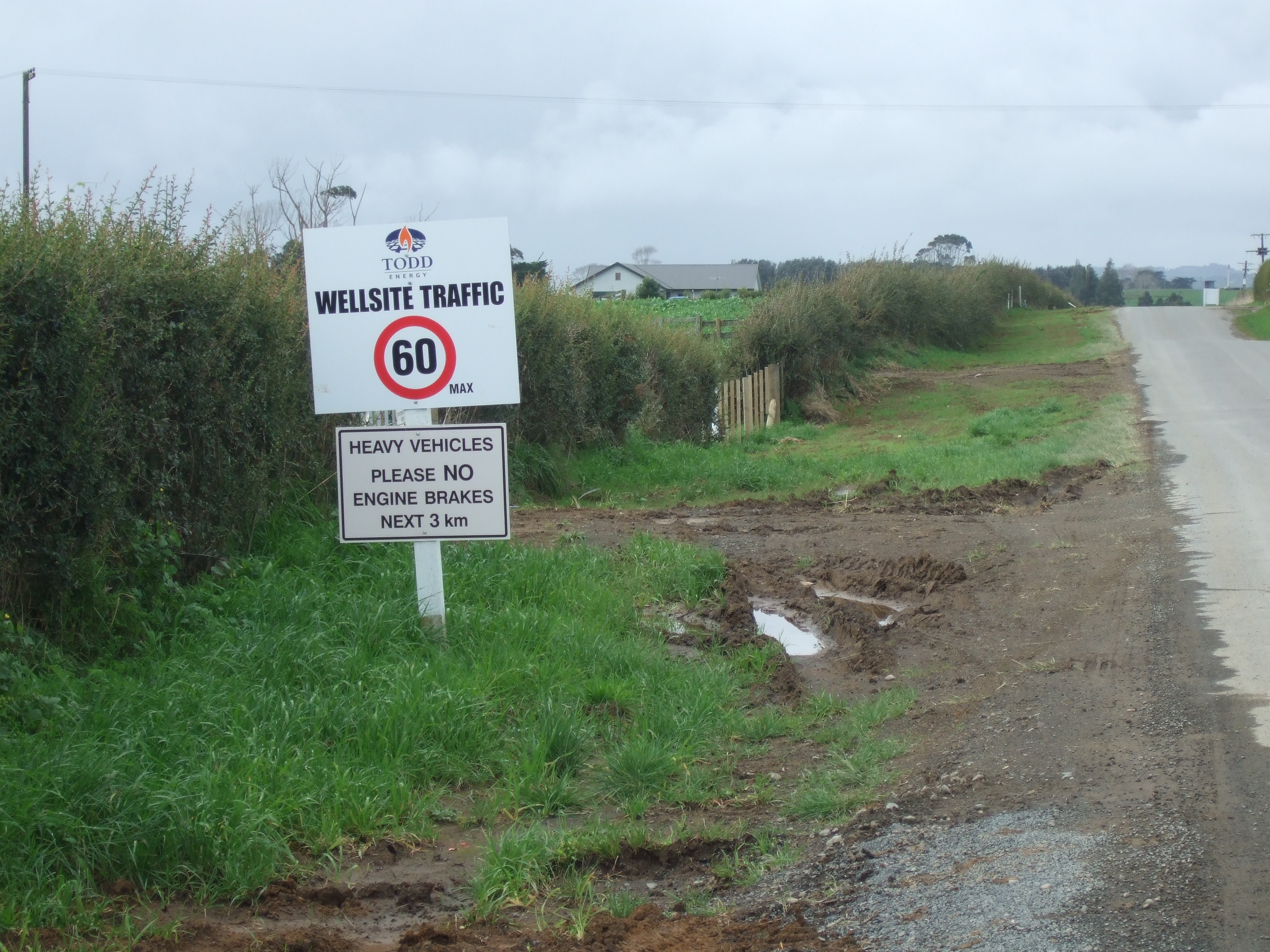
This is due to the constant noise, exposure to air and water pollutants, heavy industrial traffic
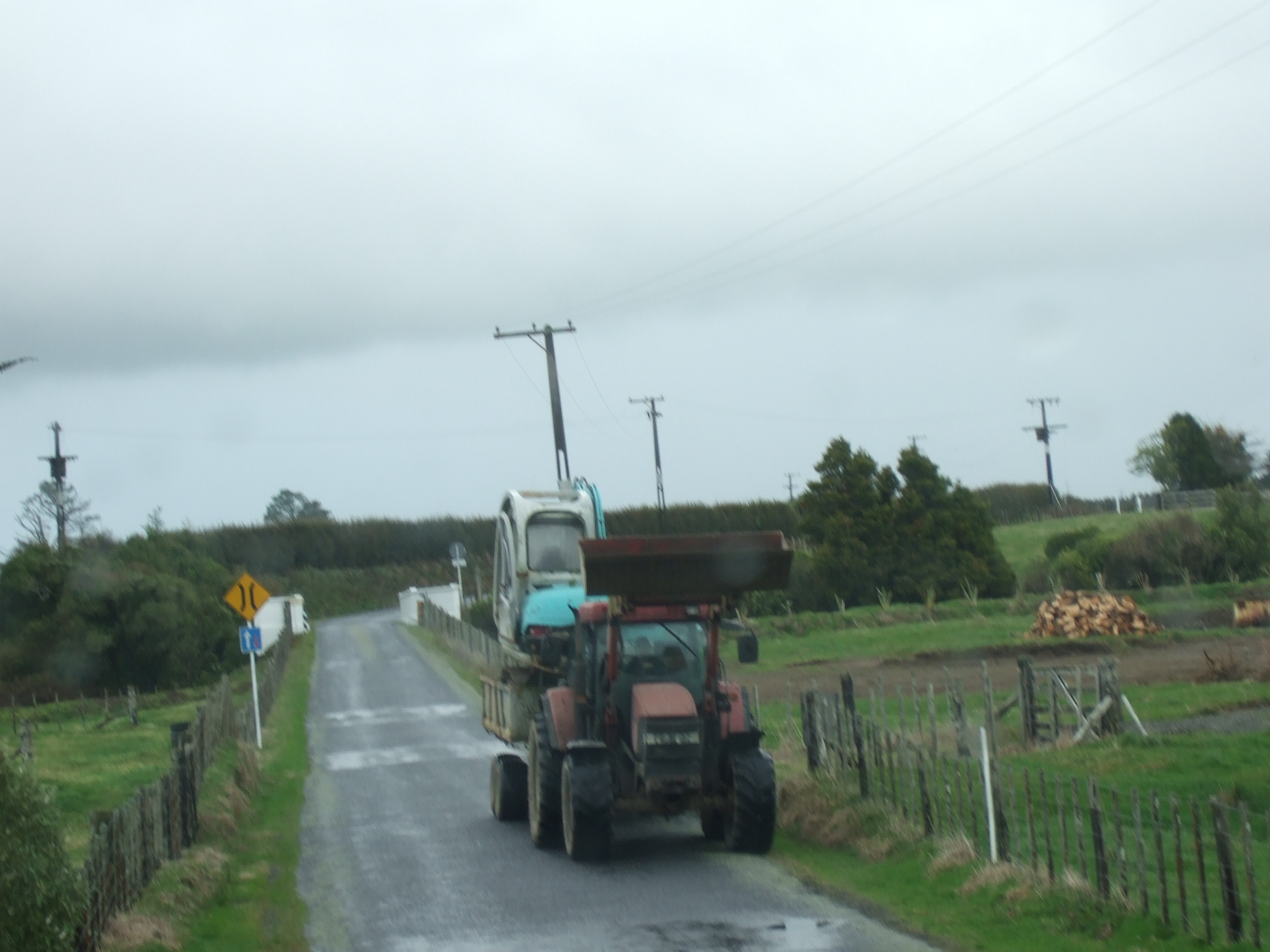
industrial traffic

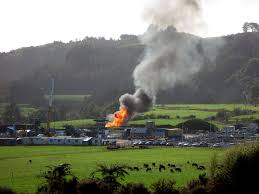
and flaring

flaring

What’s more the property adjacent to fracking wells can’t be insured, owing to the risk of leaking wells, inadvertent gas releases and explosions. Under New Zealand law, the property owner assumes liability for an abandoned well site that leaks.

Todd Oil (affiliated with Shell) has recently agreed to top up sales proceeds of land owners forced to sell their property at a loss. But if you live adjacent to a Tag Oil or Greymouth Petroleum fracking site, you’re out of luck.

Health Consequences of Fracking

Because the PCE is only charged with addressing environmental issues, her report doesn’t address the nosebleeds, rashes, cancer clusters and other health issues associated with living near a fracking site.
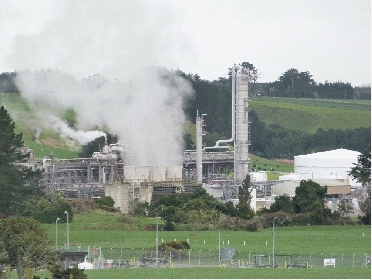
Waitara valley plant

Nor the disastrous effect of being surrounded by fracking rigs on overall well beings and quality of life. People shouldn’t have to live this way. Why should Taranaki residents sacrifice their livelihoods and the health and well being of their children for the benefit of foreign oil companies?
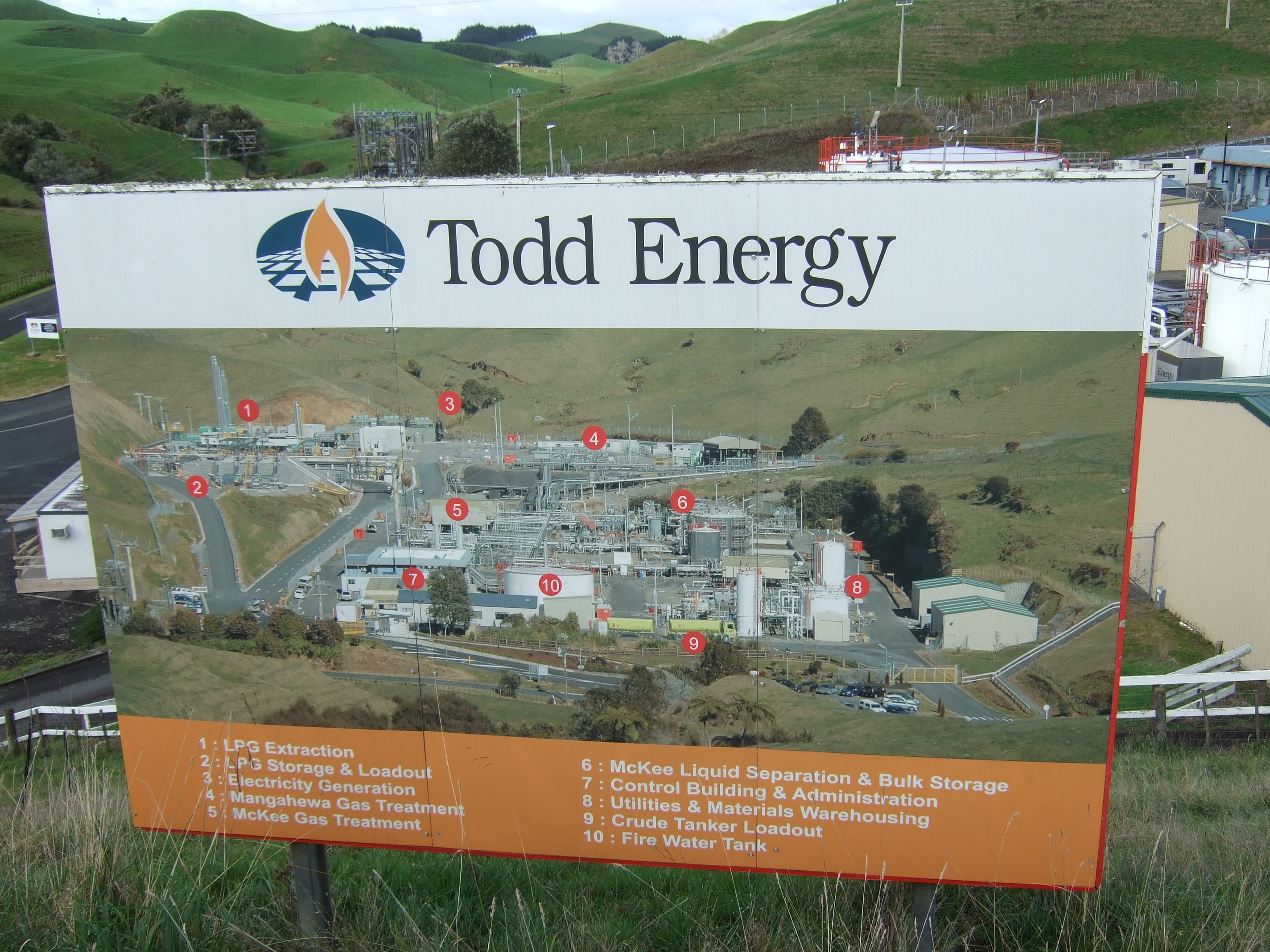
Todd sign

Community Meeting Regarding Norfolk School

Our What the Frack Tour finished up with a community meeting at Norfolk Hall, a Taranaki country hall between Inglewood and Stratford. TAG Oil is applying to drill their Sidewinder B well site 600 meters from Norfolk Primary School. This isn’t about a couple of exploratory wells. This is about the the potential drilling an on-going extraction of eight wells.

As came out at the meeting, prevailing south westerly winds would make emergency evacuation of the students impossible in the case of an accidental gas release. These can and do occur at Taranaki fracking sites.
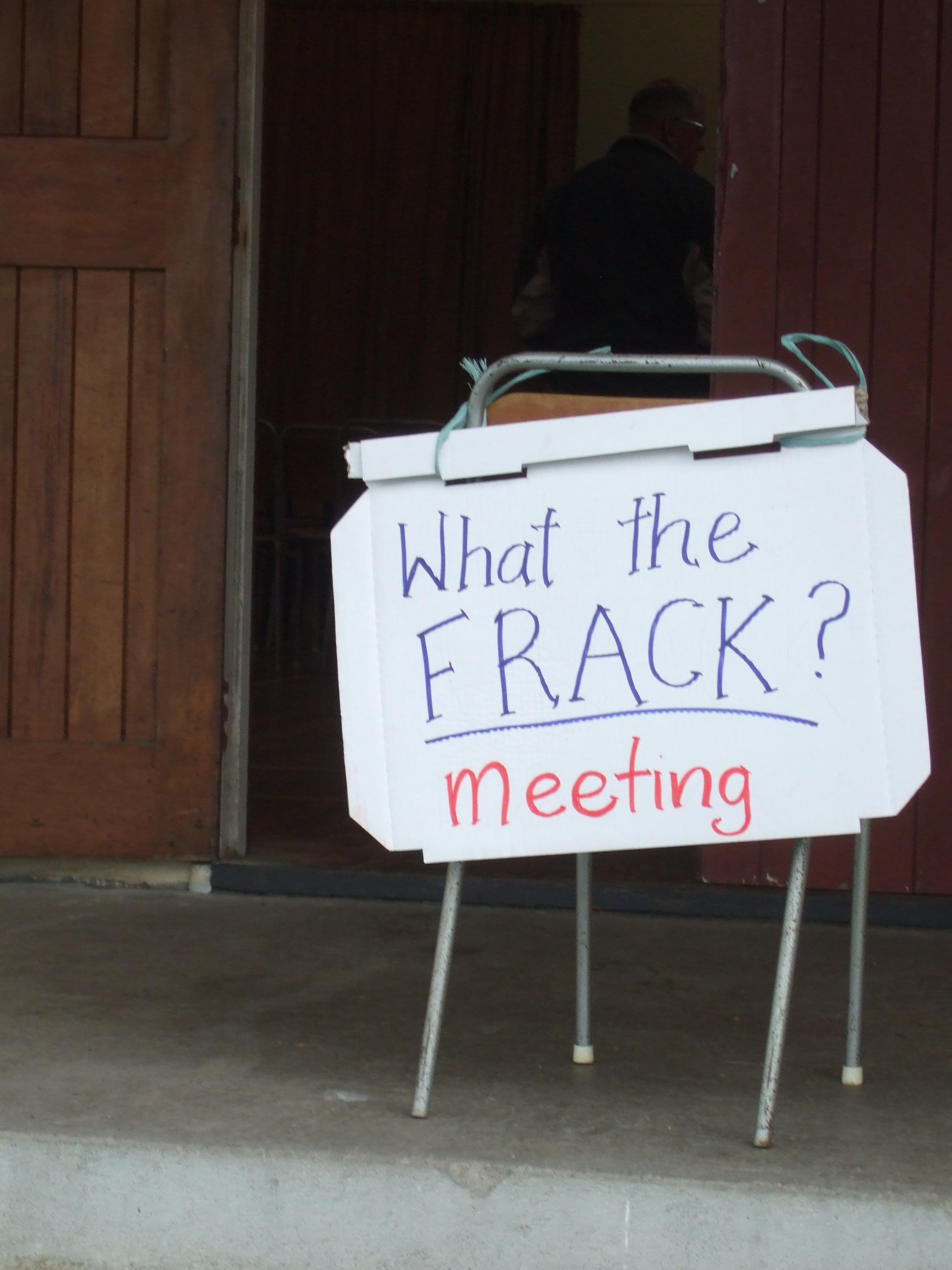
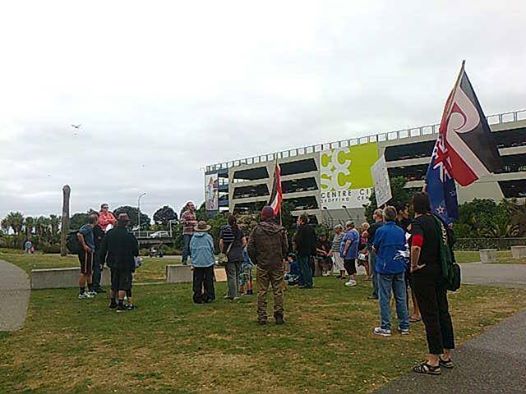
what the frack

Read follow up letter from to Taranaki Daily News from one attendee: Not the Good Oil
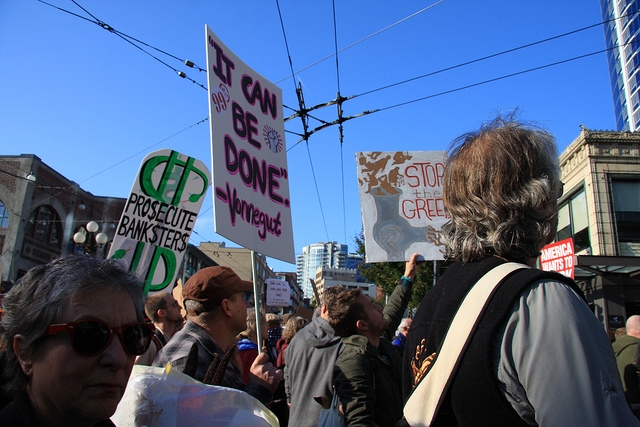


Private Prosecutions: A Remedy for White Collar Crime?

prosecute banksters

Another great thing about living in New Zealand is the ease of bringing a private prosecution against wealthy and powerful sociopaths that the police decline to prosecute.* A particular odious scumbag named John Banks recently resigned from Parliament after being found guilty of electoral fraud. As Commissioner of Police in the 1990s, Banks became extremely cozy with the New Zealand police when he helped cover up a series of gang rapes, by police officers, of women in their custody.

Thus in 2012, it was no surprise when the police chose not to prosecute when Banks deliberately lied about a campaign donation from multimillionaire Kim Dotcom. Dotcom, by the way, is still fighting extradition to the US on Internet piracy charges.

Enter retired accountant Graham McCready , who stepped in to file a  private prosecution against Banks. Once the case was committed to trial, he prevailed on the Crown Law Office** to take it over.

A Traditional Safeguard Against Government Tyranny

Private criminal prosecutions are quite easy to initiate in New Zealand, In fact, there’s even a New Zealand company that will do it for you – provided you cover the court costs and legal fees. With all the banksters, torturers, environmental crimes and corporate scumbags that Obama has declined to prosecute, it strikes me that the US has even more need of private prosecutions than New Zealand.

Private prosecutions are still legal in the US in at least 30 states states.*** The tradition of private prosecutions, in both the US and New Zealand, grew out of English common law and a fear of government tyranny. When North America was first colonized in the 17th century, nearly all criminal prosecutions were carried out by private attorneys hired by crime victims or their survivors. The practice survived throughout most of the 19th century, even after most states began to appoint public prosecutors (district attorneys). Prior to the 20th century, public funding was so inadequate that most public prosecutors were young and inexperienced and didn’t stand a chance against well paid defense attorneys.

The Shift Towards Public Prosecution

Early in the 20th century, high courts in three states (Massachusetts, Michigan and Wisconsin) struck down private prosecutions because they were found to be contrary to the Constitutional presumption of innocence. These rulings argued that the prosecutor had a duty to be impartial and hand over exculpatory evidence to the defense team (this still doesn’t happen in many cases but is grounds for appeal). Missouri banned private prosecutions in 1976, Georgia in 1984, New York City in 1991 and North Carolina in 1972.

In most cases, private prosecutions are illegal federal court, except in cases of criminal contempt. In 2010, the Supreme Court declined to review a contempt conviction stemming from a private prosecution in the District of Columbia. Then Solicitor General Elena Kagan (now a Supreme Court justice) filed an amicus brief in support of the private prosecution.

In addition to criminal contempt cases, Congress or a federal judge can appoint a private or special prosecutor if the Department of Justice refuses to prosecute.

Reviving Prosecutions to Address White Collar Crime

There seems to be growing support in the US legal community (see Private Vengeance and the Public Good and Let’s Revive Private Prosecutions) for bringing back private prosecutions, especially in cases where the public prosecutor declines to prosecute powerful corporate interests or fellow officials. With the 2008 economic downturn, state and local budget tightening is forcing many jurisdictions to again rely on underpaid, inexperienced prosecutors. They, in turn, are understandably reluctant to take on the rich and powerful.

In addition to mother England, both Canada and South Africa allows for federal and provincial prosecution of criminal offenses. Australia permits private prosecution of contempt cases in federal, family and superior court.

*In New Zealand the police, which are employed by central government, are responsible for arresting, charging and prosecuting most lawbreakers.
**The Crown Law Office provides oversight to police prosecutors and Crown solicitors (private practice lawyers hired by Crown Law for Crown prosecution work) and advises Parliament on criminal justice matters.
***Alabama, Alaska, Florida, Iowa, Kansas, Kentucky, Maine, Minnesota, Montana, Nebraska, New Hampshire, New Jersey, North Dakota, New York (outside New York City), Oklahoma, Oregon, Texas, Utah and Vermont (I couldn’t find a complete list but confirmed that these states allow it).


photo credit: Hollywata via photopin cc

The Anti-Fracking Movement Goes International

The anti-fracking movement has gone international, drawing in hundreds of thousands of people who never dreamed of being environmentalists or activists.

Below is a heart-rending video by the Lock the Gate coalition in Australia.

The similarities between the industrialization of prime Australian farmlands and the experience of dairy and organic farmers here in Taranaki are uncanny: the 24/7 glaring lights, noise and fumes and the unexplained health problems, particularly in children.

Most of all the helplessness experienced by families affected by fracking. Once the government allows the oil and gas industry to set up fracking rigs, it becomes the law, and ordinary people have no rights. Livelihoods are destroyed, property values plummet and your land becomes uninsurable.

WikiHouse and the Means of Production

(This is the 9th of a series of emails about ending the right of private banks to issue money. It concerns WikiHouse and a proposal to remove the means of production from the monetary system through publicly owned Open Source technology.)

In the following video, architect Alastair Parvain envisions using WikiHouse and comparable Open Source manufacturing tools to take architecture, construction and manufacturing out of the monetary system by allowing people look to the commons to meet their basic human needs – via freely available Open Source technology.

Originally applied to free, publicly available software, the term Open Source has been expanded to include architecture, scientific research and other technical information which is made freely available in the public arena. See Open Source and Sustainability.

WikiHouse has been described as an open source construction set. The aim is to allow anyone to design, download and “print” CNC-milled houses which can be assembled by a small group of people with minimal formal skill or training. A CNC wood cutter is a CNC (computer numerical control) router that creates objects from wood along the same lines as a 3D printer.

WikiHouse has caught on in a big way in New Zealand, thanks to the 2011 Christchurch earthquake that caused over 6100 businesses that were displaced and needed to relocate quickly to survive. WikiHouse seemed an ideal solution to Martin Luff and Danny Squires, who founded New Zealand’s WikiHouse Lab

In addition to offering relatively low cost rehousing for businesses and residents, it also builds community solidarity by turning house building into a social event. Prior to the fossil fuel era, home building was a major community event in which your friends and neighbors got together to build you a house. With skyrocketing energy costs, we need to look more to community and cooperation, rather than technology, to meet our basic needs.

Parvain stresses that the world currently faces major economic, ecological and resource crises. These urgent dilemmas can’t be solved by either corporations or non-profit organizations so long as they continue to treat citizens as passive consumers.

New Plymouth Hits the Street

NP TPPAphoto by Moana Williams

Thousands marched in New Zealand’s nationwide mobilization against the Transpacific Partnership Agreement (TPPA) on March 29, with more than a thousand in Auckland, 400 in Wellington, 200 in Hamilton and Nelson, 125 in Whangarei, 100 each in Tauranga, Napier, Christchurch and Dunedin, 80 in Palmerston North and New Plymouth, and 30 in Invercargill. For a small town like New Plymouth, protests this size are rare, and it got good coverage in the Taranaki Daily Newsl

The TPPA is a free trade agreement which is currently 12 countries, including the US and New Zealand, are currently negotiating behind closed doors. Up to this point, the other 11 countries have caved in to US demands that the text of the TPPA be kept secret until it’s signed. About a month ago the Malaysian government  government announced they would release the text before signing it.
.
According to draft text released by Wikileaks, the new treaty would allow corporations to sue countries in a private tribunal for any laws that interfere with their ability to do business. In New Zealand, this would undermine our access to cheap generic medication, environmental and labor regulations and reduce Internet freedom.

Like NAFTA and the WTO (World Trade Organization), the TPPA only helps corporations – it’s a pretty shitty deal for ordinary Americans.

C’mon Americans we need your support in stopping Obama from turning the global economy over to Monsanto. Go to http://www.exposethetpp.org/ to find out how you can help.

Confessions of a Carnivore

red meat

As a strong sustainability activist, I feel quite embarrassed admitting that I derive nearly all my dietary protein from animal sources (eggs and fish). Explaining why I do so is even more embarrassing, a 20-year chronic intestinal infection that makes it virtually impossible to digest plant protein, in the form of nuts and legumes (peas, dried beans, lentils, etc.).

Will Global Population Drop Without Fossil Fuels?

In The End of Growth, post-carbon activist Richard Heinberg predicts that without fossil fuels, the Earth could feed at most two billion people. Organic farmers in the biointensive movement (an amalgamation of the eighty-year-old Biodynamic and the French intensive movements) dispute this figure, pointing to studies showing that Biointensive methods actually increase crop yields by 150-200%. Given current data (see Population and Sustainability: the Elephant in the Room) that our current system of industrial agriculture feeds only 84% of the world, we could guesstimate that a switch from industrial to biointensive agriculture could potentially feed a global population of 7.8 billion.

Now here’s the rub: nearly all biointensive research focuses concerns yields of grains and vegetable crops. Preliminary research applying biointensive methods to livestock production suggests we could only provide a meat-based diet for 2-3 billion people without fossil fuels.

The average fossil fuel input required to produce meat protein is eleven times greater than for equivalent grain protein production. A meat-based diet also requires ten times more land and 100 times more water. In the US alone, the amount of energy, land and water we invest in livestock is sufficient to feed an additional 840 million vegetarians.

The Privilege of Eating Meat

At the moment approximately 1/3 of the planet (those in the privileged industrialized world) consume meat. The high cost of land, fresh water and energy compels the other 2/3 (4.7 billion) to survive on a plant-based diet. With rapid industrial development, in Brazil, Russia, India, China and South Africa, these ratios are changing rapidly. In all five countries, a growing middle class seems to be developing an insatiable demand for meat, dairy and other animal-based products. In New Zealand this is a daily news item, as China purchases the bulk of Australian and Kiwi meat and dairy exports.

Hard Choices for Activists

It seems to me that sustainability and social justice activists face some hard choices. It we are genuine in our commitment to replace capitalism with a more egalitarian society, we need to acknowledge that no society is truly egalitarian if only rich people eat meat. In other words, a truly equal distribution of land and water resources will either require a commitment to reduce global population to 2-3 billion – or a commitment by 1/3 of the planet to give up their meat-based diet.

If we fail to make this choice – and do nothing – we will be left with a scenario in which Malthusian forces (war, famine and disease) drastically reduce global population for us.

photo credit: kevindean via photopin cc

***

read an ebook week

In celebration of read an ebook week, there are special offers on all my ebooks (in all formats) this week: they are free.

This includes my new novel A Rebel Comes of Age and my memoir The Most Revolutionary Act: Memoir of an American Refugee

Offer ends Sat. Mar 8.

The Case for Proportional Representation

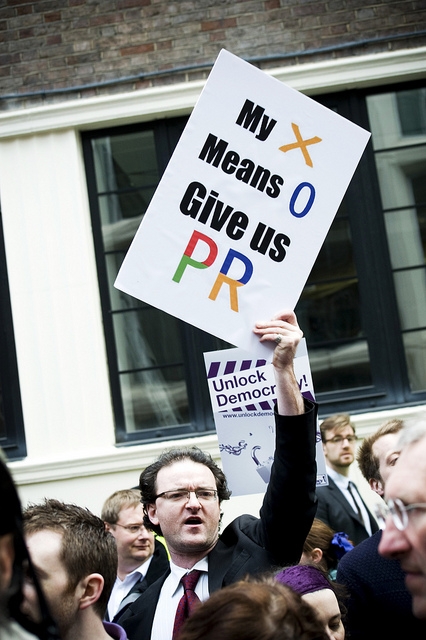
proportional representation

The US, UK and Canada are the only western democracies that still conduct their national elections via archaic “winner takes all” systems. These so-call “first past the post (FPP)” voting systems only give people a choice between two corporate-sponsored candidates. Because the corporate media ignores them, third party candidates are virtually invisible to the vast majority of the public. Thus rather than “wasting” a vote on a third party candidate, progressive and libertarian activists feel pressured to vote for the “lesser of two evils.” Believing they have no voice in a political system controlled by corporations, an increasing number opt not to vote.

The end result is a deeply polarized system of governance in which the party in power only represents a minority of the population.

Countries other than the US, UK and Canada use some type of proportional representation to choose the public officials who represent them. Proportional representation comes in many forms. The two features they all share in common are 1) instead of electing one representative in each small district or ward, multi-member districts (or wards) are established in which several candidates are elected at once and 2) the candidates who win seats in these multi-member districts are determined by the total proportion of votes their party receives.

Life Under Proportional Representation

As an American, I had no prior experience with proportional representation before I emigrated to New Zealand in 2002. In 1993, New Zealand adopted a Mixed Member Proportional (MMP) system, as a result of a citizens initiated referendum. This followed a series of elections in which the FPP system resulted in minority governments opposed by a majority of voters.

Under MMP, each voter gets two votes for Parliament – one for the candidate they prefer and the other for their preferred political party. In addition to candidates who win their electorates, each party receiving at least 5% of the vote is allocated a proportion of seats depending on their percentage of the party vote. These party seats are filled from a pre-chosen list of candidates each party files with the Electoral Commission.

In 2011, the NZ Green Party received 11.06 percent of the vote and were allocated 14 MPs in Parliament.

Having Voice in Government

In more than 20 years as a grassroots organizer in the US, I practically sweated bullets for mostly invisible peace and justice issues (such as single payer health care and the Equal Rights Amendment – does anyone even remember the Equal Rights Amendment?). So you can imagine how thrilling it’s been to see Green Party candidates I campaigned for (in 2005, 2008 and 2011) elected to national government.

It’s sad but true that the two pro-corporate political parties (Labour and National) continue to dominate the New Zealand political landscape. This relates mainly to the overwhelming support they receive from our foreign-controlled media. That being said, when voters are given a real choice, it’s quite rare for either of the major parties to receive a majority of votes. This forces them to negotiate with minor parties to form a government.*

What MMP Has Meant for the Green Party

Although the New Zealand Green Party has never been in formal coalition with either National or Labour, both parties frequently need our vote on their own bills. In return they have supported important Green Party legislation. In the last eleven years, this has included legalization of prostitution and gay marriage; enactment of a national antibiotics surveillance program; a flexible working hours mandate; a school food and nutrition mandate; a law allowing women to breast feed in prison, creation of a complementary health adviser position in the Ministry of Health; repeal of the Sedition Law and a loophole that allowed parents to legally beat their children; millions of dollars for government grants and guaranteed loans for solar water heaters and home insulation; a national cycle trail; restrictions on animal testing and new transparency laws regarding MP accountability.

Perhaps even more important is the platform (and media attention) a presence in Parliament provides to challenge the flagrantly pro-corporate policies of the major parties – while simultaneously advancing Green issues and policies.

Achieving Proportional Representation in the US

People might be surprised to learn that many US cities** have adopted Instant Runoff Voting (IRV) or Single Transferable Voting (STV). This has largely come about due to budgetary restrains stemming from the 2008 downturn (IRV/STV eliminates the cost of holding primary elections). Technically IRV isn’t a form of proportional representation. However it’s much more democratic than FPP because it allows voters to indicate a preference for a minority party without feeling their vote is wasted.

In IRV a voter is asked to rank all the candidates on the ballot in his/her order of preference. If his/her first choice fails to meet a certain threshold, his/her vote is automatically transferred to his second choice and so on.

Electing US Presidents or Senators by proportional representation would require constitutional amendment. However there’s nothing in the Constitution that would prevent states from choosing their Congressional delegation as a bloc by proportional representation or their senators by IRV or STV. Prior to the passage of the 12th amendment in 1803, the President and Vice-President were chosen by STV. The Constitution merely stipulates that each state shall have two senators and that “representatives shall be apportioned among the several states by their apportioned numbers.”

For more information on proportional representation, check out http://www.fairvote.org/

*Under a Parliamentary system, any government that can’t command a majority of votes on budget legislation is forced to resign and call a new election.

**Cities using IRV or STV

  • Alabama (only overseas voters): By agreement with a federal court, used in special election for U.S. House, 2013
  • Arkansas (only overseas voters in runoffs): Adopted in 2005 and first used 2006
  • Berkeley, California: Adopted in 2004 and first used 2010 (for mayor, city council and other city offices)
  • Hendersonville, North Carolina  Adopted and used as part of a pilot program in 2007, 2009 and 2011 (mayor and multi-seat variation for city council) and under consideration for future elections
  • Louisiana (only overseas and out-of-state military voters in federal and state runoffs): Adopted and used since the 1990s
  • Minneapolis, Minnesota: Adopted in 2006 and first used in 2009 in elections for mayor, city council and several other city offices, including certain multi-seat elections
  • Oakland, California: Adopted in 2006 and first used in 2010 (for a total of 18 city offices, including mayor and city council)
  • Portland, Maine: Adopted in 2010 and first used in 2011 (for electing mayor only)
  • San Francisco, California: Adopted in 2002, first used in 2004 and used every November election since then (for mayor, city attorney,  Board of Supervisors and five additional citywide offices)
  • San Leandro, California: Adopted as option in 2000 charter amendment and first used in 2010 and every two years since  (for mayor and city council)
  • South Carolina (only for overseas voters in federal and state primary runoffs): Adopted and first used in 2006
  • St. Paul, Minnesota: Adopted in 2009, first used in 2011 and to be used every two years (mayor and city council)
  • Springfield, Illinois (for overseas voters only): Adopted in 2007 and first used in 2011
  • Takoma Park, Maryland: Adopted in 2006 and first used in 2007, with elections every two years and with some special elections in between (for mayor and city council)
  • Telluride, Colorado: Adopted in 2008 and first used in 2011 (for mayoral elections).

photo credit: lewishamdreamer via photopin cc

NZ’s Dioxin Legacy: Lies and Cover-up

dioxin

The the long battle to get the New Zealand government to acknowledge the major health problems of dioxin-exposed New Plymouth residents (see my last post) first began in 1973. Instead of attempting to understand and address residents’ health problems, the New Zealand government, an Ivon Watkins Dow (IWD) partner though share holdings and subsidies, became the first clients of New Zealand’s first public relations firm (Consultus).

Records show that Consultus was first hired to ensure the ongoing availability and use of 2,4,5-T. A 1981 case study from the international journal PR News – about Consultus’ first PR campaign – is entitled  Countering an Activist Campaign to Have a Product Banned from Use. This “media management” response seems to be very typical of New Zealand’s approach to toxic waste management. In the words of one IWD survivor, the goal is to “delay and deny until we die.”

In the mid to late nineties, local activist Andrew Gibbs helped found a new research group, the Paritutu Dioxin Investigation Network. When his de facto partner, a long term resident of Paritutu (the suburb closest to IWD) developed chronic fatigue syndrome and unexplained anemia, her family and friends informed him of the reproductive and immune problems other Paritutu families were experiencing.

Gibbs, alarmed by 1985 Paritutu studies showing dioxin residues comparable to Vietnamese regions sprayed with Agent Orange, tried to get the government to do blood tests on his partner and other Paritutu residents. It would turn out that both National and Labour governments were far more interested in managing public opinion about dioxin.

The Government Gives in to Grassroots Pressure

In 2001, Minister of Health Annette King finally agreed to test the serum levels of 100 Paritutu survivors. When many were found to have elevated dioxin levels, the Labour-led government responded by setting up a Ministry of Health unit to manage “financial risks” related to potential government liability.

Spin, Cover-up, and Statistical Manipulation

They subsequently commissioned a 2004-2005 study by Excellence in Research Australia (ERA) to “analyze” Taranaki District Health Board cancer and birth defect records. The researchers subjected the data to some bizarre statistical manipulations to produce the conclusion the government was looking for, i.e. that high rates of cancer and birth defects in Paritutu and Motorua households were unrelated to dioxin exposure.

For example, they deliberately re-targeted the study design to focus on residents living in Paritutu between 1974-87, who were known to have lower exposure levels based production changes between 1969 and 1973 that reduced dioxin contamination. They also altered 2005 data to make it appear that ongoing exposure occurred between 1974-87, as well as using inaccurate half-life figures to skew pre-1974 results. Finally they excluded high rates of diagnosed cancer between 1970-74 as being too close to the period of toxic exposure, which they misrepresented as occurring between 1962-87, when it actually occurred between 1960-73. See (*) below for actual data.

When these statistical manipulations were challenged in a 2006 TV3 documentary entitled “Let us Spray,” the government and their risk management unit dismissed the bulk of the alleged misrepresentations and blamed others on “typographical” errors.

New Zealand health officials also repeatedly ignored recommendations by ESR and the local ethics review board that they undertake a geo-spatial study of families with elevated dioxin levels. Gibbs eventually undertook his own study of all residents living within 500 meters of Ivon Watkins Dow between 1963-66. He achieved his primary goal – proving that a historical cohort could be identified – at a total cost of $1000. This was in contrast to the hundreds of millions of dollars the New Zealand government had paid Consultus, ESR, their “financial risk” management unit.

The Government Compromise: Free Health Checks

Gibbs continues to fight to get Dow and the New Zealand government to acknowledge the health problems of Paritutu and Motorua residents who worked at or lived adjacent to IWD prior to 1969. In 2008, the government finally granted Paritutu survivors three free health checks (primary care isn’t covered under New Zealand’s National Health Service).

Gibbs dismisses the government move as a PR ploy. Mainly because it circumvents the issue of intergenerational effects (i.e. birth defects in subsequent generations). A 2006 study showed that New Zealand veterans and their offspring suffered DNA damage as a result of dioxin (Agent Orange) exposure in Vietnam.

The Cover-up that Cost More Than the Truth

The question yet to be answered is why the New Zealand government was so determined to cover all this up. Why spend millions of dollars on PR consultants, a “financial risk” management unit, flawed research and a vexatious Broadcast Standards Authority (BSA) complaint – when it would have cost far less to treat the health problems of 500 New Plymouth households.

Gibbs believes an official government admission of dioxin-related health problems would open them to liability – both from New Zealand veterans and Vietnamese civilians exposed to Agent Orange. Because the New Zealand government was a shareholder, as well as subsidizing 2,4,5-T production from 1969 on, they are co-liable with IWD.

***

*A look at the Taranaki District Health Board (TDHB) 2002 data reveals a large increase in neural tube birth defects in Moturoa and Paritutu residents between 1965 and 1972. It also reveals that New Plymouth rates of hydrocephaly, hypospadias, spina bifida and anencephaly recorded at New Plymouth Maternity Hospital between 1965 and 1971 were respectively 3.2 times, 3.8 times, 4.2 times and 9.7 times the crude rates found in offspring of US Vietnam veterans:

“The 1966-1972 rate of still-births was 1 in 7 versus the expected N.Z rate of 1.1 still-birth in 100 births. The 1966-72 rate of linked NTD (neural tube development) defects was 1 in 10.5 vs the N.Z range of 1 NTD in 222 to 1 NTD in 400. The 1966-72 rate of birth defect cases was *1 in 7 versus the N.Z expected rate of 1 case in 50 births  This conservative rate is based on the 2002 TDHB review of addresses for only 17 of 167 birth defect cases 1965-70 so does not include the other 150 defects or three defects reported by Zone A mothers.” (from link and PDF).

The TDHB data also reveals a significant increase in 1976-85 cancer rates living within 500 meters of IWD in 1963-1966:

“From a Study of 165 Paritutu Zone A 1963-1966 residents living within a 500 metres of Ivon Watkins Building 03 plant:

“1976-85 rate of 0-64 year age group cancer mortality was 4.5 times expected. Five deaths where 1.1 was expected based on mean of 1976 and 1985 NZ census rates. Four of the 5 deaths were in 1981 and 1982. Two in five NZ 1976-85 cancer deaths were in 0-64 ages. All five Zone A cancer deaths were in 0-64 ages. Two 1981 cancer deaths were parents aged 35 and 48 of 1969 and 1970 miscarriage and still-birth cases. There were 13 deaths 1976-85 for Zone A 1963-66 residents with 13.4 all cause deaths expected, 5 were cancer deaths with 2.9 expected and there were 3 lung cancer mortalities where less than 1 was expected (link).”

For more background and historical documents, go to Paritutu Inside the Spin: How the New Zealand Government Rewrote History

photo credit: pixiduc via photopin cc

New Zealand’s Love Canal

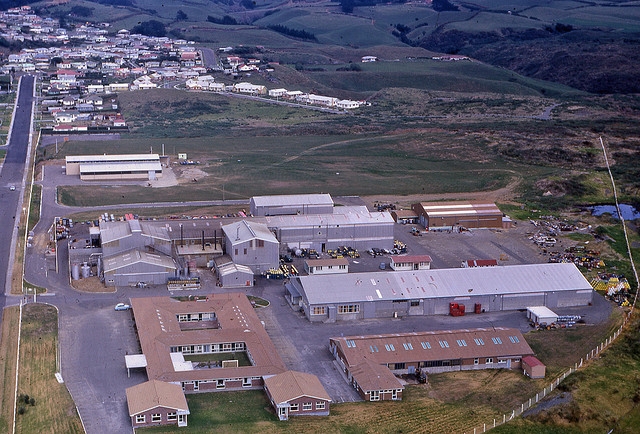
ivon watkins dow

(Note: this post should be of particular concern to Americans, as Dow is trying to get the USDA to approve a dioxin-related toxin, 2,4-D, as a weedkiller)

“I have long dreamed of buying an island owned by no nation and of establishing the world headquarters of the Dow company on truly neutral ground of such an island, beholden to no nation or society.” Dow chairman Carl Gerstacker 1972 (Exporting Environmentalism).

It’s fairly common for the US and other European countries to ask New Zealand, owing to our lax environmental regulations, to manufacture and or test hazardous substances that are too controversial in their own countries. The issue is of special concern to me as a New Plymouth resident. I have numerous friends and former patients who have had their health and lives ruined by the government’s refusal to oversee or regulate the activities of Dow AgroSciences (formerly known as Ivon Watkins Dow).*

IWD produced extremely hazardous dioxin-related compounds between 1948 and 1987. After World War II, chlorinated hydrocarbons (aka organochlorines), such as 2,3,7,8 TCDD (dioxin), 2,4,5-T and 2,4 D  were developed as herbicides (weed killers). Dioxin, also known as Agent Orange, was extensively sprayed during the Vietnam War to expose guerrilla positions by defoliating the jungles. The damaging health effects of these compounds were noted in many returning GIs and Vietnamese civilians and their children and grandchildren.

As early as 1957, the New Zealand Royal Society cautioned that these toxins needed to be thoroughly investigated, owing to the potential hazard they posed to human health. The warning went unheeded. In the 1950s and 1960s, New Zealanders experienced the highest per capita exposure to DDT and related pesticides and 2,4,5-T. This appears to be a major culprit in the doubling of New Zealand’s cancer rate between 1960 and 2012 – and the halving of Kiwi sperm counts between 1987 and 2007. This drop is the most dramatic in the developed world. Neither Australia nor the US have experienced a comparable decline in sperm counts.

All kinds of alarm bells should have been going off, given the staggering increase in birth defects in families downwind of IWD. Between 1965-1971, one out of thirty newborns at New Plymouth’s Maternity Hospital had birth defects. These included a strikingly high proportion of the neural tube defects commonly associated with dioxin exposure, such as anencephaly (the absence of a brain), hydrocephalus and spina bifida.

Cancer, Infertility and Toxic Breast Milk

Meanwhile New Zealand’s overall birth defect rate was one of the highest in the world. During the 60s and 70s, everyone ingesting New Zealand meat and dairy products accumulated substantial blood and fatty tissue concentrations of dioxin, owing to the massive amount of 2,4,5-T Kiwi farmers used to clear gorse and scrub. In 1961, the US banned New Zealand beef exports, owing to excessive residues of chlorinated hydrocarbons, such as DDT, aldrin, dieldrin, and BHC.

Even more alarming, a 1972-73 study of Dunedin infants published in the Lancet revealed that breast milk (which also accumulates dioxin) was less healthy than formula. In a survey of 1000 children, those breastfed four weeks or longer were twice as likely to suffer from allergies or asthma in later childhood.

The US Bans 2,4,5-T

In 1969, IWD upgraded their 2,4,5-T plant’s “rudimentary” emission controls to reduce dioxin levels in their air emissions and the herbicide they produced. From 1973 on, after the US banned 2,4,5-T in all food crops except rice, the NZ government required IWD to treat their herbicide with a solvent that reduced dioxin levels even further.  Both national and regional agencies were charged with monitoring the dioxin content of IWD’s incinerator emissions. However according to available records, monitoring was limited and sporadic.

Cancer Rates Climb

Meanwhile overseas studies continued to link dioxin exposure to many of the same health problems New Plymouth residents were describing. In addition to birth defects, miscarriages, crib deaths and chronic childhood illnesses, downwind families were experiencing unprecedented levels of brain and spinal tumors, sarcomas, lymphomas, prostate and respiratory cancers and multiple sclerosis, as well as neurodevelopmental (mainly autism, Asperger’s disorder, mental retardation and ADHD) problems in their kids

IWD Shuts Down Dioxin Production in 1987

Finally in 1987, in response to massive local pressure and scores of studies documenting dioxin-related health problems, Ivon Watkins Dow (IWD) shut down all 2,4,5-T production. It’s of note this occurred without Dow or the New Zealand government acknowledging any negative health effects from dioxin exposure. Former IWD employees and residents in close proximity to IWD were left with a legacy of chronic health problems – and nowhere to turn for help.

*While Ivon Watkins (incorporated in 1944) prided itself on research and development geared towards New Zealand conditions, several major international chemical firms had substantial financial interest in the company including Monsanto (USA), the American Chemical Paint Company (USA), Geigy (Switzerland), Cela (Germany) and the Union Carbide Corporation (USA). Solidifying such connections, the company became Ivon Watkins-Dow Ltd (IWD) in 1964 after Dow Chemicals USA bought a 50% interest (Sewell 1978 – see http://www.dioxinnz.com/pdf-NZ-RAD/RAD-Thesis-BWC.pdf).

For more background and historical documents, go to Paritutu Inside the Spin: How the New Zealand Government Rewrote History

To be continued.

photo credit: PhillipC via photopin cc

Activism in New Zealand

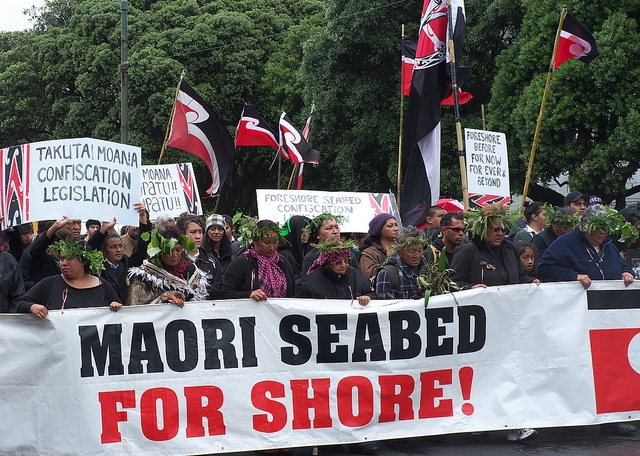
Maori protest

(The last of 8 posts describing my new life in New Zealand)

For me personally, the advantages of living in New Zealand far outweigh the negatives. One of the major positives is the greater willingness of Kiwis to get involved in grassroots campaigns for political change. Give my 30+ year history of activism, this is obviously a high priority.

Overall, I find Kiwis to be less alienated and apathetic than their American cousins, less likely to be taken in by the corporate hype they see on TV, and more confident about their ability to bring about change through collective action. I believe this relates, in large part, to a well-organized, militant indigenous (Maori) movement. Their highly visible activism models the importance of collective struggle for other New Zealanders, in much the same way the American civil rights struggle provided a role model for the US antiwar movement, and the women’s, gay and disability rights movement.

There are also a number of institutional and social features about New Zealand society that make political organizing somewhat easier.

Institutional features:

  • New Zealand has a parliamentary democracy coupled with elections conducted via proportional representation (which Kiwis won through strenuous grassroots organizing). The New Zealand Green Party (which I joined in 2002) presently has 14 MPs in Parliament.
  • New Zealand has no illusions about being a great military empire. In my experience, it’s only after they leave that Americans fully realize how much US militarism overshadows every aspect of their life.
  • New Zealand is 100% anti-nuclear (both nuclear power and weapons), and US naval ships are banned in our ports because the US government refuses to indicate whether specific vessels are nuclear powered or carry nuclear arms. This, too, was won by sustained grassroots organizing.
  • New Zealand has no death penalty.
  • At presented, genetically engineered crops and farm animals aren’t legally permitted in New Zealand (except in the laboratory). That being said, keeping New Zealand GE-free requires constant vigilance and sustained organizing.
  • The cattle supplying New Zealand’s world famous dairy and beef export industry are grass fed (except during drought years), and no Kiwi farmer would dream of injecting them with hormones or feeding them antibiotics to stimulate growth.

Social Features:

  • New Zealand has a predominantly working class culture, owing to a misguided student loan policy which has led about one million college graduates to emigrate (mainly to Australia and the UK. Given my own working ckass background, I fit in really quickly. Americans from more middle class backgrounds seem to have more difficulty.
  • While much of the New Zealand media is foreign-owned and blatantly pro-corporate, there are still vestiges of an independent media that routinely challenges and embarrasses the government in power.
  • Kiwis are much more likely to have a civic life than their American counterparts. Here in New Plymouth (population 55,000), most of my friends belong to the Green Party or the sustainability movement. However I also have friends who belong to Lions, Rotary or one of the many sports clubs (lawn bowling, cricket, soccer, rugby) or hobby groups (stamp club, little theater, orchid society, tramping club, canoe club and four cycling groups).
  • New Zealand has a much stronger sustainability movement than the US. The late arrival of both TV and cheap Asian imports in means most Kiwis are only one generation away from growing vegetables, raising their own chickens and “making do” with jerry-rigged plumbing and home repairs and homemade cleaning and beauty products. The majority of my female friends still hang their laundry on the line, and community currencies introduced during the last recession still survive in several local communities.

photo credit: lancea via photopin cc