Episode 2 The First Family Discovered: Indo-European
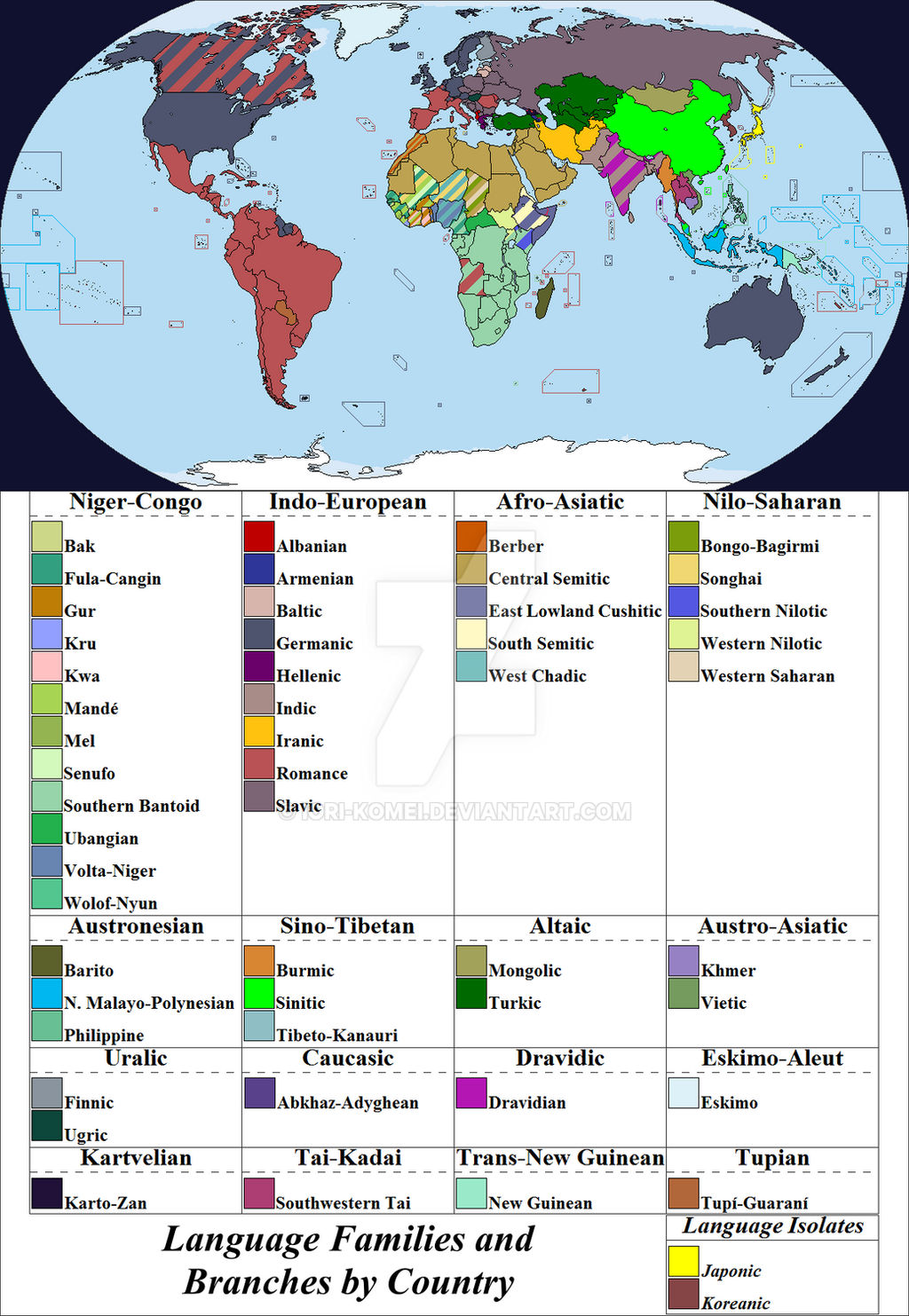
Language Families of the World
Dr John McWhorter
Film Review
The family of Indo-European languages, the first to undergo extensive classification, comprises most of the world’s written languages. In 1647, Dutch scholar Marcus van Boxhurn, was the first to note linguistic similarities between the different languages spoken in Europe and Northern India.
The 10 definitely confirmed sub-families of Indo-European languages spoken are Romance, Anatolian, Tokharian, Indo-Iranian, Balto-Slavic, Greek, Armenian, Albanian, Germanic and Celtic
English is an extremely atypical member of the Germanic sub-family, in that their nouns and verbs have lost the case endings (which depend on their grammatical role in the sentence) found in Latin, Slavic and Germanic languages.*
Linguists have been able to reconstruct what the original Proto-Indo-European language most likely looked like by tracing words and grammatical constructions that are similar in modern Indo-European languages.
It’s believed that Yamnaya tribes in southern Ukraine were the first to speak Proto-Indo-European around 5000 BC because all modern Indo-European languages use a similar word for “wheel’ and “horse,” which were both prominent in that culture. For example “wheel” is
kuklos – in Greek
kolo – in Slavic languages
cakram – in Sanskrit
kugullas – in Hittite
While Latin uses an unrelated word for wheel, they use the word “colus” for the circular shaped colon (large intestine).
The pattern of gradual linguistic changes found in different Indo-European languages suggest that Yamnaya men began migrating eastward and westward around 3500 BC and marrying local women in the new regions they settled. This is confirmed by DNA findings.
At present 3 billion people speak Indo-European languages.
Of the 20 most spoken languages in the world, 10 are Indo-European:
English
French
Spanish
Portuguese,
German
Hindi
Punjabi
Bengali
Marathi
Russian
*Old English had case endings like German does.
Film can be viewed free with a library card on Kanopy.
In the largest financial win yet for workers fired for failing to comply with COVID-19 vaccine mandates, a federal jury on Wednesday awarded the six San Francisco Bay Area Rapid Transit District employees plaintiffs between about $1.2 million and $1.5 million each.
The San Francisco Bay Area Rapid Transit District (BART) must pay about $7.8 million to six former employees who lost their jobs after the district denied their requests for accommodations for religious exemptions from BART’s COVID-19 mandate.
In the largest financial win yet for workers fired for failing to comply with COVID-19vaccinemandates, a federal jury composed of entirely vaccinated jurors on Wednesday awarded the plaintiffs between approximately $1.2 million and $1.5 million each to compensate for economic losses and mental anguish.
The case is one of hundreds filed across the country since 2021, representing thousands of workers who say they lost their jobs when their employers illegally denied their requests for religious accommodation to the COVID-19 mandate.
“These verdicts are seismic — a 7.8 San Francisco legal earthquake,” Brad Dacus, president of the Pacific Justice Institute, which represented the plaintiffs, said in a statement. “This amazing outcome represents so much hard work by our team, perseverance by these clients, and fairness from our judicial system.”
The workers’ attorney, Kevin Snider, told The Defender that because of BART’s mandate, “The workers were forced to either deny their faith or lose their jobs.” He said they chose the latter, demonstrating the sincerity of their religious convictions.
The lawsuit began as three separate cases representing 35 employees fired by BART. The three cases were later consolidated into a single lawsuit. Twenty-nine of the plaintiffs settled with BART, but the remaining six went to trial this month.
“These workers lost their jobs and have struggled for more than two years,” Snider said. “It was a devastating disruption to their lives and to their families. Being able to settle or get a jury verdict helps them to put closure on this and for those who went to trial, they felt heard and understood by a jury, which can be important.”
This was the second time the case went to trial. The first trial ended in a mistrial in July when the jury could not reach a unanimous decision, as required in federal civil trials.
BART, which can appeal the decision, declined to comment. Bloomberg Law reported that BART filed a motion for judgment as a matter of law during the trial, which U.S. District Judge William Alsup said would be argued in December.
The motion argues that the plaintiffs have insufficient evidence to reasonably support their case, even if a jury finds otherwise. In response, the judge can allow the verdict to stand, order a new trial or overrule the jury’s verdict.
DReligious objectors had option to comply, retire, resign or be terminated
The plaintiffs first sued BART in December 2022, alleging the agency violated their First Amendment rights to religious freedom and federal and state anti-discrimination laws.
The BART system, which operates in five counties across the San Francisco Bay area, issued a mandate on Oct. 14, 2021, requiring employees to be fully vaccinated as a condition of employment.
Employees could apply for a religious or medical exemption. If granted, BART determined whether to provide them reasonable accommodation. Between October 2021 and February 2022, 204 of Bart’s 4,000-plus employees sought an exemption.
Approximately 179 of those were for religious beliefs by people practicing a variety of religious faiths, including various forms of Christianity, Islam and Ruism, according to Snider.
BART granted 70 of the religious exemptions and denied the rest, according to the complaint.
But even the employees granted an exemption were denied reasonable accommodation so they could continue working. Although BART acknowledged their right to a religious exemption, the agency said it couldn’t reasonably make accommodations, like allowing them to work at home or do weekly testing.
However, 1 in 3 of the employees seeking medical exemption were granted exemption and given accommodation, according to the complaint.
Instead of proceeding on the assumption that the accommodation requests were based on sincerely held religious beliefs, the complaint alleges, BART launched a probe into the sincerity of the employees’ beliefs.
Employees’ claims were investigated using an interviewer template that asked for a detailed explanation of their beliefs and why taking the COVID-19 vaccine would violate them. The template included questions like, “What do you think will happen to you if you take the COVID-19 vaccine?”
BART proceeded to deny all requests for accommodation from religious objectors and gave them the option to comply with the mandate, retire if qualified, resign or be terminated.
All of the plaintiffs refused to comply and lost their jobs.
Over the next couple of years, many of those employees, working with the Pacific Justice Institute, sued BART and settled their cases. The cases that couldn’t reach a settlement proceeded to trial — which Snider said carried a serious risk, because “San Francisco is probably the most difficult venue in the entire country to have a vaccine case.”
The trial happened in two phases. First, the jury was asked to rule on whether BART could have granted the requested accommodations. They rejected the agency’s argument that it couldn’t reasonably accommodate the employees seeking religious exemptions without facing an undue hardship.
Then they heard testimony about the sincerity of the plaintiffs’ religious beliefs and the damages they suffered.
Sinder, whose firm represents plaintiffs alleging religious discrimination in more than a hundred vaccine mandate lawsuits across the country, said that he thought public opinion was slowly changing to favor workers.
Microsoft is busy inventing new phrases to make sure that, what the tech giant and its likes consider “inclusivity,” is properly reflected in Microsoft Word.
But at least as far as words, “mother” and “father” are concerned, this inclusivity seems to, paradoxically, work by exclusion.
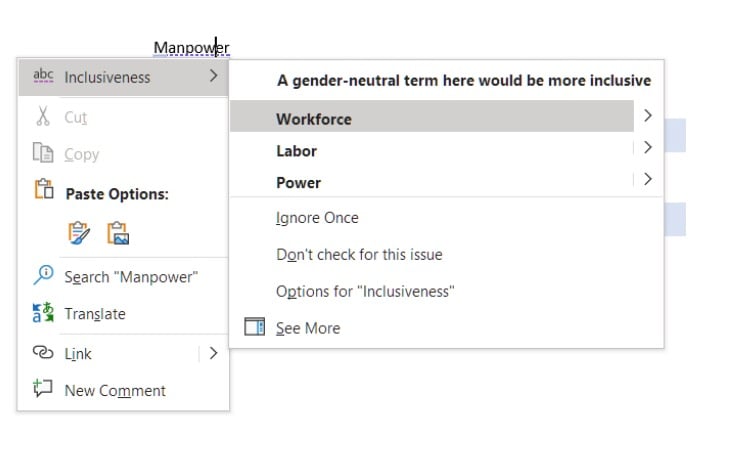
Gone are the days when Word offered spelling and grammar checks. Now, for people who like their writing software to nudge and prod them during the writing process by suggesting “more suitable” replacements, Word has something called “Inclusivity Checker.”
The repository of terms contained in the tool, that are recommended to be replaced, is only growing.
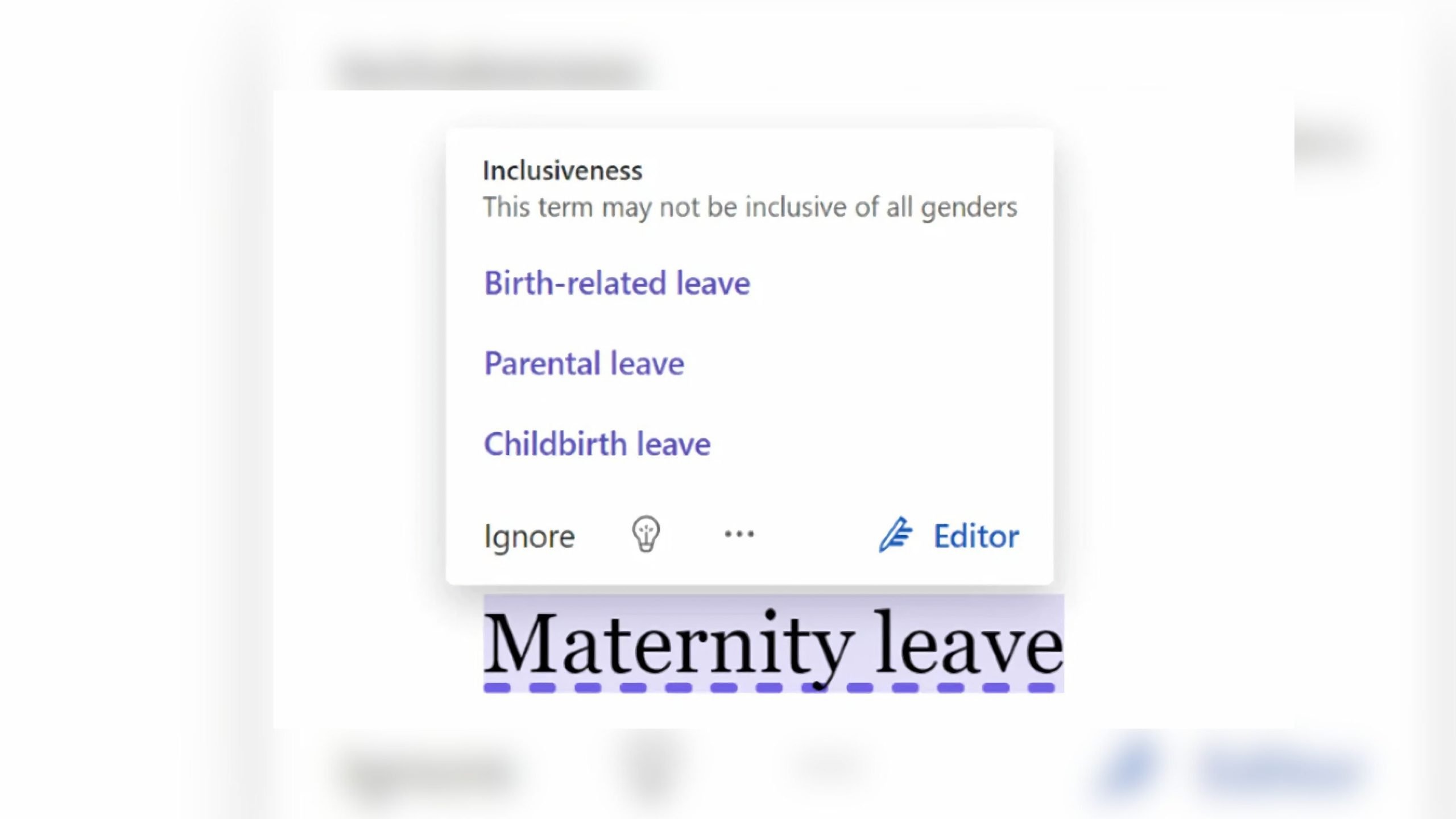
A modern update takes a dim view of the expression “maternity leave” on “gender-inclusivity” grounds, and suggests that it be replaced with “birth-related leave,” “parental leave,” or “childbirth leave.”
Fathers who go on paternity leave should instead be described as taking “child-bonding leave,” Microsoft thinks. All this is explained as a way to make sure that the writer is inclusive of “all genders.”
Is all this really necessary? Microsoft thinks it is. According to the Free Speech Union, one of the terms writers who, for some reason, use Word are advised to replace is Postman Pat: it should be “Postal Worker Pat,” according to those behind this effort.
In that case, the intent is to avoid the possibility of gender bias. The same goes for “biologically female” – a phrase best avoided, according to Microsoft.
The feature is at this time not hard-coded into Word: the software is “inclusive” of both opt-ins (this seems to be the default) and opt-outs. “Problematic” words are underlined in blue and then recommended alternatives pop up.
Right now, there is no auto-correct function, either. But, if critics compare this sort of thing as moving ever closer to Orwell’s dark dystopian world ruled by extreme censorship and government control – one never knows what’s around the corner.
And if you don’t like it, and thought you might switch to, oh, Google Docs? Bad news: this giant also has a similar feature, introduced in 2022.
Google frowns at terms such as “housewife” and “landlord” and would rather you write, “stay-at-home spouse” and, “property owner.”
The Israeli military has been accused of forcibly entering a United Nations peacekeeping base in Lebanon and allegedly using white phosphorus in an attack that injured 15 peacekeepers.This claim is based on a confidential report from a country contributing troops to the United Nations Interim Force in Lebanon (UNIFIL). The report outlines several attacks on UN troops, with incidents of damage to UN facilities and injuries to personnel at border posts in southern Lebanon. (Related: Israel sends tank to attack UN peacekeepers watchtower in southern Lebanon.)
The reported incident occurred on Oct. 13, when two Israeli Merkava main battle tanks allegedly broke through the gates of a UNIFIL base. The tanks remained for 45 minutes before withdrawing following protests from UNIFIL officials. The precise location of the base was not specified, but it is believed that the incident took place at a UNIFIL post in Ramyah, a village that is less than a mile from the Israeli border.
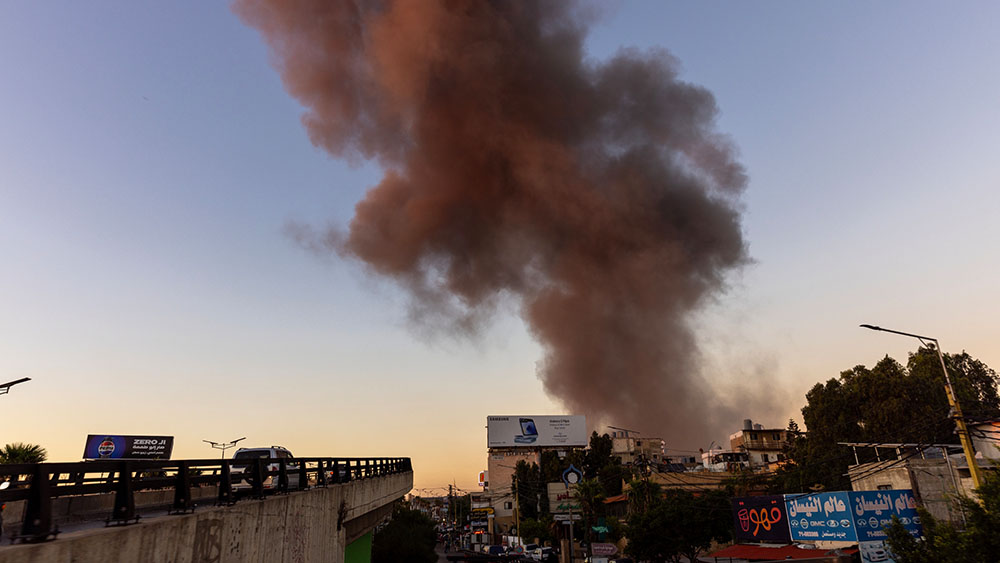
Shortly after the tanks left, several rounds were fired about 100 meters north of the UN base, emitting smoke suspected to contain white phosphorus. This chemical caused skin irritation and gastrointestinal issues in the peacekeepers. A total of 15 were treated for injuries caused by the suspected white phosphorus.
Israel denies using white phosphorus to target UN peacekeepers
The Israeli military responded by claiming that one of its tanks had only reversed “several meters” into the UNIFIL gate, stating it was part of an attempt to evacuate injured soldiers. The military also acknowledged using smoke screens during the maneuver but denied using white phosphorus to target UN personnel. Israel’s defense forces emphasized that their actions were intended to protect their soldiers amid the ongoing conflict.
White phosphorus is a chemical that burns when exposed to air, creating thick smoke and intense heat. It is often used in military operations to create smoke screens or mark targets. However, its use in densely populated civilian areas is banned under international law due to the indiscriminate harm it causes. While the substance is not prohibited in all contexts, international laws governing armed conflicts strictly regulate its use.
Spanish Prime Minister Pedro Sanchez went further, urging nations to halt weapons sales to Israel in light of the attacks.
French President Emmanuel Macron also condemned the deliberate targeting of UN personnel and summoned Israel’s ambassador to Paris for explanations.
China joined the chorus of international disapproval, with its foreign ministry expressing “grave concern and strong condemnation” over the attacks.
U.S. Secretary of Defense Lloyd Austin voiced his concerns to his Israeli counterpart, urging the protection of UN personnel stationed near the border. While the U.S. has generally backed Israel’s right to defend itself, the White House has called for the protection of peacekeepers as part of a broader appeal for restraint in the conflict.
Israel’s attacks against Lebanon has displaced more than 1.2 million people so far.
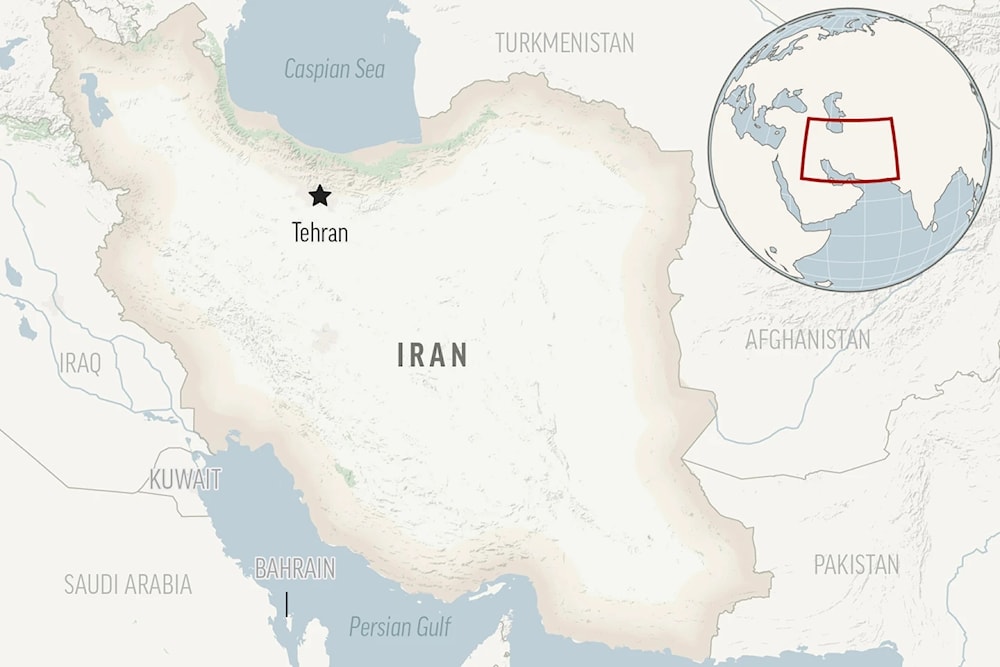
Israeli media outlets have cast doubt on the effectiveness of the recent Israeli attack on Iran, describing it as a largely symbolic move that failed to achieve any significant strategic goals. Reports from Kan and other sources highlighted a growing sense of dissatisfaction within “Israel” regarding the operation’s limited impact.
Arab Affairs correspondent Roy Kays suggested that if he were in [Sayyed Ali] Khamenei’s position, he would get back to sleep and assess the situation regarding the attack on Iran the following morning.
The recent attack on Iran was largely a showoff that failed to achieve any strategic objectives, as per Israeli media.
Furthermore, media reports suggested that the limited response to Iran was politically motivated, designed to reassure Prime Minister Netanyahu’s supporters that action had been taken.
Israeli media figure Rami Yitzhar, once a senior officer in the Israeli military police, believed that the attack on Iran, which he described as “minuscule and weak,” was a political trick by Netanyahu to show his supporters that he had done something against Tehran.
Commenting on the “explosive” statement of the Israeli army spokesperson, Daniel Hagari, about the attack, Yitzhar said it was “to some extent full of elements of false self-glorification, but his (Hagari’s) body language proves that he understands that it was just a show” and that “the sole purpose of this action was political: to show Netanyahu’s voters that we did something, and that is all.”
Meanwhile, Israeli media reported that former Mossad Intelligence Division chief Brigadier General (Res.) Amnon Sofrin warned that Iran possesses the capability to launch a highly potent operation against “Israel”.
Lapid, Liberman criticize Israeli response to Iran
Israeli Kan 11‘s political affairs commentator, Gili Cohen, reported on the initial political reactions to the attack on Iran, highlighting a harsh criticism from opposition leader Yair Lapid.
Lapid bashed the Israeli response, stressing it lacked sufficient force and significance. He labeled the decision not to strike strategic and economic targets as “misguided”, insisting that Iran should have faced much harsher consequences.
“The decision not to attack strategic and economic targets in Iran was a mistake. We could and should have imposed a much heavier price on Iran,” Lapid said in a post on X.
Yisrael Beytenu chairman Avigdor Liberman said “Israel”, with today’s attack, failed to “exact a real price” from the Islamic Republic.
“We cannot ignore the hard reality and the fact that the Iranians won’t stop here. They’ll continue their efforts to obtain nuclear weapons and they’ll continue to transfer the funds from the sale of oil and gas to Hezbollah, the Houthis, the Shiite militias, and various proxies,” the hawkish veteran politician says in a post on X.
In this introductory lecture, Columbia linguistics professor Dr John McWhorter asserts the world has roughly 7,000 languages, which according to best evidence, developed from a single language in East Africa where the human species first arose. He believes that language probably developed at the same time as tools and art. Although Homo sapiens first appeared on the planet 300,000 years ago, we only have evidence of art dating back 100,000 years. It’s still possible art and language developed earlier and we have yet to find the evidence.
McWhorter attributes the large number of modern languages to the inherent changeability of human speech. Each new generation makes language sounds somewhat differently.
For example
the “s’ sound can become “sh”, “zh” or “z”
“ah” can become “aw” or even “oo” or the French “ieu” sound
“k” can become a guttural “ch” as in German or “gh”
In addition words can get combined and shortened.
He gives the example of
“slowly” (shortened from the expression “slow-like” )
“only” (shortened from “one-like”)
and words derived from the Proto-IndoEuropean root word “mrecht meaning short
bra – from the word “brachial” meaning the short upper part of the arm (the “m” sound has changed to “b”)
merry – originally meaning short
pretzel – meaning crossed short arms (the “m” sound has changed first to “b” and then to “p”)
He completes the lecture by identifying the various language families found on each continent:
Europe (and parts of Asia) – Indo-European
Africa – has four completely different language families, excluding the click languages, which consist of three completely different families
Asia – has four completely different language families Altaic (Turkic), Chinese, Vietnamese and Thai
Austronesian is one language family with 1000 different languages – the main ones are Hawaiian, Maori, Tagalog (spoken in the Philippines), Indonesian and Malagasy (spoken in Madagascar off the coast of Africa). The immense similarities between modern Austronesian languages suggest the populations speaking them only separated very recently.
New Guinea – 25 different language families
North America (pre-Columbian) – 10 different language families
Mexico/Central America – seven completely different families
South America – 15 different families
Georgian languages (from the Caucasus mountains) – three different language families
Basque – last living language from an extinct language family.
Film can be viewed free with a library card on Kanopy.
Dr. Heidi Klessig, M.D., appeared on Children’s Health Defense (CHD) TV the other day to warn people that registering to be an organ donor puts them in danger of having their organs harvested from their bodies while they are still alive.
When registering to become an organ donor at the DMV, well-meaning people are told that they are “giving the gift of life,” but Dr. Klessig says this is a complete misnomer based on what she knows about how the process really works.
“When you go to sign up to be an organ donor, you go to the Department of Motor Vehicles and you see the brightly-colored signs saying ‘give the gift of life,’ you’re not offered a consent form,” she explains in the video below.
“You’re never told that when you become a brain-dead organ donor, you are not biologically dead. These people have a beating heart. Their lungs are working. Their digestive system works. Their kidneys work.”
As an organ donor in a hospital setting, your organs are only taken if you actually die … right?
Because of how the word sounds, braindead can make it seem like a person is pretty much already dead and ready for their organs to be harvested and given to someone else in need. The truth, though, is that being braindead does not mean that a person is actually dead.
“People who have been declared braindead have delivered healthy babies,” Dr. Klessig says. “These people are in no way dead.”
In recent weeks, there have been two such cases of organ donors who were declared braindead before their organs were extracted for transplant. Both individuals may have been able to recover were it not for being taken advantage of, it appears, by the organ transplant industry.
A 19-year-old athlete named Terrance Howard was declared braindead following a serious motor vehicle accident that left him with a terrible brain injury. Howard’s parents have what Dr. Klessig describes as “shocking and horrible” video footage that they shared to social media begging medical professionals to help their son get better, but to no avail.
The other case involves 23-year-old Jamaican business student Amber Ebanks who, following her braindead diagnosis, was neglected and left to die of starvation. Ebanks suffered some kind of injury that prompted her to drive herself to Montefiore Hospital in the Bronx, only to 10 days later end up actually dead with her organs harvested by the hospital.
“She had a beating heart. She had lungs that were working. She looked like every other patient in the hospital that was getting better. And her family fought for her. They wanted care for her, but they were pressured almost every other day – doctors wanted to remove her life support.”
“The organ procurement team actually showed up the very first day after her procedure, even before she was declared braindead – you know, being interested in seeing her become an organ donor, which her family refused.”
“Once on, it’s not easy to get off,” someone on X wrote about becoming an organ donor. “You can’t just request it like you can to add. You can’t even do it online. You fill out a form and mail it. You never hear from anyone that it was completed. Then you go to renew and tell them you’re no longer a donor and they tell you computer says you are.”
Note: yesterday, we put together a viral Twitter thread to bring attention to this case. Today, two pro-freedom Republican lawmakers are using an unprecedented subpoena to overturn the conviction. Please consider reaching out to both of them directly about this (here and here) or indirectly on Twitter here to support their efforts and create legislative pressure to overturn this execution.
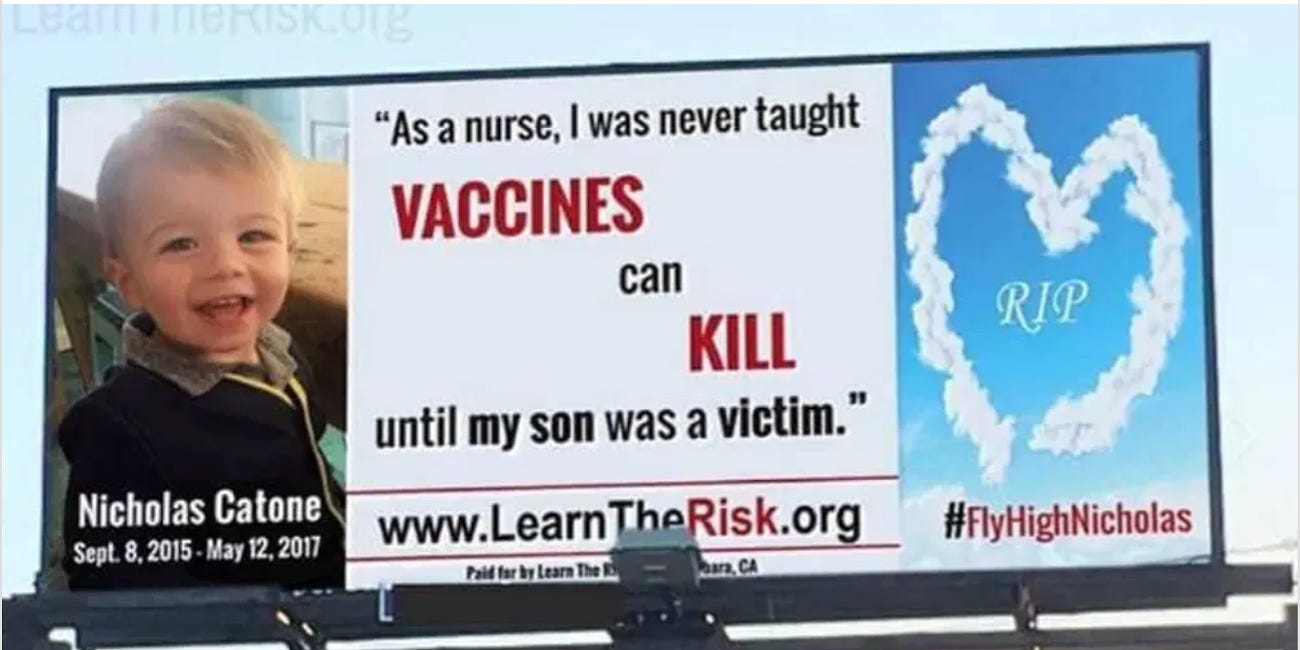
In this publication, I have made the case that there is over a century of evidence that sudden infant death syndrome (all of which is comprehensively detailed here) is linked to excessive vaccination of infants.
The Century of Evidence That Vaccines Cause Sudden Infant Deaths
In that article, I provided extensive references for the following points:
•SIDS “mysteriously” clusters at 2 to 4 months of age—which is also when children happen to receive the vaccines most strongly associated with causing SIDS (e.g., the TDwP pertussis vaccine). Many doctors and patients noticed this, but it has been relentlessly dismissed by the medical industrial complex.
•As far back as 1933, case reports were produced of children experiencing brain damage and then infant death shortly after the TDwP shot. (e.g., a 1978 report that studied 15 million TDwP injections linked numerous cases of the vaccine to brain damage and death).
•In 1979, the CDC also completed its own analysis 1980 of 23 deaths within 28 days of DTwP vaccination, 12 (52.2 %) occurred within 24 hours, and 18 (78.3 %) occurred within one week. In 16 of the 23 deaths, autopsy findings were consistent with SIDS. Of the 16 SIDS deaths, 6 (37.5 %) occurred within 24 hours, and 12 (75 %) occurred within one week.
•A 1982 study that was inspired by observing 4 cases of SIDS within 19 hours of the TDwP vaccine that then studied 200 randomly selected SIDS cases. They found most of infants had been vaccinated prior to death (6.5% within 12 hours of vaccination, 26% within 3 days, 37% within a week, 61% within two weeks, and 70% within 3 weeks), with death typically following brief periods of irritability, crying, lethargy, upper respiratory tract symptoms, and sleep disturbance. Additionally, their autopsy findings were relatively consistent (e.g. petechiae of lung, pleura, pericardium, and thymus; vascular congestion; pulmonary edema; pneumonitis; and brain edema).
•In 2014, mass graves were unearthed for Irish orphans who coincidentally had been test subjects for the early diphtheria vaccine in the 1930s.
•In 1957, an Australian MD (Archie Kalokerinos) worked with the Aboriginal community (who were poorly treated in Australia and had abysmal living conditions resulting in a 10% infant mortality rate—compared to 2% in the neighboring regions). He realized this death was largely due to widespread vitamin C deficiencies (as their native diets had been destroyed by colonialism). In many cases, he was able to rescue infants on the verge of death in minutes by giving them vitamin C. Likewise, he showed that vitamin C deficiency also explained the children’s widespread epidemic of pneumonia, severe ear infections, severe infant irritability, and a frequent inability to feed. He eventually ignited national controversy by successfully defending an Aboriginal woman accused of killing her child by proving the bruising on the child’s body was due to scurvy (vitamin C deficiency) rather than child abuse, and when he at last convinced the authorities to start giving vitamin C to Aboriginal children, all of these conditions dropped dramatically. Most importantly, he found that much in the same way an illness (e.g., pneumonia or sepsis) rapidly depleted vitamin C levels (which is essentially why IV vitamin C is so helpful for treating sepsis), vaccination would severely exacerbate an existing vitamin C deficiency. This was best shown by a vaccination campaign killing 50% of the children in one Aboriginal community (you read that correctly 50%), and that giving vitamin C to animals before vaccinating them prevented them from dying.
[…]
• Japan’s decision to delay the scheduled DTwP vaccination by 20 months resulted in an 85-90% reduction in the instances of SIDS.
•Prior to the mass vaccination programs in America, SIDS was very rare (to the point few were even aware crib death occurred), but rapidly spiked (to the point a new diagnosis category had to be made) after national mass vaccination and before long became the leading cause of death in the first 12 months of life. For instance, between 1953 to 1992 in Olmstead County, Minnesota, the rate of SIDS went from 0.55% to 12.8% of live births (going from 2.5% to 17.9% of total infant deaths), with 85% occurring within the first 6 months of infancy. In contrast, during that same time, almost every other childhood disease was continually decreasing.
•A 2011 study showed there is a direct correlation between how many vaccines a country gives their children and their infant mortality rate.
•While the rates of SIDS steadily increased, once the TDwP vaccine was replaced with the safer TDaP vaccine between 1991-1996, it began to decrease. This reduction is commonly attributed to the Back to Sleep campaign, but this ignores the fact that the decline began before the campaign. That many infants (e.g., the twins) have been found dead lying on their backs, and that prior to the TDwP vaccine, sleeping on the back wasn’t an issue.
•When cases of SIDS are analyzed in VAERS, they cluster next to vaccination (e.g., 75% occur within 1 week of vaccination and comprise almost all infant deaths associated with vaccination).
•The National Vaccine Injury Act was passed in response to growing public outrage over DTwP deaths due to NBC airing a national story on the dangers of this vaccine (something which would never air in the more corrupt media of today):
•That documentary and the 1986 Vaccine Injury Act resulted in a safer DTwP vaccine (DTaP) being made (which still causes SIDS but not as frequently). Unfortunately, the DTwP vaccine is still used in Africa. When extensively studied, it was found to make children 5 times as likely to die (3.93 for boys and 9.98 for girls). Note: while some died shortly after vaccination, the primary cause of their deaths was chronic immune suppression which made them more vulnerable to the numerous deadly infections existing in that region.
•When COVID happened, many in the vaccine safety community predicted the lockdowns would lead to a massive drop in SIDS cases (since children were skipping their non-essential vaccine appointments). As I show here, this indeed was what happened (and likewise happened shortly after in Florida once large numbers of parents opted out of routine vaccination). To this day, no explanation has ever been provided for this mysterious decline in SIDS.
The Forgotten Side of Medicine is a reader-supported publication. To receive new posts and support my work, consider becoming a free or paid subscriber. To see how others have benefitted from this newsletter, click here!
[…]
Shaken Baby Syndrome
In 1971, the diagnosis of shaken baby syndrome was created, which essentially argued that abusive parents/caretakers who violently shook their babies would cause diffuse bleeding and swelling in their brains. This diagnosis has been incredibly controversial because the evidence linking it is weak and inconsistent (e.g., the symptoms are non-specific), and in recent years, the medical consensus has gradually turned against the diagnosis (e.g., see this 2016 article and this 2017 review showing there is a severe lack of evidence substantiating this condition), resulting in more and more courts dropping convictions for shaken baby syndrome.
[…]
Note: the unrelating encephalitis cry (which many parents of vaccine injured children notice begins after vaccination) was one of the first things that made me aware of the fact vaccines weren’t safe, as if you feel into it, you can tell rather than being unhappy, something is wrong with the infant. Remarkably, in the book Peter Hotez (one of the world’s leading proponents of vaccination) wrote to debunk the link between vaccination and autism, he stated that prior to his daughter becoming autistic, she had a piercing cry that could be heard throughout the neighborhood—which again illustrates how blind the medical things are to obvious things right in front of them (e.g., the association between shaken baby syndrome and infants crying is widely assumed to be due to the crying provoking the parents into shaking them to death in an attempt to quiet them).
In turn, over the years, many physicians (besides just Archie Kalokerinos) have argued that shaken baby syndrome was a misdiagnosis for SIDS. For example:
A review where 9 children with the classic signs of shaken baby syndrome (subdural hemorrhages and retinal petechiae) had no suspicion by their doctors of having been abused that in the past.
The symptoms attributed to shaken baby syndrome were previously diagnosed as Barlow’s disease and attributed to a lack of vitamin C.
In the past, these signs of a clinical vitamin C deficiency in the mother were cited as a reason to terminate pregnancies (as the children would be at a risk of complications throughout life).
Low vitamin C raised histamine levels (which causes vessel bleeding).
When 437 outwardly normal adults in New York were tested, 3% were found to have dangerously low vitamin C levels and very high histamine levels.
The children in the original paper used to create the diagnosis of “shaken baby syndrome” all had the characteristics of infantile scurvy (vitamin C deficiency).
That the histamine release trigged by the inflammation induced by vaccination could create the blood vessel leakage observed in those cases.
That children in Japan (where vaccination is delayed) mysteriously are “shaken” at 4-7 months of age rather than at 2-4 months of age in the United States.
That many bleeds that “result from shaking” were observed in children who could not have possibly been shaken (e.g., because they were still in the uterus or had just been born).
•This 2006 paper reviewed two cases of children with all the classic signs of shaken baby syndrome who had never been shaken, were vitamin C deficient, and had their symptoms emerge following vaccination (which in turn was followed by respiratory arrest).
•A physician who reviewed numerous cases of shaken baby syndrome found that in over half the cases, it was preceded by vaccination, signs of a vaccination injury and intense crying. He also noted that contrary to what the shaken baby syndrome experts claimed, there were a variety of medical conditions (besides shaking a baby) which could cause the classic signs of shaken baby syndrome.
Robert Roberson
A few hours ago, I found out about Robert Roberson’s case, which is presently being covered in the national media (including many liberal outlets) because it is viewed as an extremely unjust execution by the State of Texas (which is well-known for not granting clemency or stays of execution to convicted murders). His final appeal before his execution tomorrow night was denied.
If you view a brief video made about the situation, it should be clear why many (including the detective who originally convicted him) are extremely upset about this execution:
An Ontario man in his late 40s with a history of mental illness died by euthanasia after his assisted death assessors decided that the most reasonable explanation for his physical decline was a post COVID-19 “vaccination syndrome.”
The term is controversial — Canada’s current vaccine reporting system for adverse events doesn’t include “post-vaccine syndrome” — and multiple specialists consulted before his death couldn’t agree on a diagnosis, raising questions as to whether the man’s condition met the criteria for an “irremediable,”meaning a hopeless, incurable condition.
The anonymized case is one of several highlighted in a series of reports issued by a 16-member MAID death review committee struck by Ontario’s chief coroner’s office in January.
Identified as “Mr. A,” the man experienced “suffering and functional decline” following three vaccinations for SARS-CoV-2. He also suffered from depression, post-traumatic stress disorder, anxiety and personality disorders, and, “while navigating his physical symptoms,” was twice admitted to hospital, once involuntarily, with thoughts of suicide.
“Amongst his multiple specialists, no unifying diagnosis was confirmed,” according to the report. However, the Medical Assistance in Dying (MAID) Death Review Committee, MAID assessors “opined that the most reasonable diagnosis for Mr. A’s clinical presentation (severe functional decline) was a post-vaccine syndrome, in keeping with chronic fatigue syndrome.”
There were no “pathological findings” at a post-mortem that could identify any underlying physiological diagnosis, though people’s experiences can’t be discounted just because medicine can’t find what’s wrong with them.
Click here to read the full article on National Post.
My Take…
I predicted this dozens of times in various interviews and in my substack articles.
MAID will become the main vehicle to kill off the COVID-19 vaccine-injured. Logically, it has always made perfect sense. I just didn’t expect Canada to get there this quickly.
If you die from a COVID-19 vaccine injury, for everyone involved in the mRNA vaccine fraud, that is the best possible outcome. Since there are no autopsies and no staining for spike protein, it’s literally the perfect crime. And it’s legal.
The COVID-19 vaccine-injured, however, are an extreme inconvenience. They are living proof of the crime of vaccine fraud, contaminated vaccines, etc. They represent the worst possible outcome of vaccination.
Everyone involved in the COVID-19 vaccine fraud wants the vaccine-injured dead:
the doctors who gave the shots (you can tell by how they treat the vaccine injured).
the scientists who pushed the mRNA fraud (they despise the vaccine injured and viciously attack them online)
the media and propagandists for big pharma (they ignore the vaccine injured as much as possible and minimize the damage done to them – gaslighting)
the compromised health officials (they reject all vaccine injury reports)
the politicians (they pretend vaccine injuries don’t exist and aren’t an issue to be addressed)
Since the vaccine cult is a death cult, it was always going to go this way for the vaccine-injured.
That’s why the vaccine-injured receive no support, no funding, no research, no treatment and no compensation.
It’s not nice to say, but the goal of the vaccine cartel was always to kill them off.
The next step will be scaling up the MAID killings, as hundreds of thousands of Canadians are severely COVID-19 vaccine-injured.
Since Trudeau announced his intention to stay on, I’m certain this next step will come soon enough.
The global financial landscape is on the brink of a significant transformation as 159 out of 193 countries have signed up to use the new BRICS settlement system, a direct competitor to the SWIFT payment network. This development not only signifies a shift in the balance of economic power but also poses a challenge to the long-standing dominance of the U.S. dollar in international trade and finance.
The Limitations of SWIFT and the Need for an Alternative
SWIFT has been a cornerstone of global finance, enabling secure and standardized financial transactions across borders. However, its role as a tool for economic sanctions has made it vulnerable, particularly for nations like Russia, Iran, and several African countries, which have faced severe sanctions imposed by the U.S. and some European nations. These sanctions have effectively frozen billions in assets, locking these countries out of the global financial system and crippling their ability to transact with other nations.In response to these financial restrictions, the BRICS nations—Brazil, Russia, India, China, South Africa, and its new members—have developed a new system designed to bypass the need for SWIFT entirely. This alternative payment system not only provides a means for countries to conduct international transactions without fear of sanctions but also marks a significant step toward the de-dollarization of the global economy.
Enabling Transactions in Local Currencies
The BRICS settlement system allows countries to settle trades and payments in their own currencies, reducing reliance on the U.S. dollar, which has long been the dominant global currency. This move addresses growing concerns among nations about the risks associated with holding and trading in dollars, especially under the threat of sanctions that could result in asset confiscation.The potential erosion of the dollar’s status as the world’s reserve currency could lead to a reconfiguration of the global financial order, challenging the hegemony that the U.S. has long enjoyed. For the U.S., the rise of this alternative settlement system poses a direct challenge to its economic influence, as the dominance of the dollar has facilitated its ability to impose sanctions and control global financial flows.
Implications for International Trade and Finance
The BRICS settlement system could significantly alter the current economic landscape by reducing dependency on the U.S. dollar and shifting economic power. International businesses may need to adapt to new trading practices if the BRICS currency gains traction, potentially streamlining imports and exports within BRICS nations.Adopting a new currency affects trade relations, as businesses might favor dealing with BRICS countries due to reduced currency exchange risks. However, non-BRICS countries may face trade imbalances and need strategies to mitigate these challenges.
A Multi-Currency Reserve System
The emergence of a multi-currency reserve system could diversify global financial stability, lessening the singular reliance on the U.S. dollar and providing more options for countries in economic crisis situations. A multi-currency system could create balanced economic relations, as countries trading in different currencies may experience fewer fluctuations, contributing to stable global trade.If successful, the BRICS currency may encourage other regional groups to consider similar initiatives. This diversification in reserve currencies has the potential to create a more equitable financial system, limiting the power of any single nation’s economy.
Challenges and Opportunities for the BRICS Bloc
The BRICS bloc, which now includes Brazil, Russia, India, China, South Africa, Saudi Arabia, Egypt, the UAE, Iran, and Ethiopia, boasts a combined population of approximately 3.5 billion people. The economies of the BRICS nations are worth over $28.5 trillion, accounting for roughly 28% of the global economy.While the adoption of the BRICS settlement system presents opportunities for increased financial sovereignty and reduced impact from U.S. sanctions, it also introduces challenges. The transition to a new currency system may create global volatility as markets adjust, and the success of the BRICS system will depend on its widespread adoption and the stability of the new currency.
As the world watches the rollout of the new BRICS settlement system, the implications for global finance, trade, and the geopolitical landscape are enormous. This development marks a potential turning point in the history of international economics, as the global balance of power shifts away from traditional centers of influence toward a more diverse and distributed network of economic partnerships. The coming months will be critical in determining how this new system is adopted and how it impacts the longstanding dominance of the U.S. dollar in global finance.The BRICS settlement system is not merely a technical development; it is a statement of intent by many nations to challenge the existing economic order and assert their independence from Western-dominated financial institutions. As this system prepares to go live in October, it signals a significant shift in global economic power dynamics, paving the way for a more multipolar world.