When Alexandra the Great conquered the Persian Empire, he found three million pounds of gold in the Susa treasury.
Agriculture, trade and manufacturing flourished under the Persians, which had a vast and complex economy operating in three sectors: government, temple and private. All were largely based on agriculture and slavery, although trade also important.
Coinage (first developed by Lydia to pay mercenaries) was adopted by Persia following the conquest of Lydia in 600 BC.
In 515 Darius introduced gold darics, the first coins to display a royal figure, to stabilize the payment of satrap tributes. One daric, equivalent to a month’s pay, equaled 20 shekels. Babylonia and the central empire also used silver bars as a unit of exchange.
Exacting account keepers, the Persians left behind thousands of Akkadian business tablets dated for the month, day and year. These were mainly archives (not daily records) and recorded, loans, real estate transactions and agricultural sales. Cyrus ordered an exact accounting of all the plunder Nebuchadnezzar took from the Jews so the Persians could return it to Jerusalem.
The Egibi family, who specialized in urban real estate and the rural food trade, left behind 1700 tablets dating from 600-482 BC. Their tablets reveal how their family members served as government officials, got tax breaks and were allowed special access to harbors and boats.
The later Morashu family (454-414 BC) married into the royal family and participated in the transition of from Akkadian to Aramaic as the main language of trade. Starting as overseers of plantations and temples, they transitioned into money lending and became fabulously rich. Their wealth increased substantially as irrigation and farm labor costs escalated and land-owning soldiers, forced to borrow, couldn’t repay their loans when they were called for active duty.
In general Persian accounting tablets provide important insight into the vast wealth disparities that ultimately led to the empire’s collapse.
A recent Osteoporosis International review summarized multiple studies showing that microplastics have been detected in human bone tissue, where they disrupt bone cell activity, trigger inflammation, and weaken structural integrity
Laboratory and animal studies show microplastics accelerate osteoclast activity and alter bone microarchitecture, linking environmental plastic exposure to rising rates of bone fragility and dysplasia
Microplastics are not limited to bone; previous research has also detected them in the bloodstream, brain, placenta, heart, lungs, liver, kidneys, and reproductive tissues
Ultrafine combustion particles (UFPs), which are smaller than microplastics, pose an even greater threat due to the vastly higher levels of exposure you face each day
Lower your daily microplastic exposure by switching to natural fabrics, filtering your air and water, avoiding plastic containers, and replacing plastic kitchen tools with safer materials
Every year, more than 400 million tons of plastic are produced,1 and much of it breaks down into particles smaller than 5 millimeters, known as microplastics. They enter your body through the air you breathe, the water you drink, the food you eat, and the countless materials that you use daily. Once they cross into the bloodstream, they reach tissues that were never meant to store synthetic debris and silently accumulate inside you.
A narrative review published in the Osteoporosis International2 recently examined what happens when these microscopic plastic particles come into contact with the body’s strongest and most enduring structure — the bones. Their findings carry significant implications as bone-related diseases continue to rise worldwide, with the global incidence of osteoporosis-related fractures expected to rise by 32% by 2050.3
How Microplastics Are Damaging Your Bones from the Inside Out
In the featured review, researchers from the State University of Campinas in Brazil analyzed 62 scientific papers to assess what is currently known about microplastics and skeletal health, including their links to bone diseases like osteoporosis. The review found that microplastics have been detected in human bone tissue and that experimental evidence points to multiple harmful effects on bone-forming and bone-resorbing cells.4
• Microplastics disrupt bone cell function — In laboratory studies, exposure to microplastics reduced cell viability, accelerated cell aging, and interfered with how stem cells in the bone marrow differentiate into specialized cells. These changes included promoting the formation of osteoclasts, the multinucleated cells that break down bone tissue through a process called bone resorption.
• Inflammation and oxidative stress drive damage — Microplastic exposure triggered inflammatory signaling and increased production of reactive oxygen species (ROS), which damage proteins, lipids, and DNA. This oxidative and inflammatory stress disturbed the normal equilibrium between bone formation and bone loss, undermining bone density and structural integrity.
• Animal studies confirm skeletal disruption — In animal experiments, microplastics were detected within bone tissue and bone marrow following exposure. The animals developed altered bone microstructures, including reduced growth and impaired trabecular formation, the lattice-like framework that provides strength and flexibility.
Some studies also reported disrupted gut microbiota and lowered white blood cell counts, suggesting a link between microplastic exposure, immune imbalance, and bone marrow dysfunction.
• Accelerated osteoclast aging leads to deformities — One of the researchers, Rodrigo Bueno de Oliveira, explained that in these studies, excessive osteoclast activity and premature aging of these cells led to bone deformities, dysplasia, and in some cases, halted skeletal growth.
Although the precise mechanical effects remain unclear, the evidence suggests that microplastics circulating in blood and bone marrow interfere with bone metabolism and regeneration.
• Researchers are now investigating microplastics’ role in the growing burden of bone disease — Using animal models, the team has set out to examine how microplastic exposure affects bone strength and integrity, focusing on the femur as a key site for assessing mechanical resilience.
[…]
Where Else Have Microplastics Been Found in the Human Body?
The skeletal system is only one of many sites now known to harbor plastic particles, as studies over the past few years have mapped their presence throughout the body, including:
• Bloodstream — A 2022 study published in Environment International provided the first quantitative evidence that plastic particles circulate in the human bloodstream.7 Further analysis confirmed the presence of polyethylene and polypropylene — plastics commonly used in packaging and textiles — in human blood.8
These findings show that everyday environmental exposure is enough for plastic fragments to cross tissue barriers and reach systemic circulation. And once microplastics enter your body, they circulate freely and reach every organ and tissue.
• Brain — Microplastics have been identified in human brain tissue, confirming that these particles are capable of breaching the blood-brain barrier, which normally restricts the entry of foreign substances.9 A 2024 analysis of postmortem samples reported that the brain contained a higher concentration of polyethylene than other organs.10
The particles were nanosized, shard-like fragments embedded in neural tissue, blood vessel walls, and immune cells. The highest levels were observed in individuals diagnosed with dementia, suggesting a possible association between plastic accumulation and neurodegenerative disease.11
• Placenta and breast milk — Microplastics have been detected in human placental tissue, marking one of the first confirmations of prenatal exposure. Fragments were found on both the maternal and fetal sides of the placenta, as well as in the amniotic membranes, showing that these particles can pass from a mother’s bloodstream into the fetal environment.12
They’ve also been identified in breast milk, indicating continued exposure after birth. The polymers detected are the same types commonly used in food packaging and household products, linking maternal diet and environmental contact to contamination of early life nourishment.13
These exposures occur during important stages of development, when organ systems, immune defenses, and metabolic control are still forming. At this stage, even small disruptions can affect growth, development, and long-term health.14
• Heart and arteries — In 2023, researchers in China examined samples collected during open-heart surgery and confirmed the presence of multiple types of microplastics within cardiac tissue and the pericardium (the membrane surrounding the heart). The most frequently detected polymers were polypropylene (PP), polyethylene terephthalate (PET), and polyvinyl chloride (PVC).15
Another study published in the New England Journal of Medicine found microplastics and nanoplastics embedded in atheromas, the fatty plaques that develop inside arteries and contribute to cardiovascular disease. Their presence was linked to greater inflammation in arterial walls and a higher risk of major cardiovascular events, including stroke, heart attack, and death.16
• Lungs, kidneys, and liver — Inhaled microplastics have been found in human lung tissue, embedded in the alveoli where gas exchange takes place. The thin membranes and constant airflow make the lungs especially vulnerable to particle buildup. Once lodged, these fragments can trigger inflammation and oxidative stress, damaging airway lining cells and impairing function over time.17
Microplastics also infiltrate the kidneys and liver as they’re filtered by the body’s detoxification and waste-removal systems. In the kidneys, they may interfere with filtration processes and burden renal tissue with oxidative stress. In the liver, where toxins are metabolized, their presence could disrupt enzyme activity, lipid metabolism, and bile secretion.18
• Testicles and sperm — Microplastics have been found in human testicular tissue and sperm, confirming their ability to cross the blood-testis barrier, a highly selective barrier meant to protect developing sperm from harmful substances.
Once inside, they may disrupt the function of Sertoli and Leydig cells, which are essential for sperm maturation and testosterone synthesis. Research suggests that continued exposure could lower sperm count, alter sperm shape and mobility, and interfere with hormonal balance, raising concerns about long-term effects on male fertility.19
Ultrafine Combustion Particles (UFPs) Pose a Greater Threat
While microplastics have rightfully captured attention, UFPs represent an even larger and more immediate hazard. These particles measure under 100 nanometers in diameter and are generated through everyday combustion processes such as diesel exhaust, tire wear, industrial emissions, and indoor burning.20
• Because of their minute size, they dominate the air you breathe — UFPs account for over 90% of airborne particles even though they contribute little to total mass.21 Urban air typically contains 10,000 to 14,000 UFPs per cubic centimeter, with concentrations near highways spiking to 160,000 particles in the same volume of air. With every breath, you inhale thousands to hundreds of thousands of these particles.
• Exposure far exceeds that of microplastics — Total yearly exposure to microplastics and nanoplastics through air and food ranges from 39,000 to 121,000 particles.22,23 In contrast, UFP exposure occurs continuously and at levels millions to billions of times higher. Over a single year, this amounts to trillions of particle contacts with the lungs and bloodstream.
• Microplastics and nanoplastics share mechanisms but differ in scale — Nanoplastics overlap in size with UFPs and can cross biological barriers such as the placenta and blood-brain barrier. However, their exposure levels are far lower, and their accumulation is slower. UFPs cause far greater total body burden because they are inhaled constantly and in enormous numbers.
• UFPs penetrate deeper and persist longer — Because they are smaller than 100 nanometers, UFPs reach deep into the alveoli of the lungs, cross into circulation, and spread throughout the body. Once inside, they are not easily removed and linger longer than larger fine particles. Their vast surface area relative to mass allows them to carry and release toxic chemicals and metals that generate reactive oxygen species.
• Health evidence is strongest for UFPs — The oxidative stress triggered by UFPs sets off widespread inflammation, weakens blood vessel linings, and alters coagulation, increasing the risk of hypertension and cardiovascular disease.24 The relationship between UFP exposure and vascular damage is well documented in air pollution research, whereas evidence for micro- and nanoplastics is still emerging.
• Overlap amplifies toxicity — Nanoplastics that fall within the ultrafine range interact with combustion particles in air or inside the body. This overlap could intensify toxicity, since both serve as carriers for environmental chemicals and enhance oxidative stress responses.
• Regulation lags far behind risk — Despite their abundance and clear health effects, UFPs remain largely unregulated. Air quality standards typically address PM2.5 and PM10, which exclude ultrafine particles entirely. This gap leaves the most numerous and reactive pollutants unmonitored.
The sheer scale of UFP exposure shows how deeply pollution has entered human biology. Once these particles reach your tissues, removal becomes difficult, prompting scientists to look for ways to help the body clear what it can. Much of this research focuses on microplastics, but the goal is the same — to restore balance in systems overwhelmed by synthetic debris.
Emerging Strategies to Naturally Eliminate Microplastics
Researchers are now investigating ways to help the human body capture, filter, and remove microplastics before they circulate through other systems.
[…]
• Cross-linked psyllium could aid in the removal of microplastics — The gut is one of the body’s main routes for eliminating ingested particles. In 2024, researchers found that acrylamide cross-linked psyllium (PLP-AM) was able to extract more than 92% of common plastics, including polystyrene, PVC, and PET, from water.
[…]
• Chitosan, a natural fiber sourced from shellfish, may also help your body clear microplastics — In a recent animal study published in Scientific Reports, rats fed a chitosan-enriched diet excreted about 115% of the polyethylene microplastics they were given, compared to 84% in the control group.
[…]
• Certain probiotic strains help in clearing microplastics from the gut — In a 2025 animal study, two strains, Lacticaseibacillus paracasei DT66 and Lactiplantibacillus plantarum DT88, were shown to bind to and remove small polystyrene particles in laboratory experiments.27
[…]
• The liver also plays a vital role in removing microplastics from circulation — Specialized immune cells known as Kupffer cells capture these foreign particles and direct them into bile, allowing elimination through the intestines. However, while this process is effective for smaller particles, larger ones linger and accumulate, especially when liver function is impaired.
To enhance this natural detoxification pathway, researchers are investigating compounds such as ursodeoxycholic acid (UDCA) and its derivative tauroursodeoxycholic acid (TUDCA), which increase bile flow and improve the movement of trapped particles out of the liver.
• Researchers are also exploring ways to enhance autophagy to eliminate microplastics — Autophagy is your body’s built-in cellular recycling system. Two compounds, rapamycin and spermidine, have received particular attention for their ability to stimulate this pathway.
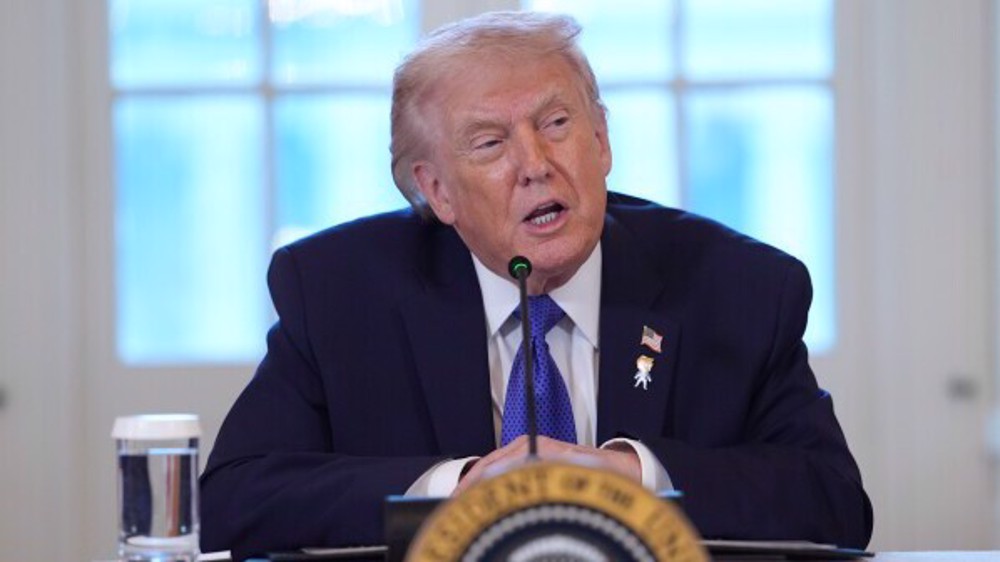
US President Donald Trump has told several of the world’s major oil companies that he guarantees “total safety” in Venezuela, urging them to invest $100 billion in the South American nation’s oil industry.
Trump has openly acknowledged that Venezuela’s oil was a key priority behind the US military strike on Caracas and the abduction of President Nicolás Maduro and his wife on January 3.
During a meeting with oil company executives at the White House on Friday, Trump said the United States stands to benefit from lower energy prices.
The president insisted that the investment would come from private oil companies rather than the federal government.
“The plan is for them to spend — meaning our giant oil companies will be spending at least $100 billion of their money, not the government’s money,” he said.
“We’re going to be making the decision as to which oil companies are going to go in,” Trump added.
Earlier in the week, he had suggested that US taxpayers might ultimately fund investments in Venezuela’s oil sector.
In brief comments, some oil executives expressed conditional interest in investing in Venezuela’s oil infrastructure if the US government provides sufficient assurances. However, ExxonMobil CEO Darren Woods said the company currently views Venezuela as “uninvestable.”
Woods added that no major financial commitments were expected in the near term.
Many analysts have questioned whether oil giants will move as quickly or as aggressively as Trump has suggested.
CNN reported last week that despite Trump’s repeated claims that US oil companies are eager to access Venezuela’s vast energy reserves, major American firms show little appetite for returning to the country.
Citing industry executives, the network said conditions on the ground make Trump’s ambition to control Venezuela’s oil both economically risky and politically fraught.
The reluctance, analysts say, underscores the gap between Washington’s coercive foreign policy approach and the hard constraints imposed by markets, legal frameworks, and investment risk.
Years of sanctions, financial isolation, and underinvestment, much of it driven by US-led pressure, have left Venezuela’s oil sector severely weakened.
International law experts have repeatedly stressed that no external actor has a legal claim to a country’s natural resources, noting that Venezuela’s oil belongs solely to its people.
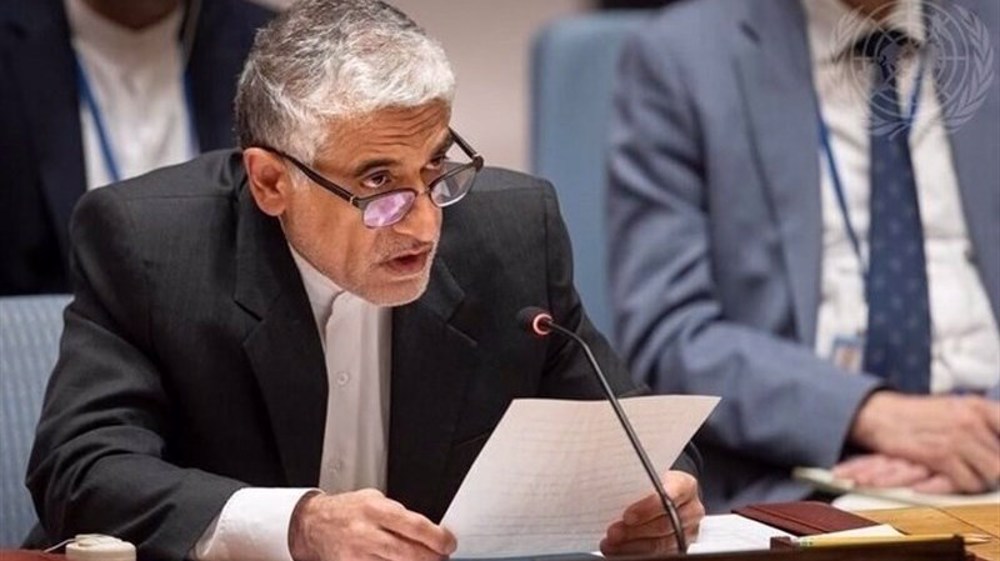
Amir Saeid Iravani, Iran’s permanent representative to the UN
Press TV
Iran’s ambassador to the United Nations says the United States is responsible for turning peaceful demonstrations in Iran into unrest and violence, according to a letter submitted to the UN Security Council.
Amir Saeid Iravani, Tehran’s permanent representative to the UN, said in the letter that Washington bears direct responsibility for “riots and violent acts” in Iran.
He condemned the United States’ “illegal behavior” and its coordination with Israel to interfere in the Islamic Republic’s internal affairs.
Iravani said such interference is carried out through “threats, incitement, and deliberate encouragement of violence,” to undermine Iran’s stability and security.
He said Tehran condemns the destabilizing measures that violate the UN Charter.
Iran’s Supreme National Security Council (SNSC) issued a separate statement earlier, saying the United States and Israel have continued hostile policies toward Iran following a recent 12‑day war.
The council said the Iranian people would counter sabotage efforts through national unity and solidarity.
Addressing the unrest in several cities, the SNSC said no country would tolerate insecurity imposed from the outside and insisted that the presence of security forces was aimed at restoring order.
It warned that security agencies and the judiciary would show “no leniency” toward the rioters and vandals.
The statement also pointed out that Israel has been waging “hybrid warfare” against Iran since the June war, saying recent protests, sparked by public frustration over market instability, were turned into security disturbances through foreign “guidance and planning.”
The SNSC said that recent remarks by US President Donald Trump in support of the rioters exposed a joint strategy by Washington and Tel Aviv to create instability inside Iran.
The US president has said he is bound only by his “own morality” after a military raid against Venezuela and threats to annex Greenland
US President Donald Trump has said he does not need to follow international law and is guided solely by what he described as his own morality.
The remark comes after the abduction of Venezuelan President Nicolas Maduro by American commandos last Saturday. Also in recent days, Trump and several officials from his administration have repeated that the US would take possession of Denmark’s autonomous territory of Greenland, one way or the other.
In an interview with The New York Times on Wednesday, the US president made clear that he would not be restrained in exercising his powers as commander-in-chief. “My own morality. My own mind. It’s the only thing that can stop me.”
“I don’t need international law,” he stated.
When pressed further as to whether he really thought that Washington did not need to abide by global norms, Trump seemed to somewhat soften his stance. However, the Republican hastened to add that “it depends on what your definition of international law is,” suggesting that the final say on its applicability to the US would lie solely with him.
On Thursday, Trump signed a memorandum suspending support for a total of 66 international organizations, agencies, and commissions, including several UN bodies, “that operate contrary to US national interests, security, economic prosperity, or sovereignty.”
In his interview with the Times, the US president doubled down on his insistence that Greenland should come under Washington’s control.
Speaking to CNN on Monday, Trump’s deputy chief of staff for policy, Stephen Miller, reiterated that Washington’s “formal position” is that the “US should have Greenland as part of the overall security apparatus.”
That same day, Danish Prime Minister Mette Frederiksen said that she believed that the “US president should be taken seriously when he says he wants Greenland.” She warned that “if the US were to attack another NATO country militarily, everything would stop – including NATO itself.”
Earlier this week, a group of several EU leaders plus the UK issued a carefully worded joint statement defending Greenland’s status as part of the Kingdom of Denmark.
The president has unveiled a plan to open Venezuela’s petroleum industry to American companies
President Donald Trump has said the US would control more than half of the world’s oil production if American companies regain access to Venezuela’s petroleum industry.
Venezuela, which has the world’s largest proven oil reserves, nationalized the assets of US companies in the 2000s during the presidency of socialist Hugo Chavez.
Trump cited the “unfair” nationalization as one of the reasons he sent commandos last week to abduct Chavez’s successor, Venezuelan President Nicolas Maduro, from his compound in Caracas.
“We’re going to be working with Venezuela,” Trump said on Friday during a meeting with executives from oil giants ExxonMobil, Chevron, and ConocoPhillips at the White House.
“American companies will have the opportunity to rebuild Venezuela’s energy infrastructure and eventually increase oil production to levels never seen before. When you add Venezuela and the United States together, we have 55% of the oil in the world,” he added.
Trump announced after the meeting that US companies would invest at least $100 billion in Venezuela’s oil production. Exxon CEO Darren Woods said, however, that Venezuela was “uninvestable” without an overhaul of regulations and a restructuring of its energy sector.
Although the Venezuelan government has not confirmed granting access to American companies, Delcy Rodriguez, a close Maduro ally who was sworn in as acting president in his absence, said earlier this week that Caracas was open to energy projects with all parties, including the US.
Venezuelan officials have denounced what they describe as Trump’s plan to pilfer the country’s resources and condemned the abduction of Maduro as a gross violation of sovereignty.
Maduro pleaded not guilty to drug-trafficking and weapons charges when he was brought before a US judge on Monday.
Tensions between the United States and Venezuela continue to escalate amid a growing US military buildup near the South American country and a series of unprovoked attacks on vessels in the Caribbean Sea over recent months.
Most recently, on Wednesday, in yet another brazen act of aggression, US forces hijacked an oil tanker off the coast of Venezuela.
A day later, US President Donald Trump threatened to launch ground attacks on Venezuela, saying it is “going to be starting on land pretty soon.”
The Trump administration has — without presenting any evidence — accused Venezuelan President Nicolás Maduro of supplying drugs to the US that are “poisoning the American people.”
Maduro, speaking on Thursday, said the “mask has fallen,” laying bare the real objective behind the military buildup and repeated attacks on vessels in the region.
“The issue is not drug trafficking. It’s the oil they want to steal,” he said, adding that the imperialists have set their sights on Venezuela’s vast oil and mineral reserves.
Against this backdrop, the Press TV website spoke with Venezuelan Ambassador to Tehran, José Rafael Silva Aponte, about the rapidly unfolding developments in South America, as Trump openly pursues a policy of “regime change” in Caracas.
The following are excerpts from the interview:
Q. What is your analysis of the latest developments in the escalating tensions between Venezuela and the United States, and what are the underlying reasons for US sanctions against Venezuela and other Latin American countries?
A. There is no tension between Venezuela and the United States. What we have here is an aggression, a threat from the government of the United States toward Venezuela, the Caribbean region, and Latin America. And one of the main motives is to carry out a “regime change” and subsequently seize the wealth that Venezuela possesses.
Among these we can mention oil. As is known worldwide, Venezuela has the largest proven oil reserves in the world, as well as the fourth-largest gas reserve, but also gold, diamonds, coltan, rare earths, biodiversity, etc. This is one of the main reasons and it is the reason for the sanctions they have applied—to pressure Venezuela and other countries so that they yield to the demands of the United States.
The most recent event was the act of piracy revealed by the President of the United States himself, when he stated that they had seized an oil tanker off the Venezuelan coast; this is a theft that adds to the one committed with the illegal sale of the Venezuelan company CITGO, a subsidiary of Petróleos de Venezuela Sociedad Anónima (PDVSA).
Venezuela signals unwavering resolve as Caracas embraces a Vietnam-style underground resistance to counter 'American imperial aggression', with military leaders insisting the nation stands unified like a single rifle in defense of its sovereignty. pic.twitter.com/MQpxY0Yre3
Q. How does Venezuela interpret these developments within the framework of its foreign policy and its relations with sovereign and independent countries?
A. In Venezuela’s case, more than 1,000 sanctions have been applied since 2014, when the US President at that time, Barack Obama, through an executive order, declared Venezuela an unusual and extraordinary threat to the security of the United States.
That is when the pressure and sanctions against the country, against state institutions, and against the people began.
The Bolivarian Republic of Venezuela interprets this aggression and these threats as a clear violation of international law, against the Charter of the United Nations, and against the human rights of the Venezuelan people due to restrictions on access to medicine, food, among others.
All these actions arise because Venezuela does not subordinate itself to the demands of the US government nor to any other government in the world. Venezuela is independent, free, and sovereign.
Q. Is the US claim regarding its fight against drug trafficking valid, or are there other motives behind the deployment of its warships in the region?
A. We know that the military deployment has a dark background. There are warships, a nuclear submarine, countless missiles, fighter aircraft, intelligence aircraft, strategic bombers, and more than 10,000 military personnel; evidently, it is not to fight drug trafficking—this is totally false.
The main motive is to seize Venezuela’s wealth through a “regime change.” Subsequently, to install a puppet government that can be easily controlled by the imperial government.
A sign of the falsehood of this narrative is that the President of the US pardoned former Honduran President Juan Orlando Hernández, judged and convicted by the justice system of the United States for sending more than 400 tons of drugs to the United States, sentenced to more than 45 years in prison. Well, he is pardoned by the President of the United States. This supposed fight against drug trafficking is an entire farce.
It should be noted that in this criminal farce, the US government has killed more than 80 people, has bombed more than 20 small vessels where they supposedly trafficked drugs. And the latest display of contempt for international law by the US government became clear in the case of a vessel that was bombed on September 2, 2025. There were 2 survivors in it and they were finished off at sea, most likely injured, holding on to what remained of the vessel, and they were killed.
It is clear that this has nothing to do with drug trafficking. If the US government wanted to fight drug trafficking, with all the information they claim to possess, why do they not capture any drug traffickers within the United States itself?
We can also say that after the attack of September 2, on another occasion there were 3 survivors, among them a Colombian citizen, an Ecuadorian citizen, and a Mexican citizen. The US government handed them over to their countries.
We can ask ourselves, in the case of the Ecuadorian, this person survived one of the attacks and was judged, processed, and convicted in the US for the crime of drug trafficking. Why did they not bring him back to the US to judge him for those acts, if supposedly this person was trafficking drugs.
This is the double standard of the imperial US government. It is clear and demonstrated that all these actions have the purpose of attacking Venezuela.
Venezuelans march to support Maduro government in the face of US threats
Q. What are the main reasons for the US sanctions against Venezuela? Does Washington intend a “regime change” in the country?
A I begin with the second part. The US government itself has already openly said that it wants a “regime change” in Venezuela. Why? Because Venezuela does not subordinate itself to the wishes of the US government.
Through these same sanctions, they pressure the Bolivarian government to yield, and the US government, together with its subordinate satellites, argue that these sanctions are meant to affect the government, when we already know this is totally false.
These sanctions have affected the country, the people. In 2015, Venezuela received around 56 billion dollars annually in revenue—mostly from oil—and after the sanctions, it stopped receiving 99% of those revenues.
These revenues were allocated to social programs such as health, education, housing, food for the people, and to enhance the living standards of Venezuelans.
However, through the economic measures taken by President Nicolás Maduro and his government cabinet, Venezuela has had 18 consecutive quarters increasing national income and therefore the benefits for the people.
Q. What impact have US policies had on Venezuelan society and the people?
A. These unilateral coercive measures and the policies applied by the US government against Venezuela have reduced the quality of life of the Venezuelan people. This was very severe in the years 2015, 2016, 2017, 2018, and 2019.
However, the government remained firm and applied the necessary measures to counter these economic attacks carried out by the US government and the European Union against Venezuela.
It should be noted that thanks to the wisdom, patience, and maturity of the people, we have managed to overcome these difficulties. One of the strongest impacts was migration.
The Venezuelan government is always seeking ways to provide a better quality of life for its citizens, and today we can say that many Venezuelans who left the country are returning to our homeland, and they have returned precisely because they have seen the level of economic recovery in the country.
Unfortunately, the US government is practically hunting migrants from around the world, especially those from Venezuela, to arrest them, humiliate them, and deport them. The Government of the Bolivarian Republic of Venezuela seeks ways and means for our compatriots who are anywhere in the world, especially in the United States, to return to the homeland.
This has been done through the Great Mission Return to the Homeland (Gran Misión Vuelta a la Patria), which consists of the Bolivarian Government providing all means (land, sea, and air) for Venezuelans to return to their homeland. Only this year, more than 14,000 Venezuelans have been brought back to the national territory, with the support of our airline CONVIASA, most of them from the United States.
It should be noted that these Venezuelans returning to their country are received with open arms; upon arrival, they are provided health protection through medical examinations, and once these checks are completed, they are taken by Venezuelan authorities to the doors of their homes. This is done by the Venezuelan government.
Q. In your view, what will Venezuela’s response be at the various levels and international forums in the face of the hostile actions of the United States?
A. Raising the voice of Venezuela’s truth has already resonated in all corners of the world. The peoples of the world have heard Venezuela’s voice. They have protested because they oppose the aggressions that the US government applies to change Venezuela’s legitimate government.
It should be noted that within the United Nations, they have heard the voice of our ambassador, Professor Samuel Moncada, who is Venezuela’s representative to that organization. He has spoken repeatedly at the United Nations, at the Security Council, and in different international forums.
Our ambassadors around the world have raised their voices to denounce these aggressions and threats that the US government tries to impose on Venezuela.
In this regard, I take the opportunity to thank the government of the Islamic Republic of Iran and its people, who have raised their voices against the aggressions and threats carried out by US imperialism against Venezuela and the region of Latin America and the Caribbean.
The government of Iran, through its Foreign Ministry—specifically its spokesperson Esmail Baghaei—has made it clear that these acts of aggression are a violation of the UN Charter and international law.
A large number of nations have repeatedly joined this protest, highlighting the support of the governments of China, Russia, Cuba, Nicaragua, and Colombia.
Likewise, as a show of solidarity among peoples, on Saturday, December 6, a global campaign in support of Venezuela was held in which they rejected these aggressions and threats from the Us government.
Q. In your opinion, what role can the international community play in helping reduce tensions between Venezuela and the United States?
A. The international community has raised its voice: the United Nations, although late, did so. The UN Human Rights Representative also called for avoiding confrontation.
It should be noted that Venezuela has made it clear that we are not in tension nor in confrontation. It is the US government that is aggressing and threatening Venezuela.
It is the US government that is trying to impose itself by force and through threats, violating the United Nations Charter, specifically Article 2.
Q. Are there indications of a possible intensification of Washington’s pressure against Venezuela? If so, what measures is the Venezuelan government planning to mitigate the effects of these pressures?
A. Since August of this year, the US government has intensified pressure and has waged, above all, a psychological war, a media war, a multifaceted war, psychological terrorism with the aim of intimidating and subduing the Venezuelan government and people—but they will not succeed.
Consequently, President Nicolás Maduro has taken the necessary measures. First, he has called for dialogue with the US government. President Nicolás Maduro, as known worldwide, was foreign minister for 6 years under our eternal and supreme commander, President Hugo Chávez; therefore, he knows international politics and diplomacy very well.
But this call for dialogue does not mean weakness, and regarding the measures implemented by the national government: first, he called for enlistment of the population for the registration of citizens to defend the homeland. This call had to be extended; it was initially planned for one week and lasted two weeks.
In fact, with the enlistment of all the people who joined, the number reached eight million people registered in the Bolivarian Militia. Once this registration was finished, the population went to the barracks to receive basic military defense training.
Subsequently, members of the Bolivarian National Armed Forces went to the communities to give instruction to our population with the aim of teaching the art of territorial defense.
All this led to the military exercises “Independence 200,” which have continued since September, especially on our coasts, on the northern front of the country. This has been done in a perfect popular–military–police fusion, supported by the new Venezuelan defense doctrine, which was created and written by Commander Chávez.
These have been the actions. You were able to see how a telephone conversation between the President of the United States, Donald Trump, and President Nicolás Maduro came to light. It should be noted that Venezuela will never abandon dialogue.
President Nicolás Maduro respects the confidentiality of a conversation of that nature. However, the Venezuelan President said that it was a communication based on mutual respect, and if this call and this conversation is the beginning of good relations, it will be welcome.
Nevertheless, the Venezuelan government, together with its people, its armed forces, and its police forces, is prepared for any situation. If it is conflict, we will be there, standing, to defend our dignity, our sovereignty, our independence, and above all the peace of the Republic.
Q. As Venezuela’s ambassador, how do you evaluate the generation of tensions by the US in the region and its hostile actions against Venezuela, as well as the way in which the media present them? To what extent are Western media reporting reality?
A. Once again, I must clarify that there are no tensions; it is an aggression. It is a constant threat from the US government against Venezuela and the region of Latin America and the Caribbean.
It should be noted that the media and the international press are dominated by imperialism, and they will always say what their master dictates; false narratives will always be present because they do not tell the truth.
Proof of this is that they continue to talk about a “tren de Aragua”—a non-existent Tren de Aragua, a criminal group that existed in Venezuela and was eliminated, pulverized by the Venezuelan security forces. Some individuals belonging to that group left the country and governments of other countries have protected them.
Then the narrative of the non-existent “Cartel of the Suns” began, with which they try to involve high Venezuelan authorities in that fantasy cartel. And I want to state that the media do not say that the largest consumer of drugs in the world is the population of the United States of America; they do not say that 87% of the drugs produced in Colombia—unfortunately, the world’s largest producer of cocaine—leave through the Pacific Ocean.
They do not say that 8% of the drugs leave through the Colombian Caribbean. They do not say this, nor do they say that only 5% of the drugs supposedly leave through Venezuela. They do not say this, and it is reflected in the 2024 United Nations report. The United Nations says it, not the Venezuelan government. There, the United Nations states that Venezuela is neither a producer, nor a processor, nor a relevant transit country in international drug trafficking.
It should be noted that the US Drug Enforcement Administration (DEA) itself says in its reports that Venezuela is not an important reference in regard to drugs, and much less is the supposed “Cartel of the Suns” mentioned, which has been a way of applying pressure to Venezuela to destroy its revolution and to try to overthrow the government.
Q. Is there a possibility that the US might initiate an armed conflict? And if so, what would be the possible consequences of such a war for the international community?
The United States of America has always initiated conflicts. They are the world champions in initiating wars and conflicts, in which they attempt to involve various governments and peoples. It would not be surprising; here we see an entire fleet in the Caribbean, very close to Venezuelan territory—they could do something…
However, the response would be forceful: this has been said by President Nicolás Maduro; it has been said by our Minister of Defense, General-in-Chief Vladimir Padrino López; it has been said by our authorities.
In the event of a conflict, we would move to one of the phases established in the Bolivarian military doctrine. Right now, we are in a phase of non-armed struggle, which consists of fishermen fishing; people working; students studying; everyone producing—in agriculture, in factories, we are producing.
And in the event of conflict, we would move to the phase of armed struggle, where the people, in full popular–military–police fusion, would play a fundamental role in the defense of the nation.
In this sense, we would maintain resistance and, in that case, through arms. Here, all the people would rise up in a struggle to defend the legacy of our liberators—to defend the homeland inherited by those men and women who gave their lives 200 years ago, which belongs to us, and which is desired because it has any quantity of resources of all kinds.
And we would be there to defend our territory, to defend our dignity, to defend our independence. And the US government would regret it for 500 years because they would be defeated, as they have been in other conflicts, such as Vietnam or Afghanistan, with the greatest dignity—as in the case of the Islamic Republic of Iran in the “12-Day War,” where the Zionist regime of Israel and the United States were defeated and asked for a truce. The same would happen in Venezuela—they would once again be defeated.
An onlooker holds a sign that reads “Shame” as members of law enforcement work the scene following a shooting by an ICE agent during federal law enforcement operations, Minneapolis, Minnesota, January 7, 2026. (Photo by AFP)
Press TV
A wave of condemnation has swept across social media after Immigration and Customs Enforcement (ICE) agent killed a woman in Minneapolis, as Vice President JD Vance publicly defended the federal agency’s actions.
The condemnations were triggered by the killing of Renee Nicole Macklin Good during an ICE operation in Minneapolis on Wednesday, part of a nationwide crackdown on immigrants that has intensified under the current administration.
Trump and the US Department of Homeland Security, which oversees ICE, have defended the killing claiming that the woman was trying to run over the agent with her vehicle, which DHS called “an act of domestic terrorism,” but videos circulating online and witness accounts to reporters have undermined those statements.
Harry Sisson, a democrat, criticized President Donald Trump for defending the ICE agent involved in the killing of the 37-year-old American woman and noted that Trump’s account of the incident is dishonest.
“A disgustingly dishonest description of what happened but I’m not surprised,” he further said.
Trump is defending the ICE agent who murdered a 37 year old American woman in broad daylight today. A disgustingly dishonest description of what happened but I’m not surprised. What a piece of shit. pic.twitter.com/gTIdG4mHET
Abdul El-Sayed, who served as director of the Department of Health, Human, and Veterans Services for Wayne County, Michigan from 2023 to 2025, criticized the ICE in a post on his X account on Thursday.
El-Sayed said he has worked alongside law enforcement officials to help keep communities safe, but argued that ICE does not serve that role. “ICE is not law enforcement—it’s lawlessness in the name of Trump’s power,” he wrote.
Referring to a position he has held for several years, El-Sayed added, “So like I said in 2018: Abolish ICE.”
I’ve worked alongside law enforcement to keep our communities safe. ICE is not law enforcement—it’s lawlessness in the name of Trump’s power.
Seth Moulton, a candidate for US Senate in Massachusetts, slammed Vice President Vance for lying in a post on X, saying video evidence shows the woman was not interfering with law enforcement and condemning attempts to blame a murdered victim in order to shield federal officers.
“Blaming a murdered woman to shield federal officers is grotesque and disturbingly un-American. We will not ignore what we can see with our own eyes,” he noted.
I'm a former defense attorney and currently a civil liberties attorney with no political dog in this fight. I watched the video at least 10 times from different angles and at different speeds and waited to offer an opinion, which I still reserve the right to change if additional…
Rula Jebreal, a visiting professor at the University of Miami, sharply slammed the ICE, saying the country is witnessing the “full Israelification of the United States.”
“Masked ICE agents of the state murdered Renee Nicole Good and then denied their victim her medical care. It was not ‘domestic terrorism.’ It was state-sanctioned murder,” she added.
Li Jingjing a Chinese journalist & political commentator, showed outraged at US society on X.
“Domestically, ICE agents point their guns at and shoot their own citizens with no mercy. Internationally, they bomb, plunder, steal, manipulate, and kidnap every other country. Yet they have the nerve to lecture the world about human rights and democracy?!” he noted.
Shaiel Ben-Ephraim, a Jew, slammed Trump for seeking to justify the killing of American citizens who oppose him, calling a recent fatal shooting “a major step” toward setting a dangerous precedent.
“There can be no more grave precedent,” he wrote.
Another netizen Hadi Nasrallah wrote, “Hamas didn’t kill an American mother today. Neither did Venezuela or Iran. Trump did. The pedo who is ‘locked and loaded’ to burn down nations to ‘protect civilians’ is killing his own people and calling them ‘terrorists’. You think he cares about you miles away?”
US President Donald Trump has cancelled his “second wave of attacks” on Venezuela, saying Washington and Caracas were cooperating now, including on the rebuilding of the South American country’s energy infrastructure.
Last Saturday, American commandos conducted a raid on the Venezuelan capital, Caracas, abducting President Nicolas Maduro and his wife Cilia Flores.
Trump subsequently demanded “total access” to the South American nation’s oil and said that Washington would “run” the country until a “proper transition” of power took place there. Russia along with many other BRICS and Global South nations has strongly condemned the US for its actions.
In his post on Truth Social, Trump said “I have canceled the previously expected second Wave of Attacks, which looks like it will not be needed, however, all ships will stay in place for safety and security.”
The US president said at least $100 billion will be invested in Venezuela by “Big Oil,” noting that he would meet with representatives of US oil giants at the White House later on Friday.
Trump noted Venezuela’s release of “large numbers of political prisoners,” which he called “a very important and smart gesture.”
Late on Tuesday, Caracas began releasing a number of high-profile prisoners, including opposition politicians, in what its government has called a gesture “to seek peace.”
Among the first to be released were Enrique Marquez, a former presidential candidate, and Biagio Pilieri, a businessman and former Venezuelan lawmaker, who were being held at a detention facility in the capital known as El Helicoide.
Spanish Foreign Minister Jose Manuel Albares later confirmed that five Spanish prisoners had been released and were on a flight back to their home country.
Half of the apartment buildings in the Ukrainian capital have been left without heating.
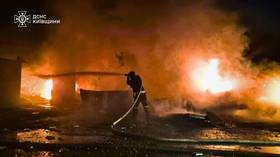
Kiev Mayor Vitaly Klitschko has urged the city’s residents to evacuate, stating that some 6,000 apartment buildings in the Ukrainian capital have been left without central heating.
Klitschko blamed the “extremely difficult situation” in the city on overnight Russian strikes. Moscow has said it targeted drone production facilities, energy infrastructure, and other military-related facilities across Ukraine in response to an attempted “terrorist attack by the Kiev regime” on Russian President Vladimir Putin’s residence in late December.
“I appeal to residents of the capital who have the opportunity to temporarily leave the city, where there are alternative sources of power and heat, to do so,” Klitschko wrote on his Telegram channel, stating the overnight attack became the most “painful” for the city of three million amid the Ukraine conflict.
According to the mayor, nearly half of Kiev’s residential buildings ended up without central heating after the strikes. An unspecified number of buildings have also been hit by water supply disruptions. He said that the city’s authorities “hope” to restore central heating for “some” of the affected buildings by the evening. The situation in the city is further aggravated by heavy snowfall and low temperatures.
In a follow-up post, Klitschko urged those residents who still have access to amenities to help less fortunate citizens and “invite them to warm up or cook food.” The mayor also reminded the residents that the capital has some 1,200 heating stations, so-called “points of unbreakability,” where people can warm up, get hot food, and charge their electronic devices.
Russia has ramped up its long-range strikes campaign against Ukraine’s military and dual-use infrastructure in recent months. According to Moscow, the ongoing wave of strikes comes in response to the continuous effort of the Ukrainian military to attack Russia’s energy infrastructure, as well as to indiscriminate strikes on civilians.
In Russia’s Belgorod Region, over half a million people were left without power after overnight Ukrainian airstrikes, according to Governor Vyacheslav Gladkov, with temperatures near freezing. In addition, over half a million were left without heat and over 200,000 were let without water and sanitation services. The city of Oryol reportedly also faced heavy blackouts.




 The Most Revolutionary Act