Me and Lee (Harvey Oswald)

  me and lee

Me & Lee: How I came to know, love and lose Lee Harvey Oswald
Judyth Vary Baker (2010 Trine Day)

Book Review

Me and Lee is a memoir by the only surviving member of a top secret New Orleans research team (described at length in Ed Haslam’s 2007 Dr Mary’s Monkey) which attempted, in 1963, to develop a biologic warfare agent to assassinate Castro. Baker’s memoir has a forward by Haslam (see * below) and an afterward by longtime assassination researcher Jim Marrs. It’s extensively footnoted and cross referenced with photos, news clippings and other documents from Baker’s personal records, Warren Commission testimony, and other records from the JFK archives.

A science prodigy, Judyth Vary Baker was only nineteen when she joined this biological warfare project. Baker arrives in New Orleans in the summer of 1963 believing she will be doing research on a cancer vaccine. Instead she finds herself assisting Dr Mary Sherman and CIA pilot David Ferrie in trying to create a cancer-causing virus. Her job is to harvest fifty or so mice every week which have been injected with SV-40 viruses mutated by exposure to radiation. She then grinds up the most aggressive tumors, extracts the viruses and delivers them to Dr Sherman’s lab to be re-exposed to high intensity radiation.

Baker’s Relationship with Lee Harvey Oswald

Lee Harvey Oswald is assigned to serve as her escort, riding the bus to and from work with her. They eventually become lovers. In addition to her lab research, Ochsner asks her to take a cover job at the Reily Coffee Company, where her immediate boss is a former FBI agent involved with the anti-Castro movement. Baker’s cover at the coffee company is that of secretary, though her main role is to ensure that Oswald, who also has a cover job at Reily’s, gets his time card clocked in and out when the CIA or FBI sends him on other assignments.

Although Baker knows that Oswald gets paychecks from both the FBI and CIA, she’s never totally clear what his assignment is. He seems to be a kind of errand boy, both for the CIA and the Mafia. Oswald has relatives with the Mob and introduces Baker to New Orleans Mafia boss Carlos Marcello. The Mafia has lost lucrative Cuban casinos in the revolution and is an eager participant in various conspiracies to get rid of Castro. Oswald also introduces her to Jacob “Sparky” Rubenstein (also known as “Jack Ruby”), whom Oswald has known from childhood.

Inside the Head of Lee Harvey Oswald

As Baker portrays him, Oswald comes across as an immature, bookish geek who loves James Bond spy thrillers and frequently quotes from obscure literary works. According to Baker, his strong views on civil rights frequently led him to sit in the rear, the colored section of buses.

Baker reveals he was fully aware his CIA handlers didn’t trust him following his return from the Soviet Union. Apparently fake defectors are never fully trusted, owing to the possibility they might have became double agents. According to Oswald, this pattern of being assigned a number of minor, unrelated tasks without being clear who he was working for was typical for agents suspected of being “dangles” (double agents).

One assignment Baker was aware of involved a shipment of weapons Oswald smuggled into New Orleans for the anti-Castro Cubans the CIA was training as paramilitaries. In another, he posed as a pro-Castro member of Fair Trade for Cuba to collect names of Castro sympathizers to turn over to the FBI.

Ochsner Fires Baker

By mid-1963 Sherman, Ferrie and Baker succeed in isolating a tumor virus capable of producing “galloping” cancer in mice. In August 1963, Clay Shaw (the CIA co-sonspirator Jim Garrison prosecuted in 1967 for his involvement in the JFK assassination), Oswald and Ferrie transport the virus to the East Louisiana State Mental Hospital, where they inject it into a “volunteer” from the Angola Penitentiary. Baker is initially told the inmate already suffers from terminal cancer

She learns she’s been lied to and sends an angry memo informing Ochsner that involuntary experimentation on human subjects is unethical. He immediately terminates her employment and forbids her, on pain of death, from any further contact with Oswald. Although Baker returns to her husband in Florida, she and Oswald make plans to leave their respective spouses and elope to Mexico after Oswald smuggles the fatal virus into Cuba.

Oswald Realizes He is Being Set Up

Oswald, meanwhile learns that his assignment is changed, that he is only to transport the virus to Mexico City and hand it off to a second courier. When his contact fails to show in Mexico City, he makes an unsuccessful attempt to get a Cuban visa to deliver the virus himself, which is denied. He becomes genuinely concerned about his own safety – the information he possesses makes him a clear liability to his CIA handlers unless they have a specific use for him. He tells Baker the CIA is trying to set him up to look like a pro-Castro agent in the plot against JFK.

Despite their promise to transfer him to Mexico City, his superiors order him to return to Dallas to spy on “right wing nuts” interested in killing Kennedy. He and Baker continue to maintain phone contact, using pay phones and a complex phone wheel to synchronize call scheduling.

On October 19th, Oswald is invited to join the assassination conspiracy – planned for three alternative locations – Miami (a right-wing informant blows the whistle on the Miami plot, which leads Kennedy’s motorcade to be called off), Chicago and Dallas. Oswald plays along, believing he can pass details of the conspiracy to trusted FBI agents who can foil the assassination.

In late October he makes an anonymous tip to the FBI about an assassination threat, and JFK’s November 2 visit to Chicago is canceled (records released under the 1992 JFK Records Collection act confirm this anonymous tip-off). On November 16, he tells Baker he has passed information regarding the Dallas assassination plot to an FBI contact. Oswald’s wife Marina later confirms this in a letter to the Chairman of the JFK Assassination Records Review Board. According to an FBI clerk Garrison interviewed during his investigation, the FBI contact telexed the information to the Dallas FBI field office, where it mysteriously vanished.

Validating Baker’s Story

Edward Haslam, author of Dr Mary’s Monkey, has exhaustively investigated Baker’s  story and defends her for the following reasons:

1. He has confirmed her identity and her claims about doing cancer research in high school through the microfilm file at The Bradenton Herald, while employed there managing their market research.

2. He has sighted the W2 slip she provides for her period of employment at the Reily Coffee Company and confirms that they are genuine.

3. He has personally interviewed Anna Lewis, wife of CIA agent David Lewis, who worked with Oswald, Jack Martin and Guy Bannister in New Orleans’ anti-Castro movement. She confirms that Baker and Oswald were romantically involved in 1963.


* To protect her five children, Baker kept silent about her involvement with Oswald until her last child left home. When she broke her silence in 1998, her revelations provoked a firestorm of controversy, both from pro-conspiracy researchers and Warren Commission diehards, who accuse her of fabricating her story from the wealth of detail on the JFK assassination circulating on the Internet. For her own safety and sanity, she lives in exile (in an undisclosed location in Europe).

Judyth Vary Baker blogs at http://judythbaker.blogspot.com/
The CIA’s Medical Manhattan Project

dr mary's monkey

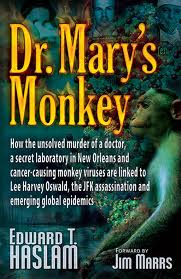
Dr. Mary’s Monkey

Edward T. Haslam (2007 TrineDay)

Book Review

How the unsolved murder of a doctor, a secret laboratory in New Orleans and cancer-causing monkey viruses are linked to Lee Harvey Oswald, the JFK assassination and an emerging cancer epidemic

Dr Mary’s Monkey provides a detailed history of how the Salk and Sabin polio vaccines administered to three million baby boomers were accidentally contaminated with a cancer causing monkey virus known as Simian Virus 40 (SV-40). It also describes the massive cover-up initiated by the American Cancer Society and National Institutes of Health (NIH), which encouraged doctors to continue administering the contaminated vaccine.

The book skillfully interweaves the history of SV-40 with new information about Lee Harvey Oswald’s intelligence career released under the 1992 JFK Records Collection Act. Haslam focuses considerable attention on David Ferrie, a CIA pilot and Oswald’s long time friend and mentor. It’s believed that Ferrie first recruited Oswald to the CIA when he joined Ferrie’s Civil Air Patrol troop as a high school student.

Why Did Ferrie Keep Hundreds of Mice?

Haslam’s memoir clears up a mystery that has troubled assassination researchers for nearly 40 years – namely the discovery, by New Orleans district attorney Jim Garrison, that Ferrie was performing medical research on hundreds of mice in his apartment

Dr Mary’s Monkey also relies on police reports, Freedom of Information Act records and the secret files of ex-FBI agent Guy Bannister (who played a key role with Oswald and Ferrie in a secret CIA program involving anti-Castro emigres), as well interviews with scientific and medical experts and acquaintances of orthopedist Dr Mary Sherman*, who was conducting secret SV-40 research at Tulane at the time of her apparent murder.

SV-40**  and the Current Cancer Epidemic

SV-40, the monkey virus Dr. Mary Sherman and Ferrie were experimenting with, was first discovered in 1957. Originally known as “polyoma virus” (referring to its ability to cause multiple of tumors in mice), it was first identified by Drs Bernice Eddy and Sarah Stuart at the National Institutes of Health (NIH). In 1960 Eddy discovered that the monkey kidney cells used to prepare the Salk and Sabin polio vaccines were contaminated with SV-40.

Instead of withdrawing the vaccine, the NIH destroyed Eddy’s career. A year later two other virologists replicated Eddy’s findings, and two polio vaccine manufacturers voluntarily withdrew their vaccine. Although NIH reportedly took steps to ensure that batches coming to market after 1963 were SV-40-free, they allowed doctors to inoculate a million more children (worldwide) with contaminated vaccine.

The New Orleans Medical “Manhattan Project”

Haslam believes the top secret experiments Sherman, Ferrie and Baker conducted in 1963 involved irradiating SV-40 virus with a linear accelerator, with the intention of a creating a biological warfare agent. Their hope was to create a mutated virus that would cause a “galloping cancer” that would kill its victim within weeks. It was Ferrie’s job to sacrifice the mice, dissect the tumors and identify and extract viruses that seemed the most virulent.

Sherman was working under the direction of Dr Alton Ochsner, a staunch anticommunist and known FBI and CIA asset. Freedom of Information act records reveal the FBI released him in 1959 to take a “sensitive position” at Tulane. The position, Haslam believes, involved running a kind of medical Manhattan Project to create cancer causing viruses. Ochsner’s stated mission was to find a vaccine against SV-40, presumably to prevent an epidemic of soft tissue cancers in children exposed to SV-40 via the polio vaccine. Numerous documents and witness statements suggest the true intention was to create a cancer causing virus for use in the assassination of Fidel Castro.

Oswald (on both the CIA and FBI payroll in 1963) comes into the story as a chaperone for Judyth Baker, a 19 year old girl genius who was assisting Sherman and Ferrie in their experiments. According to Haslam, Oswald was also the courier assigned to smuggle the fatal virus into Cuba. This meant Baker had to train him to look after the special culture medium that kept it alive.

Although Haslam’s original intention was to identify Dr Mary Sherman’s killer, in the end he concludes she most likely died from accidental electrocution while operating the high voltage linear accelerator. The top secret nature of her biological warfare research made it essential to conceal the circumstances of her death. Thus her body was massively mutilated (to make it look like a sex crime) secretly removed to her apartment.

*A Farewell to Justice by Joan Mellen confirms Sherman’s role in secretive experiments at Tulane, in which viruses were bombarded with a linear accelerator.

**Haslam devotes an entire chapter to the likely role SV-40 exposure, via the polio vaccine, has likely played in the current epidemic of soft tissue cancers. He cites National Cancer Institute Data showing a 50% increase between 1973 and 1988 in skin, lymphoma, prostate and breast cancer.

The SV-49 Foundation maintains a website devoted to the collation of SV-40 research. Except for a rare cancer known mesothelioma and a type of brain cancer, the official position of the Centers for Disease Control (CDC) is “more research is needed” to establish a definitive link between SV-40 and human cancers.


Why Are We Sending Vets to Costa Rica (and Canada and Mexico)?

 drug addict

End the US Ban on Ibogaine

The psychedelic drug ibogaine is used to treat drug addiction and alcoholism in more than 190 countries, including Mexico, Canada, Costa Rica, New Zealand, Russia, China and Ukraine. Sixty years of research has demonstrated ibogaine’s effectiveness in opiate, cocaine, amphetamine, nicotine and alcohol dependency, as well as treatment resistant post traumatic stress disorder (PTSD). Yet owing to the ludicrous and ineffectual “War on Drugs,” ibogaine remains illegal in the US.

It’s an issue of special relevance to veterans, who suffer a high rate of combat-related post traumatic stress disorder (PTSD) and addiction disorders. Twenty percent of Iraq and Afghanistan veterans develop PTSD or depression, with 22 a day, on average, committing suicide. Veterans wounded in Middle East conflicts have a 25-35% chance of becoming addicted to prescription opiates.

Conventional treatment for these disorders is associated with a high failure rate, translating into long term disability and suffering for many vets. International peer reviewed research shows that addicts treated with ibogaine have lower relapse rates than those receiving conventional treatment. Yet thanks to the federal government’s absolute ban on so-called “hallucinogenic” drugs, veterans wanting help for treatment resistant addiction disorders and PTSD must seek out private igobaine clinics in Mexico, Canada and Costa Rica.

Ibogaine Discovered in 1962

Researcher Thomas Kingsley Brown summarizes ibogaine’s history in “Ibogaine in the Treatment of Substance Dependence” in 2013, 6, 2-16 Current Drug Abuse Reviews, 2013, 6, 2-16

Extracted for the West African iboga plant, ibogaine’s benefit in opiate addiction was first discovered in 1962 by a heroin addict named Howard Lotsof. Lotsoft was amazed that it totally blocked any symptoms of heroin withdrawal. Like other addicts who have taken it, he experienced no hallucinations. He has described the effect, which lasted approximately 36 hours, as a “waking dream.”

As Brown elaborates in his paper, it’s common for addicts who take ibogaine to experience a mind expanding panoramic review of their life. They describe being flooded with past memories of traumatic or highly emotional experiences, important personal relationships and bad decisions and choices. In Lotsoff’s case, he gained the understanding that his addiction was fear and anxiety-driven and that he could free himself of these feelings.

Lotsof’s Campaign to Legalize Ibogaine

Ibogaine and other psychedelic drugs were still legal in the US in 1962. In the late sixties, it became illegal, along with LSD, mescaline, psilocybin and other hallucinogens. Determined to share his discovery with other addicts, Lotsoff spent years lobbying researchers, public officials, and pharmaceutical companies to study ibogaine’s potential as an addiction interrupter. He got nowhere. Big Pharma has more or less total control over new drug research, and a “natural” substance administered as a single dose has limited profit potential.

In 1986, Lotsof himself patented ibogaine himself for heroin, cocaine, amphetamine, alcohol, nicotine, and polysubstance abuse. After forming the private company NDA International, he began working with scientists overseas in setting up both animal and human studies. In the early nineties the US National Institute on Drug Abuse (NIDA) developed Phase I and II clinical trial protocols for ibogaine. They cancelled the project in 1995 because the Clinton administration felt it was too controversial.

How Ibogaine Works

Studies in rodents reveal that repeated drug and alcohol administration causes changes in gene expression in the ventral tegmental area of the brain. Ibogaine reverses this by increasing Glial Cell Line-Derived Neurotrophic Factor (GDNF) activity.

As Brown and other researchers point out, the drug isn’t a “cure” for addiction. However by eliminating or substantially decreasing withdrawal symptoms, it creates a clear “window of opportunity,” allowing the addict to cognitively choose to take back control of their life.

Ibogaine doesn’t address the behavioral component of addiction. As in mainstream recovery programs, an addict is less likely to relapse if they’re prepared to substitute new positive behaviors for the addictive behaviors. Most need support from aftercare programs, family and friends to achieve this.

Medical Supervision Required

Thomas’s review stresses that ibogaine should only be used under close medical supervision, owing to potentially serious (in some cases lethal) side effects. He also reminds us that these health risks must be weighed against the very real health consequences of chronic addiction (e.g. liver disease, cardiovascular disease, traumatic injury, overdose, malnutrition). The death rate associated with methadone and buprenorphine, the current treatments of choice for heroin addiction, is even higher. In 2005/2006, the annual death rate from methadone poisoning was double that from heroin-related poisoning. In New Zealand, the growing fatality rate from methadone poisoning was part of the rationale for legalizing ibogaine in 2009.

Avoiding Medical Complications with Ibogaine

After decades of international use, the potential medical complications of taking ibogaine are well known, as are the contraindications against taking it. The most common exclusion criteria are pre-existing heart disease, pre-existing bleeding problems or chronic blood clots. No patient should take ibogaine without an electrocardiogram (EKG) to rule out heart problems. Moreover a doctor or nurse (preferably specialized in emergency medicine or cardiology) needs to be present to monitor the patient during the session.

All patients entering an ibogaine treatment center need to undergo a complete medical and psychological screening. If they’re taking drugs that interact adversely with ibogaine, staff at the treatment center need to assist them in safely tapering and discontinuing. Likewise alcoholics need to undergo medical detox prior to taking igobaine.

Our Public Obligation to Veterans

Despite the abundance of excellent US referral sites (www.iceers.org and http://www.myeboga.org/providers.html are the best), it seems terribly wrong to expect veterans with combat related PTSD and addiction disorders to go to Canada or Mexico for help. Even with the 25% discount Ibogalife in Costa Rica offers vets with PTSD, all these conditions have dire financial consequences. Private treatment simple isn’t an option for the vast majority of vets and non-vets struggling with them.

Surely the American public has both a moral and legal obligation to offer effective treatment to veterans with combat related conditions. Yet according to the Department of Veterans Affairs website, not a single VA program or hospital is undertaking ibogaine research. The only free ibogaine studies I could find were in New Zealand (for addiction disorders) and the  Bahamas (for US vets with diagnosed PTSD).

Besides being immoral and illegal, it also makes no sense to make taxpayers fund ineffective methadone and buprenorphine maintenance programs – involving years of daily administration of an equally addictive drug – when other countries are having proven success with a safer, less expensive and more effective treatment option. At the very minimum, the VA should be funding ibogaine research through VA hospitals.

This is an absolute disgrace. Obama and Congress need to hear from vets and their families and veterans advocacy groups, as well as taxpayers. In other words, all of us.

The following 2006 video describes the experience of a lieutenant general and Green Beret who underwent treatment with ibogaine. He had become addicted to prescription opiates following a combat-related injury.

photo credit: ceslava.com via photopin cc

Originally published in Veterans Today


The CEO Who Chained Himself to a Bridge

stordalenphoto credit: http://news.bbc.co.uk/2/hi/business/2941073.stm

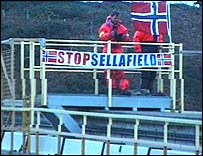
His name is Petter Stordalen, and he’s a billionaire Norwegian property developer and the chief executive of Choice Hotels. In 2002, he chained himself to a bridge in Seascale England, demanding that the Sellafield nuclear reprocessing plant be shut down. I try to imagine Bill Gates chaining himself to something. Somehow I can’t quite picture it.

Stordalen is one of numerous Norwegian business executives and political leaders fighting for more than a decade to close Sellafield. Why does Norway want the British nuclear reprocessing plant shut down? Studies show that air and water currents carry Sellafield’s accidental and “operational” discharges to the west coast of Norway. The latter would also bear the brunt of a major accident, which, owing to the plant’s abysmal safety record, looked increasingly likely in 2002.

Including, but not limited to

  • between 1950-2000, 21 serious incidents or accidents involving offsite radiation release. This includes the Windscale Pile disaster, when a large heap of radioactive waste that caught fire in 1956
  • a 1999 citation for falsifying quality assurance data between 1996-1999
  • in 2003 a study commissioned by the Minister of Health revealing an increased incidence of childhood leukemia and non-Hodkins lymphoma in local residents
  • in 2005 a plutonium leak that went undetected for three months
  • in 2010 three accidental releases, with a fourth in early 2011, that were concealed from the public until a whistleblower leaked the documents to the Guardian

Why Reprocessing Plants Are Especially Dangerous

Sellafield first started up as a nuclear power station in the mid-fifties. Its mixed oxide (MOX) processing plant was built in 1996 and went on-line in 2001. Its role as a reprocessing plant means it accepts nuclear waste (spent nuclear fuel rods) from all over the world and reprocesses them for reuse. First plutonium and uranium must be separated from other fission products. One byproduct, a mixture of plutonium and uranium known as MOX, is used in thermal and fast breeder reactors. Sellafied’s reprocessing role also means that it accumulates massive amounts of “highly active liquor” (HAL), which requires constant cooling to prevent it from exploding.

Even CEOs Have Children

Few outside Britain and Norway have ever heard of Sellafield, much less the Neptune Network, an organization of Norwegian business executives turned environmental activists. Under the leadership of their executive director, long time businessman Frank-Hugo Storelv, the group has played a vital role in recruiting other Norwegian business leaders to lend their support to Norway’s antinuclear and anti-toxics campaign. In the video below, Storelv explains the urgent need for companies to operate more sustainably and be seen as good environmental citizens.

Like Petter Stordalen, Storev and other business executives in the Neptune Network were arrested numerous times for committing civil disobedience, both at Sellafield and numerous contaminated sites in Norway. In April 2011 he and four other members of the Neptune Network were arrested (under Britain’s anti-terrorism law) outside the gates of Sellafield for blocking a railroad shipment of new nuclear waste.

Victory for the Neptune Network

The MOX reprocessor at Sellafield closed August 3, 2011, after Japan (as a direct result of Fukushima) announced they would cease buying MOX for use in their reactors. The British government responded by proposing to build a new MOX plant at Sellafield, which would produce fuels for use in more modern reactors. In the face of massive public opposition, Cameron’s coalition government backtracked and committed to decommission and close Sellafield by 2018.

What’s Wrong With American CEOs?

So what’s the major difference between American and Norwegian CEOs? Why is it so hard to imagine Bill Gates, Warren Buffett, the Koch Brothers, George Soros (or any of our elected representatives, for that matter) chaining themselves to a bridge? They have children and grandchildren, just like Norwegian business executives. What’s more they all (presumably) have the educational background to understand that massive wealth won’t protect their offspring from the devastating health consequences of radiation poisoning.

In addition to the hundreds of thousands of cancer deaths and deformed babies stemming from nuclear accidents, leaks and “operational” releases, we still have no safe method of storing and/or disposing of the mountains of radioactive waste we have already created. Surely they know all this, right?

Originally published in Dissident Voice

Ending Water Fluoridation: One We Can Win*

fluoride deception

The Fluoride Deception

By Christopher Bryson (2004 Seven Stories Press)

Free download from Sheep pee!

Book Review

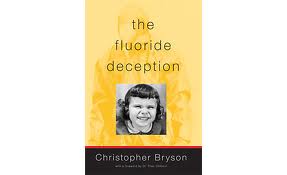
In Fluoride Deception, BBC journalist Christopher Bryson describes how the decision to deliberately dose US municipal water supplies with a potent industrial toxin was basically a corporate scam dreamed up by Alcoa, GM and Dupont, with the help of Edward Bernays, the infamous father of the public relations industry. Their cynical goal was to stem a tide of lawsuits related to death and injuries from toxic fluoride pollution – by convincing the public that fluoride is good for you.

Fluoride is an extremely toxic pollutant produced by aluminum smelting. GM and Dupont became involved with the scheme because GM held the patent on fluoride-based Freon and Dupon manufactured it. Freon was a common refrigerant which the EPA banned in 2010.

According to Bryson, the FDA first raised the alarm about fluoride toxicity in the early thirties, resulting in scores of lawsuits for aluminum workers crippled and killed from fluoride poisoning and farmers near aluminum plants, whose livestock were killed due to fluoride poisoning.

Public Relations: Cheaper than Pollution Controls

Rather than encouraging Alcoa to institute pollution controls, an Alcoa researcher named Francis Frary decided a better approach was to alter public perception of fluoride. He approached Mellon Institute researcher Gerald Cox. In 1937, Cox performed a single study in rats (who rarely suffer tooth decay to begin with) in 1937 and “proved” fluoride strengthened their teeth.

Frary and Cox were soon joined in their little scheme by Charles Kettering’s GM’s research director and Freon magnate, who approached the American Dental Association, began funding many of their activities. He also got himself appointed to their three member Advisory Committee on Research in Dental Caries. Meanwhile GM and Dupont hired scientist Robert Kehoe to perform safety studies on both fluoride and tetra ethyl lead, a gasoline additive co-manufactured by the two companies. Unsurprisingly, Kehoe declared both leaded gasoline and fluoride safe at “low levels.”

Enter the Father of Public Relations

The most prominent villain in this sordid history was Edwards Bernays, the father of public relations industry. At the beginning, there was massive public opposition to water fluoridation, led mainly by doctors who were well aware of fluoride’s toxicity. Bernays’ answer was to enlist even more prominent doctors to declare it safe, starting with prominent baby doctor Benjamin Spock.

The common perception of a potent toxin such as fluoride being safe and good for teeth is based on decades of corporations paying researchers to produce the scientific results they want – and burying research and firing and blacklisting scientists whose studies show otherwise.

Bryson details numerous deliberate smear campaigns against extremely reputable doctors and scientists who dared to publish research regarding the adverse effects of water fluoridation:

  • Dr. George Waldbott a world famous doctor who first identified penicillin allergy and the link between smoking and emphysema. Waldbott published numerous double blind studies in the fifties showing that fluoride is harmful to human health. The result was a massive corporate smear campaign that destroyed his reputation by marginalizing and demonizing him.
  • Dr William Marcus – a senior EPA toxicologist in the Office of Water, fired in 1992 for attempting to publicize studies showing that  fluoride causes bone and liver cancer. In 1994 Marcus won lawsuit against the federal government and was reinstated. While the EPA still refuses to ban water fluoridation, the unions representing EPA scientists have called for a moratorium.
  • Dr Phyllis Mullinix – research toxicologist hired by Forsyth Dental Institute to study the effect of fluoride on the brain. Mullinex was first fired and then blacklisted in the mid-nineties when she published research showing fluoride produces memory and behavior problems in children.

Where Fluoride Comes From

Although fluoride is added to municipal water supplies as a “drug” – that allegedly improves dental health – it has never been approved by the FDA. In fact most communities source their fluoride from the phosphate fertilizer industry, as hydrofluorosilicic acid. This is an extremely toxic, hazardous waste, and the EPA requires phosphate manufacturers to capture it via “wet scrubbers” in their chimneys (to prevent toxic fluoride gas from being released into the air). The resulting liquid is then loaded, unpurified, into tanker trucks and sold to cities to be added to their public water supply. In addition to fluoride, it also contains a number of heavy metals and radionucleotides (radioactive elements – mainly uranium-238, uranium-234, thorium-230, radium-226, radon-222, lead-210, and polonium-210).

*2014 update

In 2003 the EPA commissioned the National Research Council (part of the National Academy of Sciences) to examine all the peer reviewed research to make a determination whether an upper limit of 8 mg of fluoride (eight glasses of water with a fluoride concentration of 4 mg/liter) was still within the margin of safety. In 2006 the NRC came back with the recommendation that 8 mg (4 mg/liter) was definitely too high – as many Americans were experiencing symptoms of chronic fluoride poisoning at this dose.

In addition to lower IQ in children, the NRC found that water flouridation was contributing to an epidemic of hypothyroidism, infertility, arthritis and hip fracture.

Based on the high probability that Americans drinking fluoridated water were suffering serious and irreversible health damage, the NRC urgently recommended that the EPA ban water fluoridation until the safe threshold (based on urine fluoride measurements) could be determined.

The Bush administration and corporate media buried the report.

98% of European municipalities have banned water fluoridation.

In 2011, I was part of a local citizen’s groups that persuaded New Plymouth District Council to remove the fluoride from our water. We had major support from New Zealand’s Fluoride Action Network and internationally renowned biochemist Dr Paul Connett.

Below a presentation by Dr Connett to Toronto anti-fluoride activists:

Link to Fluoride Action Network: http://www.fluoridealert.org/

Corporate Food is Bad for You

Chicago lights

Chicago Lights Urban Farm

 (This is the 1st of  2  posts about dramatic changes that are occurring in food production and marketing, as well as consumer food choices.  Part I addresses the conscious shift many consumers have made over the past decade to locally grown organic food.)

Various studies reveal that as many as 20% of Americans make the conscious choice to eat organic food. Those who make the switch from corporate, industrially produced food do so for a variety of reasons. The main ones are cost, health and ethical concerns. Cost is a big consideration for low income families. In an economic depression accompanied by spiking food prices, growing your own fruits and vegetables or purchasing them from a grower at a farmers’ market can save families literally thousands of dollars a year.

Ironically the economic crisis has one silver lining in inner cities, as neighborhoods organize to create urban orchards and gardens on vacant, foreclosed land. An example is Chicago Lights Urban Farm, which supplies fresh produce for the once notorious Cabrini Green subsidized housing complex. This is the first access to fresh produce in decades for many inner city residents – thanks to the mass exodus of supermarket chains in the eighties and nineties.

Health issues linked to industrial agriculture are the second biggest reason people choose locally grown organic food over the standard corporate options. The growing list includes a number of debilitating and fatal illnesses linked with endocrine disruptors (estrogen-like molecules) in chemical herbicides and pesticides; contamination with infectious organisms; severe allergies, immune problems and cancers associated with GMOs (genetically modified organisms) and nanoparticles; type II diabetes related to growth hormones fed to US cattle and the proliferation of superbugs like MRSA (methcillin resistant staphylococcus aureus) linked to antibiotics routinely fed to factory farmed animals.

Endocrine Disruptors and Food Borne Pathogens

At the moment the biggest concern for health advocates is the epidemic of breast cancer and infertility linked to the growing presence of endocrine disruptors in our water supply and food chain. Breast cancer currently affects one out of eight women, and sperm counts in American men are among the lowest in the industrialized world. However the infectious organisms arising from factory farming methods and lax regulation of slaughter facilities are also responsible for a growing number of health problems. Infectious organisms linked with severe illness and death include the prion carried by cattle that causes Creuzfield Jakob disorder (aka Mad Cow Disease); campylobacter, salmonella and pathogenic E coli from the fecal contamination associated with overcrowded livestock pens and inadequate regulation of slaughterhouse hygiene; and Mycobacterium avium paratuberculosis (MAP), an increasingly common organism linked to a big spike in Crohn’s disease. Lax US food regulation and inspection regimes are worrying enough. Adding to all these concerns is the vast amount of supermarket food imported from third world countries where food production is totally unregulated.

Genetically Modified Organisms (GMOs)

GMO-related health issues are another reason more and more consumers are going organic. Unlike New Zealand and most of Europe, which ban GMOs, in the US 88% of corn, 93% of soy, 90% of canola (used in cooking oil), 90% of sugar beets (the source of half of US sugar) are genetically modified. Moreover thanks to the millions Monsanto spends lobbying to block product labeling laws, the majority of US shoppers have no way of knowing whether supermarket foods contain GMOs. Knowledgeable consumers are especially angry about the so-called “Monsanto Protection Bill.” This was a clause inserted in a recent continuing budget resolution that virtually guarantees Monsanto immunity against lawsuits for GMO-related health problems and environmental damage.

Nanoparticles

The latest food controversy involves the presence of untested nanoparticles in processed foods. Nanoparticles are submicroscopic particles the food industry adds to foods and packaging to lengthen shelf life, to act as thickening agents and to seal in flavor. As You Sow, NRDC and Friends of the Earth, first raised the alarm about five years ago regarding the nanoparticles used in cosmetics. They were mainly concerned about studies which showed that inhaled nanoparticles cause the same kind of lung damage as asbestos and can lead to cancer. More recently the American Society of Safety Engineers has issued warning about research showing that nanoparticles in food pass into the bloodstream, accumulate in organs and interfere with metabolic process and immune function.

Environmental and Psychological Benefits

Aside from cost and health concerns, an increasing number of consumers eat locally produced organic food for ethical and environmental reasons. In doing so, they are consciously opting out of an insane corporate agriculture system in which food is transported halfway around the world to satisfy an artificially created demand for strawberries in the winter. They are joining food localization initiatives springing up in thousands of neighborhoods and communities to increase options for locally produced organic food. As they reconnect with local growers to start farmers’ markets (the number in the US is 3,200 and growing) and Community Supported Agriculture (CSA) initiatives*, they find they are simultaneously rebuilding fundamental community ties their grandparents enjoyed.

Many farmers’ markets serve the additional function of a key gathering place for friends and neighbors. As you can see from the following video:

*Community Supported Agriculture is an alternative, locally-based economic model of agriculture and food distribution, in which local residents pre-subscribe to the produce of a given plot of farmland and take weekly delivery of fresh fruits and vegetables and free range/organic meat, eggs, raw milk, etc.

photo credit: crfsproject via photopin

Originally published in Dissident Voice

NZ’s Dioxin Legacy: Lies and Cover-up

dioxin

The the long battle to get the New Zealand government to acknowledge the major health problems of dioxin-exposed New Plymouth residents (see my last post) first began in 1973. Instead of attempting to understand and address residents’ health problems, the New Zealand government, an Ivon Watkins Dow (IWD) partner though share holdings and subsidies, became the first clients of New Zealand’s first public relations firm (Consultus).

Records show that Consultus was first hired to ensure the ongoing availability and use of 2,4,5-T. A 1981 case study from the international journal PR News – about Consultus’ first PR campaign – is entitled  Countering an Activist Campaign to Have a Product Banned from Use. This “media management” response seems to be very typical of New Zealand’s approach to toxic waste management. In the words of one IWD survivor, the goal is to “delay and deny until we die.”

In the mid to late nineties, local activist Andrew Gibbs helped found a new research group, the Paritutu Dioxin Investigation Network. When his de facto partner, a long term resident of Paritutu (the suburb closest to IWD) developed chronic fatigue syndrome and unexplained anemia, her family and friends informed him of the reproductive and immune problems other Paritutu families were experiencing.

Gibbs, alarmed by 1985 Paritutu studies showing dioxin residues comparable to Vietnamese regions sprayed with Agent Orange, tried to get the government to do blood tests on his partner and other Paritutu residents. It would turn out that both National and Labour governments were far more interested in managing public opinion about dioxin.

The Government Gives in to Grassroots Pressure

In 2001, Minister of Health Annette King finally agreed to test the serum levels of 100 Paritutu survivors. When many were found to have elevated dioxin levels, the Labour-led government responded by setting up a Ministry of Health unit to manage “financial risks” related to potential government liability.

Spin, Cover-up, and Statistical Manipulation

They subsequently commissioned a 2004-2005 study by Excellence in Research Australia (ERA) to “analyze” Taranaki District Health Board cancer and birth defect records. The researchers subjected the data to some bizarre statistical manipulations to produce the conclusion the government was looking for, i.e. that high rates of cancer and birth defects in Paritutu and Motorua households were unrelated to dioxin exposure.

For example, they deliberately re-targeted the study design to focus on residents living in Paritutu between 1974-87, who were known to have lower exposure levels based production changes between 1969 and 1973 that reduced dioxin contamination. They also altered 2005 data to make it appear that ongoing exposure occurred between 1974-87, as well as using inaccurate half-life figures to skew pre-1974 results. Finally they excluded high rates of diagnosed cancer between 1970-74 as being too close to the period of toxic exposure, which they misrepresented as occurring between 1962-87, when it actually occurred between 1960-73. See (*) below for actual data.

When these statistical manipulations were challenged in a 2006 TV3 documentary entitled “Let us Spray,” the government and their risk management unit dismissed the bulk of the alleged misrepresentations and blamed others on “typographical” errors.

New Zealand health officials also repeatedly ignored recommendations by ESR and the local ethics review board that they undertake a geo-spatial study of families with elevated dioxin levels. Gibbs eventually undertook his own study of all residents living within 500 meters of Ivon Watkins Dow between 1963-66. He achieved his primary goal – proving that a historical cohort could be identified – at a total cost of $1000. This was in contrast to the hundreds of millions of dollars the New Zealand government had paid Consultus, ESR, their “financial risk” management unit.

The Government Compromise: Free Health Checks

Gibbs continues to fight to get Dow and the New Zealand government to acknowledge the health problems of Paritutu and Motorua residents who worked at or lived adjacent to IWD prior to 1969. In 2008, the government finally granted Paritutu survivors three free health checks (primary care isn’t covered under New Zealand’s National Health Service).

Gibbs dismisses the government move as a PR ploy. Mainly because it circumvents the issue of intergenerational effects (i.e. birth defects in subsequent generations). A 2006 study showed that New Zealand veterans and their offspring suffered DNA damage as a result of dioxin (Agent Orange) exposure in Vietnam.

The Cover-up that Cost More Than the Truth

The question yet to be answered is why the New Zealand government was so determined to cover all this up. Why spend millions of dollars on PR consultants, a “financial risk” management unit, flawed research and a vexatious Broadcast Standards Authority (BSA) complaint – when it would have cost far less to treat the health problems of 500 New Plymouth households.

Gibbs believes an official government admission of dioxin-related health problems would open them to liability – both from New Zealand veterans and Vietnamese civilians exposed to Agent Orange. Because the New Zealand government was a shareholder, as well as subsidizing 2,4,5-T production from 1969 on, they are co-liable with IWD.

***

*A look at the Taranaki District Health Board (TDHB) 2002 data reveals a large increase in neural tube birth defects in Moturoa and Paritutu residents between 1965 and 1972. It also reveals that New Plymouth rates of hydrocephaly, hypospadias, spina bifida and anencephaly recorded at New Plymouth Maternity Hospital between 1965 and 1971 were respectively 3.2 times, 3.8 times, 4.2 times and 9.7 times the crude rates found in offspring of US Vietnam veterans:

“The 1966-1972 rate of still-births was 1 in 7 versus the expected N.Z rate of 1.1 still-birth in 100 births. The 1966-72 rate of linked NTD (neural tube development) defects was 1 in 10.5 vs the N.Z range of 1 NTD in 222 to 1 NTD in 400. The 1966-72 rate of birth defect cases was *1 in 7 versus the N.Z expected rate of 1 case in 50 births  This conservative rate is based on the 2002 TDHB review of addresses for only 17 of 167 birth defect cases 1965-70 so does not include the other 150 defects or three defects reported by Zone A mothers.” (from link and PDF).

The TDHB data also reveals a significant increase in 1976-85 cancer rates living within 500 meters of IWD in 1963-1966:

“From a Study of 165 Paritutu Zone A 1963-1966 residents living within a 500 metres of Ivon Watkins Building 03 plant:

“1976-85 rate of 0-64 year age group cancer mortality was 4.5 times expected. Five deaths where 1.1 was expected based on mean of 1976 and 1985 NZ census rates. Four of the 5 deaths were in 1981 and 1982. Two in five NZ 1976-85 cancer deaths were in 0-64 ages. All five Zone A cancer deaths were in 0-64 ages. Two 1981 cancer deaths were parents aged 35 and 48 of 1969 and 1970 miscarriage and still-birth cases. There were 13 deaths 1976-85 for Zone A 1963-66 residents with 13.4 all cause deaths expected, 5 were cancer deaths with 2.9 expected and there were 3 lung cancer mortalities where less than 1 was expected (link).”

For more background and historical documents, go to Paritutu Inside the Spin: How the New Zealand Government Rewrote History

photo credit: pixiduc via photopin cc

New Zealand’s Love Canal

ivon watkins dow

(Note: this post should be of particular concern to Americans, as Dow is trying to get the USDA to approve a dioxin-related toxin, 2,4-D, as a weedkiller)

“I have long dreamed of buying an island owned by no nation and of establishing the world headquarters of the Dow company on truly neutral ground of such an island, beholden to no nation or society.” Dow chairman Carl Gerstacker 1972 (Exporting Environmentalism).

It’s fairly common for the US and other European countries to ask New Zealand, owing to our lax environmental regulations, to manufacture and or test hazardous substances that are too controversial in their own countries. The issue is of special concern to me as a New Plymouth resident. I have numerous friends and former patients who have had their health and lives ruined by the government’s refusal to oversee or regulate the activities of Dow AgroSciences (formerly known as Ivon Watkins Dow).*

IWD produced extremely hazardous dioxin-related compounds between 1948 and 1987. After World War II, chlorinated hydrocarbons (aka organochlorines), such as 2,3,7,8 TCDD (dioxin), 2,4,5-T and 2,4 D  were developed as herbicides (weed killers). Dioxin, also known as Agent Orange, was extensively sprayed during the Vietnam War to expose guerrilla positions by defoliating the jungles. The damaging health effects of these compounds were noted in many returning GIs and Vietnamese civilians and their children and grandchildren.

As early as 1957, the New Zealand Royal Society cautioned that these toxins needed to be thoroughly investigated, owing to the potential hazard they posed to human health. The warning went unheeded. In the 1950s and 1960s, New Zealanders experienced the highest per capita exposure to DDT and related pesticides and 2,4,5-T. This appears to be a major culprit in the doubling of New Zealand’s cancer rate between 1960 and 2012 – and the halving of Kiwi sperm counts between 1987 and 2007. This drop is the most dramatic in the developed world. Neither Australia nor the US have experienced a comparable decline in sperm counts.

All kinds of alarm bells should have been going off, given the staggering increase in birth defects in families downwind of IWD. Between 1965-1971, one out of thirty newborns at New Plymouth’s Maternity Hospital had birth defects. These included a strikingly high proportion of the neural tube defects commonly associated with dioxin exposure, such as anencephaly (the absence of a brain), hydrocephalus and spina bifida.

Cancer, Infertility and Toxic Breast Milk

Meanwhile New Zealand’s overall birth defect rate was one of the highest in the world. During the 60s and 70s, everyone ingesting New Zealand meat and dairy products accumulated substantial blood and fatty tissue concentrations of dioxin, owing to the massive amount of 2,4,5-T Kiwi farmers used to clear gorse and scrub. In 1961, the US banned New Zealand beef exports, owing to excessive residues of chlorinated hydrocarbons, such as DDT, aldrin, dieldrin, and BHC.

Even more alarming, a 1972-73 study of Dunedin infants published in the Lancet revealed that breast milk (which also accumulates dioxin) was less healthy than formula. In a survey of 1000 children, those breastfed four weeks or longer were twice as likely to suffer from allergies or asthma in later childhood.

The US Bans 2,4,5-T

In 1969, IWD upgraded their 2,4,5-T plant’s “rudimentary” emission controls to reduce dioxin levels in their air emissions and the herbicide they produced. From 1973 on, after the US banned 2,4,5-T in all food crops except rice, the NZ government required IWD to treat their herbicide with a solvent that reduced dioxin levels even further.  Both national and regional agencies were charged with monitoring the dioxin content of IWD’s incinerator emissions. However according to available records, monitoring was limited and sporadic.

Cancer Rates Climb

Meanwhile overseas studies continued to link dioxin exposure to many of the same health problems New Plymouth residents were describing. In addition to birth defects, miscarriages, crib deaths and chronic childhood illnesses, downwind families were experiencing unprecedented levels of brain and spinal tumors, sarcomas, lymphomas, prostate and respiratory cancers and multiple sclerosis, as well as neurodevelopmental (mainly autism, Asperger’s disorder, mental retardation and ADHD) problems in their kids

IWD Shuts Down Dioxin Production in 1987

Finally in 1987, in response to massive local pressure and scores of studies documenting dioxin-related health problems, Ivon Watkins Dow (IWD) shut down all 2,4,5-T production. It’s of note this occurred without Dow or the New Zealand government acknowledging any negative health effects from dioxin exposure. Former IWD employees and residents in close proximity to IWD were left with a legacy of chronic health problems – and nowhere to turn for help.

*While Ivon Watkins (incorporated in 1944) prided itself on research and development geared towards New Zealand conditions, several major international chemical firms had substantial financial interest in the company including Monsanto (USA), the American Chemical Paint Company (USA), Geigy (Switzerland), Cela (Germany) and the Union Carbide Corporation (USA). Solidifying such connections, the company became Ivon Watkins-Dow Ltd (IWD) in 1964 after Dow Chemicals USA bought a 50% interest (Sewell 1978 – see http://www.dioxinnz.com/pdf-NZ-RAD/RAD-Thesis-BWC.pdf).

For more background and historical documents, go to Paritutu Inside the Spin: How the New Zealand Government Rewrote History

To be continued.

photo credit: PhillipC via photopin cc

Income Inequality: The Real Cause of Poor Health

epigenetics

Contrary to popular belief, the primary determinant of your lifelong health status and life expectancy has nothing to do with your weight, fitness level and whether you smoke. According UW epidemiologist Dr Stephen Bezruchka, the most important determinant of your adult health status is your mother’s income level when you were born. Lifestyle factors (including smoking) only account for 10% of illness.

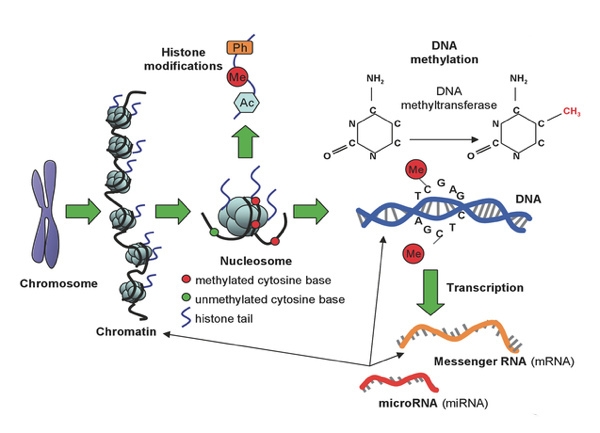
More than fifty years of epidemiological research bear this out. Yet it’s only in the last decade scientists have learned why this is – thanks to the new science of epigenetics. The term refers to changes in gene expression caused by external influences.

The stress of poverty causes an increase in maternal stress hormones, which causes variations in the way genetic code is transcripted into proteins and enzymes. These, in turn, can predispose the fetus to insulin resistance, obesity and immune problems, as well as emotional instability and mental illnesses.

The Link Between Income Inequality and Poor Health

The most important research finding, according to Bezruchka, is a more pronounced effect in societies plagued by income inequality. Study after study bears this out. In other words, a poor person’s health will be worse in a society with a wide gap between its rich and poor residents.

The US, which has the most extreme inequality, is near the bottom of the charts for indicators that measure a nation’s overall health. In life expectancy (according to the CIA), the US ranks 50th, just behind Guam. In infant mortality, it ranks 174th, between Croatia and the Faroe Islands.

A Mindset Driven By Social Service Cuts

In Sick and Sicker, Dr Susan Rosenthal notes a 30 year trend for policy makers – both conservative and liberal – to make sick people “take responsibility” for their illnesses. Epidemiological studies – as long as scientists have been doing them – have always shown a correlation between poverty and poor health. Even in Dicken’s time, it was taken for granted that the undernourished poor people living in cold, damp, overcrowded tenements were far more prone to illness than their middle class counterparts.

Rosenthal believes this shift to a “blame the victim” mentality has been deliberate – to justify aggressive social service cutbacks (by both Republicans and neoliberal Democrats like Clinton and Obama) that came into fashion with Ronald Reagan’s election in 1980.

The Role of Oppression and Exploitation in Illness

Although the link between poverty and inequality is unequivocal, epidemiologists have yet to explain why the effect is poor pronounced with extreme income inequality. Bezruchka puts it down to people in egalitarian societies looking after one another. I like Rosenthal’s explanation better. She relates it to high levels of oppression and exploitation in societies with extreme income disparity.

She points out that minimum wage workers aren’t just poor. They also work in exploitive, arbitrary and often punitive job settings which they feel powerless to change. Enduring this massive stress on a daily basis takes an enormous toll on the human body and psyche.

photo credit: AJC1 via photopin cc

The Me-Too Drug Ripoff

antipharma

In addition to the billions of health care dollars drug companies waste on disease mongering (see earlier posts), billions more are wasted on developing and marketing hundreds of “me-too” drugs. By definition, a “me-too” or “copycat” drug is a very slight variation of a drug already on the market.

The main downside of me-too drugs that they drive up health care costs  – the exorbitant cost of medical care is the main reason millions of Americans can’t afford a doctor when they’re ill. Other drawbacks of Big Pharma’s fixation with copycat drugs include the neglect of hundreds of potentially treatable illnesses and hundreds of cases of premature death and/or permanent disability related to inadequate safety profiling. Nearly all the major drug recalls in the last few years have involved copycat drugs that were assumed safe because they were chemically similar to medications already on the market.

An Issue First Raised by Ralph Nader

To the best of my recollection, Ralph Nader was the first to raise the issue of “me-too” drugs in his 2000 presidential campaign. Dr Marcia Angell, Harvard Senior Lecturer in Social Medicine, also covers the subject extensively in The Truth About the Drug Companies: How They Deceive Us and What To Do About It (2004) and in “Excess in the pharmaceutical industry” in the Canadian Medical Association Journal

According to Angell, it’s quite common for a drug company to manufacture their own copycat drugs when their patent is about to expire. The idea is to persuade doctors not to opt for cheaper generics when brand named drugs lose their patent protection. She gives the example of AstraZeneca reformulating the ulcer drug Priloxec to bring out Nexium, a nearly identical replacement. The company also shrewdly increased the price of Prilosec to get people to switch.

Three virtually identical cholesterol lowering drugs, Provochol, Zocor and Lipitor were introduced soon after Lipitor (introduced in 2002) became the best selling pharmaceutical in history . The latter was the first statin, a class of drugs that inhibits cholesterol formation in the liver. There are now eight virtually identical statin medications, excluding combination medications that contain it.

Billions Spent on Marketing Identical Drugs

OF all the drugs the FDA approved between 1993 and 2003, 78% were similar to already marketed drugs. Even more shocking, 68% weren’t even new compounds but a reformulation (change from capsule to tablet, short to long acting, etc) or a recombination of existing drugs.

Angell also laments the billions of dollars drug companies spend persuading doctors (and now patients through direct-to-consumer advertising) that their new me-too drug is more effective or safer than the older versions on the market. In most cases, they do this without a shred of scientific evidence. The FDA only requires pre-approval trials to compare me-too drugs to placebo and not to existing medications.

Big Pharma’s View on Me-Too drugs

Pharmaceutical companies want us to believe that me-too drugs enhance health care delivery. They allege that copycat drugs lower prescription costs by increasing competition. They also assert that doctors need a range of back-up drugs when the first-line medication doesn’t work or isn’t tolerated.

The claim about lowering prescription costs is utter rubbish. Copycat drugs are always priced the same or higher than the older drugs they supposedly compete with. And drug companies never, ever market their me-too drugs to doctors or patients on the basis of cost savings. As the price for brand name prescription drugs soars through the roof, only the easy availability of quality generics keeps prescription costs affordable for patients.

To justify the value of providing doctors a range of similar drugs to choose from, drug industry analysts give the example of the numerous copycat SSRIs available for treating depression. In doing so, they claim that some patients who fail to respond to Prozac, may respond to Paxil, Zoloft, Celexa, Priligy, Lexapro, Zelmid, Viibyrd or Upstene.

This is yet another marketing claim unsubstantiated by scientific research. After prescribing SSRIs for 25 years, I, like most of my colleagues, have never found a differential response to different brands. In fact my clinical experience coincides very closely to a recent literature review of SSRI effectiveness. This meta analysis revealed that only 35-38% of patients (only slightly higher than the rate of placebo response) get a positive response to any SSRI. The other 60+% fail to improve or experience horrible side effects.

What the Congressional Budget Office Found

In 2004, Angell could only estimate what drugs companies were spending on marketing, as this is considered proprietary corporate information. However in 2008, the Congressional Budget Office investigated and came up with the following findings:

  • Drug companies spent approximately $20.5 billion on promotional activities (10.8% of total revenue) in 2008.
  • Drug marketing costs, which grew rapidly between 1988 and 2006 had slowed and had been steady for three years at 10-11%. The CBO felt this was directly related to decreased rate of new drugs coming to market.
  • In 2008 drug companies spent only slightly more on promoting new drugs than they did marketing copycat drugs.

photo credit: NapInterrupted via photopin cc