The Most Revolutionary Act

Uncensored updates on world events, economics, the environment and medicine

The Most Revolutionary Act
Unknown's avatar

About stuartbramhall

Retired child and adolescent psychiatrist and American expatriate in New Zealand. In 2002, I made the difficult decision to close my 25-year Seattle practice after 15 years of covert FBI harassment. I describe the unrelenting phone harassment, illegal break-ins and six attempts on my life in my 2010 book The Most Revolutionary Act: Memoir of an American Refugee.

5 Questions for Gates Foundation About Its Failed Food & Farming Projects in Africa

By Stacy Malkan

The Bill & Melinda Gates Foundation’s annual live-streamed Goalkeepers event convenes this week as world leaders gather for the 78th U.N. General Assembly.

Pre-event press promises inspirational news for “thinkers and doers” who want to “save” dying mothers and nurture hope for a brighter world.

If past Goalkeepers are a guide, this public relations event is likely to generate laudatory press coverage that ignores the global chorus of criticisms about the Gates Foundation’s agricultural development work in Africa.

Reporters who plan to cover Goalkeepers 2023 should inquire about these recent newsworthy developments.

Why is the Gates Foundation ignoring critiques from Africa-based groups?

In the wake of two important African food summits, a long list of food security and biodiversity experts; Africa-based farming, faith and seed sovereignty groups; and civil society groups around the world have documented the problems and failings of the Gates Foundation’s “green revolution” for Africa.

The Gates Foundation has largely ignored them all.

The Africa Climate Summit in Nairobi and the African Food Systems Summit in Tanzania (known as the African Green Revolution Forum before a recent rebranding) aimed to address the climate emergency and hunger crisis that has hit Africa hard.

The outcome? “False solutions and empty promises,” reports Million Belay of the Alliance for Food Sovereignty in Africa.

The two summits “suffered from the same flaws — doubling down on failed policies, excluding farmers and civil society, and endorsing the talking points flown in from rich-county boardrooms.”

You can hear from these groups directly in this press conference and the recent wave of critical press coverage in Africa.

Where’s the data to justify continuing the green revolution approach?

The Gates Foundation’s own evaluations underpin these critiques.

As we reported last fall, the first major (publicly released) evaluation of AGRA suggests that the 15-year effort to expand capital-intensive, high-input agriculture has failed to achieve its goals of improving food security in Africa.

An earlier evaluation commissioned by the Gates Foundation in 2016 (and never publicly released; a summary is here) notes a lack of clarity, ambiguous identity, unrealistic goals, poor metrics and other shortcomings of the billion-dollar AGRA effort.

Independent assessments by Tufts Global Development and Environment Institute and African and German groups in 2020 provide further evidence, based on national-level data, that AGRA has not delivered significant yield or income gains for small farmers. The data shows that hunger grew by 30% across AGRA’s target countries during the AGRA years.

AGRA has disagreed with the Tufts research but has not provided data to rebut the findings.

Also worth noting: From the start, food policy experts predicted the green revolution for Africa would not solve hunger and poverty, and could make these problems even worse, because it ignored structural inequalities and the harsh lessons of the first green revolution in India.

How involved is the Gates Foundation in pushing laws that criminalize seed saving?

An exposé just out in The Nation by Alexander Zaitchik documents the effort by philanthropists and agribusiness companies to implement policies in Africa that criminalize seed saving.

According to The Nation:

“This past summer, the global trade regime finalized details for a revolution in African agriculture.

“Based on draft laws written more than three decades ago in Geneva by Western seed companies, the new generation of agricultural reforms seeks to institute legal and financial penalties throughout the African Union for farmers who fail to adopt foreign-engineered seeds protected by patents, including genetically modified versions of native seeds.

“The resulting seed economy would transform African farming into a bonanza for global agribusiness, promote export-oriented monocultures, and undermine resilience during a time of deepening climate disruption.”

The most direct beneficiaries of this plan, Zaitchik wrote, are:

“Four-company oligopoly that controls half the global seed market and 75 percent of the global agrichemicals market: Bayer (formerly Monsanto), Corteva (formerly DowDuPont), BASF, and Syngenta, a subsidiary of ChemChina.”

The article provides important historical context about the Gates Foundation’s role in the “new seed economy.”

Why is the Gates Foundation supporting writers who spread misinformation?

In a new peer-reviewed paper, molecular geneticist Michael Antoniou and colleagues analyzed a paper written by authors affiliated with the Gates Foundation-funded Alliance for Science, in which the authors try to equate critics of agricultural genetically engineered seeds and crops with people who make false claims about climate change, COVID-19 and vaccines.

The Antoniou study identified eight critical flaws in the paper — including inaccurate and potentially libelous accusations, misrepresentations of the science on genetically modified organisms (GMOs) and pesticides, an inaccurate definition of ‘misinformation’ and more falsehoods — showing that the Alliance for Science paper about misinformation is itself misinformation.

Multiple scientists, food policy experts and food groups have taken time over the years to analyze the writings of Lynas and the Alliance for Science, and they have documented many inaccuracies and misleading tactics the group and its lead writer have used in their efforts to promote GMOs and pesticides in Africa, with support from the Gates Foundation.

Where is the accountability?

The misinformation coming from a Gates-funded group is ironic because the Gates Foundation is trying to position itself as an arbiter of misinformation.

As I reported in 2020, the Gates Foundation donated $10 million to the Alliance for Science specifically “to counter conspiracy theories and disinformation campaigns that hinder progress in climate change, synthetic biology, agricultural innovations.” That they are doing so with documented misinformation is newsworthy.

The Gates Foundation has sidestepped accountability, avoided a reckoning with race and power, given to the rich while claiming to help the poor and evaded serious scrutiny for a long time, as Timothy Schwab has documented in a series of articles in The Nation (and a new book out soon).

[…]

Via https://childrenshealthdefense.org/defender/gates-foundation-food-farming-africa-rtk/

Maine Medical Board Puts Dr. Meryl Nass on Probation, Imposes ‘Draconian’ Sanctions

In a unanimous vote, the Maine Board of Licensure in Medicine on Tuesday found Dr. Meryl Nass guilty of multiple allegations of professional incompetence and placed Nass on probation for two years with a provisional license.

The board also issued a set of remedial sanctions that Nass must complete before being allowed to freely practice medicine again.

During its seventh day of hearings, the board determined Nass had violated medical recordkeeping standards for telemedicine and failed to provide informed consent to three COVID-19 patients for whom she had prescribed hydroxychloroquine and ivermectin.

Nass, a practicing internal medicine physician and member of the Children’s Health Defense (CHD) scientific advisory board, faced the initial suspension of her license on Jan. 12, 2022, for spreading COVID-19 “misinformation.”

The board later dropped the charges of misinformation but came up with a new set of charges. The board based their Sept. 19 decision on this new set of charges.

Rather than conducting the hearings over consecutive days, the board held hearings about every other month since October 2022 — with Nass’s ability to practice medicine being suspended the entire time.

The board’s decision on Tuesday runs contrary to the testimonies of Nass’ patients who, according to Nass’ attorney, all made “glowing comments” about her availability, her medical advice and her handling of their cases.

Nass discussed the board’s decision with CHD President Mary Holland on Wednesday’s episode of Good Morning, CHD, telling Holland the board chose “the most draconian punishments they possibly could” in order to humiliate her.

For example, the board is requiring Nass to take courses in professional ethics and medical recordkeeping and mandating she hire someone to monitor her practice “who would review my charts and possibly sit next to me in the office.”

The board’s decision order, which contains the exact details of the probationary period and remedial sanctions, has yet to be made public, Nass told The Defender.

Nass targeted as ‘prominent’ doctor opposing COVID shots

According to Holland, Nass — an outspoken critic of the COVID-19 vaccines — was likely targeted by the board because she is “a prominent physician who was courageous enough to not go along with the official narrative that you have to take these shots.”

Nass has a Substack blog and is a prominent voice in the medical community with an impeccable record, Holland said.

“Clearly, you are targeted probably not just by the Maine medical board, but even by the Federation of State Medical Boards that’s been so powerful in California and in state policies throughout the country,” Holland told Nass.

Holland told viewers CHD is assisting Nass with legal fees. “I am very delighted that we are working with you on this,” she said.

Nass pointed out that the board’s decision ignored extensive evidence presented during the prior six hearing sessions. She said:

“What had been established during these six prior hearing days was that my records were adequate, that the patients had all been treated properly, that I had not delayed recommending two of them go to the hospital.

“In fact, I had done it very appropriately and their own expert acknowledged that.”

Assistant attorneys general representing the board staff on Sept. 15 submitted closing arguments to the board in which they “completely ignored all the evidence.”

According to Nass, the board members relied heavily on those arguments as the basis for their decision and ignored the 30 pages of closing arguments that Nass’ attorneys submitted the same day, summarizing why Nass was not guilty of the remaining charges against her.

“We had nine people’s testimonies, we had hundreds — maybe a thousand documents —  admitted as evidence, and none of that counted,” Nass said.

Nass also said the board intentionally avoided permanently revoking her license because then she could have immediately gone in front of a judge and the judge would then have access to the entire record for the hearings.

In that scenario, “The judge would read it and immediately be aware that what they [the board members] had done on day seven had nothing to do with the previous six days and then they would be in trouble,” she explained.

“That was something they did not want to have happen … so that’s why the punishments were meted out in the way they were,” Nass said.

Board hearings designed to show Nass ‘who was the boss’

Nass told Holland the hearing was “an expensive process designed to humiliate me, waste my time and money and show me who was the boss.”

She added:

“I don’t get to say what I think. I don’t get to write what I think. I don’t get to treat patients the way I think and the patients certainly cannot get the care they want. The board is the final arbiter.”

Holland said the hearing sounded like a “show trial” that is “really about showing a power dynamic” rather than about seeking justice or finding out what happened.

Holland said it seemed Nass was targeted “to send a message to doctors everywhere that, ‘You don’t get to do what you think is in the patient’s best interest. You do what we tell you to do.’”

Holland also said she found it “extraordinary” that the board members “conveniently forgot” the basis on which they brought charges against Nass and then put up new charges “obviously to humiliate you.”

‘The board really is the one breaking the law’

Last month, Nass sued the board and its individual members, alleging they engaged in retaliatory conduct when they suspended her license in January 2022.

The suit also alleges the board violated her First Amendment rights and her rights under the Maine Constitution.

“The board really is the one breaking the law and so we are suing them,” she told Holland.

For instance, the main expert witness the board hired to use against Nass — Dr. Jeremy Faust, an emergency room physician from Brigham & Women’s Hospital in Boston — was hired illegally, she said.

“He was paid about three times the maximum amount allowed by law in the state of Maine. He was not licensed in Maine, which is a requirement, and he was not in my field,” she said.

Nass told Holland she was willing to continue her battle with the board “and to potentially lose my license forever” because the heart of her case is about defending the patient-provider relationship.

Nass said:

“[This battle is] about whether doctors and patients will be allowed in the future to decide on the care of the patient or whether there will be intrusions by the federal government, the insurance companies, the WHO [World Health Organization], the U.N. [United Nations], etc. who will be calling the shots and telling us what we can and can’t do to treat patients.”

Such intrusions into the patient-provider relationship could signal an end to the medical profession as we know it, Nass said. “If doctors don’t have the ability to treat patients individually, there’s no need to have doctors. A computer can do this just as well.”

She added, “You tell them what your symptoms are, they give you a diagnosis and they give you this treatment, the same treatment that everybody else gets, which was the plan for COVID-19.”

[…]

Via https://childrenshealthdefense.org/defender/maine-medical-board-dr-meryl-nass-probation-draconian-sanctions/

The MMR vaccine and threats to quarantine perfectly healthy children

Health Advisory and Recovery Team

A coercive scare story to increase vaccine uptake?

On 14th September BBC News reported London measles warning ‘Outbreak could hit tens of thousands’

Reading on, you discover this is based on our favourite dislocation from the real world: computer modelling.

Mathematical calculations suggest an outbreak could affect between 40,000 and 160,000 people… This is a theoretical risk, rather than saying we are already at the start of a huge measles outbreak. There have been 128 cases so far this year, compared with 54 in the whole of 2022.’ 

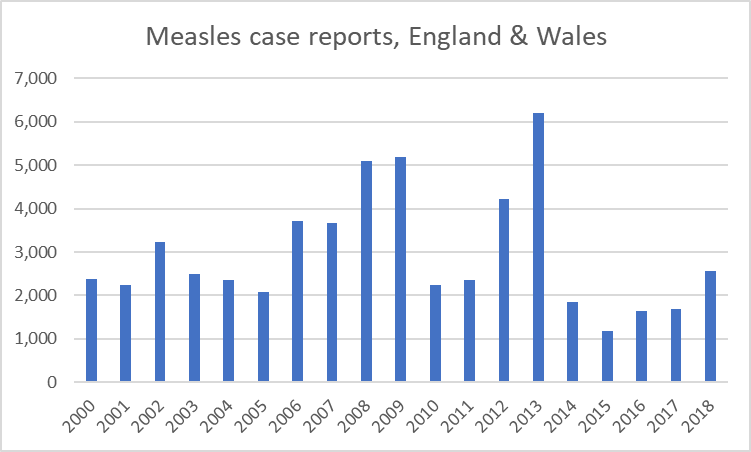
Theoretical is one word for their calculations, scare-mongering is another. Reports for the last 20 years vary widely with the highest being over 6000 cases in 2013 (see figure 2 below).

‘The UKHSA also says a large outbreak could put pressure on the NHS, with between 20% and 40% of infected people needing hospital care.’  

Ring any PROTECT THE NHS bells?

But worse was to follow. On 15th September, it was reported:

Councils in London have written to households to say the capital could be facing a major outbreak unless MMR inoculation rates improve…Measles is highly contagious and severe cases can lead to disability and death…Any child identified as a close contact of a measles case without satisfactory vaccination status may be asked to self-isolate for up to 21 days.’

This threat of sending children home for a disease they don’t have, will resonate with parents whose children were repeatedly sent home for 10 days at a time, for one child with a positive covid test. As also will the inducement of:

Parents have been urged to check children’s health records to ensure that their vaccines are up to date.’ 

A ‘nudge’ technique not a million miles from the threat of vaccine passports for nightclubs, used to increase covid vaccine uptake in 18-25-year-olds but never actually implemented.

MMR vaccine uptake levels have been variable ever since its inception. Herd immunity levels of 95% are quoted as the level required to stop measles completely. But measles has never been a condition listed for total eradication. Cases fluctuate with mini outbreaks every 5-6 years and this was always the case before the availability of the measles and later the MMR vaccine. So how real is the current threat and how could it possibly justify such a discriminatory measure as excluding unvaccinated children from school?

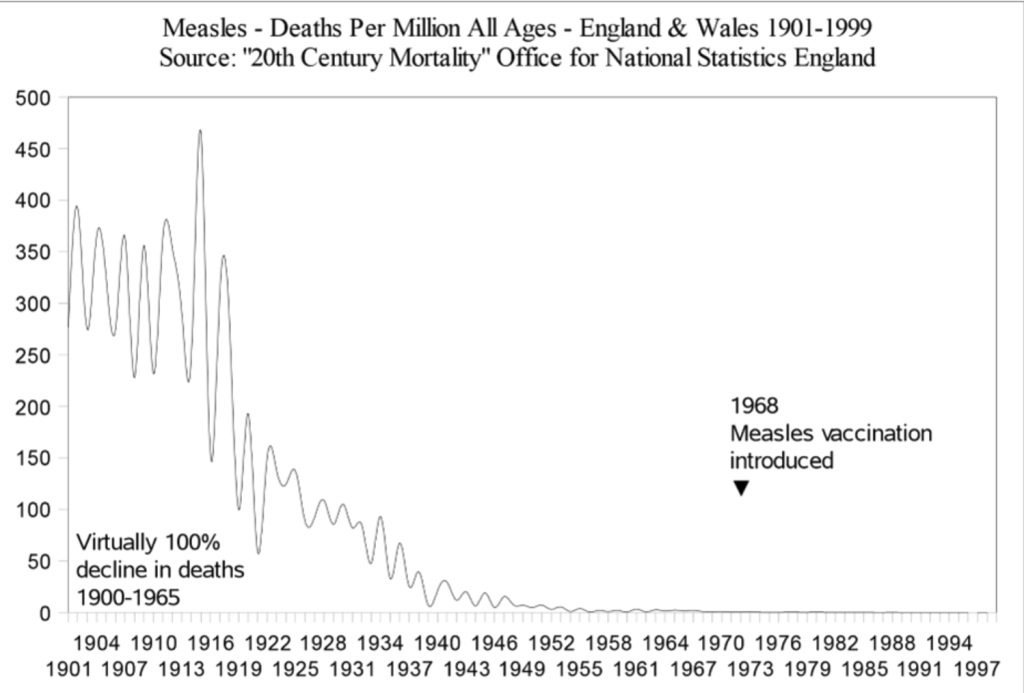
From the headlines, parents may think that measles has a high death rate and whilst that was certainly true in the past and remains true in developing countries, improved nutrition and widespread access to health care in the UK was associated with a huge decline in measles deaths. The death rate declined from over 1,100 per million in the mid nineteenth century to a level of virtually zero by the mid-1960s.

Ninety-nine percent of the reduction in measles deaths in England & Wales occurred before the introduction of the measles vaccine in 1968 and deaths have continued to fall since then.           

Figure 1 Twentieth Century Mortality CDROM Office for National Statistics. Measles mortality

More recent figures show case reports fluctuating widely and deaths of children from measles varying between 0 and 2 per annum. For example, in 2013 when there were over 6000 reported cases, there was 1 adult and 0 child deaths.

Figure 2. Measles notifications in England & Wales 2000 to 2018 – data from UKHSA

As for the quoted likely 20-40% admission rate, this is certainly nothing like the 3% admissions quoted in the pre-vaccination era. Is this just another part of the scaremongering?

That is not to say that deaths cannot occur or serious complications such as pneumonia or hearing loss. But for the vast majority of children, measles is what it was always described as, namely a ‘childhood illness’. It is noteworthy that WHO recommends

All children or adults with measles should receive two doses of vitamin A supplements, given 24 hours apart. This restores low vitamin A levels that occur even in well-nourished children. It can help prevent eye damage and blindness. Vitamin A supplements may also reduce the number of measles deaths.’

In a systematic review published in 2002, two doses of water based vitamin A were associated with a 81% reduction in risk of mortality (RR=0.19; 95% CI 0.02 to 0.85). Nowhere is this simple measure mentioned in UK guidance.

The parents who have chosen not to get their children vaccinated will accept the possibility of them catching measles, but sending them home for 3 weeks isn’t going to make this go away. A policy which writes in educational discrimination against unvaccinated children is hardly going to improve trust in public bodies. Moreover, the GMC Guidance on Decision making and Consent states in paragraph 48:

‘If you disagree with a patient’s choice of option:  You must respect your patient’s right to decide. … you must not assume a patient lacks capacity simply because they make a decision that you consider unwise’

[…]

Via https://www.hartgroup.org/measles-fearmongering/

31 Countries to Participate in the Russian Currency Market

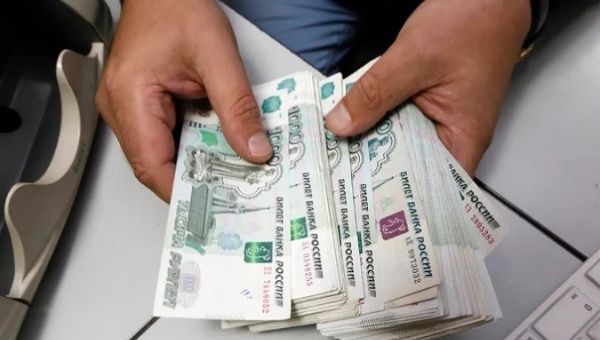
Russian bank notes.

teleSUR Newsletter

Among them are Brazil, India, China, South Africa, Türkiye, Iran, Qatar, United Arab Emirates, Cuba and Venezuela.

On Thursday, Prime Minister Mikhail Mishustin signed a provision so that banks and brokers from 31 countries can participate in the Russian foreign exchange and financial derivatives markets.

The list includes seven countries of the former Soviet Union: Azerbaijan, Armenia, Belarus, Kyrgyzstan, Tajikistan, Turkmenistan, and Uzbekistan. It also includes Brazil, India, China, and South Africa, all of which are part of the BRICS group.

The Russian government provision also covers countries such as Serbia, Türkiye, Iran, Qatar, Pakistan, United Arab Emirates, Morocco, Malaysia, Cuba and Venezuela.

The decision is part of the rules adopted in July, which seek to increase the efficiency of the mechanism for direct conversion of currencies of friendly and neutral countries, as well as to enhance the formation of direct quotes of the ruble to satisfy the demand for settlements in national currency.

On Wednesday, Venezuela and Russia reaffirmed their strategic friendly relations with a view to building “a new world order.” This happened during a meeting held between Foreign Ministers Yvan Gil and Sergei Lavrov, which took place within the framework of their participation in the United Nations General Assembly (UNGA).

Lavrov celebrated Venezuela’s proactive role in regional affairs, its contribution to intensifying integration processes, and its promotion of rapprochement between Latin America and the Eurasian Economic Union (EEU).

The Bolivarian Foreign Minister also met with the Foreign Minister of Qatar Sheikh Mohammed bin Abdul Rahman Al Thani, with whom he also strengthened cooperation ties.

[…]

Via https://www.telesurenglish.net/news/31-Countries-to-Participate-in-the-Russian-Currency-Market-20230921-0010.html

1215: A Sanitized Version of the Crusades

Episode 10 The Crusading Impulse*

1215: Years That Changed History

Dr Dorsey Armstrong (2019)

Film Review

In this lecture, Armstrong covers the Reconquista, the first three crusades and the Knights Templar, the Knights Hospitalier and the Teutonic Knights

The Reconquista, an organized effort (between 772 and 1492) to reconquer Spain from its Muslim occupiers, was an early precursor to seven crusades between 1095 and 1221 to 1) liberate Christians in the Byzantine Empire living under Turkish occupation and 2) to free Jerusalem from Muslim control. Central Asian Turks (many of who were Muslim) had conquered the periphery of Byzantium in the early 11th century. Armstrong covers the first three crusades in this lecture.

First Crusade

Prior to the First Crusade called by Pope Urban II, there was a sizeable Christian population in Jerusalem, which had lived in harmony with Jewish and Muslim neighbors for centuries. Following Pope Urban’s call for Christian men of fighting age to “take the cross,” approximately 50,000 Europeans set off on the first Crusade in 1098. Conquering Jerusalem in 1099, the6 established four states: the counties of Trepoly and Edessa, the principality of Antioch and the kingdom of Jerusalem. Although most crusaders returned to Europe following their victory, a few remained  in the Middle East to rule their new territories.

The Knights Templar

The conquest of Jerusalem led to a surge in trade between the Middle East and Europe, as well as a host of Europeans embarking on pilgrimage to Jerusalem. To protect them against robbers, Hug of Payns founded the Knights Templar (monks with permission to engage in physical violence) to protect them against highwaymen. The Knights Templar also allowed them to deposit funds in Europe they could redeem on arrival in Jerusalem. By the early 13th century, there were 200,000 Knights Templar managing the massive banking empire they had created.

A conflict with the king Philip IV of France in the 14th century led to their dissolution and confiscation of their wealth.

Knights Hospitalier

The Knights Hospitalier, also formed in the 13th century, provided hospital care for pilgrims who became ill in Jerusalem.

Teutonic Knights

A smaller group formed later in the 12th century, the Teutonic Knights helped injured crusaders. Relocating from the Middle East to Eastern Europe (where Christians were fighting non-Christian Slavs) They eventually conquered Prussia in the late 13th century.

Second Crusade

In 1144 the Saracen leader Zengi retook Edessa, leading to the Second Crusade led by the by strong Knights Templar supporter the Cistercian Abbott Bernard of Clairveau, Louis VII of France and Conrad III of Germany. After failing to scale the wall of Damascus (which was considerably south of Edessa), they retreated and headed home again.

Third Crusade

Called in in 1189, the Third Crusade was called to liberate the Holy Lands after Saracen leader Saladin recaptured Jerusalem and all but a few port cities in 1187. Led by King Philip Augustus of France, Frederick Barborosa (the Holy Roman Emperor) and King Richard the Lion-Hearted of England, it was largely a failure, except for a small group of crusaders who occupied conquered Cyprus.


*Armstrong is quite vague in explaining the uncanny ability of Pope Urban II (and of subsequent popes) to mobilize tens of thousands of men to leave their homes to risk their lives battling unknown foreign peoples. The only explanation she offers here is the law of primogeniture (under which nobles bequeathed all their land to their firstborn son), leaving subsequent sons with no income or occupation other than the church or military. Other historians have begun to look at the role of Venetian bankers (who in the 13th century controlled all finance and shipping, as well as several colonies in modern day Romania), who profited handsomely from all the crusades, especially the fourth. See Venice and the Crusades

Film can be viewed free with a library card on Kanopy.

https://www.kanopy.com/en/pukeariki/watch/video/12392969/12392990

Biden administration tried to censor this Stanford doctor, but he won in court

Dr. Jay Bhattacharya

Getty Images

Rikki Schlott

New York Post

A federal court of appeals ruled earlier this month that the White House, surgeon general, CDC and FBI “likely violated the First Amendment” by exerting a pressure campaign on social media companies to censor COVID-19 skeptics — including Stanford epidemiologist Dr. Jay Bhattacharya.

“I think this ruling is akin to the second Enlightenment,” Bhattacharya told The Post. “It’s a ruling that says there’s a democracy of ideas. The issue is not whether the ideas are wrong or right. The question is who gets to control what ideas are expressed in the public square?”

The court ordered that the Biden administration and other federal agencies “shall take no actions, formal or informal, directly or indirectly” to coerce social media companies “to remove, delete, suppress or reduce” free speech.

Bhattacharya, a professor of medicine, economics and health research policy at Stanford University, co-authored the Great Barrington Declaration in the fall of 2020 with professors from Harvard and Oxford.

The epidemiologists advocated for “focused protection” — safeguarding the most vulnerable Americans while cautiously allowing others to function as normally as possible — rather than broad pandemic lockdowns.

The Fifth Circuit court found that the Biden administration and other federal agencies pressured social media companies to censor dissenting views on COVID-19.

“We were just acting as scientists, but almost immediately we were censored,” said Bhattacharya, director of Stanford’s Center for Demography and Economics of Health and Aging. “Google de-boosted us. Our Facebook page was removed. It was just a crazy time.

“The kinds of things that the federal government was telling social media companies to censor included us — along with millions of other posts from countless other people who were criticizing government COVID policy,” he added.

A New Orleans-based three-judge panel found that the federal government “likely coerced or significantly encouraged social-media platforms to moderate content” by vaguely threatening adverse regulatory consequences if social media companies did not suppress certain viewpoints on the pandemic.

“The government had a vast censorship enterprise,” Bhattacharya said. “It was systematically used to threaten and coerce and jawbone and tell all these social media companies, ‘You better listen to us: Censor these people, censor these ideas, or else.’”

It was later revealed that then-NIH director Dr. Francis Collins called for a “swift and devastating takedown” of Bhattacharya and his co-authors — whom Collins dubbed “fringe epidemiologists” — in an email to Dr. Anthony Fauci.

Subsequent reporting from Elon Musk’s so-called Twitter Files — internal documents and communications released by Musk, after he bought the platform, to expose Twitter’s inner workings — revealed that Bhattachrya’s profile was being suppressed on the platform.

“It’s akin to the efforts by governments to suppress the printing press when it first was invented, when books represented an enormous threat to power,” Bhattacharya said, referring to efforts by King Henry VIII and the Catholic Church to curb use of the printing press in the 16th century.

“There’s an analogous fight that’s currently going on with social media, which makes it vastly easier for anybody to express their ideas, and very powerful people find that incredibly threatening.”

The September 8 ruling affirmed but narrowed a lower court order, issued on July 4 by US District Judge Terry Doughty, which found that the Biden administration and other federal agencies “engaged in a years-long pressure campaign [on social media outlets] designed to ensure that the censorship aligned with the government’s preferred viewpoints” and that “the platforms, in capitulation to state-sponsored pressure, changed their moderation policies.”

Bhattacharya says the first victory, although in a lower court, was the most exciting to him.

“I was just absolutely thrilled, especially to have it on July 4th,” he said. “I think that judge was sending a message by issuing this ruling on July 4th that we’re going to restore free speech in this country.”

The Biden administration appealed to the Supreme Court on Thursday — a move that Bhattacharya anticipated.

But he believes it’s “unlikely” the Supreme Court will overturn the Fifth Circuit’s decision.

He feels his is a landmark case in curbing the influence the government has over social media — on matters that extend far beyond just COVID-19 and lockdowns.

“This new technology has created enormous opportunities for people to participate in debate in the public square,” Bhattacharya said. “And I hope that this is the beginning of a legal infrastructure that enables that to happen — rather than the opposite, which is a dark age where the government gets to decide what’s true and what’s allowed to be said.”

[…]

Via https://nypost.com/2023/09/20/how-dr-jay-bhattacharya-beat-biden-administration-censorship/

White House at Loss to Deal with Growing Anti-Vaccine Movement

Anti-vaccine protesters stage a protest outside of the San Diego Unified School District office to protest a forced vaccination mandate for students.

A Biden administration that vowed to restore Americans’ faith in public health has grown increasingly paralyzed over how to combat the resurgence in vaccine skepticism.

And internally, aides and advisers concede there is no comprehensive plan for countering a movement that’s steadily expanded its influence on the president’s watch.

The rising appeal of anti-vaccine activism has been underscored by Robert F. Kennedy Jr.’s insurgent presidential campaign and fueled by prominent factions of the GOP. The mainstreaming of a once-fringe movement has horrified federal health officials, who blame it for seeding dangerous conspiracy theories and bolstering a Covid-era backlash to the nation’s broader public health practices.

But as President Joe Biden ramps up a reelection campaign centered on his vision for a post-pandemic America, there’s little interest among his aides in courting a high-profile vaccine fight — and even less certainty of how to win.

The White House’s reticence is compounded by legal and practical concerns that have cut off key avenues for repelling the anti-vaccine movement, according to interviews with eight current and former administration officials and others close to the process.

[…]

Biden officials have felt handcuffed for the past two years by a Republican lawsuit over the administration’s initial attempt to clamp down on anti-vaxxers, who alleged the White House violated the First Amendment in encouraging social media companies to crack down on anti-vaccine posts. That suit, they believe, has limited their ability to police disinformation online. In addition, Congress is clawing back Covid funds once earmarked for vaccine education and outreach. And Biden himself has opted to largely ignore Kennedy’s campaign, concluding there’s no political benefit to engaging with the increasingly longshot challenger or his conspiratorial views.

The approach has given conservative influencers and lawmakers who have embraced Kennedy and other vaccine skeptics more space to promote their views and tout themselves as free speech warriors doing battle against the Biden administration.

And the impact is clear: As another Covid vaccination campaign gets underway, fewer Americans than ever have kept up to date on their shots. Child vaccination rates against the flu are measurably lower than before the pandemic. Even standard childhood inoculations to prevent diseases like the measles are subject to deepening partisan divisions, with recent polling showing Republicans are now more than twice as likely to believe the shots should be optional than they did in 2019. Democrats, by contrast, remain overwhelmingly in favor of childhood vaccine requirements.

[…]

Yet as Biden’s attention shifts to the 2024 race, administration officials and others close to the process say there is waning focus on the politically divisive public health issues that consumed his first two years.

The White House dissolved its Covid response team earlier this spring in favor of a new office focused on broader pandemic threats and is no longer deeply involved in combating the vaccine conspiracy theories flourishing daily online. When top officials mention the pandemic, it’s now mainly to tout the nation’s emergence from its crisis phase. As for Biden, he openly defied his administration’s Covid guidance earlier this month, declining to wear a mask in public on multiple occasions after being exposed to the virus.

Biden aides have instead delegated much of the responsibility for ongoing public health work back to HHS. But combating anti-vaccine sentiment on a large scale is not considered a top priority within the department, where Health Secretary Xavier Becerra has at times indicated he believes the administration has done all it can do.

“If you’re dying of Covid today, you didn’t take precautions,” Becerra said during a POLITICO health summit in June, taking an oblique shot at Florida Gov. Ron DeSantis and other prominent Republicans who have advanced anti-vaccine theories. “If you listened to someone who said you didn’t have to take that precaution, it’s not just your fault, it’s the fault of that leader who doesn’t give you the best information. If leaders choose not to take care of their people, that’s on them.”

The CDC, under new director Mandy Cohen, has sought to be more vocal in countering disinformation of late. After DeSantis’ state surgeon general advised healthy residents not to get the most recent booster, Cohen called the decision “unfounded and, frankly, dangerous.”

Yet the Biden health department no longer has the resources to run the sprawling network of community-level initiatives that proved effective in boosting trust in the vaccines early in the Covid response, as congressional support for Covid funding has dried up. Those still trying to make headway lamented the inability to keep up with fast-moving conspiracies spreading across social media, leaving them overwhelmed by the flood of myths and misconceptions that gain traction before the government can mount a response.

“This is asymmetrical warfare by definition,” said one former health official who worked on the administration’s public health messaging. “We will need the people who have the levers to change that equation to focus on this issue. Being right is wildly insufficient to win a public debate.”

The administration’s scaled-back approach to the anti-vaccine movement represents a notable shift from early in Biden’s presidency, when the success of his agenda hinged on vaccinating the nation against Covid.

[…]

The 2022 lawsuit led by Republican attorneys general that targeted the administration’s work with social media companies dealt a major blow, quashing the prospect of a sustained effort to push back on anti-vaccine campaigns or target influential figures responsible for spreading conspiracy theories.

The suit set back the administration for months, according to three people familiar with the matter, as White House lawyers discouraged any initiatives that might add to the allegations.

Despite trying to not provoke a judicial rebuke, a federal judge in Louisiana nevertheless sided with the GOP plaintiffs in a July ruling. The judge banned a range of Biden officials and agencies from talking with social media companies, though the prohibition has since been paused while the administration seeks an intervention by the Supreme Court.

The administration also found itself mired for months in a standoff with congressional Republicans over more Covid funding. During that time, it pared back its ambitions and messaging, maintaining during the most recent vaccination campaign last fall that its role was primarily to ensure the vaccine was available for those who wanted it. Just 20 percent of adults got last year’s shot, according to CDC data through May 11, down sharply from the 79 percent of adults who received their initial series of vaccinations in 2021.

The White House has since dropped its push for more Covid money in the face of solidified Republican opposition, instead agreeing earlier this year to let Congress claw back more than $27 billion of unspent funds in exchange for salvaging $5 billion earmarked for next-generation vaccines.

[…]

Via https://childrenshealthdefense.org/defender/covid-nw-fauci-making-millions-pandemic-backlash/

Statin Use Linked to Dementia

statin dementia risk

Dr Mercola

Story at-a-glance

  • Having lower levels of low-density lipoprotein (LDL) cholesterol is linked to a higher risk of dementia, according to a study of nearly 4,000 people aged 50 and over
  • A high level of LDL cholesterol was found to be inversely associated with dementia in the study participants, even after controlling for other factors that might increase risk, including demographic characteristics, health behavior, mood assessment and medical history
  • The association was so strong that researchers concluded a high level of LDL cholesterol may be considered as a “potential protective factor against cognition decline”
  • Your brain contains up to 30% cholesterol, which is an essential component of neurons and necessary to develop and maintain neuronal plasticity and function

Worldwide, someone develops dementia every three seconds, and by 2030 it’s estimated that 75 million will be living with the condition.1 In the U.S. alone, 5.7 million Americans are living with Alzheimer’s disease, the most common form of dementia, and someone develops the disease every 65 seconds.2

Meanwhile, the use of statin cholesterol-lowering drugs doubled among U.S. adults from 2000 to 2011,3 and by 2019 U.S. doctors were writing 818 million prescriptions for such drugs every year.4 In the fervor to lower cholesterol levels — a misguided strategy still being mistakenly promoted to reduce heart disease risk — might health care professionals be increasing dementia risk?

So suggest the results of a study published in the journal Frontiers in Neurology, which looked into the relationship between cholesterol and cognitive function.5 While cholesterol is still largely vilified, and statin use still heavily promoted, the study found that having lower levels of low-density lipoprotein (LDL) cholesterol is linked to a higher risk of dementia.

High LDL Cholesterol Protects Against Cognitive Decline

The study involved data from nearly 4,000 residents aged 50 years or over in an urban community in China. A high level of LDL cholesterol was found to be inversely associated with dementia in the study participants, even after controlling for other factors that might increase risk, including demographic characteristics, health behavior, mood assessment and medical history.

What’s more, the researchers noted, “There was a significantly higher proportion of participants with low levels of total cholesterol (TC) and … [LDL] cholesterol in the dementia group than in groups without dementia.”6 The association was so strong that they concluded a high level of LDL cholesterol may be considered as a “potential protective factor against cognition decline.”

This may come as a surprise for those who have been told that cholesterol is more of a liability than an asset, but other studies have also found cholesterol to be protective to the brain. For instance, cholesterol levels in the high-normal range were associated with better cognitive performance in people aged 65 years and over.7

Those researchers concluded, “[L]ow cholesterol may serve as a clinical indicator of risk for cognitive impairment in the elderly.” Lower cholesterol levels were also associated with worse cognitive function among South Korean study participants aged 65 and over, and were considered to be a “state marker for AD [Alzheimer’s disease].”8

A U.S. study of more than 4,316 Medicare recipients aged 65 and over also revealed that higher levels of total cholesterol were associated with a decreased risk of Alzheimer’s disease, even after adjusting for cardiovascular risk factors and other related variables.9

Other studies have found higher HDL cholesterol to be associated with better cognitive function,10 with researchers suggesting, “Further exploration of the protective effect of HDL-C [HDL cholesterol] on cognitive function in aging is warranted through follow-up, longitudinal studies.”11

Why Higher Cholesterol Levels May Be Good for Your Brain

Your brain contains up to 30% cholesterol, which is an essential component of neurons and, as stated by the researchers of the featured study, “of great importance to develop and maintain neuronal plasticity and function.”12 In fact, cholesterol is critical for synapse formation, i.e., the connections between your neurons, which allow you to think, learn new things and form memories.

Beyond this, it’s been suggested that high cholesterol could be an indicator of overall good nutritional status and health, whereas low cholesterol has been linked to a higher risk of mortality and is often seen alongside malnutrition and chronic diseases, including cancer.13 In one study, women with high cholesterol actually had a 28% lower mortality risk than women with low cholesterol.14

The Frontiers in Neurology study authors also suggested that, as a major component of the brain, decreasing cholesterol levels could be associated with cerebral atrophy, “a typical anatomic syndrome of dementia,” and other factors more directly related to your brain health. They continued:15

“Another speculation is that high LDL-C could reduce neurons’ impairments or facilitate compensatory repair of injured neurons. The inhibitions of dendrite outgrowth and synaptogenesis, and the acceleration of neurodegeneration have been observed when neurons was a short of cellular cholesterol or cholesterol supply.

Besides, cholesterol plays an important role in the synthesis, transportation and metabolism of steroid hormones as well as lipid-soluble vitamins, both of which have an impact on synaptic integrity and neurotransmission.”

Statins Linked to Neuromuscular Disease

While the featured study didn’t look specifically at statin use, it stands to reason that using such drugs to lower your cholesterol to artificially low levels could backfire in the form of degenerating your brain health. Previously, statins have been linked to the neuromuscular degenerative disease amyotrophic lateral sclerosis (ALS), also known as Lou Gehrig’s disease.

The World Health Organization (WHO) Foundation Collaborating Centre for International Drug Monitoring receives safety reports associated with statin medications and has noted a disproportionately high number of patients with upper motor neuron lesions among those taking statin medications.16

The lead researcher, Ivor Ralph Edwards, is an expert in toxicology, acute and chronic poisoning and adverse drug reactions. He stated, “We do advocate that trial discontinuation of a statin should be considered in patients with serious neuromuscular disease such as the ALS-like syndrome, given the poor prognosis and a possibility that progression of the disease may be halted or even reversed.”17

Should You Think Twice Before Taking Statins?

If you’ve been told you need a statin drug to lower your cholesterol levels, you may want to think carefully before filling the prescription — for a few key reasons. Side effects are one of them. Aside from an increased risk of dementia, statins deplete your body of Coenzyme Q10 (CoQ10), which accounts for many of their devastating results.

CoQ10 is used for energy production by every cell in your body. Its reduced form, ubiquinol, is a critical component of cellular respiration and production of adenosine triphosphate (ATP). ATP is a coenzyme used as an energy carrier in every cell of your body. The depletion of CoQ10 caused by statins can actually increase your risk of acute heart failure.

While this can be somewhat offset by taking a Coenzyme Q10 supplement (if you’re over 40, I would recommend taking ubiquinol instead of CoQ10), statins still come with a risk of other serious side effects, including:

  • Diabetes18
  • Cancer19
  • Cataracts20
  • Musculoskeletal disorders, including myalgia, muscle weakness, muscle cramps, rhabdomyolysis and autoimmune muscle disease21
  • Depression22

Statins also inhibit the synthesis of vitamin K2, which can make your heart health worse instead of better, and reduce ketone production. Ketones are crucial nutrients to feed your mitochondria and are important regulators of metabolic health and longevity.

The other major issue is that the payoff for taking on this heightened risk of side effects is very small, as there is far more that goes into your risk of heart disease than your cholesterol levels.

If you look at absolute risk, statin drugs benefit just 1% of the population. This means that out of 100 people treated with the drugs, one person will have one less heart attack.23 Keep in mind also that statins reduce your total cholesterol number, without addressing your HDL, LDL, very low-density lipoproteins (VLDL) or triglyceride levels.

While your total cholesterol number gives you a general overview, it isn’t the information needed to evaluate your risk of cardiovascular disease. Instead, you’ll need to compare your HDL, LDL, VLDL and triglyceride numbers against your total cholesterol.

A review of three large industry-funded studies even found LDL cholesterol does not cause cardiovascular disease,24 raising serious concerns about the continued push for statin drugs to lower cholesterol.

[…]

Via https://articles.mercola.com/sites/articles/archive/2023/09/20/statin-dementia-risk.aspx

Why Barack Obama Can’t Shut Up

Why Barack Obama Can't Shut Up
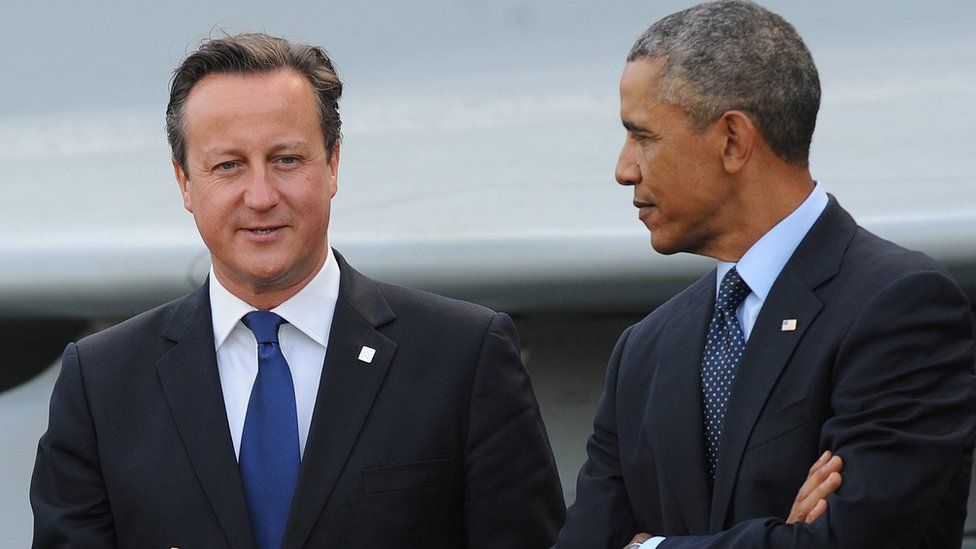
UK Prime Minister David Cameron and Barack Obama in 2014, three years after they and others destroyed Libya. (Photo: PA Images)

Margaret Kimberly

Black Agenda Report

Barack Obama devastated millions of people all over the world and speaks of his actions as if they were committed by someone else. It is a masterful performance by a man committed to deception.

“If you’re looking to help people impacted by the floods in Libya, check out these organizations providing relief”
Barack Obama

If it can be said that one person is responsible for the awful death toll from the recent flooding in eastern Libya, Barack Obama should be named as the culprit. If nothing else, Obama certainly has a lot of nerve. The person who was determined to destroy the Libyan state did just that. His personal hench lady, aka Secretary of State Hillary Clinton, carried out the dirty work. Along with allies like the UK and France, she made the case for a “no fly” zone, which prevented Libya’s army from being protected by its air force. For good measure she whipped up a phony human rights case, complete with claims about troops taking viagra in order to commit mass rapes.

The end result of these criminal machinations was a destroyed nation, a race war against African migrants and darker skinned Libyans, the murder of the president, and the beginning of a migration crisis which continues to this day. Obama can’t stop himself from commenting on that either. After the U.S. waged a war of aggression against Libya with the help of jihadist groups, the Obama administration then turned to Syria and tried to do the same thing. The Syrian state lives on but is diminished by the displacement of millions of people, sanctions, the U.S. theft of its oil, and its own migration crisis.

Citizens of western Asia and African nations flee instability on boats and rafts that are not seaworthy in hopes of reaching asylum in Europe. These risky trips result in terrible tragedies, as happened in June 2023 when an overloaded ship carried more than 700 migrants from Libya, trying to reach Greece. The boat sank and only 104 survivors were rescued.

There were no such conditions before the U.S. and NATO destroyed Libya, but Obama didn’t disappoint. He pondered why there was more news about the sinking of a small submersible at the site of the Titanic than about the migration tragedy. That question would be normal for anyone else, but not for a man who played a leading role in creating the conditions for some 20,000 people to die while trying to cross the Mediterranean between 2014 and 2023.

“Right here off the coast of Greece we had 700 people dead, 700 migrants who were apparently being smuggled into here. It’s made news but it’s not dominating in the same way. In some ways it’s indicative of the degree to which people’s life chances have grown so disparate. It’s very hard to sustain a democracy when you have such massive concentrations of wealth. And so part of my argument has been that unless we make people feel more economically secure and we’re taking more seriously the need to create ladders of opportunity and a stronger safety net that’s adapted to these new technologies and the displacements that are taking place around the world, if we don’t take care of that, that’s also going to fuel the kind of mostly far right populism, but it could also potentially come from the left that is undermining democracy because it makes people angry and resentful and scared.”

It isn’t just the Libya disaster that Obama opines upon as if he were uninvolved. In one fell swoop he managed to connect two disasters which were created entirely by him. Under his administration, the Federal Reserve’s Quantitative Easing transferred more than $1.5 trillion to Wall Street banks, fattening the pockets of the 1% in the biggest transfer of wealth in history while working people languished in precarity.

Yes, people are scared of wars and unemployment and so they flee wherever they can. But if democracy is being undermined it isn’t because anyone departs from the two-party duopoly. Obama explained why the system is lacking in legitimacy but then points the finger elsewhere as if were uninvolved in all these crises.

Obama does what other former presidents do. He gives speeches and has a foundation and he is building a library. He also reappears when Biden needs cover for his disasters. When the Ukraine war was instigated by the U.S. in 2022, Obama was suddenly giving speeches in which he claimed concern for “disinformation” when he was really advocating for big tech censorship.

Obama can’t seem to be quiet. George W. Bush is also a war criminal who devastated Iraq and Afghanistan, two of the nations whose citizens are among those fleeing their homelands on rickety boats. But Bush paints pictures of puppies and acts like a grandfatherly figure. He doesn’t usually weigh in on the issues of the day. Aside from Donald Trump, who is now fighting a torrent of legal troubles, former presidents get a pass and are thought of in positive ways no matter how much damage they did.

Obama is made of sterner stuff than Bush or his other predecessors. He is dedicated to being the errand boy of the 1% for the rest of his life. He impoverished millions of people, destroyed countries, but now falsely appears bewildered about the conditions he brought about. He knows exactly what he is doing though. He has pledged lifelong devotion to capitalism and imperialism. Obama even stopped a nascent NBA strike in 2020, keeping Black athletes in line even in his quasi retirement.

[…]

Via https://www.blackagendareport.com/why-barack-obama-cant-shut

Civilizations of Sub-Saharan Africa in 1215

The astonishing ancient stone city of Great Zimbabwe constructed 900 years ago - Zimbabwe Situation

Ruins from 13th Century Great Zimbabwe

Episode 9 Civilizations of Sub-Saharan Africa

1215: Years That Changed History

Dr Dorsey Armstrong (2019)

Film Review

In this lecture Armstrong covers three ancient kingdoms of sub-Saharan Africa, Mali, Ethiopia and Zimbabwe, that came to the height of their power in 1215.

Ethiopia

The Ethiopian empire evolved from the Aksumi Empire which first appeared in the 1st century AD. Although an officially Christian state, it openly welcomed Muslim refugees being persecuted in Europe. It became immensely wealthy during the 13th century due to its booming trade in gold, frankincense, ivory and slaves. Although it was illegal to sell Christians as slaves, it was perfectly legal for Christians to kidnap non-Christians and sell them into slavery.

Ethiopia had a feudal structure like Europe, with a rigid hierarchical structure based on bonds of loyalty, protection and service.

Mali

The rulers of the Mali Empire belonged to the Keita Dynasty descended from the Muslim traders who first brought Islam to Africa in the 7th century. Prior to the 11th century, there were several African cities-states in the region of modern-day Ghana. A rural backlash against their mass conversion to Islam would culminate in the formation of the Mali Empire. It was the second largest kingdom in world history (only the Mongol Empire was larger), incorporating modern day Malia, Burkina Faso, Nigeria, Senegal, Guinea, Mauritania and Gambia.

It supported itself through vigorous coastal and overland trade in ivory, gold and salt and rich agricultural production in the Niger River flood plain. Timbuktu would join Cairo and Baghdad as Islamic centers of learning, leaving behind hundreds of thousands of manuscripts in both public and private libraries.

Mali made its greatest global impact when Emperor Mansa Musa made a pilgrimage to Mecca with a retinue of 60,000 people and hundreds of camels carrying gold, which he gave away freely to dignitaries and bystanders alike.

Zimbabwe

The Kingdom of Zimbabwe was formed in 1220 by the Mapungubwe people, best known for their skill in stone carving and the magnificent stone monuments and buildings they constructed. The mined gold and traded with Europe, the Far East and the Arab world.

Using cattle as currency, they created an efficient centralized administrative structure in which a central “zimbabwe” ruled over numerous smaller “zimbabwes.”

The city of Great Zimbabwe was 1800 acres of extensive dry stone masonry (ie built without mortar) walls and buildings.

Film can be viewed free on Kanopy with library card.

https://www.kanopy.com/en/pukeariki/watch/video/12392969/12392988