
.
About 100 Days Until Factories Slow and the Boxes Stop Arriving
The tankers stopped.
Insurance markets froze first. Then freight rates spiked. Then captains hesitated. Then the Strait of Hormuz went quiet.
When a chokepoint closes, geography becomes destiny.
And for China, destiny runs on imported oil.
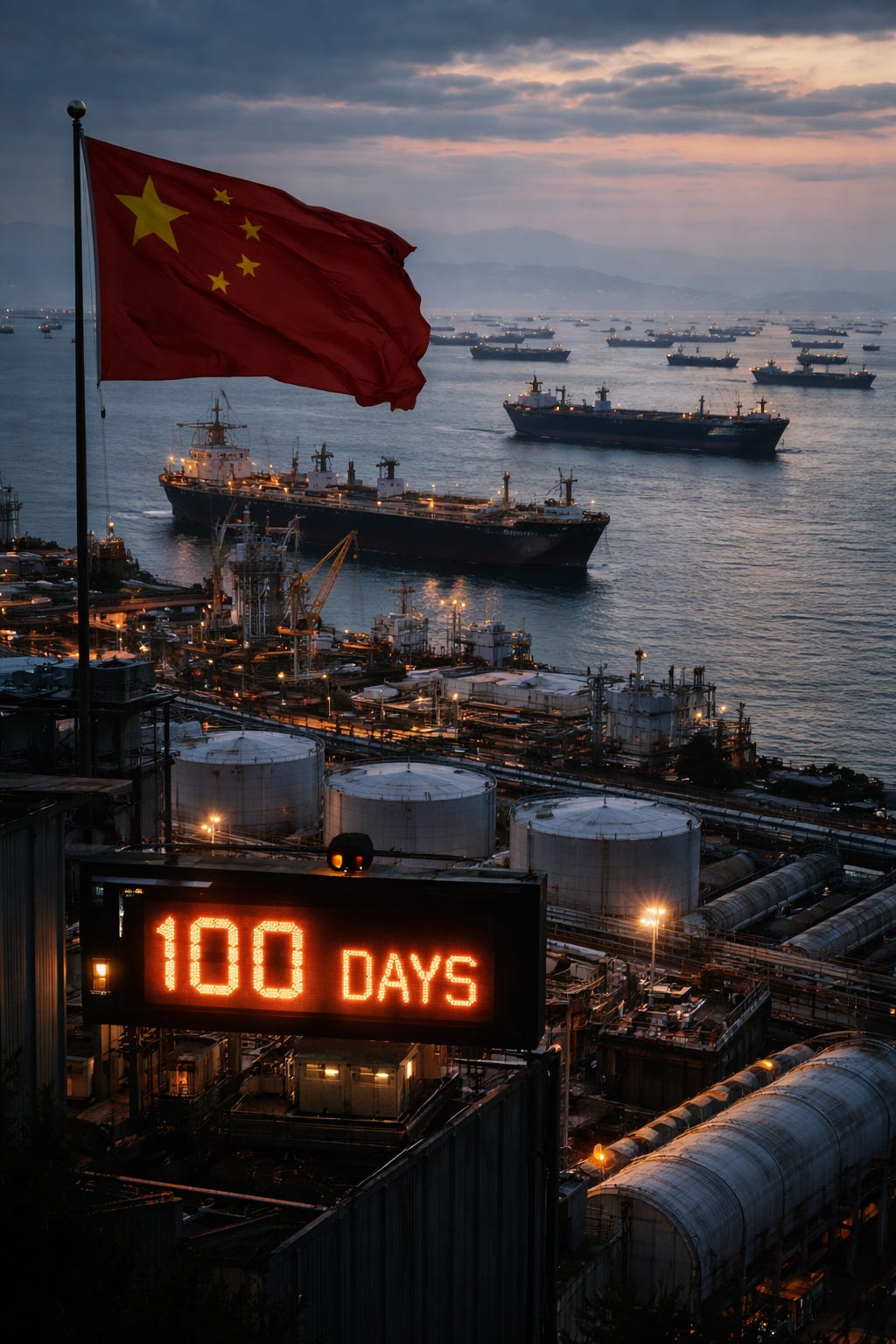
As of March 2026, analysts estimate China can function roughly 100 to 115 days if Hormuz remains fully blocked. Some banks whisper about 180 to 200 days if every strategic barrel is drained. That sounds comfortable. It is not.
Because inventory is not immunity. It is a countdown.
🌍 The Backstory: Why China Built a Mountain of Oil
China learned this lesson slowly, then all at once.
It imports more than 70 percent of its crude consumption. It is the world’s largest oil importer. Roughly half of those imports flow through Hormuz. Thirty percent of its liquefied natural gas does too.
That is not ideology. That is arithmetic.
So Beijing did what great powers do when they feel exposed. It stockpiled.
As of early 2026:
China’s Oil Position
- Total onshore crude inventories: approximately 1.2 to 1.3 billion barrels
- Strategic Petroleum Reserve: about 400 million barrels
- Commercial stocks: roughly 670 to 800 million barrels
- Net import coverage: around 104 days at 2025 import levels
That mountain of crude was built quietly. No speeches. No slogans. Just steel tanks filling up.
This was not paranoia. It was insurance.
Now the policy is being tested.
🔥 Zero To Hero: The Collapse Scenario
Day one of a full closure does not feel like collapse.
Refineries keep running. Diesel flows. Cities hum. Coal keeps the grid alive. Markets wobble but do not panic.
China is not fragile.
But this is how depletion works.
Oil stocks are not evenly distributed. Commercial barrels move daily. Strategic barrels are political decisions. Pipelines cannot suddenly double capacity.
China’s overland lifelines:
- Russia via Eastern Siberia Pacific Ocean pipeline
- Russia via Kazakhstan transit
- Direct Kazakhstan pipeline
Combined, these pipelines supply only a fraction of China’s total daily crude demand. They cannot replace millions of barrels per day from the Gulf.
So the 100 day window is not about total shutdown.
It is about when tradeoffs begin.
⏳ What Happens As The Days Pass
Days 1 to 30
No panic. The government signals confidence. Strategic stocks remain mostly untouched. Commercial refiners draw from inventories. Prices climb globally but domestic stability is preserved.
Days 30 to 60
Freight reroutes around the Cape of Good Hope. Transit times stretch by weeks. Insurance costs compound. Brent pushes higher, potentially into triple digits.
China begins selective strategic releases. Energy intensive sectors feel quiet pressure. Nothing dramatic. Just limits.
Days 60 to 100
The tone changes.
If Hormuz remains sealed, commercial stocks thin out. Diesel allocation becomes strategic. Export industries face margin compression. LNG shortages stress coastal industrial hubs.
The question becomes simple.
Which sectors get priority?
Food logistics. Military readiness. Critical manufacturing. Urban stability.
Steel output can pause. Luxury exports can slow. Political control cannot.
📉 The Economic Shockwave
Oil at 120 to 150 dollars per barrel does not stay in the oil market.
It moves through fertilizer, plastics, shipping, food, air freight, petrochemicals.
China’s growth projections for 2026 sit near 4 percent. An energy shock shaves points off quickly.
Cost push inflation rises. Export margins shrink. Domestic transport costs surge.
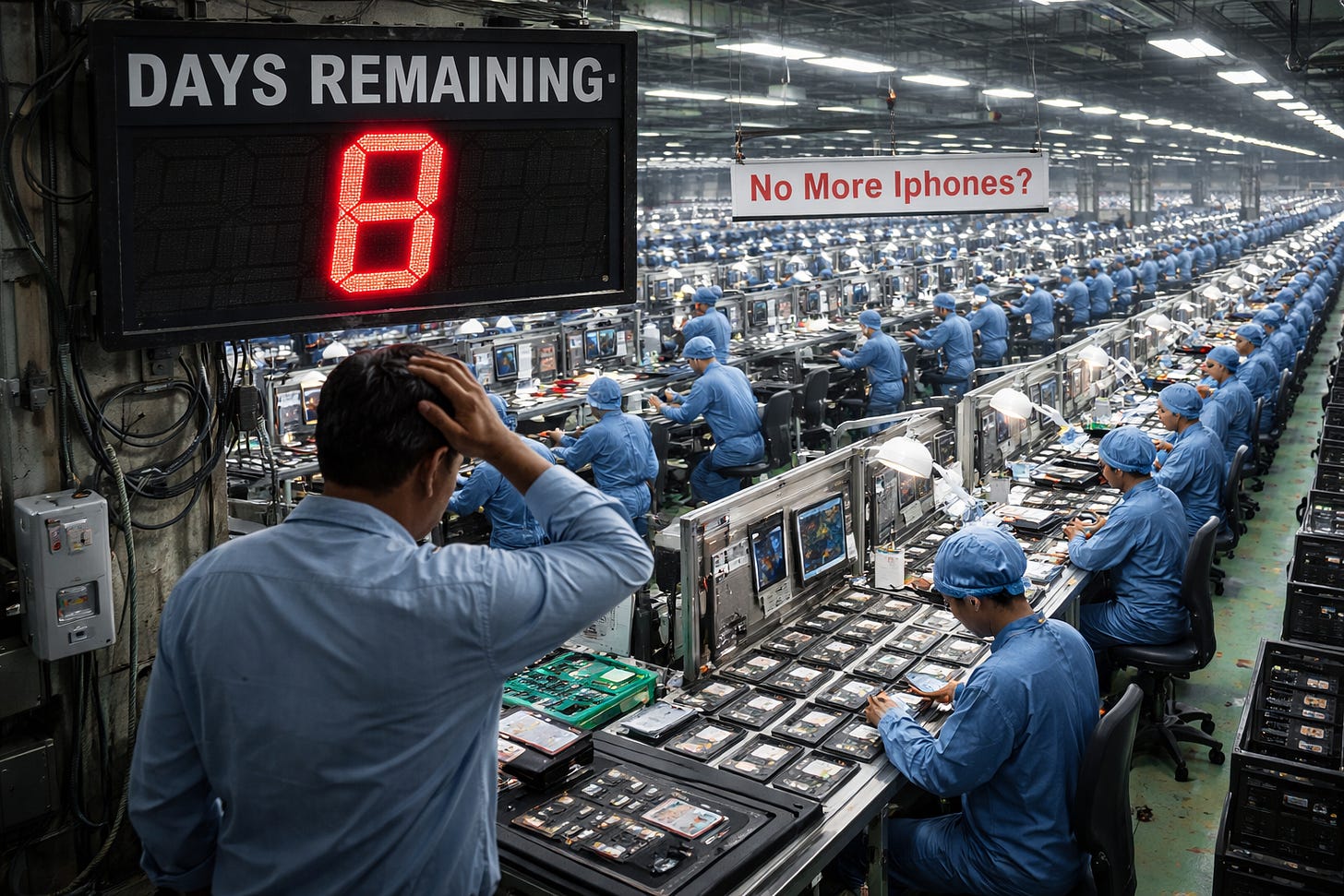
And because China is the manufacturing spine of the global economy, the slowdown does not stay inside its borders.
Electronics, machinery, automotive components, consumer goods. Delays cascade.
This is not theory. It is supply chain math.
🧠 Raising The Stakes: The Real Constraint
The real constraint is not how many barrels exist.
It is how fast replacement flows can move.
Hormuz handles about one fifth of global oil trade. Tankers rerouting around Africa increase voyage times dramatically. Shipping capacity tightens. Freight costs surge.
Even if physical oil exists, logistics slow it down.
China could survive 100 days. It could possibly stretch longer by rationing and releasing strategic reserves.
But survival and normal functioning are not the same.
Normal functioning requires flow.
And flow requires open sea lanes.
⚖️ How China Secures Oil If Hormuz Stays Shut
If the closure persists, Beijing has levers.
- Increase Russian volumes through pipeline and seaborne routes in the Pacific
- Expand imports from West Africa and Latin America
- Accelerate Arctic and Far East shipments
- Draw down SPR aggressively
- Impose domestic fuel rationing
- Prioritize military and food logistics over export manufacturing
- Increase coal substitution for power generation
- Accelerate electric vehicle and renewable expansion
None of these solve the problem overnight.
All of them buy time.
China’s advantage is centralized coordination. It can ration faster than market democracies. It can redirect supply by decree.
That is structural power.
🌱 Turn Pain Into Power
Here is the paradox.
Every chokepoint accelerates adaptation.
The 1973 oil shock reshaped Japan’s efficiency model. The 1990 Gulf War reshaped U.S. strategic reserves. Europe’s gas crisis reshaped LNG infrastructure.
If Hormuz remains blocked long enough to sting but not collapse China, it becomes fuel for transformation.
More pipelines. More Arctic shipping. More domestic production. Faster electrification. Faster storage buildout.
Crisis compresses time.
And China has shown repeatedly that it can move fast under constraint.
🎯 The Win Win Lesson
This is not just about Beijing.
It is about you.
Resilience is inventory plus optionality.
China stockpiled oil because it understood dependency. You can stockpile leverage in your own life the same way.
Cash reserves. Skills redundancy. Multiple income channels. Geographic flexibility. Network depth.
When chokepoints close, those who prepared breathe easier.
Those who did not panic.
The 100 day clock is a metaphor.
How long can you function if one supply line disappears?
Build your reserves before the strait closes.
💡 Final Thought
Read this slowly.
The world runs on flows. Oil. Data. Capital. Food. Attention.
When flows stop, systems reveal their design.
China is not collapsing tomorrow. It has built buffers. It has planned for disruption. It can ration, redirect, and adapt.
[…]
Via https://wavesandpositions.substack.com/p/the-100-day-clock-when-hormuz-closes
 The Most Revolutionary Act