
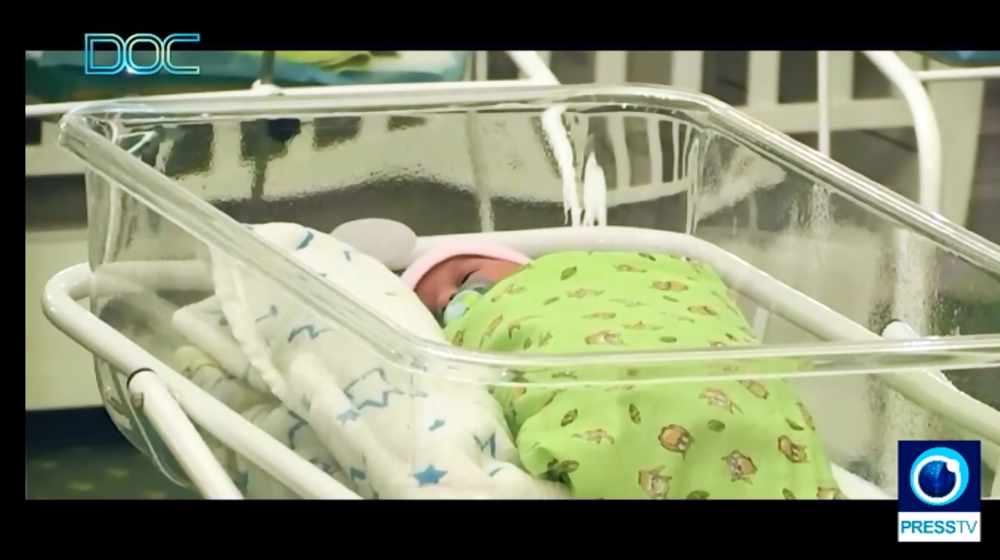
The Crisis of Motherhood Part II
Press TV (2025)
Film Review
Part II focuses on social and ideological factors impacting lower fertility rates. It blames the developed world’s current demographic crisis (insufficient young workers to support a ballooning retired population – see The Crisis of Motherhood Part I – How Countries Face the Crisis of Declining Birth Rates) on decades of global neocapitalist dominance. This has led policy makers to focus exclusively on profits to the exclusion of human needs.
At present media coverage influences women to associate motherhood with suffering and stress, as opposed to joy and fulfillment. Two examples
- Pain of childbirth – responsible for massive increase in unnecessary Caesareans. In the US, one-third of babies are delivered by Cesarean (50% of them unnecessary). The rate in the UK is 24%. The World Health Organization alert the rate should be 15% or less. Cesarian deliveries subject mother to a significant in complications, including wound infections and nerve damage. Moreover Infants delivered by Cesarean are more prone to allergies and asthma, as they lack the robust bacterial microbiome most infants acquire from the birth canal.
- Obstacles to career advancement – owing to widespread perceptions will interfere with a woman’s emotional commitment to her job. For mothers of young children, the inability to work over time and finding childcare when kids are sick can be real career busters.
Opting Out of Married Life
Japan
As in many Western countries, Japan’s death rate exceeds the birth rate, which has been falling for 37 years. The government compensates by aggressively recruiting foreign workers. The marriage rate is also declining, with two-thirds of young Japanese choosing to remain single. With so many people living alone, Japan faces a crisis of loneliness as well as a fertility crisis. In Japan single people can rent friends or hang out together at cafes or pet kennels.
US
Two decades ago 5% of Americans lived alone. The current figure is 27%.
Sweden and Germany
In Stockholm 58% of residents live alone with the percentage nearly as high in Germany.
Third World
Although fertility rates are somewhat higher in developing countries, they don’t have sufficient industry attract immigrants. This means they ultimately face a worse demographic crisis, ie too few young people to support a large cohort of senior citizens.
 The Most Revolutionary Act