
Neanderthals probably had tactical and strategic advantages. They’d occupied the Middle East for millennia, doubtless gaining intimate knowledge of the terrain, the seasons, how to live off the native plants and animals

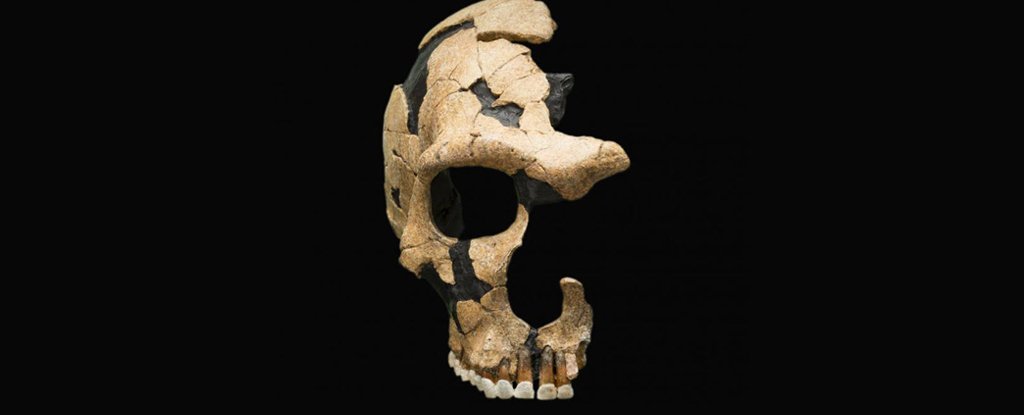
The Saint-Césaire Neanderthal skull suffered a blow that split the skull. (Smithsonian Institution)HUMANS
NICHOLAS R. LONGRICH, THE CONVERSATION3 NOVEMBER 2020
Around 600,000 years ago, humanity split in two. One group stayed in Africa, evolving into us. The other struck out overland, into Asia, then Europe, becomingHomo neanderthalensis– theNeanderthals. They weren’t our ancestors, but a sister species, evolving in parallel.
Neanderthals fascinate us because of what they tell us about ourselves – who we were, and who we might have become. It’s tempting to see them in idyllic terms, living peacefully with nature andeach other, like Adam and Eve in the Garden.
If so, maybe humanity’s ills – especially our territoriality, violence, wars – aren’t innate, but modern inventions.
Biology and palaeontology paint a darker picture. Far from peaceful, Neanderthals were likely skilled fighters and dangerous warriors, rivalled only by modern humans.
Top predators
View original post 845 more words
 The Most Revolutionary Act