
When a tsunami triggered by the March 11, 2011 Great East Japan Earthquake slammed into the coastal facility, reactors 1 to 3 were online, while No. 4 was shut down for a regular inspection. There were core meltdowns in all three of the active reactors, with the fuel mixing with material from the surrounding structure as it melted and turned into “fuel debris.” Later, the No. 4 reactor building, connected to the No. 3 building by plumbing, was blown apart by a hydrogen explosion.

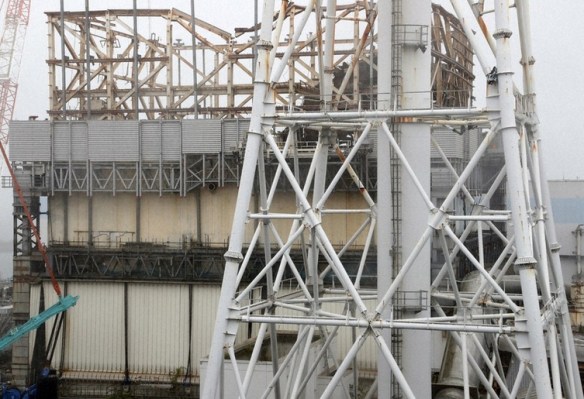
The No. 1 reactor building is seen at the Fukushima Daiichi Nuclear Power Station in Okuma, Fukushima Prefecture, on Sept. 1, 2020.
September 22, 2020
It has been some 9 1/2 years since the triple-meltdown disaster at the Fukushima Daiichi Nuclear Power Station in northeast Japan, and in early September I visited the plant to get a close-up look at the reactor buildings and find out how much progress is being made in dismantling them.
The trip began aboard a microbus, which stopped on an inland promontory running north to south at an elevation of 33.5 meters above sea level. Getting off the bus, I looked east, over the Pacific Ocean. And then I saw them, just 100 meters away or so: the buildings containing the plant’s No. 1 to 4 reactors.
When a tsunami triggered by the March 11, 2011 Great East Japan Earthquake slammed into the coastal facility…
View original post 814 more words
 The Most Revolutionary Act
You invent something and it fails. Why didn’t they think of that prior?
LikeLike