
Protests are not just against the CAA-NRIC-NPR trinity (ie the anti-Muslim Citizenship Act and National Registration Identity Card and National Registration laws), but have already succeeded in numerous ways. The other part of the movement, therefore, must be to deepen our unity and solidarity. It must address not just the state but each of us. In the end, the kind of country we become will be determined not by law or court judgments, but by whether love or hate colonises our hearts.
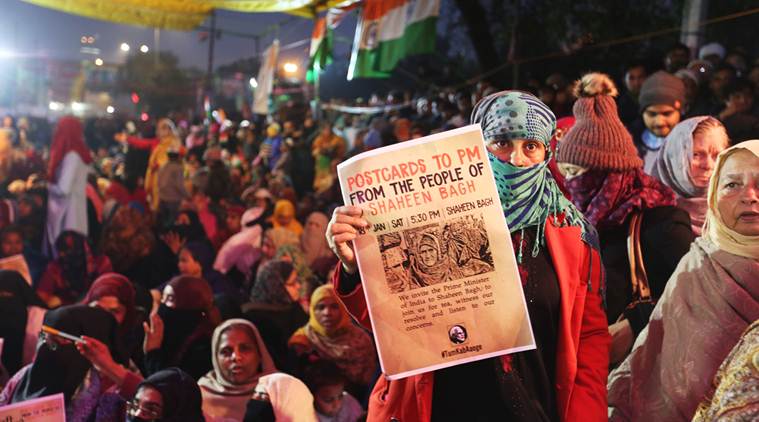
Protesters of Shaheen bagh sending postcards to PM Modi. (Express photo by Gajendra Yadav)The Indian people have risen. Resolute both in their solidarity and their resistance, in cities and towns, and even villages across the country, people of various faiths and identities have spilled out in hundreds of thousands. With no single leader, at the vanguard of this rising are young people and working-class Muslim women. Its icons are Mahatma Gandhi and Babasaheb Ambedkar and its symbols the Tricolour and the Constitution. The national anthem, sung rousingly in every protest, has become a protest chant. With fear and silence broken, voices of dissent ring out. We are stirred by defiant poetry and slogans celebrating our solidarity and freedom, the country and the Constitution.
It is a movement without precedent in the journey of the republic. But many wonder if the movement will succeed, whether it will weary and whimper out, whether it will be crushed, and where it will finally lead [. . .]
 The Most Revolutionary Act