
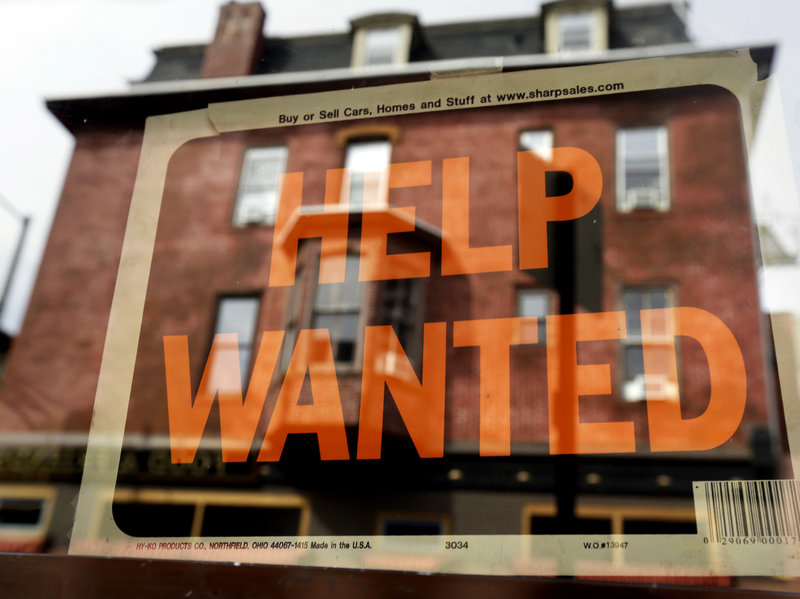
Above Photo: Raising the minimum wage by $1 or more appears to have a protective effect against suicide, especially in times when unemployment is high and it’s hard to find a job. Matt Rourke/AP
A new study suggests that raising the minimum wage might lower the suicide rate — especially when unemployment is high — and that doing so might have saved tens of thousands of people from dying by suicide in the last quarter century.
The minimum federal minimum wage is $7.25, though many states have set it higher. Between 1990 and 2015, raising the minimum wage by $1 in each state might have saved more than 27,000 lives, according to a report published this week in the Journal of Epidemiology & Community Health. An increase of $2 in each state’s minimum wage could have prevented more than 57,000 suicides.
“This is a way that you can, it seems, improve the well-being of people working at lower-wage jobs and their dependents,” says John Kaufman, the lead author on the study and an epidemiology doctoral student at Emory University.
If you or someone you know may be considering suicide, contact the National Suicide Prevention Lifeline at 1-800-273-8255 (En Español: 1-888-628-9454; Deaf and Hard of Hearing: 1-800-799-4889) or the Crisis Text Line by texting HOME to 741741.
Crucially, researchers found that raising the minimum wage appears to reduce the suicide rate more when it’s harder to find a job. In bad times, the same $1 increase could save more people than it might during good times […]
Continued at NPR
 The Most Revolutionary Act