
Climate change has begun to affect the real estate market, according to a paper by Asaf Bernstein, an economist at the University of Colorado in Boulder, and two co-authors. His research shows that properties likely to be under water if seas rise one foot now sell for 15 percent less than comparable properties with no flood threat.

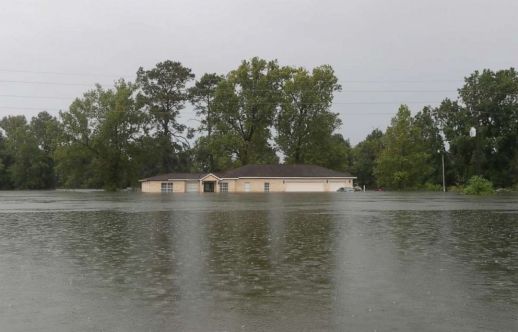
WASHINGTON — Home values could fall significantly.
Banks could stop lending to flood-prone communities.
Towns could lose the tax money they need to build sea walls and other protections.
These are a few of the warnings published on Thursday by the Federal Reserve Bank of San Francisco regarding the financial risks of climate change. The collection of 18 papers by outside experts amounts to one of the most specific and dire accountings of the dangers posed to businesses and communities in the United States — a threat so significant that the nation’s central bank seems increasingly compelled to address it.
The Federal Reserve has been slow to talk about climate risks compared with central banks in other countries. That could be partly because the topic is more politically polarized in the United States than many other places, so talking about it exposes the Fed — which is…
View original post 580 more words
 The Most Revolutionary Act