
The vast majority of what we “know” about human psychology and behavior comes from studies conducted with a narrow slice of humanity – college students, middle-class respondents living near universities and highly educated residents of wealthy, industrialized and democratic nations.

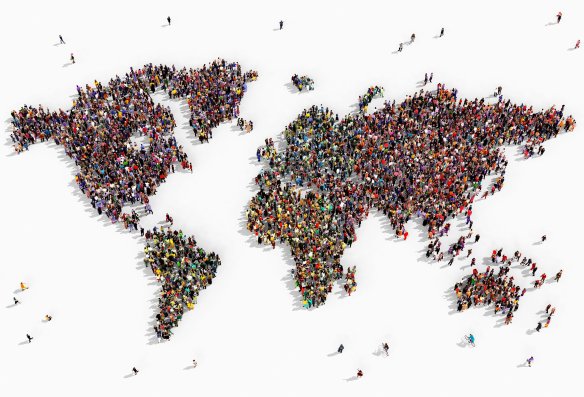 By only working in their own backyards, what do psychology researchers miss about human behavior? Arthimedes/Shutterstock.com
16 November 2018 | | The Conversation
Over the last century, behavioral researchers have revealed the biases and prejudices that shape how people see the world and the carrots and sticks that influence our daily actions.
Their discoveries have filled psychology textbooks and inspired generations of students. They’ve also informed how businesses manage their employees, how educators develop new curricula and how political campaigns persuade and motivate voters.
But a growing body of research has raised concerns that many of these discoveries suffer from severe biases of their own. Specifically, the vast majority of what we know about human psychology and behavior comes from studies conducted with a narrow slice of humanity – college students, middle-class respondents living near universities and highly educated residents of wealthy, industrialized and democratic nations.
View original post 837 more words
 The Most Revolutionary Act