
Chinese Foreign Minister Wang Yi announced in December that there were Belt and Road co-operation agreements with 80 countries and organizations, and that China had built 75 overseas economic and trade cooperation zones in 24 countries.

Canadian business wants a notch in China’s Belt and Road Initiative. In Asia, as in Canada, there are domestic and foreign policy risks to consider
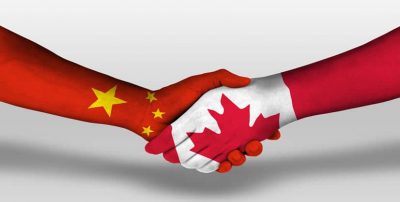
In mid-January at a forum in Shanghai, the Chinese government presented the latest additions to its global economic strategy known as the Belt and Road Initiative (BRI), the largest infrastructure project in the world. The BRI consists of economic corridors — roads, pipelines and maritime links — connecting Asia with the Middle East, North Africa and Europe. Chinese spending on BRI infrastructure projects, including mines, ports and other mega-projects at home and in countries along each corridor, could reach $8 trillion over the next 20 years; $300 billion had already been spent by October 2017.
With this massive investment China is “quietly reshaping the world,” in the words of Atlantic Monthly, in particular the lives of its closest…
View original post 1,660 more words
 The Most Revolutionary Act
https://uk.video.search.yahoo.com/search/video;_ylt=A9mSs2zTZp1aflwA.BtLBQx.;_ylu=X3oDMTByZmVxM3N0BGNvbG8DaXIyBHBvcwMxBHZ0aWQDBHNlYwNzYw–?p=New+World+Order+Federal+Reserve+YouTube&fr=yfp-t#id=&vid=&action=close
LikeLike
With Trump placing a10% tariff on mostly Canadian steel and aluminum and using a security loophole as excuse maybe its time to reevaluate who there friends our.
LikeLike
Excellent point, Gerald. I tried clicking on your link and just got an empty Yahoo Canada search box. Do you want to try again?
LikeLike