
*
*
Golly, I thought the FDA was supposed to test the health effects of toxic chemicals before they approved them. Silly me.

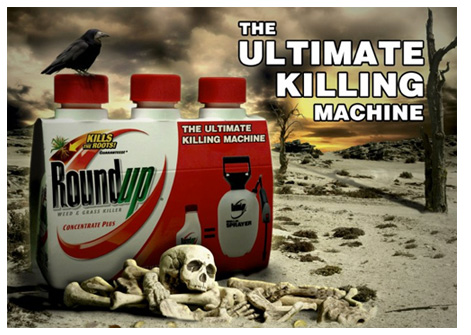
You mean they haven’t been all this time?
Heads should roll. Prosecutions for corruption, negligence and malfeasance should go forward.
FDA to Start Testing for Glyphosate in Food
The U.S. Food and Drug Administration (FDA), the nation’s chief food safety regulator, plans to start testing certain foods for residues of the world’s most widely used weed killer after the World Health Organization’s cancer experts last year declared the chemical a probable human carcinogen.
View original post 78 more words
 The Most Revolutionary Act
Australia is one of the worst offenders in spraying herbicides, fungicides and insecticides around.
LikeLike
I honestly think New Zealand deserves that honor. New Plymouth, where I live, has a horrible record of birth defects, cancer and neurological disease with our own Ivan Watkins Dow plant releasing dioxin to the air, water and soil. Kiwi farmers sprayed the stuff everywhere for decades to get rid of gorse. There was a period Dunedin women were advised not to breast feed because they had such high dioxin levels in their milk. And Kiwi men hold the record of the lowest sperm count in the world.
LikeLike
As long as the FDA isn’t rushing into things … then again maybe they should be as cautious with approving new chemicals? Thanks for all your good work! – Linda
LikeLike
Linda, I think it’s an open secret that the main function of so-called regulatory agencies like the FDA is to protect the financial interests of the corporations they’re meant to regulate. That’s why the people who run them are former (and future) industry employees. The notion that they protect the health and safety of the US public is a fairy tale – that fewer and fewer Americans believe any longer.
LikeLiked by 1 person
Another reason why I believe that the human species is the most self-destructive species on this planet.
LikeLike
I think it’s really important to put the blame where it belongs – on capitalism and greed. The vast majority of the people I meet care about the future of their children, grandchildren and communities.
LikeLike