Food Inc

Food Inc

Directed by Robert Kenner (2008)

Film Review

Food Inc is a 2008 classic only recently available for free on-line screening. Featuring investigative journalist Eric Schlosser and food activist Michael Pollan, it’s the first and (in my view) the best expose of factory farming.

This film mainly focuses on the deplorable disease-inducing conditions of battery chicken houses and industrial feedlots and slaughterhouses. However it also draws attention to the current epidemic of food borne illness, diabetes and heart disease; the corporate capture of regulatory agencies meant to protect us; the federal subsidies that make junk food cheaper than fresh fruits and vegetables; Monsanto’s vicious treatment of farmers who choose not to grow GMO crops and the food disparagement and anti-labeling laws meant to keep consumer sin the dark about where their food comes from.

Most importantly this documentary questions whether the “cheap” food produced by industrial farming is really so cheap when you add in the health costs (especially of chronic diseases like diabetes and cardiovascular disease)

The cinematography captures horrific scenes of factory chicken houses where chickens live on top of each other in total darkness and feed lots in which cows spend their whole life knee-deep in manure. The latter cakes their hides and inevitably contaminates carcasses at the slaughterhouse.

The films draws interesting parallels between the abysmal treatment of animals and workers in the industrial food chain. Food executives argue that animal suffering is inconsequential because they’ll all be dead soon. They also regard immigrant workers as expendable because there are so many of them.

The filmmakers catch meat processors deliberately recruiting illegal laborers in Mexican villages devastated by the North American Free Trade Act (NAFTA). Employers are never prosecuted for these activities. Only immigrant workers are targeted.

https://vimeo.com/29575879

How Plants Control Us

The Botany of Desire

Directed by Michael Schwarz and Edward Gray (2009)

Film Review

The Botany of Desire is a 2009 PBS documentary based on Michael Pollan’s 2001 book The Botany of Desire: A Plant’s-Eye View of the Word. Both concern the co-evolution of plants and human beings and the vital symbiotic relationships they form.  Pollan focuses specifically on the apple, the tulip, the cannabis plant and the potato, detailing how each has evolved to deliberately appeal to human desire. In addition to tracing each plant to its region of origin, he highlights specific biological adaptations it has made to make it appealing to human beings.

The film is full of fascinating factual tidbits, eg that apple trees still grow wild in Kazakhstan and poke up through sidewalk cracks and that potatoes were essential in fueling the development of northern Europe (which is prone to erratic grain harvests) and the industrial revolution.

In addition to providing lavish detail about the art and science of indoor cannabis cultivation, Pollan also examines research into specific cannabis receptors in the human brain. The latter play an important role in helping us forget painful and/or irrelevant memories.

The video concludes by focusing on some of the drawbacks of industrial agriculture, especially our over-reliance on monoculture crops. The loss of diversity in our corporatized foods system makes our food crops far more susceptible to pests. This, in turn, makes us over reliant on toxic pesticides, herbicides and GMOs.

As Pollan stresses at the end of the film, the solution to problems caused by monoculture isn’t more technology. The solution is to end monoculture by diversifying food production.

My only point of disagreement was Pollan’s statement (in 2009) that plants lack consciousness. More recent research suggests that they’re more aware of their environment than we are. See Are Plants Smarter than We Are?

YouTube has taken the film down for copyrights reasons but it can be viewed free at PBS videos

The Triumph of Profit Over Health

bought

Bought

Directed by Jeff Hays

Film Review

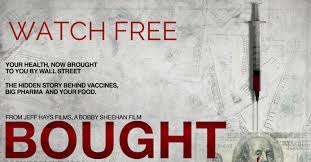
Bought is a new release film that can be viewed free online – but only until Aug 29. Go to http://www.boughtmovie.net/free-viewing/

Bought is a well-made scientifically based documentary about the role of Food Inc and Big Pharma in the rise of chronically debilitating illnesses. Specially it demonstrates how the mindless pursuit of profit has corrupted both scientific research and regulatory bodies charged with protecting our health and safety.

Most of the film focuses on the vaccine industry. It begins by profiling children who have developed autism, intellectual handicap and/or seizures as a direct result of childhood vaccination. Because federal legislation grants manufacturers and doctors blanket immunity from liability, children with disabling vaccine complications are compensated by a federal vaccine compensation panel. One of the families interviewed received a $7 million settlement for the lifetime medical and custodial costs for their severely disabled child.

The filmmakers also interview numerous doctors, researchers, whistleblowers and lawyers who challenge medical and government claims that vaccines are perfectly safe for everyone. As one lawyer points out, vaccines, like prescription drugs, are classified as “unavoidably unsafe.” It’s for this reason Congress has granted vaccine manufacturers blanket immunity for debilitating conditions that can arise from vaccination.

The film considerably heightens my personal concerns that the administration of multiple vaccines has been incorporated into well child care despite the dearth of research into their long term safety or efficacy. The current trend (in New York City, California and other jurisdictions) to make vaccination compulsory is a particularly alarming human rights violation. Especially in view of multiple studies linking vaccination to the growing incidence of autism, ADHD, Parkinson’s disease and other neurological conditions.

The New York City law is so strict that children can’t be exempted from mandatory vaccination even when a sibling – or the children themselves – have had a prior debilitating reaction to a vaccine.

The film also focuses on the link between GMOs and children’s health problems, particularly allergies. It’s largely thanks to dedicated grassroots organizing by Moms Across America that there is any public awareness that nearly all non-organic potatoes, sugar beets, soy, corn and vegetable oil produced in the US – and all livestock who consume these products – contain genetically engineered ingredients..

According to a recent survey, 91% of Americans support mandatory labeling of GMO containing foods – only 4% oppose it.

Western Medicine: Still Stuck in the 20th Century

Origins

well.org (2014)

Film Review

In brief, Origins is a film about saving the planet by improving your diet and lifestyle. The filmmakers assert that a healthier diet will enable people to think more clearly about the imminent crises confronting civilization. While I totally disagree with the premise – I don’t believe real change is possible without confronting corporate corruption and growing inequality – I liked the film. It offers the clearest explanation yet of the fundamental role of the microbiome* in human health and the rhizophere** in plant health.

Western medicine, as currently practiced, has become totally obsolete owing to its inability to view the human body as a holistic integrated unit. The end result is that roughly half of us are in really poor health. While I disagree with the premise of the film, I’m willing to concede that many of us aren’t healthy or fit enough to tackle major social or political change.

A secondary premise of the film is that we need to fundamentally rethink the way we use technology – mainly because we’re systematically poisoning ourselves through air pollution and toxic endocrine disruptors that mimic estrogen in our bodies. This heavy estrogen effect is a major factor in an epidemic of breast, prostate and other cancers, as well as infertility, obesity and anxiety/depression.

My favorite part of the documentary concerns the microbiome, which turns out to be primary source of our immunity. Owing to the overuse of antibiotics in medicine and agriculture (in livestock feed), most of us have experienced a mass extinction of our intestinal bacteria. This, in turn, plays an even bigger role than toxic chemicals in diseases triggered by inflammation, such as obesity, cancer, type 2 diabetes, heart disease and autoimmune illnesses.

Origins goes on to stress the importance of vaginal birth and breast feeding in establishing a healthy microbiome in infants and the avoidance of antibiotics, antibiotic soaps and commercial household cleaners and toxic chemicals in keeping it that way. Letting kids play in the dirt is another important source of beneficial bacteria. As are are fermented foods and fresh (unprocessed) chemical free foods.

I was also pleased to see the filmmakers brutally debunk the low fat, high sugar, high carbohydrate diet*** Food Inc and western medicine have been trying to sell us for the last fifty years. This is the number one reason half of Americans suffer from “diabesity” (aka metabolic syndrome), even though many of them may not realize it yet.

To their credit, thousands of doctors (according to filmmakers) are taking their patients off GMO foods, resulting in rapid relief of allergies, chronic illnesses and infertility.

I was also pleased to see the comparison filmmakers make between the soil rhizosphere and the gut microbiome. While we’ve been destroying our intestinal bacteria with antibiotics, Food Inc has been systematically destroying essential soil bacteria with pesticides, herbicides and GMOs.

Citing a recent UN study, Origins explodes the myth that GMO technology is the only solution to world hunger. According to the UN, we could double current crop yields in ten years simply by switching to organic farming methods that restore the health and integrity of our soil.

Ignore the background music (I hate documentaries with soppy background music). It’s worth putting up with for the excellent section on diet.


* Microbiome, as defined in this film, refers to the millions of intestinal bacteria that are essential to healthy digestion and immunity.

** The rhizosphere is the narrow region of soil that is directly influenced by root secretions and associated soil microorganisms.

***For a great book summarizing the research that debunks the low fat diet, see Why the Low Fat Diet Makes You Fat and Gives You Heart Disease, Cancer and Tooth Decay

The Ugly Truth About Monsanto and Genetic Engineering

GMO-OMG

Jeremy Seifert (2013)

Film Review

GMO-OMG is an excellent first documentary by a young father on a quest to understand the science of GMO technology and its impact on the environment and human health. The film starts by focusing on the general ignorance of the American public about GMOs. This contrasts markedly with other countries, where popular pressure has led many governments to ban GMOs.

What filmmaker Jeremy Seifert describes, in essence, is the systematic hijacking and poisoning of the US food supply by three companies (DuPont, Monsanto and Syngenta), all without the knowledge of the American people. At present 85% of all corn grown in the US is genetically modified, 91% of all soy and 90% of all beet sugar. In addition, most non-organic meat and dairy products come from animals fed on GMO corn and/or soy.

Seifert first learned about the potential dangers of GMOs due to a major anti-GMO protest in Haiti following the 2010 earthquake. Monsanto’s response to the earthquake was to donate 470 tons of GMO seeds, which protestors burned because of the threat they posed to their seed stock and food sovereignty.

The film highlights four broad areas:
• The powerful Monsanto lobby that engineered FDA approval of GMO seeds in the 1990s without totally inadequate scientific evidence of their safety.
• Recent research into the negative health impacts of GMOs.
• False claims by Monsanto and GMO seed merchants and farmers that GMO technology, which they erroneously claim increases yields, is the only answer to global hunger.
• Monsanto’s determination to stymie consumer choice by blocking GMO labeling laws.

Revolving Door Regulation

As Seifert ably demonstrates, the FDA is a typical “revolving door” agency. in which FDA chief Michael Taylor has alternatively worked for the FDA and Monsanto over many years. In this regulatory environment, where corporations practically regulate themselves, the FDA approved GMO seeds as GRAS (Generally Recognized as Safe), despite the absence of a single, longitudinal study demonstrating their safety in humans. None of the Monsanto studies submitted for FDA approval were peer reviewed* or longer than three months. It so happens Monsanto’s studies can’t be peer reviewed because the company refuses to release the raw data. In the research described below, rats fed Roundup Ready Corn only developed health problems after month four.

Health Problems in Rats Fed Roundup Ready Corn

In a recently published two year study by French researcher Dr Giles-Eric Seralini, rats fed a steady diet of Roundup Ready** corn developed many more mammary tumors than control rats. This was in addition to kidney, liver and pituitary damage. It remains unclear, however, whether these health effects related to the GMO corn itself or from traces of Roundup in the feed from heavy herbicide spraying. More recent studies have shown that Roundup (aka or glyphosate) causes serious health problems on its own (cancer, kidney damage and reduced sperm counts).

Organic Farming Produces Better Yields

Seifert interviews several organic farmers in the film, who debunk Monsanto claims that GMO crops increase yields. The farmers refer to thirty years of data showing that organic crops consistently outperform GMO crops, particularly during droughts and floods. On average, organic methods produce a 30% better yield. In part, the poor performance of GMO crops relates to the creation of superweeds that can’t be killed by Roundup or any other herbicide.

Monsanto Spends Hundreds of Millions Blocking GMO Labeling Laws

Seifert also interviews Congressman Dennis Kucinich (before he lost his seat in 2012) about his GMO labeling bill. Since 1997, the EU has required all foods (except meat and dairy) to be labeled for GMO ingredients. Because European consumers refuse to buy products containing GMOS, Monsanto aggressively opposes GMO labeling in the US. Seifert also discusses the GMO labeling laws passed in Vermont*** and Connecticut, which were subsequently repealed after Monsanto threatened to sue both states. He also talks about the hundreds of millions Monsanto has spent in around twenty other states to block anti-GMO legislation in 32 other states.


*Scholarly peer review is the process of subjecting an author’s scholarly work, research, or ideas to the scrutiny of others who are experts in the same field.

**Roundup Ready corn is a plant which has had its DNA modified to withstand the weedkiller Roundup. This allows a farmer to kill weeds by spraying massive amounts of Roundup on his fields without killing the corn.

***Vermont enacted a new GMO labeling law in May 2014. As threatened, the National Association of Manufacturers, the Grocery Manufacturers Association and other trade associations have filed suit to block the law. A federal judge has already denied their request for an injunction to block the law’s implementation: see Vermont GMO Labeling Injunction Appeal

https://vimeo.com/106081930

Roundup Linked to Autism and Alzheimers

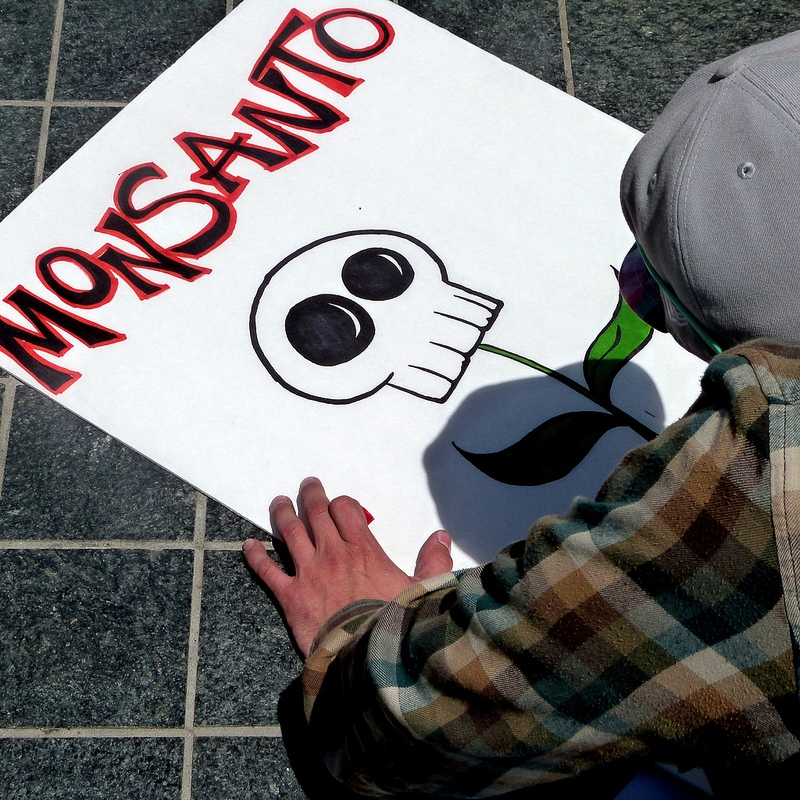
monsanto

Recent research reveals the main toxic effects of glyphosate, the main ingredient in the Monsanto weedkiller Roundup, are identical to the typical biological markers for autism and Alzheimer’s disease. MIT researcher Dr Stephanie Seneff PhD is also alarmed by the correlation between growing Roundup use and a big increase in the incidence of autism.

Roundup Kills Off Intestinal Bacteria

Seneff is mainly concerned about the negative effect of glyphosate on the microbiome. This is the scientific name for the normal intestinal bacteria responsible for immunity, weight maintenance, healthy neuropsychological function and a host of other biological processes.

Monsanto argues that glyphosate is harmless to people because the shikimate pathway, which glyphosate is designed to inhibit, is absent in human cells. Unfortunately, as Dr Seneff points out, our gut bacteria do have this enzyme pathway. In fact, several studies show that glyphosate kills off beneficial gut bacteria, allowing pathogens to overgrow.

Glyphosate also interferes with the ability to synthesize cytochrome P450 (CYP) enzymes, which are essential for gut bacteria to produce and process aromatic amino acids, methionine and sulfate. All these effects are linked to important diseases and conditions associated with the Western diet, including gastrointestinal disorders, obesity, diabetes, heart disease, depression, infertility and Alzheimer’s disease.

Seneff isn’t the first researcher to link autism with a derangement in gut bacteria. Scientists have been studying this potential link for more than a decade

Autism Rate Skyrocketing

In a Powerpoint presentation she gives all over the US, as well as in Taiwan and France,  she particularly emphasizes the strong correlation (Pearson correlation coefficient=0.99)* between the skyrocketing incidence of autism and increasing use of Roundup starting in the early 1990s.

In 1975, 1 in 5,000 children were diagnosed with autism. The current rate is 1 in 68.

In her presentation, Seneff also discusses research showing that children with autism commonly have biomarkers indicative of excessive glyphosate exposure, including zinc and iron deficiency, low serum sulfate and mitochondrial disorders. Similar markers are also found in Alzheimer’s disease.

Glyphosate in Breast Milk

Most of the GMO crops produced by Monsanto are “Roundup ready” and contain genetic modifications enabling them to withstand spraying with Roundup weed killer. In addition to large numbers of American farmers switching to GMO crops, the use of Roundup on each farm increases over time. This is because Roundup tends to create superweeds that are resistant to normal doses.

The US is unique in the extreme prevalence of foods containing GMOs (genetically modified organisms) that were likely treated with Roundup. Glyphosate can be found in soft drinks and candies sweetened by corn syrup, potato chips, chips, cereals and oil containing soy and cattle and chicken fed soy. According to Seneff, the only way to totally avoid glyphosate is to eat fresh organic food.

Unsurprisingly Americans have ten times as much glyphosate in their blood and European as Europeans. A study by Moms Across America showed that mothers across the US have excessively high levels of glyphosate in their breast milk.

Autism and Vaccines

In an interview with Age of Autism, Seneff was asked her opinion on the link between vaccines and autism. In reply, she talked about three other chemicals she believes are critical to the autism epidemic: aluminum, mercury and glutamate. All are found in specific vaccines. She adds that vaccines and glyphosate are synergistically toxic because the latter disrupts the body’s ability to metabolize glutamate, which is extremely toxic to the brain.

She advises if she were a young mother, she would try to avoid all the vaccines that contain aluminum, mercury and glutamate: DTaP, Hepatitis B, MMR, the measles vaccine, the flu shot, and Gardasil. For parents who feel reluctant to eliminate vaccines altogether, she recommends delaying them as long as possible. Infants have a very weak immune system.

When you look at the risk benefit ratio of the vaccines, it comes out short. You really have to think about whether it’s worth the cost. . . . Do you want your child to be permanently damaged in order to prevent it from getting measles? It doesn’t make sense. I think we really need to question whether the vaccines are an obligatory part of a child’s program. I certainly think they’re not, particularly because they are so dangerous. And in conjunction with the glyphosate, which is making them much worse.


*In statistics, the Pearson correlation coefficient is a measure of the linear correlation between two variables. It gives a value between +1 and −1, where 1 is total positive correlation.

photo credit: msdonnalee via photopin cc

Also posted in Veterans Today

Climate Change-Lite for Kiddies.

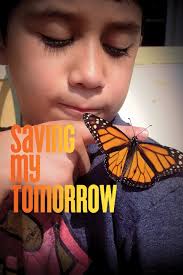
saving my tormorrowSaving My Tomorrow – Part 1 and 2

HBO (2014)

Film Review

I watched this two part film with some trepidation, assuming that an HBO documentary would be full of spin. Sadly it fulfilled my worst expectations. Aimed at age 5-12, the video offers a fairly accurate presentation of the theory of greenhouse warming. Children will also enjoy some great shots of insect life and the devastation Hurricane Sandy caused on Long Island.

That being said, I think a lot of adults will react as I did and feel manipulated. Developmentally, children up to age 18-19 adopt strong political views under parental (and occasionally teacher) influence. Rather than portraying this honestly, Saving My Tomorrow makes it appear as if a bunch of American child prodigies suddenly woke up one morning and decided to protest against oil trains and fossil fuel dependence. Despite being a strong climate activist, I resent being propagandized as much as the next person.

In my case, this sense of manipulation was compounded by the slick packaging, consisting of cute wise-child soundbites, interspersed with celebrity readings and musical numbers written by the kids themselves. In my view, the filmmakers needed to be more transparent by exploring the parents’ behind-the-scenes role in promoting their children’s activism.

The other glaring dishonesty was HBO’s failure to mention the role of genetically modified organisms (GMOs) in the near demise of the American monarch population (we don’t allow GMO crops in New Zealand and have plenty of monarch butterflies).

While adults will be annoyed by the slick packaging, the documentary is probably a good introduction to climate change for young children. I myself really enjoyed the scene of Long Island children reading their essays on Hurricane Sandy and the energy saving tips kids give during the credits.

***

Since I first posted this review, I note that HBO has had both videos taken down by YouTube. Don’t worry you’re not missing much.

Dirt: the Movie

Dirt: The Movie

Bill Benenson and Gene Rosow (2009)

Film Review

This documentary focuses on the rapid destruction of the planet’s topsoil, with its dire implications for food production and human survival. Through a combination of industrial farming, deforestation, urbanization and extractive mining, humankind has destroyed one-third of the world’s topsoil in a hundred years.

The film begins with a basic introduction to on the abundant microbial life that characterizes healthy topsoil. Plowing, genetically modified organisms (GMOs) and heavy pesticide and herbicide use render soil infertile by destroying these microorganisms. Deforestation hastens the process by destroying deep root systems that protect against nutrient runoff. The productive farmland that isn’t wrecked by industrial farming and deforestation is paved over as cities expand or destroyed by fracking, mountaintop removal and strip mining. This voracious greed for new fossil fuels benefits a few hundred people and carries immense costs for the rest of us.

The film depicts quite eloquently the western slash and burn mentality that approaches food production like running a factory. Extracting a quick profit is all that matters. There is no planning whatsoever for food security, much less the needs of future generations. You clear cut a forest, plant acres of a single crop (an open invitation to pests) and pour on industrial fertilizers, pesticides and herbicides. In three to four years you have depleted the soil, and you cut down another forest.

Dirt: the Movie also poignantly portrays the link between environmental destruction and human degradation. It’s always the poorest and most disempowered who have their land destroyed by multinational corporations. Rapid desertification in Africa and India is forcing thousands of subsistence farmers to migrate to city slums – and Haitian mothers to make dirt cookies to ward of their children’s hunger pains.

Meanwhile increasing desertification (from a combination of deforestation and industrial farming) in Africa and India and the thousands of farmers forced to migrate to city slums when their land becomes useless. The film also emphasizes the link between environmental destruction and human degradation. It’s always the poorest and most disempowered who have their land destroyed by multinational corporations. The most heart breaking scene depicts Haitian mothers making dirt cookies to ward off their children’s hunger pains.

Water mismanagement also plays a major role in desertification. Because they have paved over their rivers, Los Angeles spends billions of dollars from as far away as Wyoming – and millions more managing rainwater runoff. Liberating their rivers would solve both problems at a fraction of the cost.

Significantly the main voices featured in the film are those of women of color: the late Kenyan environmentalist Wangari Mathai, who won a Nobel Prize for founding the Green Belt tree-planting movement, Indian environmentalist and organic farming advocate Vandana Shiva and Greening the South Bronx founder Majora Carter (see Greening the South Bronx). In addition to championing urban agriculture and green roof projects in the South Bronx, Carter has helped establish a prison greenhouse and organic farm at Rikers Island prison and the Green Team. The latter is a project that allows ex-cons to use the skills they have learned in tree planting, urban agriculture plots and New York’s first green roof* business.

*A green roof is a living roof partly or completely covered with vegetation, to optimize energy conservation and minimize water runoff.