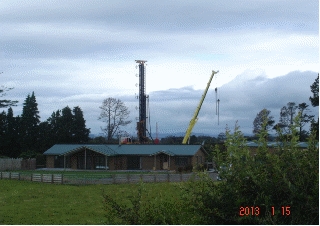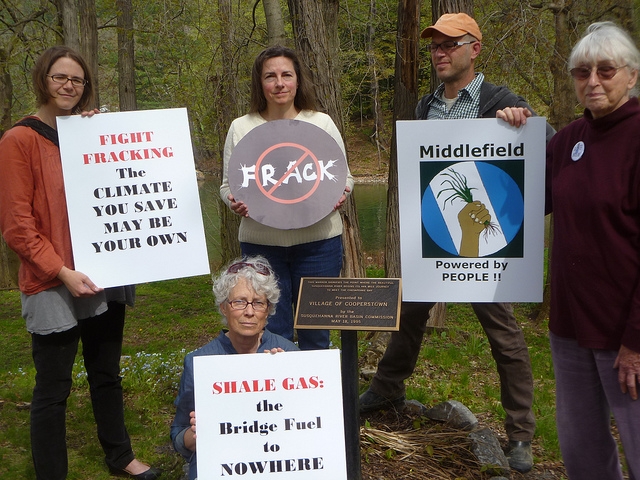
Our What the Frack Tour – June 21, 2014

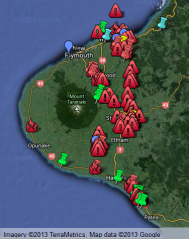
 taranaki frackings siteslegend: red triangle: fracking well sites

red flame: gas/oil production stations

red pin: deep well injection sites

green pin: “land farms” and land treatment sites.

 source: Climate Justice Taranaki

We Have Been Invaded

As you can see from the above map, pristine Taranaki dairyland has been totally invaded and colonized by foreign oil and gas companies. New Zealand’s lax regulatory environment has produced a feeding frenzy. Eager to offshore as much profit as possible, they have transformed our clean green countryside into an industrial site.

A recent report by the New Zealand Commissioner for the Environment is highly critical of both Taranaki Regional Council (TRC) and New Plymouth District Council for their failure to regulate foreign energy companies in accordance with existing New Zealand law.

The PCE, bless her, makes the link between fracking and climate change front and center in her report. In her introduction, she questions the common assertion that natural gas is a so-called transition fuel, given its substantial contribution to atmospheric CO2. She also calls on the New Zealand government to specify exactly how they will fulfill their commitment to reduce New Zealand’s greenhouse gas emissions to 5% below our 1990 emissions by 2020.

Improper Disposal of Fracking Waste

Her report goes on to chastise TRC for the failure to regulate discharge of fracking waste. Despite vociferous complaints from local farmers and residents, TRC continues to permit discharge of untreated fracking waste into streams that provide water for livestock and, and in several cases, human beings.

She’s especially critical of TRC’s use of “visual inspection,” rather than chemical testing, to assess the water quality of these streams. One particularly silly monitoring report refers to inspectors signing off on water quality because they heard frogs singing.
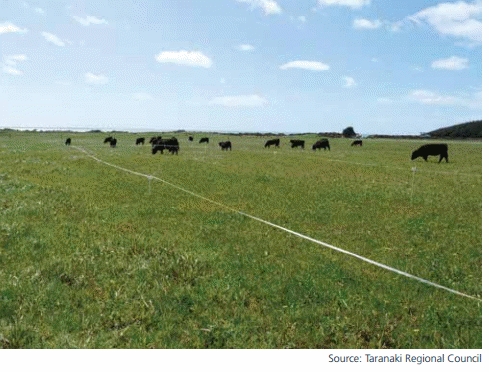
Cows on landfarm“Land farmed” site with grazing cattle

Another common disposal method is to spread wastes on pasture and grow grass and graze cows on it – without testing the cows, grass or milk for heavy metals, barium, benzene, hydrocarbons or other chemicals commonly found in fracking waste.

The experience with toxic sludge in the US is that heavy metals and other toxic chemicals bio-accumulate in plants grown in contaminated soil

Given given that dairy products are New Zealand’s number one export, this so-called land farming could do major damage to our country’s economy. Especially as China, our major export market, is already exquisitely sensitive to the milk contamination issue.

Emergency Evacuation Plans

Another major concern in the PCE’s report relates to the Emergency Evacuation Plans fracking companies are required to file for each drill and production site. Many fracking sites are located less than 500 meters from private homes.

As here
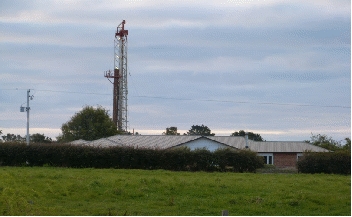
home and well

here

2nd home

here

4th home

and here

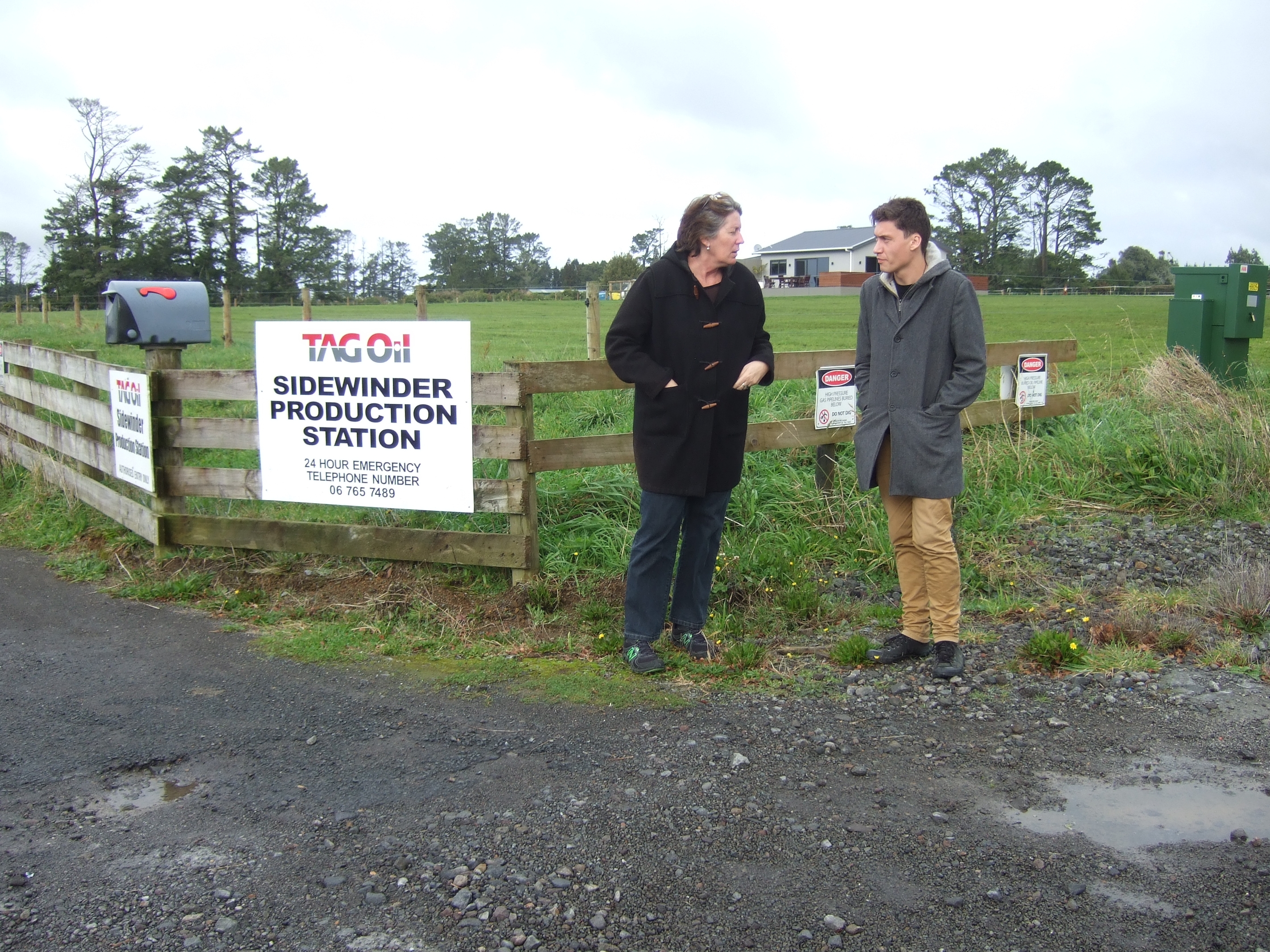
third homeSarah Roberts and Robert Moore – Green Party candidates for New Plymouth and Taranaki-King Country

For some reason, none of these residents have been notified that they are slated for evacuation in the case of an accidental gas release or explosion. As an example there are 36 owners and occupiers identified on the TAG Oil emergency management plan (gas release/spill contingency plan covering 500m) at Sidewinder A wellsite. These owners and occupiers will not be aware of this.

Drop in Property Values
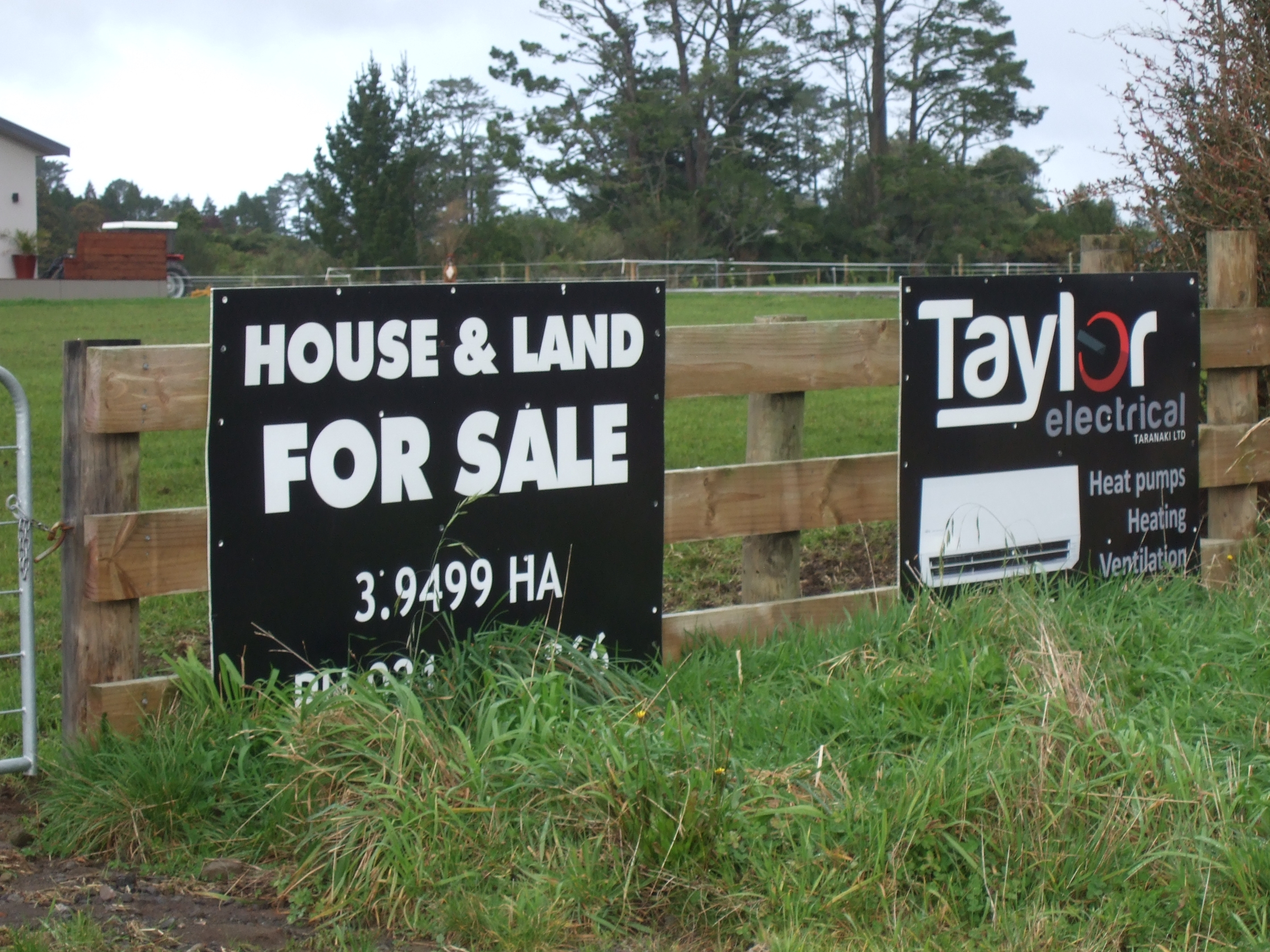
 

for sale

The owners of the last property pictured above are desperate to sell it. The value of properties located adjacent to fracking wells have plummeted.

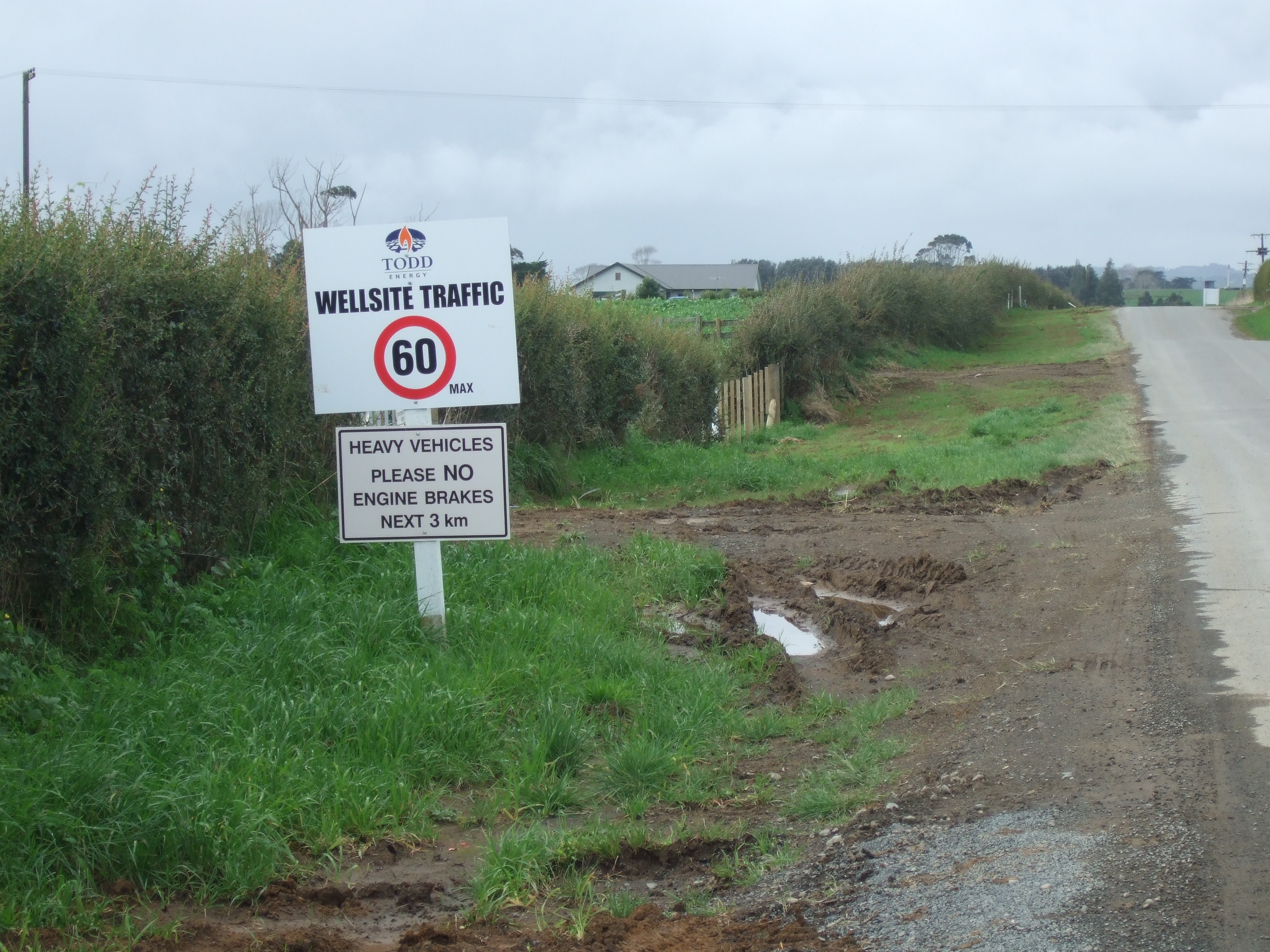
This is due to the constant noise, exposure to air and water pollutants, heavy industrial traffic
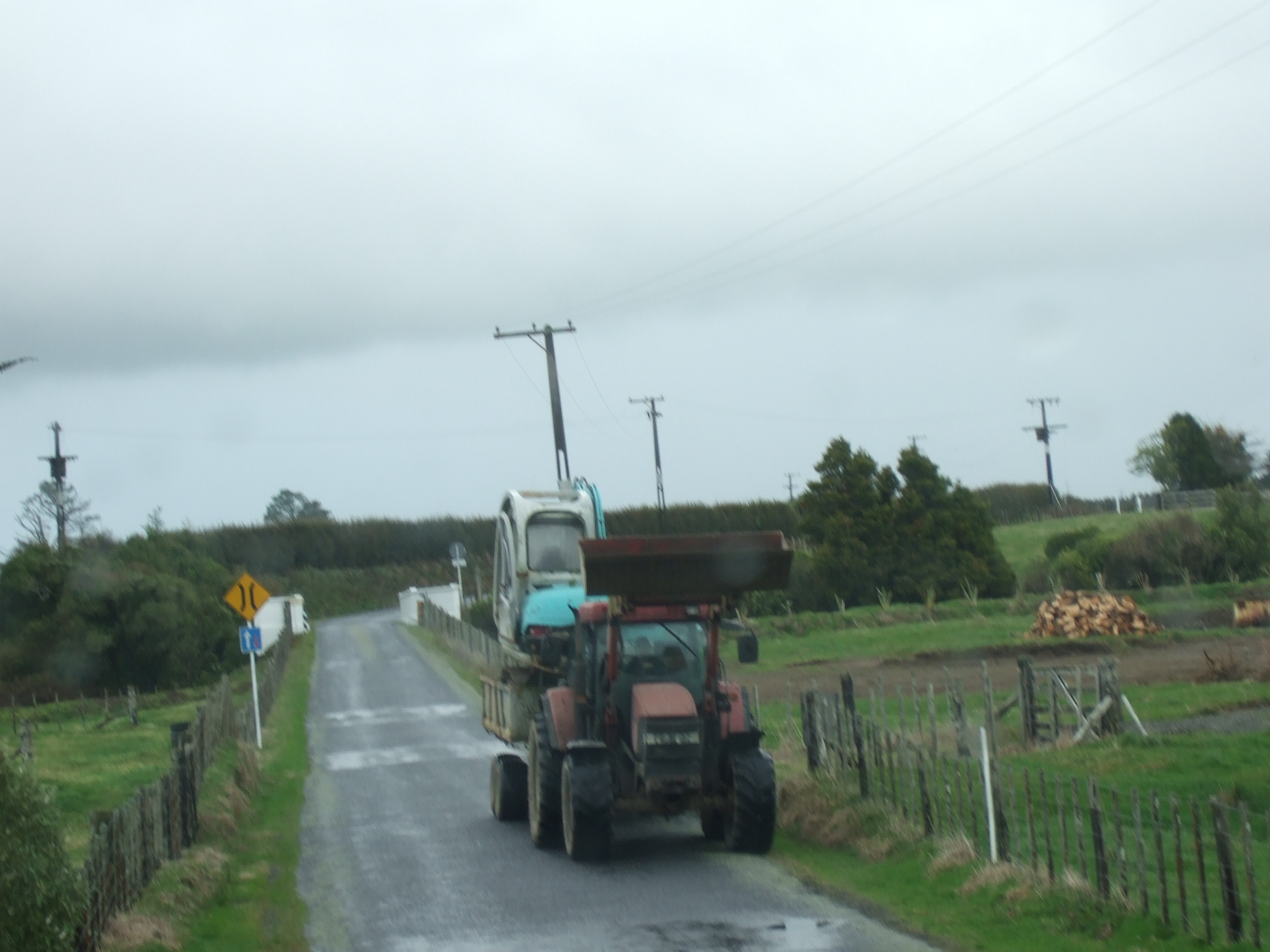
industrial traffic

and flaring

flaring

What’s more the property adjacent to fracking wells can’t be insured, owing to the risk of leaking wells, inadvertent gas releases and explosions. Under New Zealand law, the property owner assumes liability for an abandoned well site that leaks.

Todd Oil (affiliated with Shell) has recently agreed to top up sales proceeds of land owners forced to sell their property at a loss. But if you live adjacent to a Tag Oil or Greymouth Petroleum fracking site, you’re out of luck.

Health Consequences of Fracking

Because the PCE is only charged with addressing environmental issues, her report doesn’t address the nosebleeds, rashes, cancer clusters and other health issues associated with living near a fracking site.
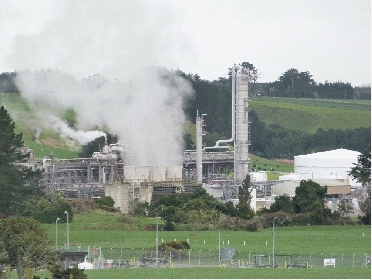
Waitara valley plant

Nor the disastrous effect of being surrounded by fracking rigs on overall well beings and quality of life. People shouldn’t have to live this way. Why should Taranaki residents sacrifice their livelihoods and the health and well being of their children for the benefit of foreign oil companies?
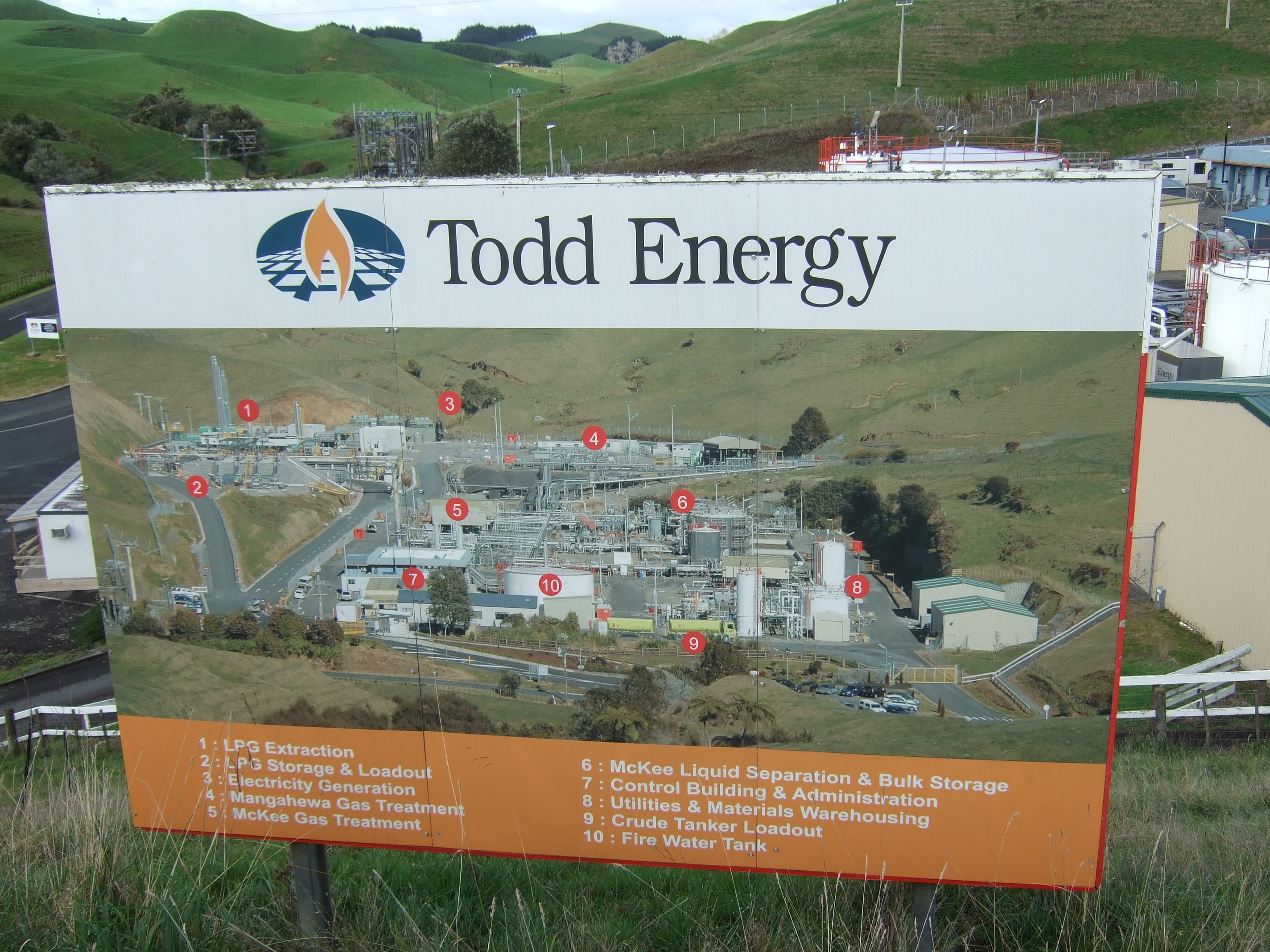
Todd sign

Community Meeting Regarding Norfolk School

Our What the Frack Tour finished up with a community meeting at Norfolk Hall, a Taranaki country hall between Inglewood and Stratford. TAG Oil is applying to drill their Sidewinder B well site 600 meters from Norfolk Primary School. This isn’t about a couple of exploratory wells. This is about the the potential drilling an on-going extraction of eight wells.

As came out at the meeting, prevailing south westerly winds would make emergency evacuation of the students impossible in the case of an accidental gas release. These can and do occur at Taranaki fracking sites.
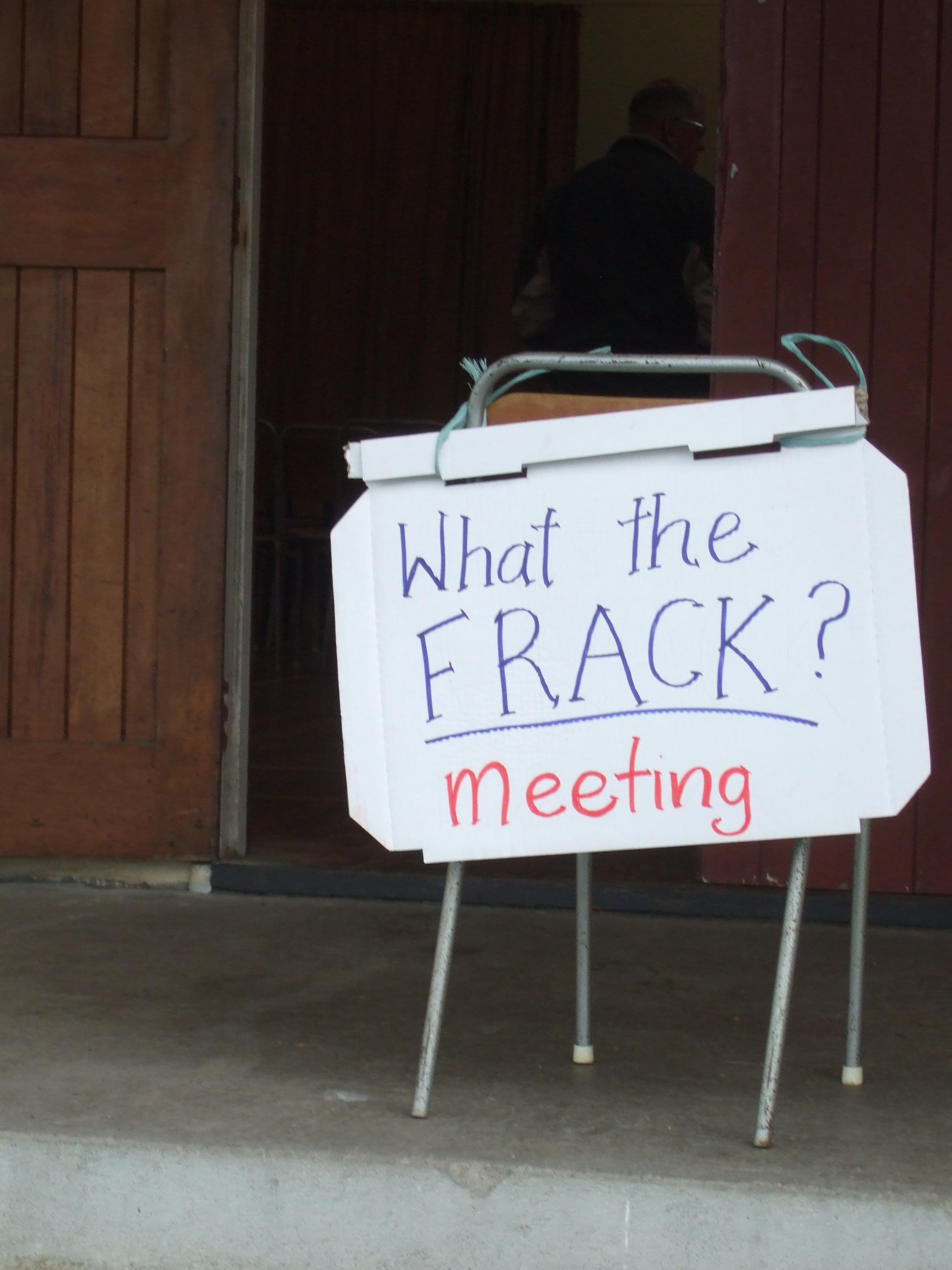
what the frack

Read follow up letter from to Taranaki Daily News from one attendee: Not the Good Oil


The Anti-Fracking Movement Goes International

The anti-fracking movement has gone international, drawing in hundreds of thousands of people who never dreamed of being environmentalists or activists.

Below is a heart-rending video by the Lock the Gate coalition in Australia.

The similarities between the industrialization of prime Australian farmlands and the experience of dairy and organic farmers here in Taranaki are uncanny: the 24/7 glaring lights, noise and fumes and the unexplained health problems, particularly in children.

Most of all the helplessness experienced by families affected by fracking. Once the government allows the oil and gas industry to set up fracking rigs, it becomes the law, and ordinary people have no rights. Livelihoods are destroyed, property values plummet and your land becomes uninsurable.

My Submission on Sand Mining

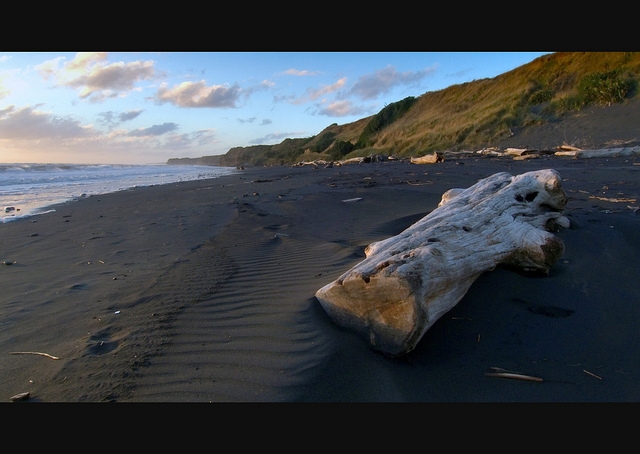
black sand

New Plymouth is the largest metropolitan area in Taranaki, a region that is world renowned for its pristine black sands and fantastic fishing and surfing. The sands are black due to a large concentration of iron and believe it or not, an Australian company wants to come in and dig up the seabeds to mine for iron to sell to China. And our current National government wants to give them a $15 million research and development grant to help them do it.

Taranaki submitted more than 4,000 written submission opposing seabed mining, and some of us followed up with an oral submission. The New Zealand Environmental Protection Agency held hearings in New Plymouth today. This was my oral submission:

I’m a 10 year resident of Taranaki and a naturalised New Zealand citizen. I’m also a taxpayer and a ratepayer.* I’m here today because I’m really worried about the effect seabed sand mining will have on my community. Especially after watching the destructive effect caused by the explosion of fracking wells across our region.

The people of Taranaki have been fighting seabed mining for nearly a decade. The coalition opposing seabed mining makes for some pretty unlikely bedfellows and includes environmentalists and sustainability advocates, surfers, commercial fishermen, tourism operators and ratepayers.

We are all concerned about the negative environmental consequences I mention in my written submission. We are concerned that Trans Tasman Resources have no proven track record with this type of operation. Because the technology being proposed has never been done anywhere in the world, there is no certainty over short and long term impacts. And we’re fed up with being used as guinea pigs by foreign corporations.

Many people in Taranaki worry that their livelihoods will be affected by sand mining, especially fishermen, surfers and tourism operators. One thing we know for sure is that the sediment plume created by sand mining will negatively impact microplankton that are vital to the food chain for all marine life.

Surfers – surfing is a business in Taranaki and not just a recreational pursuit – are concerned that seabed mining will alter the architecture of Taranaki’s renowned wave swells that are important tourist attraction.

Ratepayers are tired of foreign corporations promising us that they will bring new jobs and wealth to our community. But once they set up operation we find out that the jobs are temporary jobs that are mostly taken by people from somewhere else and all the wealth ends up overseas or in Auckland. And the community as a whole ends up poorer, as we lose our small businesses, our property values plummet and our rates increase to pay for the new infrastructure we have to build to accommodate overseas corporations.

There is a very strong environmental community in Taranaki which is very concerned about two endangered species resident off our coast: the Maui Dolphin and the Blue Whale. These two species are on the verge of being wiped out. Disrupting the food chain that supports them could be the event that tips them over.

We’re also really tired of being a sacrifice zone at the mercy of foreign loot and pollute corporations.

We believe it’s wrong to ask us to sacrifice our small businesses and quality of life to foreign corporations. And we have absolutely no confidence in foreign corporations regulating themselves. We’ve already been through that scenario with the negative affect on our farming community. You wake up one morning discover that your well water has been contaminated or your kids are getting sick from the constant noise or fumes and find that you can’t get insurance on your land and you can’t sell it.

You go to your district and regional council for help and suddenly you discover there’s no regulatory regime to monitor these foreign corporations. And no one to make them assume liability for any damage they cause.

Unlike other industrialized countries, in New Zealand foreign corporations are left to regulate themselves and people victimized by them are out of luck. Groups such as Kiwis Against Seabed Mining are denied funding to get expert advice to scrutinize and oppose TTR’s application under the New Exclusive Economic Zone and Continental Shelf Act, while the National Government promises TTR a $15 million research and development grant if the project goes ahead.

We feel there’s something terribly wrong with the government’s priorities. They should be supporting healthy vibrant local economies and not foreign corporations at the expense of New Zealand residents.

*In New Zealand property taxes are referred to as “rates.”


photo credit: mpeacey via photopin cc

Those Fracking Lies

snake oil

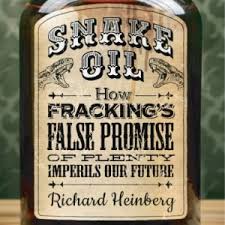
Snake Oil: How Fracking’s False Promise of Plenty Imperils Our Future 

Richard Heinberg (Post Carbon Institute, 2013)

Book Review

Snake Oil is all about the economics of fracking. Also known as hydraulic fracturing, fracking refers to using pressurized water and chemicals to release oil or natural gas trapped in underground rock formations. Heinberg’s new book describes the behind-the-scenes role of Goldman Sachs and other investment banks in driving the present fracking boom.

Technology to extract oil and gas deposits trapped in rock formations was first developed in 1866. Because the process is extremely capital intensive, fracking for oil only became economically sustainable in when the price of oil tripled a decade ago. In the case of natural gas, it took the elimination of price controls and federal tax credits to make fracking financially feasible.

How Fracking Loses Money
According to Heinberg, fossil fuel companies are losing money on fracking. The recent boom has led to a surplus of natural gas. This, in turn, has driven the price down, forcing the oil/gas industry to sell it for less than they spend to get it out of the ground. Because only a small fraction of shale gas can be extracted cost effectively, production declines by an average of 80-90% over the first 36 months. Industry data indicates it costs between $10-20 million to operate a fracking rig that will produce $6-15 million worth of natural gas in the well’s lifetime.

Obviously you can’t tell investors that fracking for natural gas is a money-losing proposition. Investors only want to hear that fracking is the miracle solution to America’s dependence on dirty coal and foreign oil. Thus oil/gas companies, the banks that finance them, the federal agencies that regulate them and Obama himself all parrot the hype that fracking will supply cheap natural gas to fuel US power plants for the next 100 years. According to Heinberg, this wildly optimistic prediction was calculated by extrapolating the best production rates of the best fracking sites over the 20,000 or so existing rigs. The problem with this methodology is that it fails to allow for rapid depletion rates or the fact that the best wells are already tapped out.

This pressure to meet financial targets forces the companies to sink more and more wells. Thirty-five to fifty percent of existing wells (7,200 wells) must be replaced every year “just to pay off the bankers.”

Fracking Based Derivatives
The only way companies can stay in business is by selling assets and financial products. This includes unused oil and gas leases* they acquired cheaply in the 1990s, company shares, derivatives and credit default swaps. The investment banks themselves have created their own fracking-based derivative called volumetric production payments (VPPS). The banks bundle them and sell them to gullible pension fund managers, just like they did toxic mortgages before the 2008 crash.

The billions they’re losing explains why the industry is so keen to start exporting fracked gas as Liquified Natural Gas (LNG) to China, Japan and India. These countries are happy to pay $15 per million BTUs, nearly four times the domestic price of $4. A growing export market will quickly drive up US prices.

Environmental Consequences of Fracking
Meanwhile the explosion of fracking rigs across the landscape is causing massive environmental damage and eating up scarce dollars we should be investing in renewable energy. Owing to strong public opposition, fracking is banned or strictly regulated in most of Europe. As a result, Europeans are far more likely to invest energy dollars in renewables. In 2012, Germany obtained 23% of their electricity from renewable sources, Denmark 41% and Portugal 45%

Snake Oil debunks the widely promoted myth is that that burning natural gas to produce electricity creates less greenhouse gasses than burning coal. If you count all the methane (a greenhouse gas 20-100 times more potent than CO2) released during fracking, using fracked natural gas to fuel power plants produces 20-100% more greenhouse gas emissions than coal.

The massive amount of freshwater consumed by tens of thousands of fracking wells is also a major concern, especially in drought-stricken regions. The water take for a single well pad cluster can exceed 60 million gallons. The Halliburton Loophole, championed by Dick Cheney, amended the Clean Water Act in 2005 to remove the requirement that oil and gas companies disclose the toxic chemicals they use in fracking. This is especially concerning given recent studies documenting serious health problems in people and livestock adjacent to fracking sites.**

In 2011, the EPA made the determination that fracking waste is too radioactive (from exposure to underground cesium and uranium) to be processed in municipal waste facilities. Thus most of it held in large evaporation pools or re-injected into old wells. A recent US Geological Service study has linked deep well re-injection to a rash of earthquakes in regions that rarely experience them. In 2011 central Oklahoma experienced a fracking-related 5.7 earthquake that destroyed 14 homes and a highway and injured two people.

Other Unconventional Production Methods
Snake Oil also debunks the flimsy economic hype used to promote other methods of unconventional oil and gas production (e.g. oil fracking, deep sea oil drilling, tar sands, etc), as well as examining what the inevitable transition to renewable energy will look like. Because renewable energy will never be as cheap as fossil fuels, some modification will be necessary in our current energy intensive lifestyle.

 *An oil or gas lease is a contract by which a landowner authorizes exploration for and production of oil and on his land, usually in return for royalties from the sale of the oil or gas.
**According to Al Jazeera, a jury has just awarded a Texas family $3 million for fracking related health problems.


Originally published in Dissident Voice

Ending Corporate Rule: the Community Rights Movement

CELDF

One of the most successful anti-corporate relocalization movements is virtually invisible in the corporate media – namely the 13 year old community rights movement. With the help of the Community Environmental Legal Defense Fund (CELDF), nearly 200 communities across the US have enacted ordinances establishing local rights that can’t be usurped by corporations. They have done so despite corporate efforts to use state laws or the Constitution’s commerce clause to overturn them.

Clearly their strength lies in numbers. In Pennsylvania, for example, the state attorney general threatened to sue the town of Packer for banning sewage sludge dumping. In response, six other towns promptly adopted similar ordinances and 23 adopted resolutions of support. Nationwide the number of community rights statutes overturned by state courts and legislatures is surprisingly small, with more and more communities enacting them.

As CELDF states on their website:

“CELDF works with communities to establish Community Rights – such that communities are empowered to protect the health, safety, and welfare of their residents and the natural environment, and establish environmental and economic sustainability.

Community Rights is a paradigm shift, a move away from unsustainable projects and practices at the cost of communities and nature, and toward community decision-making, while recognizing and protecting our interdependence with nature.”

Banning Factory Farms, Toxic Sludge, Fracking and Aquifer Depletion

The citizens’ rights movement was born in 2000 when Belfast, in traditionally conservative rural Pennsylvania, passed a law prohibiting factory farms from operating within their township. In 2005 this law was upheld in court, and twelve other Pennsylvania townships have enacted similar ordinances. In addition to laws banning factory farms and sewage sludge, one community has banned mining and four have passed laws establishing ecosystem rights (i.e. that environmental protection trumps corporate rights).

Barnstead New Hampshire was next in passing an ecosystem rights ordinance, while five towns in New Hampshire and two in Maine have passed laws prohibiting the corporatization of water resources and aquifer depletion. Serious drought conditions across the US have greatly heightened national concern about shrinking aquifers and impending water shortages.

In 2010, Pittsburgh became the first major city to reject corporate rights after their city council passed a CELDF-drafted citizens’ bill of rights, as well as a law banning drilling for natural gas within city limits. Other communities on the Marcellus Shale (in Pennsylvania, New York, Ohio, West Virginia and Maryland) are working to pass anti-fracking laws similar to Pittsburgh’s.

Enacting Penalties for Chemical Trespass

Meanwhile on the West Coast, tiny Mt Shasta has successfully banned energy giant PG&E from engaging in local cloud seeding and Nestle from draining their aquifer for a bottling operation. The Mt Shasta Community Rights and Self Government Act asserts the right of the people of Mt Shasta to natural water systems and cycles and establishes strict liability and burden of proof for chemical trespass.

Chemical trespass is defined as the involuntary introduction of toxic chemicals into the human body. It’s based on a novel concept promoted by the CELDF and local democracy activists that corporations don’t have the automatic right to load up our bodies with cancer-causing chemicals. Halifax Virginia and three towns in Pennsylvania have also passed laws imposing penalties for toxic trespass.

In Washington State a bipartisan coalition called Envision Spokane has been fighting the monied interests that control Spokane City Council by trying to pass, via ballot initiative, a Community Bill of Rights.

Other recent citizens’ rights initiatives include the rejection by Orlando California of a Crystal Geyser bottling plant and the refusal of Flagstaff Arizona to sell water to a Nestle facility. Meanwhile a strong citizens’ rights group in Santa Monica is lobbying for an ecosystems rights ordinance, while People vs. Chemical Trespass is attempting to pass a local chemical trespass ordinance in Santa Cruz.

Fighting Corporations in Your Community

In addition to providing legal consultation, CELDF also conducts local democracy schools for communities seeking to enact community rights ordinances. Where states have balked at recognizing the legality of local anti-corporate laws, cities and towns have either passed stronger laws or changed their legal status (ending their Second Class Municipality Status) by enacting home rule charters and new constitutions).

Contact CELDF at http://www.celdf.org/

photo credit: 350.org via photopin cc

So You Want to Have a Revolution?

austerity protest

A 2013 study from Fairleigh Dickinson University reveals that 29% of Americans believe an armed revolution may be necessary in the next few years to “protect liberties.” The voter survey differed from most corporate media polls in that it included a substantial number of low income, cellphone only households.

18% of Democratic respondents shared this view, 27% of Independents and 44% of Republicans.

A decade ago, the notion that anyone other than a few thousand fringe extremists would contemplate violent revolution was unthinkable. At the very least, these results suggest a significant minority of Americans are profoundly disillusioned with the government’s apparent indifference to their needs and expectations.

The End of Growth: An Inconvenient Reality

Despite government claims to the contrary, recovery from the deflationary spiral that started in 2008 (aka The Recession) has been elusive. Although stock prices continue to soar, productivity, employment and consumer spending have stubbornly refused to return to pre-2008 levels. Some latter day (non-Wall Street) economists believe the era of economic growth has ended – permanently – owing to the soaring cost of fossil fuels. In their view, the world has returned to a steady state economy.

Given the historic link between growth and “full” employment (jobless levels below 10%), they are also predicting a scenario in which roughly half the adult population is unemployed. The paid work that remains will be low paid, part time, temporary jobs, unprotected by unions, employment rights or health and safety regulations.

To appreciate that US economic growth is at a standstill, it’s essential to look at undoctored economic data. For example, when Obama and the corporate media trumpeted a 7% unemployment rate for November, they neglect to mention that this figure only reflects the number of workers newly unemployed in the last six months (i.e. the number still receiving basic unemployment benefits). Unlike other countries, the official US jobless figure doesn’t include workers whose benefits have run out, who have stopped looking for work, or who want to work full time but are stuck in part time jobs.

Data from the Federal Reserve Bank of St Louis reveals that the US economy is shedding full time jobs, rather than gaining them. The percentage of unemployed Americans of working age has increased from 35.5% in 1999 to 41.7% in 2013 – the highest since 1980. Most of that increase (5%) has occurred since Obama was first elected in 2008.

The 2008 Economic Crash Was Predictable

Prominent members of the Peak Oil movement, most notably Michael Ruppert and Richard Heinberg, predicted the 2008 economic crash. They based their predictions on declining oil reserves, the failure of oil production to keep up with increasing demand from developing countries and the steep rise in oil prices that began in 2005.* Based on their calculations, mankind had extracted half of the world’s available oil reserves by November 2005. This was officially known as Peak Oil. We reached Peak Natural Gas several years before that, though we won’t reach Peak Coal for another decade or so.

Although there still remains tons of oil, gas and coal left in the ground for us to extract and burn, we are now on a downward slope. Not only is production continuing to outstrip demand, but most of the remaining oil, natural gas and coal are difficult to get at, expensive to extract and rely on dangerous, expensive, environmentally destructive and controversial technologies, such as deep sea oil drilling, tar sands extraction fracking and mountain top removal.

Capitalism and Productivity

The steady economic expansion we call growth is a relatively new phenomenon in human history. Prior to the 19th century, the major nations of the world operated steady state economies. In fact the argument Heinberg and others make is the burst of productivity most of the world attributes to capitalism had nothing to do with the capitalist economic model itself. Rather it was based on the widespread abundance of cheap fossil fuels. British economists at the Fiesta Institute provide abundant data justifying this argument in Fleeing Vesuvius: Overcoming the Risks of Economic and Environmental Collapse. They point out that even at current oil prices, it costs far less to use a machine to perform work than to employ a human being or even a draft animal.

The birth of capitalism wasn’t just about the exploitation of fossil fuels. It was about the exploitation of all natural resources – clear cutting forests, large open pit mines to extract steal, copper, gold, bauxite (for aluminum), gold diamonds and rare earth minerals, draining swamps and eradicating wetlands. When oil started becoming more expensive (in the 1970s), it was also about moving western factories to third world countries to enable wholesale exploitation of human labor. Government encouraged this wholesale extraction and exploitation because it produced enormous prosperity for most of western society over many decades.

At the same time there were immense human and environmental costs. Western capitalism produced incalculable suffering in the third world as indigenous people were driven off the land that gave them a subsistence living, with the lucky ones obtaining jobs in brutal sweatshops that paid starvation wages. Suffering in the first world was less visible until last decade, when residents of the industrialized world began to realize they were being systematically poisoned with toxic industrial chemicals, increasing levels of both nuclear and microwave radiation and harmful organisms that had contaminated our air, water and food chain.

*Historically the oil price ranged between $2-4 a barrel prior to 1973 oil crisis. It remained between $10-20 a barrel until 1979. From 1979-1986 it fluctuated between $20-38 a barrel until 1986, when it dropped below $20 a barrel until 1989. It dropped below $20 a barrel very briefly in 1999. It hasn’t been below $40 a barrel since 2004.

photo credit: athens.rioter via photopin cc