Buyer Beware: Are Americans Systematically Poisoning Themselves

cosmetics

The US has the worst record in the industrialized world for regulating toxic chemicals. Thanks to the stranglehold powerful corporate lobbies have on Congress, the Environmental Protection Agency (EPA), and the Food and Drug Administration (FDA), millions of Americans may be systematically poisoning themselves with common household products, toiletries and cosmetics.

At present, Americans are at highest risk from endocrine disruptors found in soft plastic and most commercial cleaning and beauty products. These are chemicals that mimic estrogen and other hormones in their effect on the human body. Many epidemiologists believe they are linked to the current epidemic of breast cancer, premature puberty, birth defects, and both male and female infertility. What many people forget is that cancer was an extremely rare condition prior to World War II and the appearance of hundreds of synthetic chemicals on the scene.

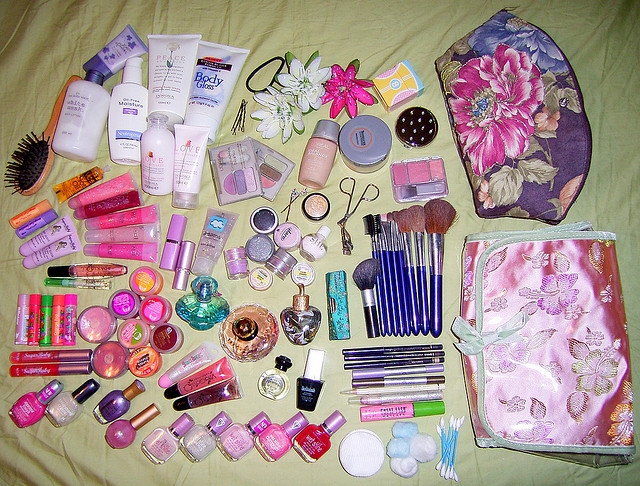
The dangerous phalates and bisphenyl-A found in plastic water bottles, pacifiers, and baby toys have been fairly well publicized (I hope.). There seems to be less public awareness that nearly all commercial shampoos, hand and body lotions, deodorants, toothpaste, and sunscreen contain preservatives that function as estrogen-like endocrine disruptors. The US bans only eight of these compounds. In contrast the EU bans more than 1,000.

In addition to causing harm to people who use them, these toxic endocrine disruptors accumulate in waterways when they’re flushed down the drain. Indigenous populations in both the third world and the Arctic are found to have hundreds of these toxic chemicals in their blood stream and breast milk even though most of them have never even heard of Right Guard or Colgate toothpaste.

Parabens: the Worst Offenders

One of the worst offenders is the paraben class of compounds (mostly found as methyparaben or PABA), which is used as a preservative in nearly all commercial toiletries. The second most common is triclosan, found in numerous so-called antibacterial products, including the following:

  • Neutrogena Deep Clean Body Scrub Bar
  • Lever 2000 Special Moisture Response Bar Soap, Antibacterial
  • CVS Antibacterial Hand Soap
  • Dial Liquid Soap, Antibacterial Bar Soap
  • Softsoap Antibacterial Liquid Hand Soap
  • Cetaphil Gentle Antibacterial Cleansing Bar
  • Clearasil Daily Face Wash
  • Clean & Clear Oil Free Foaming Facial Cleanser
  • Dawn Complete Antibacterial Dish Liquid
  • Ajax Antibacterial Dish Liquid
  • Colgate Total Toothpaste
  • Right Guard Sport Deodorant
  • Old Spice Red Zone, High Endurance and Classic Deodorants
  • Vaseline Intensive Care Antibacterial Hand Lotion

Toxic Nanoparticles

Even less well publicized are potentially toxic “nanosized” particles present in many popular sunscreens and so called “natural” mineral foundations. (See 2010 Friends of the Earth study and recent article by Terence Newton linking nanoparticles with DNA damage and cancer.)

Nanoparticle containing skin products are strictly regulated in the UK and Europe, where laws require mandatory safety testing and labeling. In the US, the FDA, which has known for nearly a decade that common sunscreens contain ingredients that accelerate the growth of skin cancer cells. Yet they still refuse to act on this information.

Nanoparticles are absorbed into the blood stream through skin damaged through eczema or psoriasis, a major health concern as mineral foundations are specifically marketed to women to conceal unsightly dermatitis. Some studies show that mineral foundation powders are inhaled into the lungs during application. Others suggest that nanoparticles penetrate healthy skin.

Not only are these substances totally unregulated in the US , but due to lax labeling laws, 80 percent of sunscreens that claim to be free of nanoparticles are found, on testing, to contain them.

Hair Dyes

Over fifty million American women, as well as an increasing number of men, dye their hair on a regular basis. Many start in early adolescence, resulting in cumulative, lifelong exposure to some extremely toxic substances:

  • Phenylenediamine (PPD) – present in over two-third of chemical hair dyes and by far the most toxic. Linked (in animals) to damage of the immune and nervous system, skin, liver and kidneys. Banned in France , Germany , and Sweden and use “restricted” in Canada .
  • Resorcinal – classified by the European Union as a harmful skin and eye irritant and dangerous to the environment.
  • Ammonia – irritant to skin, eyes, and respiratory system (can cause asthma).
  • Peroxide – potential toxic effects on eyes, nervous and respiratory (can cause asthma) system. Can cause DNA damage, possibly leading to cancer. Banned in cosmetic use in Japan and use “restricted” in Canada.
  • 4-ABP – linked to cancer

Many so-called “natural” hair dyes also contain some PPD, but in lower concentrations. As with other toiletries and beauty products described above, checking labels is essential, or better still doing a little Internet research to find a safer alternative.

Dangerous Chemicals in Household Cleaners

AIR FRESHENERS – usually contain methoxychlor, a pesticide that accumulates in fat cells, as well as formaldehyde, a highly toxic, known carcinogen, and phenol, a common culprit in contact allergies.

CARPET AND UPHOLSTERY SHAMPOO – commonly contain perchlorethylene, a known carcinogen, and ammonium hydroxide, a corrosive, extremely irritable to eyes, skin and respiratory passages.

DISHWASHER DETERGENTS (number one cause of household poisoning) – commonly contain highly concentrated dry form of chlorine, which leaves a residue on dishes that accumulates with each washing and is absorbed into hot food.

FURNITURE POLISH contain petroleum distillates, which can cause skin and lung cancer and nitrobenzene, linked with low sperm counts, anemia and liver, kidney, lung and eye damage.

LAUNDRY detergents contain the following chemicals (which remain as residue in clothes, as well as being released into waterways):

  • Petroleum distillates (aka napthas) – linked to cancer, lung damage and inflammation (can cause asthma) and damage to mucous membranes.
  • Phenols – linked with damage to nervous system, heart, blood vessels, lungs (can cause asthma) and kidneys.
  • Nonyl phenol ethoxylate – endocrine disruptor banded in Europe, owing to link to breast cancer, premature puberty and low sperm counts.
  • Optical brighteners (convert UV light wavelengths into visible light, making clothes appear whiter without making them cleaner) – toxic to fish and can cause allergic reactions when exposed skin is later exposed to sunlight.
  • Phosphates (banned in many states) – contribute to water “dead zones” by stimulating algae growth that depletes oxygen needed for fish and other animal life.
  • Sodium hypochlorite (household bleach) – highly toxic chemical which reacts with organic materials in the environment to form carcinogenic and toxic compounds that can cause reproductive, endocrine and immune system disorders.
  • EDTA (ethylene-diamino-tetra-acetate) – chelating agent that biodegrades poorly and can re-dissolve toxic heavy metals in the environment, allowing them to enter the food chain.

OVEN CLEANERS – contain highly toxic and corrosive lye and ammonia with fumes that can damage the respiratory system (especially of small children and pets) and which leave residue that is vaporized when the oven is turned on.

TOILET BOWL CLEANERS contain hydrochloric acid, a highly corrosive irritant which can damage skin, eyes, kidneys and liver; and hypochlorite bleach, a corrosive irritant that can damage eyes, skin and respiratory tract.


photo credit: Nikita Kashner via photopin cc

Corporate Food is Bad for You

Chicago lights

Chicago Lights Urban Farm

 (This is the 1st of  2  posts about dramatic changes that are occurring in food production and marketing, as well as consumer food choices.  Part I addresses the conscious shift many consumers have made over the past decade to locally grown organic food.)

Various studies reveal that as many as 20% of Americans make the conscious choice to eat organic food. Those who make the switch from corporate, industrially produced food do so for a variety of reasons. The main ones are cost, health and ethical concerns. Cost is a big consideration for low income families. In an economic depression accompanied by spiking food prices, growing your own fruits and vegetables or purchasing them from a grower at a farmers’ market can save families literally thousands of dollars a year.

Ironically the economic crisis has one silver lining in inner cities, as neighborhoods organize to create urban orchards and gardens on vacant, foreclosed land. An example is Chicago Lights Urban Farm, which supplies fresh produce for the once notorious Cabrini Green subsidized housing complex. This is the first access to fresh produce in decades for many inner city residents – thanks to the mass exodus of supermarket chains in the eighties and nineties.

Health issues linked to industrial agriculture are the second biggest reason people choose locally grown organic food over the standard corporate options. The growing list includes a number of debilitating and fatal illnesses linked with endocrine disruptors (estrogen-like molecules) in chemical herbicides and pesticides; contamination with infectious organisms; severe allergies, immune problems and cancers associated with GMOs (genetically modified organisms) and nanoparticles; type II diabetes related to growth hormones fed to US cattle and the proliferation of superbugs like MRSA (methcillin resistant staphylococcus aureus) linked to antibiotics routinely fed to factory farmed animals.

Endocrine Disruptors and Food Borne Pathogens

At the moment the biggest concern for health advocates is the epidemic of breast cancer and infertility linked to the growing presence of endocrine disruptors in our water supply and food chain. Breast cancer currently affects one out of eight women, and sperm counts in American men are among the lowest in the industrialized world. However the infectious organisms arising from factory farming methods and lax regulation of slaughter facilities are also responsible for a growing number of health problems. Infectious organisms linked with severe illness and death include the prion carried by cattle that causes Creuzfield Jakob disorder (aka Mad Cow Disease); campylobacter, salmonella and pathogenic E coli from the fecal contamination associated with overcrowded livestock pens and inadequate regulation of slaughterhouse hygiene; and Mycobacterium avium paratuberculosis (MAP), an increasingly common organism linked to a big spike in Crohn’s disease. Lax US food regulation and inspection regimes are worrying enough. Adding to all these concerns is the vast amount of supermarket food imported from third world countries where food production is totally unregulated.

Genetically Modified Organisms (GMOs)

GMO-related health issues are another reason more and more consumers are going organic. Unlike New Zealand and most of Europe, which ban GMOs, in the US 88% of corn, 93% of soy, 90% of canola (used in cooking oil), 90% of sugar beets (the source of half of US sugar) are genetically modified. Moreover thanks to the millions Monsanto spends lobbying to block product labeling laws, the majority of US shoppers have no way of knowing whether supermarket foods contain GMOs. Knowledgeable consumers are especially angry about the so-called “Monsanto Protection Bill.” This was a clause inserted in a recent continuing budget resolution that virtually guarantees Monsanto immunity against lawsuits for GMO-related health problems and environmental damage.

Nanoparticles

The latest food controversy involves the presence of untested nanoparticles in processed foods. Nanoparticles are submicroscopic particles the food industry adds to foods and packaging to lengthen shelf life, to act as thickening agents and to seal in flavor. As You Sow, NRDC and Friends of the Earth, first raised the alarm about five years ago regarding the nanoparticles used in cosmetics. They were mainly concerned about studies which showed that inhaled nanoparticles cause the same kind of lung damage as asbestos and can lead to cancer. More recently the American Society of Safety Engineers has issued warning about research showing that nanoparticles in food pass into the bloodstream, accumulate in organs and interfere with metabolic process and immune function.

Environmental and Psychological Benefits

Aside from cost and health concerns, an increasing number of consumers eat locally produced organic food for ethical and environmental reasons. In doing so, they are consciously opting out of an insane corporate agriculture system in which food is transported halfway around the world to satisfy an artificially created demand for strawberries in the winter. They are joining food localization initiatives springing up in thousands of neighborhoods and communities to increase options for locally produced organic food. As they reconnect with local growers to start farmers’ markets (the number in the US is 3,200 and growing) and Community Supported Agriculture (CSA) initiatives*, they find they are simultaneously rebuilding fundamental community ties their grandparents enjoyed.

Many farmers’ markets serve the additional function of a key gathering place for friends and neighbors. As you can see from the following video:

*Community Supported Agriculture is an alternative, locally-based economic model of agriculture and food distribution, in which local residents pre-subscribe to the produce of a given plot of farmland and take weekly delivery of fresh fruits and vegetables and free range/organic meat, eggs, raw milk, etc.

photo credit: crfsproject via photopin

Originally published in Dissident Voice

Medicinal Plants and Poison-Free Cancer Treatment

medicinal plants

(In my last of four posts about the effectiveness of natural health care, I offer two videos.)

1. Video #1:  Numen: The Healing Power of Plants by Terrence Youk and Ann Armbrech (2009).

Numen is as much about the environmental health crisis as about plant-based medicine. It stresses that herbal medicine, the primary form of medical treatment for most of human history, remains the primary form of medical intervention for most of the world’s inhabitants. The western medical model that developed in the industrialized world is a fluke. It also has major drawbacks as well as advantages. Rates of chronic illness – such as diabetes, arthritis, and autoimmune and neurodegenerative disease – a far higher in developed countries. Even as our deaths from trauma and infectious disease decline sharply.

According to the film, it’s not western medicine per se causing an increase in these chronic illnesses. The main cause is heavy exposure to a score of industrially produced chemicals. A 2005 study by the Center for Disease Control reveals that Americans carry an average of 148 toxic chemicals in their bloodstream. Even more alarming, these toxins concentrate in breast milk which, ironically, has become the most toxic baby food available.

The scientific explanation Numen offers for the effectiveness of plant-based medicine seems quite reasonable. Human beings, who share 60% of the same DNA as a banana, co-evolved with advanced plant species over millions of years.

The video can’t be embedded owing for copyright reasons. However it can be seen for free at Dr Mercola’s website

Video #2:  The Cancer Report Health Wyze (2011)

The Cancer Report is really a slide show set to music (I recommend turning your volume down). It also explores the link between a dramatic increase in environmental toxins and the current cancer epidemic. Prior to the 20th century, cancer was considered a medical oddity. Much of the film traces the role of oil and chemical baron John D Rockefeller in funding medical schools in the US and Canada – provided they agreed to discard traditional holistic methods in favor of drug-based (chemical-based) treatment.

I found the section on Dr Otto Warburg, who won the 1931 Nobel Prize for Medicine, particularly enlightening. Warburg identified how and why cancer cells develop – specifically as a result of cells being deprived of oxygen. According to the video, most “alternative” cancer therapies are based on Warburg’s work, in that they try to increase cell oxygenation. In chemotherapy, in contrast, patients are given powerful poisons that often kill them rather than the cancer. Moreover chemotherapy never cures the cancer, but merely sends it into remission.

The last half of The Cancer Report catalogs the most effective alternative cancer therapies, providing a detailed description of how they were developed, how they work, and their relative success rate.

The data presented about the poor survival rates related to chemotherapy and radiation therapy are both accurate and concerning. Five years ago, a close friend opted for a grueling course of chemotherapy that offered zero chance of remission and a 33% chance of extending her life for six months. In her shoes, I definitely would have opted for one of the alternative treatments outlined in the film.

Caveat: There are a number of claims made in the video that can’t be substantiated – for example that mammograms cause breast cancer. It’s true that any radiation exposure increases cancer risk and that mammograms don’t reduce breast cancer deaths (see How Mammograms Don’t Save Lives). The fact remains medical science still has no way of linking a specific cancer to a specific environmental exposure.

photo credit: BioDivLibrary via photopin cc

Cellphones and Brain Tumors

 Insurance Companies Cease Coverage for Cellphone-Related Cancer

cellphones

Check out the video below to see why cancer patients are filing class actions lawsuits against cellphone manufacturers. Why brain tumors have overcome leukemia as the most common childhood killer. And why cellphone manufacturers have invested billions of dollars to keep this information from the American public.

photo credit: Spitzgogo_CHEN (Nokia 6230i) via photopin cc

Originally published in Veterans Today

How Whales Become Toxic Waste

whale

Trashed: No Place for Waste

Candida Brady 2013

Film Review

Narrated by British actor Jeremy Irons, the main theme of the new documentary Trashed: No Place for Waste  is the major health danger posed by the 7 billion tons of garbage we discard every year. The film focuses primarily on dioxins, PCBs, phthalates, bisphenyl A, and other endocrine disruptors – particularly the role they play in a growing epidemic of cancer, autoimmune disease, infertility, and neurodegenerative disease. Thanks to a 2005 Center for Disease Control study, there’s growing international awareness that all human beings carry an average of 148 of these toxic chemicals circulating in their blood stream. However prior to seeing Trashed, I was unaware that landfills and waste incinerators were a primary source of these chemicals.

How Whales Become Hazardous Waste

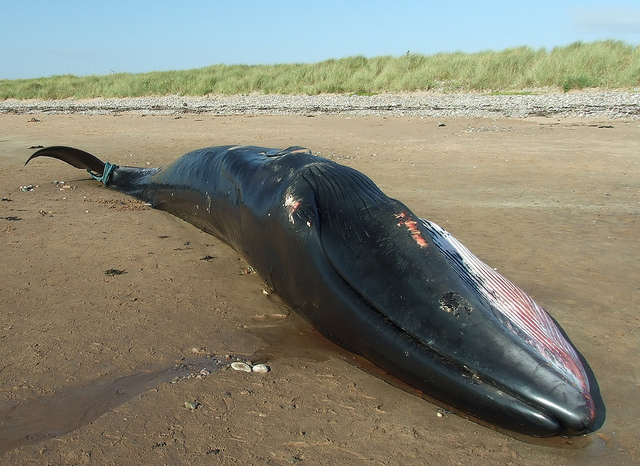
Irons focuses heavily on incinerators, which pose immense problems for the entire global population. The toxic chemicals they release concentrate in large fish (who eat lots of little fish) and sea mammals, particularly in colder regions. It was shocking to hear a marine biologist talk about whales and dolphins being discarded as hazardous waste because of their high toxic chemical load. At present most killer whales are unable to reproduce, owing to their heavy exposure to endocrine disruptors. Human couples are also having more and more difficulty conceiving, as evidenced by the growing demand for in vitro fertilization.

British biochemist Paul Connett, a leading environmental health expert, features prominently in this part of the film. Author of The Case against Fluoride: How Hazardous Waste Ended Up in Our Drinker Water and the Bad Science and Power Politics That Keep It There, Connett’s a local hero here in New Plymouth. In 2011, he helped us persuade New Plymouth District Council to remove fluoride from our water supply.

Plastic Soup

The second half of the film addresses the tons of plastic filling up our oceans. The world produces 260 million tons of plastic every year. Plastic, which is manufactured from petroleum, consumes 8% of global oil production. Yet 30% of it is discarded within a year.

Although it never totally degrades, it eventually breaks up into confetti-sized fragments. Studies reveal the oceans contain six times as much of this plastic soup as microscopic zoo-plankton, the basic food source at the bottom of the food chain.

The Ultimate Solution: Eliminate Packaging

 The documentary ends on an optimistic note, with a tour of communities participating in the Zero Waste movement. According to Irons, the most desirable solution is to pressure corporations to dispense with plastic packaging in the first instance. Consumers also need to lean on supermarkets and other retailers to dispense more foods in bulk, as well as allowing shoppers to bring their own reusable containers to take them home. This will also greatly reduce food costs, given that packaging makes up more than half the sticker price.

 Aggressive Recycling

 In the mean time, a stronger commitment to recycling can go a long way towards keeping toxic chemicals out of our water and food and plastics out of the ocean. Waste analysts estimate that 90% of waste can be recycled at a potential savings of ₤6.4 billion ($US 9.9 billion) a year. Approximately 1.5 million jobs could be created in the process. By reusing these materials instead of replacing them, the reduction in climate pollution would be equivalent to taking half the world’s cars off the road.

New Zealand Premier

The New Plymouth Green Party is sponsoring the first New Zealand showing of Trashed on Thursday 24 October at 7:30 pm at St Mary’s Peace Hall ($10 admission).

photo credit: stuant63 via photopin cc
Reposted from Dissident Voice