Poisoned Planet

poisoned planet

Poisoned Planet: How Constant Exposure to Man-Made Chemicals is Putting Your Life at Risk

By Julian Cribb
Allen and Unwin (2014)

Book Review

Poisoned Planet is an encyclopedia of environmental toxins and their effect on human health. At present, the US Environmental Protection Agency (EPA) has approved 84,000 different manufactured chemicals. This doesn’t include unintentionally released chemicals, which number even higher. In 36 years, the EPA has only banned five chemicals. The US Centers for Disease Control (CDC) monitors 212. All human beings on the planet have a minimum of 150 toxic chemicals in their bloodstream, regardless of where they live.

The World Health Organization (WHO) estimates that man made toxic chemicals cause 4.9 million deaths annually. According to Australian journalist Julian Cribb, the largest source of chemical toxicity is coal burning power plants, giving off mercury, cadmium, sulfur and volatile organic carcinogens. These toxins cause 170,000 deaths annually, mostly from mercury poisoning. Mercury enters the food chain via fish, rice and green vegetables. Public health officials have been warning pregnant women and small children not to eat tuna or shellfish for two decades.

While many toxic exposures are unavoidable, it’s really scary how many people are poisoning themselves and their children through indoor air pollution, food packaging, sunscreens, cosmetics and cleaning products containing toxic chemicals. See Obgyns Speak Out On Toxic Chemicals and Buyer Beware: Americans are Systematically Poisoning Themselves

Cribb is highly critical of doctors for failing to warn their patients about these risks. Sadly current medical training is totally drug-based and medical students receive minimal training in nutrition or toxicology.

In the developed world, indoor air pollution is caused by chemicals emitted by synthetic building materials; wall, floor and furniture coverings; bedding; paints; plastic; foam rubber and common pesticides.

The most worrying toxins in food packaging are phthalates and bisphenyl A (BPA). Both are linked to cancer, infertility, asthma, obesity, diabetes and endocrine and neurobehavioral disorders.

Toxins found in sunscreen and cosmetics include phthalates, triclosan and parabins, which have all been linked to cancer, infertility and obesity.

Epidemiologists estimate eighty percent of all cancers are linked to environmental factors, with cancer rates increasing by 1-3% a year. There is also growing evidence implicating environmental toxins to the growing epidemic of infertility and Parkinson’s and Alzheimer’s disease.

How Big Pharma Controls Health Care

big_pharma

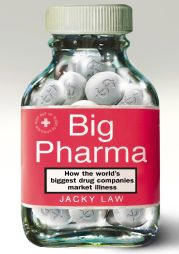
Big Pharma: How the World’s Biggest Drug Companies Control Illness

By Jacky Law

Constable and Robinson Ltd (2006)

Book Review

In the ten years since British journalist Jacky Law published Big Pharma, the only good news is growing public awareness of the drug industry’s negative effect on human health. There’s no question the wealth and power of the pharmaceutical industry has vastly increased with the enactment of Obamacare in 2010. The latter grants major federal subsidies to both the insurance and drug industry.

Law carefully unpacks the fundamentals that position Big Pharma’s profits at the very top of Fortune 500 companies. In 2001, for example, they were number one, earning profits equal to 16-18% of sales. The banking industry was a distance second at 13.5%. While other Fortune 500 companies averaged 3.3%.

She attributes these obscene profits mainly to inflated prices Big Pharma charges Americans (as much as 5-10 times as much as in other countries), their deliberate efforts to bury and/or spin negative research, their bribing of doctors (with gifts, free lunch, training junkets and consultant fees) and medical journals (with glossy high priced ads), the refusal of the FDA to regulate pharmaceuticals (see FDA Now Completely Sold Out to Big Pharma) and direct to consumer ads aimed at convincing healthy people they need medical attention.

She devotes a whole chapter to “disease mongering,” Big Pharma’s deliberate creation of fictitious illnesses such as menopause, serotonin deficiency, post luteal dysphoric disorder and female sexual desire disorder. This is a topic I blog about frequently. See The Multibillion Dollar Depression Industry, Drug Companies: Killing Kids for Profit, Wyeth and the Multimillion Dollar Menopause Industry and Menopause Made in the USA

She also details studies dating back to 1982 revealing that low fat diets don’t decrease cardiovascular disease, as well as studies from 1992 revealing that cholesterol lowering drugs (statins) don’t reduce mortality. Thanks to the deliberate harassment and demonization of the researchers responsible for these studies, this information has only come into public view in the last two years. See Why the Low Fat Diet Makes You Fat (and Gives You Heart Disease, Cancer and Tooth Decay

Law is also highly critical of the role the pharmaceutical industry has played in minimizing the importance of poor nutrition and exposure to toxic chemicals in causing illness. She finds it extremely ironic (and immoral) that the federal government is clamping down on health supplements instead of environmental toxins.

Don’t Eat the Chicken!

512px-Industrial-Chicken-Coop

The Problem with Chicken

Directed by Rick Young (2015)

This documentary can’t be embedded but can be viewed free at the following link:

http://www.pbs.org/video/2365487526/

Film Review

The Problem with Chicken is a PBS Frontline documentary about a year-long Salmonella Heidelberg epidemic in 2012 that infected more than 600 people in 29 states.

Salmonella Heidelberg is a particularly virulent form of salmonella that is increasingly prevalent in factory farmed chicken, as well as increasingly antibiotic resistant. Salmonella Heidelberg infection frequently results in hospitalization and occasionally death.

The film examines a hopelessly corrupt regulatory system in which the USDA* inspectors test whole birds, but not chicken pieces (the most common source of salmonella infections) and in which the USDA couldn’t compel Foster Farms to recall their contaminated chickens until they located an an unopened pack of Foster Farms chicken with the specific strain of Salmonella Heidelberg that had infected a specific chicken.

This obscure legal technicality meant that despite clear DNA evidence identifying Foster Farms as the source of contamination, an outbreak that could have been stemmed in a few weeks went on a full year and officially sickened 634 people.

The Problem with Chicken also explodes the chicken lobby myth that chicken-related infections can be prevented by proper cooking and handling of chicken. Studies show that thorough cooking doesn’t kill either salmonella or campylobacter, another human pathogen commonly carried by chicken.

The main shortcoming of this documentary is its failure to examine why potentially deadly pathogens are increasing in factory farmed chicken: namely the process in which battery chicken are raised in a cesspool of feces in tightly packed cages and continually fed antibiotics (the main source of increasing antibiotic resistance). See Food Inc.

Surely these are the practices that need to be banned by regulation. It’s ridiculous to expect that a few hundred USDA inspectors are going to protect us from food-borne illnesses by spot checking hundreds of thousands of turkeys and chickens for pathogenic organisms.


*The US Department of Agriculture is the federal agency responsible for guaranteeing food safety.


Photo credit: איתמר ק., ITamar K. (Own work) [Public domain], via Wikimedia Commons

Big Sugar, Inc

Big Sugar: Sweet, White and Deadly

Brian McKenna (2005)

Film Review

Big Sugar is about the sugar lobby and how they use their wealth and power to prevent the World Health Organization (WHO) and other regulatory agencies from dispensing accurate information about the link between high sugar intake and obesity, type 2 diabetes and heart disease.

This Canadian documentary is divided into two parts. Part I deals with the links between sugar and slavery and the modern sugar barons have replaced the slaveholders who effectively controlled British foreign and domestic policy for 200 years. Part II is about the global obesity epidemic and efforts by WHO in 2005 to issue guidelines limiting daily sugar intake to 10% of total calories. The powerful sugar lobby defeated this initiative by employing many of the same techniques as the tobacco industry (and the climate denial industry). After attacking the science linking high sugar intake and obesity, they attacked the scientists themselves as biased fanatics. They then got them fired, demoted, and/or transferred. Under pressure from Big Sugar, both Bush administrations threatened to withhold the funding they owed WHO, and the pesky nutritionists who sought to warn people about the dangers of sugar magically vanished.

The documentary focuses on two of the most prominent slave holding families, as well a Canadian woman of African descent whose ancestors were owned by the Church of England and worked on a plantation in Barbados. The filmmakers liken these historical paragons to a modern day Cuban exile family in Florida called the Fanjuls. The latter donate generously to both major parties to make sure the US government continues to subsidize sugar production. The Fanjuls and other Florida sugar barons reap $1.5 billion in subsidies for $3.1 million in campaign contributions.

In addition to exposing the ecological devastation sugar cultivation has caused in the Florida Everglades, the filmmakers also visit the Fanjuls’ sugar plantations in the Dominican Republic. Despite the official abolition of slavery, working conditions on Dominican sugar plantations remain virtually unchanged. The Fanjuls lure Haitian immigrants across the border with a promise of paying work. Once their passports are confiscated, they become virtual slaves. Workers, who are paid $2 for a twelve hour day, experience chronic hunger and malnutrition. Forbidden to grow their own vegetables, they’re forced to rely on a company store that charges them three times the normal price for food. They have no access to medical care, and child labor is rife.

The Demonization of Psychodelic Drugs

Neurons to Nirvana: Understanding Psychodelic Medicines

Directed by Oliver Hockenhull (2013)

Film Review

Neurons to Nirvana is about the detrimental effects of the War on Drugs on research into the medical and sociological benefits of hallucinogenic drugs.

Psychodelics have been used medicinally and in religious rituals for over 10,000 years. They’ve been used in nearly every culture except our own European culture. Psychodelic plants co-evolved with human beings to enhance our understanding and respect for the interconnectedness of the ecological system that supports our existence. Plants have important investment (to enhance their survival) in interacting with human beings via the chemicals they produce (see How Plants Control Us).

The filmmakers maintain that no brain theory will ever be complete without a complete examination of the the effect of psychodelic drugs. Yet it’s extremely difficult to undertake this type of research in the US or Britain, owing to their archaic drug laws.

Neurons to Nirvana argues the crackdown on psychedelic drugs in the sixties and seventies was motivated mainly by the political threat they pose. This relates in part due to their ability to break down barriers between ethnic groups and social classes and in part due to their ability to disrupt the “consensus trance” created by our constant bombardment with pro-government and pro-corporate propaganda.

The film also makes the point that legalizing psychodelics might be the only solution at this point to breaking through the zombieized mind set that’s destroying our plant. After viewing this documentary, I tend to agree with them.

The documentary divides specific therapeutic effects by drug category:

LSD

First discovered in 1943, LSD is the best study because psychiatrist used it in psychotherapy in the fifties and sixties. LSD research would lead to the identification of the neurotransmittser serotonin in 1948. Serotonin pathways play a major role in regulating the speed and scope of neural interconnections. LSD appears to counter the control Serotonin exerts over these interconnections.

With a dose of LSD, patients experience the ability to make new connections. Use in controlled therapeutic settings can enable patients to connect with repressed and suppressed memories and emotions. LSD users commonly report the realization that there is no “other”, ie that all people and things are interconnected.

Research reveals a single dose of LSD to be the most effective treatment for chronic alcoholism.*

Psilocybin (magic mushrooms)

Most psilocybin research has focused on its use in relieving pain and anxiety in terminal cancer patients. Single doses have also been useful in refractory depression.

Ecstasy (MDMA)

The DEA made ecstasy a Schedule 1 drug (effectively banning it) in 1985, despite a DEA administrative law judge’s recommendation that it be designated Schedule 3 (closely controlled but available by prescription). It’s an extremely effective as a rapidly acting, non-sedating, non-addicting anti-anxiety drug. Its best known therapeutic effect is as a catalyst for psychotherapy in veterans with treatment refractory PTSD.

Cannabis (marijuana)

Cannabis has a wide range of medical benefits and has been used to treat a variety of conditions for 4,000 years. Queen Victoria used it for period pain and the pain of childbirth. Senior citizens are the most rapidly growing demographic of marijuana users. They use it mainly to treat cancer, pain and nausea stemming from chemotherapy.

It contains more than 100 compounds with medial benefits, with cannabidiol the most widely studied.

Ayahuasca

Ayahuasca is a drug used for thousands of years in South American shamanic rituals. It’s primary medical use is in psychotherapy for trauma-related depression.


*Igobaine is another psychedelic effective in treating alcoholism, heroin addiction and PTSD. See Why Are We Sending Veterans to Costa Rica, Canada and Mexico

Food Inc

Food Inc

Directed by Robert Kenner (2008)

Film Review

Food Inc is a 2008 classic only recently available for free on-line screening. Featuring investigative journalist Eric Schlosser and food activist Michael Pollan, it’s the first and (in my view) the best expose of factory farming.

This film mainly focuses on the deplorable disease-inducing conditions of battery chicken houses and industrial feedlots and slaughterhouses. However it also draws attention to the current epidemic of food borne illness, diabetes and heart disease; the corporate capture of regulatory agencies meant to protect us; the federal subsidies that make junk food cheaper than fresh fruits and vegetables; Monsanto’s vicious treatment of farmers who choose not to grow GMO crops and the food disparagement and anti-labeling laws meant to keep consumer sin the dark about where their food comes from.

Most importantly this documentary questions whether the “cheap” food produced by industrial farming is really so cheap when you add in the health costs (especially of chronic diseases like diabetes and cardiovascular disease)

The cinematography captures horrific scenes of factory chicken houses where chickens live on top of each other in total darkness and feed lots in which cows spend their whole life knee-deep in manure. The latter cakes their hides and inevitably contaminates carcasses at the slaughterhouse.

The films draws interesting parallels between the abysmal treatment of animals and workers in the industrial food chain. Food executives argue that animal suffering is inconsequential because they’ll all be dead soon. They also regard immigrant workers as expendable because there are so many of them.

The filmmakers catch meat processors deliberately recruiting illegal laborers in Mexican villages devastated by the North American Free Trade Act (NAFTA). Employers are never prosecuted for these activities. Only immigrant workers are targeted.

https://vimeo.com/29575879

Male Genital Mutilation

On watching this film, I was really horrified how much male circumcision rates have increased since I left the US. In the eighties and nineties, they seemed to be declining as more feminists entered the medical profession. Like many of my feminist friends, I have always opposed circumcision, along with a variety of child rearing practices that seem to affect men’s sensitivity and self-confidence. Contrary to the claims of pro-circumcision advocates, young infants experience pain as acutely as adults do. Now that the US has become both post-feminist and post-racial, I guess I shouldn’t be surprised that male circumcision is making a comeback.

Circumcize Me?

BBC (2012)

Film Review

Circumcise Me? examines the alarming US cultural practice of genitally mutilating their male infants. It also asks why American doctors have parted ways with their British (and Australia and New Zealand) counterparts in this area. The documentary demonstrates how infants are strapped down at eight days of age, enabling a surgical circumcision specialist to snip off the foreskin with a specialized circumcision instrument.

Medical circumcision was first introduced to the English speaking world in 1860. Doctors claimed it inhibited masturbation and cases of insanity caused by masturbation. Nineteenth century medical textbooks stress that the pain of circumcision is essential – theoretically the cure only worked if young boys to associated the penis with pain and punishment.

During the twentieth century, the rationale for medical circumcision changed. Without a shred of research evidence doctors (many US doctors still do) claimed that uncircumcised men were at higher risk for cancer of the penis, herpes, warts and HIV. When these claims were debunked, doctors claimed the partners of circumcised men were at higher risk of cervical cancer. When high rates of cervical cancer among Israeli women (the Jewish and Muslim religion requires all men to be circumcised) suggested otherwise, circumcision rates in most English speaking countries declined. In the 1940s, 50 percent of British male infants were circumcised. By 2012, the figure had decreased to 3%. This contrasts with Fargo North Dakota which, in 2012, had a circumcision rate of 90%.

Although sexologists don’t do population research, the film features several who have seen a link between loss of glans* sensitivity in circumcised men and erectile dysfunction in middle age. The filmmakers also interview circumcised men who have restored their foreskins (either through surgery or a procedure known as “tugging”**) . All report greatly enhance sensitivity and functioning.

American men seem to want their sons circumcised though their motivation is unclear. In the film, the most common reasons given are “Everyone else does it” and “I want him to look like me.”

In a candid interview at the end of the film, a British Medical Association representative refers to the US obsession with circumcision as a risky unethical procedure that continues that’s mainly driven by a multimillion dollar surgical circumcision industry.


*Phimosis is a congenital narrow of the foreskin which prevents it from being retracted.
** “Tugging” – A technique for foreskin restoration. See foreskin restoration


The Triumph of Profit Over Health

bought

Bought

Directed by Jeff Hays

Film Review

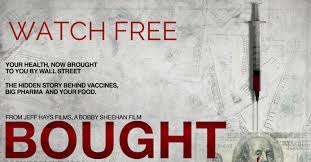
Bought is a new release film that can be viewed free online – but only until Aug 29. Go to http://www.boughtmovie.net/free-viewing/

Bought is a well-made scientifically based documentary about the role of Food Inc and Big Pharma in the rise of chronically debilitating illnesses. Specially it demonstrates how the mindless pursuit of profit has corrupted both scientific research and regulatory bodies charged with protecting our health and safety.

Most of the film focuses on the vaccine industry. It begins by profiling children who have developed autism, intellectual handicap and/or seizures as a direct result of childhood vaccination. Because federal legislation grants manufacturers and doctors blanket immunity from liability, children with disabling vaccine complications are compensated by a federal vaccine compensation panel. One of the families interviewed received a $7 million settlement for the lifetime medical and custodial costs for their severely disabled child.

The filmmakers also interview numerous doctors, researchers, whistleblowers and lawyers who challenge medical and government claims that vaccines are perfectly safe for everyone. As one lawyer points out, vaccines, like prescription drugs, are classified as “unavoidably unsafe.” It’s for this reason Congress has granted vaccine manufacturers blanket immunity for debilitating conditions that can arise from vaccination.

The film considerably heightens my personal concerns that the administration of multiple vaccines has been incorporated into well child care despite the dearth of research into their long term safety or efficacy. The current trend (in New York City, California and other jurisdictions) to make vaccination compulsory is a particularly alarming human rights violation. Especially in view of multiple studies linking vaccination to the growing incidence of autism, ADHD, Parkinson’s disease and other neurological conditions.

The New York City law is so strict that children can’t be exempted from mandatory vaccination even when a sibling – or the children themselves – have had a prior debilitating reaction to a vaccine.

The film also focuses on the link between GMOs and children’s health problems, particularly allergies. It’s largely thanks to dedicated grassroots organizing by Moms Across America that there is any public awareness that nearly all non-organic potatoes, sugar beets, soy, corn and vegetable oil produced in the US – and all livestock who consume these products – contain genetically engineered ingredients..

According to a recent survey, 91% of Americans support mandatory labeling of GMO containing foods – only 4% oppose it.

The Role of Western Medicine in the Epidemic of Obesity, Diabetes and Heart Disease

Carb Loaded: A Culture Dying to Eat

Directed by Lathe Poland (2014)

Film Review

Carb Loaded follows the personal journey of a 40 something male (one of the filmmakers) who suddenly develops type II diabetes, despite being physically fit and follow a “heart healthy” diet. What he discovers is that the low fat, high carbohydrate promoted for fifty years by Food Inc, the USDA, and the American Dietetic Association is responsible for a global epidemic of diabetes, obesity, heart disease and most likely Alzheimer’s Disease.

The Food Pyramid was an Experiment and Americans the Guinea Pigs

The documentary begins by tracing the history of the “food pyramid,” which the FDA and corporate cronies foisted on the unsuspecting American public in 1977 – without a single clinical trial supporting its safety and effectiveness. With the adoption of the “food pyramid,” doctors and dietitians induced hundreds of millions of patients to drastically reduce their intake of protein and fat and to increase foods previously associated with weight gain (bread, pasta, potatoes, high carb snacks, etc). in other words it was a vast experiment and Americans – and citizens of other industrialized nations – were the guinea pigs.

Statistically the prevalence of diabetes, obesity heart disease and Alzheimer’s began to take off in the late seventies, the widespread adoption of the low fat, high carbohydrate diet. Over the last decade the researchers have identified the mechanisms by which a high carbohydrate diet causes these conditions.

A high carb diet causes diabetes by triggering excessive insulin production, which over time leads to insulin resistance, a physiological condition in which cells fail to respond to insulin, leading to higher blood sugar levels.

It causes obesity by reducing brain sensitivity to leptin, a hormone produced by fat cells that notifies the brain when we’re full.

It causes heart disease mainly by triggering an inflammatory response in our blood vessels that increases cholesterol production. Contrary to popular belief (driven by relentless corporate marketing), most cholesterol is produced by the body in response to inflammation and is totally unrelated to diet.

Alzheimer’s: Type III Diabetes

Most ominous of all, high carbohydrate diets can cause the accumulation of “glycated”* proteins in the brain. These are linked to the development of Alzheimer’s Disease, which doctors and researchers have begun referring to as Type III diabetes.

The film goes on to explore numerous lifestyle changes which have led many residents of the industrialized world to cook less and rely more on cheap, carbohydrate-rich fast foods. It also explodes the myth that fast food is cheap, with a recent study that the average American spends $3,000 a year on fast food and $8,000 on doctors visits for medical problems caused by fast foods.

Potential Solutions

The filmmakers finish by reviewing a range of possible solutions at the government, community and individual level. High on the list of policy changes are an end to the US corn subsidy (responsible for the ubiquitous presence of damaging high fructose corn syrup in most processed foods) and a tax on sugary beverages similar to those enacted by Mexico, Denmark, Hungary and France.

On a community level, they talk about what activists can do to eradicate food deserts and increase the availability of fresh, unprocessed food.

On a personal level, they explore the importance of understanding the addictive effect of sugar and specific behavioral changes people can make to gradually wean themselves and, most importantly, their children off sugar and other refined carbohydrates.


Big Pharma At It Again: Disease Mongering for Profit

big pharma

As shameless as ever, Big Pharma is aggressively medicalizing the problems of living as they pursue obscene profits. Their latest disease mongering campaign, promoting the drug Flibanserin, is aimed at women. Like cancer causing Premarin, hyped for its ability to slow aging, and Sarafem (recently linked to birth defects), hyped for its effectiveness in industry-created “premenstrual dysphoric disorder”.

Originally developed by Boehringer Ingelheim, this new drug has been acquired by Sprout Pharmaceuticals, a company launched in 2011 to develop products for female sexual health (i.e. to cash in on the $1.5 billion Viagra market). It allegedly treats “low sexual arousal disorder” in women.

Taken Everyday, Potentially for Years

Last week the Telegraph reported that two key FDA advisory committees are recommending approval of Flibanserin, also known as “pink Viagra.” Despite its nickname, Flibanserin is nothing like Viagra. While a man only takes Viagra when he wants to have sex, Flibanserin is more like an antidepressant and must be taken everyday, potentially for years.

Pink Viagra works by combining a Viagra-like chemical that stimulates blood flow to the genitals with a small dose of testosterone, which stimulates sex drive in women. According to the Guardian, early clinical trials indicate the drug is only slightly more effective than placebo. On average, women taking the drug have 0.8 more “satisfying sexual events” per month. Flibanserin also has some pretty nasty side effects, including dizziness, sleepiness, fainting, nausea, fatigue and insomnia. The other downside is that the drug’s concentration (and side effects) increase if the woman drinks alcohol, or takes birth control pills or medications for vaginal infections, migraine or depression.

Sex, Lies and Pharmaceuticals

The Telegraph article quotes journalist Ray Moynihan, author of Sex, Lies and Pharmaceuticals, who describes female sexual dysfunction as a clear example of “corporate-sponsored creation of a disease.” And gynecologist Dr Sandy Goldbeck-Wood, who points out that low sexual desire, especially in women, is intricately linked to a person’s life and relationships. If a woman is depressed or stressed out from looking after kids and/or aging parents on top of her double role as breadwinner and homemaker, she’s very unlikely to be interested in sex – especially if her partner is unsympathetic and unsupportive.

Writing in the Daily Mail, psychologist and sex researcher Dr Petra Boynton complains that the corporate media promotes highly unrealistic expectations of sex (lots of it with mind-blowing multiple orgasms), just as they do about women’s appearance (thin, young-looking, with perfect faces and breasts).

My Own Clinical Experience

I totally agree with Boynton and Goldbeck-Wood. When I worked with women in Seattle, low sexual desire nearly always stemmed from unresolved relationship issues. Often when women felt totally dominated and controlled by their partner, saying no in the bedroom was their only opportunity to assert themselves. Other women complained they got nothing out of sex because their partner couldn’t or wouldn’t address their sexual needs.

Population studies suggest that approximately 50% of women require direct stimulation because they don’t climax through vaginal intercourse. The scientific literature is silent on the unwillingness of men to engage in oral sex. However based on what I read in social media, I suspect it remains a significant source of conflict among couples.

Astroturfing* Flibanseerin

Typically Big Pharma has created two Astroturf* groups, Eventhe Score and WomenDeserve. Both have accused the FDA of sexism for their reluctance to approve Flibanserin. According to the Daily Mail, EventheScore is claiming a biological lack of sexual desire negatively impacts 1 in 10 American women. This is pure corporate hype, as there is no biological marker or threshold for abnormally low desire.

My biggest concern is that FDA approval will lead to women being pressured to take a drug with potentially serious side effects – either by their partner or by the same phoney media marketing that induces them to spend millions of dollars on cosmetics, weight loss products and plastic surgery. In contemporary society, full equality and full control over their own bodies is still a long way off for most women.


* Astrotrufing is the creation of apparent public support by corporations who pay people or groups to pretend to be supportive. This false support can take the form of letters to the editor, postings on social media lobbying politicians in support of the cause.

photo credit: Prescription Prices Ver5 via photopin (license)