Medicalizing the Menstrual Cycle

pmd

I have blogged previously (see Menopause: Made in the USA) about the negative effects of the “corporatization” of health care in the US. “Disease mongering” is a particularly nasty one. This occurs when pharmaceutical companies “medicalize” common conditions in order to market drugs that supposedly treat them.

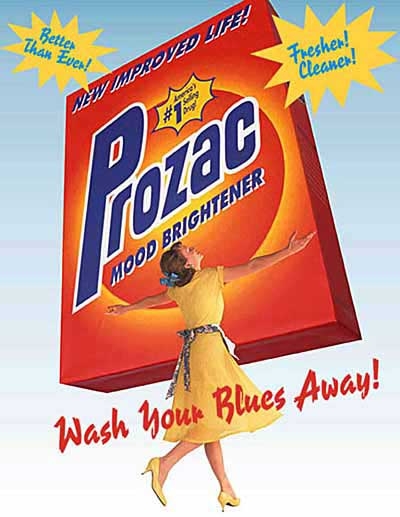
Thanks to skillful marketing, Eli Lilly has turned premenstrual syndrome (PMS) into a profit-making commodity nearly as lucrative as menopause and “childhood bipolar disorder” (see Drug Companies: Killing Kids for Profit).

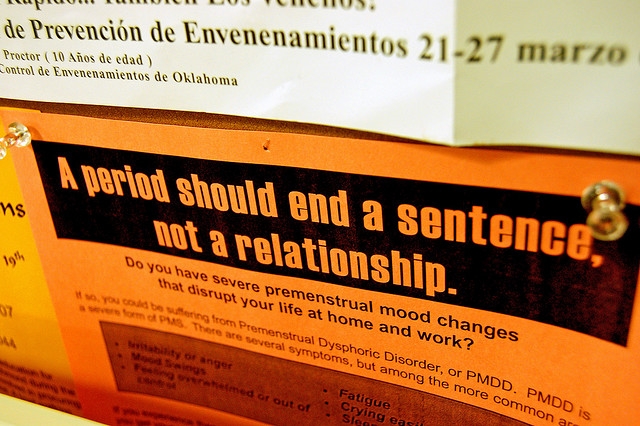
In 1994, the American Psychiatric Association (APA) included premenstrual dysphoric disorder (PMDD) in their diagnostic manual “as a possible mental disorder requiring more research.” They have continued the diagnosis in DSM V. Although DSM IV lists PMDD as a strictly “research” diagnosis, Eli Lilly immediately seized on it as a genuine disorder and devised a marketing strategy to profit from it.

The Difference Between PMS and PMDD

Approximately 80-90% of women worldwide report physical and emotional changes in the 7-10 days prior to the onset of menstruation. For most women, these consist of minor physical changes similar to those of early pregnancy (water retention, breast swelling and tenderness and abdominal bloating).

Approximately 1/3 of women note mental and emotional changes (aka PMS) – depression, anxiety, fatigue, irritability, insomnia, difficulty concentrating – that have a minor impact on their daily functioning.

Although the APA has yet to agree PMDD even exists as a disorder, there are numerous claims in psychiatric and women’s health literature that approximately 3-8% of women suffer from it. By definition, a woman can only qualify for a PMDD diagnosis if they experience a “marked” decrease in normal functioning due to premenstrual mood changes. A rigorous Swedish study ascertained that the true percentage of women experiencing a “marked” decrease in functioning before their period closer to 1.3%.

A Golden Marketing Opportunity for Eli Lilly

Once the patent on a drug expires, other manufacturers are free to produce cheaper generic versions, resulting in plummeting sales of the original brand name drug. In 1999 Lilly, facing the expiration of its patent on Prozac, exploited the new “diagnosis” of PMDD by re-branding Prozac as a feminine pink and purple tablet called Sarafem.

In 2001, the FDA approved Sarafem for “PMDD,” on the basis of double blind studies involving several hundred women. Lilly reported a 60% response rate in women who took it for five cycles, with greater effectiveness in women who took it continuously throughout the month (as opposed to 7-10 days before their period).

Hopefully psychiatrists aren’t quite so gullible as the FDA, given Prozac’s limited effectiveness in treating depression. Thirty years of double blind studies reveal that depressed patients who take Prozac have an average response rate of 38-40%. In fact, statistical analysis of all randomized controlled trials reveal that all SSRI’s (i.e. Prozac, Zoloft, Paxil, citalopram, etc) are only slightly more effective than a placebos, which works 33-37% of the time.

Skillful Marketing Adds Billions to US Health Care Bill

Charging three dollars per dose for their pink and purple Sarafem tablets (in contrast to 41 cents per dose for generic fluoxetine), Lilly launched a massive marketing campaign to convince women they suffered from PMDD. In 2001, the year Serafem came out, nearly 100,000 prescriptions were sold, reaping Lilly $85 million in profits.

Given the soaring cost of health care in the US (the main reason millions of Americans go without medical care), it strikes me as unethical and immoral to trick doctors and women into wasting nearly a billion dollars on pink and purple pills with a fancy name, when generic fluoxetine would have been equally effective at 1/9 the cost.

Research Evidence for “Natural” Treatments

What I find really fascinating about the PMS/PMDD controversy is that it’s one of the few women’s health “conditions” in which there are more double blind placebo trials of “alternative” or “natural” treatments than medication trials. The three “alternative” treatments that have shown clear effectiveness in randomized controlled trials are omega 3 supplements, Vitamin D and the chaste tree berry or chasteberry. In fact, much of this research suggests that PMS-related mood changes may actually represent a nutritional deficiency of omega 3 and/or Vitamin D.

Omega 3 oil is the most studied in PMS-related mood changes, largely owing to its proven efficacy in depression and large cross cultural studies revealing that populations (for example Asians and Norwegians) consuming large amounts of fish (a primary source of omega 3) in their diets have an extremely low incidence of depression.

Vitamin D, has also proved helpful for depression in double blind studies, especially in elderly depressives suffering from documented Vitamin D deficiency. Other studies show that 1,000 – 2,000 international units of Vitamin D is helpful in alleviating premenstrual symptoms.

This finding correlates with an extremely low incidence of PMS in Asian women. The same oily fish that are a rich source of omega 3 are the only natural food source of Vitamin D (the majority of us derive Vitamin D from exposure to sunlight).

Three double blind studies in the British Medical Journal, the Archives of Gynecology and Obstetrics and the Journal of Women’s Health and Gender-based Medicine reveal that chasteberry helps approximately 52% of women with PMS. Chasteberry is an herbal remedy used by Hippocrates in ancient Greece for pre-menstrual symptoms. It’s believed to work by lowering prolactin (a pituitary hormone influencing milk production). High prolactin levels are a recognized, but infrequent, cause of depression.

Take Home Message: Try Natural Remedies First

In light of all the above studies, common sense would dictate that women who suffer from PMS should try a combination of omega 3 and 1,000-2,000 IU of Vitamin D for a minimum of six months before resorting to either Sarafem or generic fluoxetine. Both have potentially serious long term side effects. Owing to their effect on serotonin receptors in the brain, SSRI’s can be very difficult to stop. Moreover they are associated with a loss of bone density, which increases the risk of osteoporosis and hip fracture in later life, and possibly linked to breast and ovarian cancer

photo credit: taberandrew via photopin cc
Drug Companies: Killing Kids for Profit

child taking pill

(Thanks to the corporatization of health care, Americans pay double what other countries pay for health care but have much worse health. The recent Obamacare roll-out has heightened public awareness about the role of private insurance companies in sucking billions of health dollars out of the health care system. There is far less scrutiny of the role of Big Pharma in driving up health care costs.

This is the second of several posts on “disease mongering” by pharmaceutical companies  – i.e. the invention of fictitious diseases to market drugs that supposedly treat them.)

Practicing psychiatry for eight years in New Zealand has given me a unique perspective on childhood bipolar disorder. Also known as pediatric bipolar disorder (PBD), this is a condition virtually unknown outside of the US. Australian psychiatrist Dr. Peter Parry has undertaken detailed research into this condition, and a “conspiracy” by Eli Lilly and other drug companies to promote off-label use of antipsychotic drugs to children under 12. Yet another example of “disease mongering” by Big Pharma (see link) to encance their profits.

As well as publishing numerous papers on the PBD controversy, Parry also has a Powerpoint presentation he gives at grand rounds and conferences around the world. It includes internal Lilly and Janssen memos (available from his Healthy Skepticism website) about their innovative campaign to “medicalize” children’s misbehavior.

Thanks to their aggressive marketing of PBD to US doctors and parents, American children as young as two are being started on antipsychotics for extreme anger and behavioral problems

Breaking the Law: Good Business Practice

Prescribing “off-label” refers to using medication for an indication that hasn’t been approved by the FDA. As yet no antipsychotics have been approved for use in children. Moreover, it violates federal law for drug companies to market medications to doctors or the public for “off-label” uses. Yet because the fines imposed are minuscule, compared to the massive profit potential of off-label marketing, it’s considered good business practice to pay the fine and keep on doing it anyway.

Diagnostic Criteria for Bipolar Disorder

Parry’s slideshow starts with studies comparing US attitudes about BPD in the UK, Germany, New Zealand and Australia. Most foreign psychiatrists either don’t recognize pediatric bipolar disorder as a diagnosis or regard it as extremely rare. According to Parry, the discrepancy revolves mainly around an insistence (outside the US) that both children and adults manifest symptoms of true mania to be diagnosed bipolar. Over the past 10-15 years, an increasing number of industry-funded psychiatric researchers have been claiming that extreme temper outbursts, rages and rapidly changing moods are a “manic” equivalent in children.

They also claim that children with extreme mood swings will go on to develop true bipolar illness in adulthood, making early treatment essential. This despite studies showing that most kids with PBD  “outgrow” it as adults. (Although it seems more likely they never had it to begin with.)

What Parry finds particularly horrifying is that American child psychiatrists are diagnosing kids bipolar and starting them on antipsychotics without taking a developmental history to rule out the most common cause of extreme anger and behavioral problems – namely child abuse and attachment difficulties.

Putting Psychiatric Experts on the Payroll

That being said, he puts the blame for the dangerous fad of prescribing unapproved antipsychotic drugs for children squarely where it belongs: on multinational drug companies. In the US, most child psychiatrists are naturally uneasy prescribing dangerous antipsychotic medication for kids. They have to be egged on by esteemed researchers issuing stern warnings about ruining a child’s future life by “missing” a the diagnosis of bipolar disorder.

Too bad these self-proclaimed PBD experts are so careless about disclosing conflicts of interest, in the form of hundreds of thousands of dollars in of drug company research grants and consultant fees. This has only come out in subsequent lawsuits and ethical investigations.

Death and Other Dangerous Complications

The complications of antipsychotic treatment in children fall into four broad categories: death, severe medical complications, social exclusion and delayed emotional development.

1. Death

15 years of FDA adverse incident reports (which typically capture only 1% of adverse drug events) directly implicates antipsychotic use in children with scores of deaths:

2000-2004: 45 deaths (source)

2006: 29 deaths (source)

2.  Severe Medical Complications

Antipsychotics tend to cause massive weight gain – often as much as 100 pounds – a common cause of diabetes. In addition a disfiguring neurological disorder called tardive dyskinesia that occurs in 6-9% of children who take antipsychotics. The tics and writhing movements associated with tardive dyskinesia often persist permanently, even after the medication is stopped.

3. Social exclusion

Labeling a child with a mental illness, particularly if they are taking a medications that cause sedation, extreme weight gain and/or tics has an extremely detrimental effect on social relationships that are absolutely vital to normal child development.

4. Delayed emotional development

Sedating a child who has difficulty regulating anger and extreme moods only further delays the process of learning to regulate their emotions themselves.

Below a video from a mom whose son died from antipsychotic complications:

photo credit: me and the sysop via photopin cc

Are They Trying to Kill Us All?

factory farm

Obama Disregards Court Order on Antibiotic Use in Livestock

Nothing exemplifies more clearly the corporate takeover of democratic government than the Food and Drug Administration’s (FDA) approach to Food Inc’s routine use of antibiotics in animal feed. Thirty-six years after their 1977 finding that this practice jeopardizes human health, the FDA has given feed manufacturers three years to voluntarily remove antibiotic supplements from feed. What you won’t hear on the six o’clock news is that the the FDA move directly violates a March 2012 court ruling ordering them to ban the practice outright

Farm animals consume approximately 80% of antibiotics produced in the US. No one knows why routine consumption of antibiotics makes animals grow faster. Following this discovery in the 1950s, adding them to feed became standard practice on the gigantic factory farms that steadily replaced family farms. Producing animals that grow bigger and faster translates into higher profits. Especially in the overcrowded sheds and feedlots where fecal contamination creates the perfect breeding ground for harmful bacteria.

Death by Antibiotic-Resistant Superbug

Pumping antibiotics indiscriminately into the environment turns out to be even more effective in breeding deadly antibiotic-resistant “superbugs,” which are subsequently transferred to people through their food. This was confirmed by an April 2013 FDA finding revealing that more than 80% of raw turkey, pork, beef and chicken contain antibiotic-resistant bacteria

The Centers for Disease Control (CDC) estimate that 2 million Americans a year contract drug-resistant infections every year, resulting in approximately 23,000 deaths. Prior to the advent of antibiotics in the 1940s, people routinely died of pneumonia brought on by flu and the common cold. It’s frightening to even think of returning to that era.

The 1998 EU Ban

To curtail the spread of antibiotic resistant bacteria, the EU banned antibiotics in animal feed in 1998. In the US, meanwhile, the National Resources Defense Council (NRDC) launched petitions in 1999 and 2005 demanding the FDA launch a similar ban.  On learning of the FDA’s intention to opt for a voluntary ban, they, along with Center for Science in the Public Interest, the Food Animal Concerns Trust, Public Citizen, and the Union of Concerned Scientists, filed suit in federal district court. In March 2012, the judge ruled that the voluntary program violated the FDA’s statutory duty (i.e. was illegal) and ordered them to enact a total ban like the EU.

From the ruling:

“[T]he statutory scheme requires the Agency to ensure the safety and effectiveness of all drugs sold in interstate commerce, and, if an approved drug is not shown to be safe or effective, the Agency must begin withdrawal proceedings. The Agency has forsaken these obligations in the name of a proposed voluntary program, Guidance # 209, and acted contrary to the statutory language.”

and

“[FDA] must evaluate the safety risks of the petitioned drugs and either make the finding that the drugs are not shown to be safe or provide a reasoned explanation as to why the Agency is refusing to make such a finding.”

Obama Appeals

So why, you might ask, is the Obama administration ignoring this obvious public health crisis, proceeding with a voluntary program and wasting taxpayer dollars on appealing the ruling? Obviously it has a lot to do with the Food, Inc lobby, which spent $71 million on campaign contributions and $95 million on lobbying in 2012. When our elected leaders place the wishes of their corporate benefactors over the welfare of their constituents, human life becomes very cheap.

I’m happy to report Representative Louise Slaughter (D-NY) is an exception. Slaughter, 84, has been in Congress since 1987. In March 2013, she introduced her Preservation of Antibiotics for Medical Treatment Act bill for the fourth time. The bill would ban non-therapeutic uses of medically important antibiotics in food animal production.

How the Public Can Help

My initial reaction to this total disregard for human life (are they trying to kill us all or what?)  is to go for the pitchforks. It’s clear from her interview with Food Safety News that Slaughter herself is pretty angry with the Obama administration.

However she proposes a more moderate approach, namely a public boycott of hormonally and antibiotic treatment animals.

“Food babe” Vani Hari, who also thinks the new FDA rule is a joke, recently appeared on CNN (which would lose their broadcast license for promoting insurrection) with recommendations on how consumers can avoid tainted meat.

  • Buy direct from farms. Hari provides links on her website to connect online with farmers markets and CSA buying clubs.
  • Stick with USDA certified organic foods that also meat the highest standard Animal Welfare Rating Standards (i.e. that aren’t produced by factory farms).
  • Cut back on meat and dairy by substituting other healthy high protein foods, such as nuts, peanuts, and dried beans.
  • Follow Mark Bittman’s advice in a recent New York Times oped, and lean on your local supermarket to stock and label antibiotic-free meat and dairy products.

photo credit: Socially Responsible Agricultural Project via photopin cc

Originally published in Veterans Today

Ageism: the Silent Killer

senior protest

Ageism or age discrimination seriously detracts from effective medical treatment. In contrast to developing countries, where older people are respected and revered, age discrimination is pervasive in all industrialized countries. Medical ageism, which refers to age discrimination in the health care system, is reported in the medical literature of most of the developed world. As a young doctor, I was horrified by the frank malpractice my parents and maternal grandparents experienced in their later years. In all four cases, failure to make a correct diagnosis (heart disease, Parkinsonism, lung cancer, and delirium tremens) resulted in tremendous suffering and premature death. Now that I have become a senior citizen myself, I and many of my friends experience the same dismissive treatment in the doctor’s office as my family did. Physician assistant Richard Currey tackles the issue head-on in Ageism in Health Care: Time for a Change.

The One Complaint Rule

The chief frustration of most older people is GPs who only allow them to discuss one complaint per visit. After working in private practice for 25 years in the US, I fully understand how low insurance reimbursement forces doctors to squeeze six or more patients into an hour. However, limiting any patient to a single complaint strikes me as a set-up for a missed or erroneous diagnosis. One of the first things they teach you in medical school is that 99% of a patient’s diagnosis is based on their medical history and the particular cluster of symptoms they present. In my experience, a five or ten minute visit only leaves only enough time for a doctor to ask how you are feeling, check your blood pressure, and write out a lab order for cholesterol. If you complain about fatigue or pain, you will also get a lecture about these problems being a normal part of aging and needing to adjust.

Doctors’ Misconceptions About Aging

Hello? Even 40 years ago, we studied the normal aging process in medical school. Our instructors strongly emphasized that neither fatigue, nor memory problems, nor pain, nor high blood pressure were a normal part of aging. All are due to distinct medical conditions that can be diagnosed and treated. It’s true that aging makes senior citizens more vulnerable to a wide range of medical conditions. However an individual of any age with a sudden onset of fatigue or pain, be they 80, 90, or 100, has an underlying medical condition.

As gerontologist Mark Lach writes in the November 2010 AARP Bulletin, “Patients should feel that their doctor is leaving no stone unturned, that complaints are being fairly adjudicated, and that someone is really thinking about their issues. No ailment should ever be written off as an “old age” ailment. Treating patients based on their age means you can miss very significant, treatable situations.” It’s a great pity Dr Lach wasn’t around when my parents and grandparents were being misdiagnosed.

Sadly, many doctors and nurses share the common misconception that memory, energy levels, and hearing naturally deteriorate with age. Aside from hearing aids, which aren’t covered by Medicare, they assume nothing can be done for elderly patients with these problems. In fact, most health care professionals tend to believe that older people are normally frail and dependent – that those who aren’t are atypical. This stereotyped thinking is part and parcel of medical ageism.

Early Effective Treatment Saves Money

Besides vastly improving seniors’ functioning and quality of life, accurate diagnosis and treatment of our medical problems also saves money. Even in the US, most elderly care is funded by the federal government, through Medicare and Medicaid. With the strain aging us baby boomers are expected to put on the medical system, early effective treatment will save taxpayers bundles that might otherwise be spent on lengthy hospitalizations and 24/7 nursing home care.

Richard Curry’s excellent 2008 article in Aging Well likens ageism to other forms of discrimination. All negative stereotypes are based on preconceptions fueled by fear. Whether we realize it or not, all of us have unconscious fears about the physical decline, loneliness, and ultimate death we all face in getting older. Such fears are constantly reinforced by a youth-obsessed media that disparages wrinkles, grey hair, and other hallmarks of a natural process known as aging.

Ageism Kills

More startling, however, is research showing that the negative self-image caused by age discrimination is closely linked to poor health outcomes. Curry cites several studies by Dr Becca Levy of the Yale University School of Public Health linking negative age-related self-perceptions with increased risk of elevated blood pressure and cardiovascular disease, hearing loss, poor memory performance, and reduced life expectancy. Levy has conducted other studies revealing that positive self-perceptions in the elderly improve memory, thinking, cognition, mood stability, overall physical function, and life span (adding 7.5 years).

Curry acknowledges that addressing pervasive in the medical system won’t be easy. It will require sweeping reforms in health policy and medical education. At bare minimum, every type of health provider who cares for elders, including physicians, nurses, physician assistants, nurse practitioners, psychologists, and social workers, as well as paramedics, firefighters, and other first responders, needs to receive more thorough education in basic geriatric issues. Something that will only happen if with federal and/or state legislation requiring it.

The Need to Organize

The only thing Curry leaves out of his article is how to make this happen. In 2008, he is naively optimistic about Congress and state legislatures passing legislation requiring mandatory geriatric issues classes for doctors, nurses, and other service providers. Obviously none of this has happened. If anything, age discrimination, not only in the doctor’s office but in employment and social service agencies is getting even worse with cost cutting and tight budgets. Further cuts to Medicare and Medicaid, especially, will leave little room for the extensive medical re-education that is required.

Clearly Curry hasn’t read Frederick Douglas or he would know that people in power are unlikely to grant any major reforms voluntarily. We elderly will only win our rights if we self-organize and demand them, just as minorities, women, and the disabled have been doing for the last fifty years. For a start, this means getting out in the street and protesting the threatened Social Security, Medicare, and Medicaid cuts for a start. We need to follow the example of the elderly Vietnam veterans who protested the closure of the National World War II Memorial during the government shutdown, elderly Greeks protesting pension cuts, and Irish seniors protesting cuts in their pensions (below).

Angry baby boomers can be a formidable force for change. As you can see from the video:

photo credit: ouno design via photopin cc

Originally published in Veterans Today

Medicinal Plants and Poison-Free Cancer Treatment

medicinal plants

(In my last of four posts about the effectiveness of natural health care, I offer two videos.)

1. Video #1:  Numen: The Healing Power of Plants by Terrence Youk and Ann Armbrech (2009).

Numen is as much about the environmental health crisis as about plant-based medicine. It stresses that herbal medicine, the primary form of medical treatment for most of human history, remains the primary form of medical intervention for most of the world’s inhabitants. The western medical model that developed in the industrialized world is a fluke. It also has major drawbacks as well as advantages. Rates of chronic illness – such as diabetes, arthritis, and autoimmune and neurodegenerative disease – a far higher in developed countries. Even as our deaths from trauma and infectious disease decline sharply.

According to the film, it’s not western medicine per se causing an increase in these chronic illnesses. The main cause is heavy exposure to a score of industrially produced chemicals. A 2005 study by the Center for Disease Control reveals that Americans carry an average of 148 toxic chemicals in their bloodstream. Even more alarming, these toxins concentrate in breast milk which, ironically, has become the most toxic baby food available.

The scientific explanation Numen offers for the effectiveness of plant-based medicine seems quite reasonable. Human beings, who share 60% of the same DNA as a banana, co-evolved with advanced plant species over millions of years.

The video can’t be embedded owing for copyright reasons. However it can be seen for free at Dr Mercola’s website

Video #2:  The Cancer Report Health Wyze (2011)

The Cancer Report is really a slide show set to music (I recommend turning your volume down). It also explores the link between a dramatic increase in environmental toxins and the current cancer epidemic. Prior to the 20th century, cancer was considered a medical oddity. Much of the film traces the role of oil and chemical baron John D Rockefeller in funding medical schools in the US and Canada – provided they agreed to discard traditional holistic methods in favor of drug-based (chemical-based) treatment.

I found the section on Dr Otto Warburg, who won the 1931 Nobel Prize for Medicine, particularly enlightening. Warburg identified how and why cancer cells develop – specifically as a result of cells being deprived of oxygen. According to the video, most “alternative” cancer therapies are based on Warburg’s work, in that they try to increase cell oxygenation. In chemotherapy, in contrast, patients are given powerful poisons that often kill them rather than the cancer. Moreover chemotherapy never cures the cancer, but merely sends it into remission.

The last half of The Cancer Report catalogs the most effective alternative cancer therapies, providing a detailed description of how they were developed, how they work, and their relative success rate.

The data presented about the poor survival rates related to chemotherapy and radiation therapy are both accurate and concerning. Five years ago, a close friend opted for a grueling course of chemotherapy that offered zero chance of remission and a 33% chance of extending her life for six months. In her shoes, I definitely would have opted for one of the alternative treatments outlined in the film.

Caveat: There are a number of claims made in the video that can’t be substantiated – for example that mammograms cause breast cancer. It’s true that any radiation exposure increases cancer risk and that mammograms don’t reduce breast cancer deaths (see How Mammograms Don’t Save Lives). The fact remains medical science still has no way of linking a specific cancer to a specific environmental exposure.

photo credit: BioDivLibrary via photopin cc

Mainstreaming Natural Health Care

health care

(This is the 3rd of four posts on the effectiveness of “natural” or “alternative” health care.)

Third Party Coverage

Presently Germany, which has publicly guaranteed health care for all its citizens, is the only country to offer “natural” health care on a par with western medicine. However even in the US, where most health care funding is private, an increasing number of insurance companies offer coverage for “natural” or “alternative” health care. There is usually a requirement these services be offered in conjunction with traditional or “allopathic” care. The jargon used for these mixed mainstream-alternative health models is “complementary” or “integrative” medicine. Most insurance companies require that complementary and alternative medicine (CAM) providers be represented by a professional body with a formal accreditation process. There is also an expectation 1) that the accreditation body will establish clear treatment standards and 2) that all funding will be evidence and outcome-based. In other words, CAM providers must demonstrate a treatment actually works to be eligible for funding.

Some analysts are projecting that insurance coverage for natural health care will be even easier to access under Obamacare – at least for patients who can afford the higher premiums of silver, gold, and platinum plans. The uninsured and patients locked into Medicaid or bare bones bronze plans will be out of luck.

Natural Health Databases

The requirement for natural health services to be “evidence based” has led to the creation of a number of natural health research databases. Three of the most popular are the Mayo Clinic Alternative Medicine database, the NIH Complementary and Alternative Medicine database, and the Cochrane Complementary Medicine database.

The Mayo Clinic is a world famous “mainstream” medical center in Minnesota. Their database is by far the most comprehensive and user-friendly. The following statement on their home page summarises their philosophy:

“Exactly what’s considered complementary and alternative changes constantly as treatments undergo testing and move into the mainstream.”

The site provides up-to-date research summaries on a broad range of alternative treatment approaches. For example, here is what they have to say about aromatherapy:

Research on the effectiveness of aromatherapy — the therapeutic use of essential oils extracted from plants — is limited. However, some studies have shown that aromatherapy might have health benefits, including:

  • Relief from anxiety and depression
  • Improved quality of life, particularly for people who have chronic health conditions

Essential oils used in aromatherapy are typically extracted from various parts of plants and then distilled. The highly concentrated oils may be inhaled directly or indirectly or applied to the skin through massage, lotions or bath salts. Aromatherapy is thought to work by stimulating smell receptors in the nose, which then send messages through the nervous system to the limbic system — the part of the brain that controls emotions.

Many essential oils have been shown to be safe when used as directed. However, essential oils used in aromatherapy aren’t regulated by the Food and Drug Administration. When applied to the skin, side effects may include allergic reactions, skin irritation and sun sensitivity. In addition, further research is needed to determine how essential oils might affect children and how the oils might affect women who are pregnant or breast-feeding, as well as how the oils might interact with medications and other treatments.

I find the NIH and Cochrane databases less helpful. Both seem quite biased towards mainstream medicine and randomized controlled trials (RCTs). Many alternative treatment methods don’t lend themselves to RCTs because it’s virtually impossible to provide “sham” treatment (e.g. sham acupuncture, cupping, or aromotherapy) for the placebo group. Both NIH and Cochrane ignore the abundance of crossover design CAM studies in which the patient serves as their own control. In these studies, treatment is withdrawn once a clear response is established. It’s then reintroduced when symptoms recur.

photo credit: thetexastribune via photopin cc

How Natural Health Care Affects Genes

yoga yoga

 (This is the 2nd of 4 posts regarding the effectiveness of “natural” or “alternative” health care.)

The Wall Street Journal article I mentioned in my last post also mentions other research into the mechanism by which plant-based diets, yoga, and meditation halt or even reverse the progression of prostate cancer, heart disease, diabetes, hypertension, and other chronic conditions. One study, published in the Proceedings of the National Academy of Science, provides evidence that only a few months of similar “natural” treatments permanently alters gene expression. It describes how genes associated with cancer, heart disease, and inflammation were downregulated or “turned off,” while protective genes were upregulated or “turned on.” Another study published in The Lancet Oncology reported that these changes also increased telomerase, the enzyme that lengthens the telomeres at the ends of our chromosomes. Telomeres control how long we live. No prescription medication has ever been shown to do this.

Popularity of Natural Health Care

A recent Discovery Channel special revealed that 40% of Americans employ use some form of “natural” medicine. At their website, they list the ten most common, in order of popularity, along with general comments about documented benefits and potential risks:

1. Natural supplements and herbal medicines – benefits best supported by research evidence include omega 3 for heart disease, arthritis, and depression; garlic for cholesterol reduction; and ginseng for heart disease. In the US, quality control can be a major issue with natural and herbal supplements, as they aren’t regulated and may contain heavy metals and other toxins. In New Zealand, the Natural Health and Supplementary Products Bill (awaiting its third reading) would establish standards for quality, strength, and purity.

2. Acupuncture – has the strongest evidence base, not only for pain relief, but to improve immunity and alleviate a range of chronic conditions. These are summarised in a recent  World Health Organisation report. Some of the most common conditions that respond to acupuncture include rhinitis* (works better than antihistamines), sinusitis, asthma, irritable syndrome, hypertension, obesity, high cholesterol, menstrual cramps, migraine, menopausal symptoms, and stroke recovery (restores limb function).

3. Spinal manipulation (chiropractic) – also has a growing evidence base of effectiveness in chronic pain and other chronic illnesses.

4. Meditation – research supports effectiveness in treatment of anxiety, depression, and chronic pain.

5. Therapeutic massage – strong evidence base for therapeutic benefit in cancer, HIV, fibromyalgia, and other chronic pain conditions.

6. Ayurveda – an ancient Indian method of healing which shows promise as a way to boost memory and focus, though research into this approach is extremely limited. Some supplements used in this approach can contain heavy metals or cause dangerous interactions with prescription medication.

7. Guided imagery – demonstrated effectiveness in depression, anxiety, and pain.

8. Yoga – studies show that regular yoga practice reduces stress, eases depression, helps control high blood pressure and diabetes symptoms, helps reduce inflammation and asthma symptoms, reduce back pain, and improve heart function.

9. Hypnosis –  shows promise for stress relief, pain management, headaches, dental pain and childbirth.

10. Homeopathy – very limited research base because the individualized treatments used make it hard to generate meaningful statistics.

*runny nose

To be continued.

photo credit: asterix611 via photopin

Natural Health Care: the Research Evidence

acupuncture

Politics Masquerading as Science

(This is the 1st of four posts on the effectiveness of “natural” or “alternative” health care.)

I find it ironic how eager mainstream doctors are to condemn natural health treatments for not being “evidence-based.” Especially when Western medicine can produce little or no scientific evidence regarding the long term effectiveness and safety of many of their treatments. This is particularly true of heart surgery and immunization protocols. We operate on hearts and vaccinate kids for reasons that have nothing to do with scientific evidence. At the same time, we hold “natural” or “alternative” health providers to a much higher standard of proof. This is for complex political reasons that have given organized medicine and Big Pharma a virtual monopoly over health and healing. It has nothing to do with science.

The Myth of Evidence-Based Medicine

Doctors seem to forget that most common Western remedies were incorporated into the medical armamentarium centuries ago without any “proof” whatsoever of their effectiveness or safety. There were no randomized controlled trials when doctors began using digitalis for heart failure, morphine for pain, or sudafed for nasal congestion. All, like many other drugs, are plant-based treatments* originally used by midwives and herbalists (women the Catholic Church condemned as “witches”).

It was only when pharmaceutical companies began to develop synthetics substitutes that drugs were subjected to randomized control trials. Likewise, the long term outcome of many surgical interventions is never studied before they are rushed into the marketplace. A recent Wall Street Journal article examines the cost effectiveness of two common cardiac procedures – coronary angioplasty and coronary bypass surgery.

According to the article, in 2006 American surgeons performed 1.3 million coronary angioplasties at an average cost of $48,399 each – at a total cost of more than $60 billion. The same year they performed 448,000 coronary bypass operations at a cost of $99,743 each – at a total of more than $44 billion.

Despite these costs, a randomized controlled trial published in the New England Journal of Medicine found that angioplasties and stents don’t prolong life or even prevent heart attacks in stable patients (i.e. 95% of patients who receive them). Likewise coronary bypass surgery prolongs life in less than 3% of cases.

The Bias Against Natural Health Care

The authors ask:  Why do Medicare and health insurance companies pay billions of dollars for dangerous, expensive, and largely ineffective heart surgeries – yet balk at paying for “natural” approaches that have proven to reverse and prevent the chronic diseases that account for at least 75% of health care costs (INTERHEART study, The Lancet, Sept 2004)?

Good question.

*Below are just a few common medicines based on ancient plant-based treatments:

  • Aspirin
  • Atropine
  • Curare
  • Theobromine
  • Taxo
  • Scopolamine
  • Reserpine
  • Quinjidine
  • Quinine
  • Papavarine
  • Physostigmine
  • Papain
  • L-dopa
  • Hyoscyamine

(To be continued.)


photo credit: SuperFantastic via photopin cc

Cellphones and Brain Tumors

 Insurance Companies Cease Coverage for Cellphone-Related Cancer

cellphones

Check out the video below to see why cancer patients are filing class actions lawsuits against cellphone manufacturers. Why brain tumors have overcome leukemia as the most common childhood killer. And why cellphone manufacturers have invested billions of dollars to keep this information from the American public.

photo credit: Spitzgogo_CHEN (Nokia 6230i) via photopin cc

Originally published in Veterans Today