The Taboo Against Animal Fat

red meat

(The first of two posts about the damaging effect of the western diet on intestinal bacteria and human health.)

As a traditionally trained physician, I watch with horror and dismay as for-profit corporations intrude ever deeper into so-called evidence based medicine. I have written at length about the role of Big Pharma in corrupting good medical practice to promote the sale of prescription pharmaceuticals – and their bottom line (see Menopause: Made in the USA and Drug Companies: Killing Kids for Profit). The role of Food Inc in the dietary recommendations doctors (and government) make to patients and the public at large are even more insidious and damaging.

The current taboo against saturated animal fats is a case in point. For the past thirty years, doctors and government agencies have been lecturing us that diets high in saturated animal fats (found in red meat, whole milk, eggs, butter and lard) cause high cholesterol levels, heart disease and stroke. They have persisted in this three decade campaign against animal fat – despite the total absence of scientific research supporting a link between fat intake and high cholesterol levels – or heart disease and and stroke. In fact, growing evidence suggests just the opposite: diets low in saturated fats and high in sugar and refined carbohydrate promote obesity, type 2 diabetes, high cholesterol levels, high blood pressure, heart disease and stroke.

In other words, government and the medical fraternity have it backwards. Worse still, it appears that their purely theoretical (based on no evidence) phobia against animal fat may be the single most important factor in the current epidemic of obesity and type 2 diabetes.

An Unproven Hypothesis

The current taboo against animal fats is based on a hypothesis first promoted forty years ago when I was in medical school. The theory works like this:  consumption of foods high in cholesterol and saturated fats promotes high levels of blood cholesterol, which lead to calcified plaque formation in arteries, which restrict blood flow to the heart and brain, as well as increasing blood pressure by making blood vessels less elastic.

There’s a credible body of research linking high cholesterol levels to plaque formation and the latter to high blood pressure, heart attack and stroke. However there’s no research whatsoever linking diets high in animal fats and cholesterol to high blood cholesterol levels.

In March, Annals of Internal Medicine published a metanalysis of 72 scientific studies on the effect of different fats on heart disease. The authors conclude there is insufficient research evidence to support guidelines discouraging consumption of saturated animal fats.

The Work of Weston A Price

A growing body of evidence suggests that diets low in saturated fats are, in fact, harmful to human health. Many of these studies were inspired by the work of dentist Weston A. Price in the 1930s. Puzzled that Maori, Australian aboriginals and other indigenous groups experienced no tooth decay prior to adopting a western diet, Price studied their dietary habits. To his surprise, he discovered it wasn’t the direct effect of sugar on tooth enamel that caused cavities. His patients developed tooth decay because diets high in sugar and refined carbohydrates were deficient in basic nutrients essential for human health. When he helped them alter their diets, his patients not only avoided further tooth decay but healed existing cavities.

One of Price’s discoveries was that animal fats* provide essential fat-soluble vitamins (A, D, E and K) that play a vital role in the absorption of other nutrients essential for hormonal and neurological function and protection against chronic diseases, such as cancer and heart disease.

The Role of Intestinal Bacteria

More recent studies have elucidated the mechanism by which diets high in sugar and refined carbohydrate predispose to both high cholesterol levels and obesity. Some of this research is summarized in an April 2013 article in Mother Jones Are Happy But Bacteria Key to Weight Loss?

The article explains how high sugar and refined carbohydrate diets, coupled with massive antibiotic overuse in medicine and factory farming**, promote the growth of gram negative, endotoxin-producing intestinal bacteria. When endotoxin is absorbed into the bloodstream, it sets up a wide ranging inflammatory response that can manifest a variety of effects, including arthritis, eczema, psoriasis and neuropsychological syndromes such as autism, Asperger’s disorder, schizophrenia and ADHD. A number of studies suggest that high cholesterol levels are also an inflammatory response to this endotoxin. Others link endotoxin to inflammatory damage in the brain’s appetite center. An impaired appetite center will cause people and animals to eat indefinitely without ever feeling full.

The Mother Jones article also describes several studies in which obese patients lost weight by simply suppressing endotoxin-producing bacteria – by taking probiotics and eating fermented foods containing beneficial bacteria.

*The contamination of animal fats and dairy products, even when produced organically, with fat-soluble pesticides and other industrial toxins makes choosing “safe” saturated fats somewhat problematic. Classified as endocrine disruptors, many of these toxins mimic estrogen, which promotes the development and growth of breast cancer. For this reason, I prefer coconut oil as my saturated fat of choice.

**Factory farmed animals are routinely fed antibiotics to hasten and maximize growth.

To be continued.

photo credit: {Guerrilla Futures | Jason Tester} via photopin cc

Erin Brockovitch Takes on Bayer

Erin Brockovich (played by Julia Roberts in the 2000 movie) is the legal clerk and environmental activist who took on Pacific Gas and Electric in 1993 over a cluster of cancer cases related to water contamination in Southern California.

Brockovitch is presently championing 8,360 women damaged by a new permanent “sterilization” device called Essure. Essure, consisting of a pair of nickel coils “hysterocopically”* inserted into the fallopian tubes, first came on the market in 2002.

First marketed by Conceptus, Essure was heavily promoted as a safer, more effective and more economical alternative to tubal ligation. I find all this a litte surprising, given that laparoscopic** tubal ligation is an extremely safe and effective procedure. Moreover the cost difference between the two is a little over $700. Rhe average cost of inserting Essure coils is about $2300, compared to $3,000+ for tubal ligation.

The $2,300 doesn’t include the cost of having the coils removed if there are complications.

Owing to heavy marketing, more than 750,000 women worldwide have had Essure coils inserted into their fallopian tubes. Bayer pharmaceuticals purchased the patent rights to Essure in August 2013.

According to the Facebook private support group, 8,360 have experienced problems with Essure. Complaints range from persistent nausea and abdominal cramps to hemorrhaging and/or infection related to the perforation of the uterus, bowel or fallopian tube. None of the 8,360 women were warned about these potential side effects.

To date, there has been one death linked to Essure

The 2006 FDA Pre-Emption Rule

Some of the women who share their stories on Brockovitch’s Essure website want the product totally banned. Others, seeking compensation for their medical costs and lost time from work, simply want to overturn the pre-emption rule the FDA enacted (thanks to massive Big Pharma lobbying) in 2006.

The FDA pre-emption rule protects corporations from lawsuits for FDA-approved drugs and medical devices. It maintains the federal FDA-approval process pre-empts state liability laws.

For more information or to sign a petition of support go to:

http://www.essureprocedure.net/

* Hysteroscopy is a procedure performed by inserting a thin, lighted tube through the vagina, uterus and fallopian tubes (in the case of Essure insertion). Eggs travel through the fallopian tubes from the ovaries to the uterus.

**Laparoscopy is a procedure performed by inserted a thin, lighted tube through a slit in the abdominal wall.

The Anti-Tuberculosis Vaccine Americans Never Heard Of

TV ward

TB Ward

One side of the vaccine controversy Americans are extremely unlikely to hear about concerns the safest, cheapest and most widely used vaccine in the world – against tuberculosis (TB). Every country in the world, except the US and the Netherlands (where TB is extremely rare), uses or has used the TB vaccine (known as Bacillus Calmette Guerin or BCG) in public vaccination programs. The BCG controversy was my first introduction (in 1971) to the US government propensity to engage in conspiracies and cover-ups. This happened during my second year of medical school, in the TB module taught by University of Wisconsin infectious disease researcher Dr Donald Smith. Smith had grave concerns about disadvantaged US communities with high rates of tuberculosis infection, as well as the nurses and doctors who looked after them.

Prior to World War II, TB epidemics infected industrialized countries at levels comparable to the current rate of clinical depression. Roughly one out of three families had at least one family member who had died of TB or been sent to a TB sanatorium. Once a leading cause of death in the US, TB is very much a disease of poverty. Healthy subjects can carry the tubercular bacillus for years and only develop active illness if poor nutrition – or stress – lowers their natural immune state (see

With the post World War II boom and vastly improved nutrition and living standards, the incidence of TB declined drastically in industrialized countries. However in the large disadvantaged urban centers that characterize US society, rates of TB infection continue at pre-World War II rates. This is of particular concern with the emergence of “drug resistant” TB, related to a surge of new cases in AIDS and other immune-compromised patients.

History of the BCG

Albert Calmette and Camille Guerin first began work on the BCG vaccine at the Pasteur Institute in 1908. They developed their vaccine from the bacillus that produces bovine tuberculosis, based on Edward Jenner’s discovery that vaccinating people with “cowpox” produced immunity against smallpox, a far more virulent disease. The BCG was first used in humans in 1921. In 1928 the Health Committee of the League of Nations (precursor to WHO) recommended its use in mass immunization campaigns to prevent TB.

There was strong opposition to the vaccine, particularly in the US and Britain, which delayed global acceptance till after World War II. It was first widely used in Eastern Europe between 1945 and 1948. The vaccination of eight million babies with BCG prevented the anticipated TB epidemic, which always accompanies the massive poverty and deprivation that occurs when a society’s economic and social infrastructure is destroyed by war. The BCG’s success in war torn Eastern Europe led Britain to begin using it in 1953. Between 1956-63, they enrolled 54,239 children in a randomized controlled study, in which BCG proved 84% effective in preventing TB.

More recent studies show that BCG is much less effective in preventing pulmonary (lung) tuberculosis in the third world, where patients are often too malnourished to develop sufficient antibodies to give them full protection. However the BCG is still widely used in India and other third world countries, owing to its efficacy in preventing fatal complications of TB, when it spreads to the brain, liver, spleen and other vital organs

How the US “Prevents” TB

Sadly the vast majority of Americans – including many doctors – are unaware there is a safe, effective and inexpensive vaccine, called BCG, that greatly reduces the rate and severity of new tuberculosis cases. Unlike most other countries in the world, the US continues to resist the use of BCG to check spread of TB in our inner cities. Instead the CDC recommends routine skin testing (known as the Mantoux or PPD) of high risk groups. A patient who has been exposed to the tubercular bacillus (mycobacterium tuberculosis) has a positive reaction. They are then given four to nine months of drug treatment.

Most African American health providers over fifty are well aware of the benefits BCG. TB, more than any other chronic illness, is linked with poverty and poor nutrition. African American nurses I worked with in Seattle community clinics used to bootleg BCG from Canada to immunize high risk African American children.

As I mention above, I first learned about BCG at the University of Wisconsin Medical School, from infectious disease researcher, Dr Donald Smith.. Owing to massive bureaucratic bungling (combined with an unclear amount of sleaze, graft and cover-up), American health professionals have always had great difficulty accessing effective BCG vaccine. As of 1971, the only really effective vaccines were made in Denmark and Prague and had to be imported. Smith was so concerned about our risk of contracting TB from patients that he ordered BCG from Denmark, offering it to all 107 of us for $2 apiece.

According to Smith, the American vaccine, known as BCG-Tice, was notoriously ineffective in preventing TB in both animals and humans (see Why Not Vaccinate, Three Different BCGs, Differences in Biological Activity, and Efficacy and Applicability). It was a story I was to hear often about researchers and drug company CEOs with powerful friends in Washington. Rather than acknowledging the Tice vaccine was useless and importing Danish or Prague BCG, the Centers for Disease Control gave their blessing to the use of Tice in their two largest American trials (in Georgia and Alabama), trumpeting the abysmal results as “proof” that BCG is useless in preventing tuberculosis.

The Influence of Big Pharma

In The People’s Health: Public Health in Australia, 1950 to the Present, Milton James Lewis (The Peoples’ Health) also blames the growing influence of powerful pharmaceutical companies in US resistance to BCG. Thanks to Big Pharma’s aggressive marketing efforts, the US saw a major shift in the mid-1950s away from public health to “curative” medicine based on drug treatment.

As a long time single payer advocate, I also see a more sinister racial and class bias underlying this shift. In the US, which has consistently opposed publicly funded medical care, curative medicine is only an option for patients with the financial means to pay for it. Meanwhile public (i.e. government-funded) health measures, aimed at the poor and disadvantaged, are always the first on the chopping block at budget cutting time.

How Mammograms Don’t Save Lives

mammogram

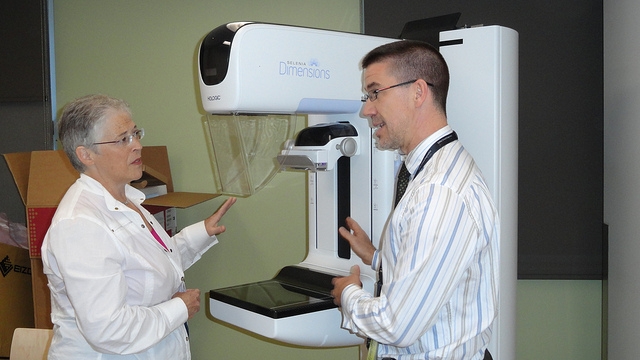
A year ago a New England Journal of Medicine study revealed that mammograms are largely ineffective in preventing deaths from breast cancer. According to Dr H. Gilbert Welch, in a New York Times oped, the mortality benefit of mammography is much smaller, and the harm of overdiagnosis much larger, than previously recognized.

According to Welch, one of the co-authors, the outcome of three decades of mammogram screening has been the diagnosis of 1.5 million women with early stage breast cancer. While this number might seem impressive, mammography has only diagnosed 0.1 million women with late-stage (potentially fatal) breast cancer.  This means that nearly a million women underwent unpleasant, invasive and unnecessary treatment (surgery, chemotherapy or radiation) for a non-lethal “cancer.”

Now a second Canadian study, published in the February 11 British Medical Journal, has replicated Welch’s findings. In the Canadian National Breast Screening Study, researchers followed almost 90,000 women for 25 years. Like Welch, they found that annual screening didn’t reduce breast cancer deaths. Instead they tended to lead to over-diagnosis and unnecessary treatment. In other words, cancers were found – and treated – that would have caused no problems during the patients’ lifetime.

In his New York Times editorial, Dr Welch laments misleading statements issued by the Komen Foundation and public health officials that early screening (by mammography) saves lives. The message they should be giving women is that they have a choice. While no one can dismiss the possibility that screening may help a small number of women, there’s no doubt that it leads many more to be treated unnecessarily for non-lethal cancers. Women need to decide for themselves about the potential benefit and risks. One serious potential risk Dr Welch doesn’t mention is the burden of radiation exposure from a lifetime of unnecessary mammograms.

Instead of screening all women with mammography, he recommends that health professionals only target women with a strong family history or genetic predisposition to breast cancer.

photo credit: photo credit: BC Gov Photos via photopin <a


Cellphones and Cancer

Resonance – Beings of Frequency

James Russell 2012

Film Review

Part I


Resonance – Beings of Frequency is an informative, well-researched film about the growing number of health and environmental problems linked to cell phones, wi-fi and cell phone masts. The title refers to  “Schumann resonances,” named after German physicist Winfried Schumann. It refers to natural low frequency electromagnetic radiation emitted by planet Earth. The beginning of the film, which delves in depth into Schumann’s obscure discovery, is likely to be off-putting for people with no physics background. Electromagnetic radiation (EMR) is tough enough to get your head around, much less the concept of wave pulses and frequency. I sincerely hope people will ignore or fast forward the first few minutes. The rest of the film is well worth watching and discusses an alarming body of research about a potentially dangerous technology that was widely implemented without any testing of its potential effect on human health.

In my view, the only physics people need to understand the film is 1) that the microwaves produced by cell phones and cell phone masts, like light and radio waves, are a form of non-ionizing (i.e. non-radioactive) electromagnetic radiation 2) that by definition, EMR are intertwined electrical and magnetic fields that travel as waves and 3) that all life forms produce it. The scientist who explains electroencephalograms (EEGs) and electrocardiograms (EKGs) later in the film puts this across quite clearly. In higher animals, the presence or absence of life is measured by their ability to give off EMR. An EEG measures the EMR given off by the brain. When the EEG flat lines, the patient is considered brain dead. It’s game over when the EKG, which measures EMR emitted by the heart, flat lines.

The film mainly focuses on research linking the staggering increase of man made EMR in the environment and the sudden onset of global bee colony collapse syndrome; the sharp decline in migratory bird species and the current epidemic of breast and other cancers. Obviously the cancer link will be most concerning for most viewers. There are now several dozen studies of the cancer clusters found in people living in close proximity to cell phone masts. The film features an interview with a breast cancer survivor living near a mast who surveyed all neighbors within 0.5 km of the mast. Seventy percent of them had developed breast, prostate or other cancer, leukemia or some other fatal or debilitating illness.

The Link Between Microwave Exposure and Breast Cancer

The link between breast cancer and exposure to toxic endocrine disruptors (found mainly in insecticides, cosmetics, plastics and diets high in animal fat) was established nearly ten years ago. However it remains very troubling that large numbers of women with no genetic history or lifestyle exposures are developing breast cancer as young as thirty-five or forty. The film suggests many of these cases relate to a far more insidious lifestyle factor. With more than 500 million cell phone masts scattered all across the planet, electromagnetic smog is an environmental exposure that is virtually impossible to avoid.

Resonance – Beings of Frequency presents some very convincing research about the negative effect of microwave radiation (the type produced by cell phones and cell phone masts) on Melatonin production and the essential role this hormone plays in immune function. This is the first time I have seen a mechanism proposed to explain how wireless technology might be increasing cancer rates.

A lot of people are aware of melatonin’s role in promoting sleep – that low light levels cause the brain to produce melatonin and that this is the hormone that sends people off to sleep. Studies showing that it’s also an antioxidant (i.e. a vitamin or hormone that destroys free radicals) even more powerful that Vitamin C or Vitamins less well publicized. However it’s well recognized that the main cause of aging and most forms of cancer can be traced to free radicals attacking the nucleus of normal cells.

Recent research suggests that the pineal gland (the part of the brain that produces melatonin) can’t distinguish between light waves and other forms of EMR – that this explains why people exposed to high levels of microwave radiation produce less melatonin. Presumably this makes their body less efficient in destroying the free radicals that cause cancer. Studies showing that patients with breast and prostate cancer have lower Melatonin levels tend to validate this hypothesis.

(To be continued with a discussion of the link between cellphone technology and bee colony collapse disorder, which is decimating bee populations worldwide.)

Electrosmog


cellphone tower

(The second of four posts linking cellphones, cellphone towers and Wi-Fi to cancer and other severe health problems – and the global die-off of honey bees.)

Both light and radio waves are natural forms of EMR (electromagnetic radiation) that surround us in the natural environment. EMR can be divided into high energy, or ionizing radiation, and low-energy non-ionizing radiation.  The ionizing radiation, like x-rays and nuclear radiation, actually smashes our fragile biochemistry, like the proverbial bull in a China shop.  There’s no controversy about the damage that it causes.  The dangers of non-ionizing radiation are more subtle.   Microwave ovens, cellphones, Wi-Fi, radar equipment and high voltage lines produce large amounts of EMR of a different frequency than human beings are exposed to naturally. Scientists have been concerned about potential health risks of microwave exposure since the 1930s, when mechanics working on early radar equipment complained of rashes, headaches and flu-like illnesses.

Following the release of the 2007 Bioinitiative Report (which shows European cancer rates tripling after the installation of cellphone towers), the European Environment Agency issued warnings on “electrosmog” from cellphones, Wi-Fi and cellphone towers. It’s easy to forget that all of us are constantly exposed to artificially high EMR levels – also known as electrosmog – even if we don’t use cellphones, cordless phones or Wi-Fi, or only use them at a safe distance from our bodies.

Despite hundreds of studies showing that EMR has biological effects (mainly DNA breakage and cell membrane leakage of nerve cells), the FDA bows to industry pressure to use ICNIRP (International Commission on Non-Ionizing Radiation) standards. The latter only measure the “thermal” or heating of effects of EMR. And since there is no heating at the low levels emitted from Wi-Fi or cell phone towers, the FDA draws the illogical conclusion electrosmog poses no health risk. Despite hundreds of studies linking Wi-Fi and cellphone towers to cancer, Alzheimer’s, Parkinson’s, fatigue, headaches, multiple sclerosis (MS), impaired memory and behavior problems in children.

Electrohypersensitivity Syndrome (EHS)

Approximately 3% of the population (including children exposed to Wi-Fi routers in schools) suffer from a serious condition caused by exposure to EMR known as Electrosensitivty Syndrome (ES) or Electrohypersensitivity Syndrome (EHS). It’s a condition, well recognized by environmental physicians, characterized by headaches, disrupted sleep, chronic fatigue, depression, erratic blood pressure, rapid pulse, rashes, nausea and childhood behavior problems. In some patients, it can look a lot like MS. In fact, patients with MS often have a worsening of their symptoms when exposed to EMR.

Unfortunately, other conditions linked to EMR take much longer to develop (10-15 years). This means it could scientists take 50 years or more to collect the “conclusive proof” necessary to force the FDA to regulate exposure.

The European Position

Following the 2007 Bioinitiative Report, many French and English schools dismantled their Wi-Fi systems and replaced them with cables. The German government has issued a warning that all citizens avoid Wi-Fi use at home and at work. Likewise the Austrian Medical Association has recommended all Wi-Fi be replaced with cables. The position taken by the Swedish government, which formally recognizes EHS as a disability, is the strongest. They will remove Wi-Fi from the school of any student suffering from EHS, as well as providing microwave opaque paint and/or wall coverings for the homes of EHS patients.

What Should Americans Do?

Owing to massive corruption in the FDA and other federal regulatory agencies, Americans are still pretty much on their own in protecting themselves against excessive EMR exposure.

Yet there are still steps they can take to practice what researcher Dr Magda Havas refers to as “good electromagnetic hygiene”:

1.  Replace cordless with corded phones.

2.  Replace Wi-Fi internet hook-ups with an Ethernet cable.

3.  Use cellphones as little as possible and only in speaker mode (Bluetooth devices and regular head phones also give off microwaves – only air tube headsets are safe). Men should never carry cellphones in their or waist band, as they lower sperm production and quality (the FCC carried this warning on their website for 10 months but removed it in November 2010, under industry pressure.

4.  Do NOT use CFLs (compact fluorescent light bulbs – although good for environment, the erratic currents they produce are linked to health problems. Here are some energy efficient alternatives.

5.  Do NOT use electric blankets or water beds

6.  Keep alarm clock radios at least 2 meters from your bed

7.  Measure EMR radio frequency in your home and install radio frequency-reflecting window film or fabric to shield from external sources

8.  Measure “dirty” electricity (erratic currents from CFLs) in your home and install filters if values are above 50 GS units.

9.  Use “wired” – not wireless – smart meters/

10. Do not live in a home within 100 meters of transmission lines or within 400 meters of cell phone antennas.

See the 2014 midyear Bioinitiative Working Group report for the most recent peer review research linking EMR exposure and brain cancer, allergies, immune problems and nervous system effects, such as hyperactivity, concentration problems, anxiety, irritability, disorientation, distracted behavior, sleep disorders, and headaches. The BWG specifically warns against Wi-Fi in schools.

photo credit: keepstill via photopin cc

The Cellphone Controversy

(The first of four posts on research linking cellphones and Wi-Fi to cancer and other severe health problems – and to the die-off of honeybees)

Predictably, the Food and Drug Administration has declared cellphones, Wi-Fi and cellphone towers safe, along with water fluoridation, fracking and genetically engineered organisms (GMOs). The FDA based their findings on the Interphone Study. This series of multinational, case-controlled studies funded by the UN and the cell phone industry was published in the May 2010 International Journal of Epidemiology in May 2010.

Study Shows Cell Phones Prevent Brain Tumors

You wonder how any reputable scientific journal could publish a study showing that cellphones reduce the risk of brain tumors. But these industry whores have no shame. A detailed analysis of the Interphone study by Dr Magda Havas, Associate Profession of Environmental and Resource Studies at Trent University in Canada, reveals the study was deliberately designed to minimize adverse effects. When frequent cellphone users came out with a high risk of brain tumor (meningioma), they concealed this in two appendices in the back of the journal that weren’t released to the press.

Examples of bias in the study design:

  1. A “regular” cellphone user was defined as someone who made one cellphone call a week – Havas compares this to looking for lung cancer in people who smoke one cigarette a week.
  2. Cordless phone users (who experience the same EMR exposure as cellphone users) were included in the control group (the non-exposed group) instead of the experimental group – whereas in a proper study, a genuine control group would have no EMR exposure at all.
  3. The Interphone studied excluded two important age groups – those under 30 (those most vulnerable to carcinogens) and those over 60 (the age group with highest numbers of brain tumors).

Even more troubling the Interphone study relates to cellphone use between 2002-2004, when overall cell phone use (particularly among children) was quite low compared to current use. Moreover, it also excludes any data from US cellphone users.

At November 2010 San Francisco conference “The Health Effects of Electromagnetic Fields,” Dr Joel Moskovitz presented a larger meta-analysis of independent cell phone studies that points to an average of 18,000 preventable glioma (a highly malignant tumor) deaths directly related to cellphones.

To be continued.

Is Lipstick Killing Us?

lipstick

A study in the May 2, 2013 Environmental Health Perspectives reveals that commercial lipstick and lip gloss contain potentially hazardous levels of heavy metals, such as aluminum, cadmium, chromium and manganese. The study also notes that young people (i.e. preteens and teenagers) absorb heavy metals at higher rates than adults.

The article notes that the last decade has seen considerable publicity regarding lead (which causes brain damage, particularly in children and young people) contained in lip products. According to the Food and Drug Administration (FDA), lead in lipstick is merely an impurity, owing to high levels of lead in the environment.  Environmental researchers state otherwise. They assert that lead-containing color pigments are the main source of lead in lipstick.

At present the FDA chooses not to regulate the amount of lead or other metals in cosmetics. They do set a maximum allowable lead concentration in candy of 0.1 ppm (1 mg/kg). As their own figures indicate, the lead levels in some popular brands of lipstick and lip gloss greatly exceed 0.1 ppm. Although most women don’t knowingly eat lipstick, they inadvertently swallow it and absorb it through mucous membranes in the mouth. Moreover some women reapply it as often as 10-12 times a day.

As the authors point out, the European Union Cosmetics Directive makes it illegal to manufacture, import or sell any cosmetic products with detectable levels of lead, cadmium, chromium or other heavy metals harmful to human health.

Cadmium is a known human carcinogen associated with lung cancer and respiratory system damage, kidney and bone impairments. Animal studies have shown that exposure to cadmium during pregnancy can result in low birth weights, skeletal deformities and behavior and learning problems

Chromium is also a known human carcinogen; inhalation causes lung cancer and oral exposure through drinking water has been linked with increased stomach tumors.

The EHP paper indicates that evidence linking manganese with neurological and neurobehavioral problems in children is still inconclusive. However there are numerous studies linking high manganese levels to Parkinson’s and Alzheimer’s disease:

http://onlinelibrary.wiley.com/doi/10.1002/aheh.200400556/abstract

http://www.alzforum.org/new/detail.asp?id=2770

http://www.hindawi.com/journals/ijad/2011/607543/ref/

Surely it’s high time for the US to follow Europe’s example and adopt the Precautionary Principle. Under the Precautionary Principle, the burden would be on manufacturers to prove their products are safe as a condition of bringing them to market. At present, the obligation is on women to prove they’re unsafe.

photo credit: Auntie P via photopin cc


British ObGyns Speak Out on Toxic Exposures

pregnancy

New British Recommendations for Pregnant Women

In May 2013, Britain’s the British Royal College of Obstetricians and Gynaecologists (RCOG) recommended that pregnant and nursing women minimize or eliminate their use of canned and plastic wrapped food and commercial household and beauty products. Thus in addition to avoiding prescription drugs and shellfish, pregnant and nursing women should avoid processed food and the use of commercial personal care products such as sunscreens, moisturizers, fragrances, shower gels, hair sprays and shampoo. The RCOG also strongly cautions against the use of commercially manufactured baby lotions, powders and shampoos, as they commonly contain phthalates.

The RCOG published their recommendations in a scientific impact paper titled Chemical Exposures During Pregnancy. Unfortunately American women missed out on these important recommendations, as the US corporate media gave it a miss.

Already Implicated in Cancer and Infertility

British obstetricians are chiefly concerned about the endocrine disruptors contained in these products. An endocrine disruptor is a chemical with the potential to interfere with one or more hormone systems in the body. Obviously women’s hormone systems play critical roles in normal fetal development. Endocrine disruptors that behave like estrogens (female hormones) are already implicated in epidemic levels of breast and prostate cancer and infertility (i.e. low sperm counts). See Buyer Beware: Are Americans Systematically Poisoning Themselves. They’re also linked to birth defects.

 The Precautionary Principle

The beauty industry is a multibillion dollar global business, and the British obgyns are a lot more courageous than their American counterparts. I’m still waiting for the American College of Obstetrics and Gynecologists to challenge the Susan G Komen Foundation for allowing Avon, which refuses to sign the Compact for Safe Cosmetics, to hijack their Pink Ribbon Campaign for breast cancer research (see The Corporatization of Breast Cancer).

The RCOG justifies their position based on the growing body of research linking common chemical exposures to birth defects and developmental problems. Thus following the Precautionary Principle, British obstetricians argue that use of these products should be minimized or eliminated until they are proven safe.

 The main chemicals that concern the RCOG are

  • DDT and PCBs (currently banned in the US, these chemicals continue to be used in the third world and persist in the food chain, particularly in oily fish). Recommendation: pregnant and nursing women should reduce their intake of oily fish to no more than once a week.
  • Phthalates and bisphenol A (found in plastic containers, the lining of cans and numerous personal care products). Recommendation: eliminate or greatly reduce consumption of food and beverages sold in cans or plastic containers and use of commercially manufactured sunscreens, moisturizers, fragrances, shower gels, hair sprays and shampoos.
  • Polybrominated diphenyl ethers (PBDES) used in flame retardants and perfluorinated compounds (PFCS) used to make materials waterproof and stain-resistant. Recommendation: pregnant and nursing women avoid purchasing new furniture, fabrics, non-stick frying pans and automobiles

The impact paper also recommends avoiding the following substances:

  • Over the counter pain killers
  • Chemical insecticides and fungicides (e.g. products that kill mold)
  • Liver and other sources of Vitamin A (Vitamin A toxicity in the fetus can also cause birth defects)

 Alternatives?

For women (and men concerned about cancer and maintaining their sperm count) who need alternatives to commercial household and beauty products, it’s amazingly simple (and cheap) to produce safe and effective homemade alternatives with a food processor and traditional ingredients such as baking soda, vinegar, bar soap and calcium carbonate. I will post some easy recipes next week.

photo credit: Espen Klem via photopin cc

Buyer Beware: Are Americans Systematically Poisoning Themselves

cosmetics

The US has the worst record in the industrialized world for regulating toxic chemicals. Thanks to the stranglehold powerful corporate lobbies have on Congress, the Environmental Protection Agency (EPA), and the Food and Drug Administration (FDA), millions of Americans may be systematically poisoning themselves with common household products, toiletries and cosmetics.

At present, Americans are at highest risk from endocrine disruptors found in soft plastic and most commercial cleaning and beauty products. These are chemicals that mimic estrogen and other hormones in their effect on the human body. Many epidemiologists believe they are linked to the current epidemic of breast cancer, premature puberty, birth defects, and both male and female infertility. What many people forget is that cancer was an extremely rare condition prior to World War II and the appearance of hundreds of synthetic chemicals on the scene.

The dangerous phalates and bisphenyl-A found in plastic water bottles, pacifiers, and baby toys have been fairly well publicized (I hope.). There seems to be less public awareness that nearly all commercial shampoos, hand and body lotions, deodorants, toothpaste, and sunscreen contain preservatives that function as estrogen-like endocrine disruptors. The US bans only eight of these compounds. In contrast the EU bans more than 1,000.

In addition to causing harm to people who use them, these toxic endocrine disruptors accumulate in waterways when they’re flushed down the drain. Indigenous populations in both the third world and the Arctic are found to have hundreds of these toxic chemicals in their blood stream and breast milk even though most of them have never even heard of Right Guard or Colgate toothpaste.

Parabens: the Worst Offenders

One of the worst offenders is the paraben class of compounds (mostly found as methyparaben or PABA), which is used as a preservative in nearly all commercial toiletries. The second most common is triclosan, found in numerous so-called antibacterial products, including the following:

  • Neutrogena Deep Clean Body Scrub Bar
  • Lever 2000 Special Moisture Response Bar Soap, Antibacterial
  • CVS Antibacterial Hand Soap
  • Dial Liquid Soap, Antibacterial Bar Soap
  • Softsoap Antibacterial Liquid Hand Soap
  • Cetaphil Gentle Antibacterial Cleansing Bar
  • Clearasil Daily Face Wash
  • Clean & Clear Oil Free Foaming Facial Cleanser
  • Dawn Complete Antibacterial Dish Liquid
  • Ajax Antibacterial Dish Liquid
  • Colgate Total Toothpaste
  • Right Guard Sport Deodorant
  • Old Spice Red Zone, High Endurance and Classic Deodorants
  • Vaseline Intensive Care Antibacterial Hand Lotion

Toxic Nanoparticles

Even less well publicized are potentially toxic “nanosized” particles present in many popular sunscreens and so called “natural” mineral foundations. (See 2010 Friends of the Earth study and recent article by Terence Newton linking nanoparticles with DNA damage and cancer.)

Nanoparticle containing skin products are strictly regulated in the UK and Europe, where laws require mandatory safety testing and labeling. In the US, the FDA, which has known for nearly a decade that common sunscreens contain ingredients that accelerate the growth of skin cancer cells. Yet they still refuse to act on this information.

Nanoparticles are absorbed into the blood stream through skin damaged through eczema or psoriasis, a major health concern as mineral foundations are specifically marketed to women to conceal unsightly dermatitis. Some studies show that mineral foundation powders are inhaled into the lungs during application. Others suggest that nanoparticles penetrate healthy skin.

Not only are these substances totally unregulated in the US , but due to lax labeling laws, 80 percent of sunscreens that claim to be free of nanoparticles are found, on testing, to contain them.

Hair Dyes

Over fifty million American women, as well as an increasing number of men, dye their hair on a regular basis. Many start in early adolescence, resulting in cumulative, lifelong exposure to some extremely toxic substances:

  • Phenylenediamine (PPD) – present in over two-third of chemical hair dyes and by far the most toxic. Linked (in animals) to damage of the immune and nervous system, skin, liver and kidneys. Banned in France , Germany , and Sweden and use “restricted” in Canada .
  • Resorcinal – classified by the European Union as a harmful skin and eye irritant and dangerous to the environment.
  • Ammonia – irritant to skin, eyes, and respiratory system (can cause asthma).
  • Peroxide – potential toxic effects on eyes, nervous and respiratory (can cause asthma) system. Can cause DNA damage, possibly leading to cancer. Banned in cosmetic use in Japan and use “restricted” in Canada.
  • 4-ABP – linked to cancer

Many so-called “natural” hair dyes also contain some PPD, but in lower concentrations. As with other toiletries and beauty products described above, checking labels is essential, or better still doing a little Internet research to find a safer alternative.

Dangerous Chemicals in Household Cleaners

AIR FRESHENERS – usually contain methoxychlor, a pesticide that accumulates in fat cells, as well as formaldehyde, a highly toxic, known carcinogen, and phenol, a common culprit in contact allergies.

CARPET AND UPHOLSTERY SHAMPOO – commonly contain perchlorethylene, a known carcinogen, and ammonium hydroxide, a corrosive, extremely irritable to eyes, skin and respiratory passages.

DISHWASHER DETERGENTS (number one cause of household poisoning) – commonly contain highly concentrated dry form of chlorine, which leaves a residue on dishes that accumulates with each washing and is absorbed into hot food.

FURNITURE POLISH contain petroleum distillates, which can cause skin and lung cancer and nitrobenzene, linked with low sperm counts, anemia and liver, kidney, lung and eye damage.

LAUNDRY detergents contain the following chemicals (which remain as residue in clothes, as well as being released into waterways):

  • Petroleum distillates (aka napthas) – linked to cancer, lung damage and inflammation (can cause asthma) and damage to mucous membranes.
  • Phenols – linked with damage to nervous system, heart, blood vessels, lungs (can cause asthma) and kidneys.
  • Nonyl phenol ethoxylate – endocrine disruptor banded in Europe, owing to link to breast cancer, premature puberty and low sperm counts.
  • Optical brighteners (convert UV light wavelengths into visible light, making clothes appear whiter without making them cleaner) – toxic to fish and can cause allergic reactions when exposed skin is later exposed to sunlight.
  • Phosphates (banned in many states) – contribute to water “dead zones” by stimulating algae growth that depletes oxygen needed for fish and other animal life.
  • Sodium hypochlorite (household bleach) – highly toxic chemical which reacts with organic materials in the environment to form carcinogenic and toxic compounds that can cause reproductive, endocrine and immune system disorders.
  • EDTA (ethylene-diamino-tetra-acetate) – chelating agent that biodegrades poorly and can re-dissolve toxic heavy metals in the environment, allowing them to enter the food chain.

OVEN CLEANERS – contain highly toxic and corrosive lye and ammonia with fumes that can damage the respiratory system (especially of small children and pets) and which leave residue that is vaporized when the oven is turned on.

TOILET BOWL CLEANERS contain hydrochloric acid, a highly corrosive irritant which can damage skin, eyes, kidneys and liver; and hypochlorite bleach, a corrosive irritant that can damage eyes, skin and respiratory tract.


photo credit: Nikita Kashner via photopin cc